
Hawaiʻi Kai & East Honolulu
Southeast Honolulu’s scenic, suburban coast with iconic bays, craters, and quick stop-offs.
Good Fit For
- Snorkel and swim days
- Volcanic ridge hikes
- Scenic coastal drives
- Neighborhood calm between stops
- Families wanting space
Trade-offs
- Car-oriented spread
- Limited nightlife energy
- Crowds at marquee sites
- Windy, rougher shores
Logistics & Getting Around
This is a string of neighborhoods and shoreline stops rather than a single walkable district. Most visitors move point-to-point by car or rideshare. Allow extra time for traffic, parking, and changing ocean conditions along the southeast coast.
Nearby Areas in Honolulu
Ala Moana & Mōʻiliʻili
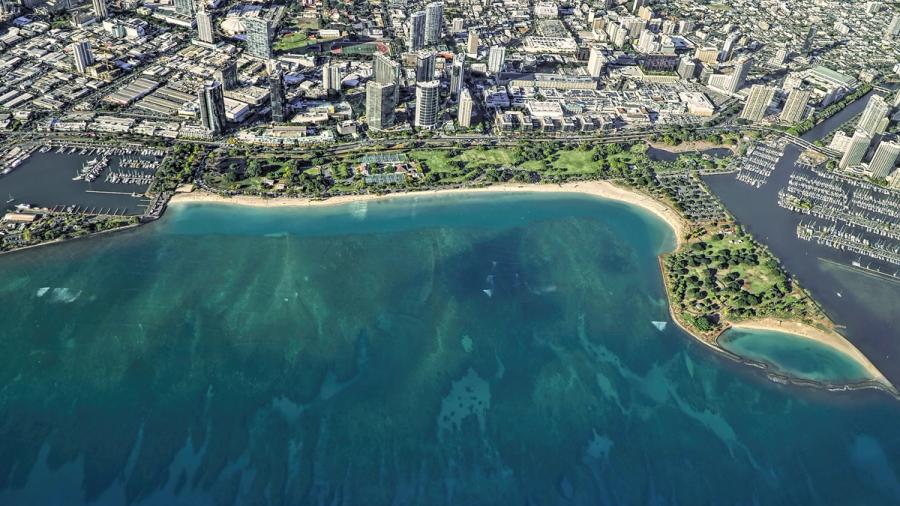
Urban Honolulu for shopping, quick meals, and easy access just west of Waikīkī.
Diamond Head & Kapahulu
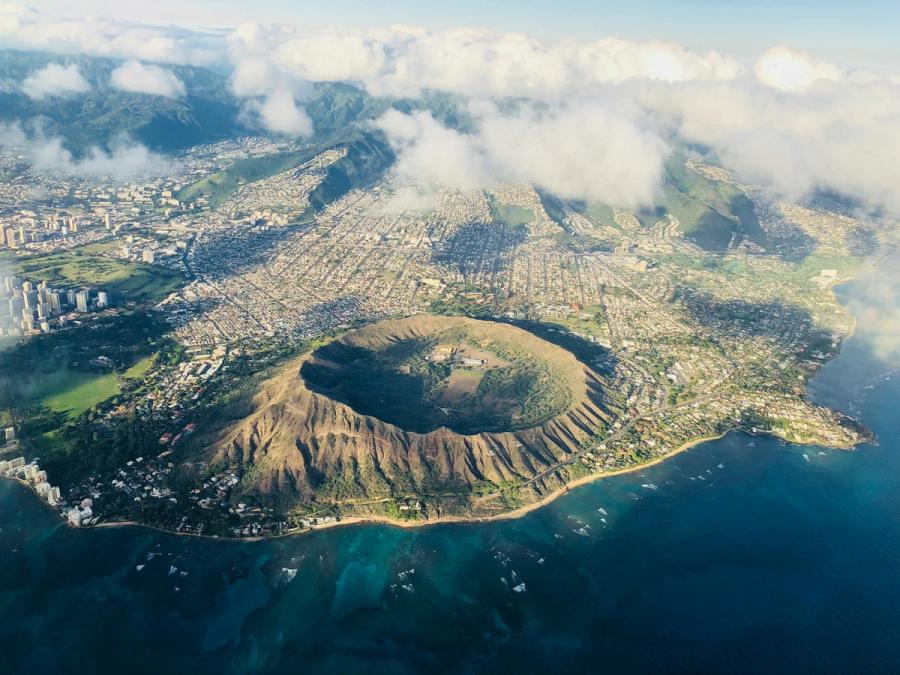
Leʻahi’s iconic crater and a nearby loop of parks, streets, and local eats.
Downtown, Chinatown & Kakaʻako
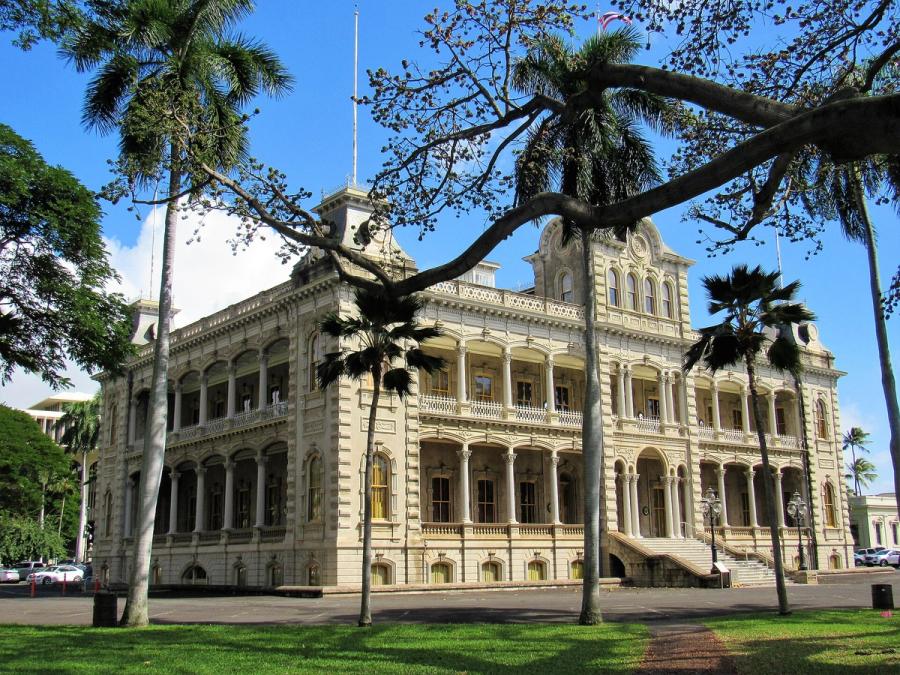
Honolulu’s urban core: palace-and-capitol history, Chinatown grit, and Kakaʻako’s waterfront remake.
Kahala & Waialae
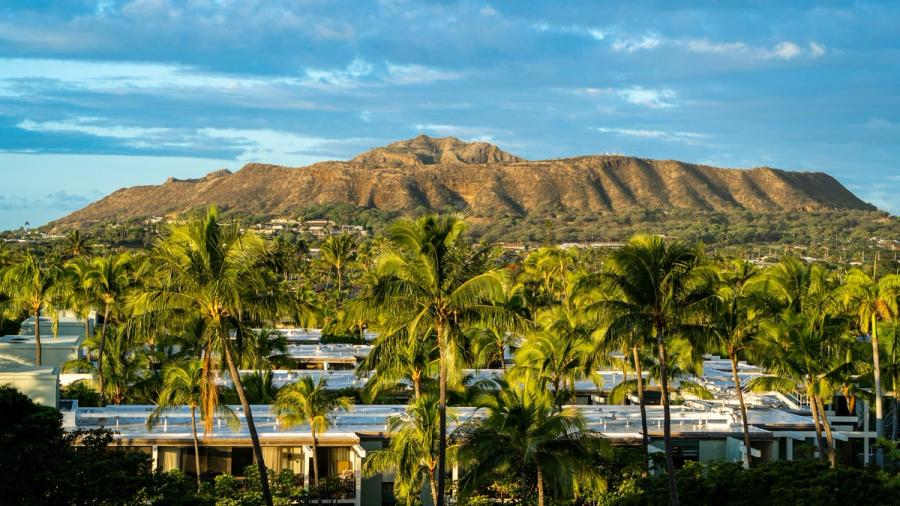
A calm, upscale stretch of east Honolulu coastline and neighborhoods beyond Waikīkī.
Kaimukī & Pālolo
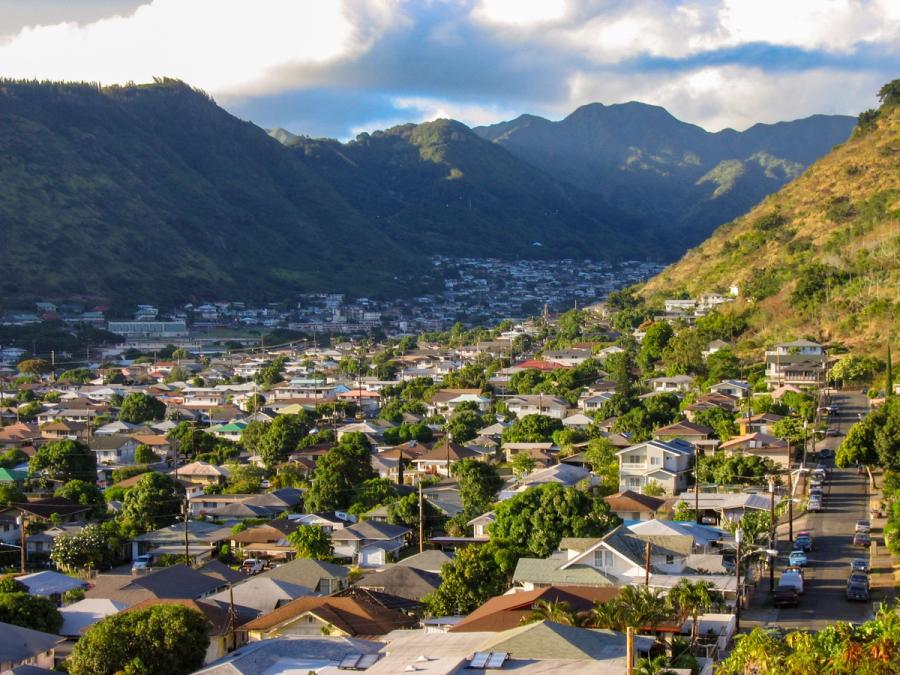
Mauka Honolulu neighborhoods of ridges and valley streets just beyond the beach belt.
Mānoa, Makiki & Nuʻuanu
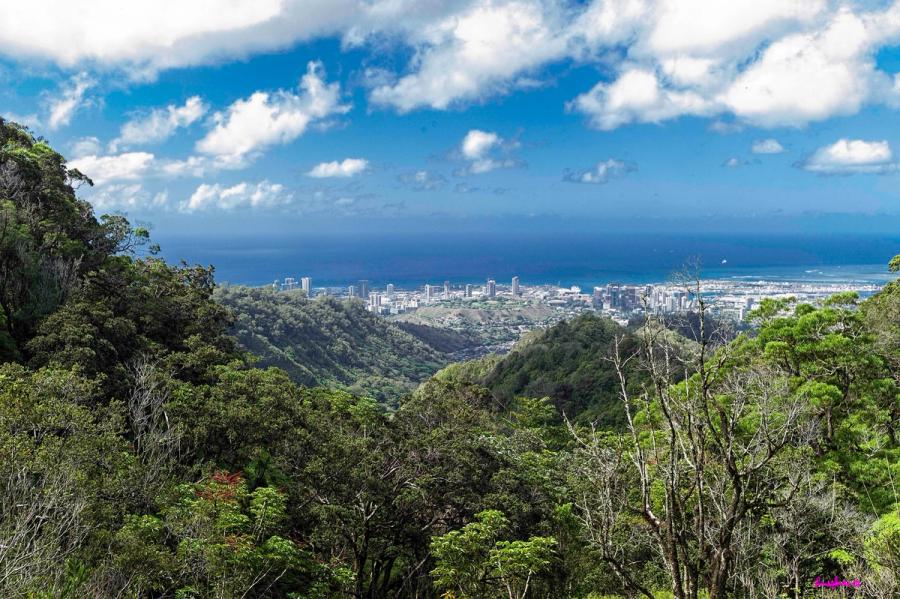
Honolulu’s green mauka valleys and ridgelines, close to town but quietly local.
Waikīkī
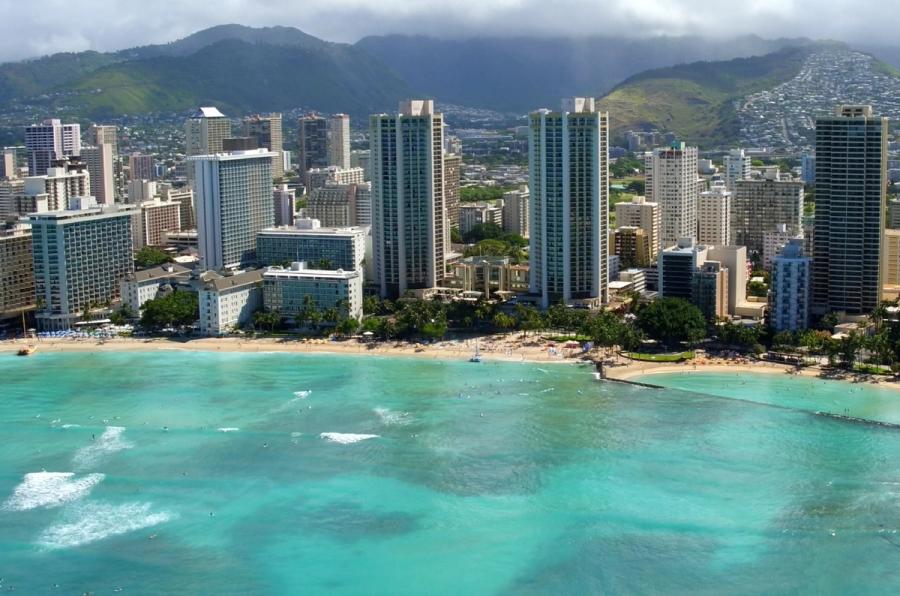
Honolulu’s iconic urban beach district: high-rises, a long sandy arc, constant motion.
Signature Experiences in Hawaiʻi Kai & East Honolulu
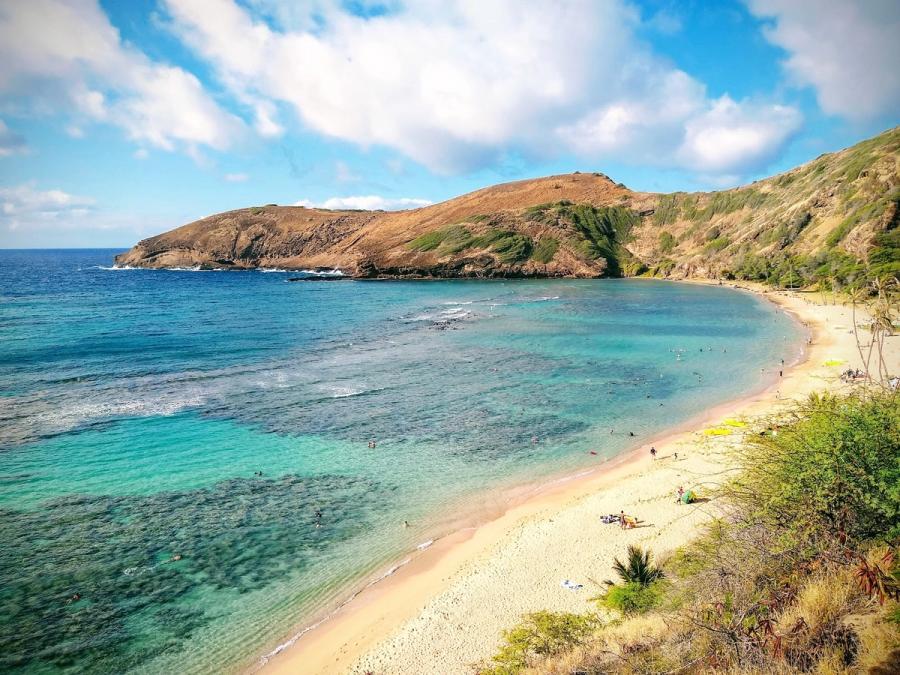
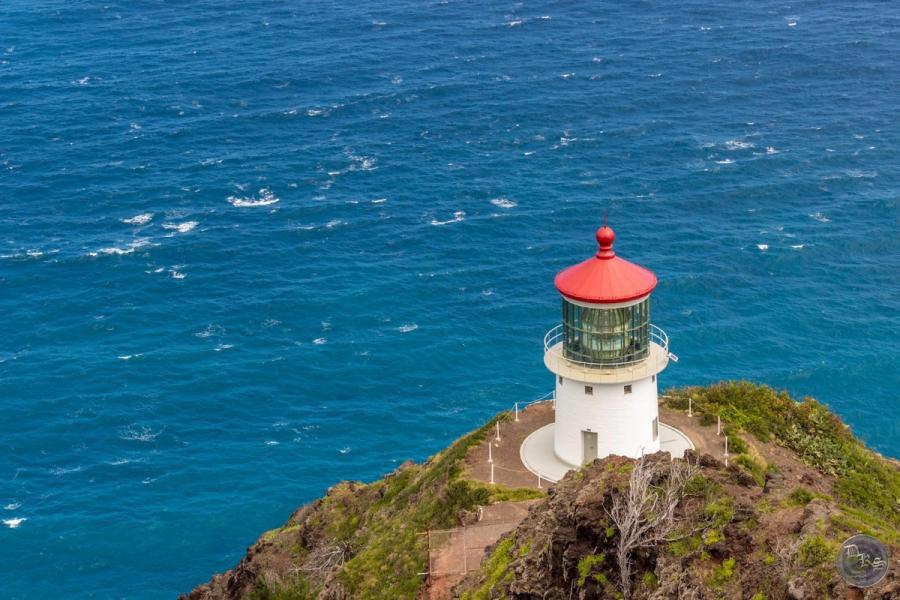
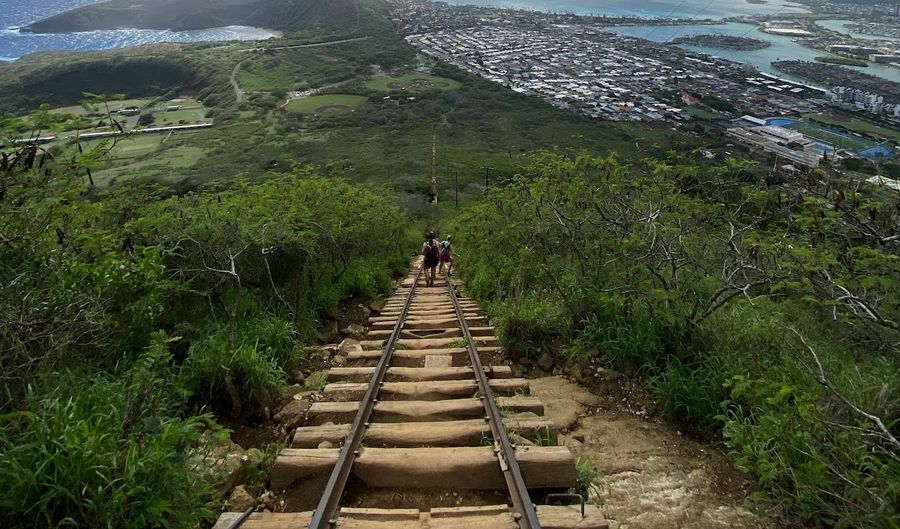
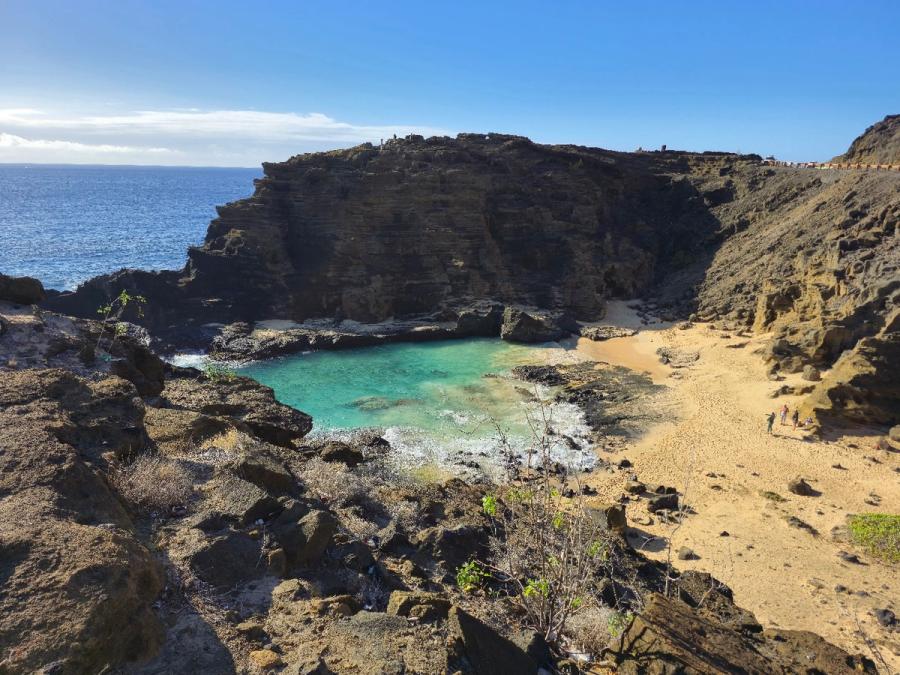
The feel: suburban Honolulu meets dramatic shoreline
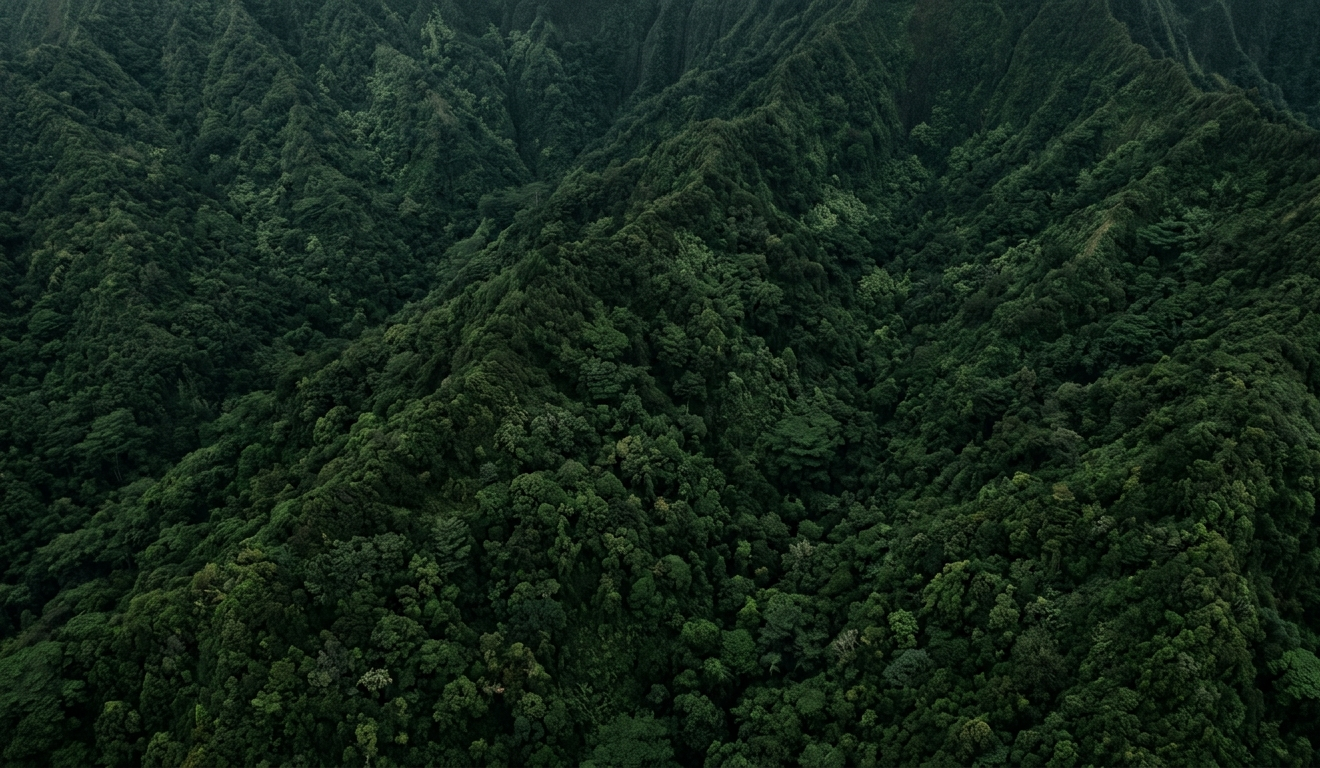
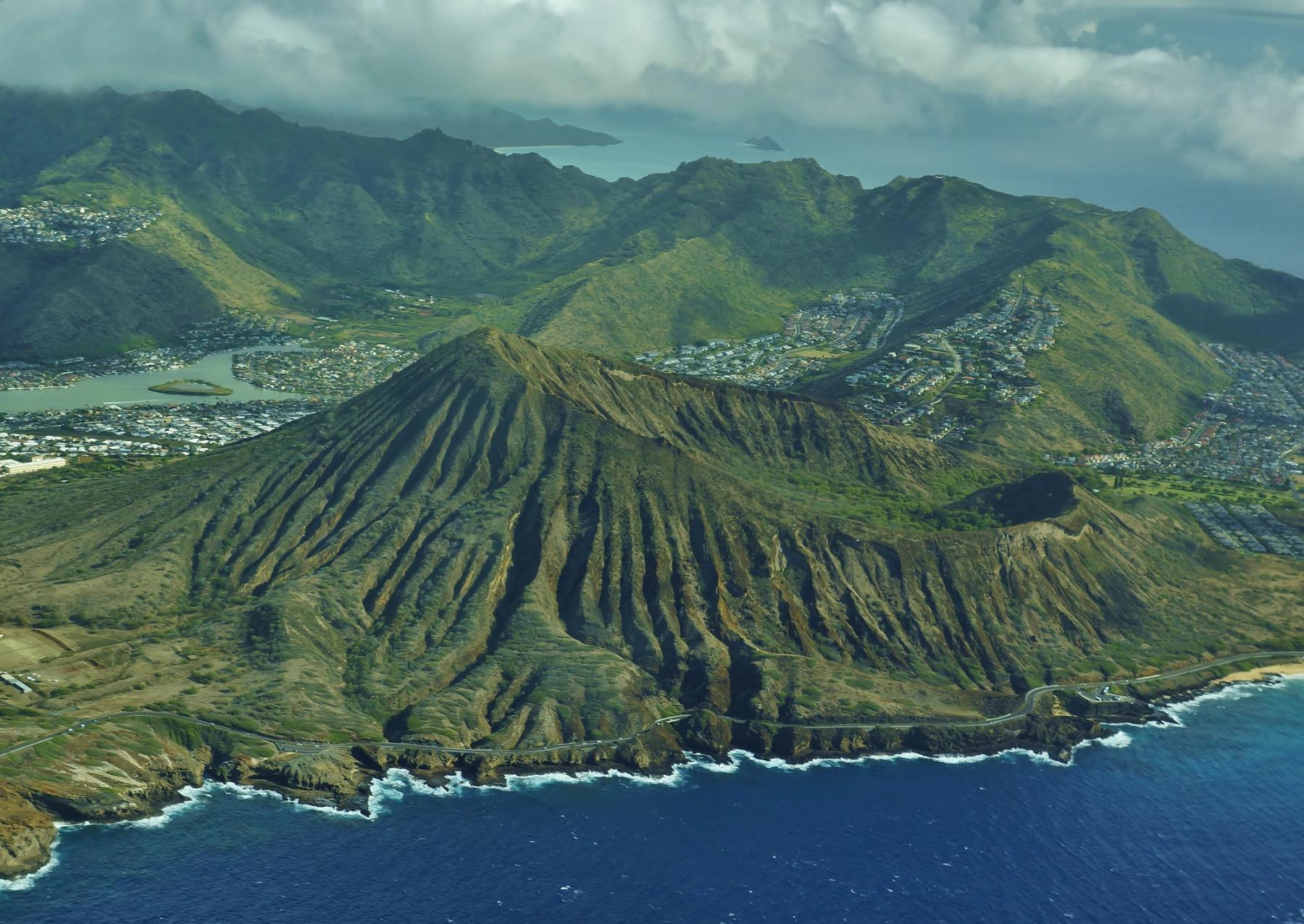
Hawaiʻi Kai & East Honolulu is where urban Honolulu thins out into residential valleys, ridgelines, and a coastline that feels distinctly wilder than the Waikīkī side. Between the big sights, you’ll pass everyday Oʻahu—schools, parks, local shopping centers, and long stretches of homes tucked behind the highway. Then the scenery snaps back into focus: lava rock, open ocean, and volcanic forms that give this corner its unmistakable silhouette.
What surprises many first-timers is that it’s not a continuous beach-town strip. The experience is a series of destination stops connected by short drives: a bay for snorkeling, a crater for a steep climb, a lookout for photos, a pocket of sand for a quick break. In between is neighborhood calm rather than visitor bustle.
Why people come: set-piece nature, close to town
This area holds some of Oʻahu’s most recognizable outdoor landmarks. Hanauma Bay is the headline for many—clear-water snorkeling in a protected cove when conditions cooperate. Nearby, Koko Head’s steep profile and other ridge routes draw early-morning hikers chasing views before the heat builds.
Farther along the southeast shoreline, beaches and coves change character. Some spots are better suited to experienced ocean users; others are more about watching the surf and feeling the trade winds. The reward is variety in a short radius: sheltered water, exposed points, and scenic pullouts where the island’s geology is on full display.
Day-to-day practicality: convenient services, little strolling
Hawaiʻi Kai itself functions as a service hub—groceries, casual meals, and errands—useful if you’re spending a half day out this way. But most places aren’t linked by pleasant sidewalks, and the main road is built for cars. Plan to arrive with a short list of priorities rather than trying to “wander the neighborhood.”
Ocean conditions can change quickly here, especially on exposed beaches. Treat posted warnings seriously, and be ready to swap a swim plan for a viewpoint or an easy walk if the water looks rough.
How it fits into a trip
Most visitors experience Hawaiʻi Kai & East Honolulu as an add-on to a Honolulu stay: a morning hike paired with a bay, or the southeast segment of a longer island loop. If you’re seeking dense dining, nightlife, and easy beach access on foot, you’ll find that more reliably closer to Waikīkī—this side trades that convenience for open space and iconic natural stops.

Can't decide where to stay? Get personalized advice.
Custom recommendations built from the web's most comprehensive Kauai guide.