
Downtown, Chinatown & Kakaʻako
Honolulu’s urban core: palace-and-capitol history, Chinatown grit, and Kakaʻako’s waterfront remake.
Good Fit For
- City walks in pockets
- Food-first exploring
- History and architecture
- Evening neighborhoods
- Car-light day out
Trade-offs
- Not a beach zone
- Patchy after-hours quiet
- Heat and hardscape
- Street-parking hassles
Logistics & Getting Around
Easy to reach from Waikīkī and Ala Moana by rideshare, bus, or a short drive. Walkability is best within each district; between Downtown, Chinatown, and Kakaʻako you may cover more ground than expected in the midday heat.
Nearby Areas in Honolulu
Ala Moana & Mōʻiliʻili
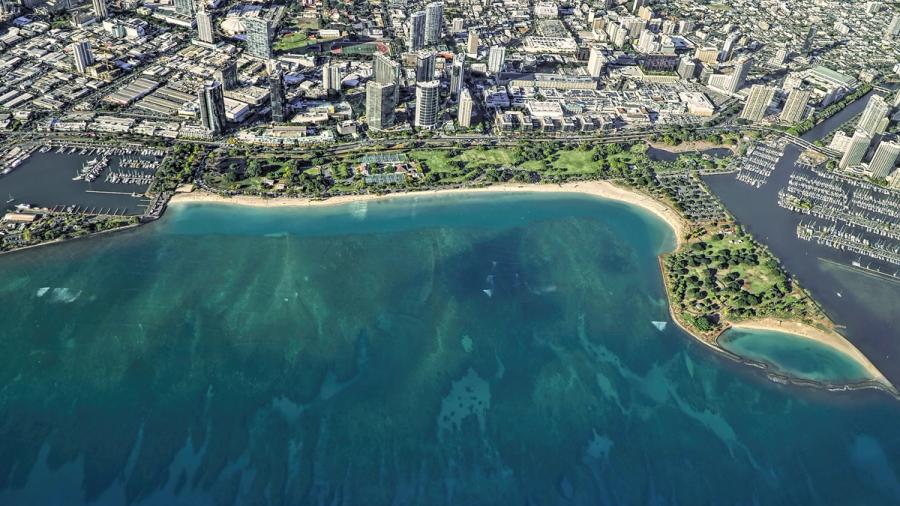
Urban Honolulu for shopping, quick meals, and easy access just west of Waikīkī.
Diamond Head & Kapahulu
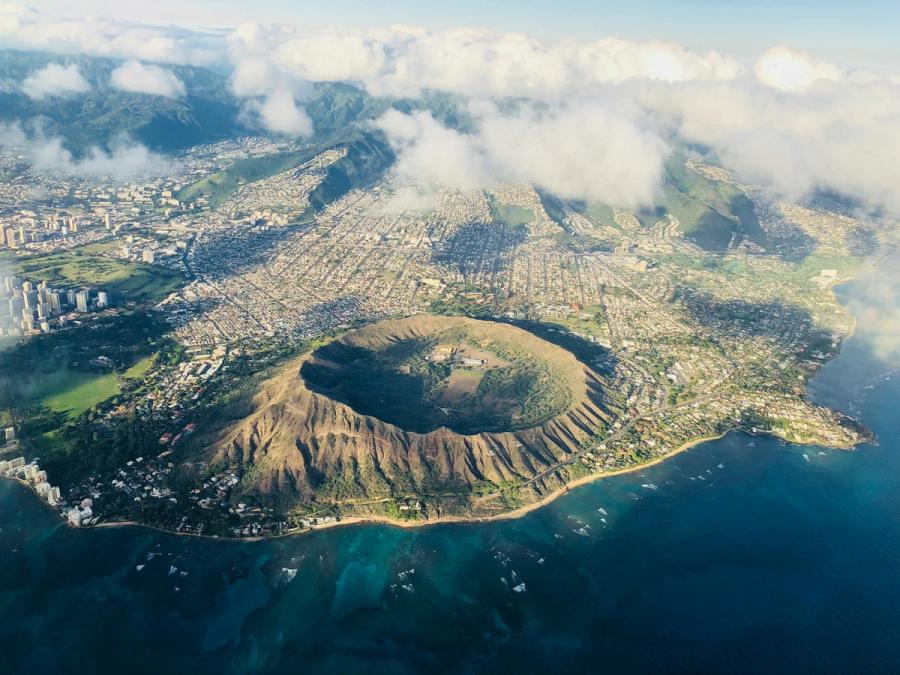
Leʻahi’s iconic crater and a nearby loop of parks, streets, and local eats.
Hawaiʻi Kai & East Honolulu
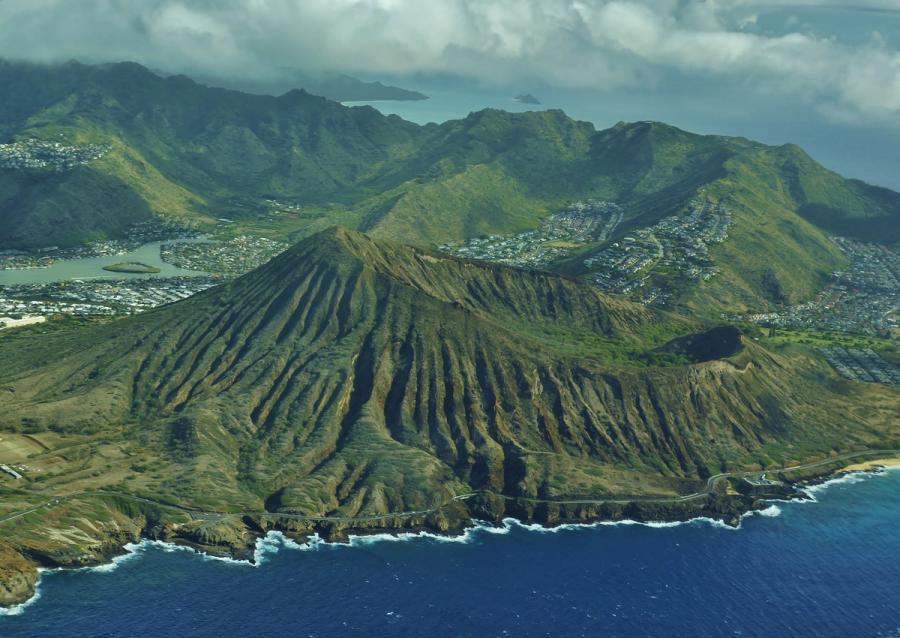
Southeast Honolulu’s scenic, suburban coast with iconic bays, craters, and quick stop-offs.
Kahala & Waialae
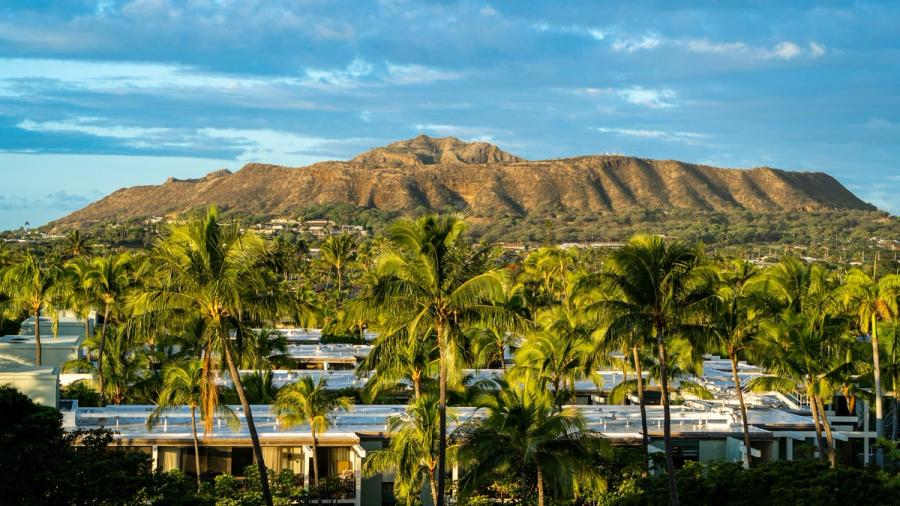
A calm, upscale stretch of east Honolulu coastline and neighborhoods beyond Waikīkī.
Kaimukī & Pālolo
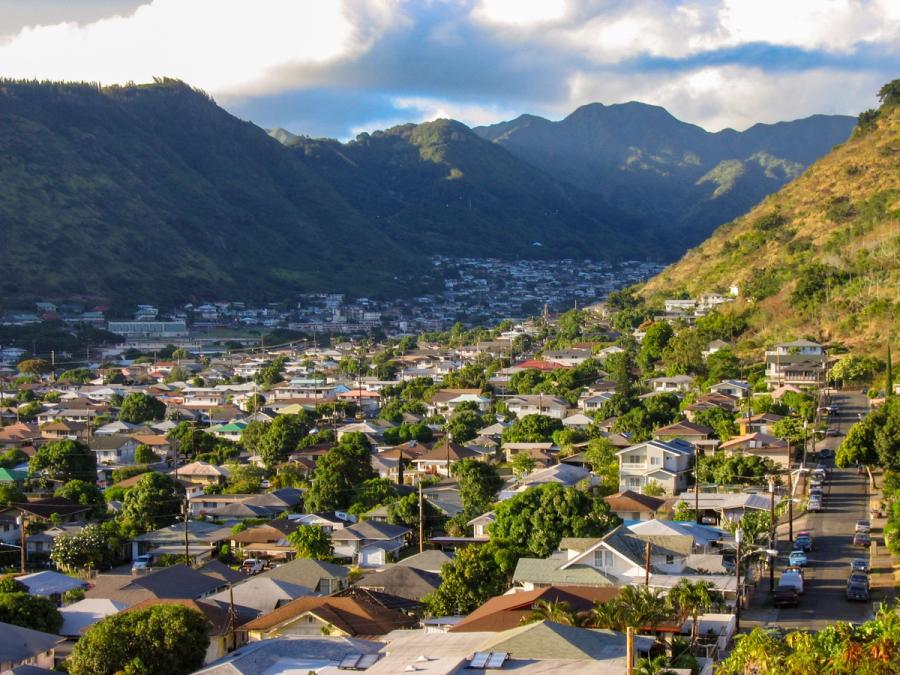
Mauka Honolulu neighborhoods of ridges and valley streets just beyond the beach belt.
Mānoa, Makiki & Nuʻuanu
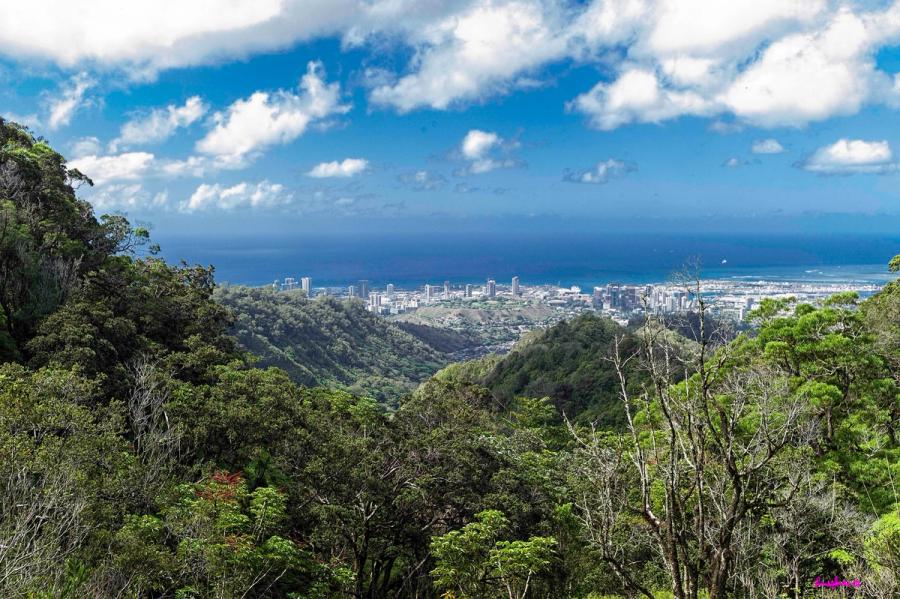
Honolulu’s green mauka valleys and ridgelines, close to town but quietly local.
Waikīkī
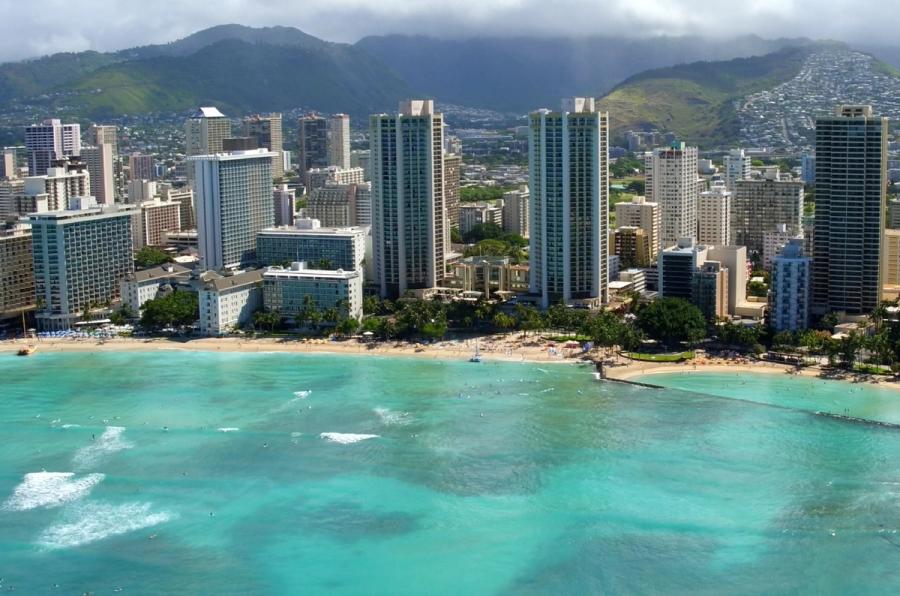
Honolulu’s iconic urban beach district: high-rises, a long sandy arc, constant motion.
Signature Experiences in Downtown, Chinatown & Kakaʻako
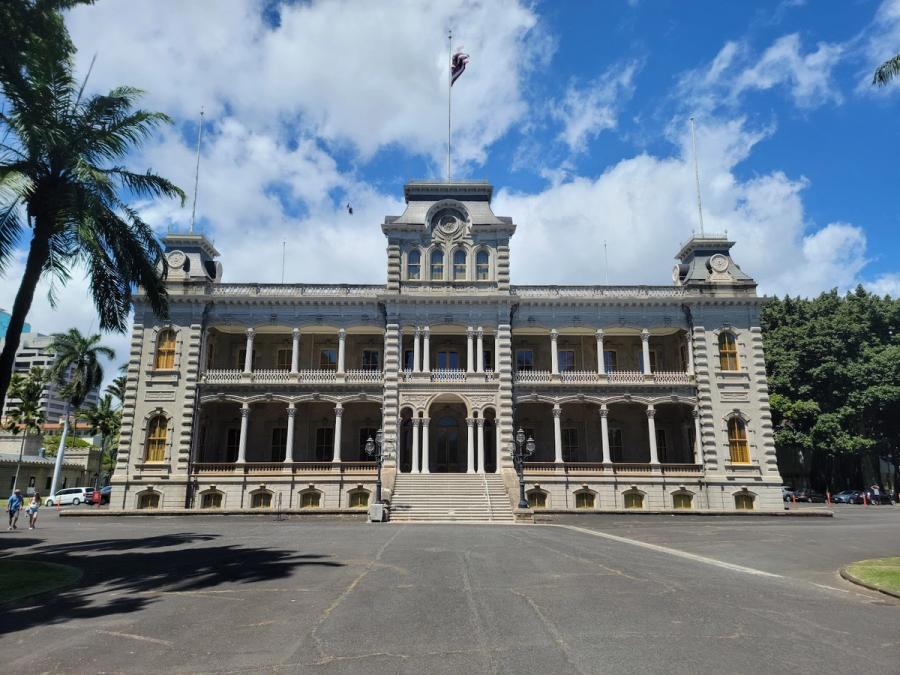
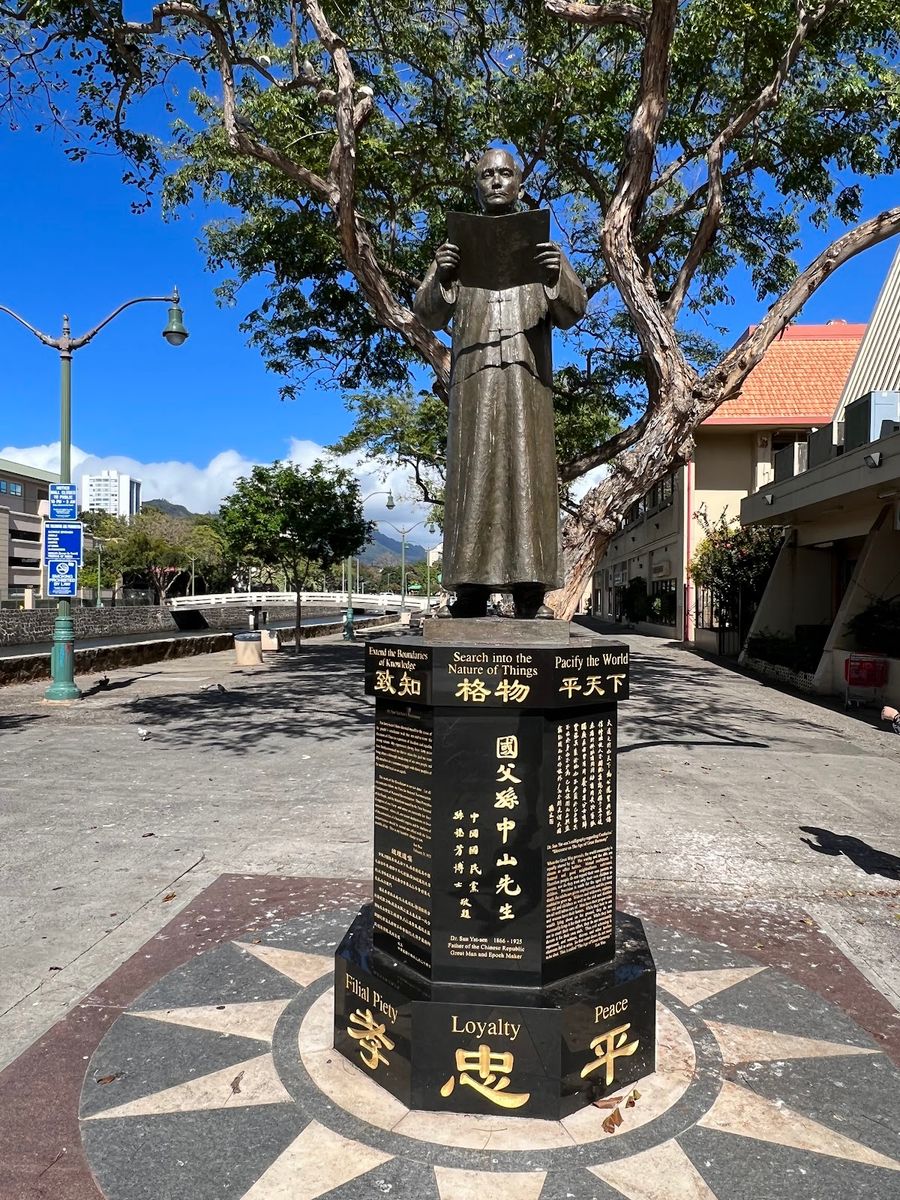
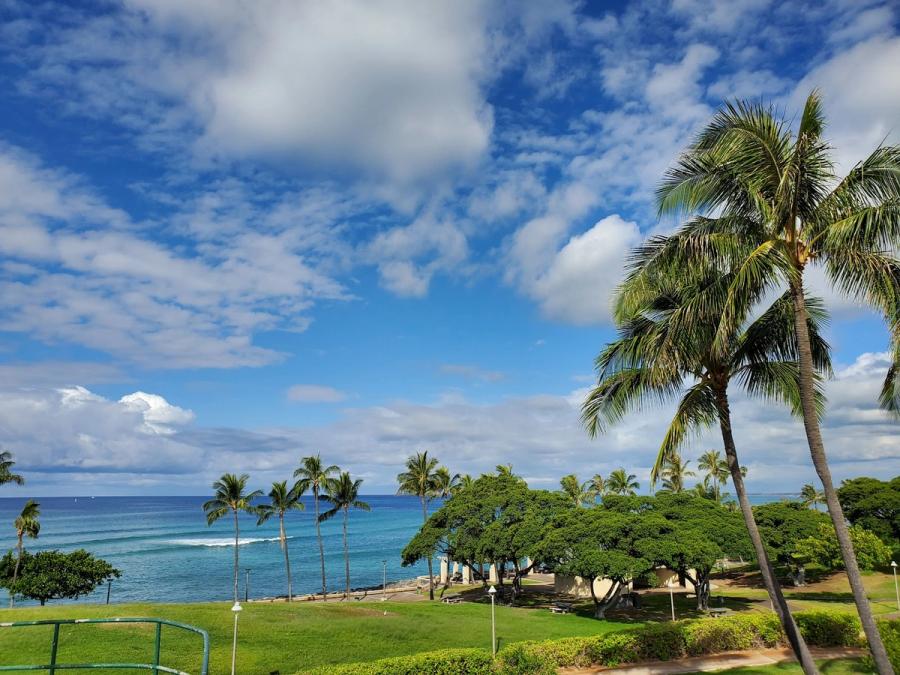
What it is, and what it feels like
Downtown, Chinatown & Kakaʻako is Honolulu in full city mode: a working core where government buildings and historic landmarks sit a few blocks from produce markets, design shops, murals, and a modern waterfront skyline. It doesn’t try to be resorty. Streets can switch quickly from polished lobbies to older storefronts and loading docks, and that contrast is part of the texture.
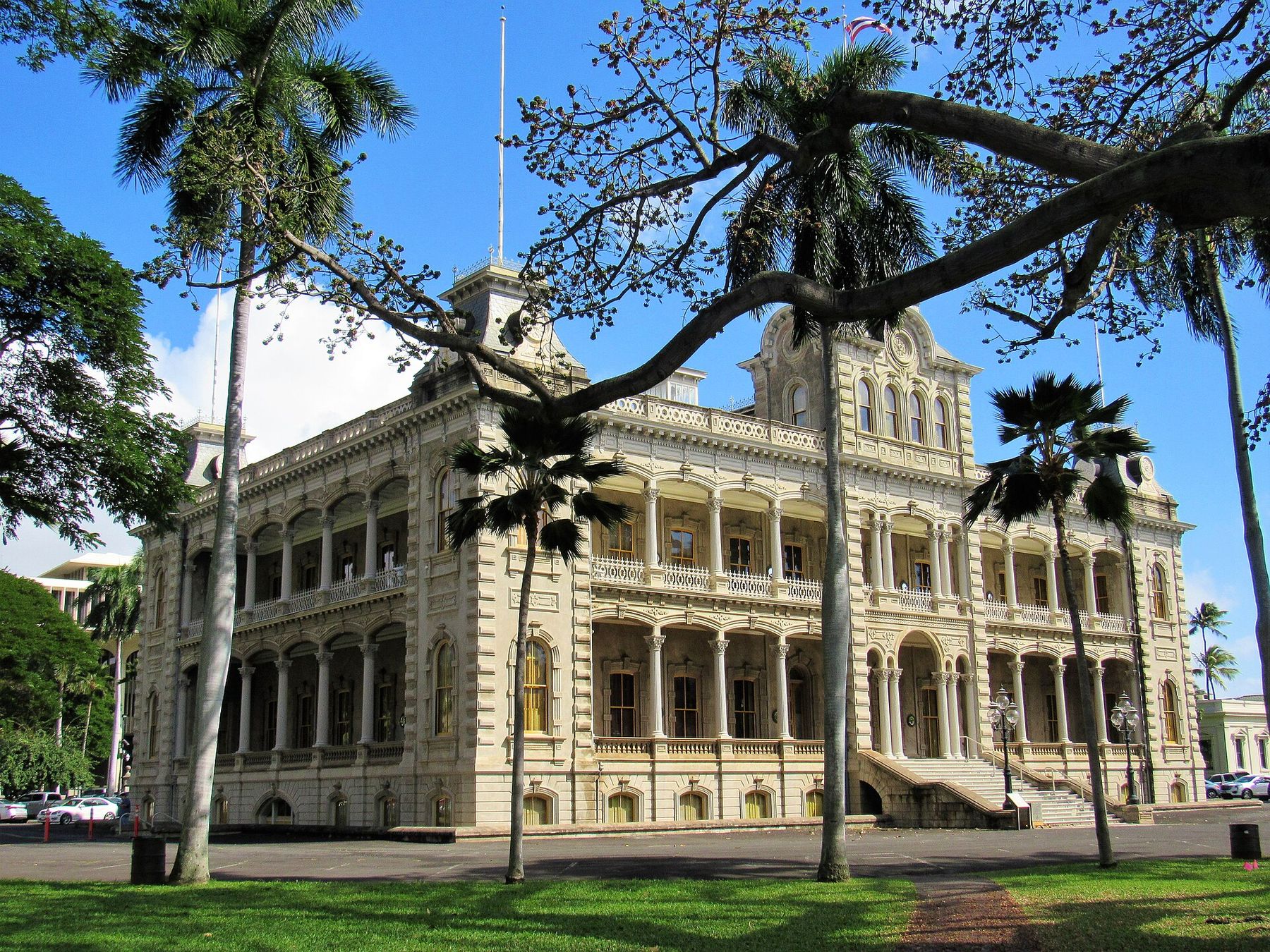
Downtown proper is the most formal—wide streets, towers, and the civic landscape around the Capitol District and ʻIolani Palace. It’s where you come to understand Honolulu’s role as the political and historical center of Hawaiʻi, with a sense of place that’s very different from the beachfront parts of town.
How visitors typically spend time here
Most travelers treat this area as a half-day to full-day outing, or as an evening food-and-drink neighborhood. A common rhythm is: start with the palace/civic core and its museums and architecture, then drift into Chinatown for markets and a meal, and finish around Kakaʻako for a waterfront walk and a more contemporary Honolulu scene.
Chinatown is the most sensory section—busy sidewalks, herb shops and groceries, tiny counters and larger dining rooms, and a nightlife pulse that can feel unexpectedly big-city by Hawaiʻi standards. Kakaʻako, by contrast, is newer and more curated, with broad sidewalks, converted-warehouse energy in places, and the feel of an in-progress district that’s been planned for strolling.
The tradeoffs (and why they’re worth it)
This is not where you come for a classic Oʻahu beach day. The shoreline is largely working harbor or engineered waterfront, and the experience is about city life: heat reflecting off pavement, traffic noise, and blocks that can feel quiet once offices close.
That said, it’s one of the best places on the island to understand modern Honolulu beyond the postcard. If you like people-watching, architecture, local shopping, galleries, and meals that reward curiosity, this bundle of neighborhoods delivers.
Small orientation tips
If you’re exploring on foot, think in clusters: Downtown/Capitol landmarks, Chinatown’s core streets, and Kakaʻako/Ward’s waterfront grid. The harbor-side edges—Iwilei, Kapālama, Pālama, Sand Island, and nearby industrial streets—are usually destination-specific rather than “wander anywhere” areas, and they read more utilitarian than scenic.
Can't decide where to stay? Get personalized advice.
Custom recommendations built from the web's most comprehensive Kauai guide.