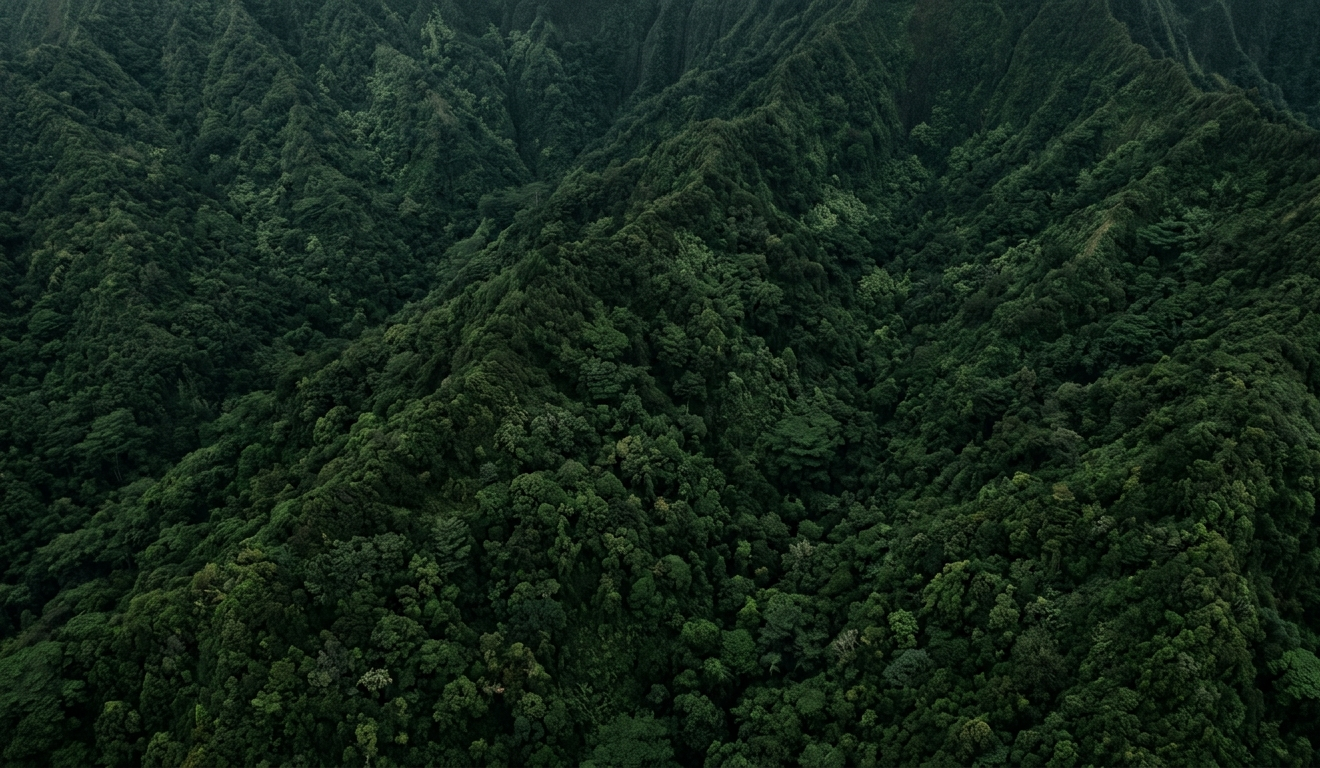

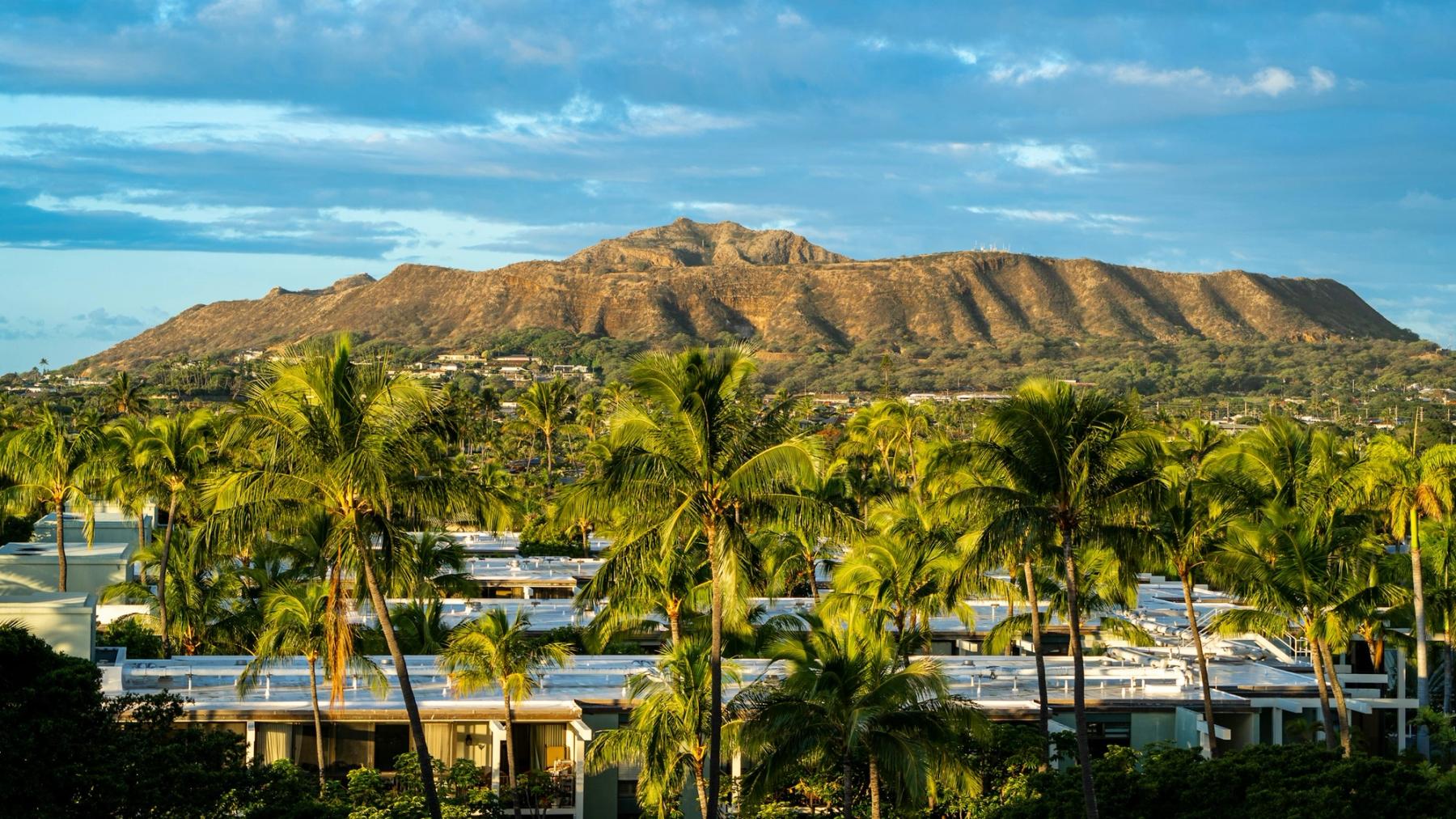
Kahala & Waialae
A calm, upscale stretch of east Honolulu coastline and neighborhoods beyond Waikīkī.
Good Fit For
- Quiet coastal reset
- Scenic neighborhood drives
- Low-key beach parks
- Polished local dining
- Repeat-visitor Honolulu
Trade-offs
- Limited big-ticket sights
- Car helpful at times
- Early nights overall
- Less beach-town energy
Logistics & Getting Around
Just east of the Waikīkī/Diamond Head corridor, this is easy by rideshare or car from town. It’s more spread out than it looks on a map, with pockets around Waialae Avenue and Kahala; shoreline access is mostly via parks and
Nearby Areas in Honolulu
Ala Moana & Mōʻiliʻili
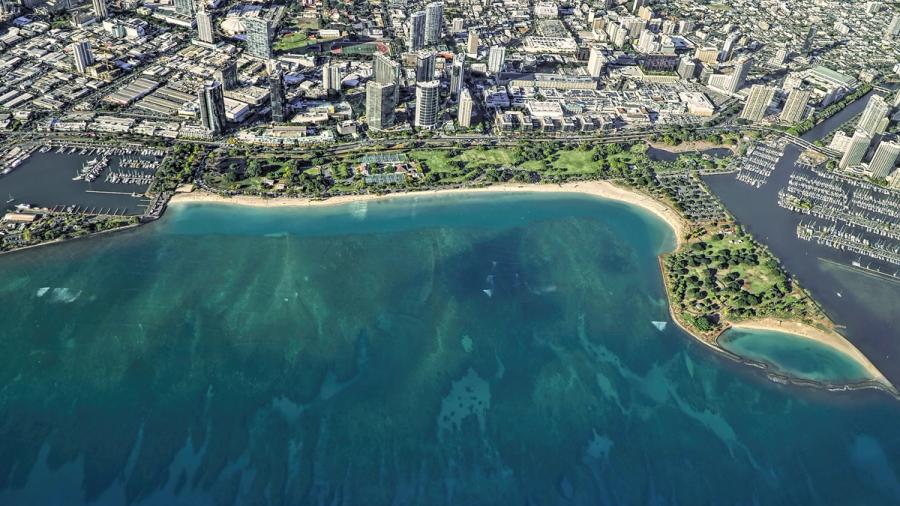
Urban Honolulu for shopping, quick meals, and easy access just west of Waikīkī.
Diamond Head & Kapahulu
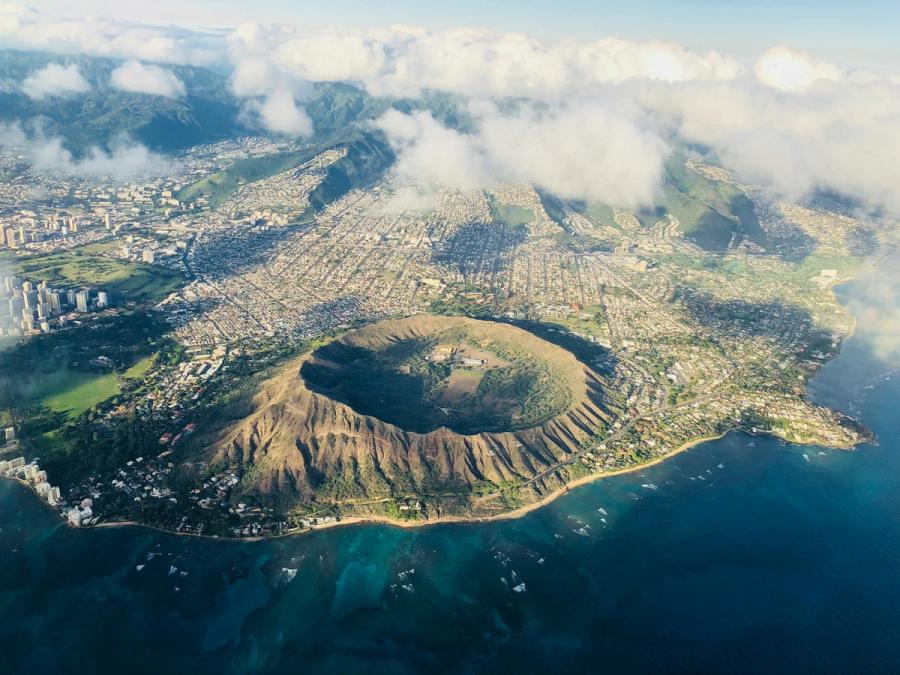
Leʻahi’s iconic crater and a nearby loop of parks, streets, and local eats.
Downtown, Chinatown & Kakaʻako
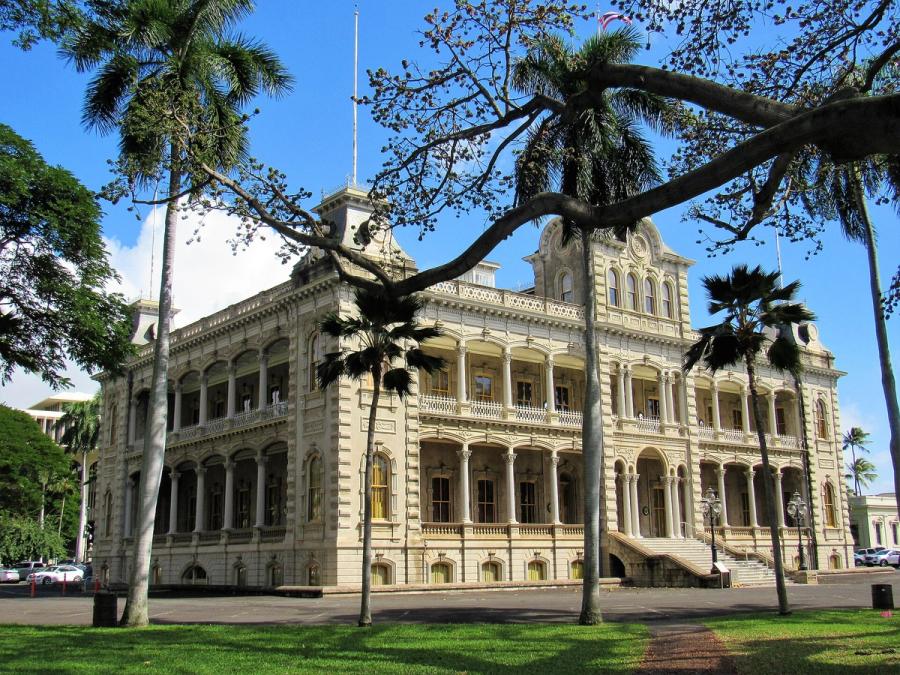
Honolulu’s urban core: palace-and-capitol history, Chinatown grit, and Kakaʻako’s waterfront remake.
Hawaiʻi Kai & East Honolulu
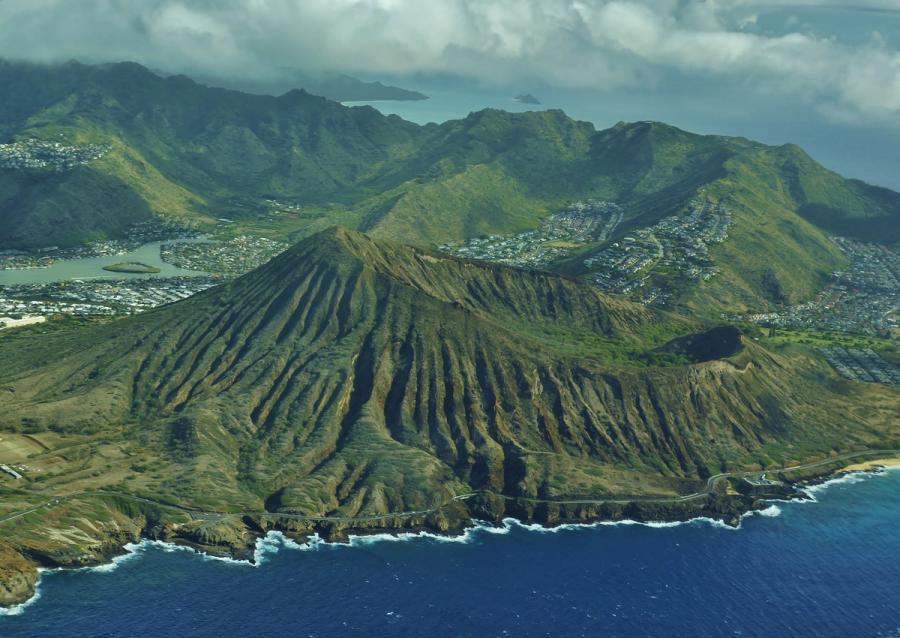
Southeast Honolulu’s scenic, suburban coast with iconic bays, craters, and quick stop-offs.
Kaimukī & Pālolo
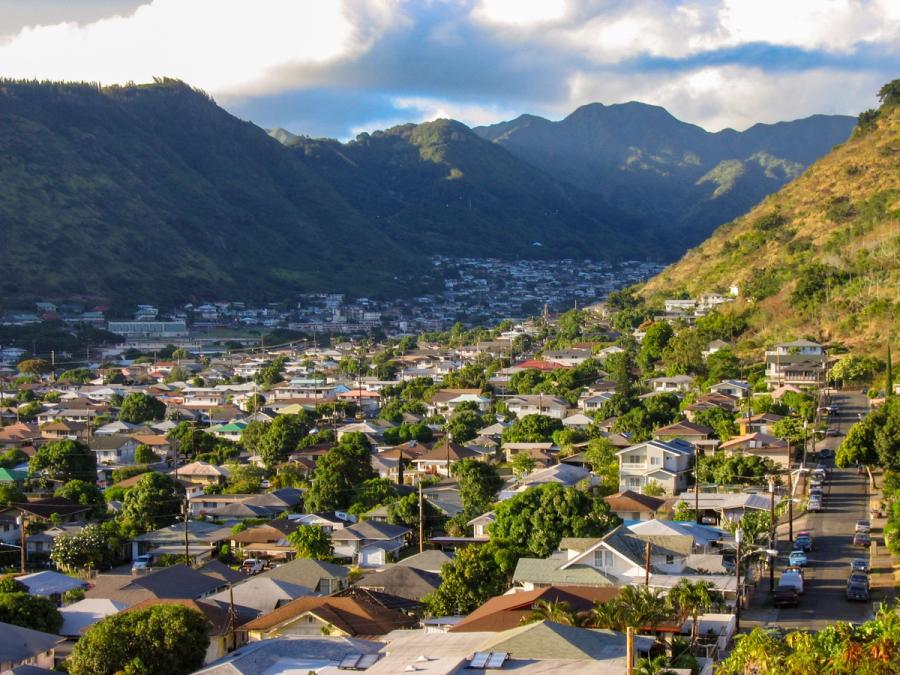
Mauka Honolulu neighborhoods of ridges and valley streets just beyond the beach belt.
Mānoa, Makiki & Nuʻuanu
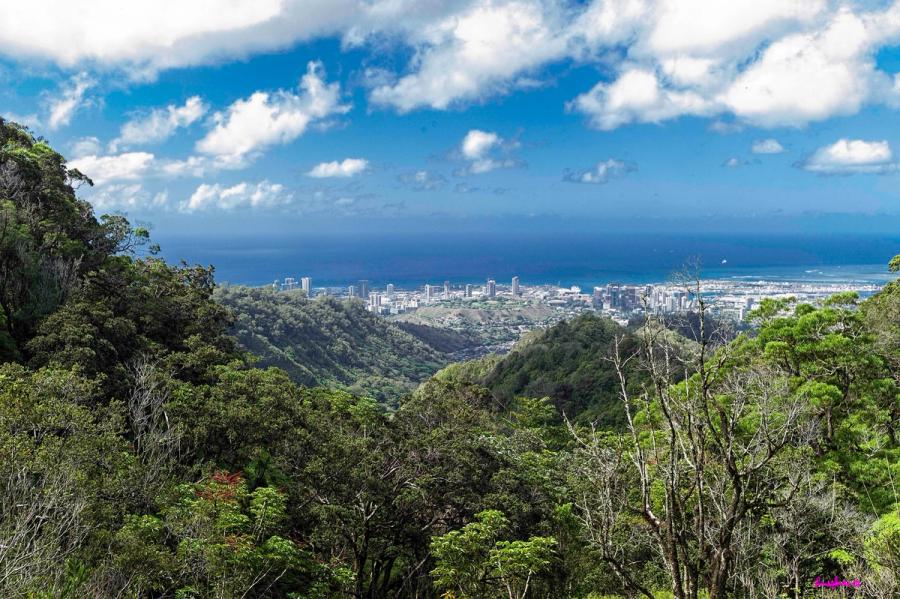
Honolulu’s green mauka valleys and ridgelines, close to town but quietly local.
Waikīkī
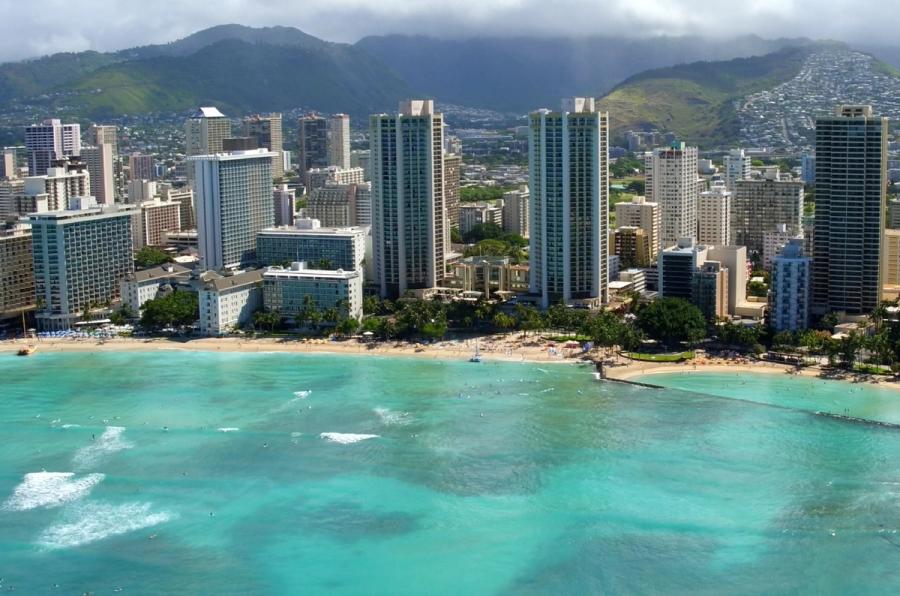
Honolulu’s iconic urban beach district: high-rises, a long sandy arc, constant motion.
Signature Experiences in Kahala & Waialae
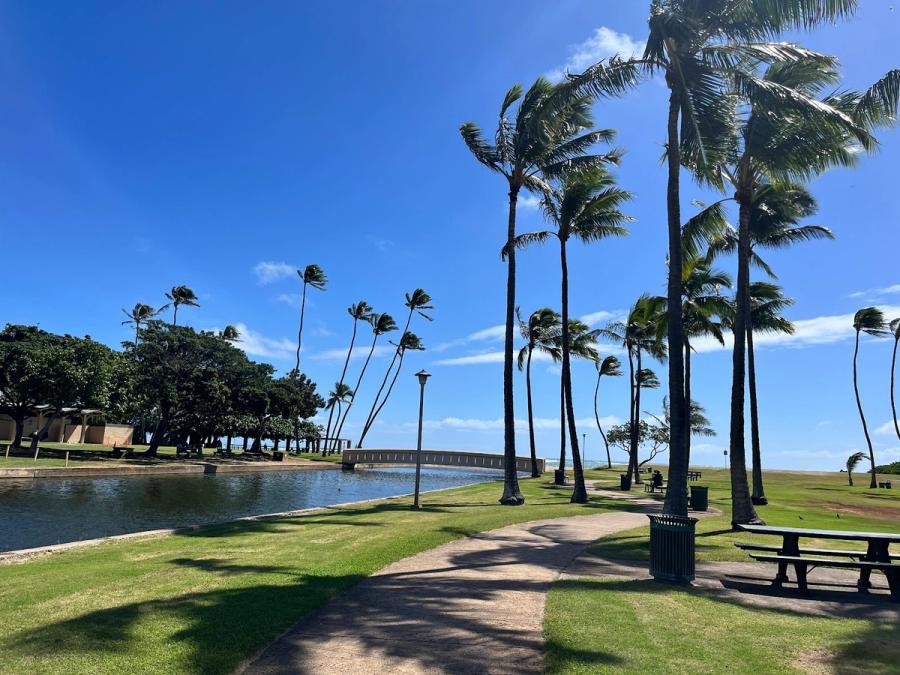
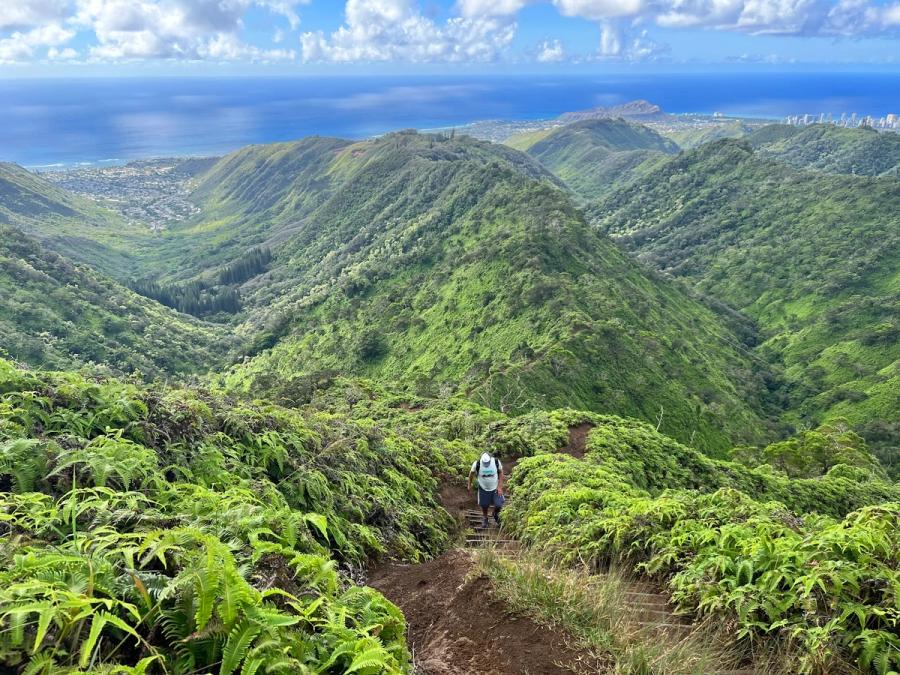
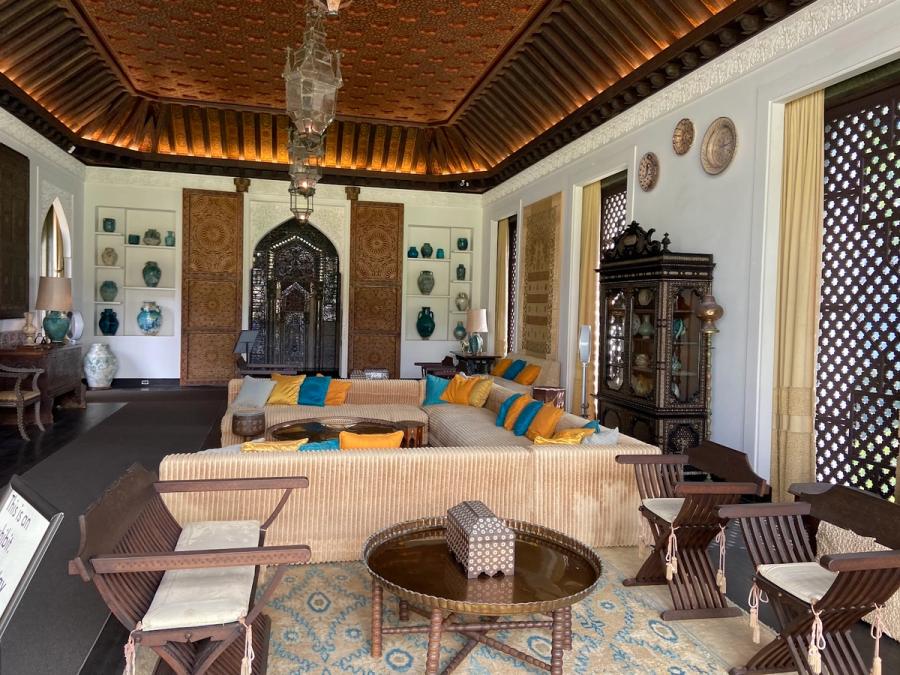
The feel: polished, residential Honolulu by the sea
Kahala & Waialae sits just beyond Honolulu’s busiest visitor zones, where the tempo drops and the streets feel lived-in. The coast here isn’t a continuous resort beach; it’s a sequence of neighborhood shorelines—palm-edged parks, calm water, and views that feel quietly expansive rather than theatrical. Inland, Waialae is a mix of long-established homes and low-rise commercial blocks, while Waialae Iki climbs into the hills with a cooler, breezier feel and wide, sweeping lookouts when the weather is clear. Black Point adds a dramatic edge: a small peninsula of cliffs and ocean exposure that reads as private and protective at the same time.
This is Honolulu at its most “everyday elegant”: tidy, understated, and less performative than Waikīkī. Visitors tend to experience it in short, satisfying doses—a few hours to decompress, have a meal, and see a different texture of the city.
How people usually spend time here
Most travelers come for the contrast. You can get close to the water without the constant bustle of the resort strip, and the beaches skew local—good for a gentle swim on calm days and for lingering with a book rather than chasing a lineup of activities. The commercial life is similarly low-key: small shopping pockets, cafés, and restaurants that serve nearby neighborhoods.
It also functions well as a “bridge” zone. If you’re moving between central Honolulu and points farther east, Kahala & Waialae is an easy place to pause—less intense than Waikīkī, less of a commitment than heading deep into East Honolulu.
What it isn’t (and why that matters)
If you’re looking for a dense cluster of attractions, nightlife, or a classic beach-town promenade, this area can feel quiet to the point of blank. Shore access is not uniformly public-facing, and some stretches read as private residential coastline.
On the upside, that’s the point: the reward here is breathing room—clean streets, a calmer shoreline, and a sense of how Honolulu neighborhoods actually work when they’re not built around tourism. A small number of visitors choose it as an overnight base specifically for that quieter rhythm, but for most people it’s best understood as a refined detour rather than an all-day destination.

Can't decide where to stay? Get personalized advice.
Custom recommendations built from the web's most comprehensive Kauai guide.