
Honolulu
Oʻahu’s city core: Waikīkī beaches, downtown history, and close-in crater-and-cove nature.
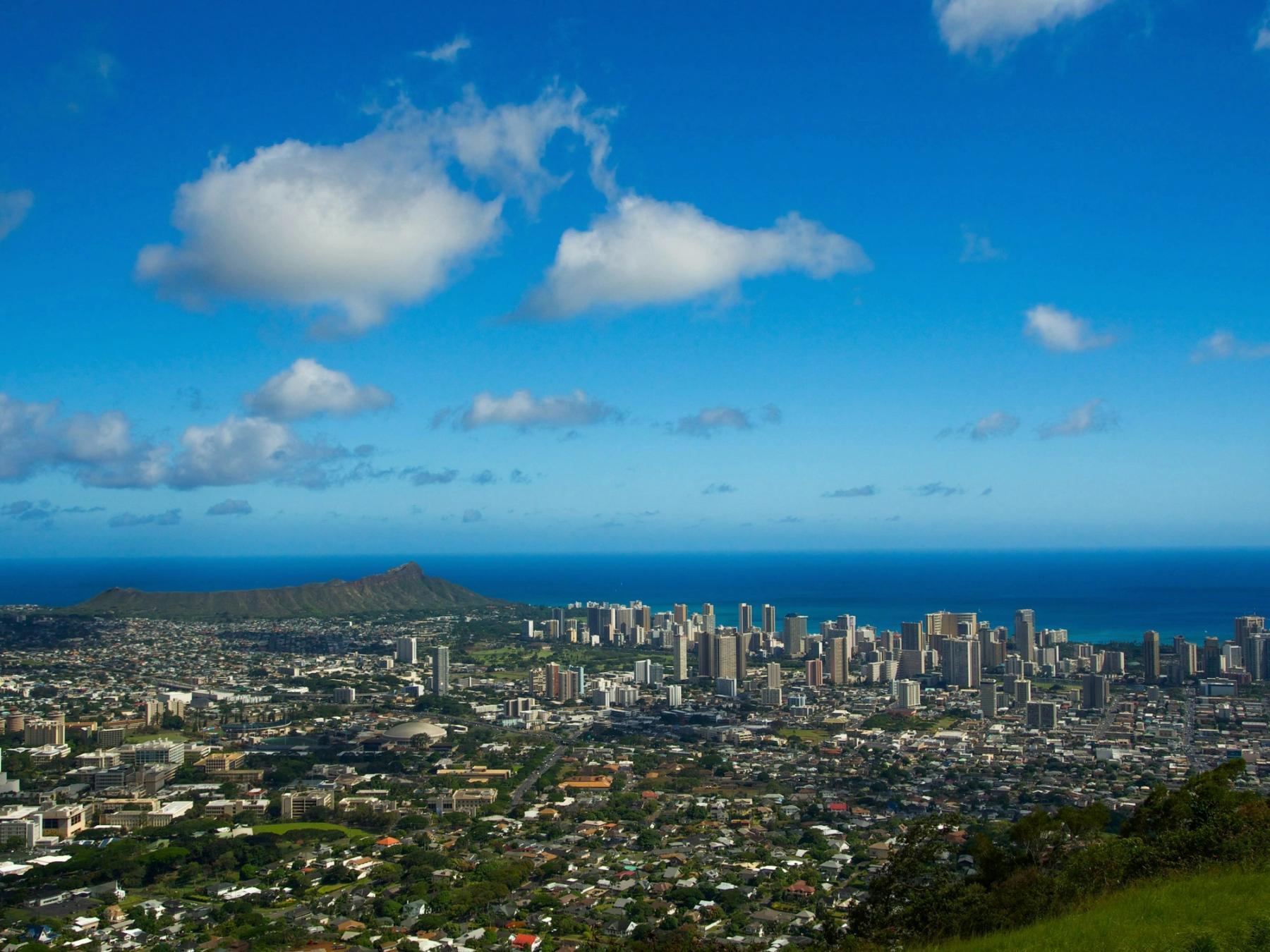
Honolulu is a patchwork of districts strung along Oʻahu’s south shore, from Waikīkī’s hotel-and-beach grid to downtown’s civic landmarks and the newer energy of Kakaʻako. It’s the island’s densest cluster of dining, shopping, and museums, with quick access to Diamond Head and Hanauma Bay—along with real traffic and a distinctly urban pace.
Best For
- City-and-beach mix
- Walkable district hopping
- Food, shopping, nightlife
- History and culture stops
- Easy day-trip launching
Trade-offs
- Traffic and limited parking
- Crowds in peak zones
- Less rural scenery
- Noise in busy corridors
Logistics & Getting Around
Honolulu is walkable within neighborhoods, but most visitors connect districts by short drives, rideshare, or bus. Plan extra time for rush-hour congestion, and note that the airport and Pearl Harbor sit in Central Oʻahu, not Honolulu.
Areas in Honolulu
Hawaiʻi Kai & East Honolulu
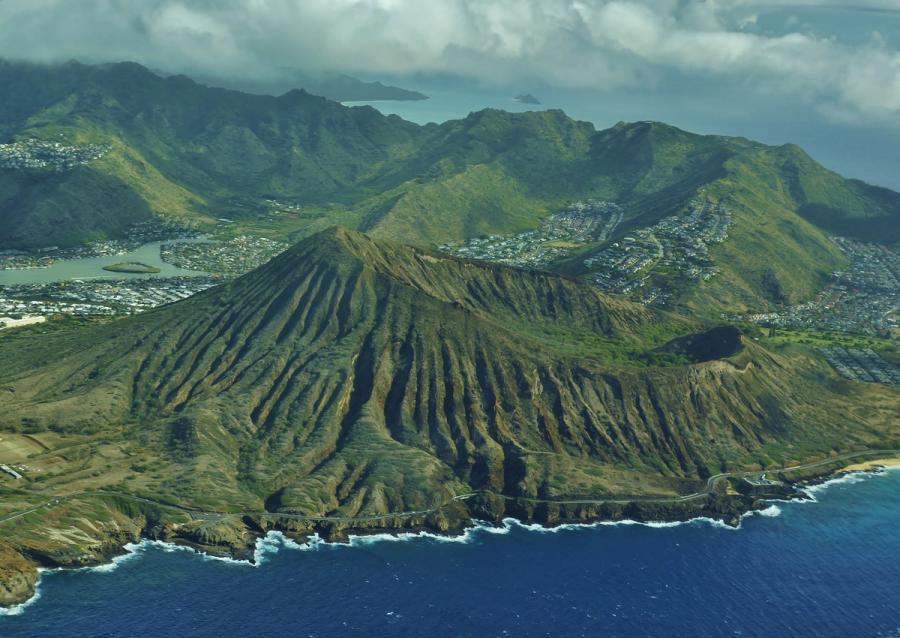
Southeast Honolulu’s scenic, suburban coast with iconic bays, craters, and quick stop-offs.
Kahala & Waialae
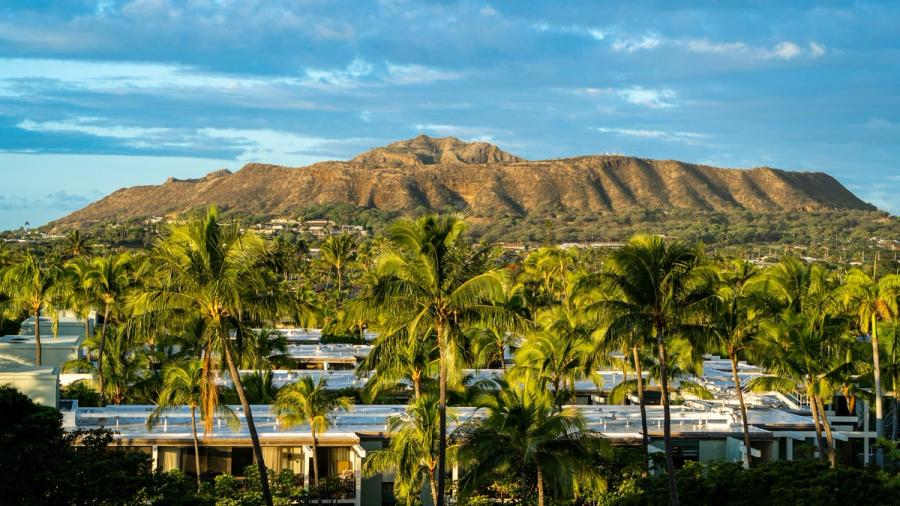
A calm, upscale stretch of east Honolulu coastline and neighborhoods beyond Waikīkī.
Kaimukī & Pālolo
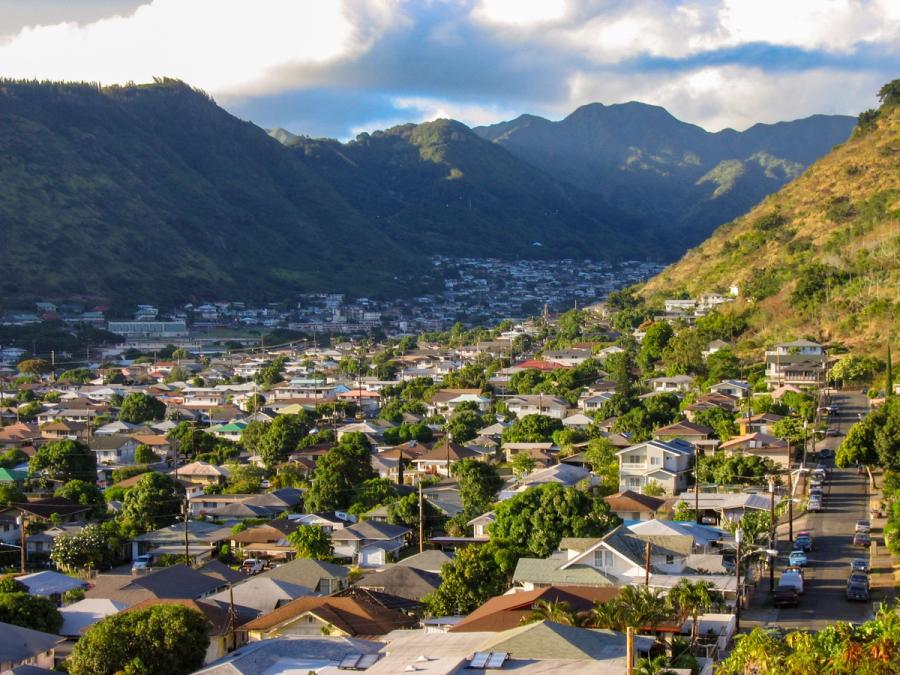
Mauka Honolulu neighborhoods of ridges and valley streets just beyond the beach belt.
Diamond Head & Kapahulu
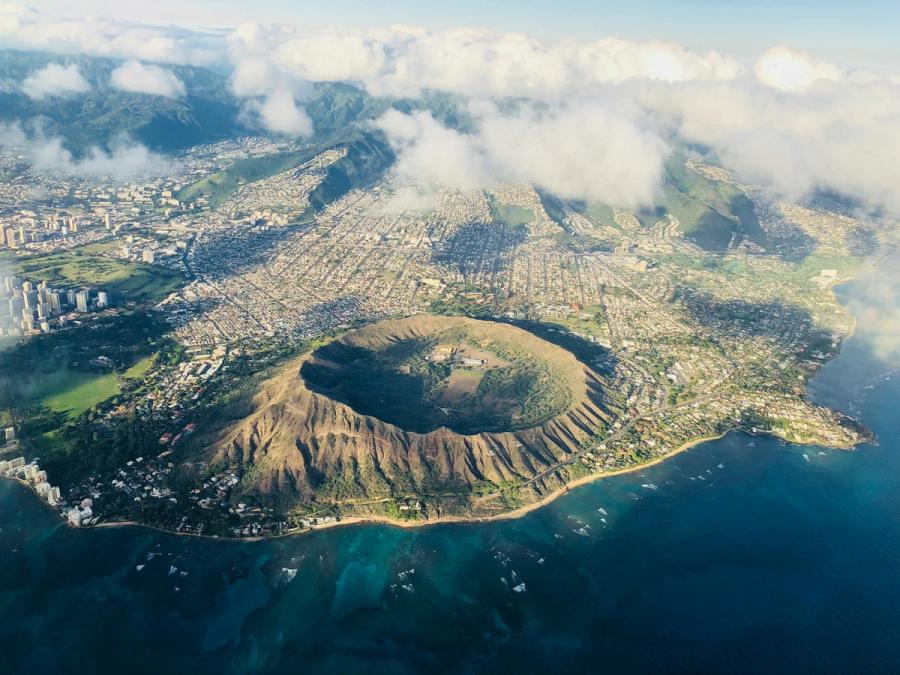
Leʻahi’s iconic crater and a nearby loop of parks, streets, and local eats.
Waikīkī
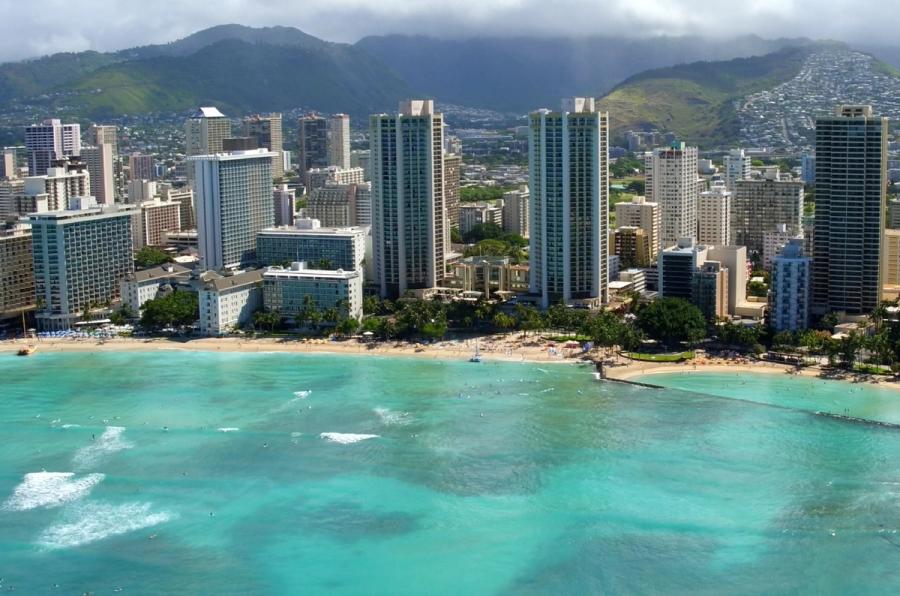
Honolulu’s iconic urban beach district: high-rises, a long sandy arc, constant motion.
Ala Moana & Mōʻiliʻili
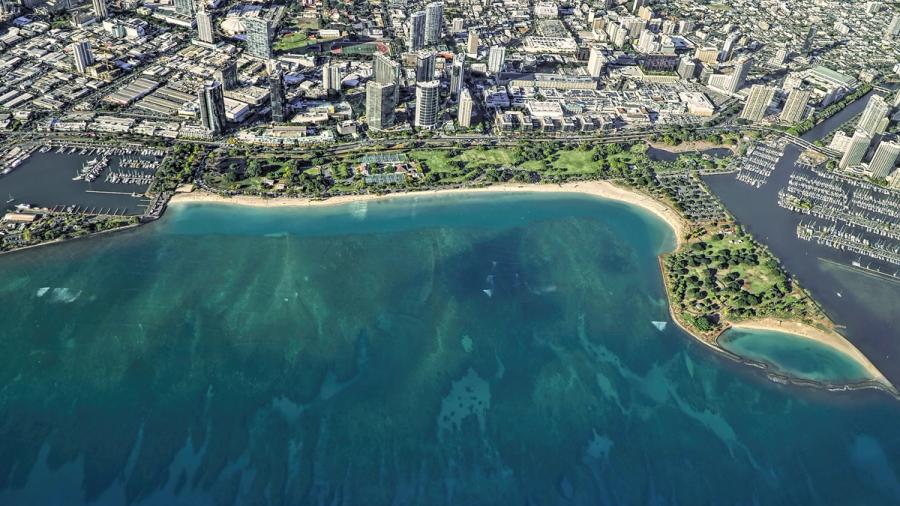
Urban Honolulu for shopping, quick meals, and easy access just west of Waikīkī.
Downtown, Chinatown & Kakaʻako
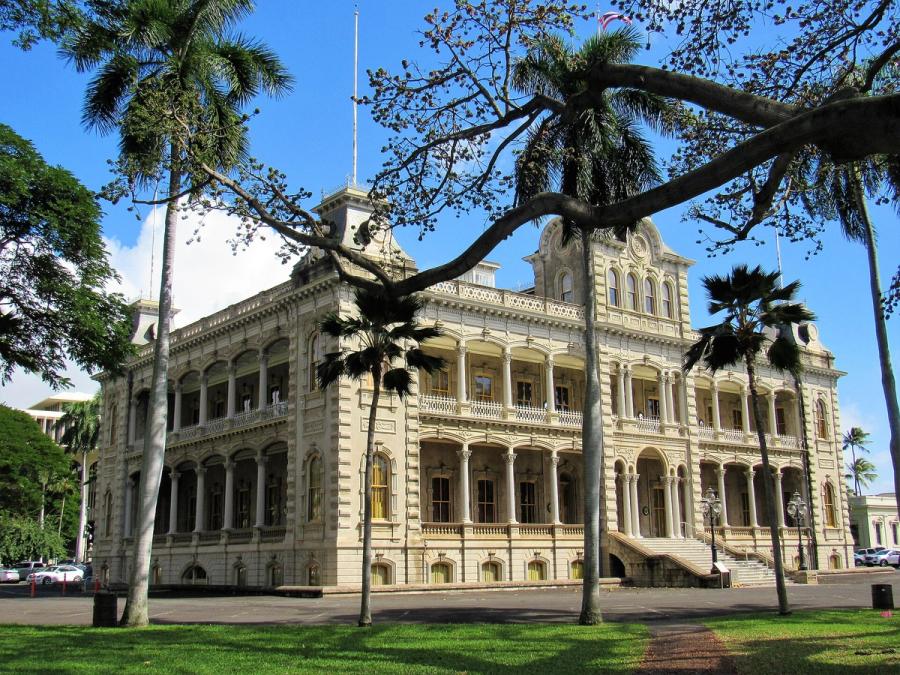
Honolulu’s urban core: palace-and-capitol history, Chinatown grit, and Kakaʻako’s waterfront remake.
Mānoa, Makiki & Nuʻuanu
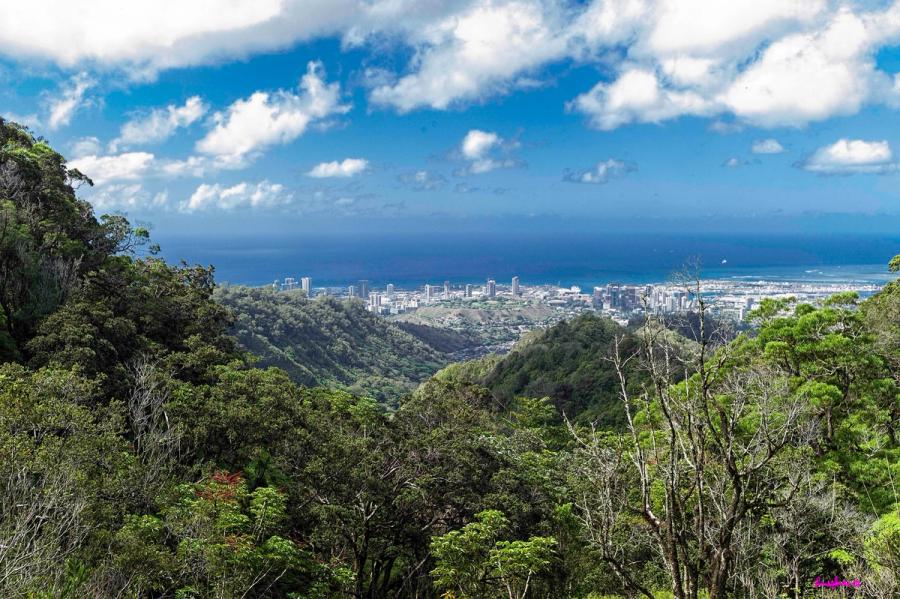
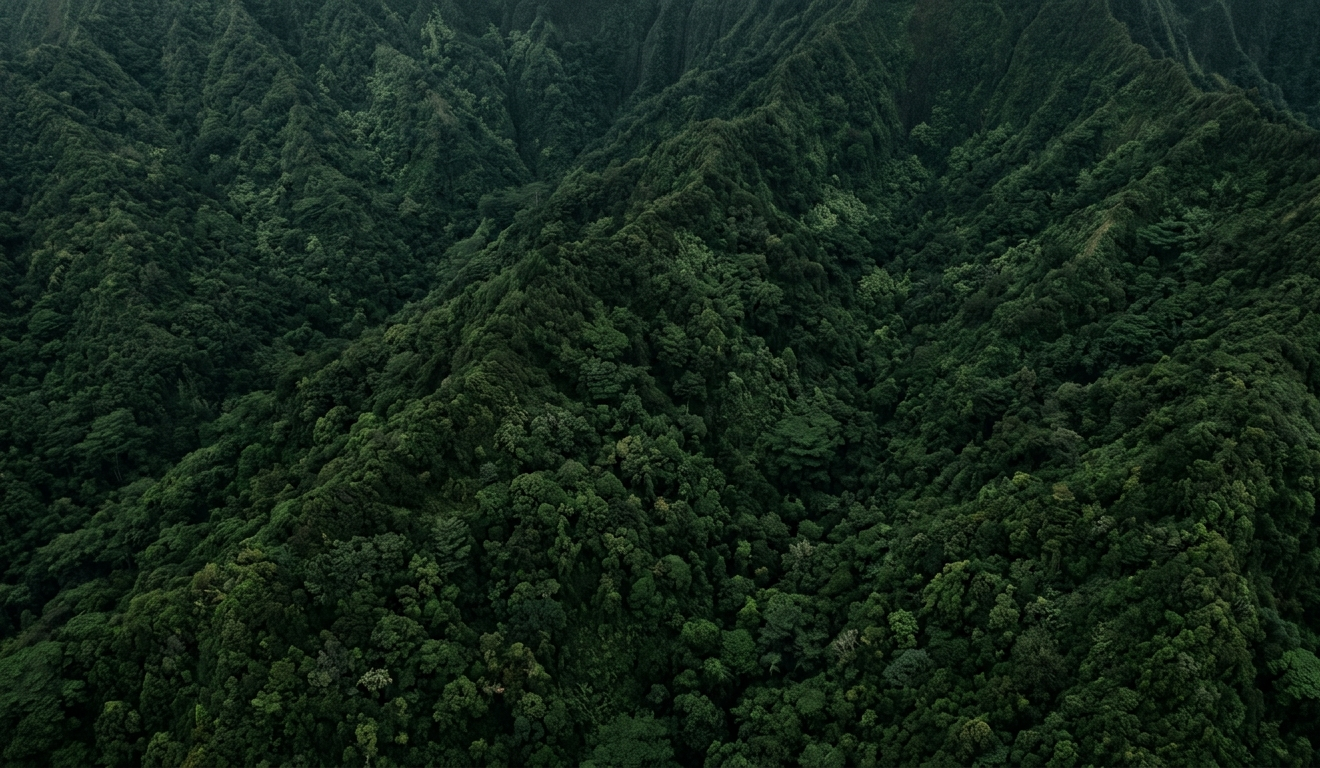
Honolulu’s green mauka valleys and ridgelines, close to town but quietly local.
Signature Experiences in Honolulu
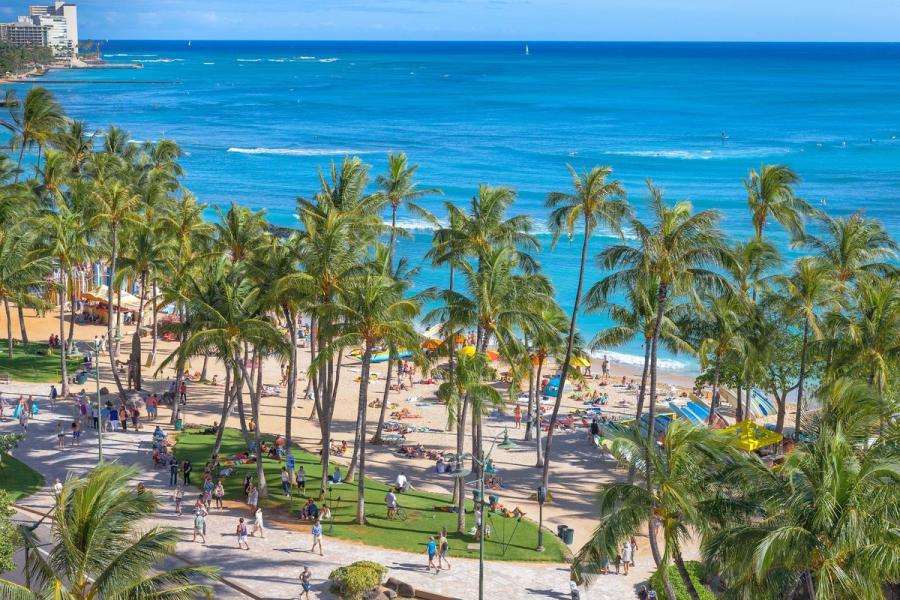
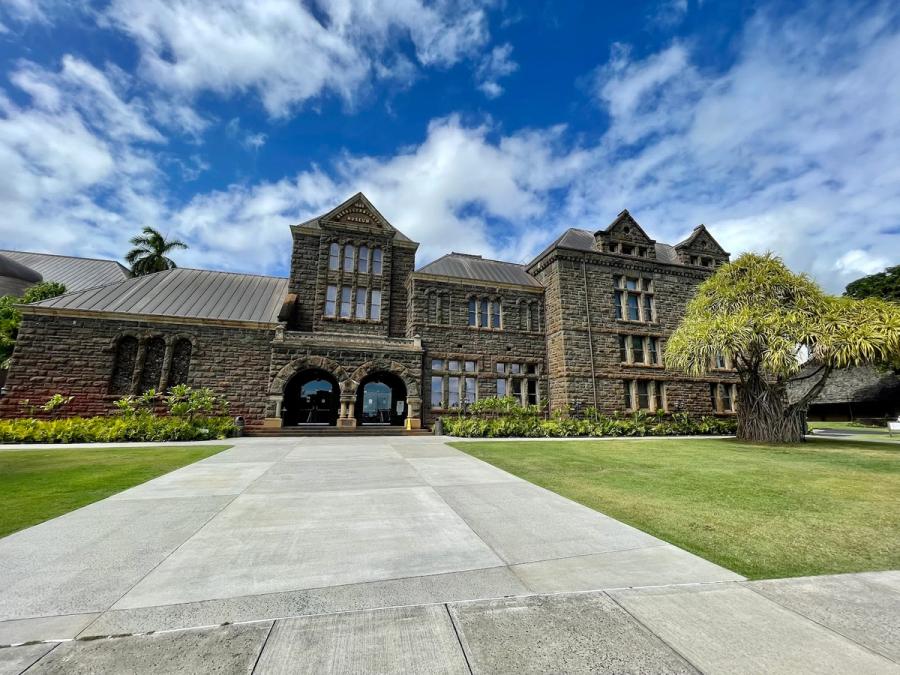
Honolulu is often described as a single place, but it’s more like a chain of distinct neighborhoods along the south shore, backed by green valleys that climb mauka toward the Koʻolau. The feel can change block by block: resort energy in Waikīkī, office towers and state landmarks downtown, and a more local, design-forward edge in parts of Kakaʻako. What holds it together is convenience—this is where Oʻahu’s dining density, shopping, and cultural institutions sit closest to each other, with ocean access never far away.
The Honolulu most visitors actually experience
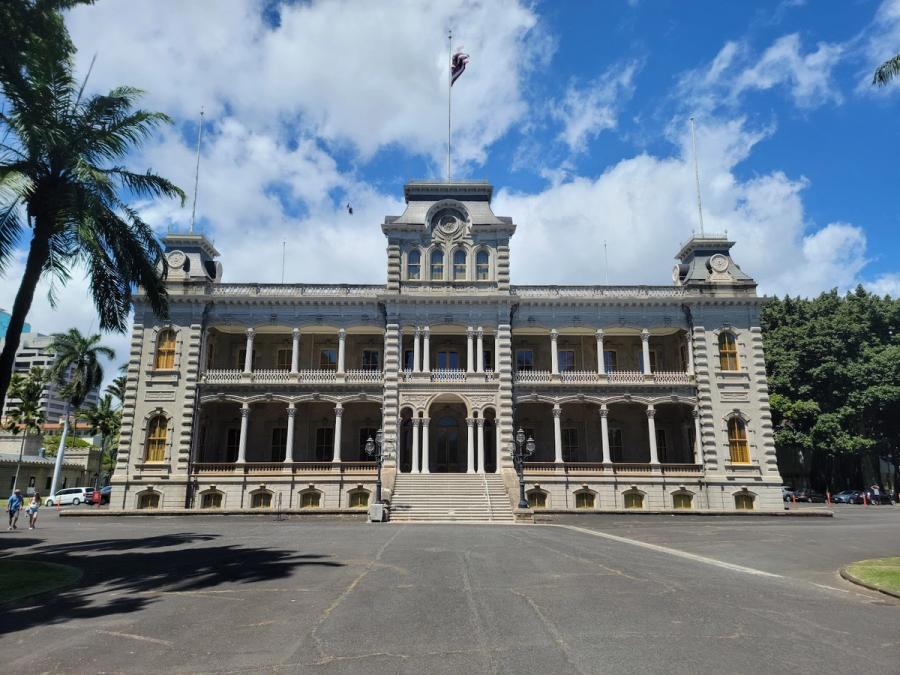
Many trips revolve around a few well-worn circuits. Waikīkī is the classic anchor—high-rise hotels, a busy beach scene, and evening foot traffic around places like International Market Place. A short hop west brings you to Ala Moana, where the scale shifts to big retail and broad boulevards, and where Ala Moana Center functions as a practical landmark as much as a shopping destination. Head farther toward the harbor and you’re in the older city: the civic core around ʻIolani Palace, working Chinatown streets, and the warehouse-to-studio mix of Kakaʻako, with hubs such as SALT at Our Kakaʻako.
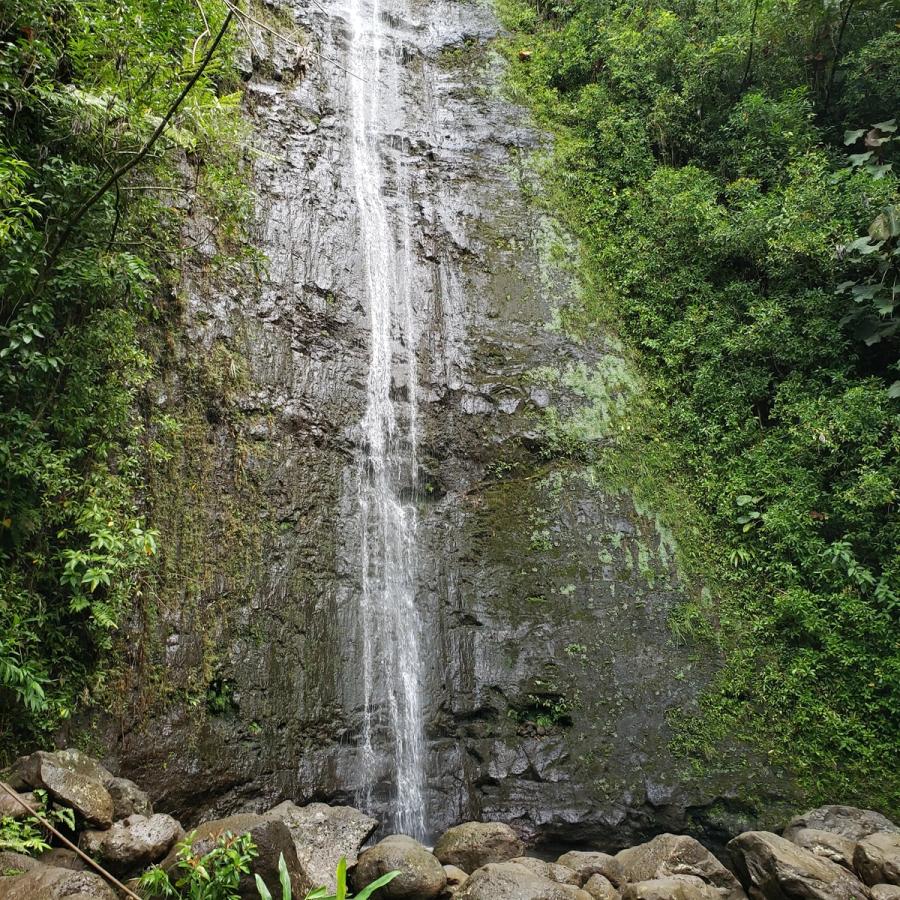
Between these districts are residential pockets that visitors tend to miss unless they’re meeting friends, eating in neighborhood spots, or heading into the hills—Mānoa’s shade and rain, Makiki’s slopes, and Nuʻuanu’s cooler, greener feel. The University of Hawaiʻi at Mānoa lends that area a campus rhythm and a more everyday Honolulu vibe.
City life with close-in nature
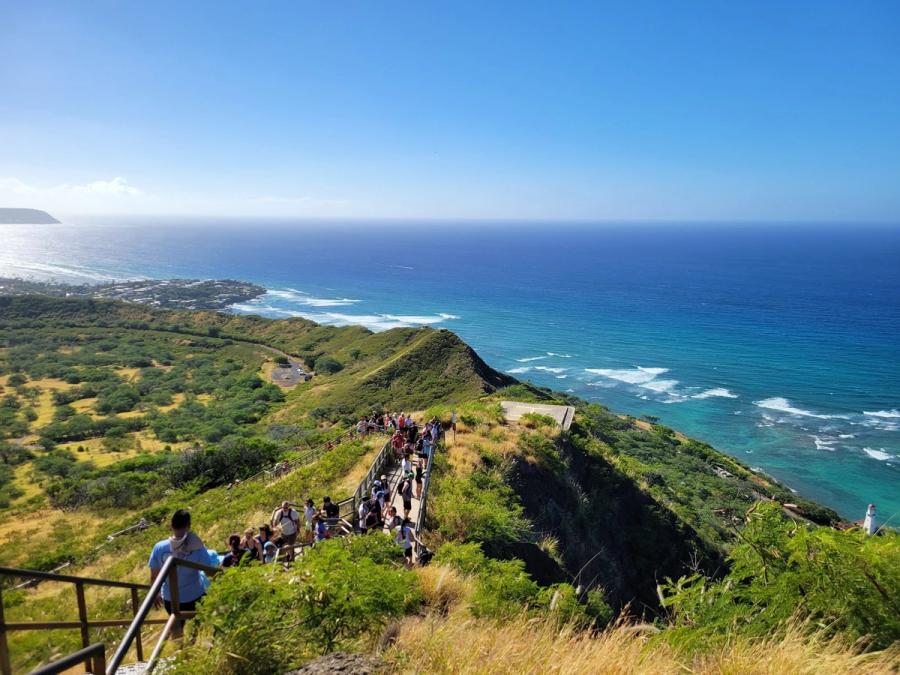
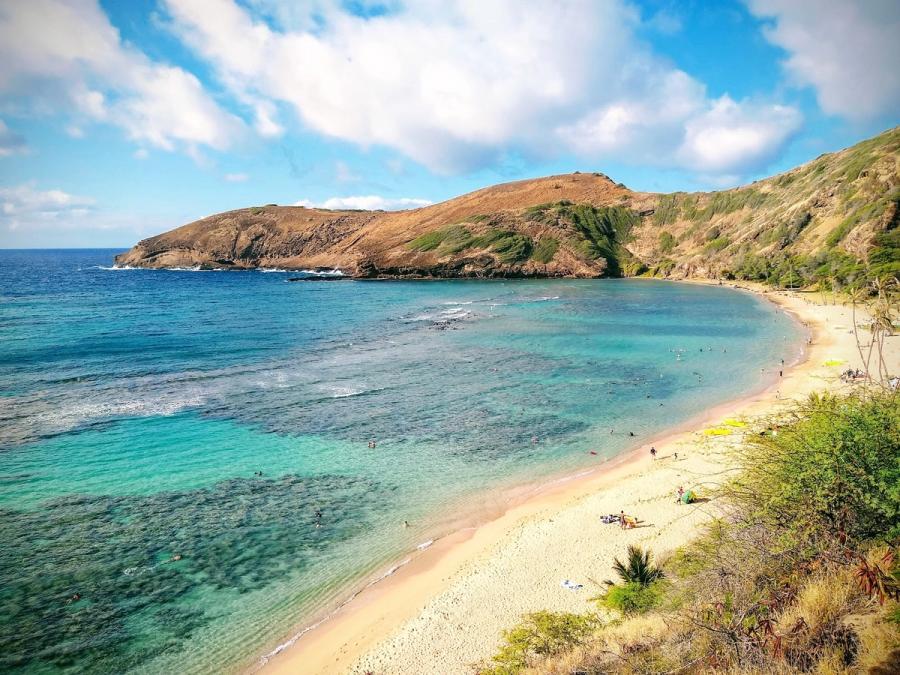
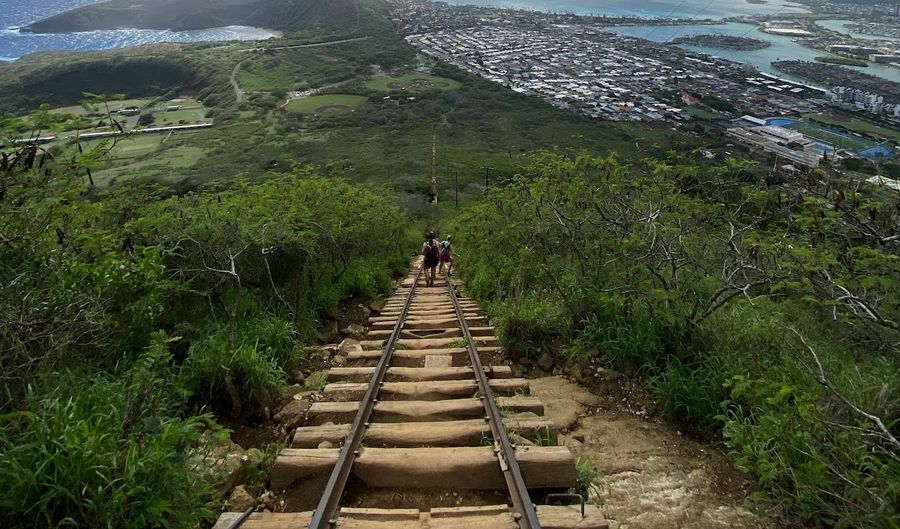
Honolulu’s advantage is that you can pair urban sightseeing with a very Hawaii kind of landscape on the same day. Diamond Head State Monument is a defining landmark—more dramatic for its setting and views than for any sense of wilderness, and popular enough that timing matters. On the east end of the region, the coastline past Hawaiʻi Kai opens into a more scenic drive with coves and viewpoints, culminating in the marine-protected setting of Hanauma Bay Nature Preserve. These places are “nearby,” not in the middle of town, and they feel like escapes precisely because the city is close.
Pace, practicality, and expectations
Honolulu rewards a light-touch plan. Walk when you can, then stitch neighborhoods together with short rides rather than trying to make the whole region feel pedestrian. Expect traffic at predictable times, and treat parking as a factor that can shape your day. The payoff is variety: a real city’s food and culture, plus beaches and headline landscapes within an easy reach—without pretending it’s quiet or uncrowded. If you’re looking for rural calm, that’s a different side of Oʻahu; if you want the island’s widest menu of options, this is where it concentrates.

Can't decide where to stay? Get personalized advice.
Custom recommendations built from the web's most comprehensive Kauai guide.