

Koko Crater Stairs
Conquer Oʻahu's iconic Koko Crater Stairs, a challenging 1,048-step trek up abandoned railroad ties to a summit offering strenuous exercise and breathtaking 360-degree panoramic views of the island.


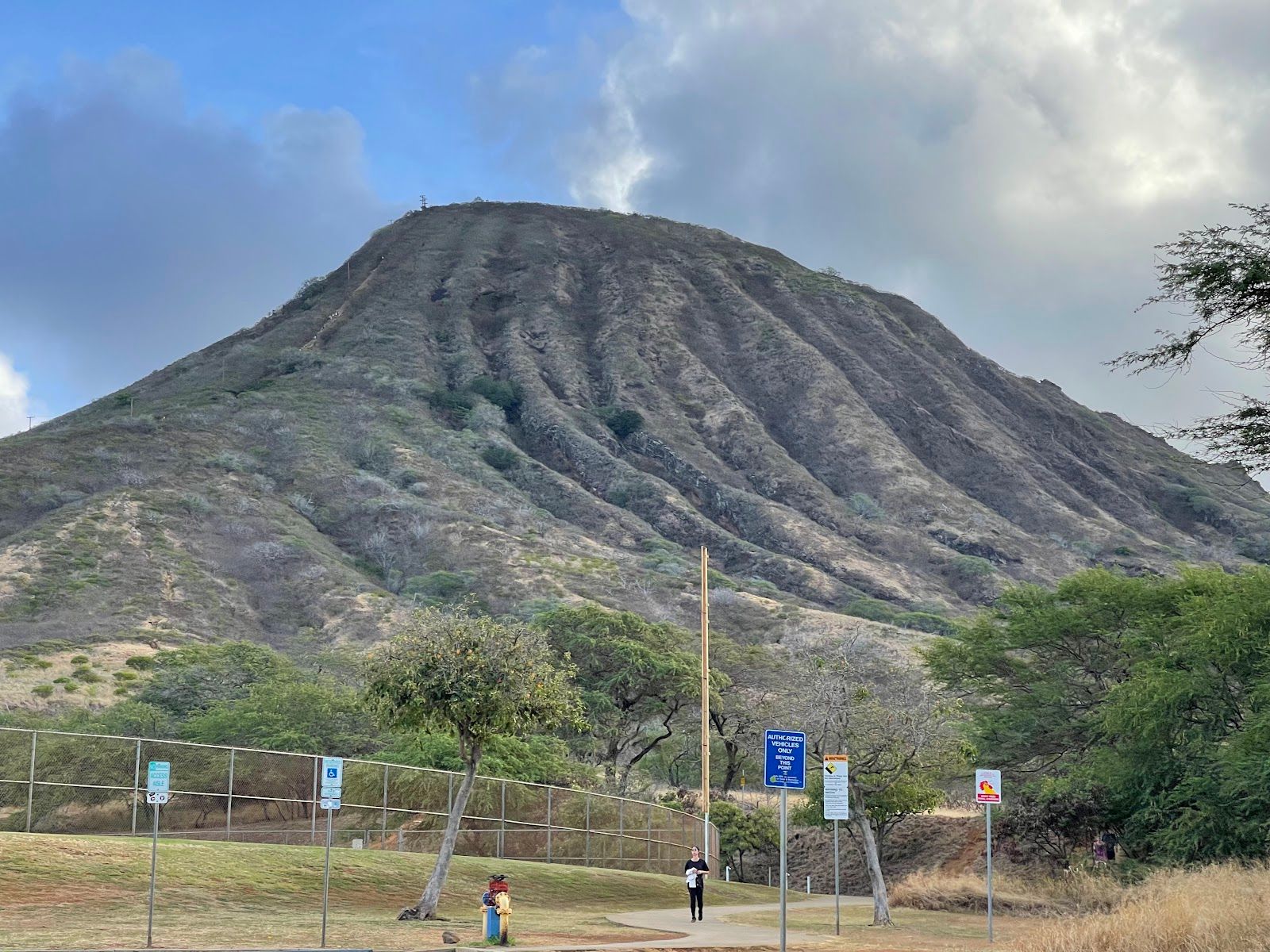

- Challenging 1,048-step climb
- Panoramic 360-degree summit views
- Abandoned WWII-era railroad ties
- Strenuous physical workout
Koko Crater Stairs is one of Oʻahu’s most distinctive hard-effort hikes, set in Hawaiʻi Kai & East Honolulu on the southeastern side of the island. It is less a leisurely summit stroll than a straightforward, punishing climb up old railroad ties to a dramatic overlook above Koko Crater. That combination of simple navigation, intense exertion, and big summit views is exactly why it earns a place on many active travelers’ itineraries.
A straight climb with no real place to hide
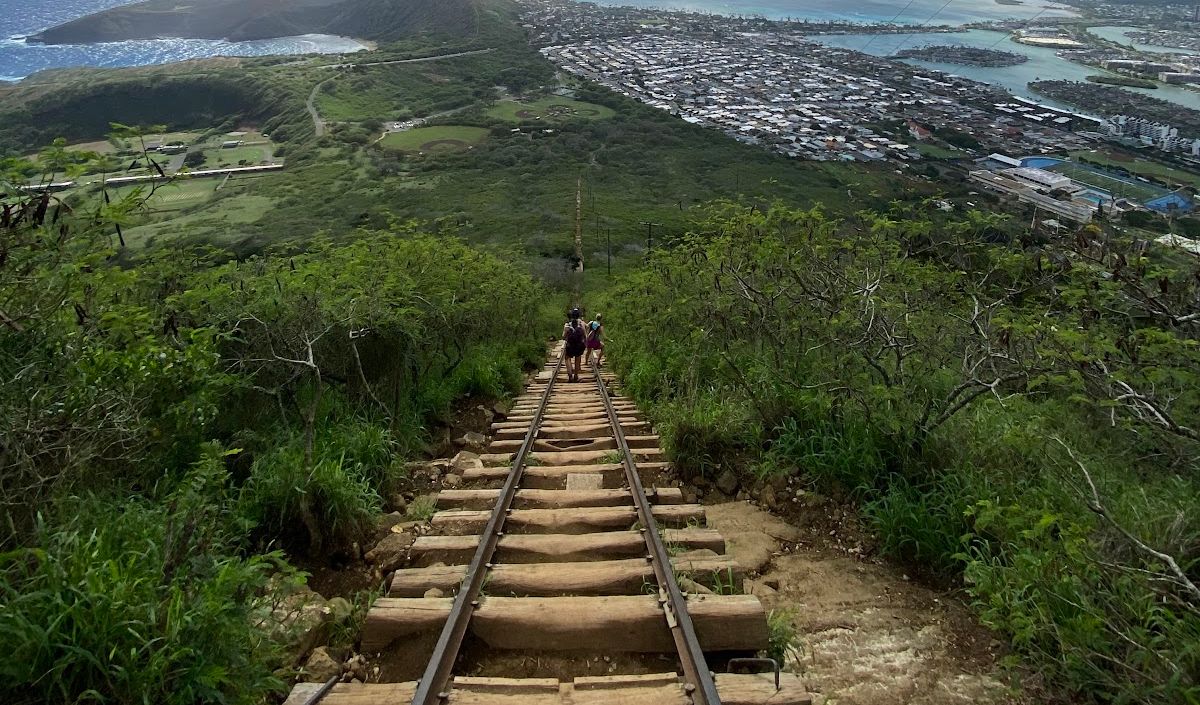
The route is famous for its 1,048-step ascent, though “steps” barely captures the feel of it. The trail follows abandoned railroad ties up the crater’s slope, rising quickly and steadily with very little reprieve. The first stretch is manageable enough, but the grade steepens enough that pacing matters almost immediately. The climb is exposed the entire way, so sun, heat, and dry footing are part of the experience rather than occasional inconveniences.
There is no maze of junctions to figure out here. The route is essentially one direct line to the top, which makes it appealing for travelers who want a clear objective and a measurable challenge. The tradeoff is that the descent asks for just as much attention as the ascent. Uneven ties and worn surfaces can be slippery, especially when legs are tired.
Why it fits so well into a Hawaiʻi Kai day
This hike works best as a focused block of a day, not a casual add-on. Because it is short in distance but demanding in effort, it can be paired with a later beach stop, a relaxed lunch, or other East Honolulu sights without taking over the whole schedule. Sunrise and sunset are the sweet spots: both are kinder on the body than midday and make the summit views far more rewarding.
Parking and access are part of the practical equation. The trail is accessed through Koko Head District Park, and the approach is simple once there. Still, this is a popular route, and the lots can fill when conditions are favorable for hiking or when the park is busy. Travelers should build in a little flexibility rather than arriving with a tight timetable. No permit or reservation is required, which keeps the barrier to entry low for a trail that otherwise asks a lot physically.
The summit payoff, and the cultural weight behind it
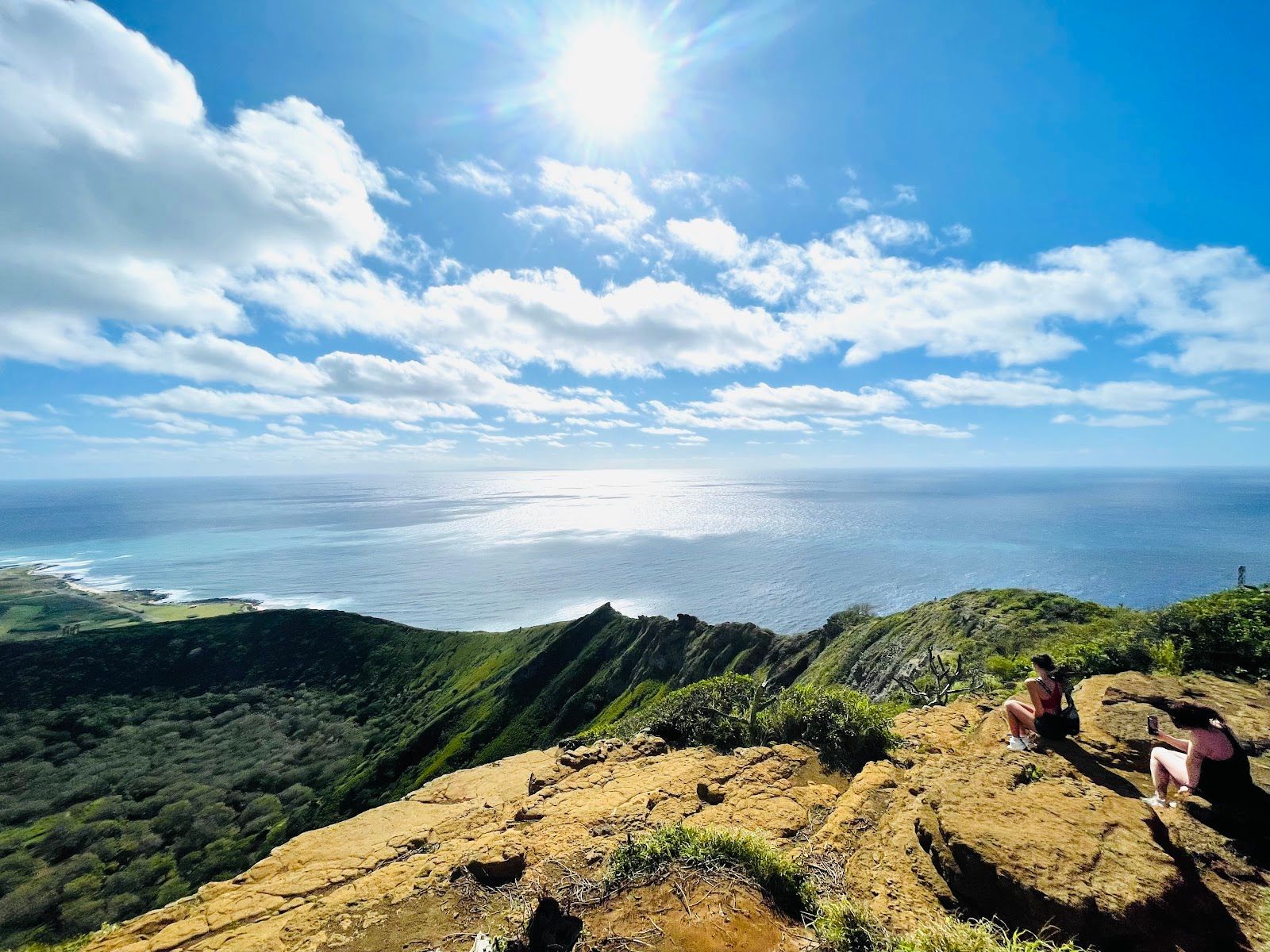
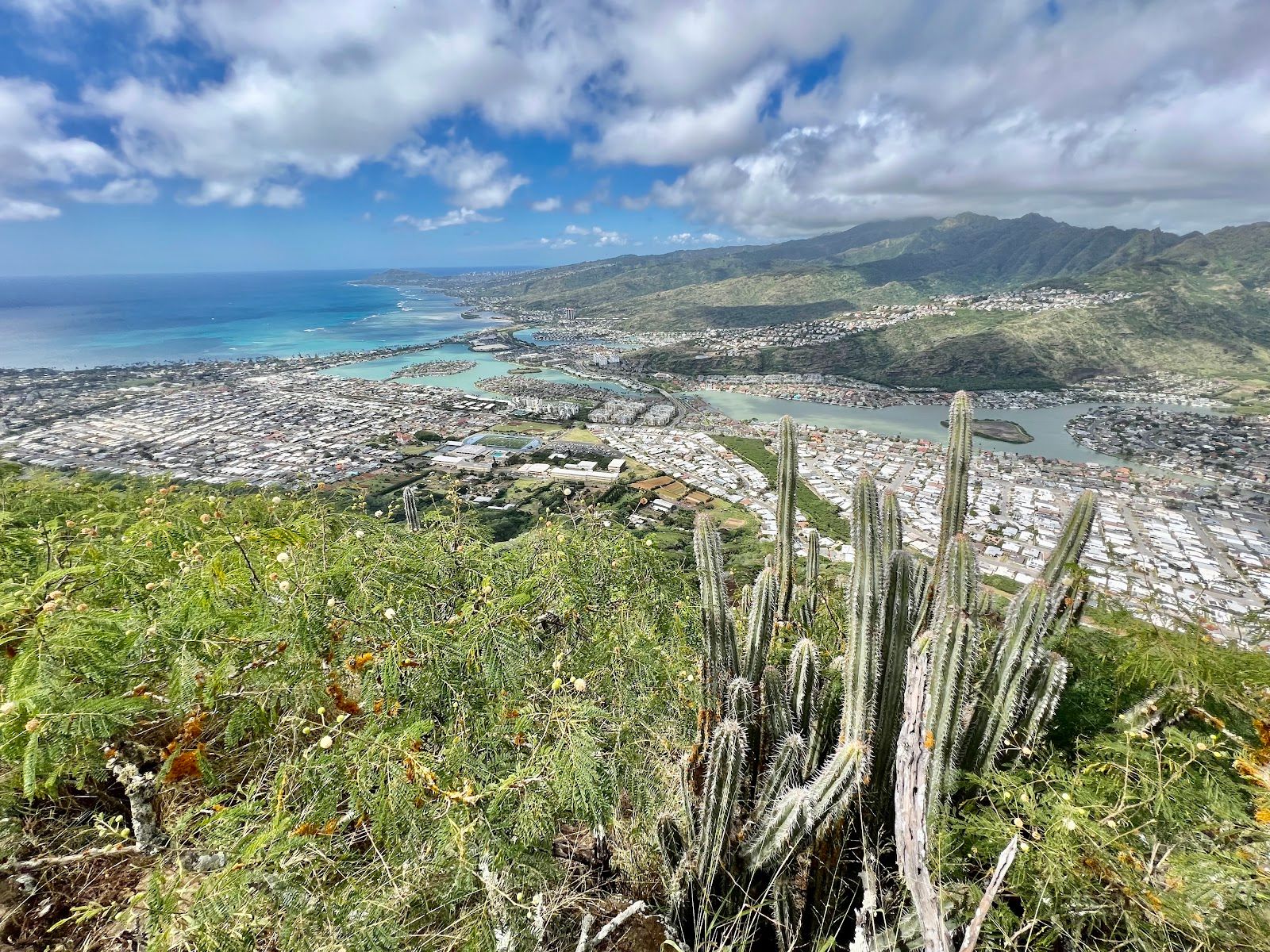
The top is the reason many people commit to the climb. From roughly 1,200 feet up, the view opens across Hanauma Bay, the Hawaiʻi Kai coastline, Diamond Head, Makapuʻu, and the Koʻolau Range, with longer-range island views possible on clear days. That broad perspective gives the hike a satisfying sense of arrival; it feels earned, not handed out.
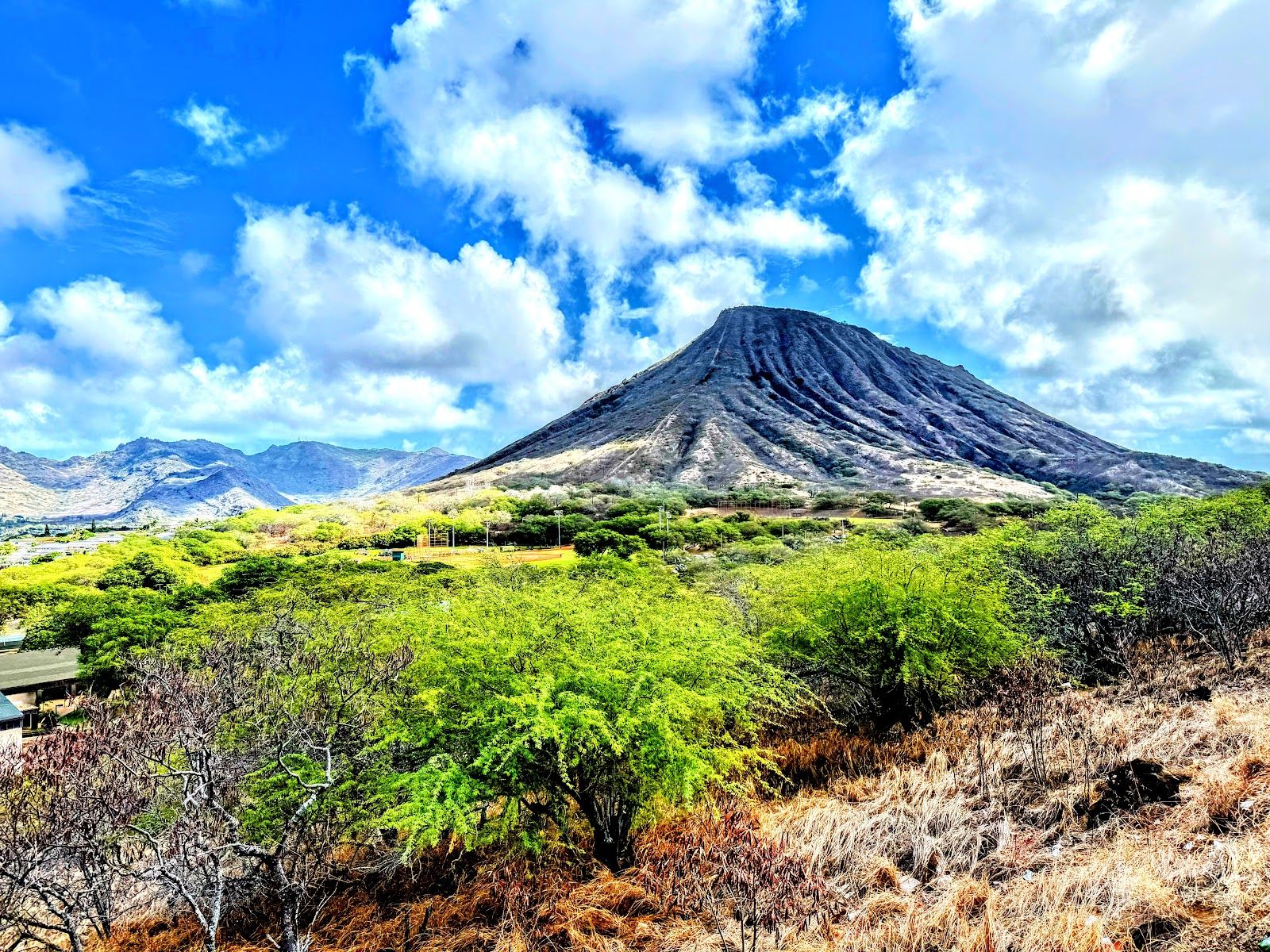
Koko Crater also carries a deeper sense of place. The mountain is known in Hawaiian as Puʻu Mai, and the area is tied to older cultural meanings as well as later military use. Those layers are part of why the hike resonates beyond its reputation as a workout. It is worth treating the site with the same care you would give any landscape that holds both natural and cultural significance.
Best for strong hikers; skip it if you want easy
Koko Crater Stairs suits fit travelers who want a compact but serious challenge and are comfortable with steep grades, heat, and exposed footing. It is especially good for visitors who like their scenic payoff to feel earned. It is not a good match for anyone with knee issues, limited mobility, or a strong fear of heights. Travelers seeking a gentler Oʻahu hike will be happier elsewhere, especially on trails with shade or flatter terrain.
For the right traveler, though, this is one of Oʻahu’s most memorable half-day efforts: simple, brutally effective, and backed by a summit view that makes the climb feel entirely justified.