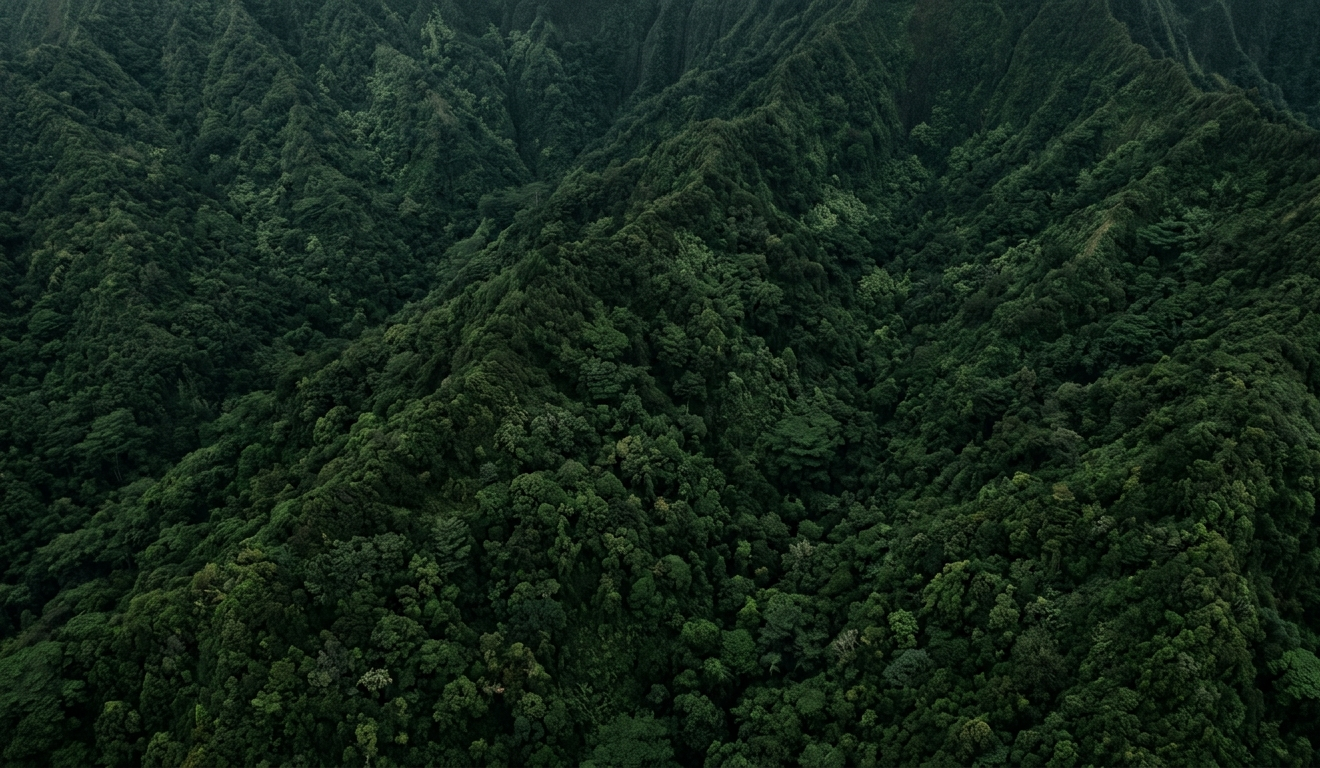

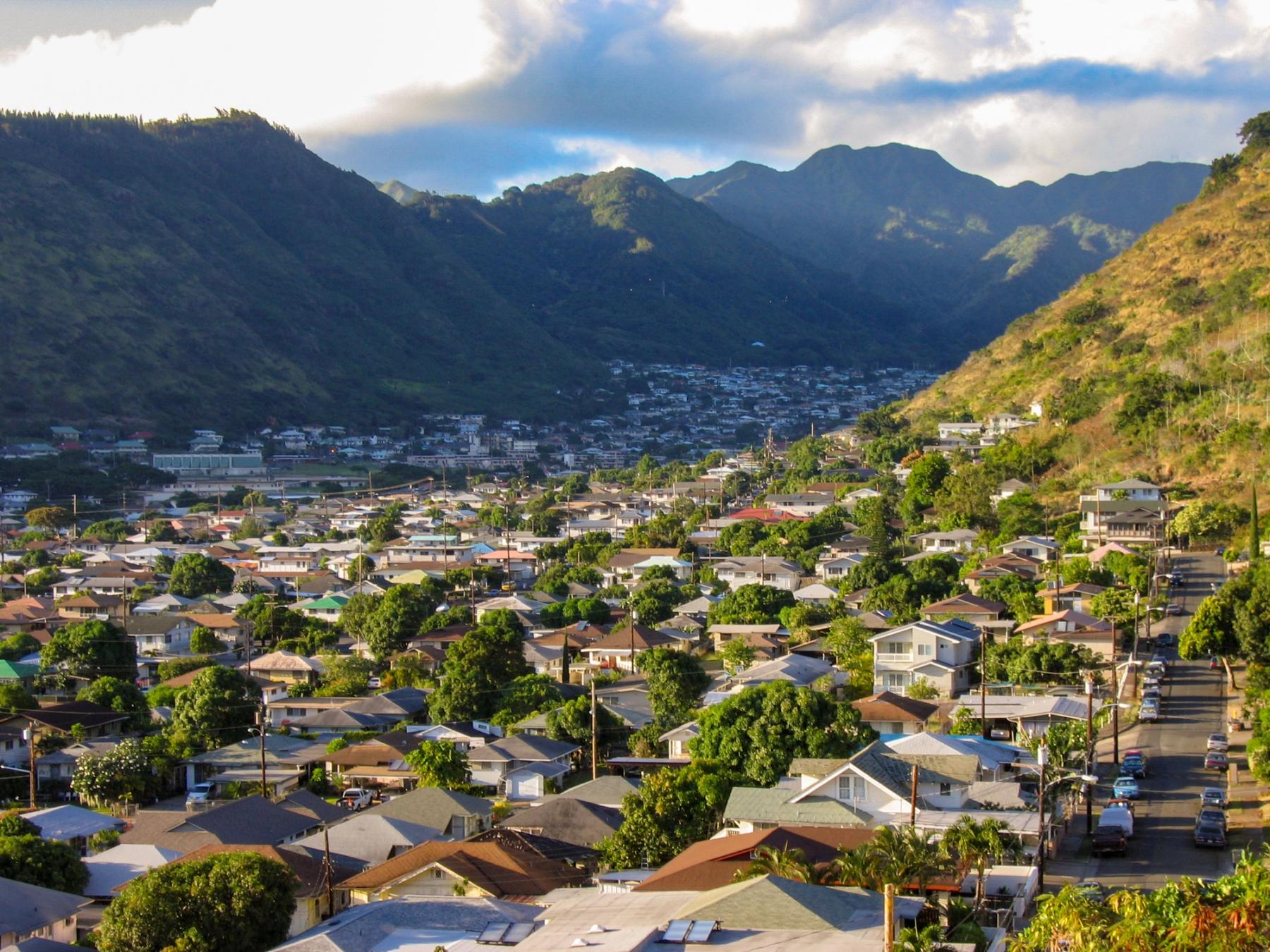
Kaimukī & Pālolo
Mauka Honolulu neighborhoods of ridges and valley streets just beyond the beach belt.
Good Fit For
- Local dining strips
- Residential hillsides
- Quick in-town detours
- A quieter Honolulu feel
- Short drives to Waikīkī
Trade-offs
- Not a beach area
- Limited visitor infrastructure
- Car helpful on ridges
- Patchy sidewalk continuity
Logistics & Getting Around
Just inland of Diamond Head and Waikīkī, this ridge-and-valley area is easiest by car, rideshare, or bus. Parking and traffic can vary by street, and the steepest neighborhoods feel more spread out than they look on a map.
Nearby Areas in Honolulu
Ala Moana & Mōʻiliʻili
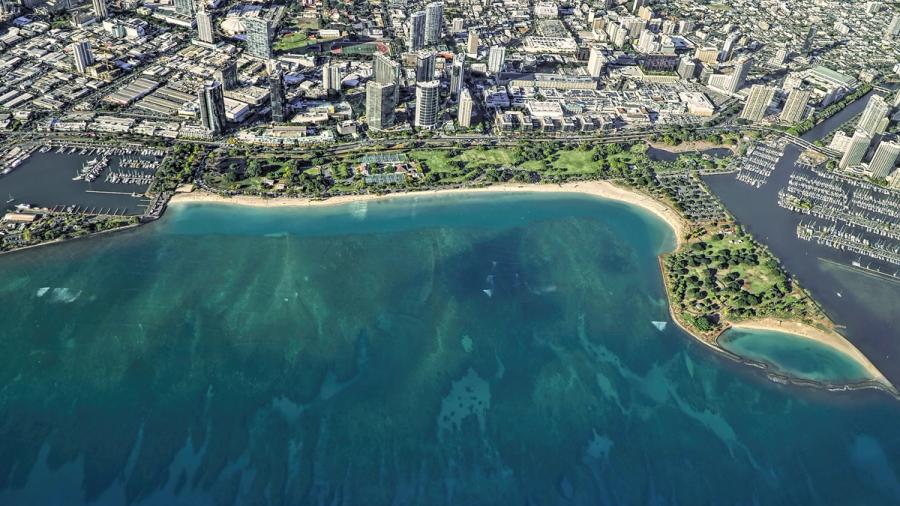
Urban Honolulu for shopping, quick meals, and easy access just west of Waikīkī.
Diamond Head & Kapahulu
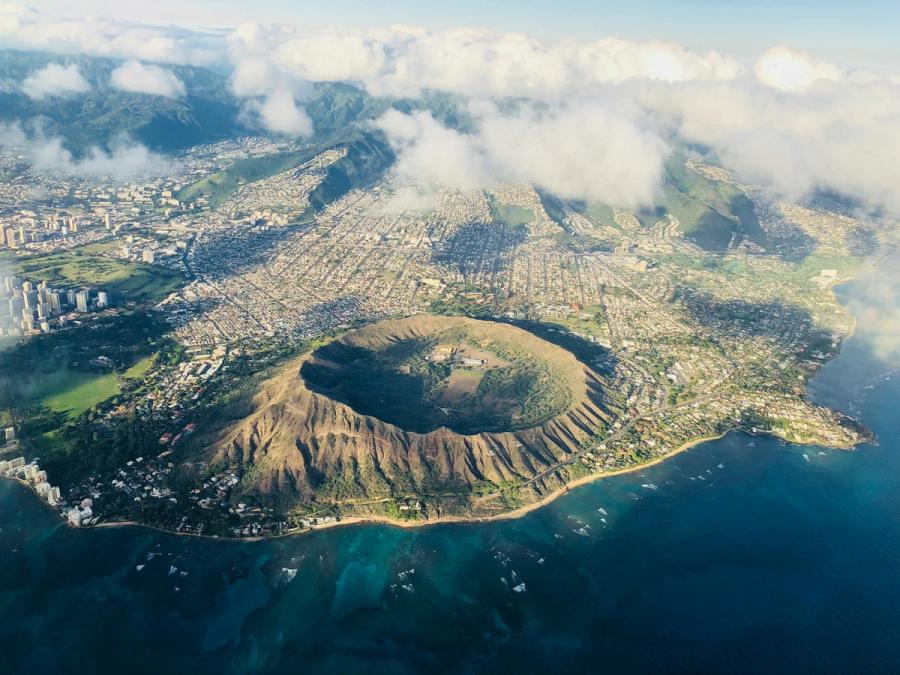
Leʻahi’s iconic crater and a nearby loop of parks, streets, and local eats.
Downtown, Chinatown & Kakaʻako
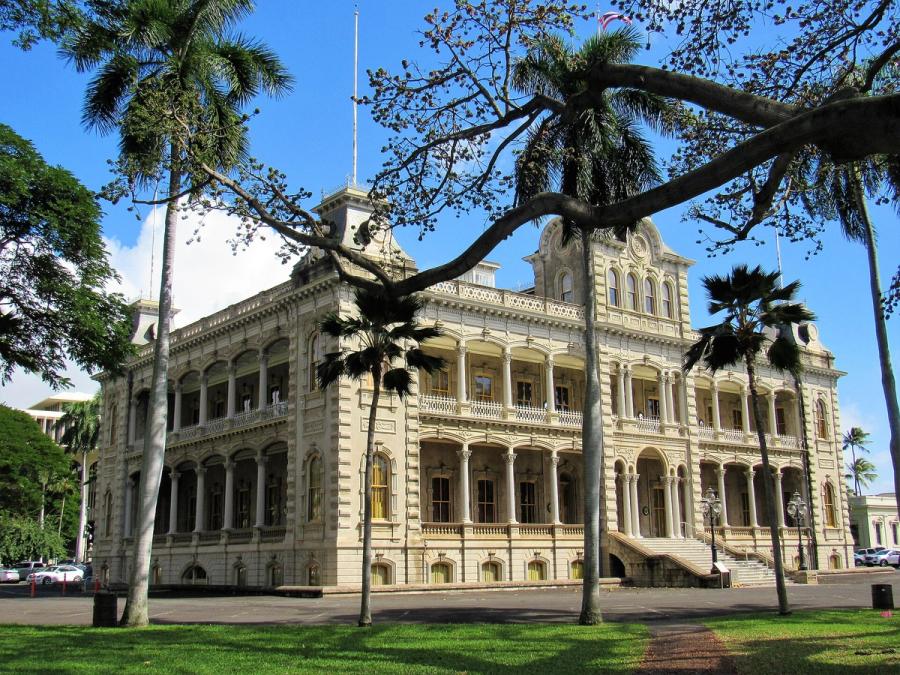
Honolulu’s urban core: palace-and-capitol history, Chinatown grit, and Kakaʻako’s waterfront remake.
Hawaiʻi Kai & East Honolulu
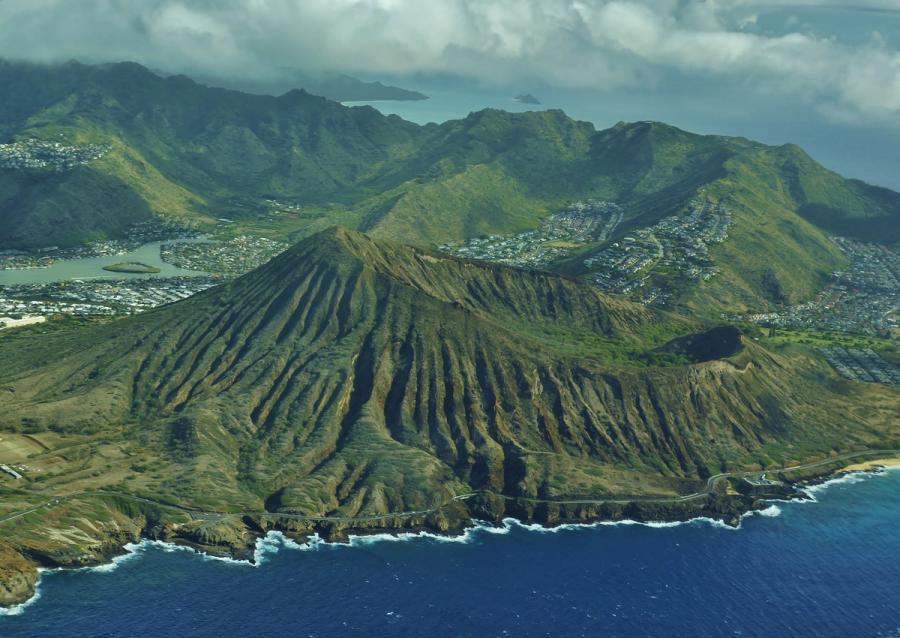
Southeast Honolulu’s scenic, suburban coast with iconic bays, craters, and quick stop-offs.
Kahala & Waialae
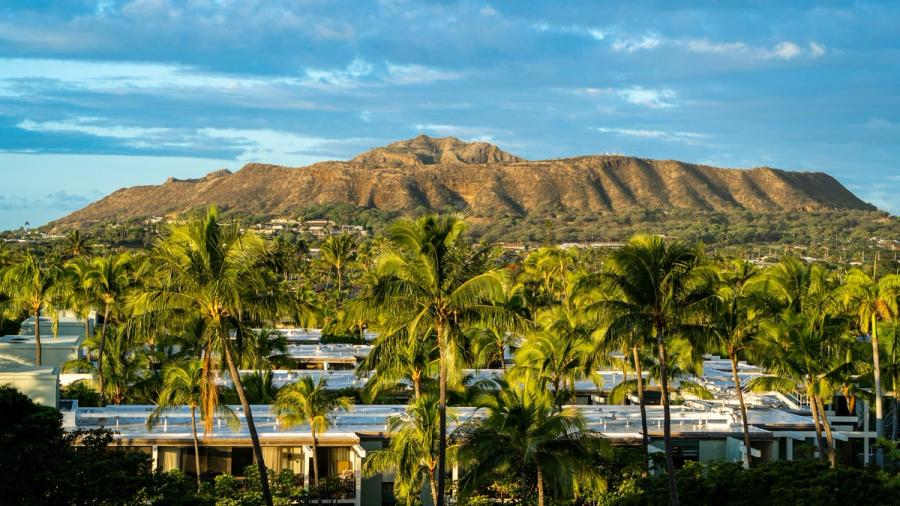
A calm, upscale stretch of east Honolulu coastline and neighborhoods beyond Waikīkī.
Mānoa, Makiki & Nuʻuanu
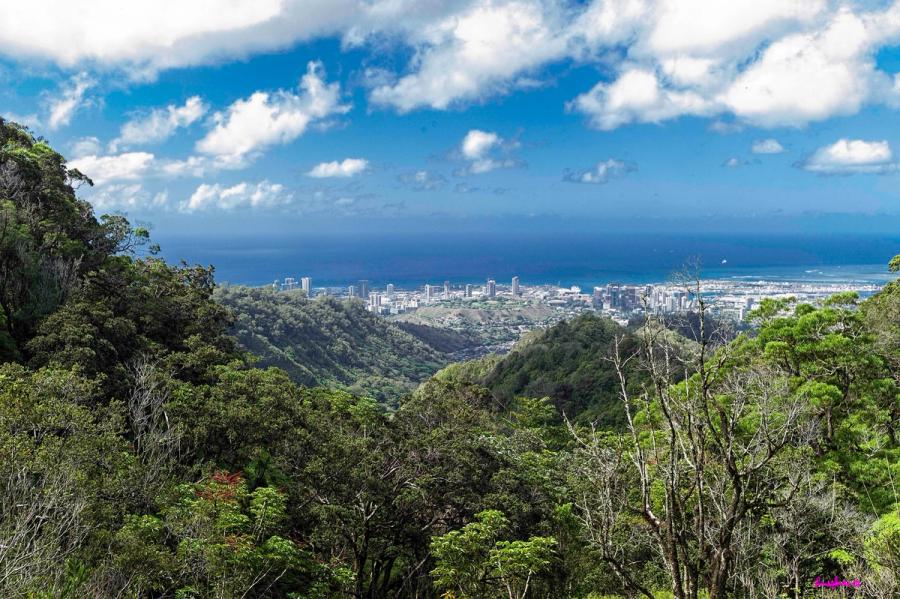
Honolulu’s green mauka valleys and ridgelines, close to town but quietly local.
Waikīkī
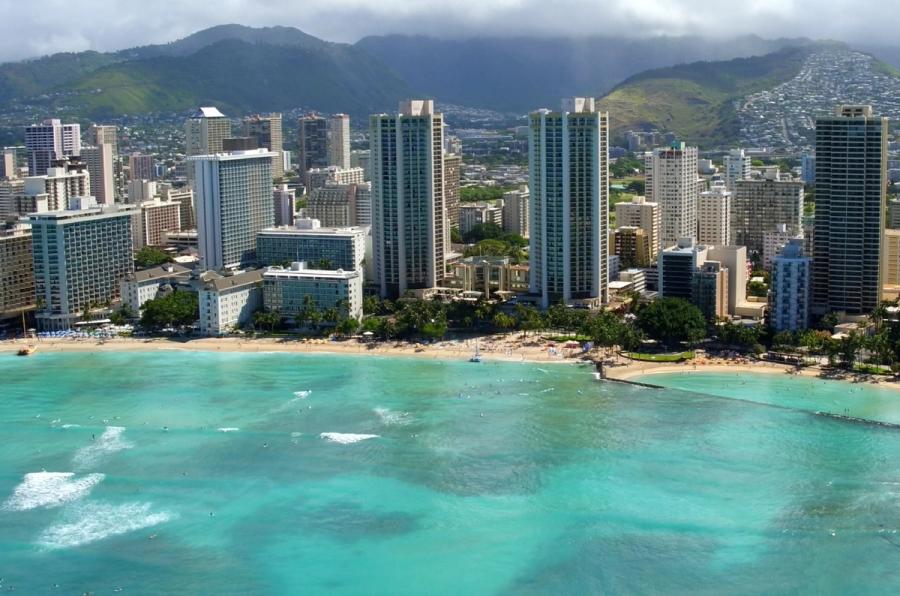
Honolulu’s iconic urban beach district: high-rises, a long sandy arc, constant motion.
Signature Experiences in Kaimukī & Pālolo
The feel: mauka Honolulu, close-in and lived-in
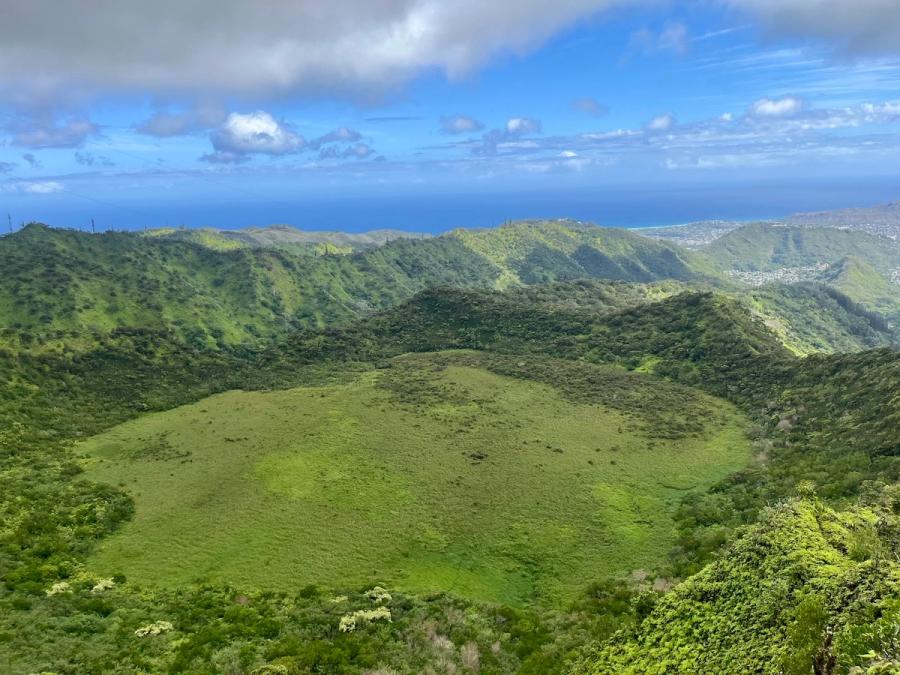
Kaimukī & Pālolo sit on the inland side of Honolulu’s south-shore visitor corridor, where the city starts to climb. The geography matters: Kaimukī is a ridge neighborhood with a compact commercial spine and a lot of everyday foot traffic, while Pālolo reads as a greener valley—quieter streets, more shade, and a residential pace. Add nearby heights like St. Louis Heights and Wilhelmina Rise and the overall impression is “local Honolulu” rather than “vacation district.”
Because it’s so close to Waikīkī and Diamond Head, the area works best as a short, purposeful detour: a meal, a coffee, a few blocks of browsing, or a quick look at how Honolulu neighborhoods knit together when you leave the shoreline behind.
What people come for
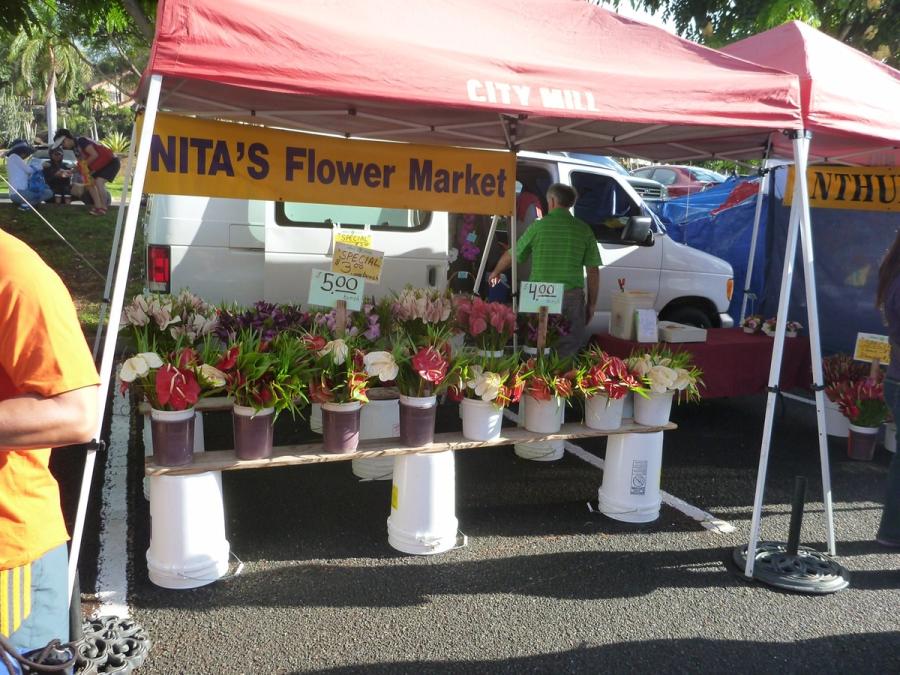
Visitors usually come here for the simple pleasure of good food and neighborhood character without the resort gloss. Kaimukī, in particular, has a small-scale main-street rhythm—independent restaurants, casual spots, and practical shops mixed into low-rise blocks. It’s the kind of place where you can arrive in beach clothes and still feel slightly underdressed, not because it’s fancy, but because it’s not performing for tourists.
Pālolo’s draw is subtler: a valley atmosphere that feels removed from the beach only minutes away. The trade is that there’s less to “do” in a conventional sightseeing sense; it’s more about noticing the landscape and the day-to-day.
Getting around and setting expectations
This is not a shoreline neighborhood, so don’t come expecting easy beach time. Sidewalks and crossings can be inconsistent once you leave the main commercial streets, and the ridges can turn a short distance into a steep walk. A car or rideshare makes it easier to stitch this area into a Honolulu day.
If you’re choosing it as an overnight base, it tends to suit travelers who want a quieter, residential setting and don’t mind trading hotel amenities and beachfront access for a more normal-city experience. Most people, though, experience Kaimukī & Pālolo in small, satisfying slices between bigger stops elsewhere in Honolulu.

Can't decide where to stay? Get personalized advice.
Custom recommendations built from the web's most comprehensive Kauai guide.