
Ala Moana & Mōʻiliʻili
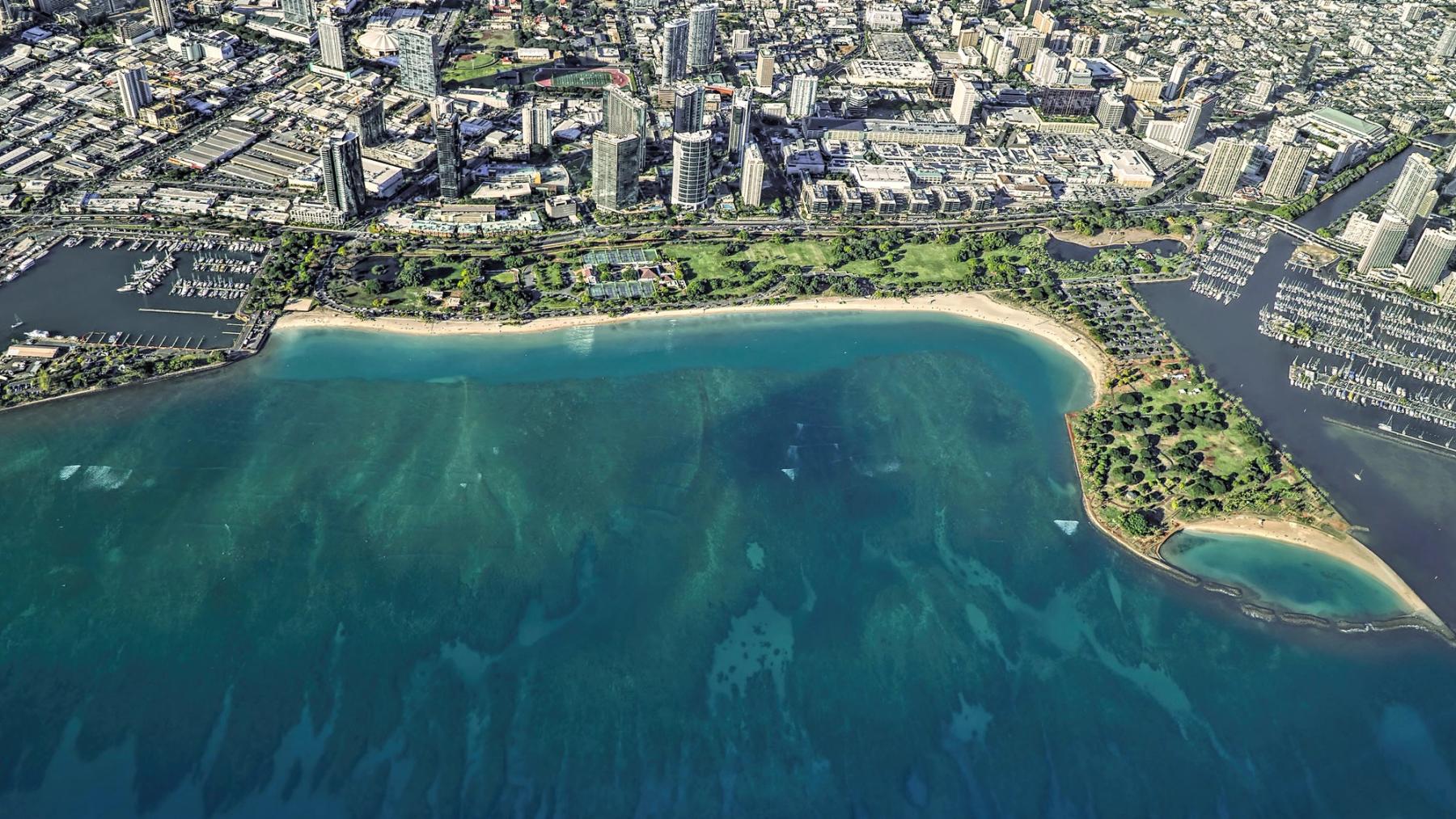
Urban Honolulu for shopping, quick meals, and easy access just west of Waikīkī.
Good Fit For
- Ala Moana Center errands
- Convention Center schedules
- Everyday Honolulu dining
- Short transit hops
- Park-and-beach breaks
Trade-offs
- Traffic and noise
- Limited “old Hawaiʻi” feel
- Patchy pedestrian comfort
- Beach not the focus
Logistics & Getting Around
This is a compact, transit-friendly slice of Honolulu between Waikīkī and the McCully–Mōʻiliʻili corridors. Expect easy bus/rideshare links and short walks in pockets, plus congestion at peak commute and shopping hours; parking can be the slow part.
Nearby Areas in Honolulu
Diamond Head & Kapahulu
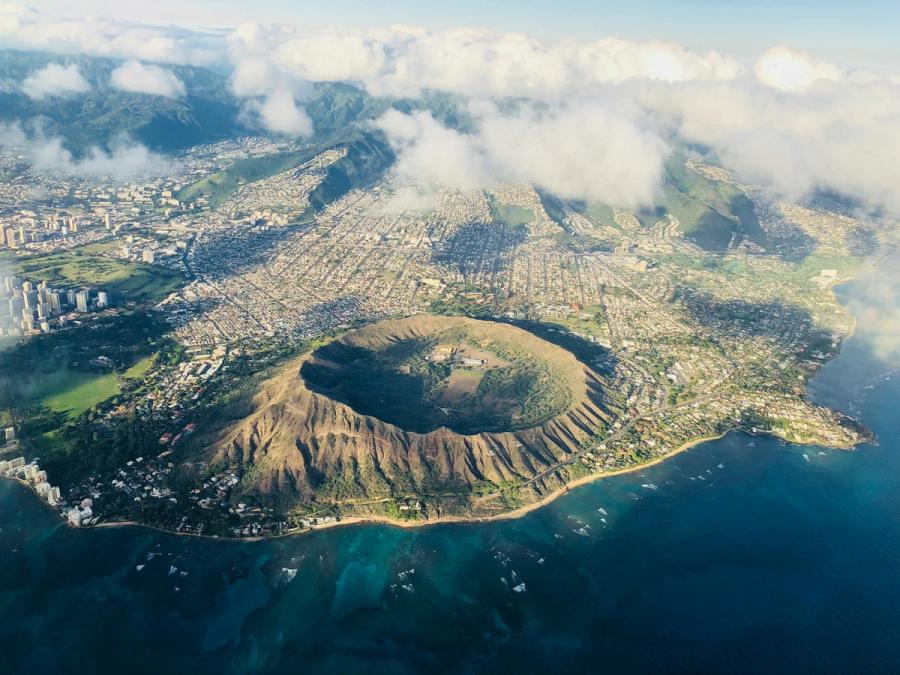
Leʻahi’s iconic crater and a nearby loop of parks, streets, and local eats.
Downtown, Chinatown & Kakaʻako
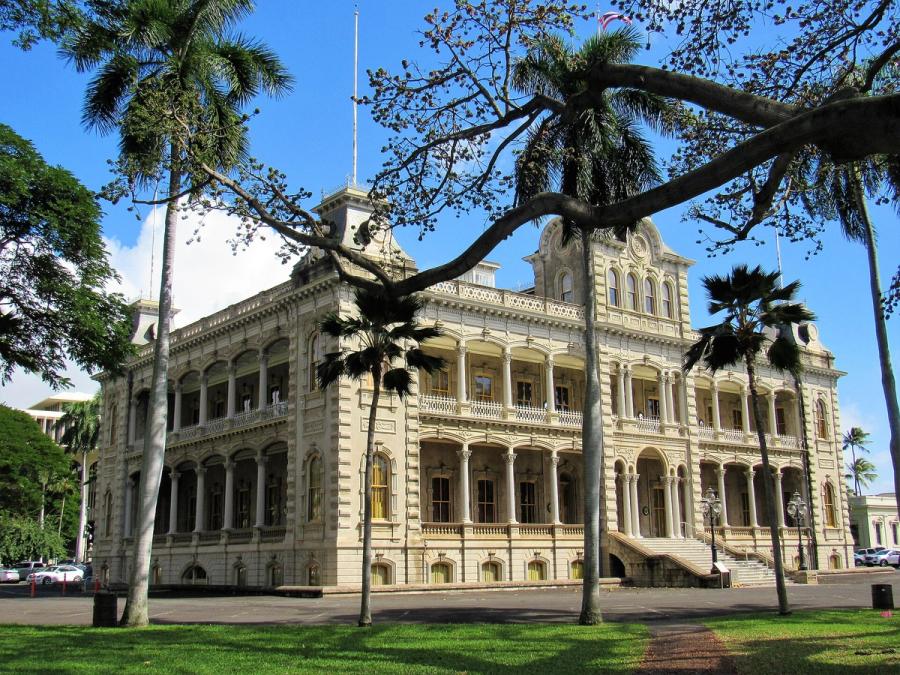
Honolulu’s urban core: palace-and-capitol history, Chinatown grit, and Kakaʻako’s waterfront remake.
Hawaiʻi Kai & East Honolulu
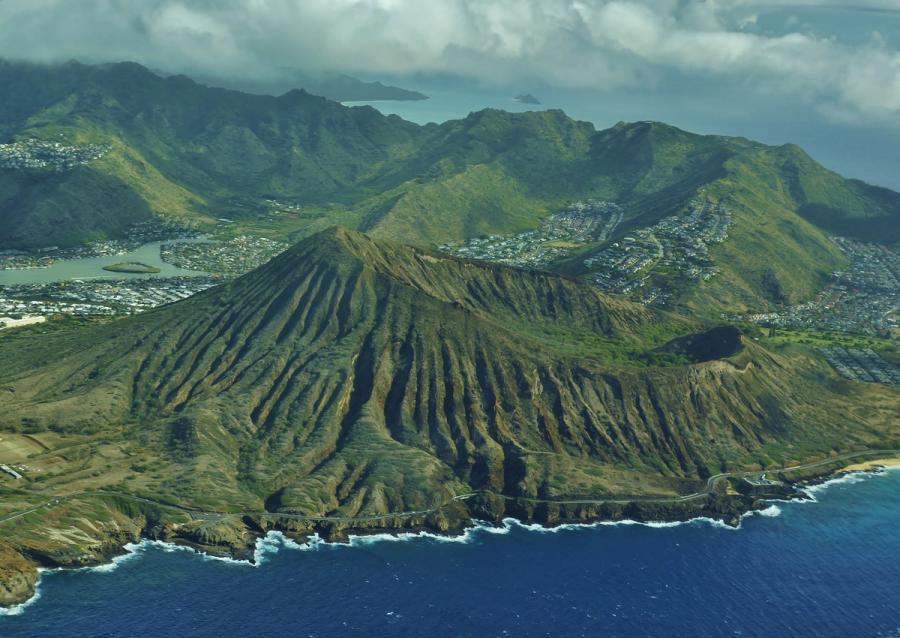
Southeast Honolulu’s scenic, suburban coast with iconic bays, craters, and quick stop-offs.
Kahala & Waialae
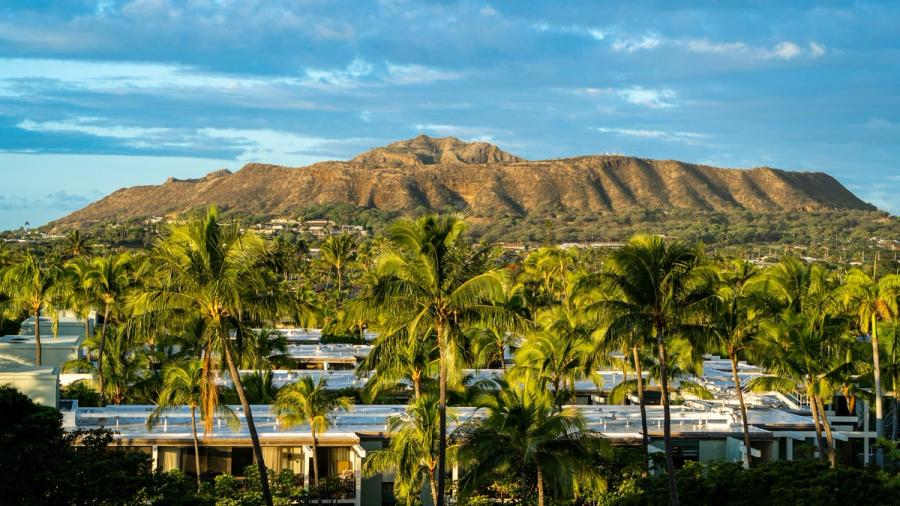
A calm, upscale stretch of east Honolulu coastline and neighborhoods beyond Waikīkī.
Kaimukī & Pālolo
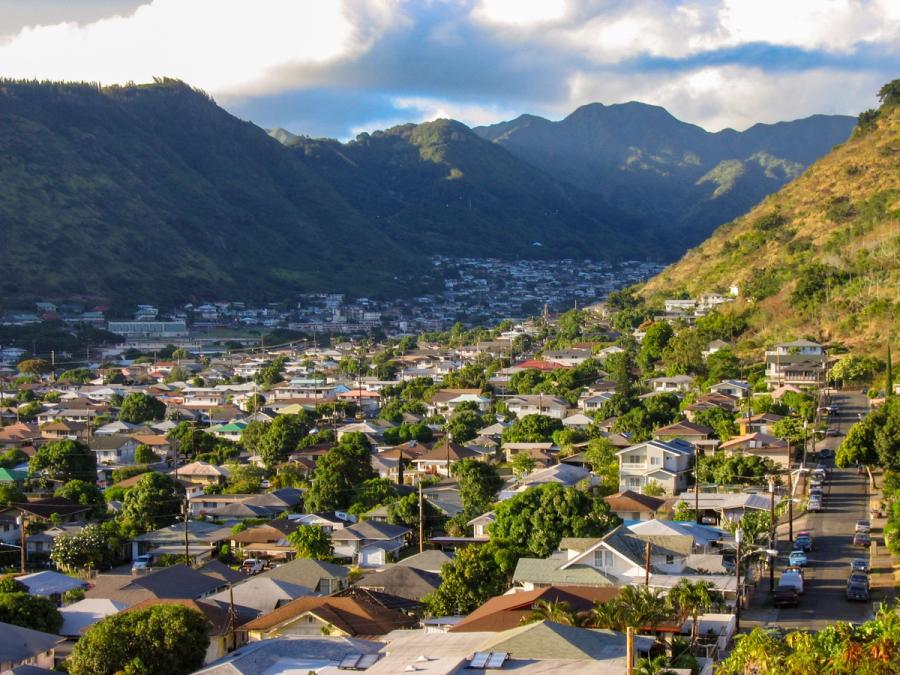
Mauka Honolulu neighborhoods of ridges and valley streets just beyond the beach belt.
Mānoa, Makiki & Nuʻuanu
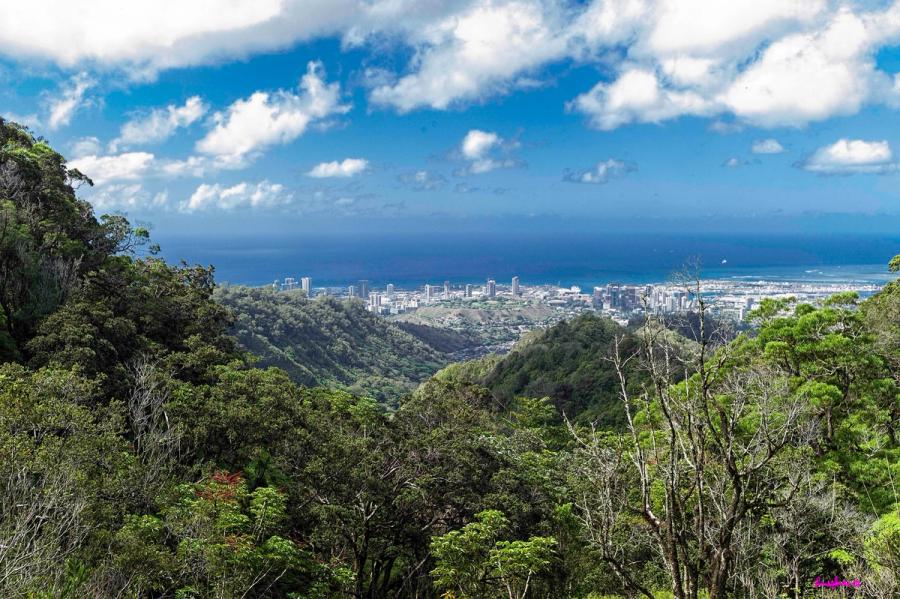
Honolulu’s green mauka valleys and ridgelines, close to town but quietly local.
Waikīkī
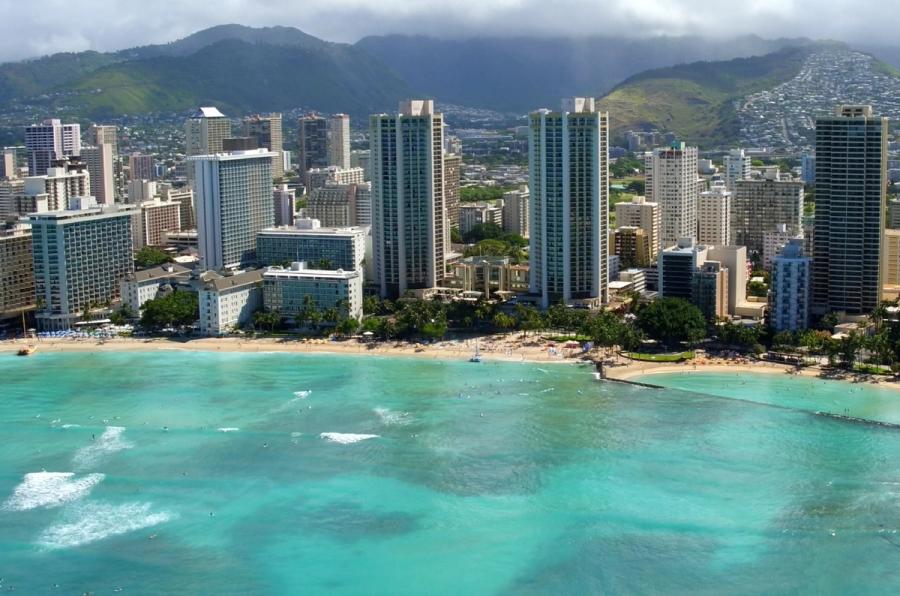
Honolulu’s iconic urban beach district: high-rises, a long sandy arc, constant motion.
Signature Experiences in Ala Moana & Mōʻiliʻili
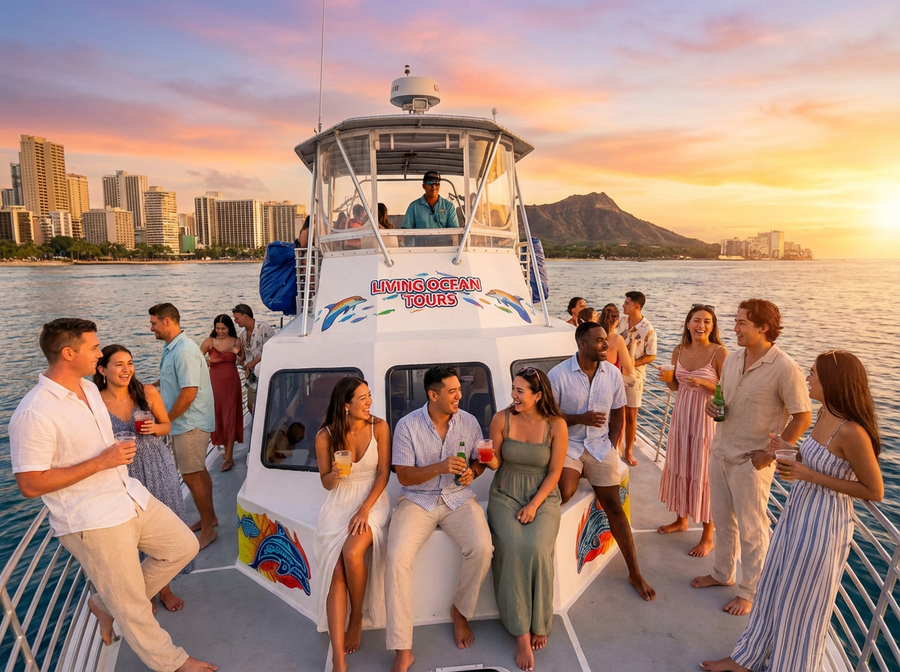
The feel: purposeful city Honolulu
Ala Moana & Mōʻiliʻili is Honolulu in working mode—busy intersections, mid-rises, strip plazas, and the steady flow of people doing everyday things. It sits immediately west of Waikīkī, but it doesn’t share Waikīkī’s resort rhythm. Visitors usually experience it in short, useful bursts: a shopping run, a meal between plans, or a stretch of shade and sea breeze at the park before moving on.
The area’s energy comes from big anchors—Ala Moana Center and the Hawaiʻi Convention Center—stitched to local commercial streets through McCully, Pawaʻa, and Mōʻiliʻili. You’ll notice the mix: polished retail and hotels near the mall, then more lived-in blocks where residents grab groceries, noodles, plate lunches, and late-day snacks. It’s not curated for sightseeing; it’s where you go because it makes trip logistics easier.
What draws people here
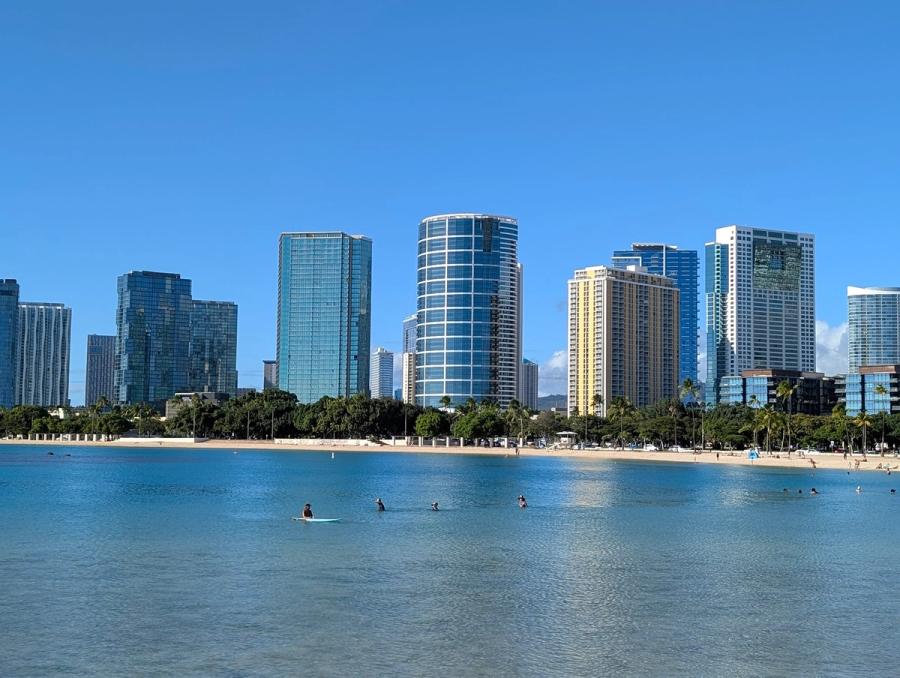
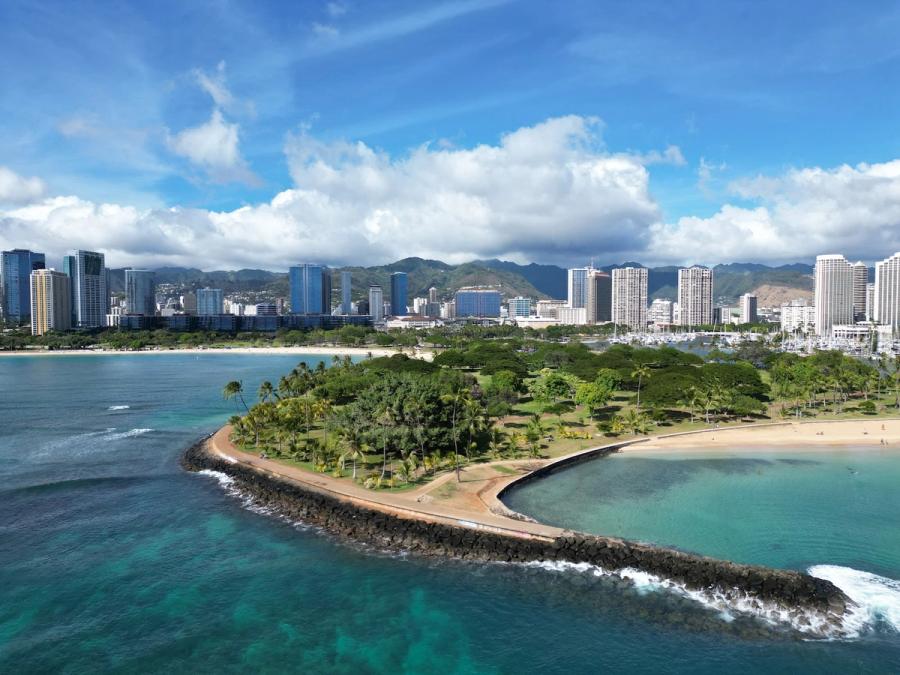
Ala Moana Center is the obvious magnet: extensive shopping in one place, reliable for practical needs (from sunscreen to luggage) and an easy add-on to a Waikīkī stay. Just seaward, Ala Moana Regional Park softens the city with open lawns, broad paths, and a protected, swim-friendly shoreline that’s often calmer than ocean-facing beaches.
Mōʻiliʻili and McCully are where the city feels more local and food-driven. Instead of a single “main street” stroll, think of a handful of corridors where you pick a spot, eat well, and keep moving. It’s also an area that works when weather is mixed—much of what people come for here doesn’t depend on a perfect beach day.
Getting around (and what to expect)
This is a place of short distances but uneven comfort. Some stretches are pleasant on foot—especially around the mall, park, and major intersections—while other blocks can feel loud, sun-exposed, and built for cars. Transit connections are strong by Oʻahu standards, and quick rideshares are common for hopping between the mall, the Convention Center, and nearby neighborhoods.
Small tradeoffs that matter
Come expecting convenience, not charm. Street life can be fragmented, traffic noise is real, and the most memorable moments are often simple ones: a satisfying meal in Mōʻiliʻili, a shaded bench at Ala Moana Park, and the relief of getting errands done without burning a full vacation day.

Can't decide where to stay? Get personalized advice.
Custom recommendations built from the web's most comprehensive Kauai guide.