
Waikīkī
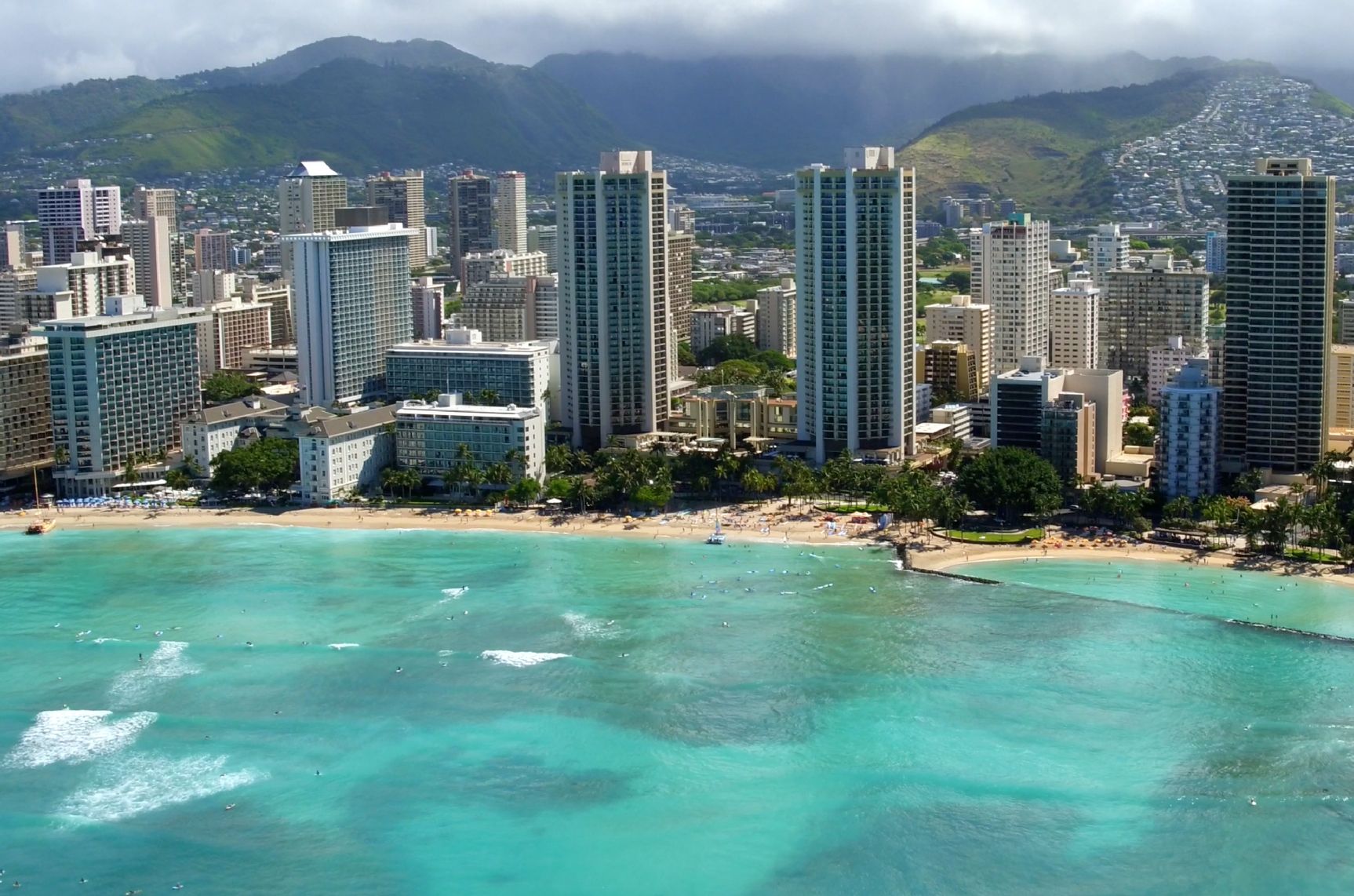
Honolulu’s iconic urban beach district: high-rises, a long sandy arc, constant motion.
Good Fit For
- Walkable beach-and-city mix
- First-time Oʻahu trips
- Short stays without a car
- Dining and shopping variety
- Easy day-trip launching point
Trade-offs
- Crowds and traffic
- Limited quiet corners
- Urban noise and lights
- Premium beachfront pricing
Logistics & Getting Around
Waikīkī is compact and easiest on foot, with rideshare and transit for quick hops. Expect slow driving and scarce parking; many visitors skip a car. The Ala Wai canal edge marks the inland side, with the shoreline defining the makai
Nearby Areas in Honolulu
Ala Moana & Mōʻiliʻili
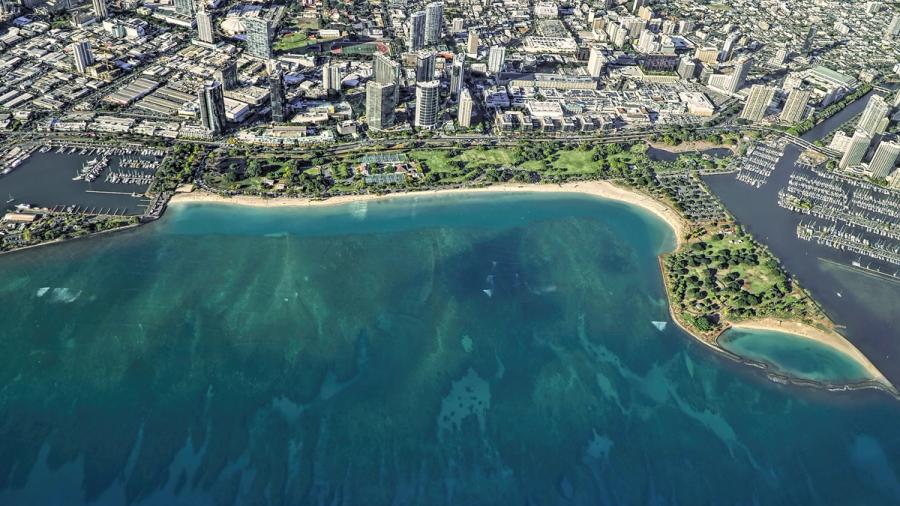
Urban Honolulu for shopping, quick meals, and easy access just west of Waikīkī.
Diamond Head & Kapahulu
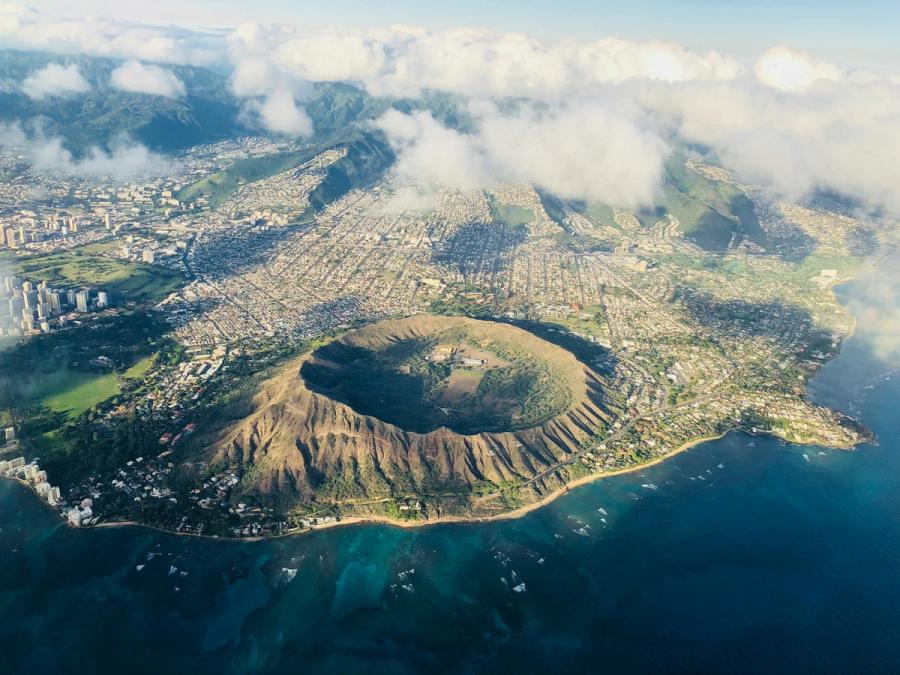
Leʻahi’s iconic crater and a nearby loop of parks, streets, and local eats.
Downtown, Chinatown & Kakaʻako
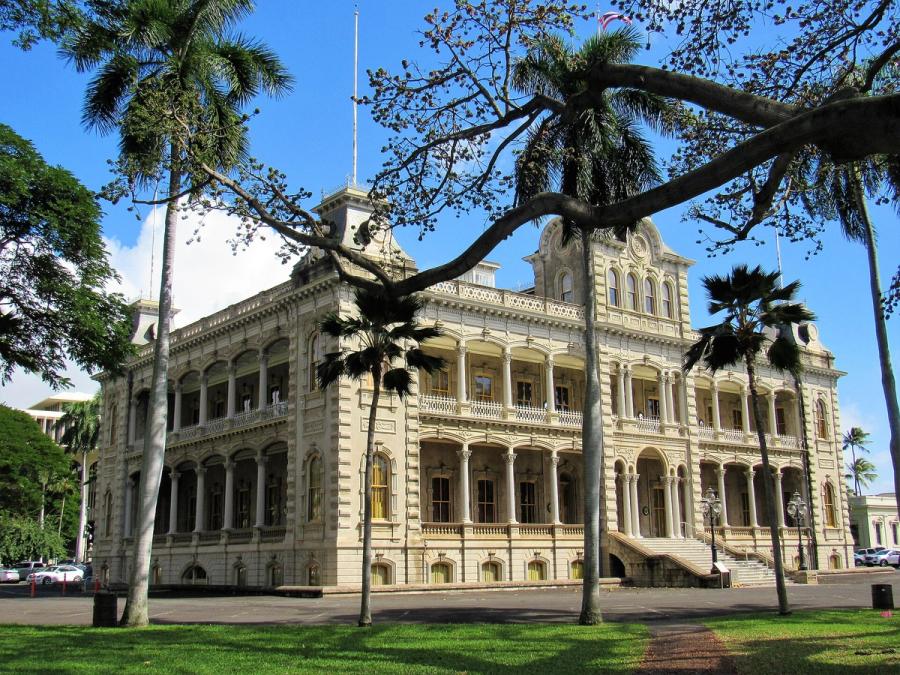
Honolulu’s urban core: palace-and-capitol history, Chinatown grit, and Kakaʻako’s waterfront remake.
Hawaiʻi Kai & East Honolulu
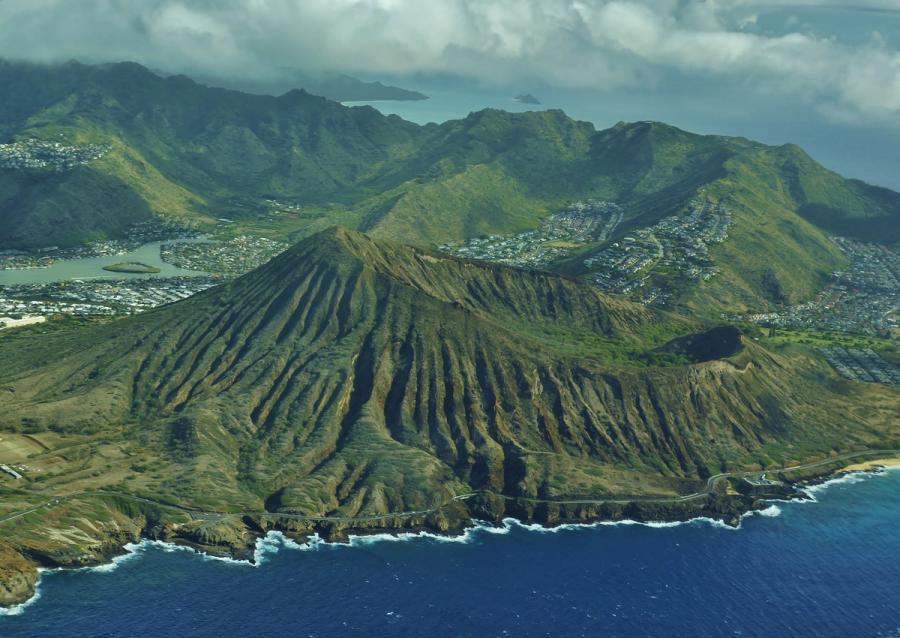
Southeast Honolulu’s scenic, suburban coast with iconic bays, craters, and quick stop-offs.
Kahala & Waialae
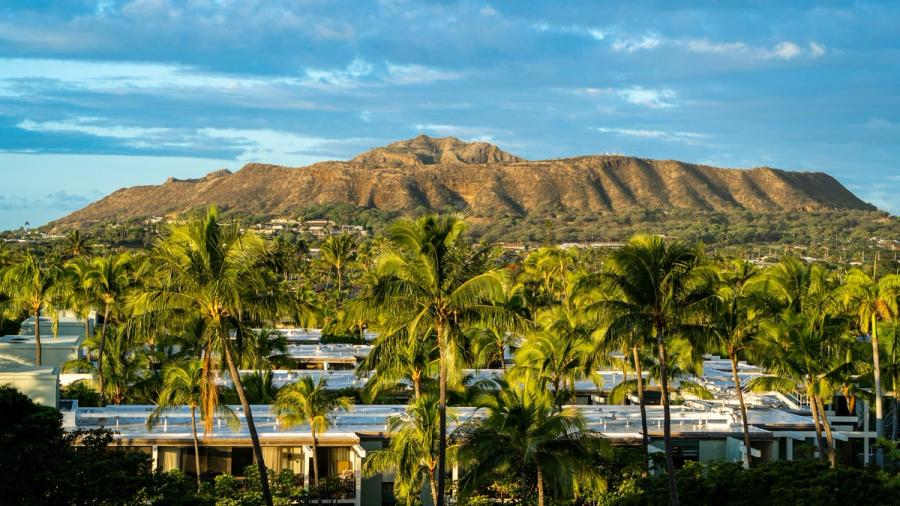
A calm, upscale stretch of east Honolulu coastline and neighborhoods beyond Waikīkī.
Kaimukī & Pālolo
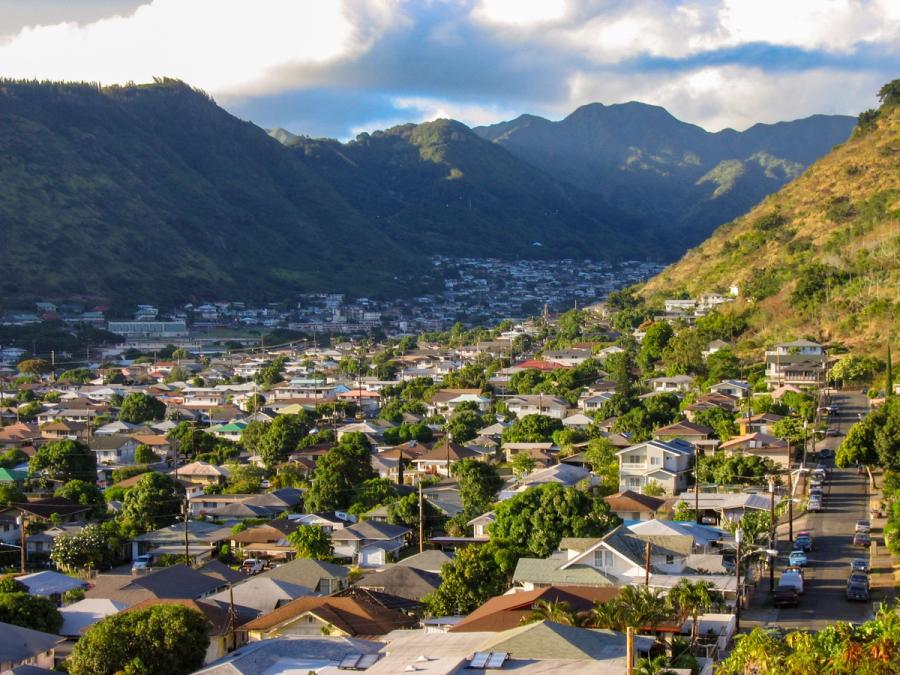
Mauka Honolulu neighborhoods of ridges and valley streets just beyond the beach belt.
Mānoa, Makiki & Nuʻuanu
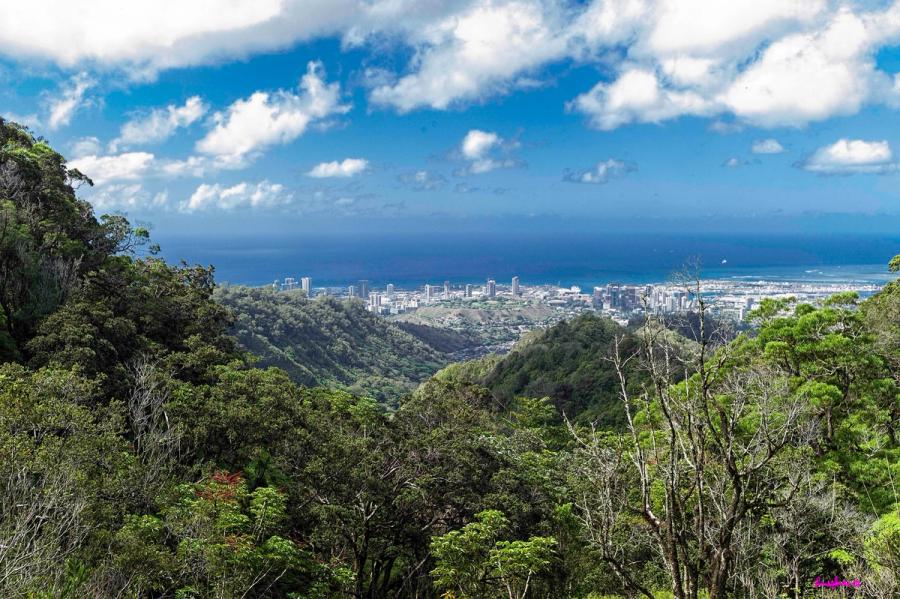
Honolulu’s green mauka valleys and ridgelines, close to town but quietly local.
Signature Experiences in Waikīkī

The feel: city blocks that open onto sand
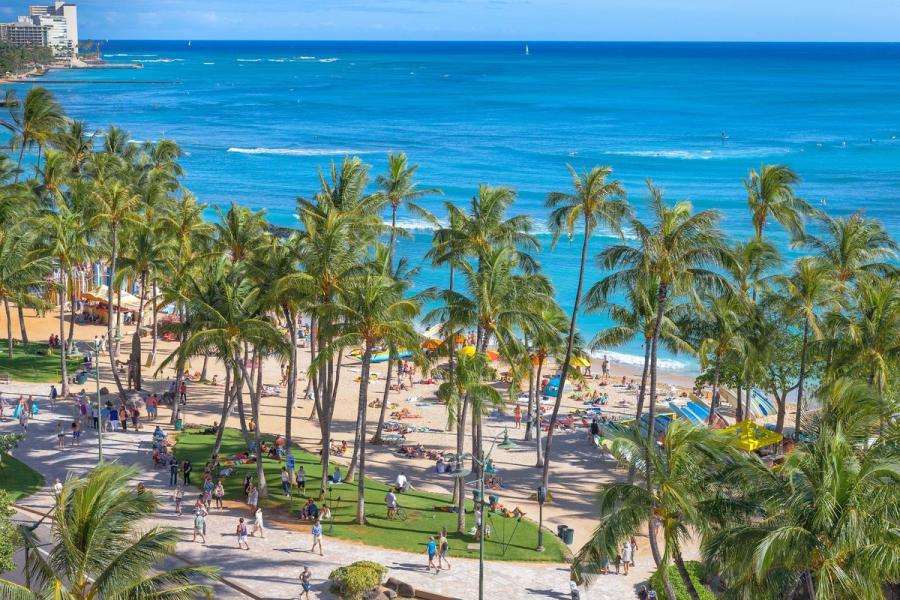
Waikīkī is less a single beach than a dense, walkable district wrapped around an iconic shoreline. High-rises and hotel towers form an urban canyon a few blocks deep, then the scene suddenly breaks into palms, sea walls, and a long, protected sweep of sand. The mood is energetic and public: morning joggers and paddlers, daytime beach setups, sunset crowds, and a steady nighttime churn of meals and shopping.
The inland edge is shaped by the Ala Wai canal, which helps explain Waikīkī’s character—there’s not much room to sprawl, so everything stacks vertically and intensifies at street level. That compactness is the main reason people choose Waikīkī: you can string together a beach day, a casual dinner, and an evening walk without planning a route across town.
A shoreline designed for lingering
The beach here is generally calm by island standards, with long, shallow sections that suit floating, easy swims, and first-time ocean time. It’s also one of the most shared beaches in Hawaiʻi—expect a lively, close-quartered atmosphere, especially near the busiest access points.
Fort DeRussy adds a different texture: more open green space, a wider sense of breathing room, and a gentler transition between the hotel grid and the water. At the other end of the spectrum, the core blocks around major retail nodes like International Market Place feel distinctly “city-first,” with the ocean as a nearby reward rather than the constant backdrop.
How people actually use Waikīkī
Many trips revolve around a simple rhythm: mornings on the sand, midday breaks in shade and air-conditioning, then an easy reset for the evening. Waikīkī also functions as a practical hub for the rest of Oʻahu—day trips are straightforward from here, and returning doesn’t require rethinking dinner plans.
Tradeoffs are real. Waikīkī is convenient, not secluded: you’ll hear traffic, you’ll share sidewalks, and the most scenic beachfront stretches come with the most company. If you want a quiet, local-neighborhood feel, you’ll likely spend more time in nearby Honolulu districts and treat Waikīkī as the beach-and-stroll part of your Honolulu day.

Can't decide where to stay? Get personalized advice.
Custom recommendations built from the web's most comprehensive Kauai guide.