
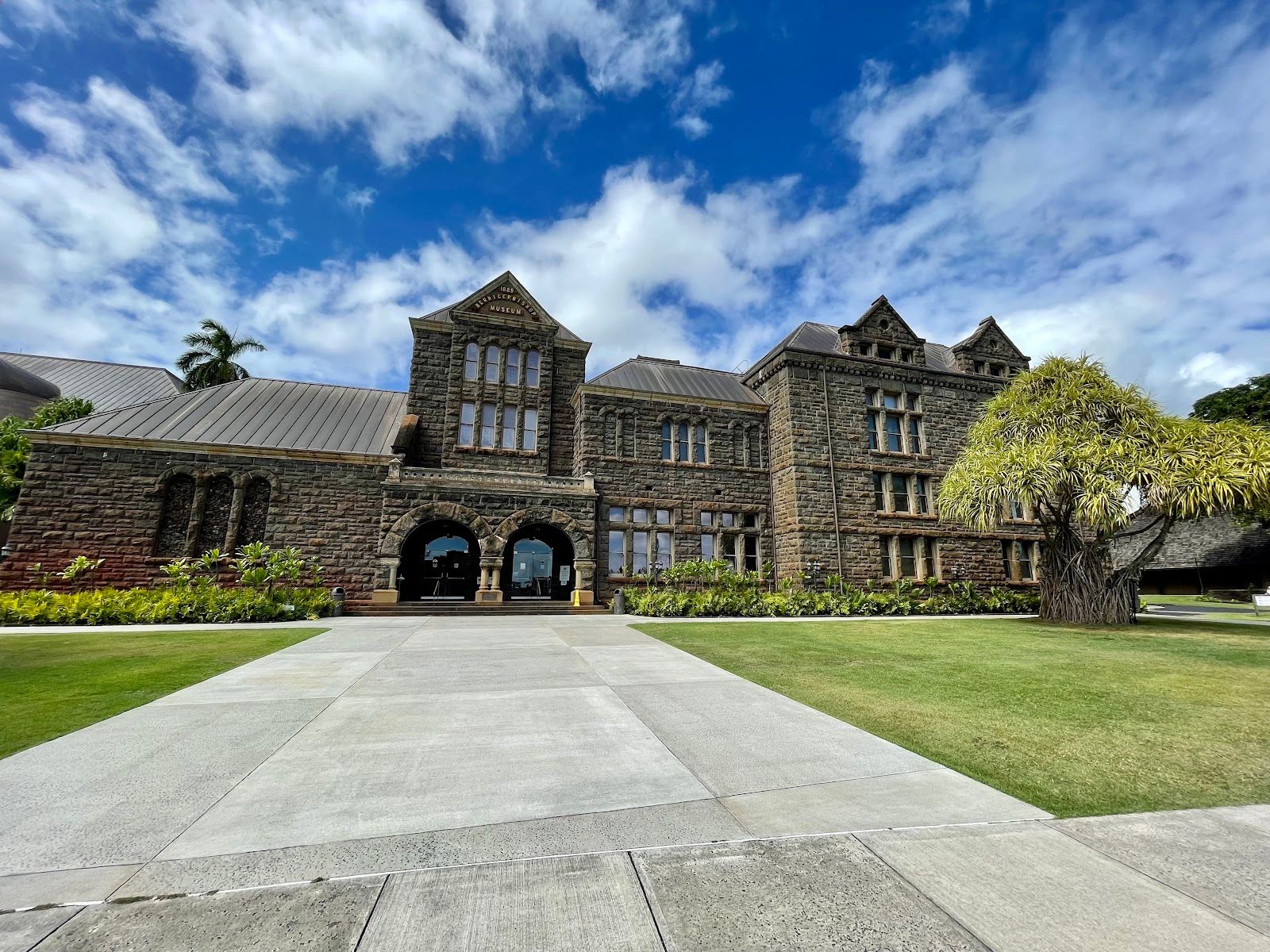
Bishop Museum
The Bernice Pauahi Bishop Museum is Hawaii's premier museum, offering a deep dive into Polynesian cultural artifacts, natural history, and interactive science exhibits perfect for all ages.
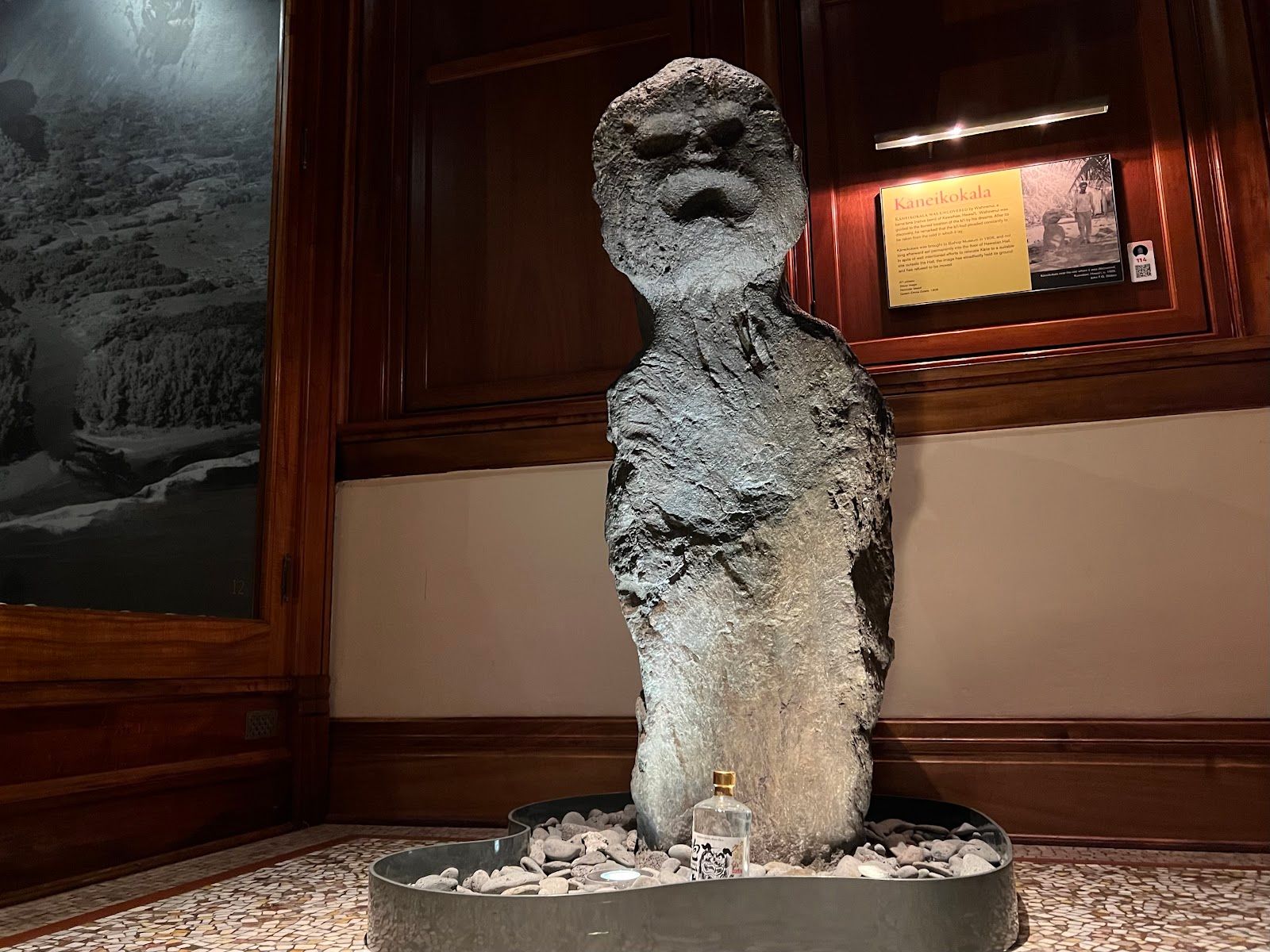
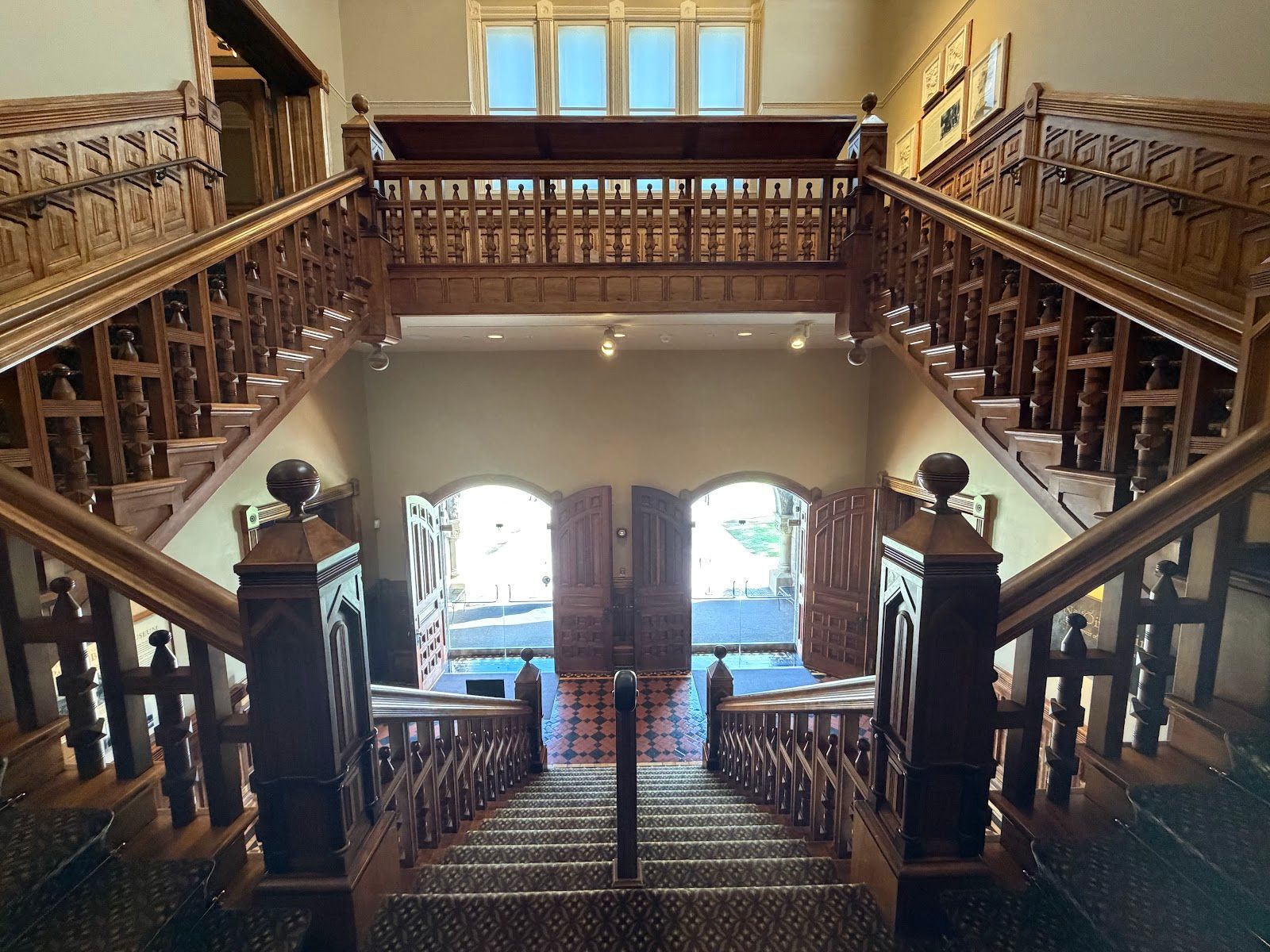
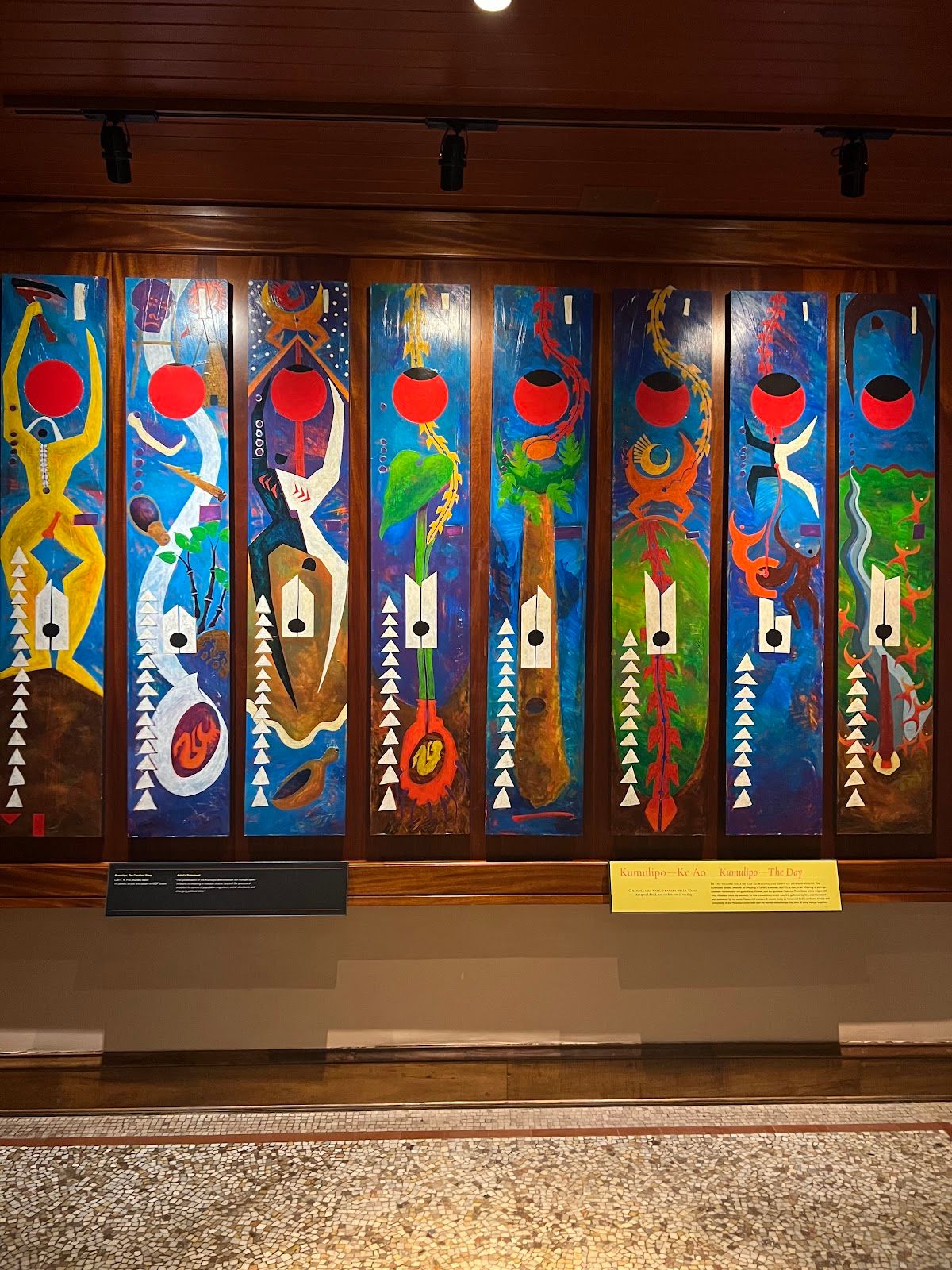
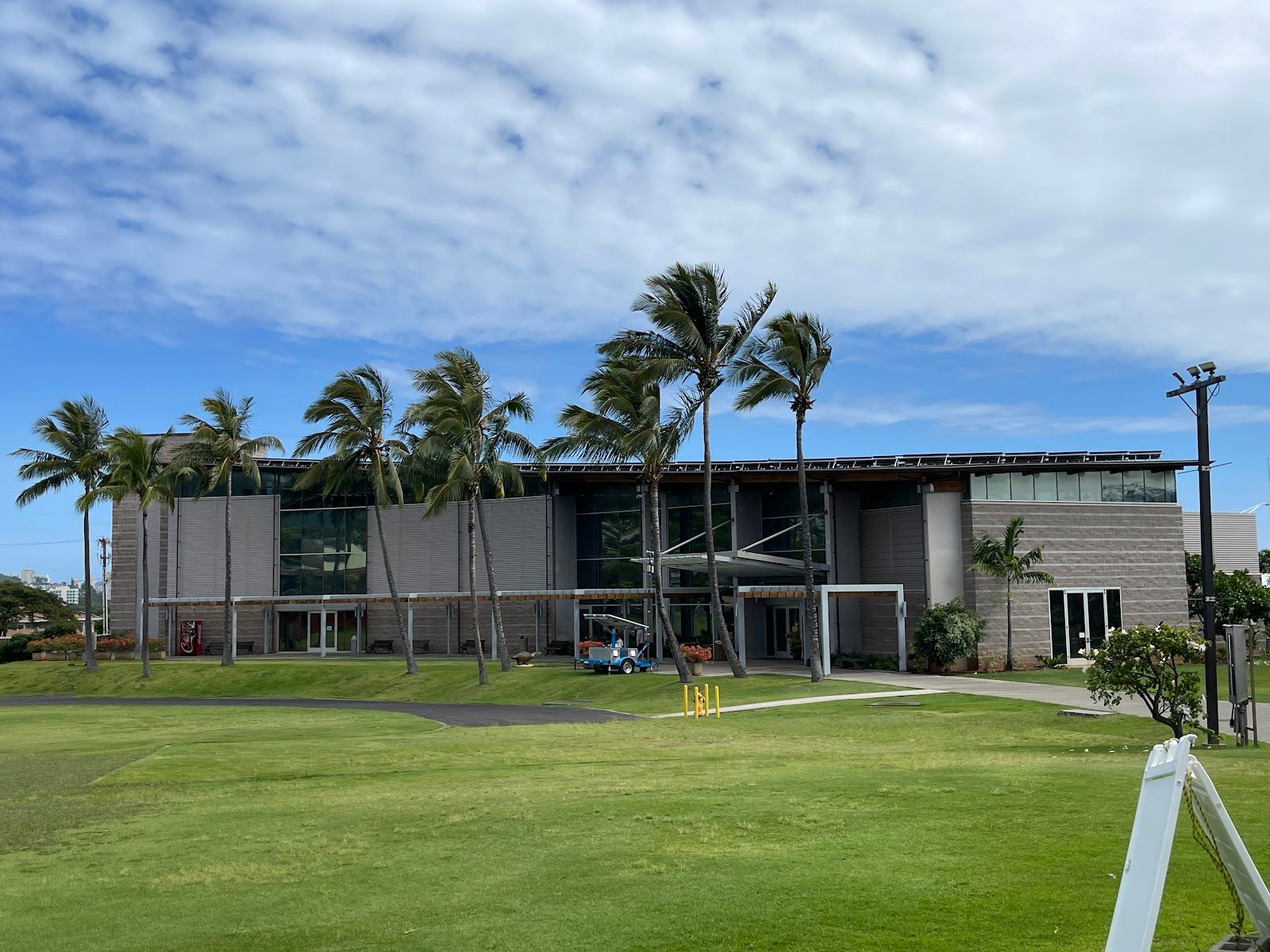
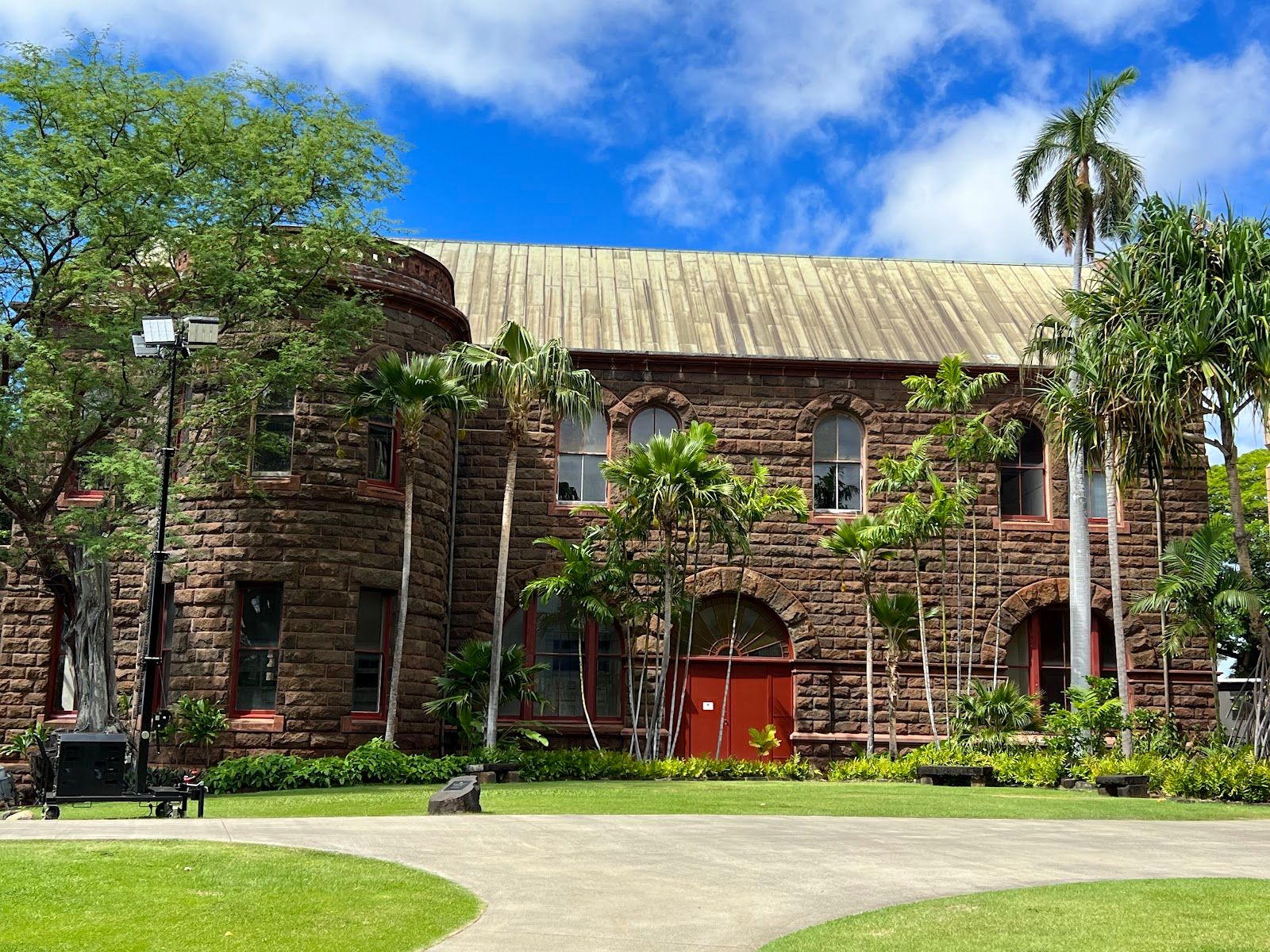
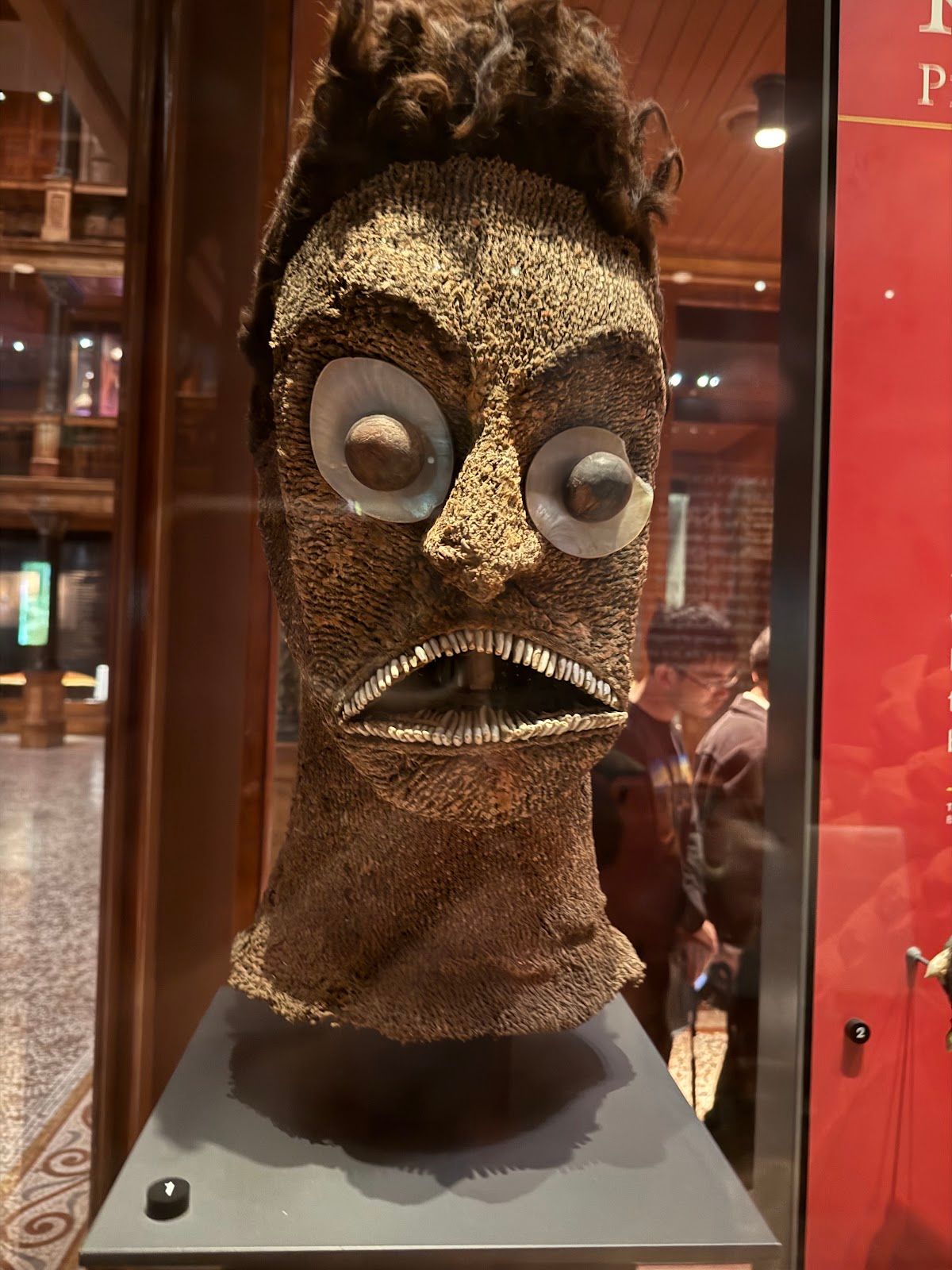
- Hawaiian Hall exhibits
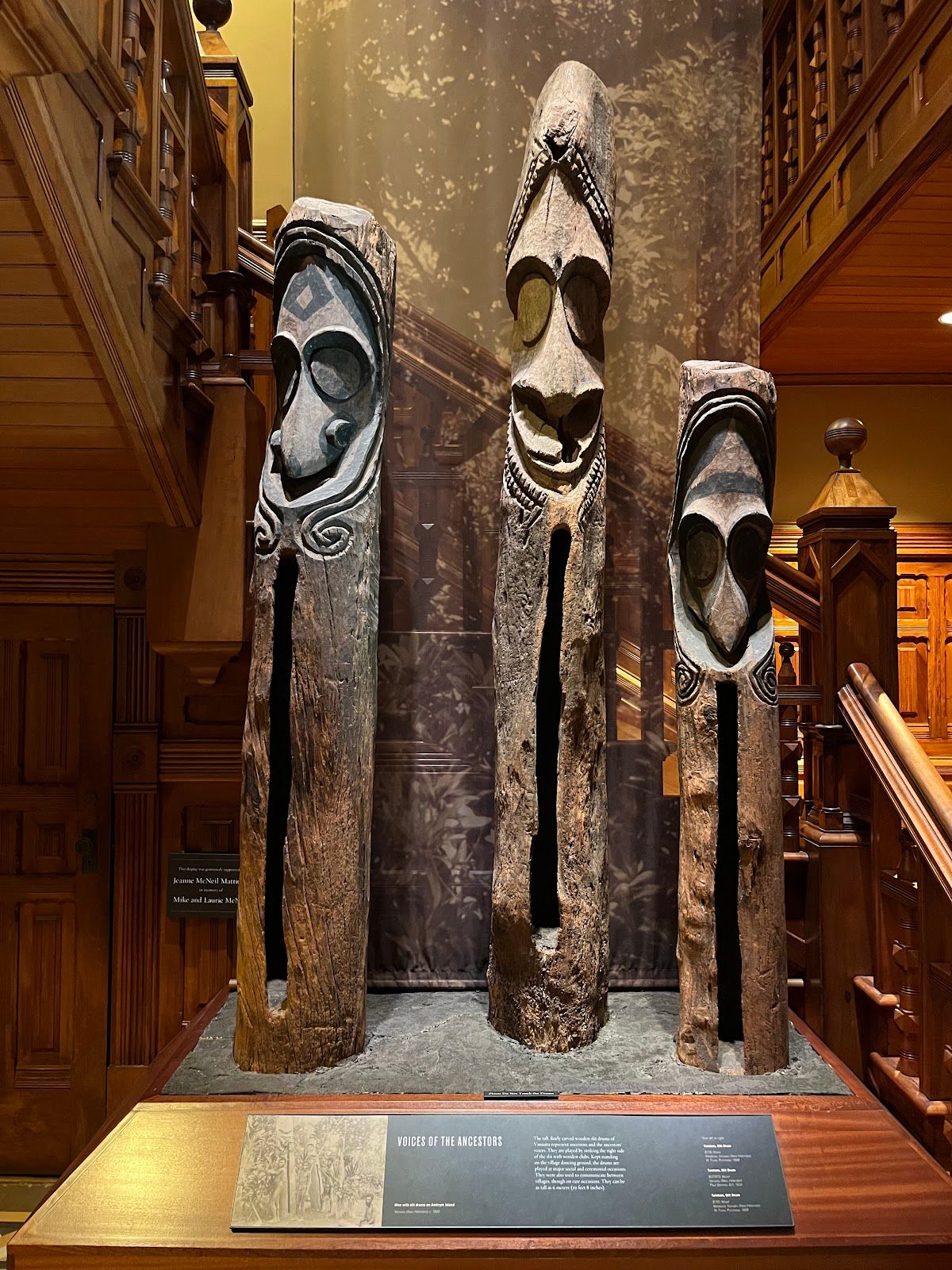
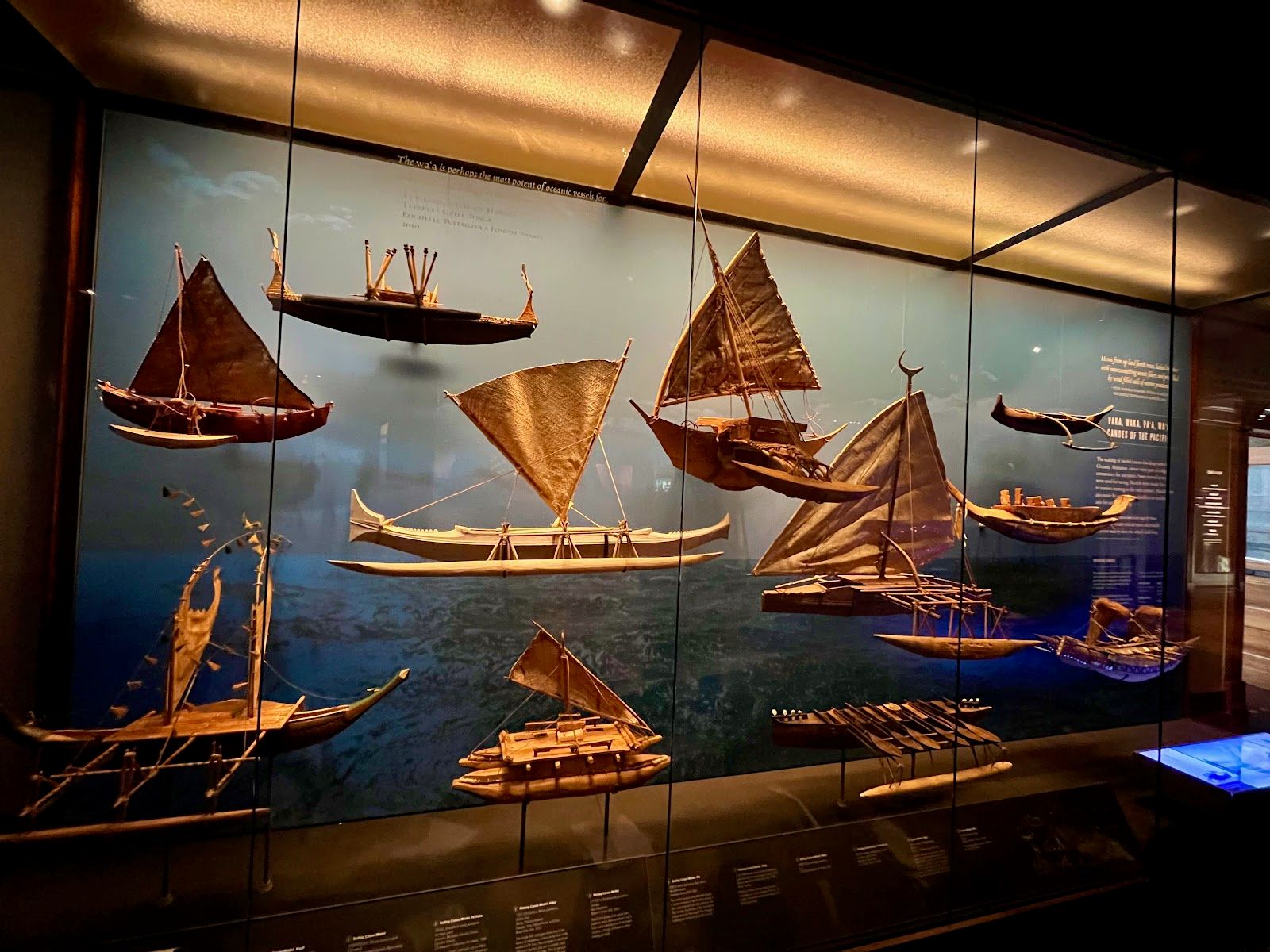
- Pacific Hall displays
- Interactive Science Adventure Center
- J. Watumull Planetarium shows
Bishop Museum is Honolulu’s essential deep-dive into Hawaiʻi’s history, culture, and natural science, and it fits especially well into an Oʻahu itinerary built around Mānoa, Makiki, and Nuʻuanu rather than the beach. This is not a quick photo stop or a single-gallery museum; it is a major cultural institution with enough substance to anchor half a day, especially when the weather turns or when a trip needs a more meaningful counterpoint to sun-and-surf activities.
The galleries that make it worth the time
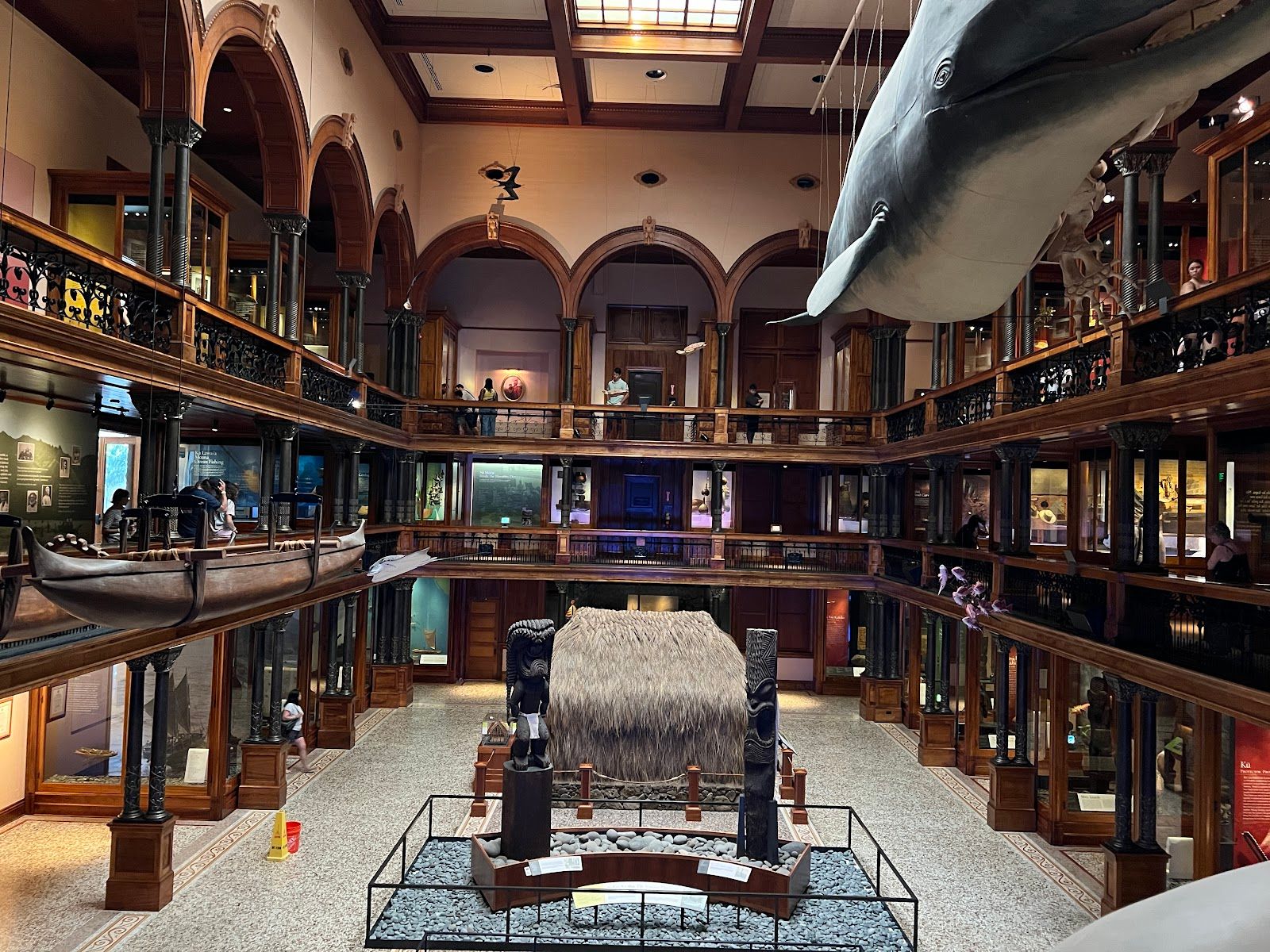
The museum’s core experience is spread across several buildings, but Hawaiian Hall is the heart of the visit. Its three levels move from Hawaiian gods and legend to the relationship between land and daily life, then to royalty and chiefly life. The room size, the scale of the displays, and the density of artifacts give it real presence. Royal regalia, featherwork, tools, weapons, and the suspended sperm whale model all help the space feel immersive rather than simply informational.
Pacific Hall broadens the frame beyond Hawaiʻi and places Native Hawaiian culture within the wider world of Oceania. Canoes, woven objects, and contemporary work make the connection across Polynesia, Micronesia, and Melanesia clear. The Richard T. Mamiya Science Adventure Center changes the tempo with hands-on exhibits that are especially appealing for families. The volcano display and lava demonstrations add a more kinetic, interactive layer to a museum that otherwise leans heavily toward artifact-rich storytelling. The planetarium and cultural demonstrations round out the day and help the museum function as both a heritage site and a living educational campus.
Why it works as a half-day in Honolulu
Bishop Museum sits in a practical Honolulu location, close enough to fold into a city day but far enough from Waikīkī to feel like a deliberate outing. It works best when paired with nearby neighborhoods or other inland Honolulu stops rather than squeezed between beach time and dinner. Visitors who like to move at a steady pace can easily spend several hours here, while tighter schedules can still make a shorter visit by focusing on Hawaiian Hall, one other major exhibit area, and a planetarium show.
Because so much of the museum is indoors, it is one of the most reliable rainy-day options on Oʻahu. It also provides a strong reset in the middle of a trip that may otherwise center on ocean activities. Travelers trying to understand Hawaiʻi beyond postcard scenery will get more context here than almost anywhere else on the island.
A few practical tradeoffs to plan around
This is a substantial museum, which is a strength and a drawback. The amount of material can feel dense, and a rushed visit will only scratch the surface. It rewards travelers who are willing to slow down. Parking is available on site, but driving into Honolulu always deserves a little extra time, especially during busier daylight hours.
There are also a few house rules that matter. Large bags and luggage are not welcome in exhibit spaces, so it is better to travel light. If a visit includes the planetarium, it is wise to handle those tickets early in the day. The campus also takes its cultural collections seriously, so respectful behavior matters throughout the visit; this is not a casual novelty museum, but a place centered on Hawaiian and Pacific heritage.
Best for travelers who want context, not just entertainment
Bishop Museum is ideal for families, history-minded travelers, and anyone who wants a deeper understanding of Hawaiʻi’s cultural and natural story. It is especially useful for first-time visitors who want a strong foundation before exploring the rest of Oʻahu. The interactive science center and planetarium help keep children engaged, while the more traditional galleries give adults plenty to absorb.
Travelers focused almost entirely on beaches, hikes, or high-energy sightseeing may prefer to keep their time elsewhere. But for anyone building a balanced Oʻahu itinerary, Bishop Museum is one of the island’s strongest cultural anchors: thoughtful, substantial, and far more rewarding than a simple museum label suggests.