

Shangri La Museum
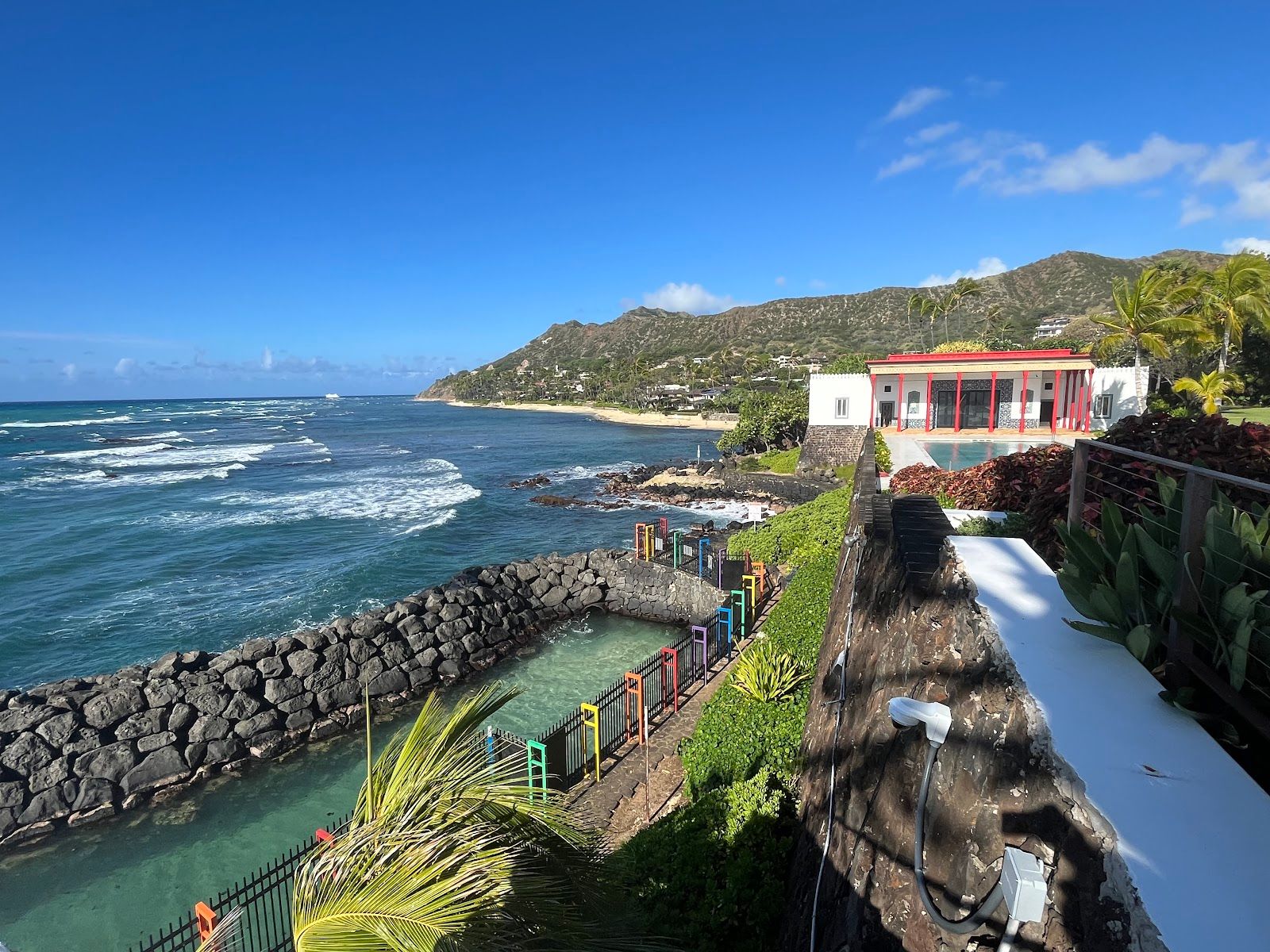
Explore Shangri La, Doris Duke's former Honolulu estate, showcasing a world-class collection of Islamic art and architecture with stunning ocean views.
- World-class Islamic art collection
- Historic Doris Duke estate
- Unique Islamic architecture & design
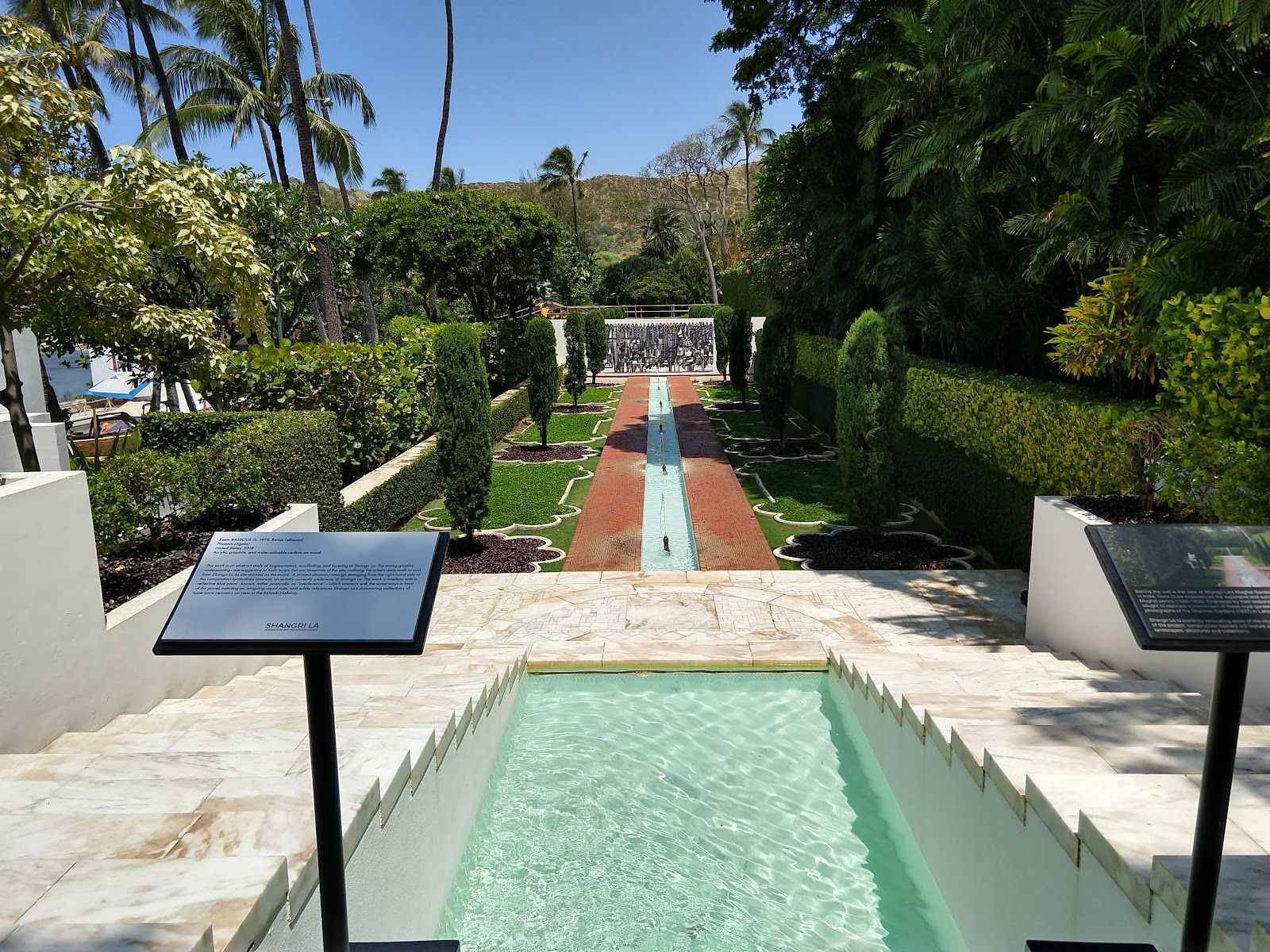
- Mughal-style gardens
Shangri La Museum is one of Oʻahu’s most distinctive cultural visits, tucked into the Kahala & Waialae side of Honolulu near Diamond Head. This is not a drop-in museum stop or a casual open-house estate tour; it is a reservation-based experience that pairs Islamic art, architecture, and landscape design with one of the island’s most memorable urban settings. For travelers who want something beyond beaches and lookouts, it offers a rare, slow-paced half-day that feels both intimate and globally minded.
A Doris Duke estate built around Islamic art
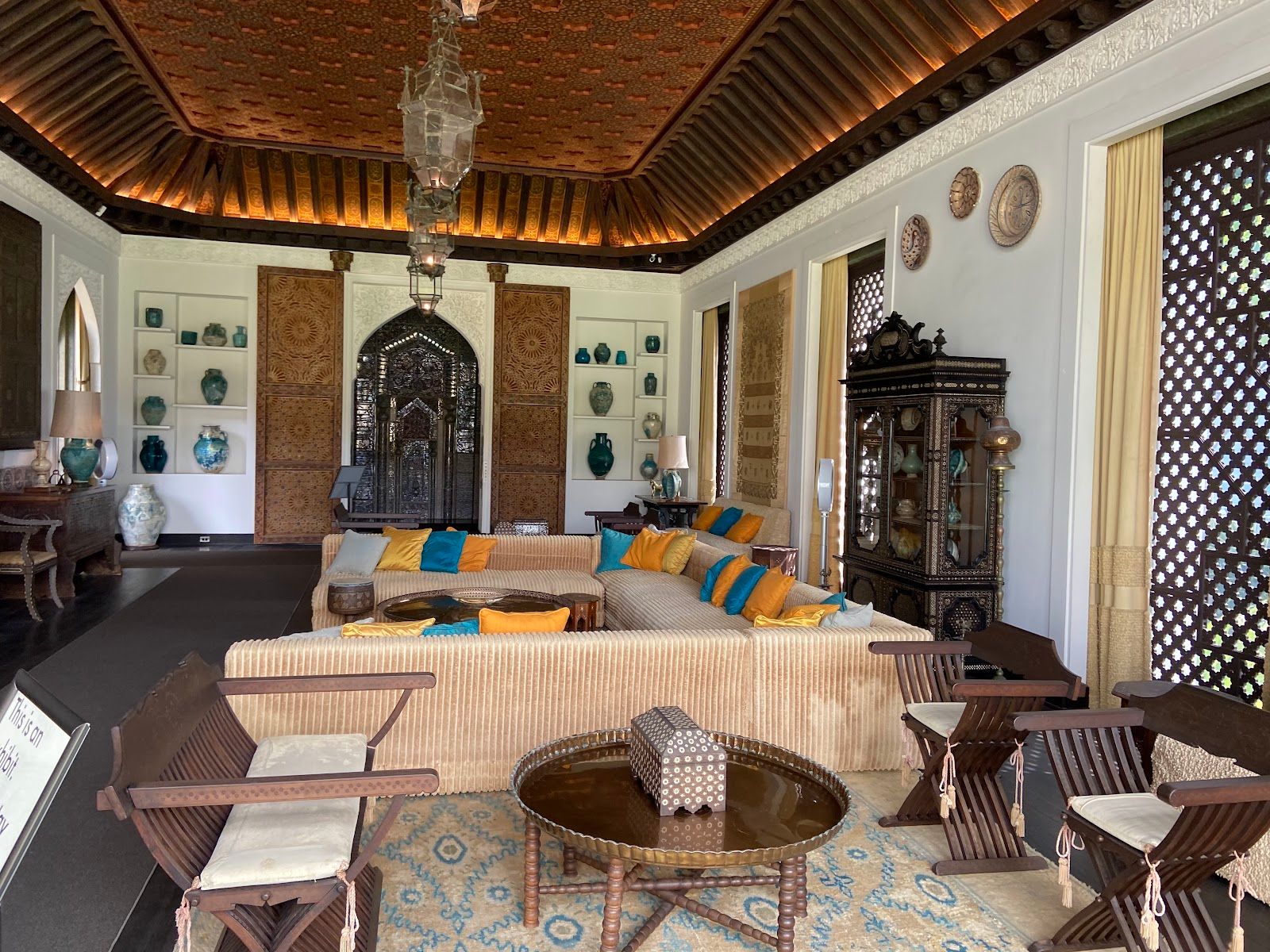
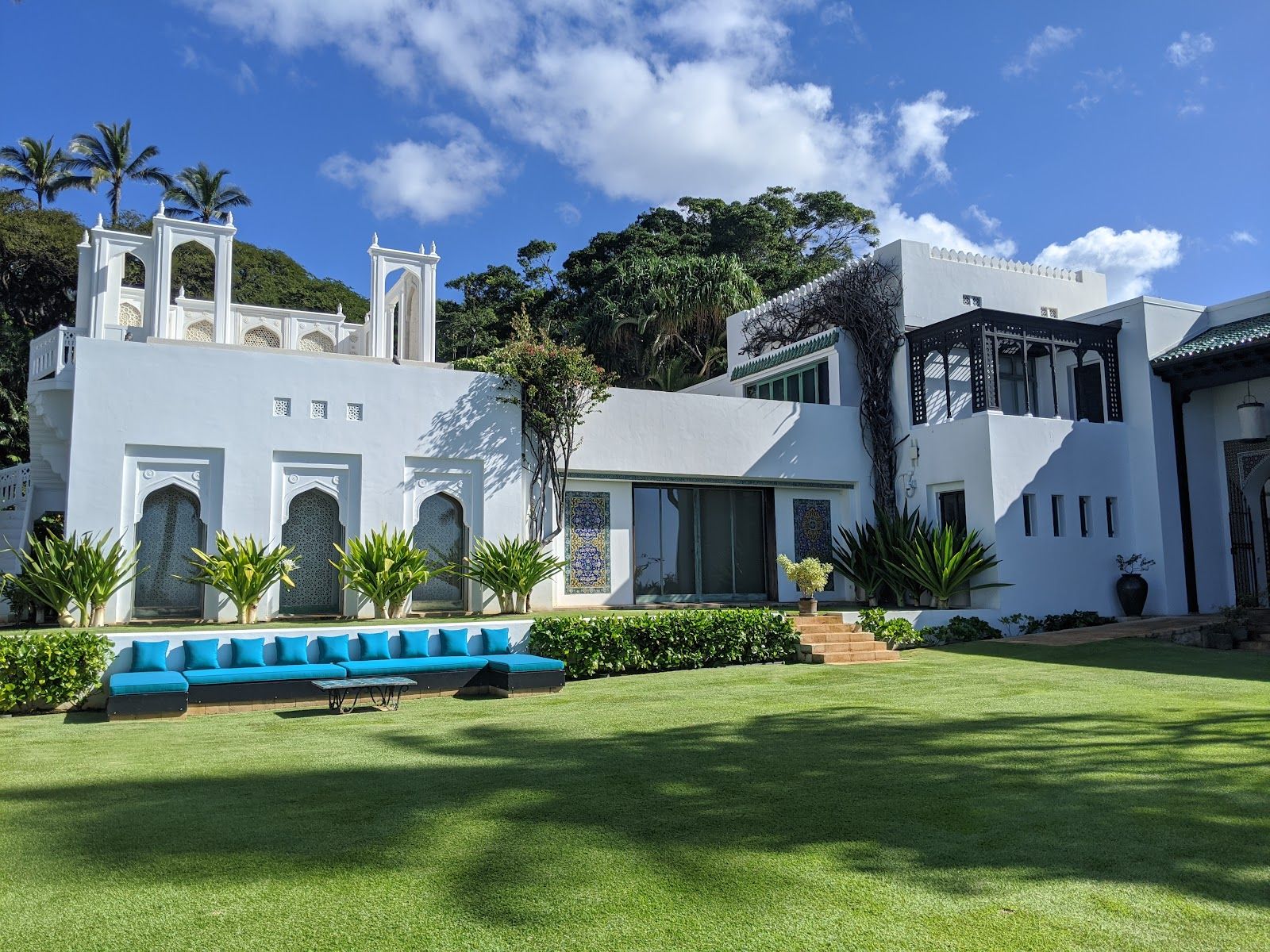
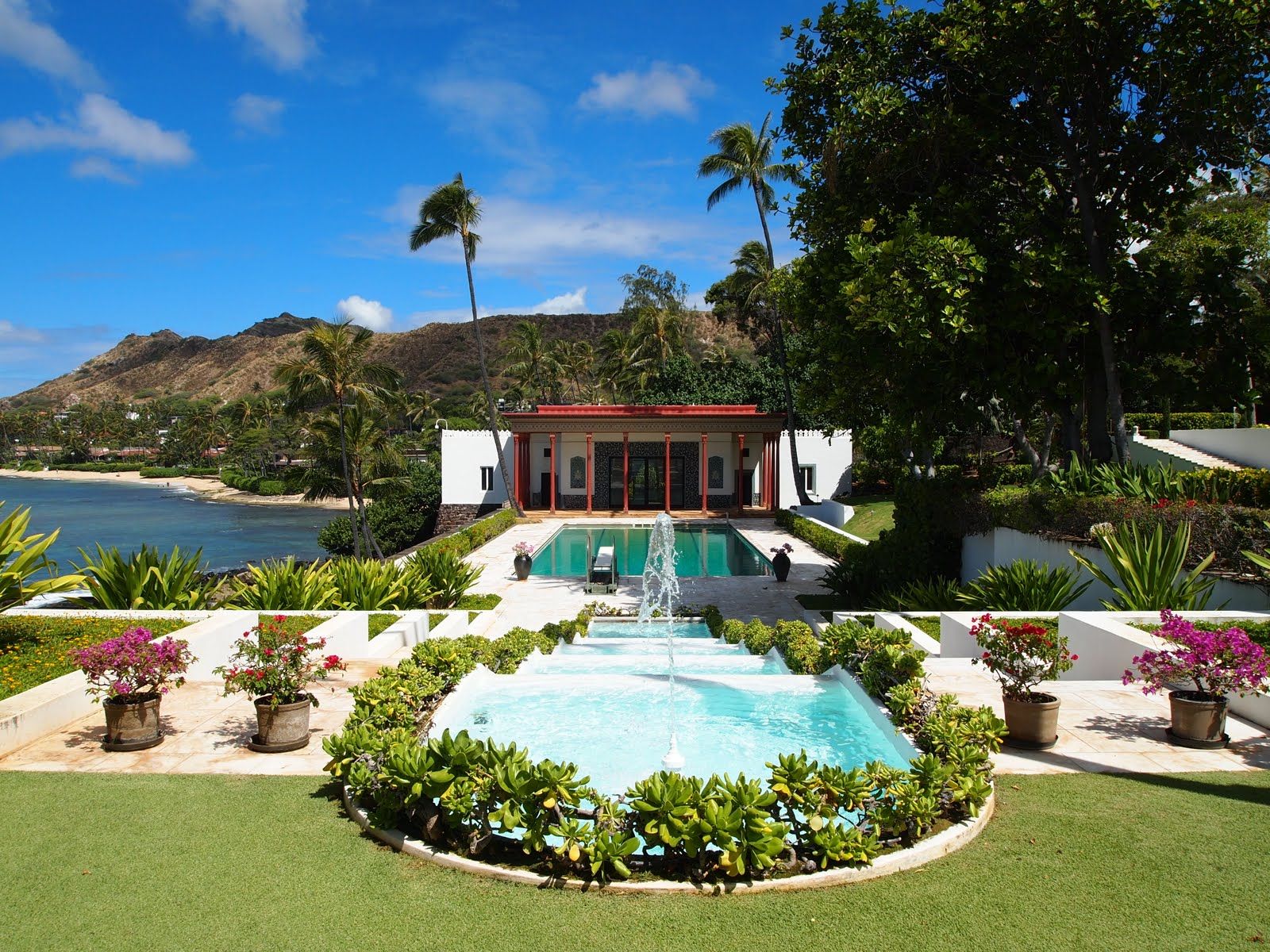
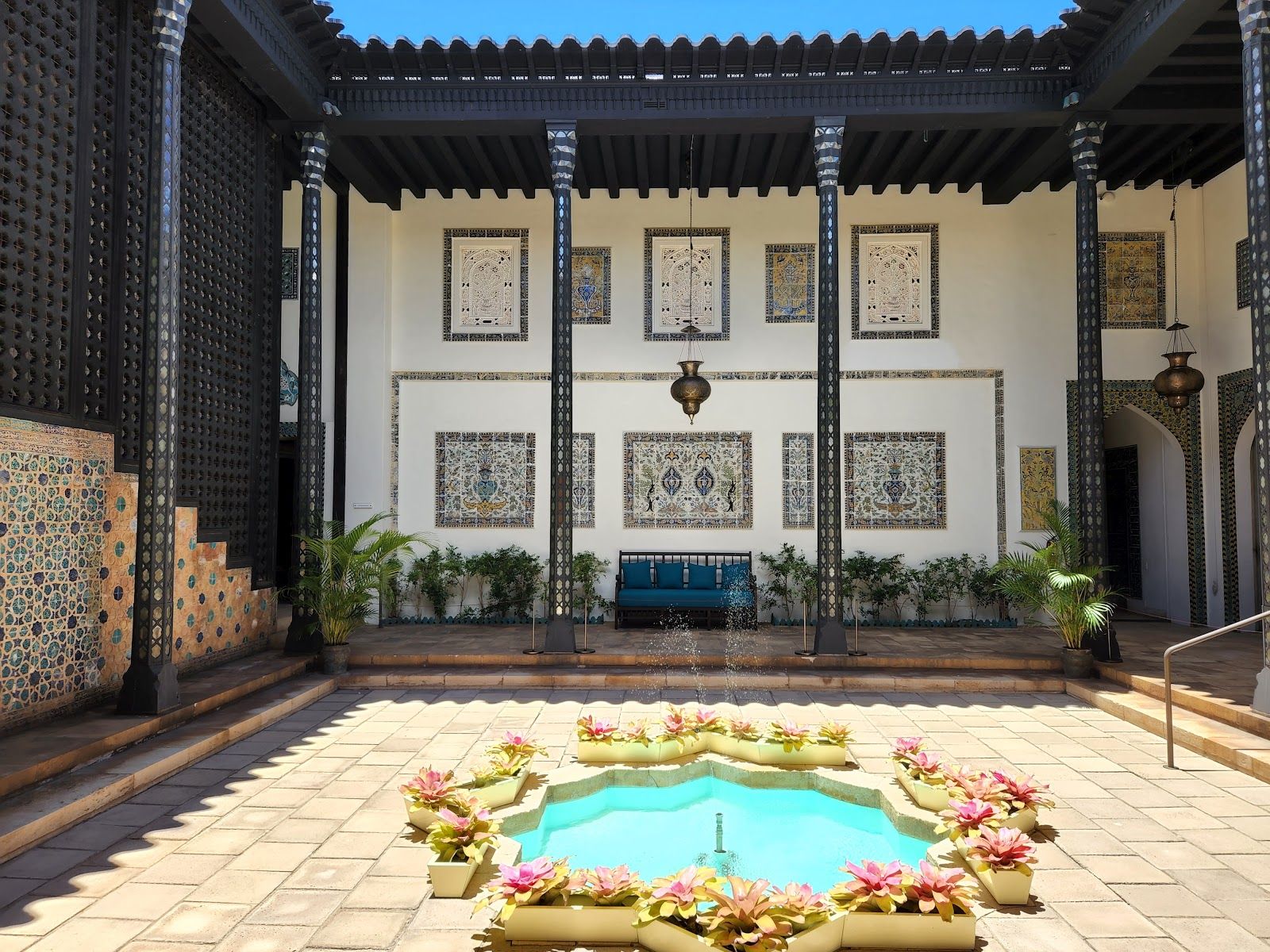
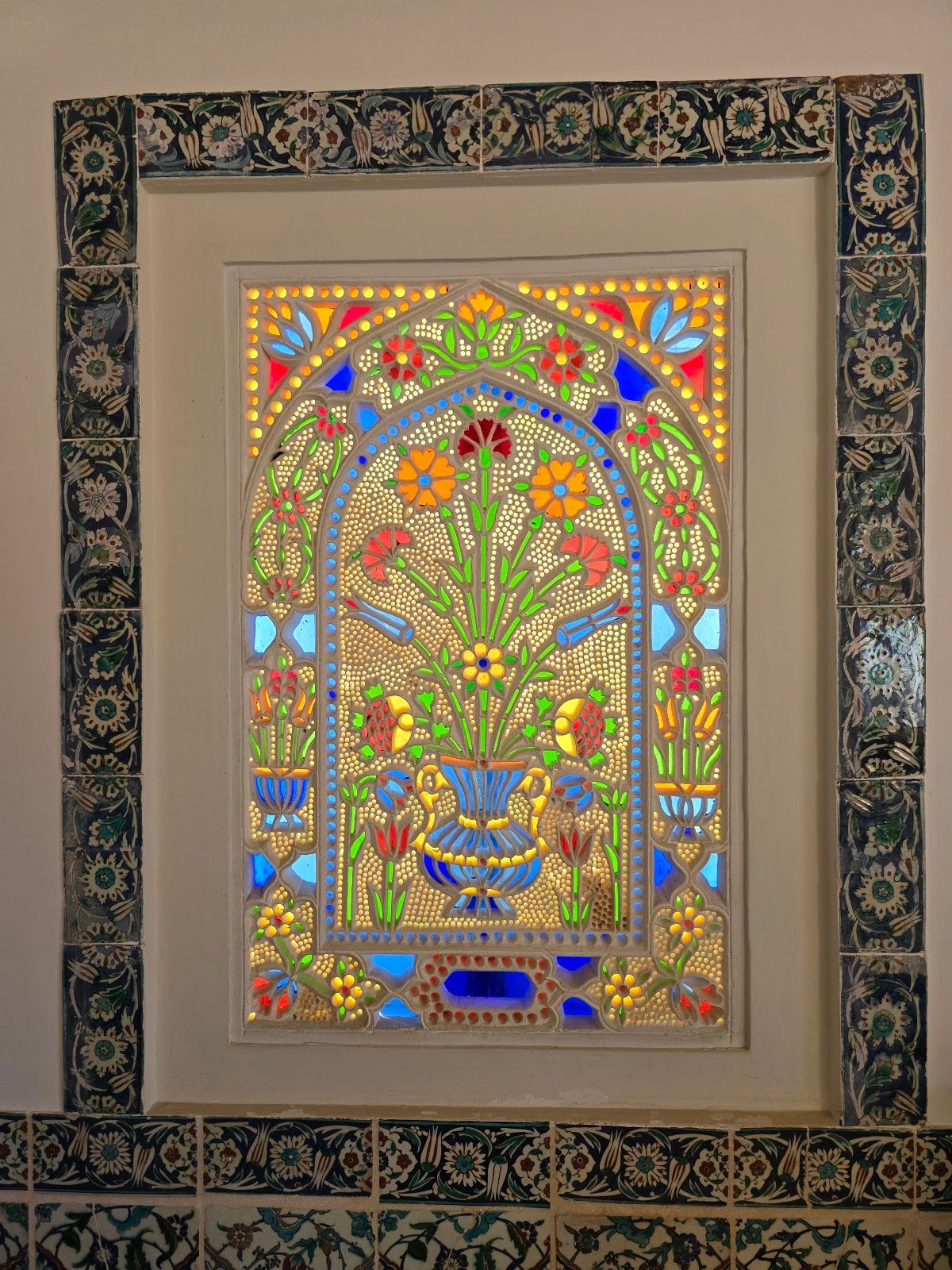
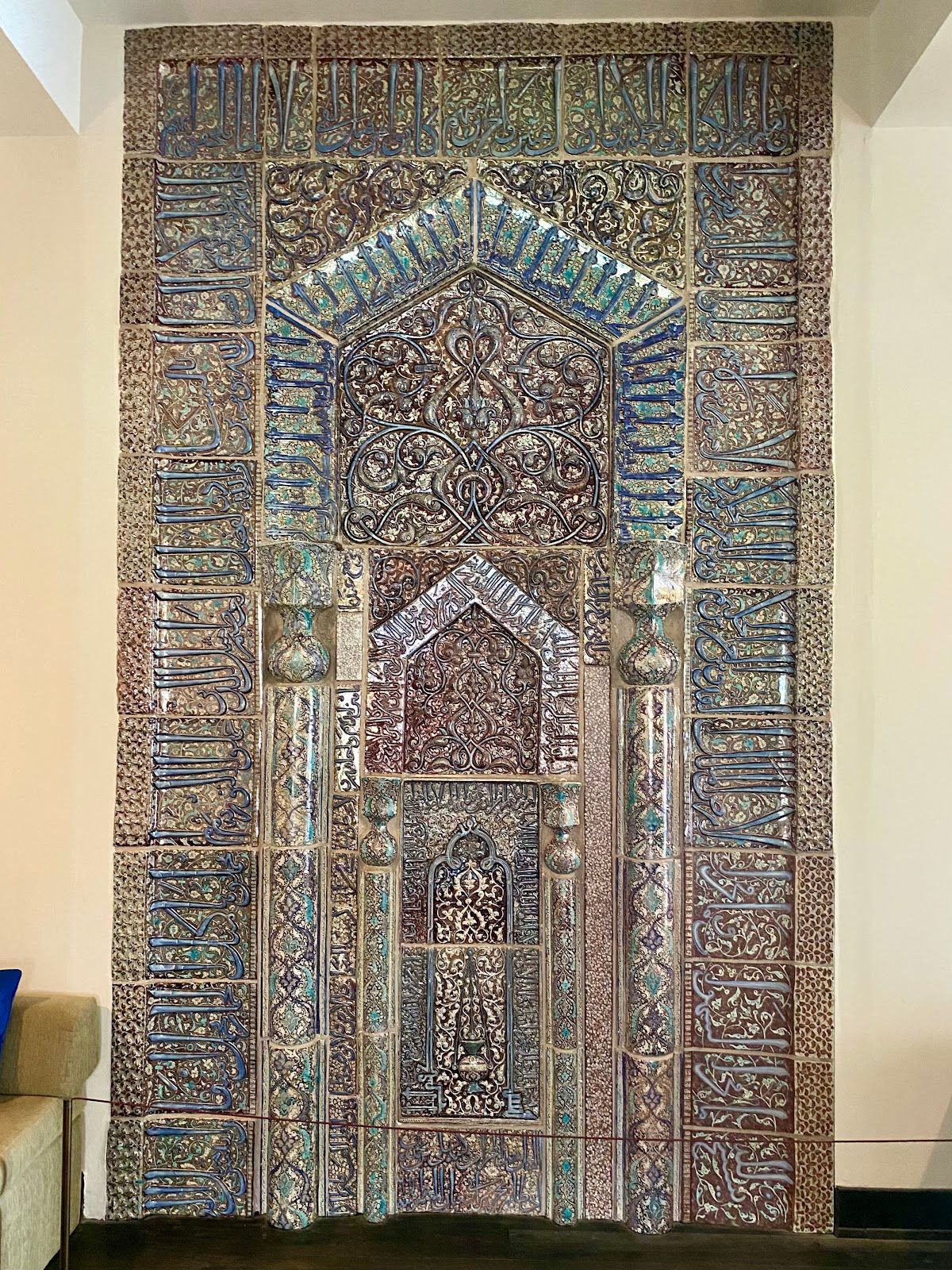
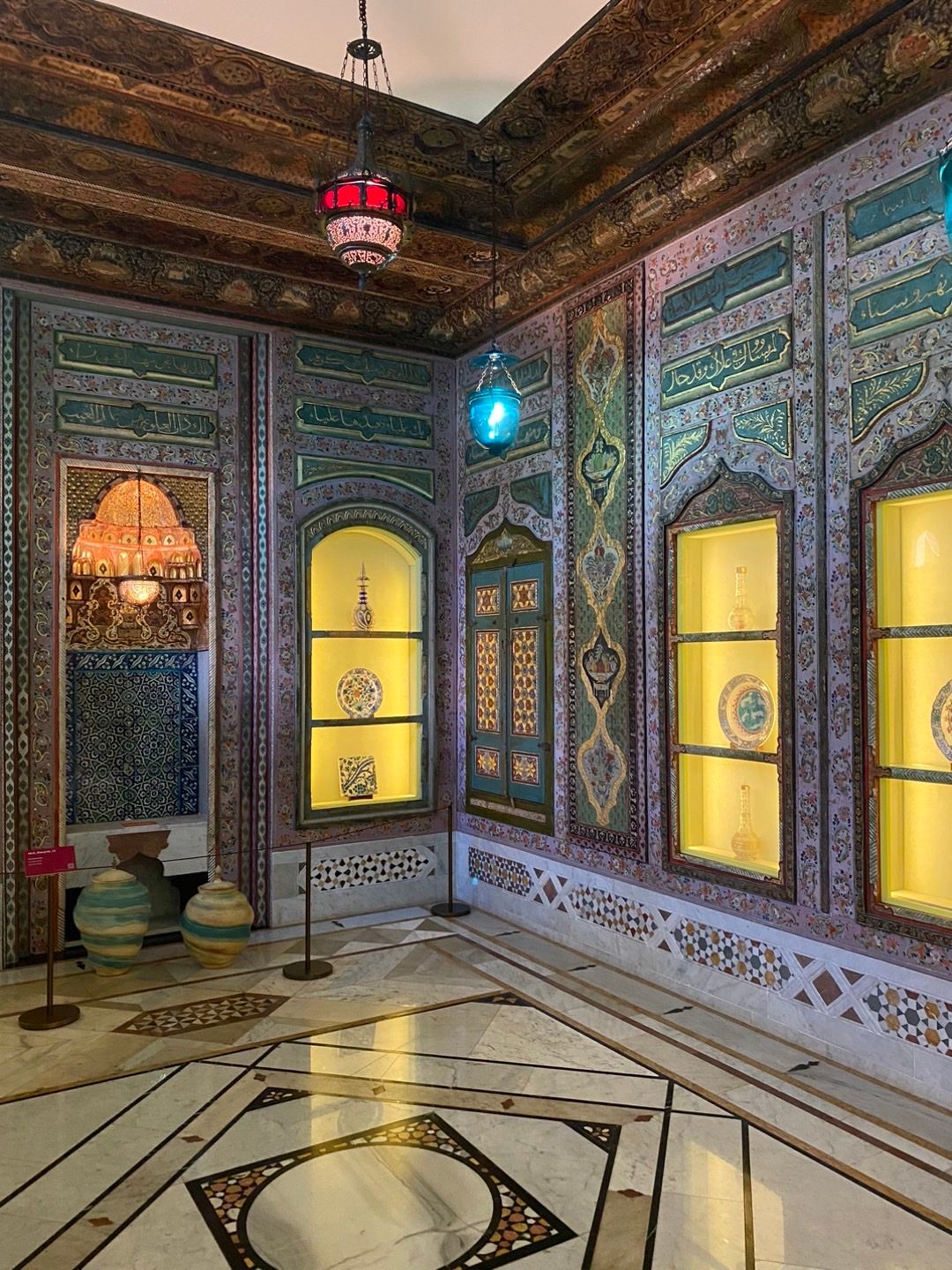
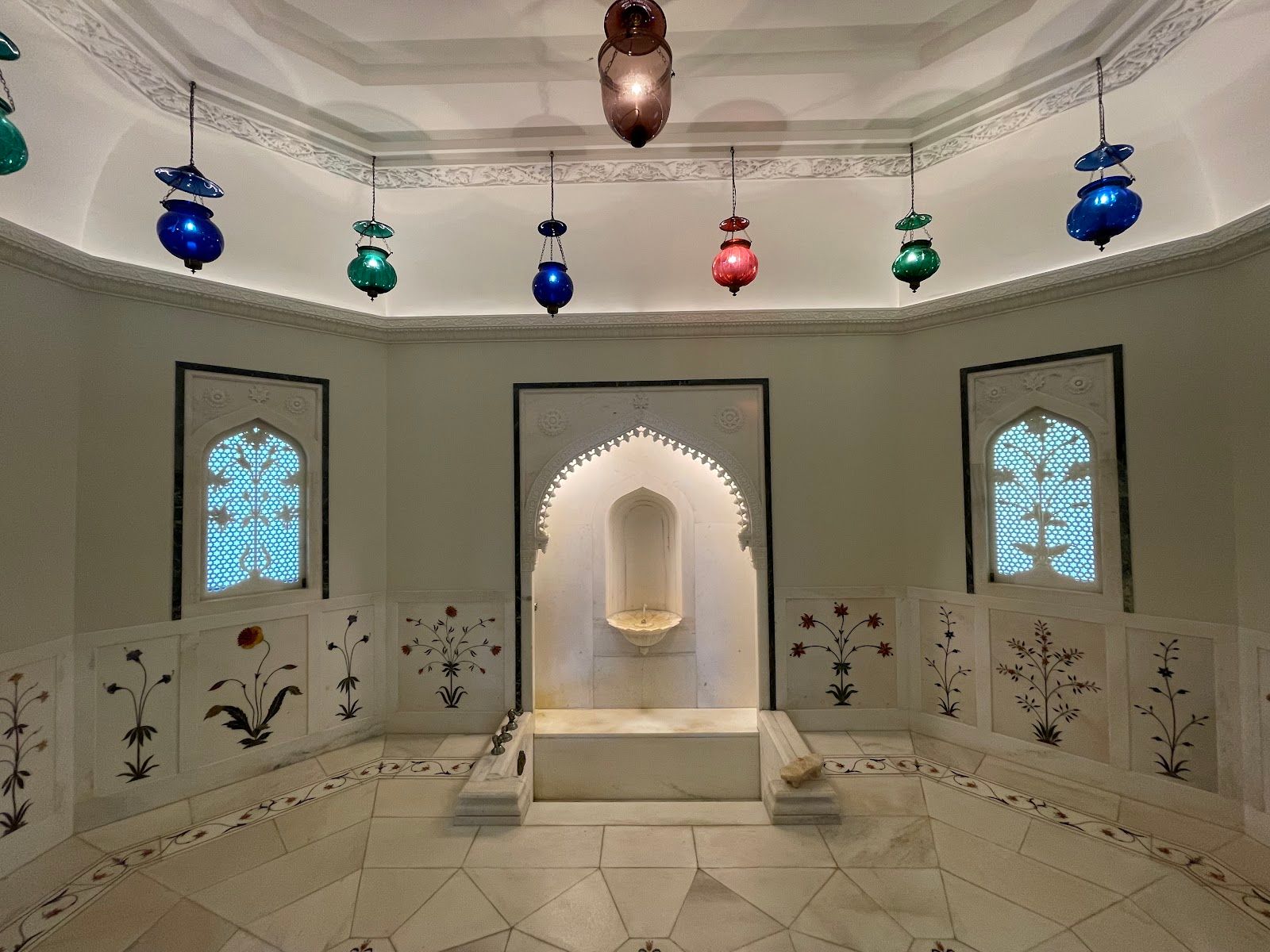
Shangri La is the former Honolulu home of Doris Duke, and the setting still carries the scale and personality of a private estate. The museum centers on an extensive collection of Islamic art and cultural objects gathered over decades, with strengths in ceramics, textiles, glass, and woodwork. Just as compelling as the objects is the way the house itself was shaped to complement them: Moroccan ceilings, Iranian tilework, a Syrian reception room, and Mughal-inspired garden spaces give the visit a layered, cross-cultural feel.
That mix is what makes Shangri La stand apart. It is not a broad survey museum trying to cover everything. It is highly focused, visually rich, and rooted in a particular collector’s vision. The result is a visit that feels curated rather than crowded, with enough architectural detail and design contrast to reward travelers who care about craftsmanship, interior spaces, and the way art changes when it is placed in a carefully considered environment.
How the visit actually works
Access is by pre-booked tour only, and the shuttle system is part of the experience. Visitors check in at a designated off-site departure point, then ride together to the estate. Tours are semi-guided, which strikes a nice balance: staff provide context and answer questions, but there is still room to absorb the grounds and galleries at a thoughtful pace.
The full outing is best treated as a half-day block. Even though the on-site portion is relatively compact, the shuttle logistics and partner-museum departure setup mean it works best when the day is organized around it. That structure also makes it easy to pair with an art-filled morning or afternoon elsewhere in Honolulu. Because departures are tied to the Honolulu Museum of Art on some days and Bishop Museum on others, the ticket naturally folds in same-day access to one of those institutions, which strengthens the museum day without requiring much extra planning.
The main tradeoffs: access, mobility, and planning ahead
The biggest caveat is that Shangri La is not a spontaneous stop. Reservations are required, and the inventory can move quickly. The controlled-access model is understandable given the residential setting, but it does mean travelers need to plan ahead rather than leave room for last-minute flexibility.
Mobility is another important consideration. Regular tours are not fully ADA accessible, and while limited accessible options exist, some areas may still be difficult for visitors with mobility needs. There are also practical site rules to keep in mind: small bags only, no open food or drinks during the visit, and photography restrictions on certain gear. These are manageable, but they do shape the experience and make it feel more museum-like and less free-roaming than some visitors may expect.
Best for art lovers, design-minded travelers, and slow itinerary days
Shangri La suits travelers who like culture to feel immersive rather than informational. It is especially strong for visitors interested in Islamic art, decorative arts, architecture, and the story of how a private collection can become a public cultural asset. It also works well for anyone building a Honolulu itinerary that already includes museums, historic sites, or other contemplative stops.
It is a weaker fit for families with very young children, visitors who prefer open-ended wandering, or travelers whose time on Oʻahu is better spent outdoors. But for the right audience, Shangri La is one of Honolulu’s most rewarding cultural detours: elegant, focused, and unlike anything else on the island.