

The short answer: five days is the cleanest first Oʻahu trip
You can have a good Oʻahu trip in three days. You can have a much better one in five. Seven days is where the island starts to feel less like a list and more like a place.
Oʻahu is often misunderstood by planners. People see the size of the island and assume they can “do it all” quickly. Then Honolulu traffic, beach parking, surf conditions, restaurant timing, and the simple pleasure of not rushing begin to argue otherwise.
The right number of days depends on what kind of Oʻahu you want:
3 days works if you stay focused: Honolulu/Waikīkī, one strong cultural or historical anchor, and one scenic day outside town. 5 days is the best fit for most first-time visitors: enough time for Pearl Harbor or Bishop Museum, Diamond Head or another short hike, Windward Oʻahu, the North Shore, and real beach time. 7 days lets you slow down, revisit a favorite beach, eat beyond the obvious areas, and consider a second base if your trip is resort-focused.
Oʻahu rewards editing. The trip gets better when you stop trying to turn every day into a lap around the island.
First, understand Oʻahu’s planning reality
Oʻahu is not hard to explore, but it is easy to over-schedule.
Honolulu and Waikīkī sit on the south shore, with the airport just west of town. Much of the island’s visitor infrastructure is concentrated here: hotels, restaurants, surf lessons, nightlife, tours, shopping, museums, and easy beach access. If this is your first Oʻahu trip, Waikīkī is practical in a way that should not be dismissed. You can walk to dinner, avoid driving every day, and use your car only when the itinerary actually calls for it.
The rest of the island unfolds in distinct directions:
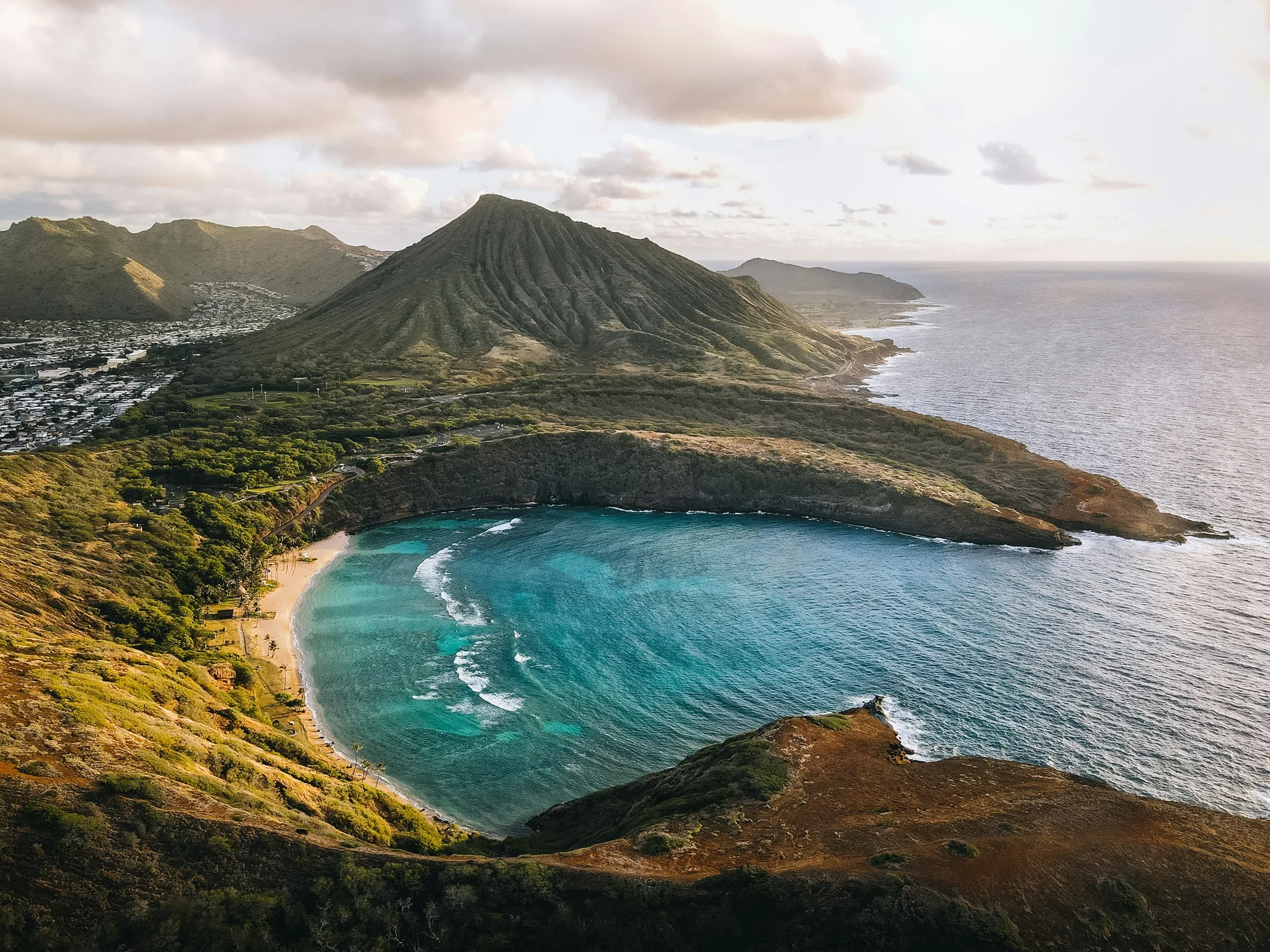
East Honolulu and the southeast coast: Diamond Head, Kāhala, Hawaiʻi Kai, Hanauma Bay, Koko Head, Makapuʻu, and coastal lookout drives. Windward Oʻahu: Kailua, Lanikai, Kāneʻohe, the Koʻolau mountains, and lush scenery after crossing the Pali, Likelike, or H-3. North Shore: Haleʻiwa, Waimea, Pūpūkea, Sunset Beach, and surf-country energy, especially in winter. Leeward Oʻahu: Ko Olina, Waiʻanae, Mākaha, and drier coastline west of Honolulu. Central Oʻahu: Pearl Harbor, ʻAiea, Mililani, Wahiawā, and routes that connect town to the North Shore.
The map looks simple. The day does not always behave that way. Morning and afternoon commute traffic can make short distances feel longer, especially around Honolulu, the H-1 corridor, and westbound routes late in the day. Build your days by region, not by wish list.
Base strategy: one hotel usually wins
For most Oʻahu trips under a week, use one base.
Waikīkī or greater Honolulu is the easiest answer for first-timers, short trips, travelers without a rental car every day, and anyone who wants restaurants and beach time close together.
Ko Olina works well for resort-centered trips, especially families who want pool time, calmer planned days, and less interest in Honolulu evenings. The tradeoff is driving: town, the Windward side, and the North Shore all require more deliberate planning.
North Shore stays can be wonderful for repeat visitors, surf-focused travelers, or people who want a quieter rhythm. But for a first trip, they can make Pearl Harbor, Honolulu dining, museums, and southeast coast activities feel like bigger productions.
A split stay can make sense at seven days or longer, usually between Honolulu/Waikīkī and Ko Olina or the North Shore. But do not split just to feel efficient. Packing, checkout gaps, and luggage logistics can erase the benefit.
If you have 3 days: choose a tight, satisfying version of Oʻahu
Three days on Oʻahu is not a failure. It just needs discipline. Stay in Waikīkī or Honolulu, keep one day urban, one day scenic, and one day flexible around your biggest priority.
Day 1: Arrive, settle, and let Waikīkī do its job
Do not turn arrival day into a driving marathon. Check in, walk the beach, get in the water if timing allows, and orient yourself. Waikīkī is busy, yes. It is also one of the rare places in Hawaiʻi where a traveler can land, drop bags, swim, eat, and walk without solving six logistics problems first.
Day 2: History, culture, or a short hike — not all three
Pick one anchor.
Pearl Harbor is the obvious choice for many visitors, especially if this is your first time on Oʻahu. Bishop Museum is another strong choice if you want a deeper grounding in Hawaiʻi and the Pacific. If your group is more outdoors-focused, Diamond Head can fit nicely into a Honolulu-based morning, with beach or food time afterward.
Some popular sites use reservation or timed-entry systems that can change, including places like Diamond Head and Hanauma Bay. Check requirements before you build the day around them.
Day 3: Windward coast or North Shore
For a short trip, choose one outside-town direction.
A Windward day might cross the mountains to Kailua or Kāneʻohe, with beach time, coastal scenery, and a return by the southeast coast if energy allows.
A North Shore day might center on Haleʻiwa, Waimea, and the Pūpūkea/Sunset stretch. In winter, surf can be powerful and dramatic. In summer, the mood is often calmer, though parking and crowds still require patience.
What you should not do in three days: Pearl Harbor, Diamond Head, Hanauma Bay, Kailua, North Shore, Ko Olina, a lūʻau, shopping, and multiple “quick stops” all in one blur. That is how Oʻahu becomes a windshield vacation.
If you have 5 days: the best first-trip rhythm
Five days is the sweet spot because you can include the island’s major moods without chasing every corner. You still need to edit, but the trip breathes.
Day 1: Waikīkī arrival and south shore ease
Use the first day to arrive well. Swim, walk, eat close by, and adjust to the time change. If you are renting a car for only part of the trip, this is a good no-car day.
Day 2: Pearl Harbor or Bishop Museum, then Honolulu
Choose one substantial cultural or historical anchor. Pearl Harbor pairs naturally with a slower afternoon. Bishop Museum pairs well with exploring Honolulu neighborhoods, depending on your interests and energy.
This is also a good day for dinner outside Waikīkī if you have reservations or a clear plan. Oʻahu’s food scene is one of the reasons to give the island more than a stopover.
Day 3: Diamond Head, east Honolulu, and the southeast coast
Start early if you are doing Diamond Head or another exposed walk. Then keep the day regional: Kāhala, Hawaiʻi Kai, the coastline toward Makapuʻu, or beach time if conditions line up.
Hanauma Bay, if it is high on your list, should be treated as the day’s main event rather than a casual add-on. Entry systems, conservation rules, parking, and rest days have changed over time, so confirm current details before committing.
Day 4: Windward Oʻahu
Cross the Koʻolau range and spend the day on the Windward side. The drive itself is part of the experience: suddenly the island feels greener, steeper, and more open to the mountains.
Kailua and Lanikai draw heavy visitor interest, but they are residential areas with limited parking and local routines. Go early, keep the plan simple, and decide whether a beach day, casual meal, or scenic drive matters most. Kāneʻohe and the Kualoa side offer a different feel, with mountain views and a slower landscape northward.
Day 5: North Shore, with room for delay
Make the North Shore a full day, not an afterthought. Haleʻiwa is the easiest entry point, with food, shops, and a relaxed place to pause. Farther along, Waimea and Pūpūkea bring you into the classic North Shore coastline.
Winter and summer are very different here. Winter surf can be powerful and dramatic; summer can be more inviting for swimming in some areas. Either way, let conditions shape the day. If the road is slow, the line is long, or the beach is packed, that is not a planning failure. That is the North Shore being the North Shore.
If you have 7 days: slow down and let Oʻahu get more interesting
A week on Oʻahu is not too long. It is the point where you can stop treating Honolulu as merely a hotel zone and the North Shore as a single photo run.
Spend the first two days settling into Waikīkī and choosing a meaningful Honolulu anchor: Pearl Harbor, Bishop Museum, ʻIolani Palace, or another town-focused experience. Give yourself at least one unhurried evening in Honolulu.
Use another day for the southeast coast: Diamond Head, Makapuʻu, Hanauma Bay if planned properly, or a gentler beach-and-lookout day along east Honolulu. With seven days, you do not need to stack all of these together.
Give the Windward side and the North Shore their own days. Make Kailua, Kāneʻohe, or the Kualoa coastline the center of one day, then save Haleʻiwa, Waimea, and Pūpūkea for another.
The extra day is what makes a week worthwhile. Use it for more ocean time in Waikīkī or Ko Olina, a deeper Honolulu food day, a surf lesson, a sailing trip, a return to the beach you liked most, or a quiet morning and a nicer dinner instead of another excursion.
Keep departure day gentle. Stay close to your base, take one last swim or walk, and leave margin.
The mistakes that make Oʻahu feel harder than it is
The most common Oʻahu planning mistake is assuming a rental car should be used every day. If you are staying in Waikīkī, it often makes more sense to walk, use rideshare or transit when practical, and rent a car only for specific touring days. Parking costs and traffic can turn “freedom” into a chore.
The second mistake is circling the island as a default plan. A full loop sounds efficient, but it often becomes a day of getting in and out of the car. Oʻahu is better in sections.
The third is treating reservations as an afterthought. Pearl Harbor programs, Diamond Head, Hanauma Bay, popular restaurants, lūʻau, and certain guided activities can require advance planning or timed entry. Systems change, so confirm the current process before your trip rather than relying on an old itinerary.
And finally: do not make every day a greatest-hits day. Oʻahu’s appeal is not only in the famous stops. It is in the contrast between a morning swim in Waikīkī, rain on the Koʻolau cliffs, plate lunch after a beach day, the formality of a museum visit, and the way the light changes on the drive back into town.
For most travelers, five days is enough to understand why Oʻahu keeps people coming back. Seven gives you the better version. Three can still be lovely — as long as you choose your island, not the internet’s entire list.

Further Reading
A few relevant next steps from Alakai Aloha.
 BlogWhere to Stay on Oʻahu: Best Base Areas
Compare Waikīkī, Ko Olina, the North Shore, Windward Oʻahu, and more to choose the base that fits your plans, pace, and driving style.
Editor's pick GuideBest Hikes: Easy, Scenic & Challenging Trails
A guide to best hikes Oʻahu.
Editor's pick ActivityBishop Museum
The Bernice Pauahi Bishop Museum is Hawaii's premier museum, offering a deep dive into Polynesian cultural artifacts, natural history, and interactive science exhibits perfect for all ages.
Editor's pick ActivityIolani Palace
Explore the only official state residence of royalty in the U.S., immersing yourself in the rich history of the Hawaiian monarchy and its pivotal role in island culture.
Editor's pick