

On Oʻahu, where you stay changes the whole rhythm of the trip.
The island looks compact on a map, but it does not behave like a small place once weekday traffic, beach parking, resort fees, and “we’ll just drive across the island after breakfast” optimism enter the conversation. A good base is less about finding the single best neighborhood and more about matching your days to the island’s real patterns.
If you want the simplest answer:
- Choose Waikīkī for beach, restaurants, tours, shopping, nightlife, and the least need for a car.
- Choose Honolulu / Ala Moana / Kakaʻako for an urban base with local food, shopping, and easier access to town.
- Choose Ko Olina for a calmer resort stay with lagoons, family-friendly ease, and west-facing sunsets.
- Choose the North Shore for surf-town atmosphere, slower evenings, and real distance from Honolulu.
- Choose Windward Oʻahu for Kailua, Kāneʻohe, and the Koʻolau mountains, with more limited lodging.
- Choose East Honolulu / Kahala / Hawaiʻi Kai for a quieter, car-based stay near the southeast coast.
The best base depends less on “best beaches” and more on how you want your mornings to feel.
Waikīkī: the easiest Oʻahu base
Waikīkī is not a secret, not a local-feeling escape, and not the place to book if your dream vacation involves hearing nothing but wind in the palms. It is, however, extremely good at what it does.
For many first-time visitors, Waikīkī is the right call because it removes friction. You can walk to the beach, walk to dinner, find coffee early, get picked up for tours, take surf lessons, shop when the weather shifts, and get by without a rental car for at least part of the trip. That matters more than people admit, especially after a long flight.
Waikīkī also works well if you want variety at night. You can finish a beach day, shower, and still have dozens of dinner options without negotiating traffic or parking. For couples, friend groups, solo travelers, and families with teens, that convenience can make the trip feel easy.
The tradeoff is density. Hotels are close together. Parking can be expensive. The beach is shared by a lot of people. Leaving Waikīkī by car in the morning can be slow, and returning around peak traffic can test your patience.
Stay here if you want Oʻahu to be convenient, walkable, and active. Avoid it if crowds and high-rise hotel corridors will drain you.
Honolulu, Ala Moana, and Kakaʻako: urban Oʻahu without the full Waikīkī bubble
Just outside Waikīkī, Honolulu opens into a different kind of stay. Ala Moana, Kakaʻako, and the broader urban core suit travelers who want restaurants, shopping, museums, events, and easier access to parts of town that don’t revolve entirely around visitors.
This can be a smart base for repeat visitors, business travelers adding vacation days, food-focused travelers, or anyone who wants to be near Waikīkī without sleeping in the center of it. Ala Moana puts you near a major shopping and dining zone, plus a broad beach park that feels more local in use than Waikīkī. Kakaʻako has a newer city feel, with condos, restaurants, breweries, and a more residential edge.
You’ll likely use rideshare, taxis, buses, or a rental car more often than you would in Waikīkī. Some hotels are walkable to the beach; others are more urban by nature. If you picture stepping from lobby to sand in three minutes, check the actual setting carefully before booking.
Stay here if you like cities and want a more grown-up Honolulu base. Skip it if you want a classic beach-resort vacation with everything arranged around pool, sand, and sunset.
Ko Olina: resort calm on the leeward side
Ko Olina is Oʻahu’s west side resort answer to Waikīkī. Instead of city energy and open beach bustle, the feel is planned, polished, and contained: lagoons, resort grounds, walking paths, pool time, and wide sunset skies.
For families, Ko Olina can be excellent. The lagoons are the main draw: protected, scenic, and easier for relaxed beach days than many of Oʻahu’s more exposed shorelines. The resort setting also helps if your group includes different ages and energy levels. Some people can do an excursion; others can stay by the pool without feeling stranded.
Ko Olina is also a good fit if you want a true resort vacation and only plan to explore Oʻahu a few times. If your ideal day is breakfast on property, beach or pool, maybe a spa appointment, then sunset dinner without a big drive, this area makes sense.
The tradeoff is distance. You are not in Honolulu, and you are not casually popping to Kailua or the North Shore without committing to the road. A rental car is useful if you want to explore beyond the resort area, and dining variety is more limited than in Waikīkī or Honolulu.
Stay here for resort ease, families, calmer lagoon days, and sunsets. Don’t stay here if your priority is nightlife, urban dining, or spontaneous island-wide roaming.
North Shore: surf country, slower nights, and real distance from town
The North Shore has a strong pull: winter surf, beach towns, roadside food, long daylight hours near the ocean, and a pace that feels far removed from Honolulu. It can be a memorable place to stay for the right traveler.
This is not simply “Waikīkī but quieter.” Lodging is more limited. Evenings are calmer. Dining options exist, but you will not have the same depth or late-night convenience as Honolulu. Traffic can build around popular beach areas, especially when surf is up or during busy visitor periods.
The North Shore is best for surfers, returning visitors, couples who want a quieter base, and travelers whose plans are mostly centered from Haleʻiwa through Pūpūkea and toward Kahuku. If you want to wake up near those beaches, spend unhurried mornings, and not commute from Waikīkī every day, staying north can be a gift.
Season matters here. In calmer months, some beaches can look inviting and gentle. In winter, the same shoreline can become powerful surf territory. That may be exactly why you’re there, but it changes the kind of beach vacation you’re booking.
Stay here if surf, beach-town pace, and quieter evenings are the point. Avoid it if you want easy access to city dining, nightlife, and a packed island-wide itinerary.
Windward Oʻahu: Kailua, Kāneʻohe, and the green side
Windward Oʻahu is the side of the island many visitors fall for on a day trip: the Koʻolau cliffs catching clouds, turquoise water near Kailua and Lanikai, and the slower residential feel after the tunnel or coastal drive from town.
As a place to stay, it requires more care. This side has fewer traditional hotels than Waikīkī or Ko Olina, and many neighborhoods are residential first. If you’re booking a private rental, make sure it is properly permitted so lodging uncertainty does not hang over your vacation.
When the lodging works, the Windward side can be lovely for travelers who want mornings near Kailua Beach, paddling days, drives along the east coast, and a more neighborhood-based trip. Kailua has restaurants, coffee, boutiques, and enough daily convenience to feel comfortable without becoming a resort zone. Kāneʻohe is greener and more residential, with dramatic mountain views and access to the bay.
This side also gets more passing showers than the drier leeward areas. Often that is part of its charm — green mountains do not stay green by accident — but if your whole vacation hinges on dry beach days, choose accordingly.
Stay here if you have found solid legal lodging and want a quieter, residential, beach-town rhythm. Don’t choose it expecting resort services, nightlife, or the simplest logistics.
East Honolulu, Kahala, and Hawaiʻi Kai: quieter and car-based
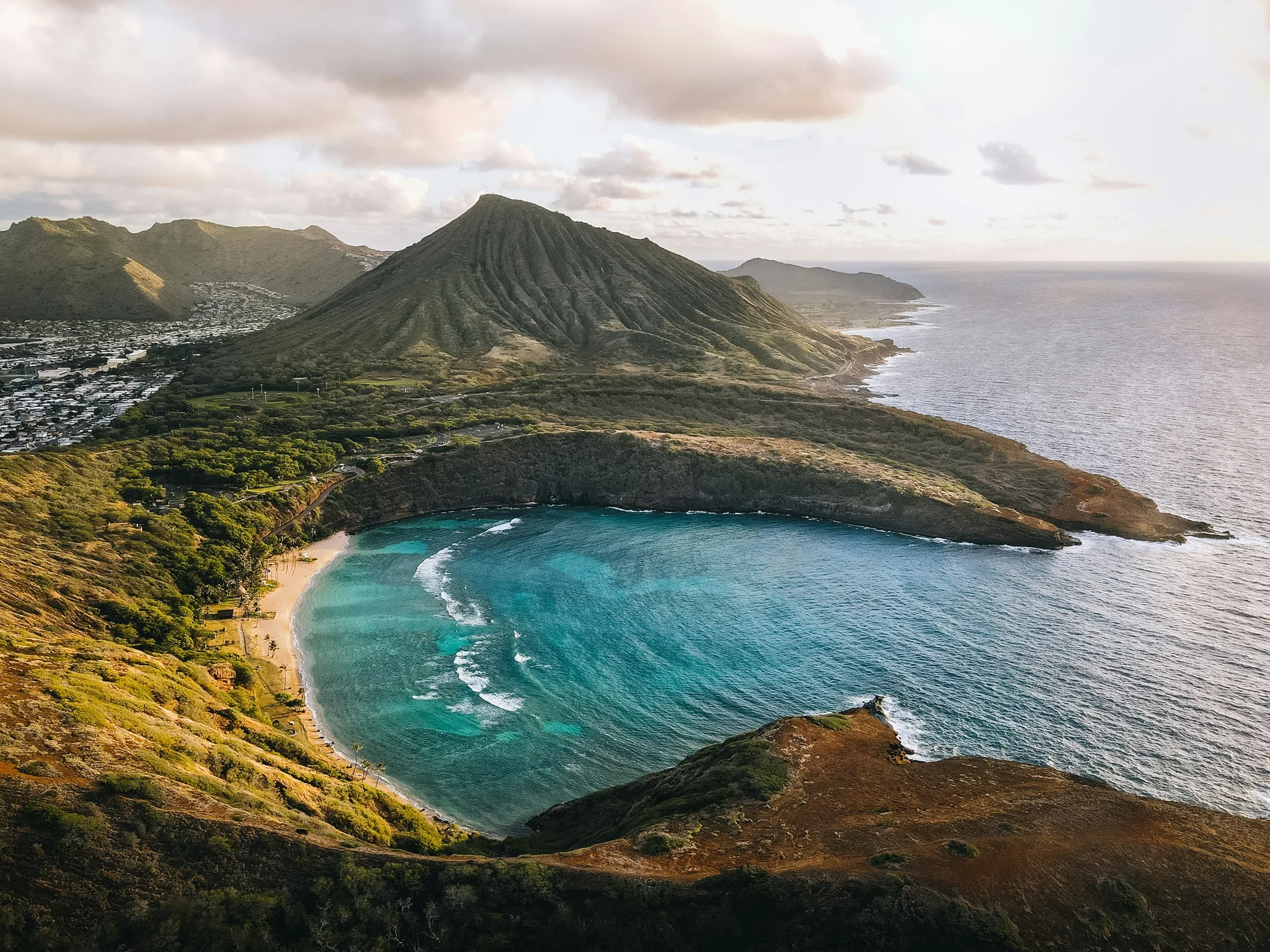
East Honolulu is sometimes overlooked in the usual “Waikīkī vs. North Shore” conversation, but for the right traveler it can be a graceful compromise. Kahala, Hawaiʻi Kai, and nearby residential areas put you away from Waikīkī’s thickest crowds while keeping you close to the southeast coastline, Koko Head area, Hanauma Bay area, and the road toward Waimānalo and the windward side.
This region suits travelers who plan to rent a car, prefer quieter evenings, and don’t need a hotel strip outside the door. It can feel more spacious and residential, with easier access to scenic drives and early starts on the east side.
The tradeoff is narrower lodging choice. Look carefully at the exact property and neighborhood. Some stays are resort-like; others are simply located in residential East Honolulu. You may drive for many meals, and you won’t have Waikīkī’s walk-out-the-door convenience.
Stay here if you want a calmer base with a car and southeast Oʻahu high on your list. Skip it if you want nightlife, broad hotel choice, or car-free ease.
Should you split your stay on Oʻahu?
Usually, you don’t need to. Oʻahu is not the Big Island, where distance can make a split stay feel almost mandatory. For many trips, one well-chosen base is simpler and better.
A split stay can make sense if your trip is a week or longer and you want two very different moods. A few nights in Waikīkī followed by Ko Olina gives you city energy first, resort calm second. Waikīkī plus North Shore can work if you want to explore town, then slow down near surf country. Just remember that changing hotels costs time: packing, checkout, luggage, parking, and the mental reset.
For shorter trips, pick the base that matches most of your days and visit the rest of the island from there.
A simple way to decide
“I don’t want to think about logistics.” Stay in Waikīkī.
“I want Honolulu food, shopping, and city access without being fully in Waikīkī.” Look at Ala Moana, Kakaʻako, or nearby Honolulu hotel areas.
“I want a resort vacation with beach and pool time built in.” Choose Ko Olina.
“I want surf-town pace and don’t mind being far from Honolulu.” Choose the North Shore.
“I want Kailua, green mountains, and a quieter residential feel.” Consider Windward Oʻahu, but be selective about lodging.
“I’ll have a car and want quieter access to southeast Oʻahu.” Look at East Honolulu, Kahala, or Hawaiʻi Kai.
The right Oʻahu base should make your trip feel natural. If you choose Waikīkī, enjoy the convenience without apologizing for it. If you choose the North Shore, let the island slow you down. If you choose Ko Olina, take the resort days seriously. Oʻahu rewards travelers who stop trying to “cover” it and instead choose a rhythm that fits.

Further Reading
A few relevant next steps from Alakai Aloha.
 BlogHow Many Days You Really Need on Oʻahu
A practical guide to choosing 3, 5, or 7 days on Oʻahu, with smart pacing for Waikīkī, Pearl Harbor, Windward Oʻahu, the North Shore, and beach time.
Editor's pick GuideBest Hotels & Resorts on Oʻahu: Where to Stay
A guide to best hotels Oʻahu.
Editor's pick StayKo Olina Resort
Ko Olina Resort is a resort destination on Oʻahu’s leeward coast with lagoons, seaside paths, golf, and marina access. It offers a calm, self-contained base for beach-focused stays in Kapolei.
Editor's pick BlogOʻahu’s Most Scenic Drives and Road Trips
Choose the right Oʻahu route for your mood, from wave-lashed southeast cliffs to windward valleys and North Shore beach roads.
Editor's pick