
Halona Blowhole Lookout
Experience the dramatic natural spectacle of the Halona Blowhole, a powerful oceanic geyser on Oʻahu's southeastern coast, offering panoramic views of the Pacific and opportunities for marine wildlife spotting.
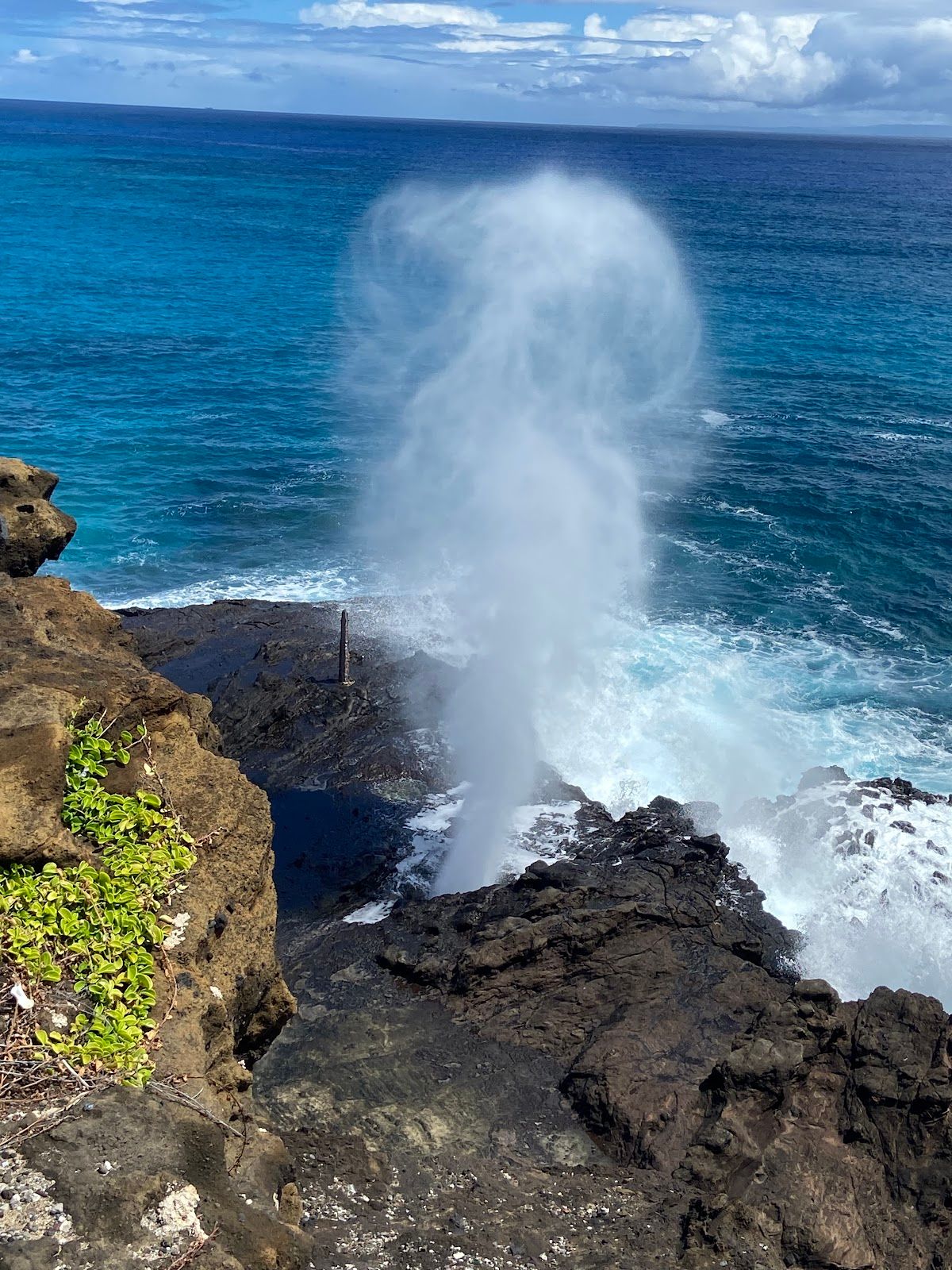
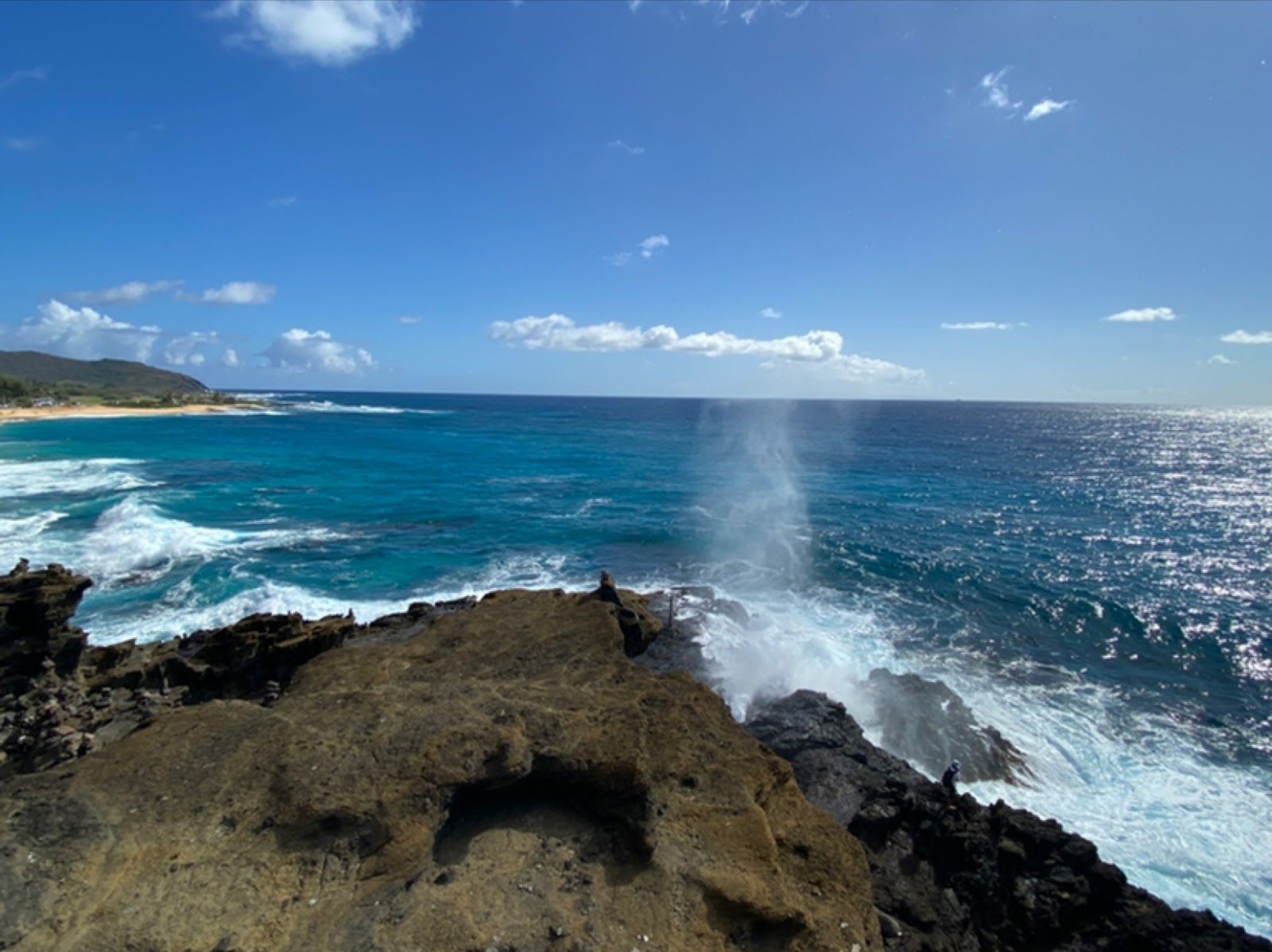
- Natural blowhole geyser
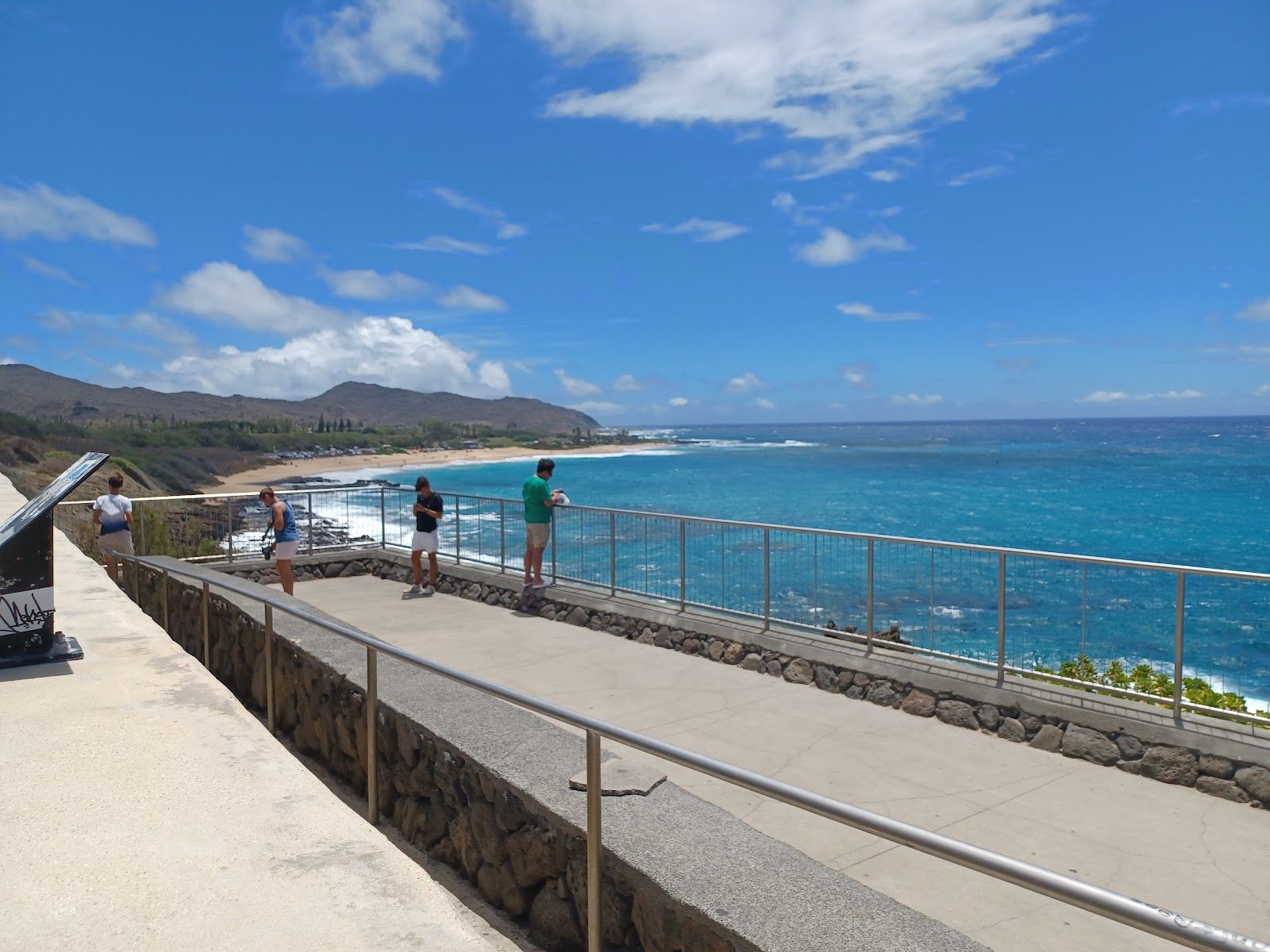
- Panoramic ocean views
- Coastal wildlife viewing
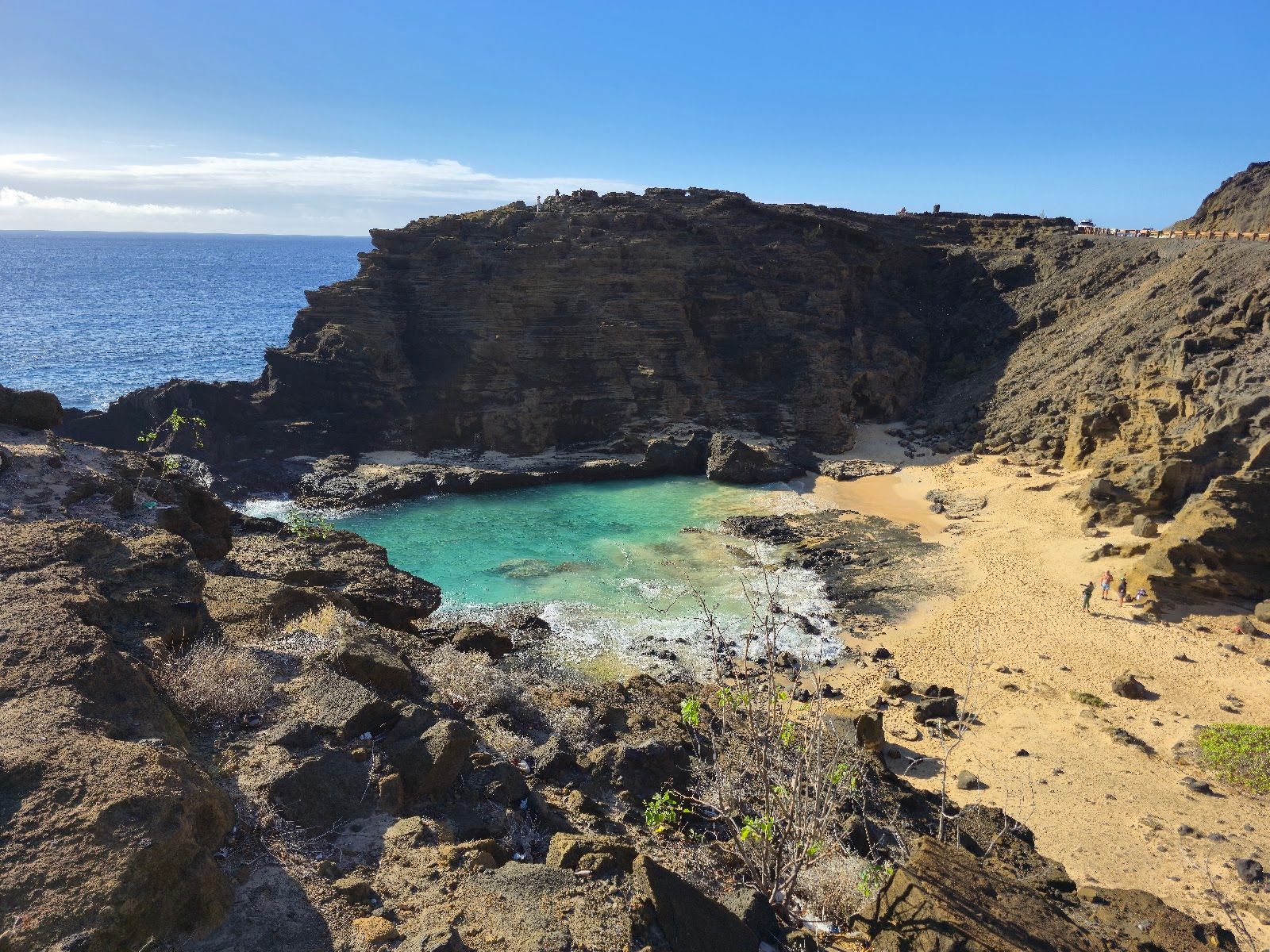
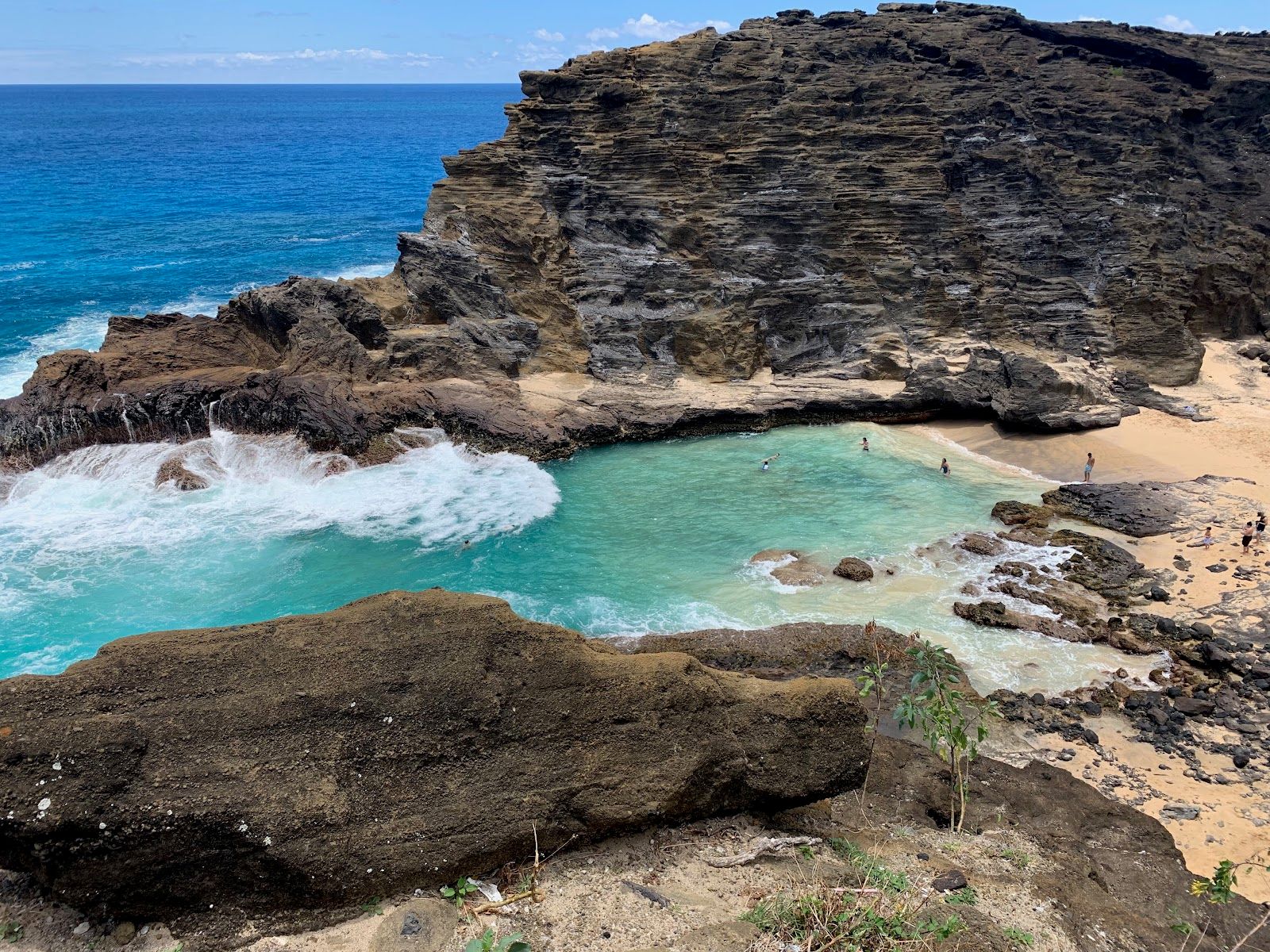
- Adjacent Halona Beach Cove
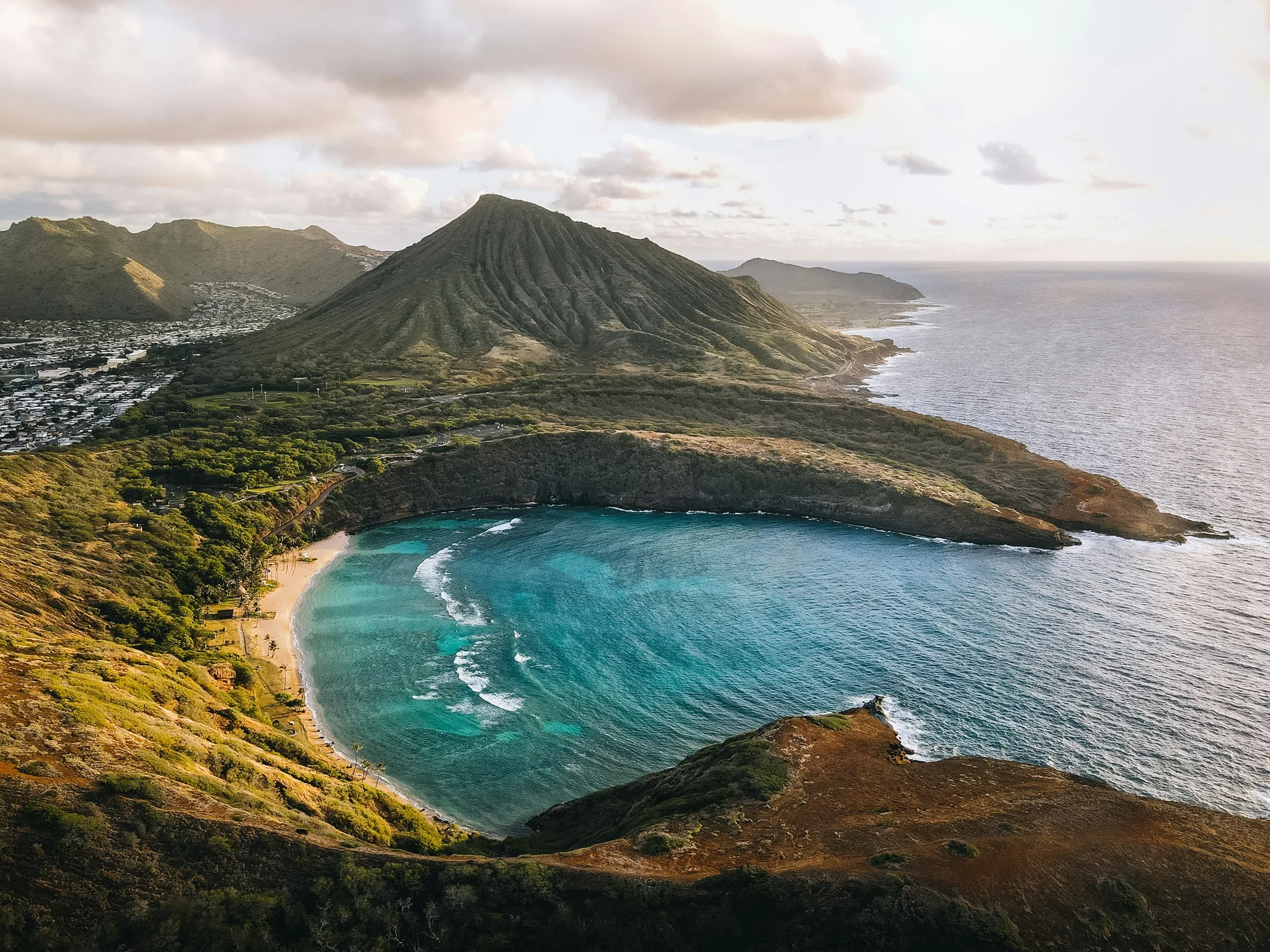
Halona Blowhole Lookout is one of Oʻahu’s easiest high-impact scenic stops, sitting on the island’s southeastern coast in Hawaiʻi Kai & East Honolulu between Hanauma Bay and Sandy Beach. It works well as a short pull-off on a coastal drive: little effort, big views, and a clear sense of the island’s volcanic shoreline. The appeal is straightforward—watch the ocean press through lava tubes, take in the sweep of the Pacific, and decide whether to linger for the cove below or simply move on.
The blowhole, the cove, and the view
The main draw is the blowhole itself, where surf forces seawater through old lava formations and sends it skyward in bursts that can be surprisingly dramatic when the ocean is up. It is not a constant showpiece. Conditions matter, and the scene changes with tide and swell. On strong days, the motion of the water gives the lookout real energy; on calmer days, the attraction becomes more about the raw coastal setting and the wide-angle ocean views.
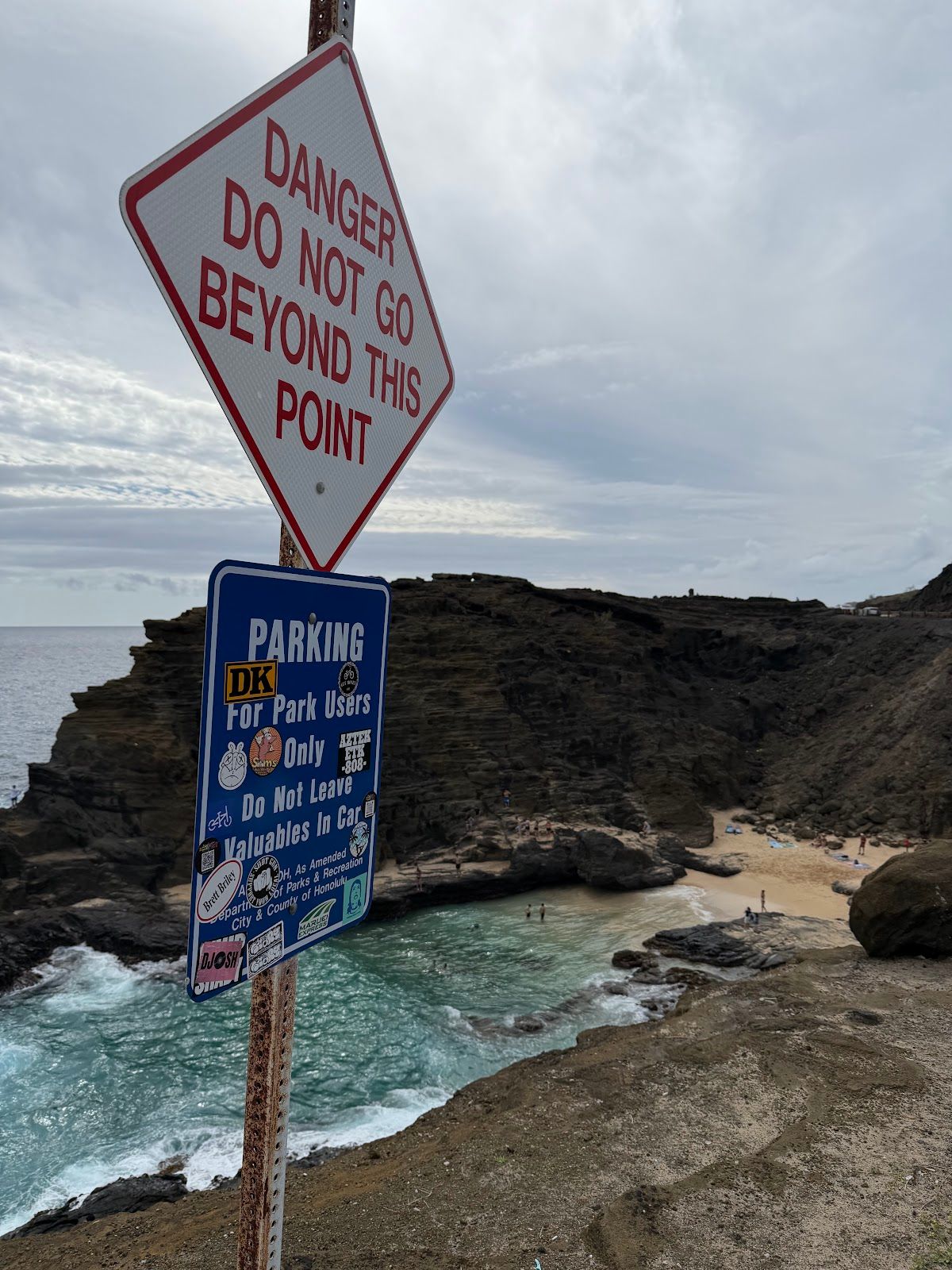
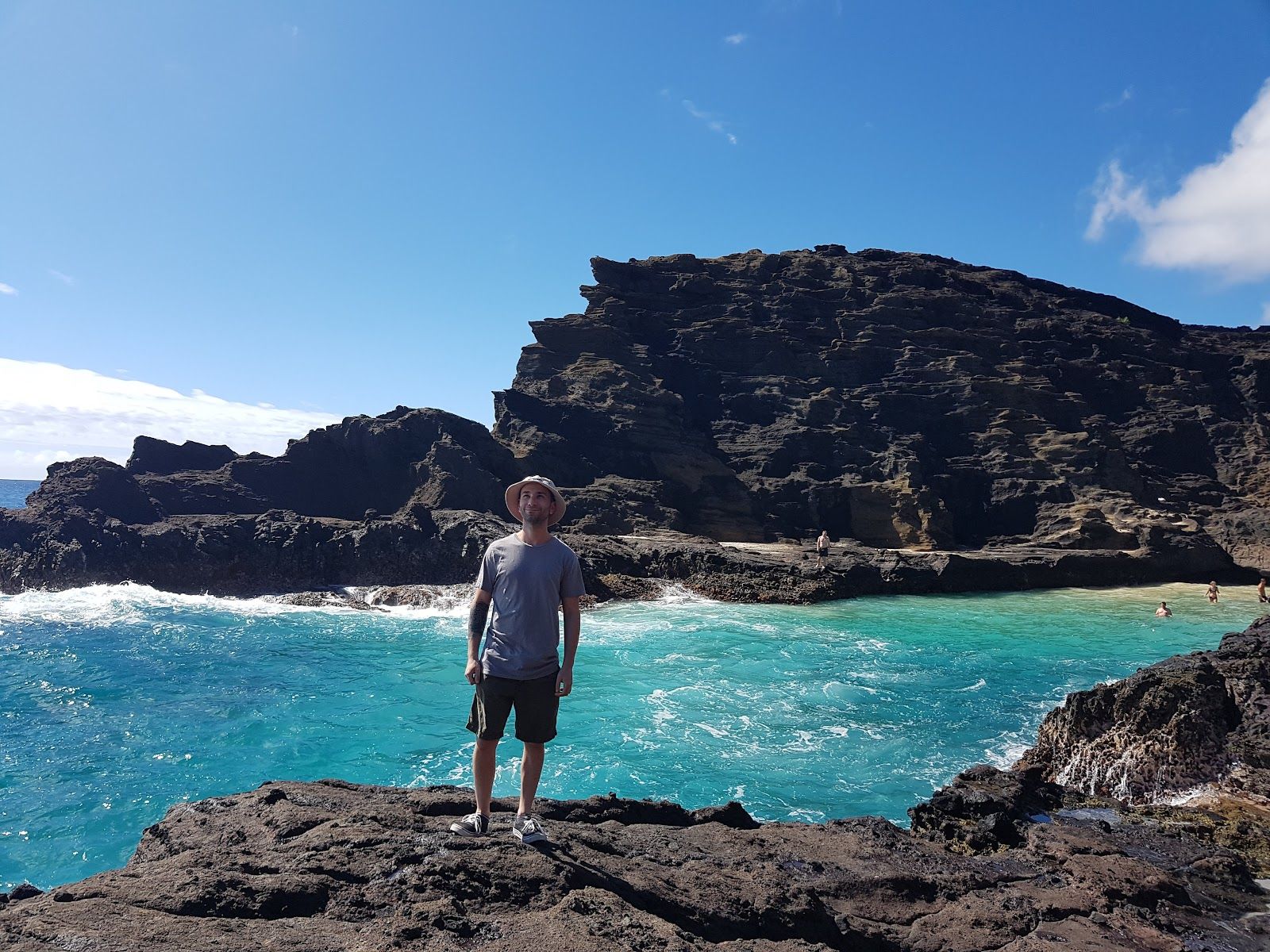
Halona Beach Cove sits just below the lookout and adds another layer to the stop. The descent is steep and rocky, so it is not a casual beach stroll, but the cove has a tucked-away feel that contrasts with the open lookout above. It is also a familiar film location, which gives it an extra point of interest for travelers who like to connect landscapes with pop culture. The area can feel very different depending on surf conditions, so the mood is part scenic overlook, part ocean watchpoint.
A short stop that fits naturally into a southeastern Oʻahu drive
This is best used as a clean, efficient stop rather than a destination that needs a half-day. Most travelers pair it with other east-side landmarks such as Hanauma Bay, Sandy Beach, or a longer scenic drive past Makapuʻu. Because it is so close to Honolulu yet feels dramatically more rugged, it breaks up an itinerary nicely without adding much transit time.
Sunrise is a strong time for photography and for softer light, while winter months often bring more likelihood of whale activity offshore. That said, there is no need to plan around a strict schedule unless the goal is to catch the blowhole at its most active. The place rewards flexibility: if surf and weather line up, stay a little longer; if not, it still functions as a worthwhile scenic pause.
The tradeoff: easy access, limited amenities, real ocean caution
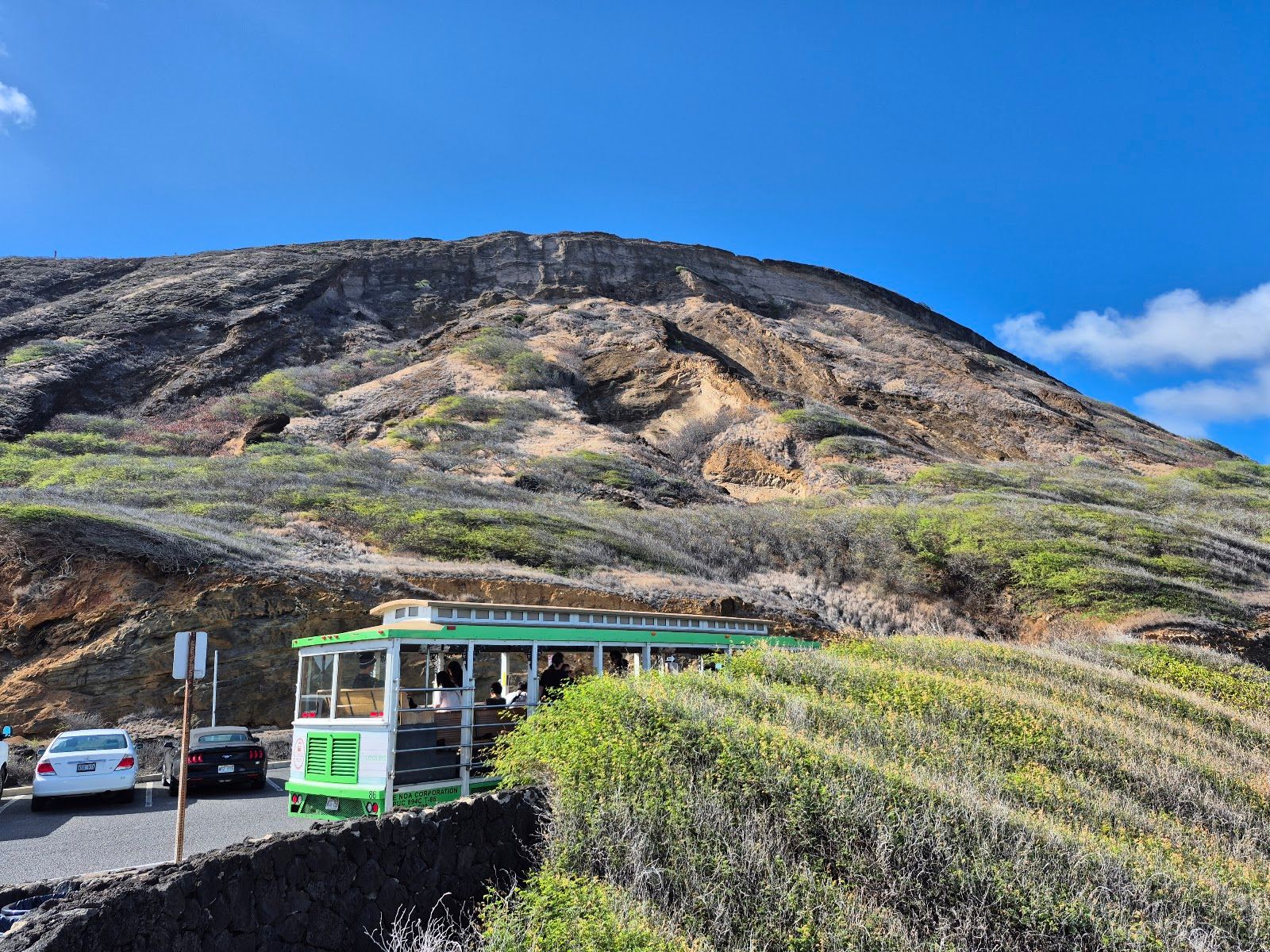
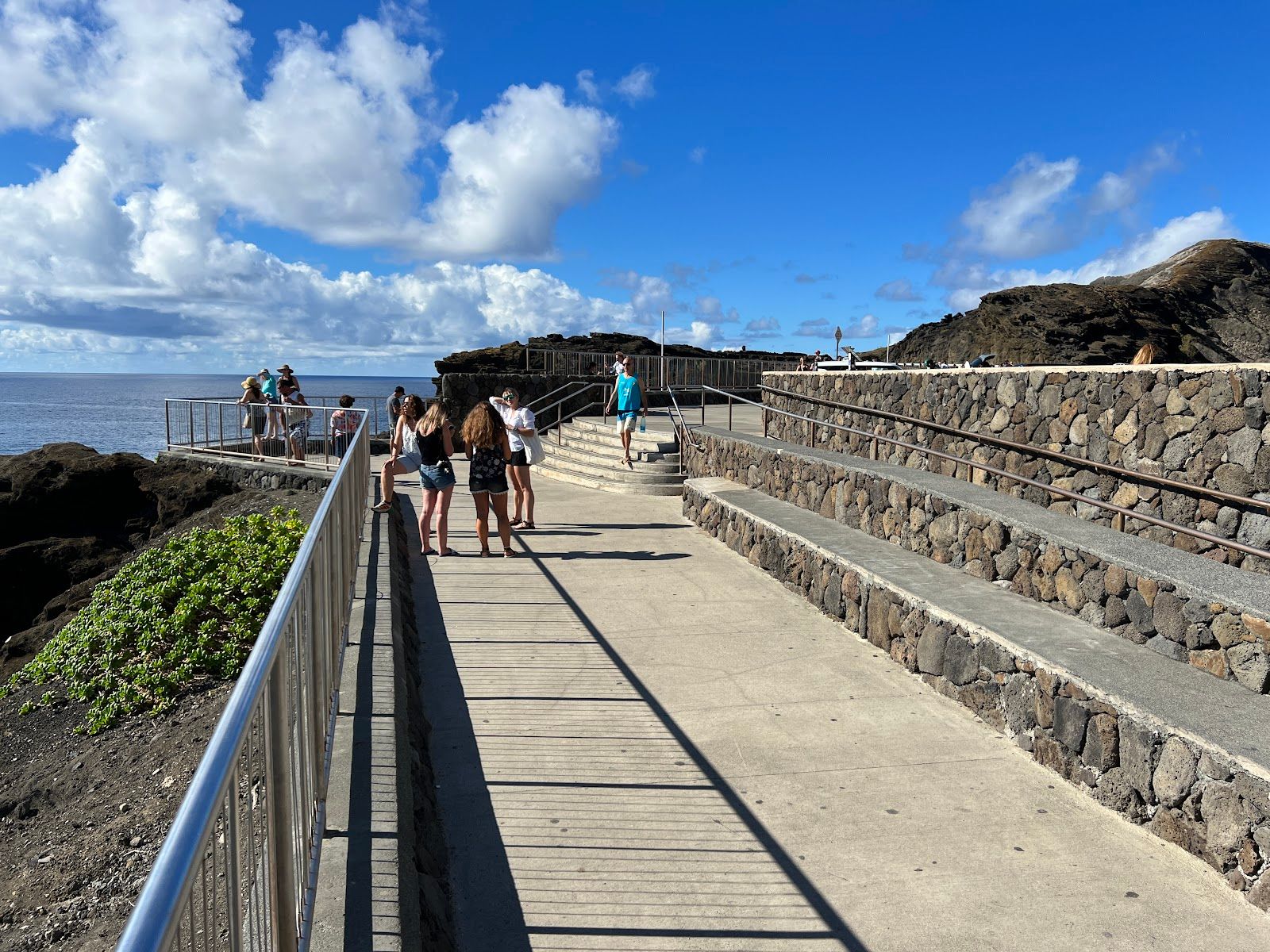
The convenience comes with a few practical limits. Parking is limited and the lot can feel crowded, especially during busy hours. There are no meaningful amenities at the lookout itself, so it is better treated as a quick stop than a place to settle in for long. Strong winds are common on this stretch of coast, and loose hats, sunglasses, and camera gear need a little extra attention.
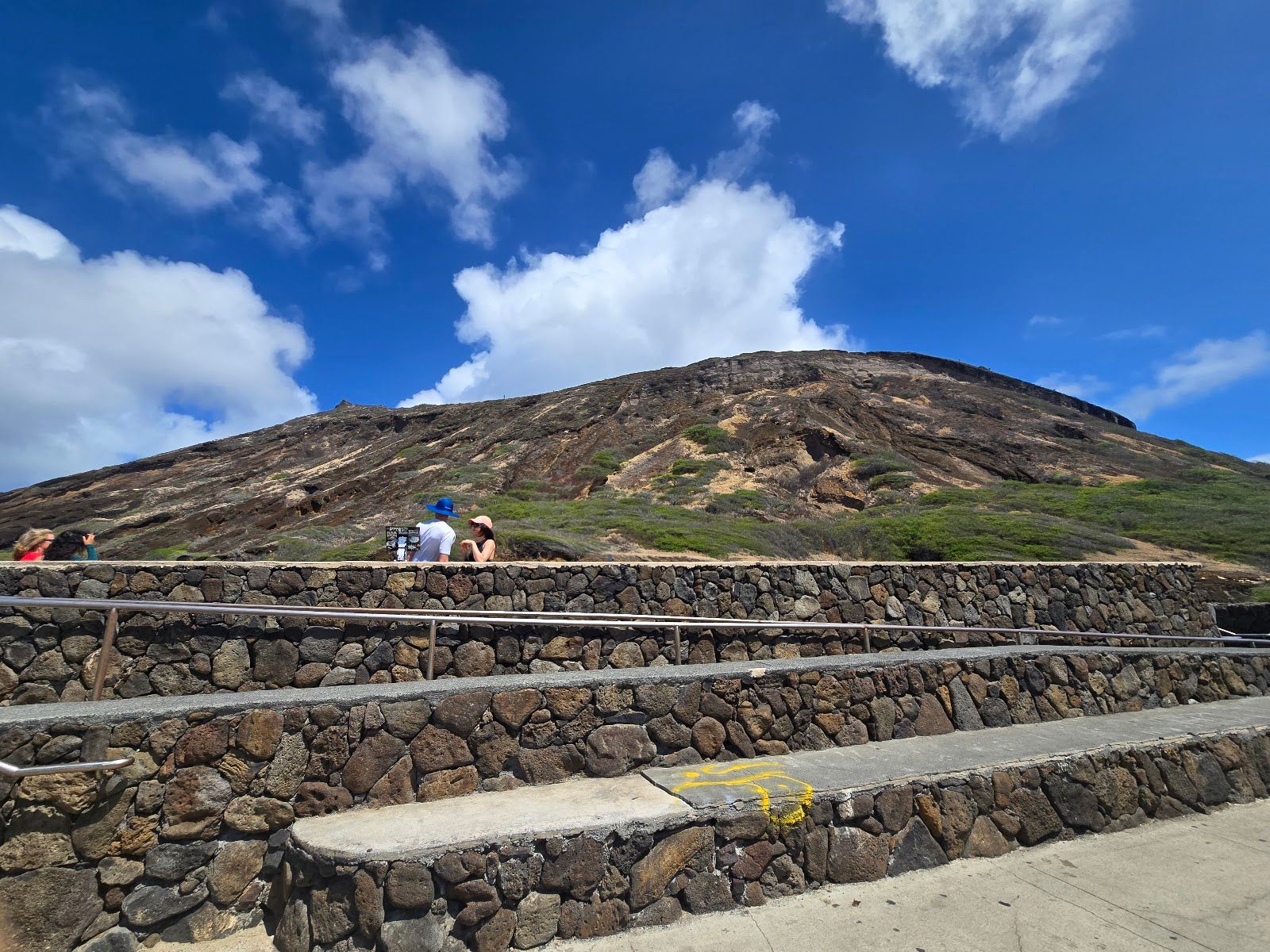
The bigger caution is the water. This is not a place to treat the shore like a casual swimming beach. Waves can be powerful, currents are unpredictable, and the rocks are unforgiving. Visitors should stay behind barriers and resist the temptation to get too close to the blowhole or climb down where the shoreline looks tempting but unsafe. The cove below also demands judgment; it can be beautiful in calm conditions and dangerous when the ocean is surging.
Best for travelers who want a dramatic, low-effort scenic stop
Halona Blowhole Lookout suits travelers who like coastal views, geology, photography, and quick encounters with Oʻahu’s wild side. It is a strong fit for road trippers, first-time visitors building a southeastern circuit, and anyone who wants a memorable stop without a hike or ticketed activity. It is less satisfying for travelers who want a full beach day, swimming, or a guaranteed spectacle from the ocean. When conditions are quiet, the setting still delivers—but the drama is in the surf, and the surf does not perform on demand.