

On Oʻahu, “Can I swim here?” is less about the beach name and more about the ocean in front of you right now.
That is the useful shift. Oʻahu has beaches that look calm in the morning and get sloppy by lunch, beaches that are mellow all summer and serious in winter, and beaches where the sand is full of happy sunbathers but the shorebreak is not beginner-friendly. The island is generous, but it does not give the same answer every day.
The good news: Oʻahu also has some of the easiest places in Hawaiʻi to choose well. Waikīkī, Ala Moana, Ko Olina, and several protected or partially protected coves give visitors real options when the open coast is too rough.
The simplest Oʻahu rule: match the beach to the season
Oʻahu’s beach personality changes by shore.
South Shore — Waikīkī, Ala Moana, Kaimana, Diamond Head side beaches. Often the most convenient swimming zone for visitors, though summer south swells can make waves stronger than expected. North Shore — Haleʻiwa through Waimea, Pipeline, Sunset, and beyond. Often calmer in summer, often powerful and surf-focused in winter. Windward/East Side — Kailua, Lanikai, Waimānalo, Makapuʻu, Sandy Beach. Beautiful water and long beaches, but trade winds, currents, and shorebreak matter. Leeward/West Side — Ko Olina, Nānākuli, Mākaha, Yokohama area. Can be clear and gorgeous, but more exposed beaches may have stronger surf and fewer easy fallback options nearby.
That is not a forecast. It is the island’s rhythm. Before getting in, look at the water, check beach-condition resources, and pay attention to posted signs and lifeguards where present.
How to decide from the sand
Before you ask whether the beach is famous, ask five plainer questions.
Are waves breaking hard right on the sand? That is shorebreak. It can knock people down in knee-deep water. Sandy Beach is the classic Oʻahu example: beloved, spectacular, and not a casual swimming beach for most visitors.
Is the water moving sideways or seaward? Watch foam, leaves, or swimmers. If everyone seems to drift down the beach, you are looking at current. If you see a choppy, darker channel moving away from shore between breaking waves, that may be a rip current.
Are locals and lifeguards treating it like a swim day? Are families floating calmly? Are surfers the only people outside? Are lifeguards making announcements? Let that inform your choice.
Can you stand and exit easily? Reef, rock ledges, slippery shelves, and channels can turn a pretty swim into an awkward exit. If the entry looks complicated from shore, it will not become simpler once you are tired.
Do you have a calmer alternative nearby? This is where Oʻahu is kind. If one beach is too energetic, there is often another option in the same general part of the island: a lagoon, a protected section, or a south-shore beach with gentler water.
Usually easier swim choices on Oʻahu
No beach is automatically safe every day. These are places that are often more forgiving for visitors when normal conditions line up.
Waikīkī Beach
Waikīkī is popular for a reason beyond hotels and postcard views: much of it is relatively approachable compared with Oʻahu’s more exposed beaches. The reef, offshore breaks, and built-up shoreline create different pockets of water, from beginner surf zones to gentler swimming areas.
That variety is also why you should choose your exact spot carefully. One section may be full of surf lessons and boards; another may be better for floating and wading. If you are with young kids or hesitant swimmers, pick a mellow area and avoid drifting into surf traffic.
Waikīkī is especially useful on a first day, when you are still learning what Hawaiʻi’s ocean feels like. It is not wild or remote, and that is part of its value.
Kaimana Beach / Sans Souci
At the Diamond Head end of Waikīkī, Kaimana has a smaller, more neighborhood feel. The water can be inviting when calm, and the setting is lovely without the full intensity of central Waikīkī.
It is still ocean, not a hotel pool. The reef and deeper-water access nearby mean swimmers should pay attention to where they enter and how far they go. For many visitors, Kaimana is best as a relaxed swim-and-sit beach rather than a place to test endurance.
Ala Moana Beach Park and Magic Island Lagoon
Ala Moana is one of Oʻahu’s most practical swimming beaches. The offshore reef helps soften the ocean energy, and the long, relatively protected beach draws lap swimmers, families, paddlers, and sunset walkers.
Magic Island Lagoon, at the ʻEwa end of the park, is often even more sheltered. It is a good choice when you want a simple dip without committing to open-ocean conditions.
The tradeoff is urban convenience: parking and crowds can be part of the experience, and the water may not have the dramatic clarity people imagine when they picture Hawaiʻi. But for a dependable swim near Honolulu, Ala Moana deserves its reputation.
Ko Olina Lagoons
On the leeward side, Ko Olina’s lagoons are among the most controlled swimming environments on the island. The curved rock barriers help reduce wave energy, making them appealing for families, newer swimmers, and travelers who want pretty water without reading a complicated surf break.
Stay inside the protected sections rather than playing near the openings, especially when water is moving. The lagoons can also feel busy and resort-oriented, which may be exactly what you want—or not.
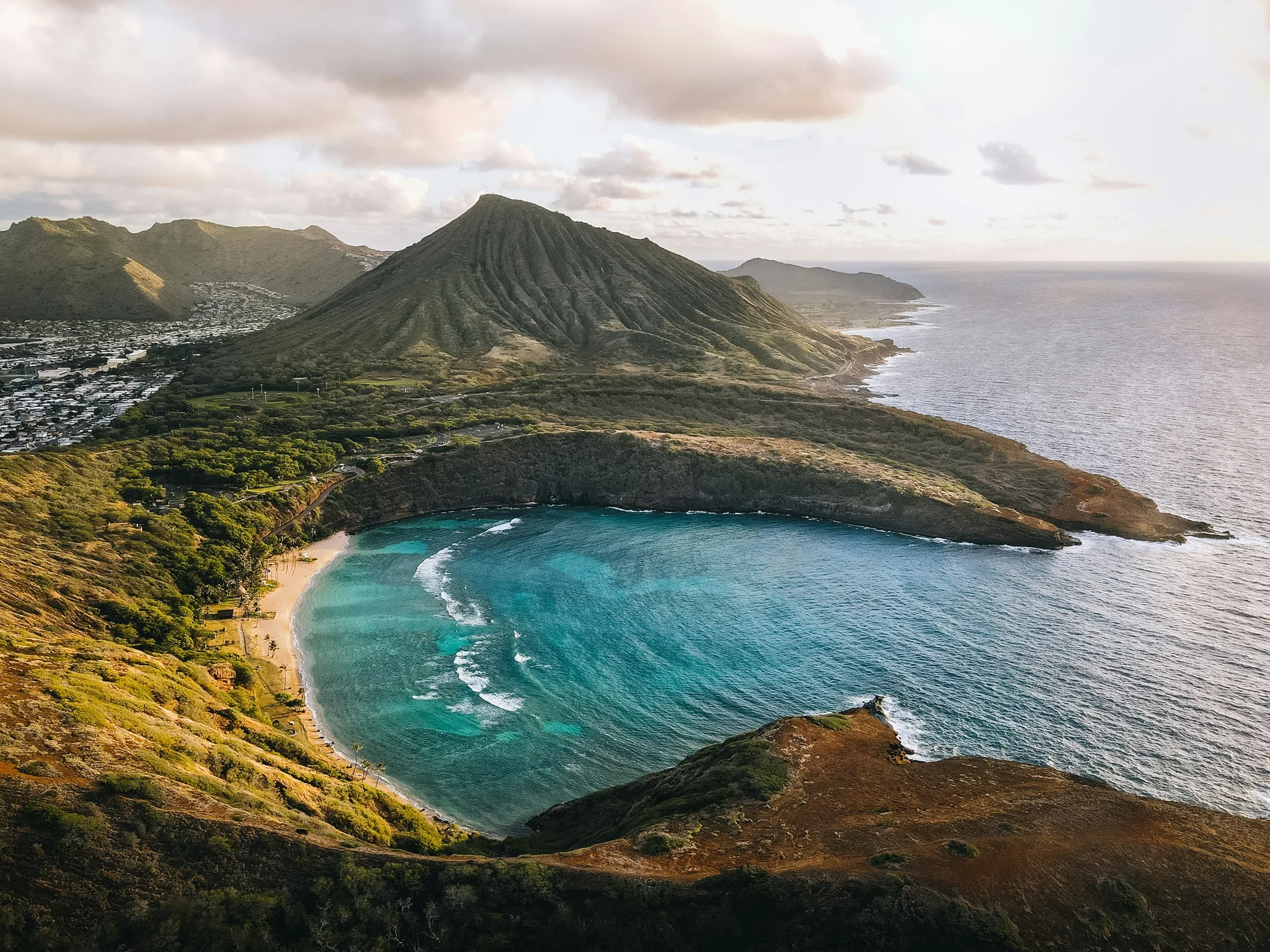
Hanauma Bay
Hanauma Bay is one of Oʻahu’s best-known snorkeling areas, and when conditions are calm it can be a memorable swim for people comfortable in the water. The bay’s shape offers protection compared with open coastline, and the reef life is the point of going.
But Hanauma is not the place to learn snorkeling from zero while distracted and overexcited. The reef is shallow in places, there can be currents, and access is managed, so it rewards planning and patience. Treat it as a nature preserve experience first and a beach day second.
Beaches that depend heavily on timing
These are not “avoid” beaches. They are places where the answer changes sharply by season, swell, wind, and your ability.
Kailua, Lanikai, and Waimānalo
The Windward side can look impossibly inviting: bright water, long sand, and the Mokulua islets offshore from Lanikai. On calm days, Kailua and Lanikai can be lovely for swimming, and Waimānalo is one of the island’s great beach-walk settings.
Trade winds change the equation. Choppy water can push people, boards, and inflatables around, and the length of Waimānalo means conditions vary from one stretch to another. If the surface looks messy, think beach day with dips rather than a long, relaxed float.
Lanikai also has less of the straightforward beach-park setup visitors may expect. Access is through neighborhood lanes, and there are no broad facilities on the sand. It is best as a calm-day swim, not a place to arrive with a giant beach operation.
Waimea Bay
Waimea Bay has two completely different identities. In summer, it can be a broad, blue swimming bay with clear water and a classic North Shore feel. In winter, it can become one of the most serious big-wave arenas in the world.
That seasonal contrast is not subtle. If waves are large, do not reinterpret Waimea as a swimming beach because you saw summer photos. In high surf, the show is from the sand.
Sunset Beach, ʻEhukai, and Pipeline area
This stretch is famous because the ocean here has power and shape. In winter surf season, it is for experienced surfers and spectators, not casual swimming. Even when it looks organized, the currents and reef are part of a high-consequence environment.
In calmer summer conditions, parts of the North Shore become more approachable, but these beaches still ask for judgment. If your goal is an easy family swim, choose the mellowest day, the mellowest section, and be willing to relocate.
Better for watching than casual swimming
Some Oʻahu beaches are magnificent precisely because they are energetic.
Sandy Beach is the clearest example. Waves often break hard in shallow water, close to shore. Experienced bodysurfers and bodyboarders may love it. Most visitors should enjoy it from the sand. Being near shore does not mean being safe from the wave.
Makapuʻu has dramatic scenery and strong ocean character. It is exposed, wave-driven, and better suited to experienced ocean users when conditions allow. For many visitors, the better plan is the lookout, the beach view, and nearby coastal scenery.
At the far west end, Yokohama Bay is beautiful and comparatively undeveloped. It can also be remote-feeling, exposed, and changeable. On calm days it may be inviting; on rough days it is not a place to negotiate with the ocean. If you drive out there, let the beach be enough even if you never get past your ankles.
A calm family decision rule
For families, the best Oʻahu swim is usually not the most dramatic beach. It is the place where the adults can relax because the water matches the group.
A good family swim day has small or no shorebreak, other people swimming comfortably, an easy sandy entry and exit, shade or a realistic time limit, and a nearby fallback if the water looks wrong.
That often points toward Waikīkī, Ala Moana, Magic Island Lagoon, Ko Olina, or a calm-day windward beach. It may not produce the wildest photos. It will produce a better afternoon.
The most Oʻahu answer
Oʻahu lets you build a beach day around conditions rather than forcing one perfect plan. If the North Shore is booming, watch the surf and swim south. If the Windward side is windy, try a protected town beach. If Waikīkī has a summer swell running, shift to a gentler pocket or make it a sand-and-sunset day.
Ask the question from the sand, not from the itinerary: Can I swim here, today, in this exact water?
When the answer is yes, enjoy it fully. When the answer is no, you have not lost the day. On this island, watching the water is often part of the pleasure.

Further Reading
A few relevant next steps from Alakai Aloha.
 BlogOʻahu’s Best Adventures for Every Season
Follow Oʻahu’s seasonal rhythm, from winter surf watching on the North Shore to summer beach days, spring hikes, and warm fall escapes.
Editor's pick ActivitySandy Beach
Sandy Beach on Oʻahu offers powerful shore break for expert bodyboarders and bodysurfers, stunning scenic views, and picnic spots, though water entry is highly dangerous.
Editor's pick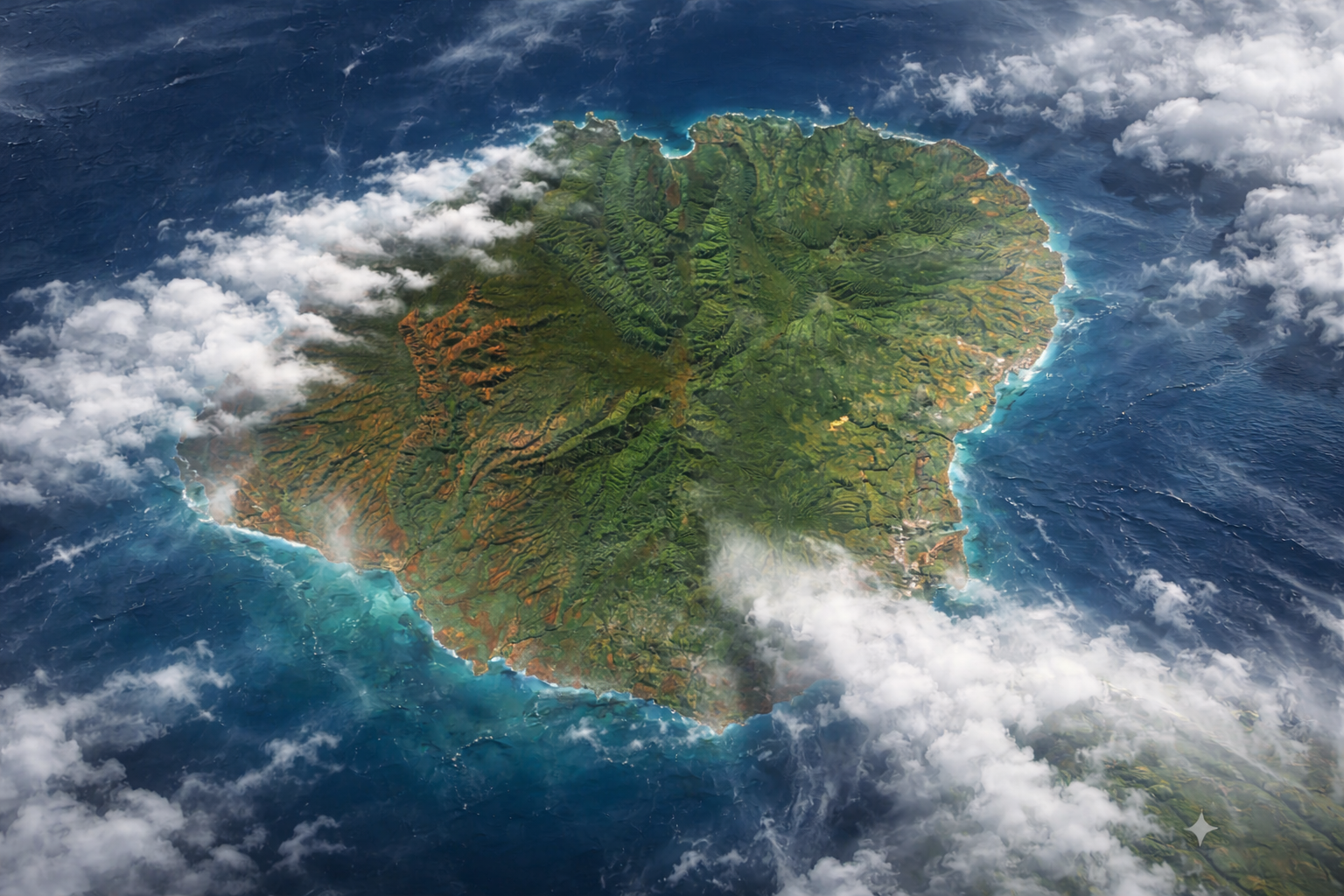 ToolCompare island weather by region
See how rain, wind, and conditions vary around the island before you choose your day plan.
Useful planning tool ActivityMagic Island
Magic Island is a tranquil man-made peninsula offering calm lagoon swimming, lush green spaces, and stunning panoramic views of Waikīkī, Diamond Head, and the Pacific Ocean.
Editor's pick