

Oʻahu does not change seasons the way a mainland mountain town does. There is no hard switch from winter coats to summer sandals. The plumeria may bloom, the trades may soften, the showers may come and go before lunch. But if you watch the ocean, the light, and where people gather, Oʻahu has a clear seasonal rhythm.
Winter belongs to the North Shore. Summer leans toward long beach days in Waikīkī, Ala Moana, and the leeward coast. Spring is a fine time for hikes, gardens, and cultural events. Fall is the island exhaling after summer, with warm water, fewer crowds, and the first hints of winter surf.
The trick is not to ask, “Is this a good time to visit Oʻahu?” Almost every month can be good. The better question is: “What is Oʻahu especially good at right now?”
The Oʻahu rhythm: ocean first, weather second
For most travelers, Oʻahu’s seasons are shaped less by temperature than by shore exposure.
In winter, large north and west swells can turn the North Shore into a stage for serious surf. Sunset Beach, Pipeline, Waimea Bay, and the wider Pūpūkea area are fascinating places to watch the ocean from shore, but they are not casual swim spots when the surf is up. South-facing beaches, including Waikīkī and Ala Moana, are often more approachable in this season.
In summer, the pattern often flips. North Shore waters can be calmer and clearer, while south-facing beaches may see more surf energy. That does not mean Waikīkī becomes unfriendly, but it does mean ocean conditions are never automatic. Choose beaches by the day, not by reputation.
Rain has a pattern too, though Oʻahu likes to improvise. The Koʻolau mountains catch passing showers, so windward places such as Kailua, Kāneʻohe, and the lush valleys behind Honolulu may be wetter than the drier leeward side. A cloudy morning in Mānoa can become a bright afternoon at the beach. This is part of the island’s charm if you leave a little slack in the day.
Winter: surf country, whales, and green mountains
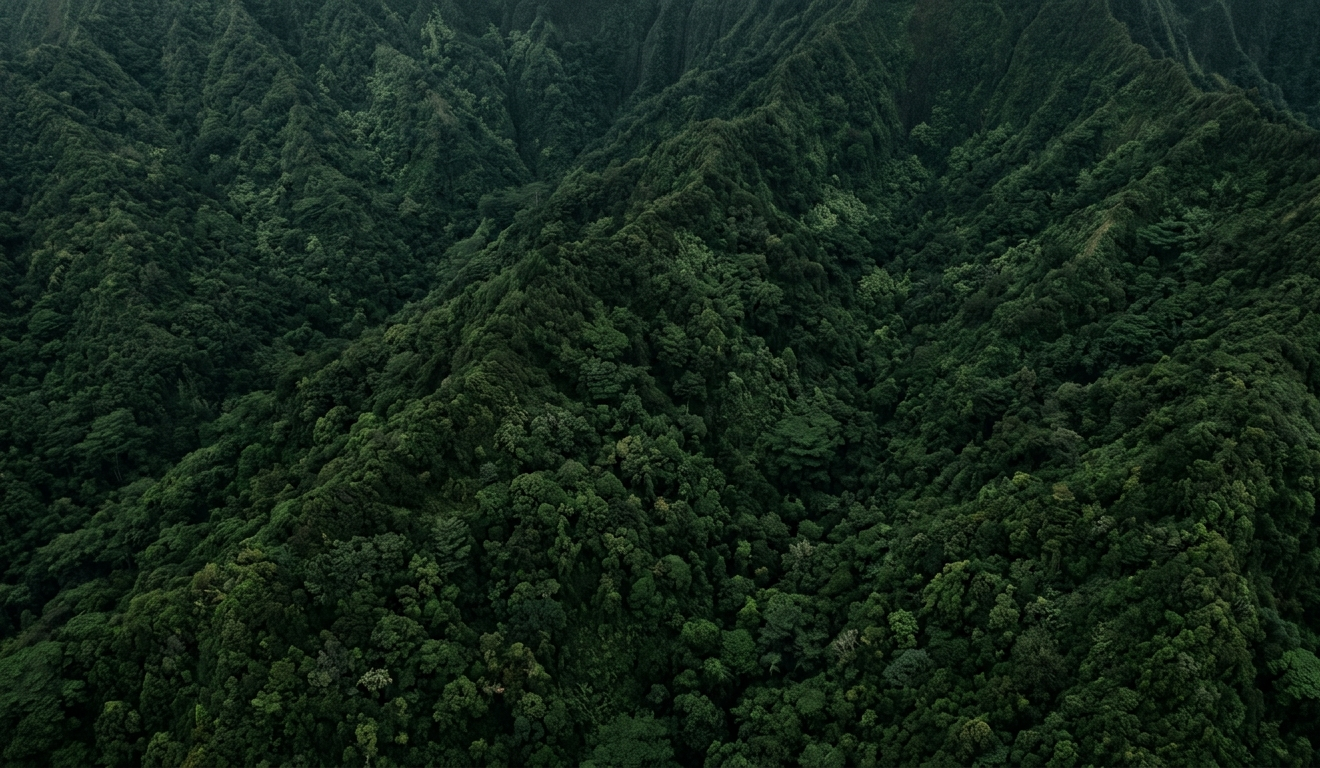
December through February is Oʻahu at its most dramatic. The mountains are often greener, waterfalls have more presence after rains, and the North Shore takes on a different gravity. Even people who do not surf can appreciate the mood: pickups parked along Kamehameha Highway, boards strapped to roofs, everyone glancing toward the horizon.
This is the season to watch waves, not underestimate them. On big days, the best “adventure” may be a slow North Shore drive with long stops at safe viewpoints, food trucks, and beach parks where you can stand well back and watch sets roll in. If surf competitions are running, the atmosphere can be electric, but schedules depend on swell and weather. Treat them as a bonus, not the backbone of your itinerary.
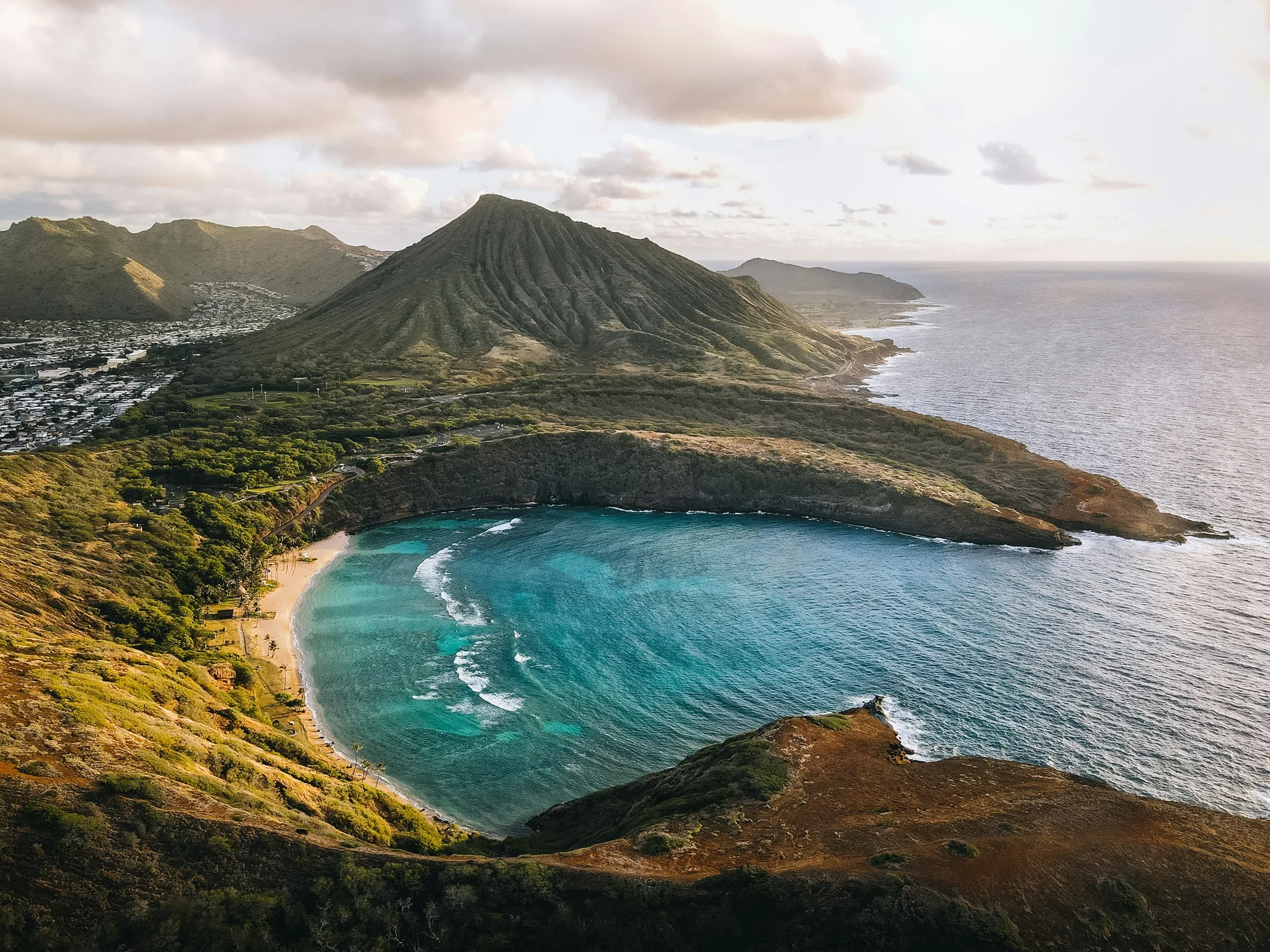
Winter is also whale season in Hawaiʻi. Oʻahu is not as famous for whale watching as Maui, but humpbacks can still be seen from shore with patience, especially from elevated coastal lookouts. The Makapuʻu area is a good example of the kind of place that rewards binoculars and time.
For hiking, winter can be beautiful and slippery. Lēʻahi, commonly known as Diamond Head, gives a clear sense of Honolulu’s shape, from Waikīkī to the Waiʻanae range. Makapuʻu Point Lighthouse Trail is another winter favorite, with ocean views and a chance of whale activity offshore. After heavy rain, paved or well-maintained routes tend to be better than muddy ridge trails.
Winter also overlaps with the busiest travel windows around the holidays. If your plans include high-demand restaurants, guided activities, luaus, or popular managed sites, make reservations earlier than feels necessary.
Spring: flowers, showers, and room to breathe
March through May can be one of the most balanced times on Oʻahu. The peak holiday rush has passed, the heat has not fully settled in, and the island often feels fresh after winter rains. It is a good season for travelers who want beach time, hiking, gardens, and town days without building the whole trip around one activity.
This is an especially pleasant time for Windward Oʻahu. Kailua and Lanikai can be lovely in spring when the trades are gentle, though parking and neighborhood congestion still require patience.
Spring also suits Oʻahu’s gardens and valley walks. Waimea Valley on the North Shore offers a softer way to experience a lush landscape without committing to a steep ridge hike. In Honolulu, Mānoa Falls gives visitors a taste of rainforest close to town, though mud is part of the bargain. Bring shoes you do not mind getting dirty.
Culturally, spring brings some of the most meaningful dates on the Hawaiʻi calendar, including Prince Kūhiō Day and Lei Day. If your visit lines up with public celebrations, they can add real texture to a trip.
Ocean-wise, spring is a transition. The North Shore may still see swell, especially earlier in the season, while calmer stretches begin to appear. South shores become more active as summer approaches. Snorkeling, surf lessons, paddling, and beach days are all possible, but this is a season for adjusting by shore.
Summer: long beach days and south shore energy
June through August is the Oʻahu many travelers picture: warm mornings, bright afternoons, busy beaches, and a town-and-ocean rhythm that runs late into the evening. Families are traveling, school is out, and Waikīkī feels fully awake.
Summer is prime time for classic south shore beach days. Waikīkī is crowded, yes, but it is also one of the great beginner surf zones in the world when conditions cooperate. Canoe rides, surf lessons, stand-up paddling, and long swims all make sense here because the beach is supported by instructors, rentals, food, shade breaks, and an easy return to your hotel.
Ala Moana Beach Park and Magic Island are also strong summer choices for travelers staying in Honolulu who want a little more local daily-life texture. Morning is best: softer light, easier parking, and less heat rising off the pavement.
On the North Shore, summer can bring calmer ocean windows than winter, making it a better time to consider snorkeling or swimming in places that are too rough during big-swell months. Still, “summer” is not a guarantee. Check the day’s conditions and favor lifeguarded beaches when you are unsure.
Hiking in summer is a matter of timing. Koko Crater is famous, exposed, and hotter than it looks. Lēʻahi is shorter but still sun-baked by late morning. Makapuʻu has no shade to speak of, which is part of its beauty and part of its challenge.
Summer is also when reservations matter. Popular paid attractions, guided tours, surf lessons, and managed natural areas can book up, especially around holiday periods. Build your trip around a few anchored plans, then leave open space around them. Oʻahu punishes over-scheduling; traffic, weather, and the simple pleasure of lingering at the beach all argue for breathing room.
Fall: warm water and the return of the North Shore
September through November is underrated on Oʻahu. Early fall can feel like summer with the volume turned down. The ocean is warm, many family travelers have gone home, and there is often more ease in getting restaurant times and beach space.
This is a good season for flexibility. You can wake up, look at the weather, and decide whether the day belongs to Honolulu, the Windward side, the North Shore, or the leeward coast. It is also a good time for scenic drives, casual beach-hopping, and hikes that feel less crowded than they do in mid-summer.
As fall progresses, the North Shore starts to change. The first larger swells remind everyone that winter is coming. One week may offer gentle water at Waimea Bay; another may bring waves that make swimming a bad idea. If you are visiting in October or November, think of the North Shore as variable. It may be a swim day, a surf-watching day, or a food-and-scenery day.
Fall also brings a sense of local calendar returning after summer. Cultural festivals and community events often appear during this period, though dates and formats change. If you enjoy that layer of travel, check what is happening close to your stay rather than planning around an assumed annual schedule.
A simple Oʻahu backup plan
Oʻahu is one of the easiest islands for changing plans without losing the day. If rain is sitting over the Koʻolau range, head toward drier leeward or south shore areas. If the surf is too rough on the North Shore, turn the outing into a wave-watching drive and swim elsewhere. If the heat makes a midday hike unappealing, move it to sunrise and spend the afternoon in a museum, café, beach park, or shaded garden.
Good Oʻahu planning is not rigid. It is a loose triangle: one outdoor plan, one food or town plan, and one low-effort option nearby. That way a passing shower or strong swell becomes a small pivot, not a ruined day.
Choosing your season
Choose winter if you want surf culture, greener mountains, whale-watching chances, and a little weather drama.
Choose spring if you want a balanced trip with good hiking, cultural texture, and fewer peak-season pressures.
Choose summer if you want long beach days, beginner surf energy, and the fullest version of Waikīkī.
Choose fall if you want warm water, more room to improvise, and the first hints of North Shore surf season.
Oʻahu rewards travelers who let the season shape the itinerary. The island is not asking you to chase every famous place in one trip. It is asking you to notice what is good right now: the clean morning light on the Koʻolaus, the first whale spout beyond Makapuʻu, the hush before a North Shore set, the warm evening water off Waikīkī after a long day in the sun. That is where the trip starts to feel less generic — and much more like Oʻahu.

Further Reading
A few relevant next steps from Alakai Aloha.
 BlogHow to Choose Safe Swim Beaches on Oʻahu
Learn how to read Oʻahu’s beaches by season, shore, surf, and lifeguard conditions so you can choose calmer places to swim with more confidence.
Editor's pick ActivityAla Moana Beach
Ala Moana Beach offers a spacious, family-friendly escape with calm, reef-protected waters perfect for swimming, sunbathing, and picnics, just steps from Honolulu's urban core.
Editor's pick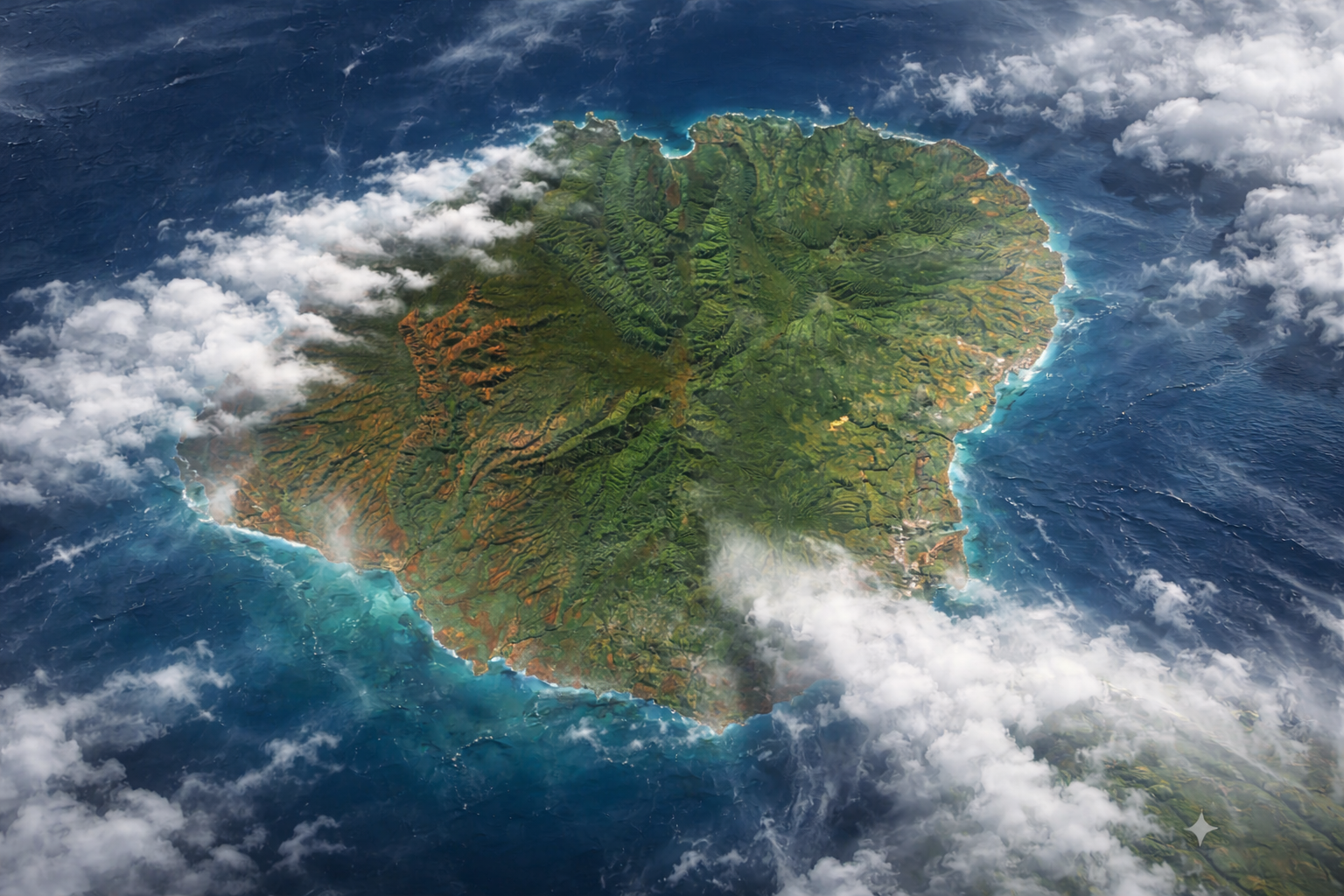 ToolCompare island weather by region
See how rain, wind, and conditions vary around the island before you choose your day plan.
Useful planning tool RestaurantWaimea Valley
Waimea Valley is a North Shore cultural and botanical destination with casual on-site food and drink. Expect a scenic valley visit, not a stand-alone dining room.
Editor's pick