
Waipahu & Kunia
A lived-in Central Oʻahu belt for errands, local meals, and easy highway connections.
Good Fit For
- Stock-up and resupply stops
- Everyday local Oʻahu
- Drive-based island days
- Quick casual dining
- Practical central access
Trade-offs
- Few visitor sights
- Not beach oriented
- Car traffic and sprawl
- Limited evening atmosphere
Logistics & Getting Around
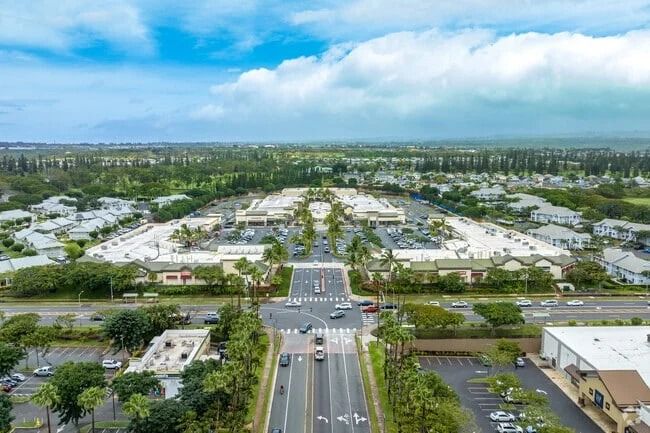
Inland and highway-linked, this area is easiest by car and often used as a short stop between Pearl Harbor/ʻAiea, Leeward Oʻahu, and routes toward Mililani and Wahiawā. Expect shopping-center parking lots and busy commuter rhythms.
Nearby Areas in Central Oʻahu
Mililani
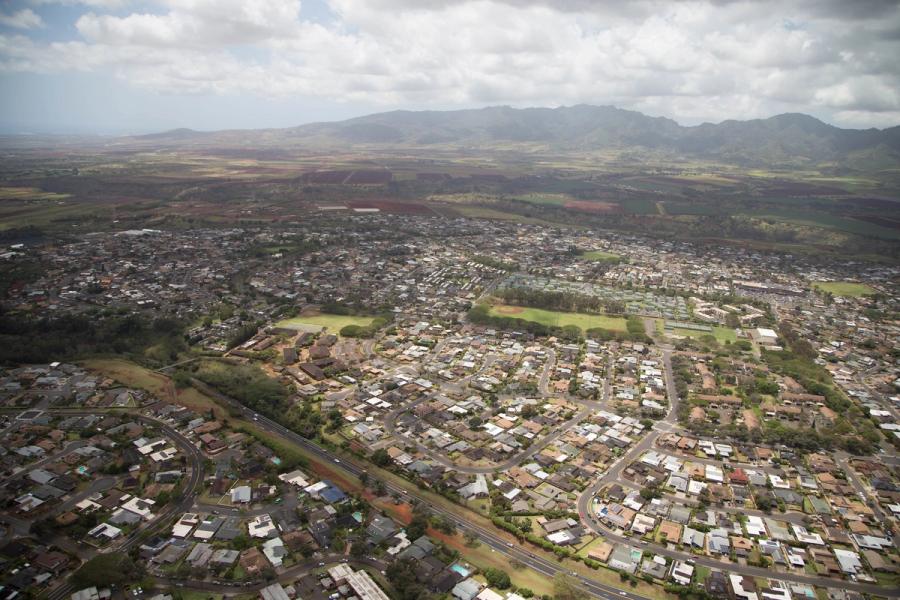
A breezy Central Oʻahu suburb cluster—useful for errands, not sightseeing.
Pearl City
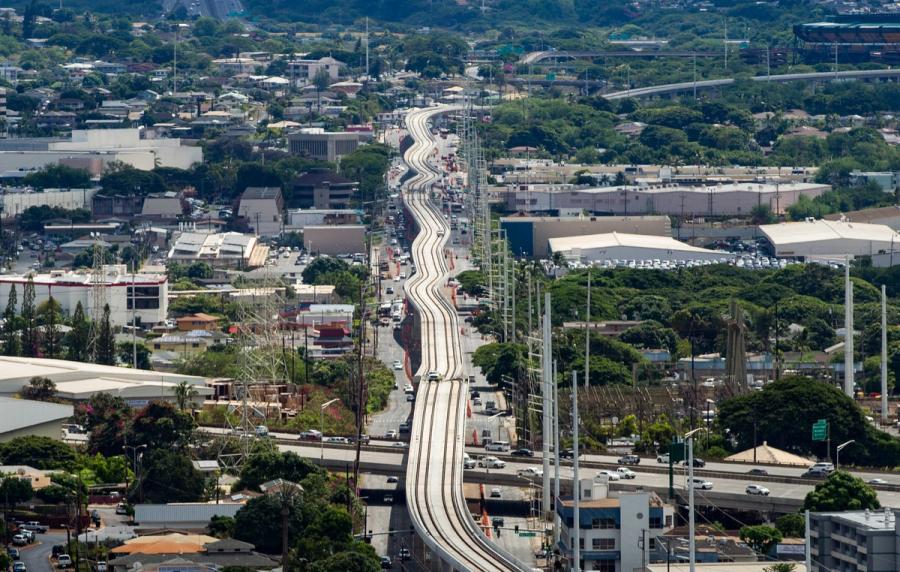
A car-first suburban corridor along Pearl Harbor’s West Loch, built for everyday Oʻahu.
Pearl Harbor & ʻAiea
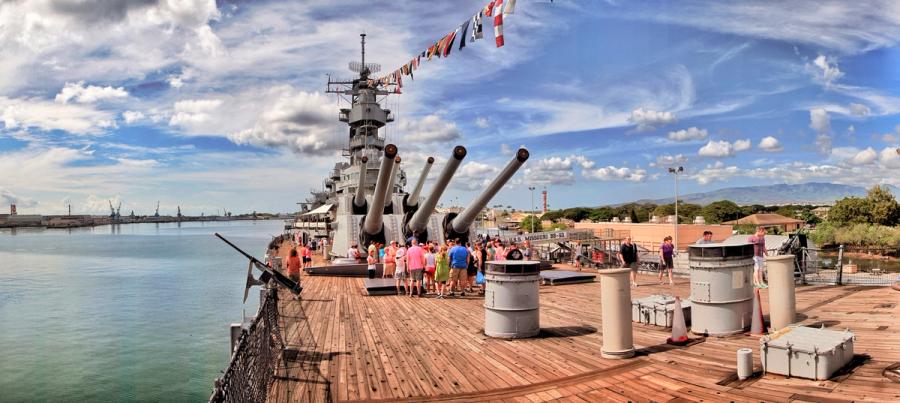
A purposeful harbor-and-highway corridor anchored by Pearl Harbor’s historic waterfront.
Wahiawā
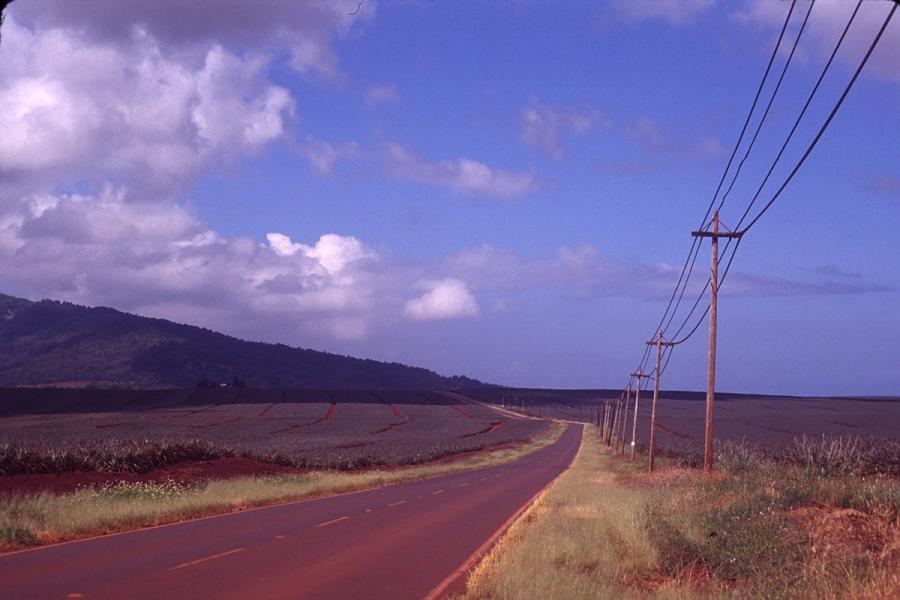
An inland Central Oʻahu town-corridor where most visitors stop, not settle.
Signature Experiences in Waipahu & Kunia
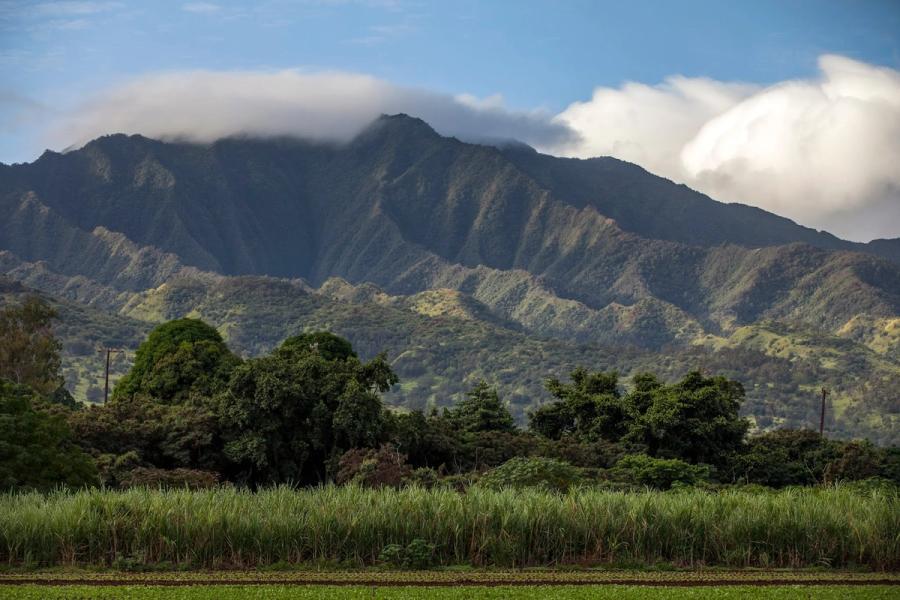
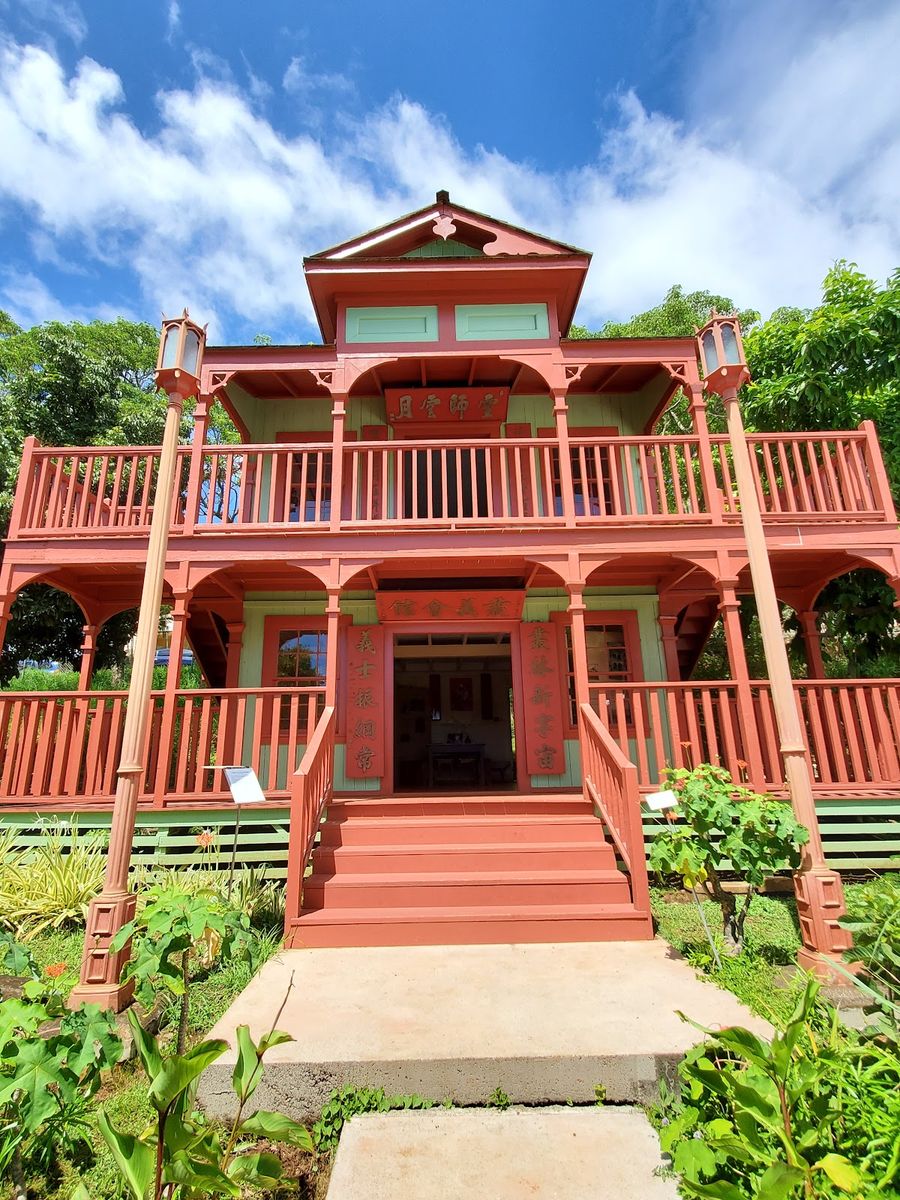
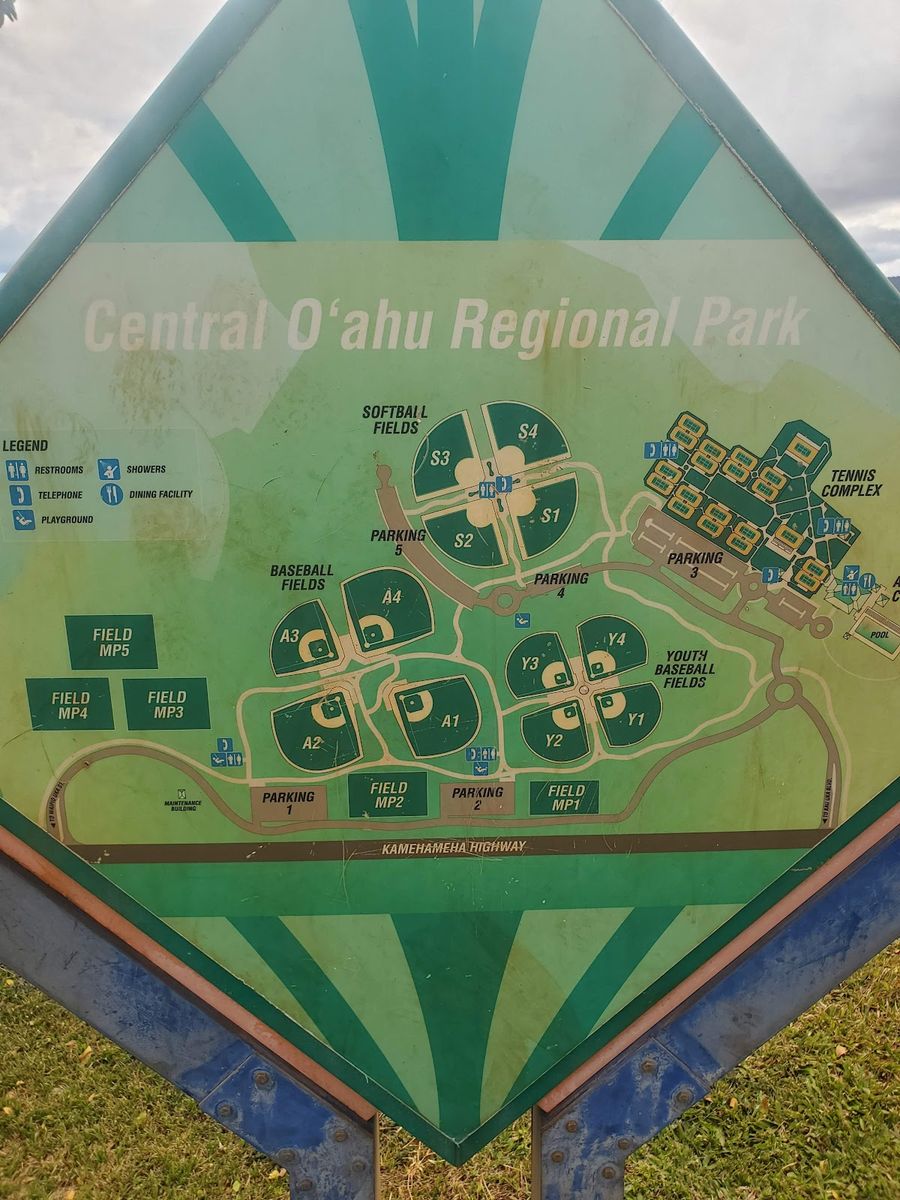
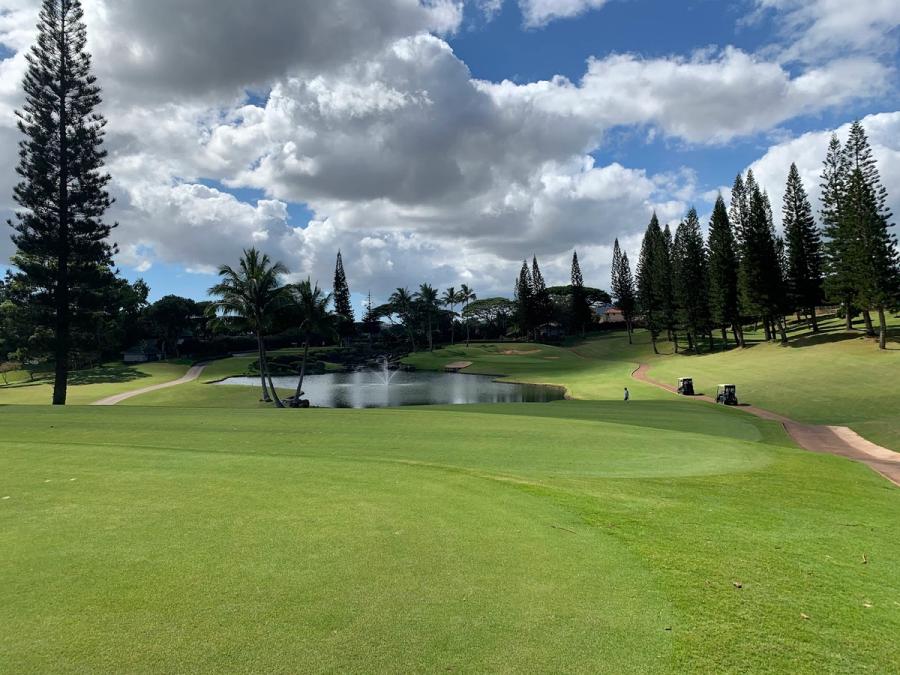
The feel: inland Oʻahu between destinations
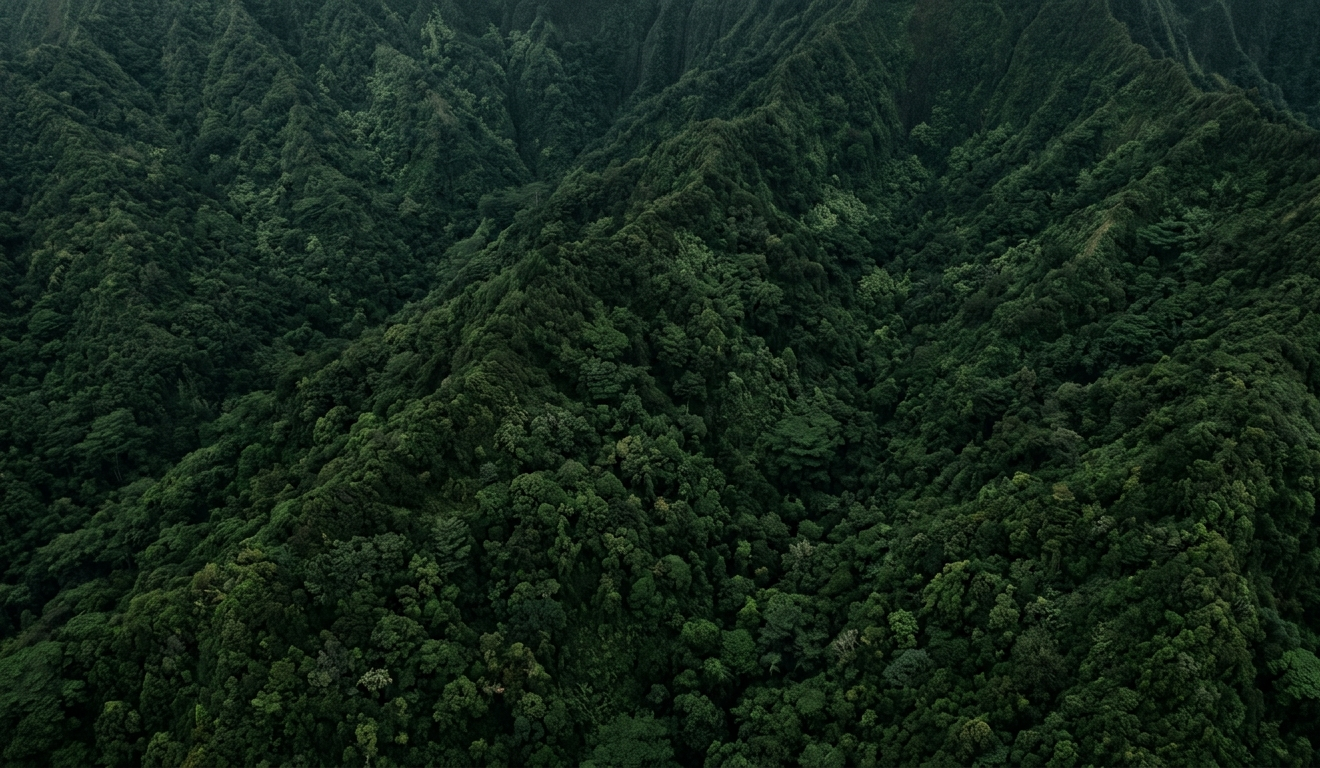
Waipahu & Kunia isn’t a postcard coastline or a single “town center” you wander for hours. It’s a broad, south-central inland belt—Waipahu’s older neighborhoods and shopping streets, the newer-plaza energy around Waikele and Village Park, and the mauka edge toward Royal Kunia and the lower slopes near the ʻEwa Forest Reserve. For visitors, it reads as real daily Oʻahu: commute traffic, school drop-offs, service shops, and strip-mall convenience.
The landscape shifts subtly as you move mauka. Down in Waipahu, you feel the density and history of a long-settled community. Closer to Waikele, the vibe turns more suburban and retail-oriented. Up toward Kunia, there’s more open space and an agricultural backdrop—less of a “place to stroll,” more of a transition zone between neighborhoods and the island’s interior.
Why travelers end up here
Most people experience Waipahu & Kunia in short, practical bursts: grabbing supplies, resetting between big sightseeing blocks, or breaking up a drive. It’s positioned well for that role. You can pivot from here toward Pearl Harbor and the harbor corridor, cut west toward the Leeward side, or head inland toward Mililani and Wahiawā on the way to North Shore plans.
Food is part of the draw, but in an everyday way—quick lunches, takeout counters, and local favorites rather than destination dining rooms. The appeal is authenticity and convenience, not a curated visitor scene.
What it’s not (and what that means)
If you’re looking for beaches, promenades, or a concentrated “vacation neighborhood,” this area will feel utilitarian. Walkability is spotty and fragmented; sidewalks exist in pockets, but the experience is defined by major roads and parking lots. Nightlife is minimal, and after dark the energy is mostly residential.
That tradeoff can be useful: fewer tourist crowds, straightforward errands, and a sense of how the island functions day to day. Think of Waipahu & Kunia as a connective tissue of Central Oʻahu—best appreciated as part of a wider day rather than a standalone sightseeing district.

Can't decide where to stay? Get personalized advice.
Custom recommendations built from the web's most comprehensive Kauai guide.