
Wahiawā
An inland Central Oʻahu town-corridor where most visitors stop, not settle.
Good Fit For
- North Shore drive routing
- Quick daytime stops
- Local town feel
- Central-island positioning
- Agricultural interior scenery
Trade-offs
- No beach access
- Car-dependent layout
- Traffic at peak hours
- Limited visitor nightlife
Logistics & Getting Around
Wahiawā sits on key cross-island routes between Honolulu/Pearl Harbor and the North Shore. Expect a drive-first experience with short stops, a few busy intersections, and an interior climate that can feel warmer than the coasts.
Nearby Areas in Central Oʻahu
Mililani
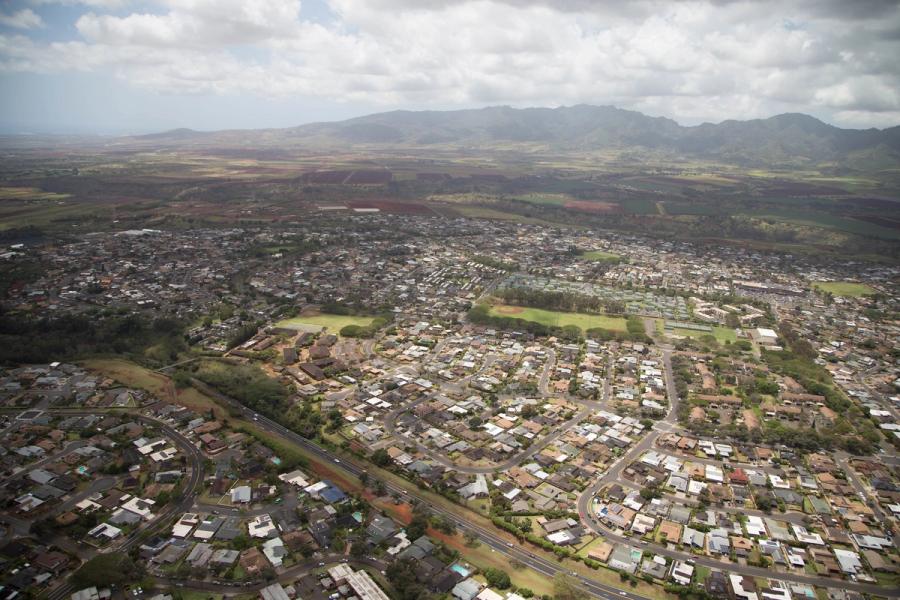
A breezy Central Oʻahu suburb cluster—useful for errands, not sightseeing.
Pearl City
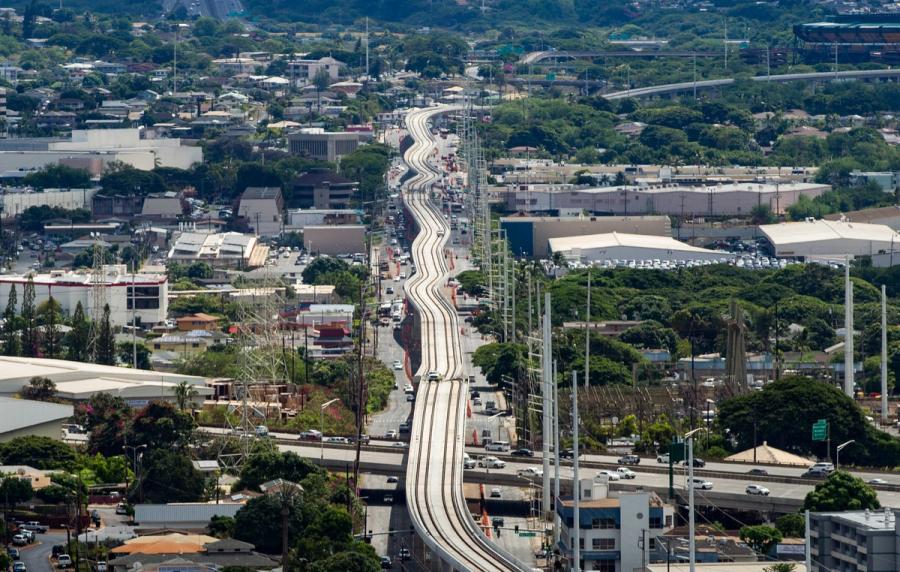
A car-first suburban corridor along Pearl Harbor’s West Loch, built for everyday Oʻahu.
Pearl Harbor & ʻAiea
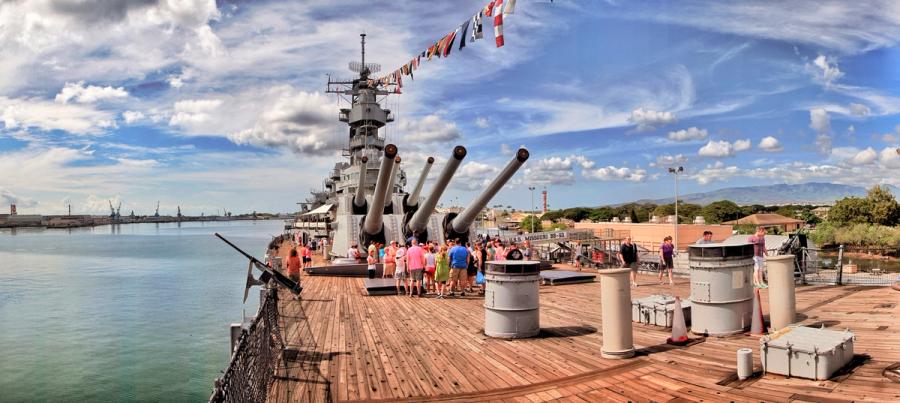
A purposeful harbor-and-highway corridor anchored by Pearl Harbor’s historic waterfront.
Waipahu & Kunia
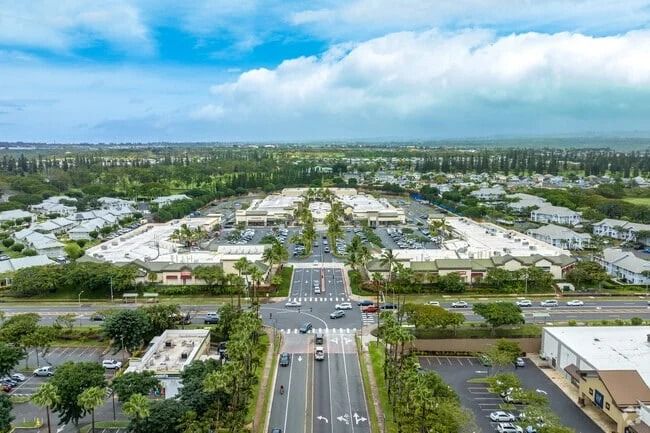
A lived-in Central Oʻahu belt for errands, local meals, and easy highway connections.
Signature Experiences in Wahiawā
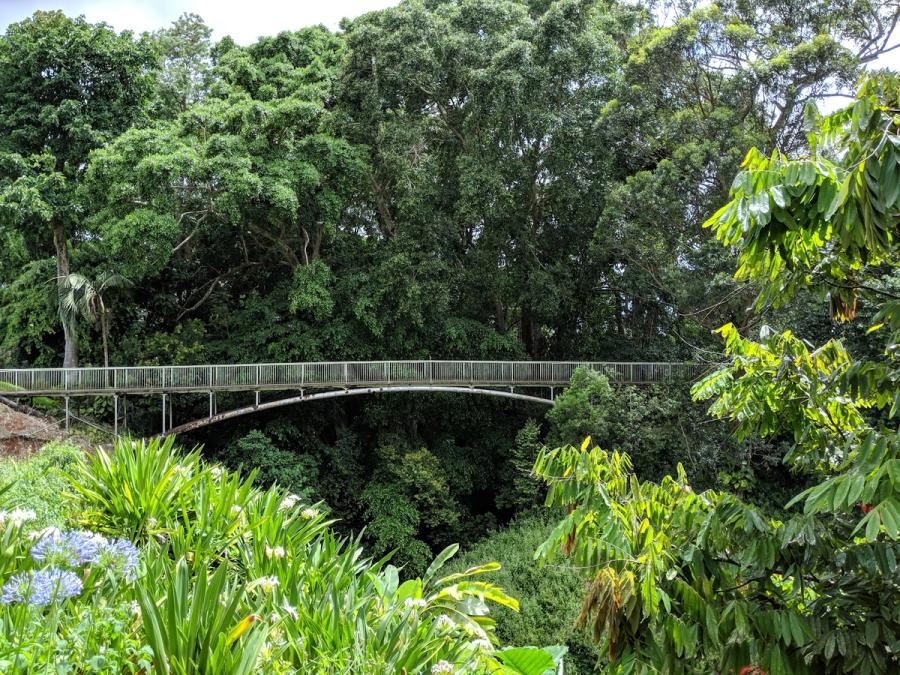
The feel: inland Oʻahu, working town, gateway roads
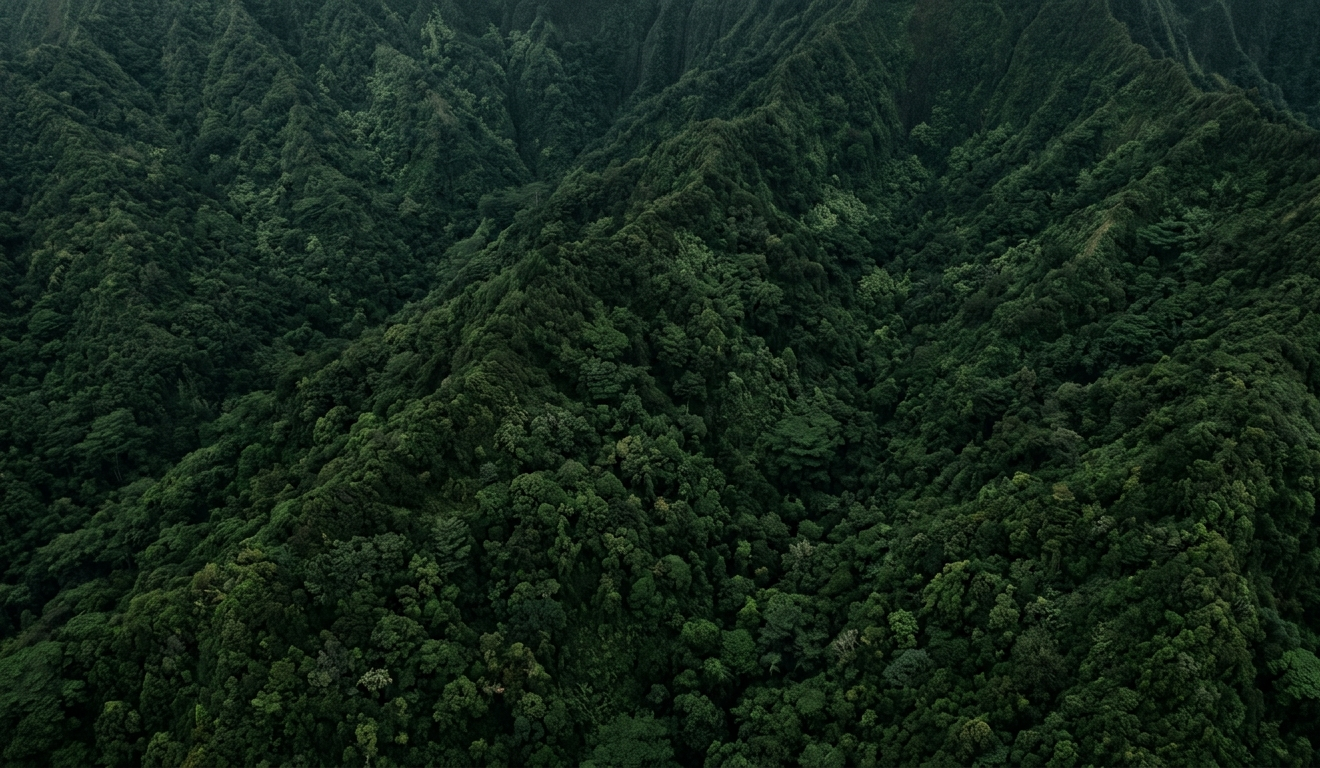
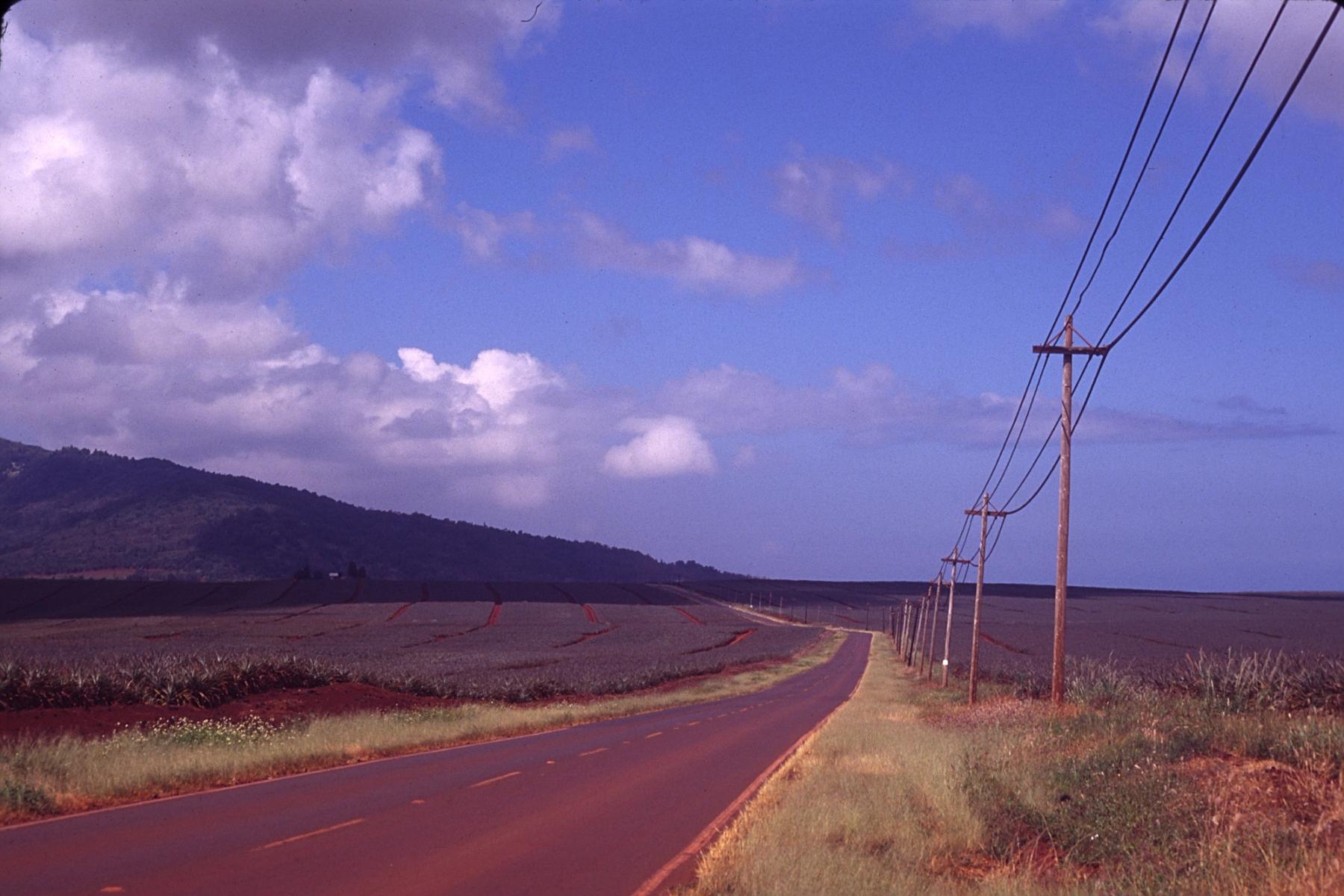
Wahiawā sits on the central plain where the island’s main routes start to feel more like “going somewhere” than lingering—an inland town framed by broad skies, agricultural patches, and the green walls of the Koʻolau and Waiʻanae ranges in the distance. It’s not coastal Oʻahu: no salt air, no boardwalk energy, and far fewer obvious visitor cues. What you do notice is movement—commuters, delivery trucks, and travelers cutting through on the way to the North Shore—and the steady influence of nearby military facilities, which shape the surrounding road network and daily rhythms.
What brings travelers here
For many visitors, Wahiawā is a time-boxed stop: a break in a longer drive, a quick errand town, or a familiar landmark on the way to surf beaches and food trucks farther north. The area’s best-known visitor anchor is the Dole Plantation, which draws tour buses and families looking for a short, easy-to-navigate outing in the island’s interior. Beyond that, Wahiawā tends to reward the kind of traveler who likes seeing the “in-between” Oʻahu—less curated, more everyday—where you can get a sense of how central Oʻahu functions outside resort corridors.
How to experience it well
Think of Wahiawā as a practical pause rather than a destination neighborhood. A good visit is usually simple: stop, stretch your legs, grab something casual to eat, then keep moving. The scenery is often at its best from the road—open central plain views giving way to forested ridges—and the town itself reads as local and utilitarian rather than picturesque.
Real-world tradeoffs
Wahiawā is car-oriented, with short distances that still don’t always feel pleasant on foot. Because it’s a crossroads, traffic can stack up around commute times and on popular travel days. And if your mental picture of Hawaiʻi is beaches and sunset promenades, this inland setting may feel like a detour.
Overnight stays here are usually chosen for specific reasons—central positioning, visiting friends/family, or obligations tied to the area—rather than for classic vacation atmosphere.

Can't decide where to stay? Get personalized advice.
Custom recommendations built from the web's most comprehensive Kauai guide.