
Mililani
A breezy Central Oʻahu suburb cluster—useful for errands, not sightseeing.
Good Fit For
- Cross-island drivers
- Practical food stops
- Visiting friends or family
- Groceries and services
- Low-key local feel
Trade-offs
- No beach access
- Car-dependent layout
- Limited visitor nightlife
- Traffic at rush hours
Logistics & Getting Around
Mililani sits on the central plateau along main H-2/H-1 connecting routes. It’s easiest with a car and most visits are brief, combined with drives to the North Shore, Wahiawā, or the Pearl Harbor–ʻAiea corridor.
Nearby Areas in Central Oʻahu
Pearl City
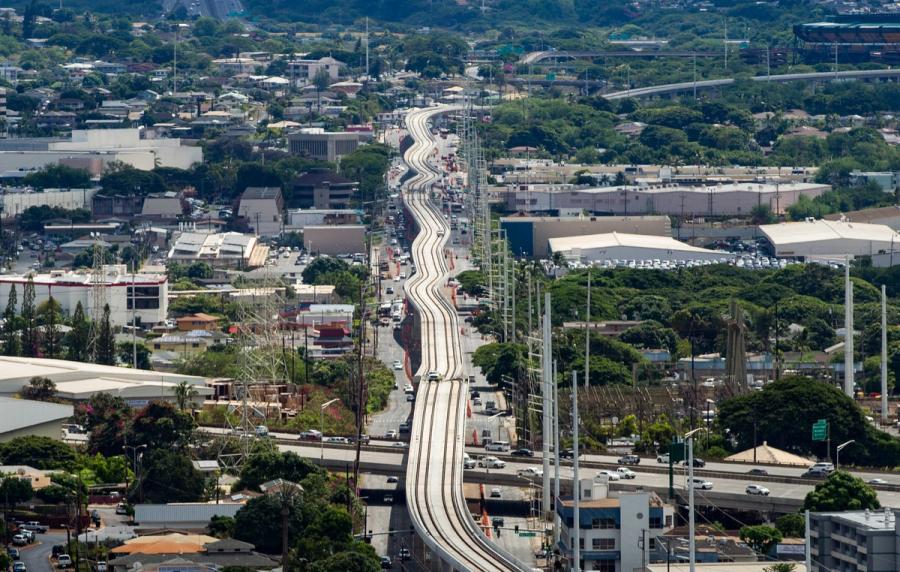
A car-first suburban corridor along Pearl Harbor’s West Loch, built for everyday Oʻahu.
Pearl Harbor & ʻAiea
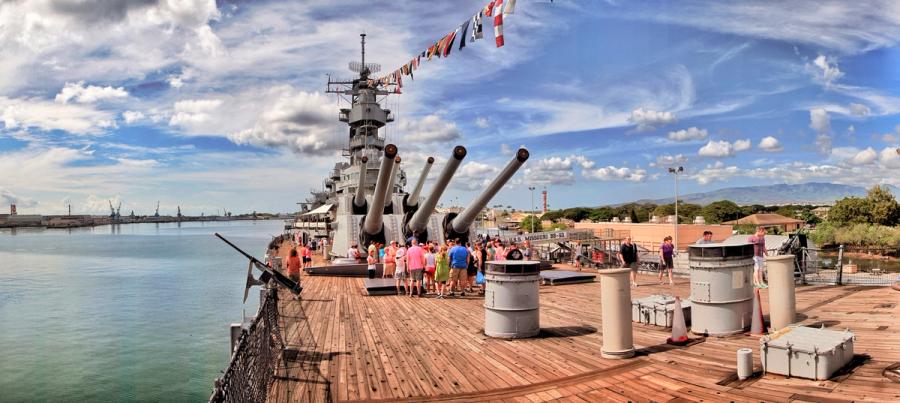
A purposeful harbor-and-highway corridor anchored by Pearl Harbor’s historic waterfront.
Wahiawā
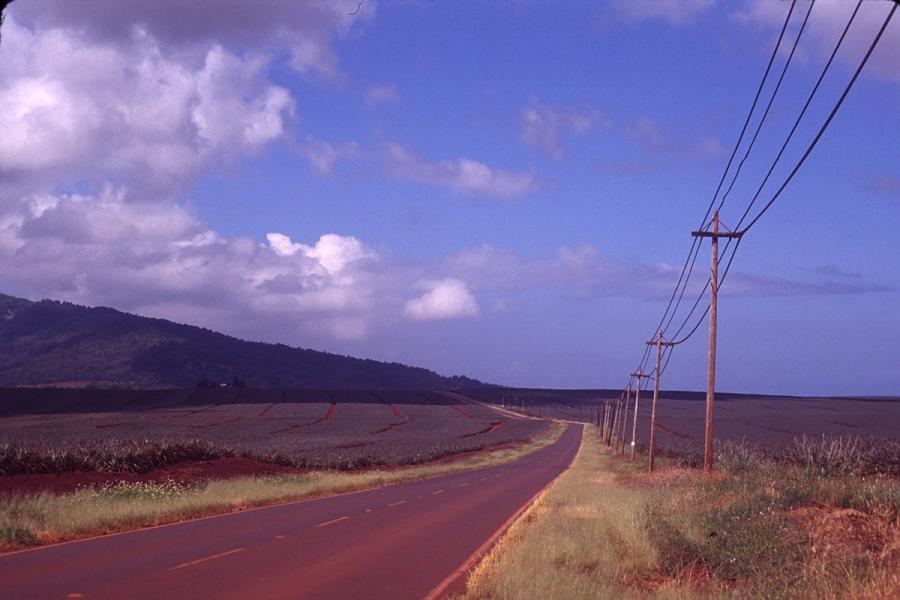
An inland Central Oʻahu town-corridor where most visitors stop, not settle.
Waipahu & Kunia
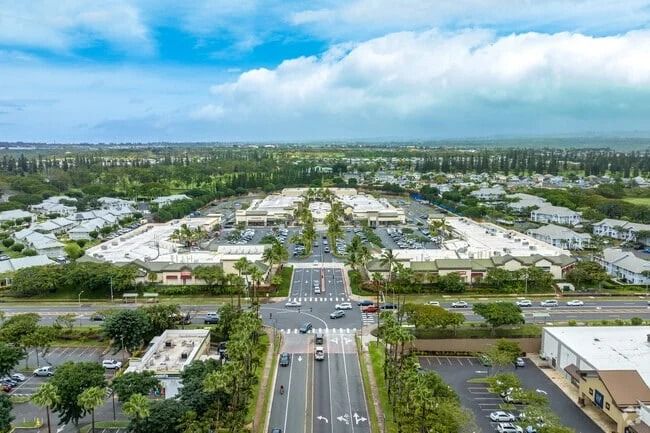
A lived-in Central Oʻahu belt for errands, local meals, and easy highway connections.
An inland Oʻahu that feels like everyday life
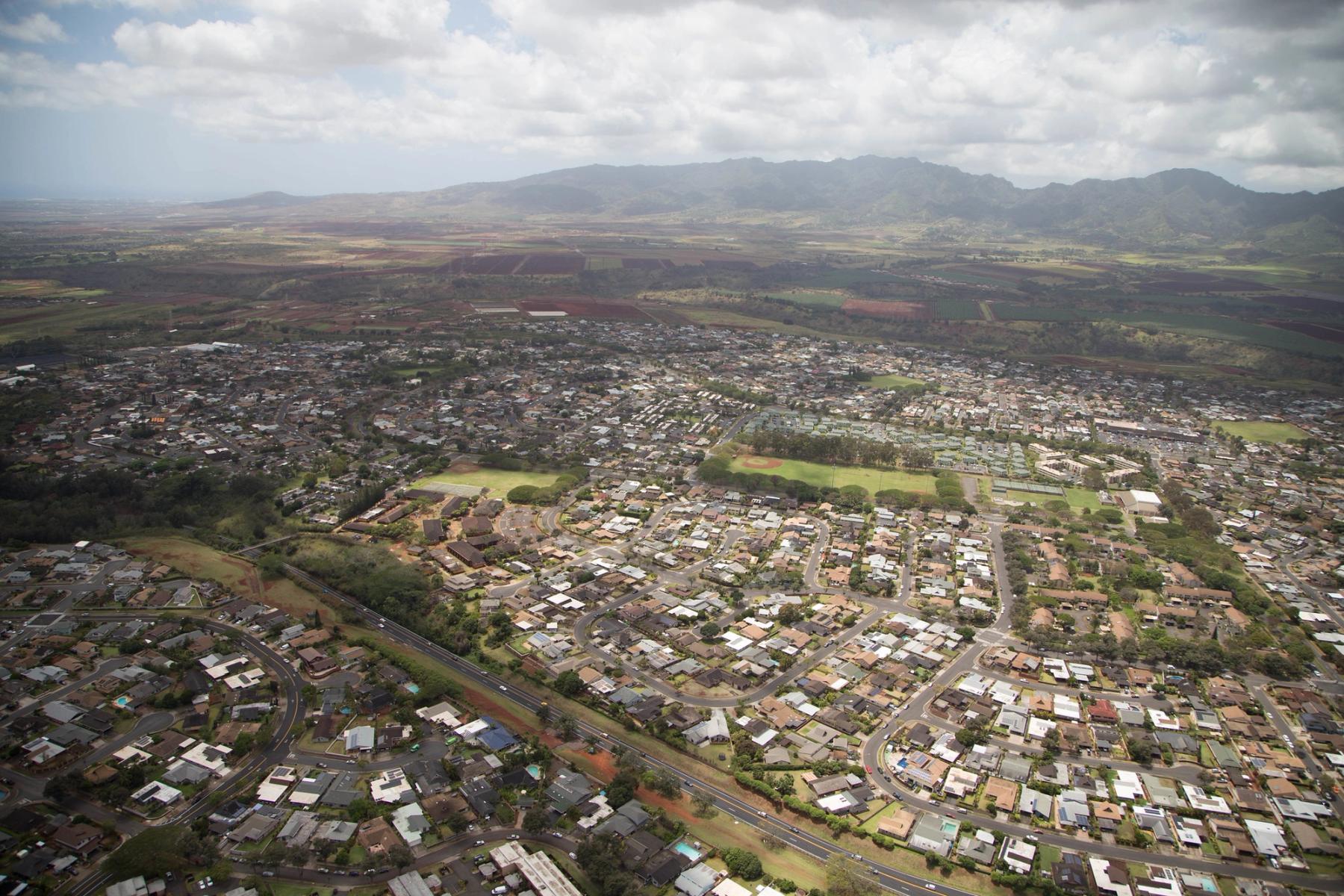
Mililani isn’t a beach town, a historic district, or a “must-see” stop—it’s a comfortable, planned suburban cluster on Oʻahu’s central plateau. The name usually means more than one neighborhood: Mililani Town and Mililani Mauka, plus nearby pockets like Launani Valley and the Waipiʻo area. For visitors, that distinction matters because the experience is less about a single main street and more about a spread-out set of shopping centers, parks, schools, and residential lanes.
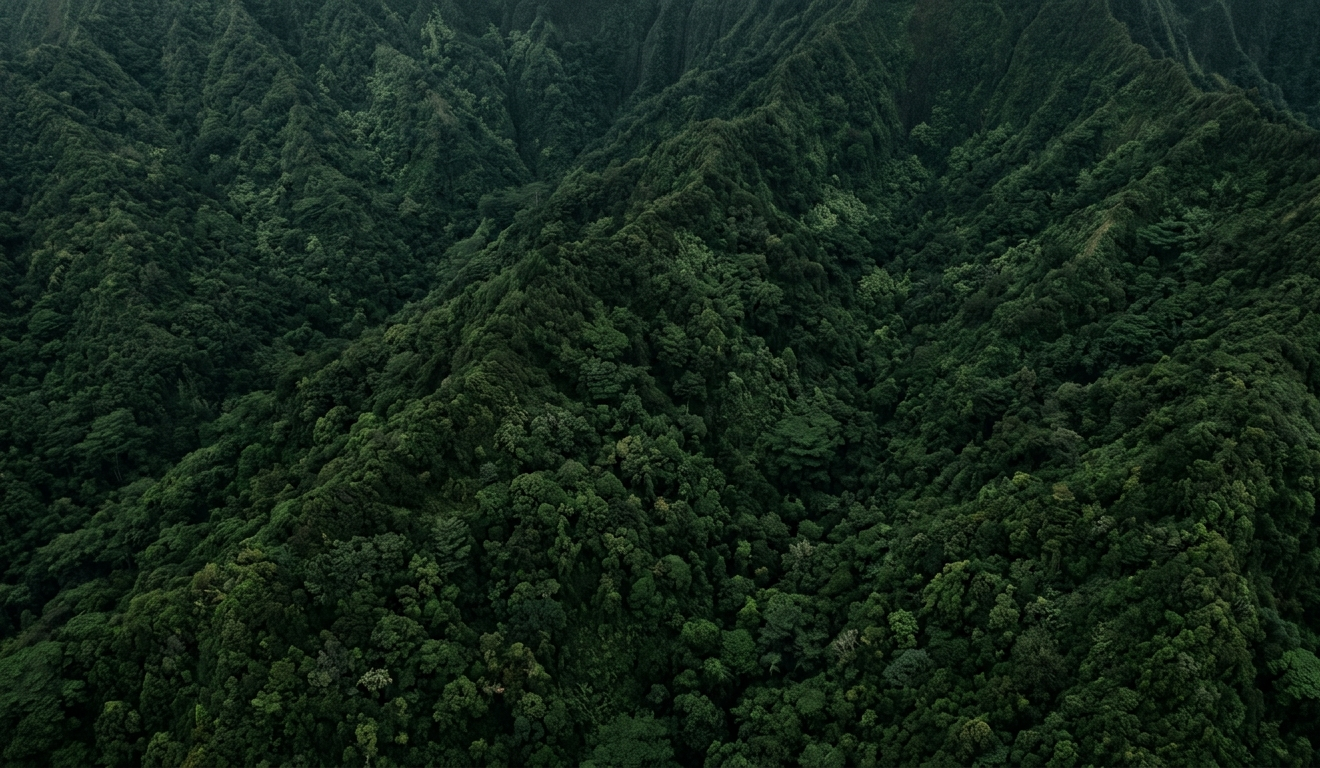
The vibe is notably different from the shoreline: cooler evenings than Honolulu, lots of greenery in the background, and a calm, local rhythm. You’ll see commuters, families running errands, and people grabbing casual meals after work. If you’re looking for iconic Hawaiʻi scenery on foot, this isn’t it; if you want to understand how many Oʻahu residents actually live day to day, it’s a revealing contrast.
How travelers usually use Mililani
Most people encounter Mililani as a waypoint—somewhere to refuel, pick up groceries, meet friends, or take a breather between bigger drives. Its location makes it a natural pause on routes connecting Honolulu and the airport-side corridor to Wahiawā and the North Shore. It’s also a sensible place to handle practical needs without the crowds and parking pressure that can come with more visitor-heavy zones.
Expect a car-oriented pattern: short hops between plazas, big parking lots, and quick in-and-out stops. Side streets can feel pleasantly removed, but they don’t generally lead to visitor landmarks.
What it’s not (and what’s nearby)
Mililani doesn’t offer the classic vacation bundle—beach walks, oceanfront sunsets, resort promenades, or a concentrated dining-and-nightlife scene. If your trip priorities are coastline and culture sites, you’ll spend your “experience time” elsewhere and keep Mililani in the utility category.
From here, the Pearl Harbor/ʻAiea side is the more museum-and-history direction; Wahiawā is the more “gateway to the interior” feel; and the North Shore is where the beach day energy starts to take over. Mililani’s strength is that it sits quietly between them, dependable and easy to use when you need it.
Can't decide where to stay? Get personalized advice.
Custom recommendations built from the web's most comprehensive Kauai guide.