
Wahiawā Botanical Garden
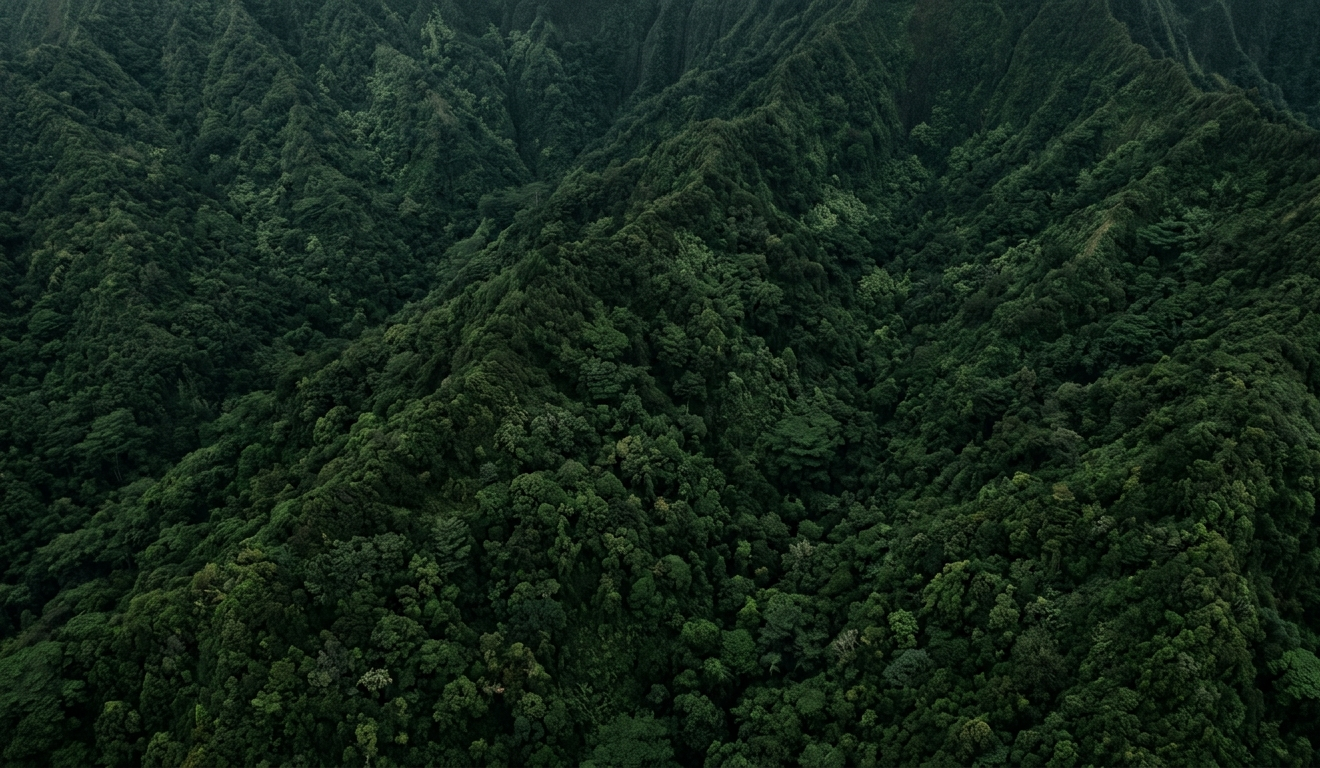
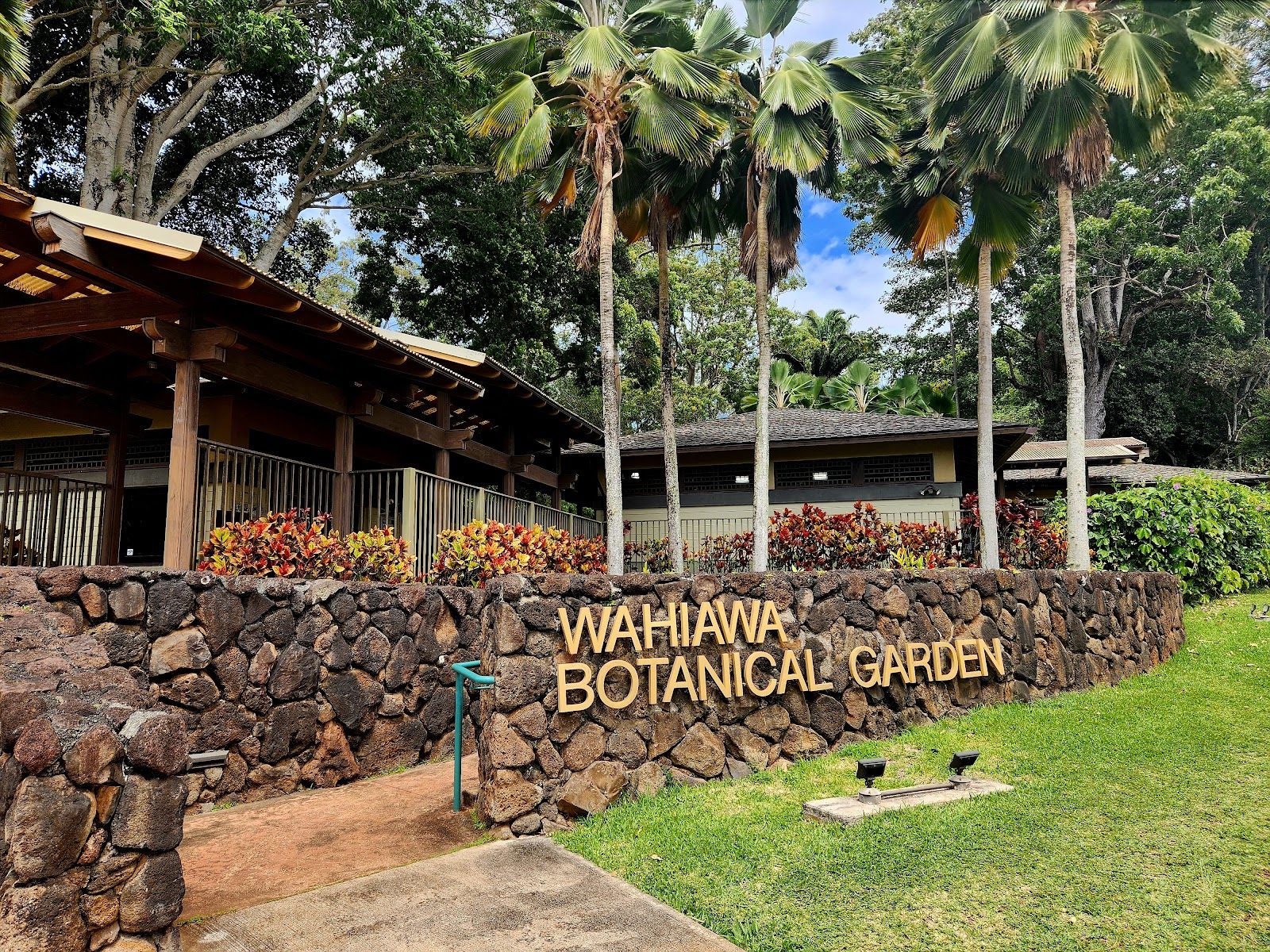
Escape to Wahiawā Botanical Garden, a lush 27-acre rainforest sanctuary in central Oʻahu, offering tranquil walking paths through diverse tropical flora in a cool, humid environment.
- Free admission
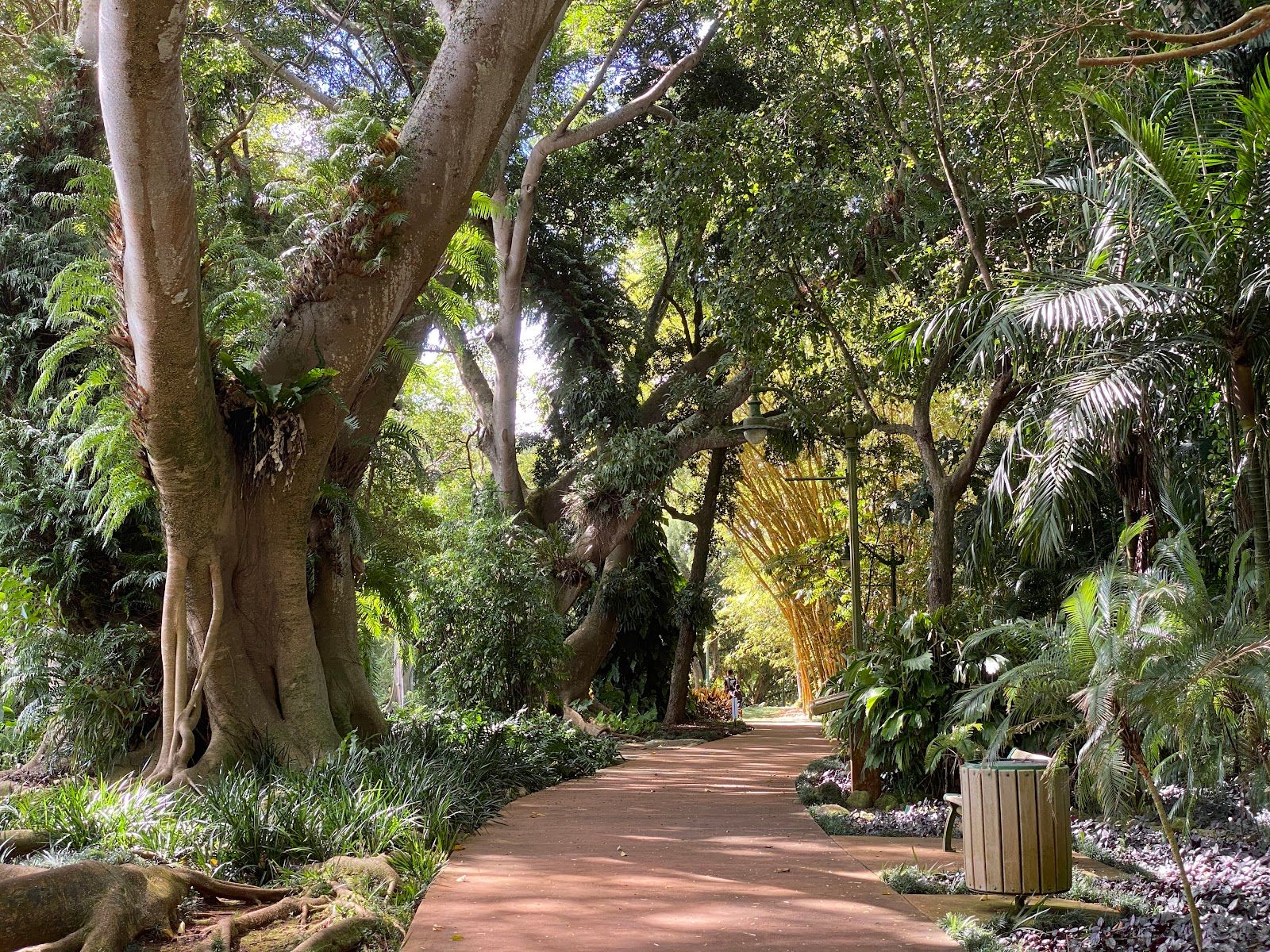
- Meandering walking paths
- Diverse tropical plant collection
- Native Hawaiian plants
Wahiawā Botanical Garden is a compact rainforest garden in central Oʻahu, tucked into the cooler interior between the Waiʻanae and Koʻolau ranges. It works as an easy, low-key stop rather than a major expedition: a shaded walk through dense tropical planting, native species, and old-growth trees in a setting that feels notably different from the island’s beach-and-sun rhythm. For travelers moving through Wahiawā or crossing the island by car, it offers a quiet reset with enough character to justify a purposeful detour.
A rainforest garden with a layered feel
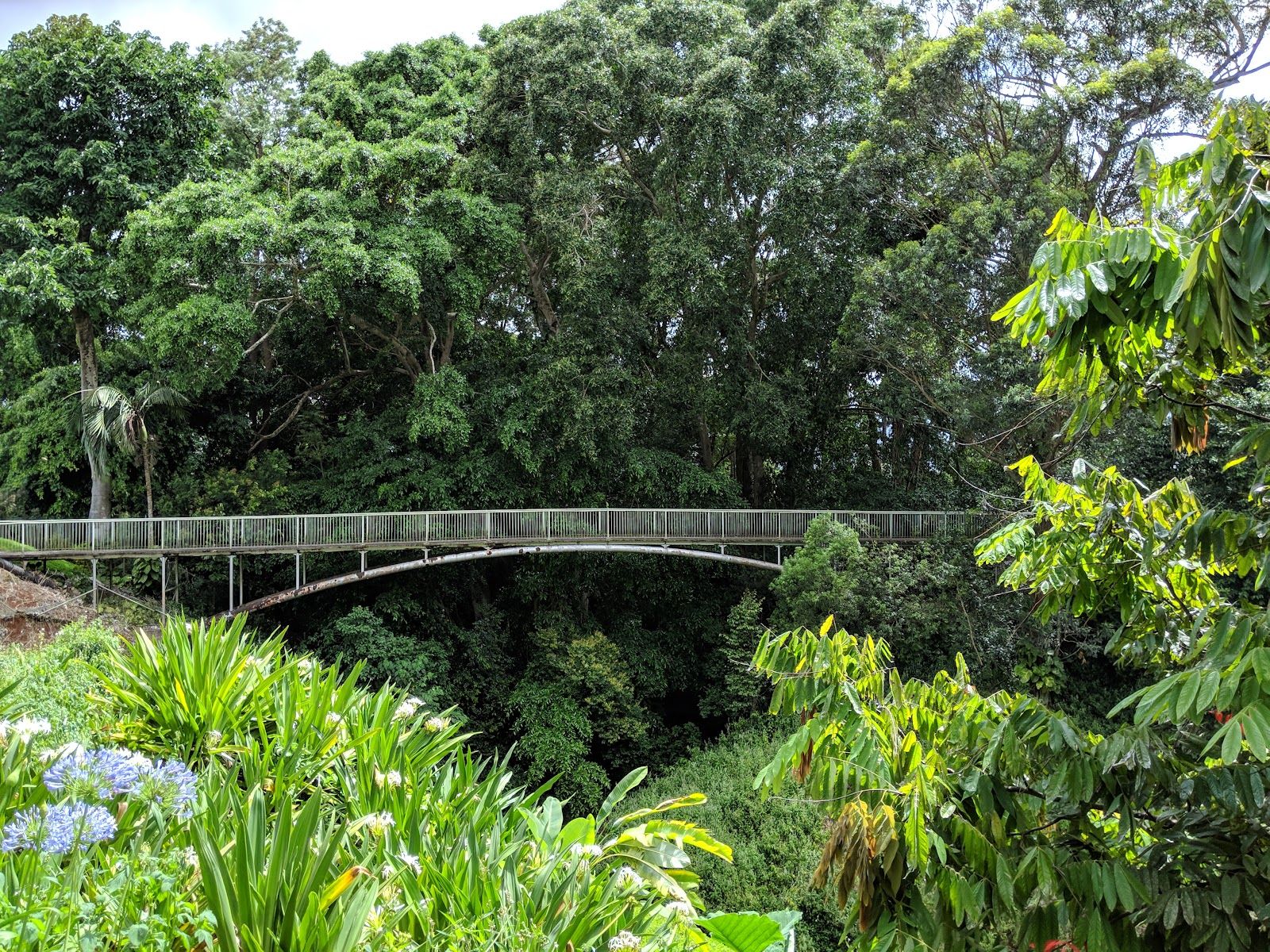
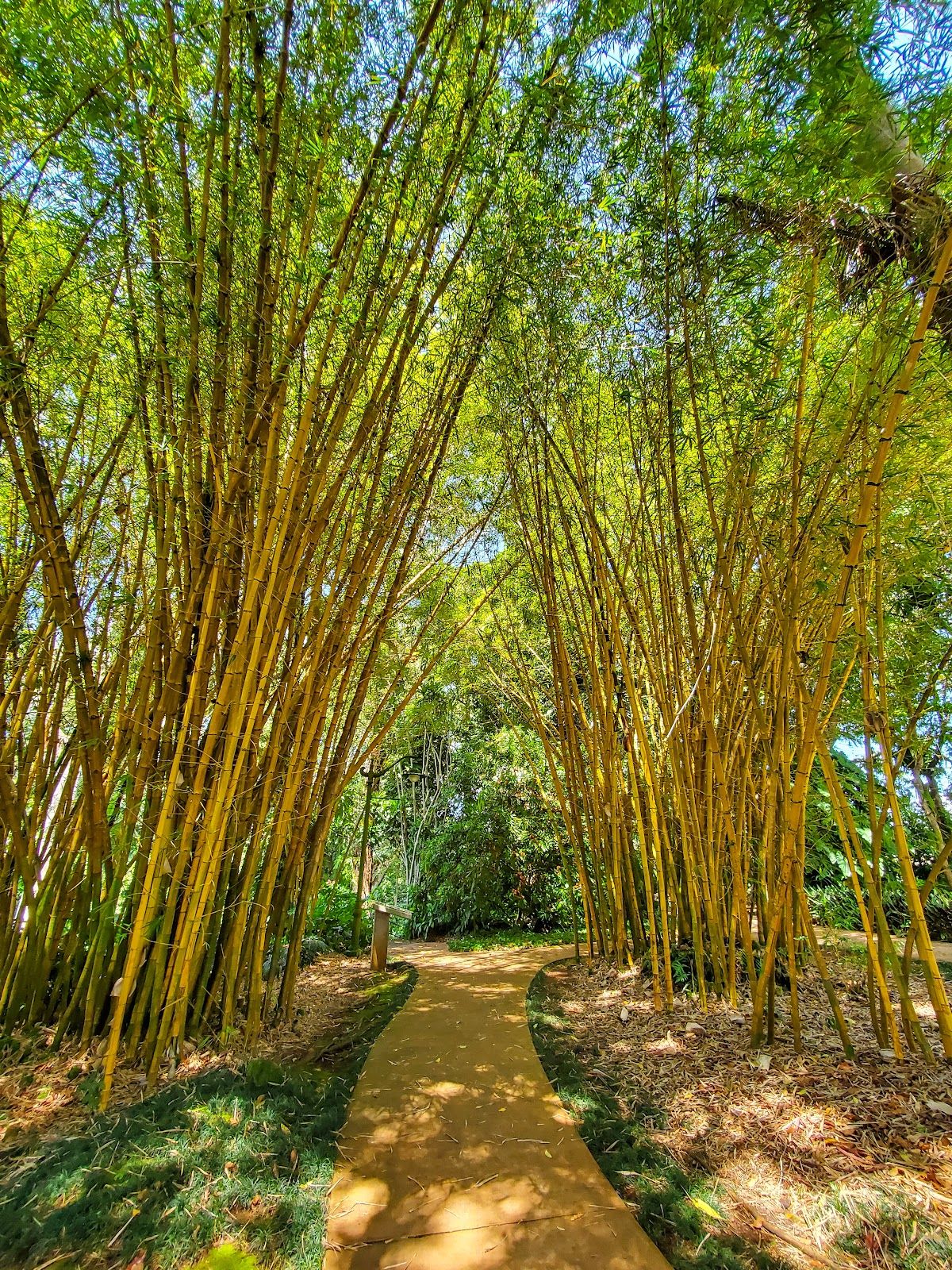
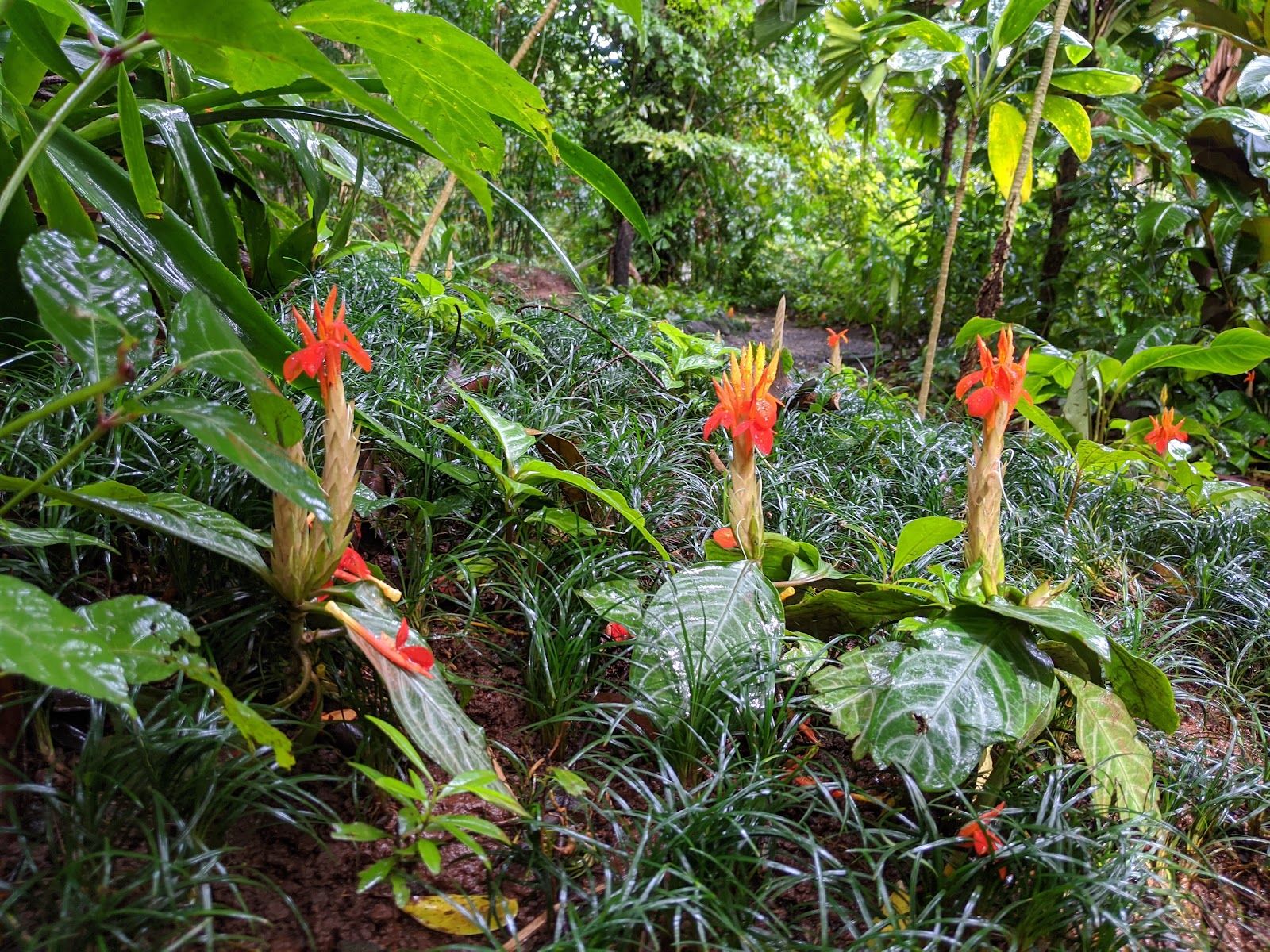
The garden’s appeal comes from contrast. The upper areas are more tended and accessible, with straightforward paths, interpretive signs, and a planted landscape that makes the collection feel legible rather than overwhelming. Farther down, the terrain drops into a more natural ravine where the mood turns wetter, wilder, and more enclosed. That shift is part of the garden’s personality: one moment it reads like a cultivated botanical stop, and the next it feels like a small rainforest walk.
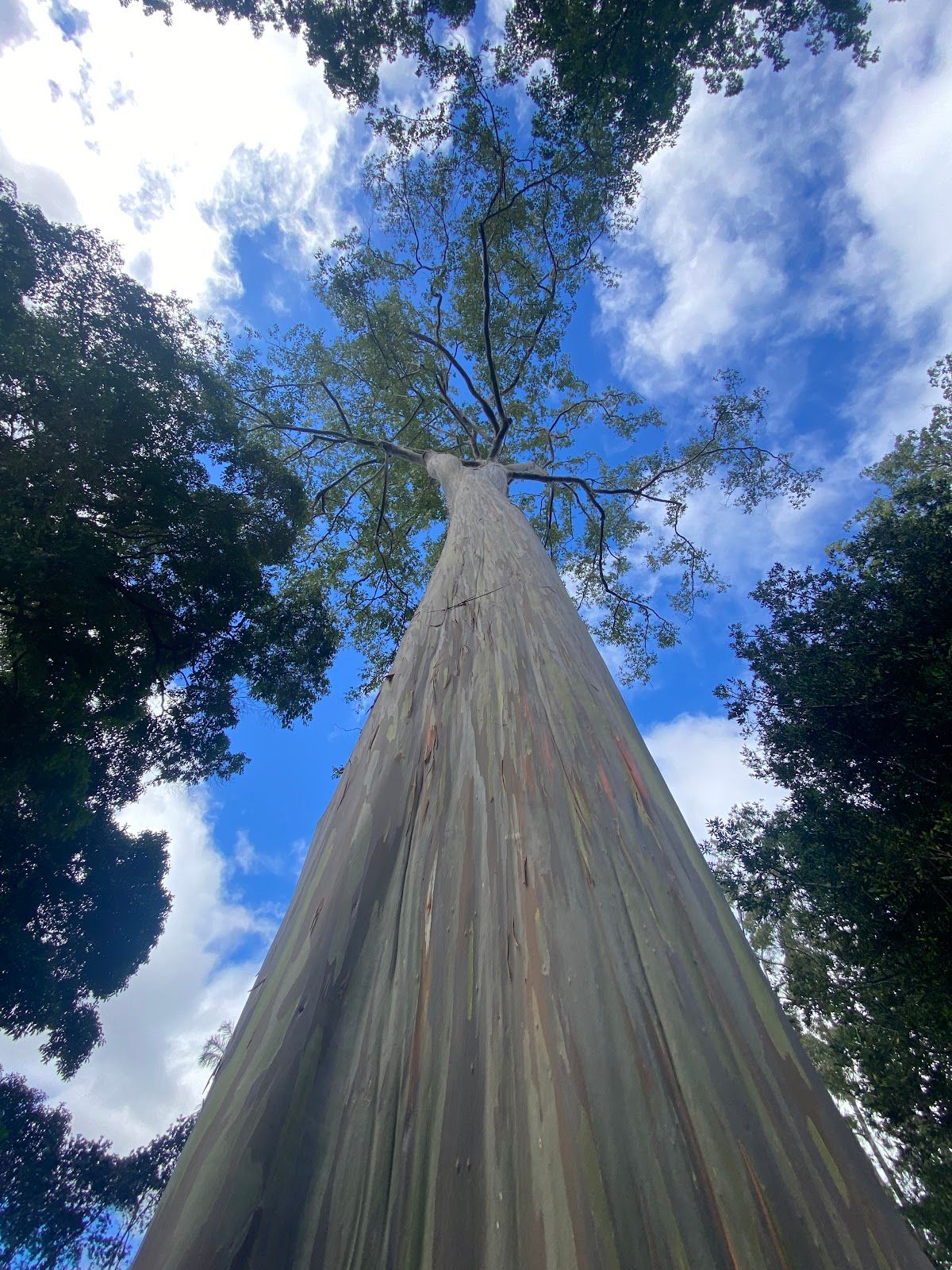
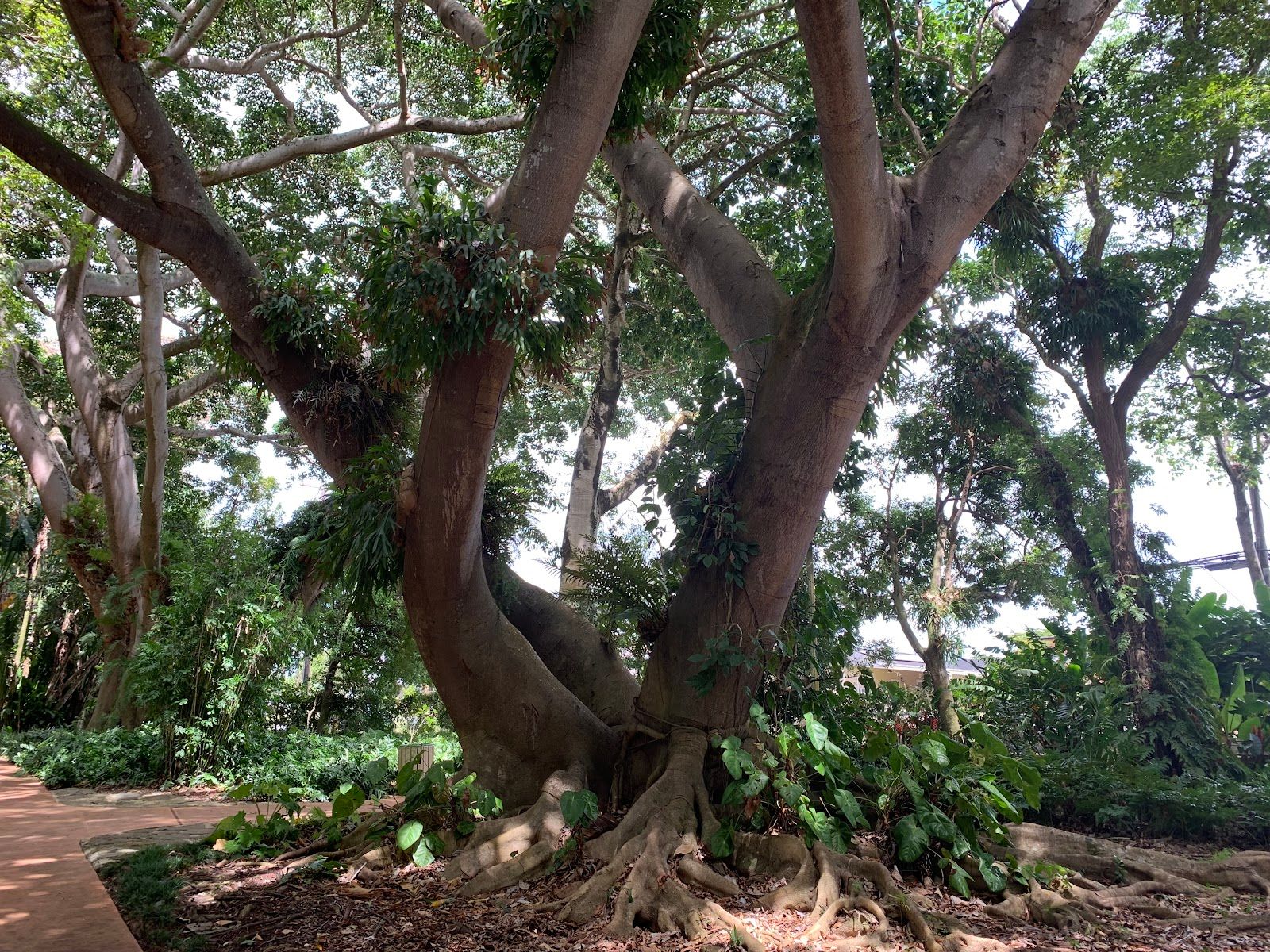
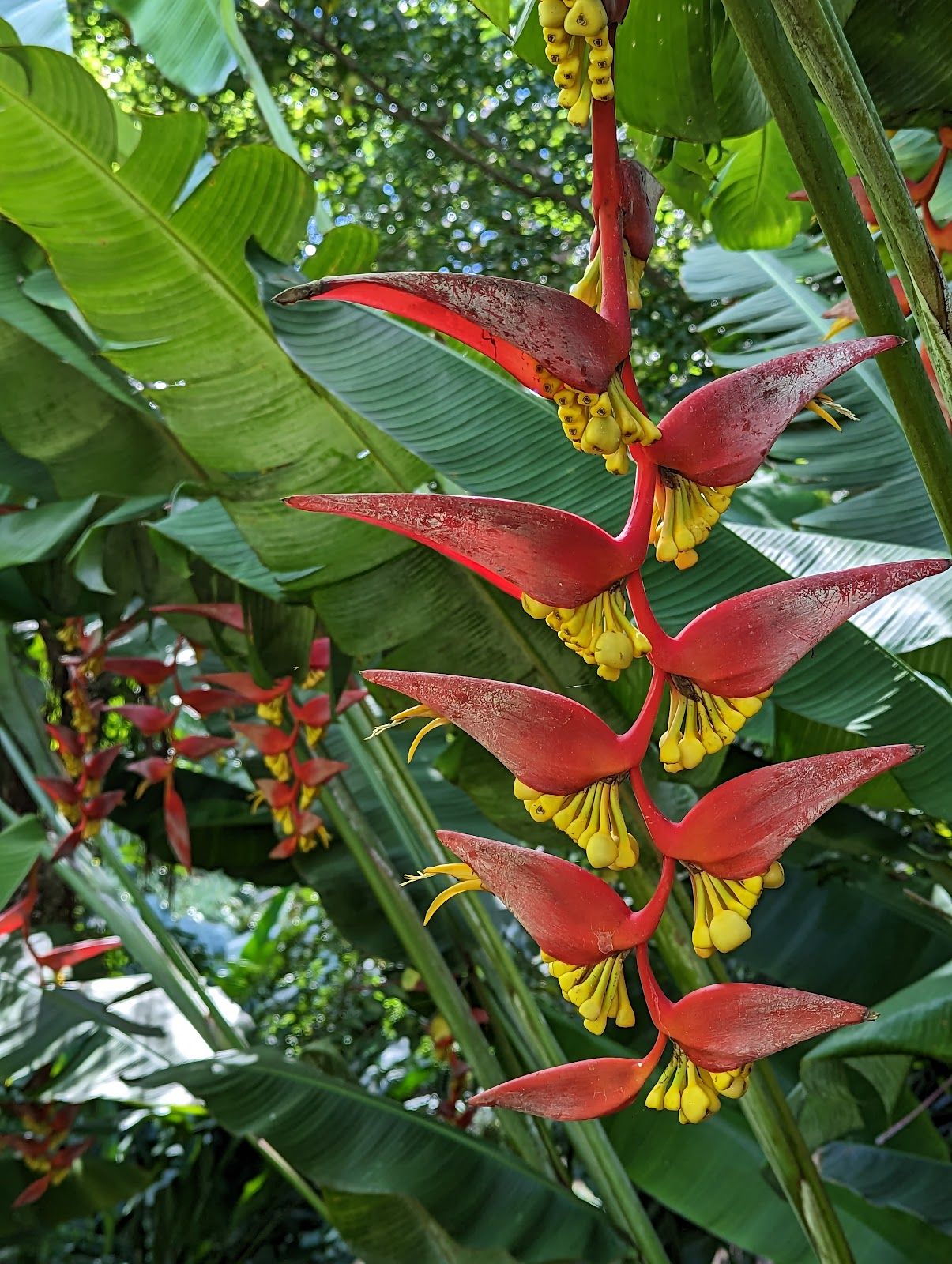
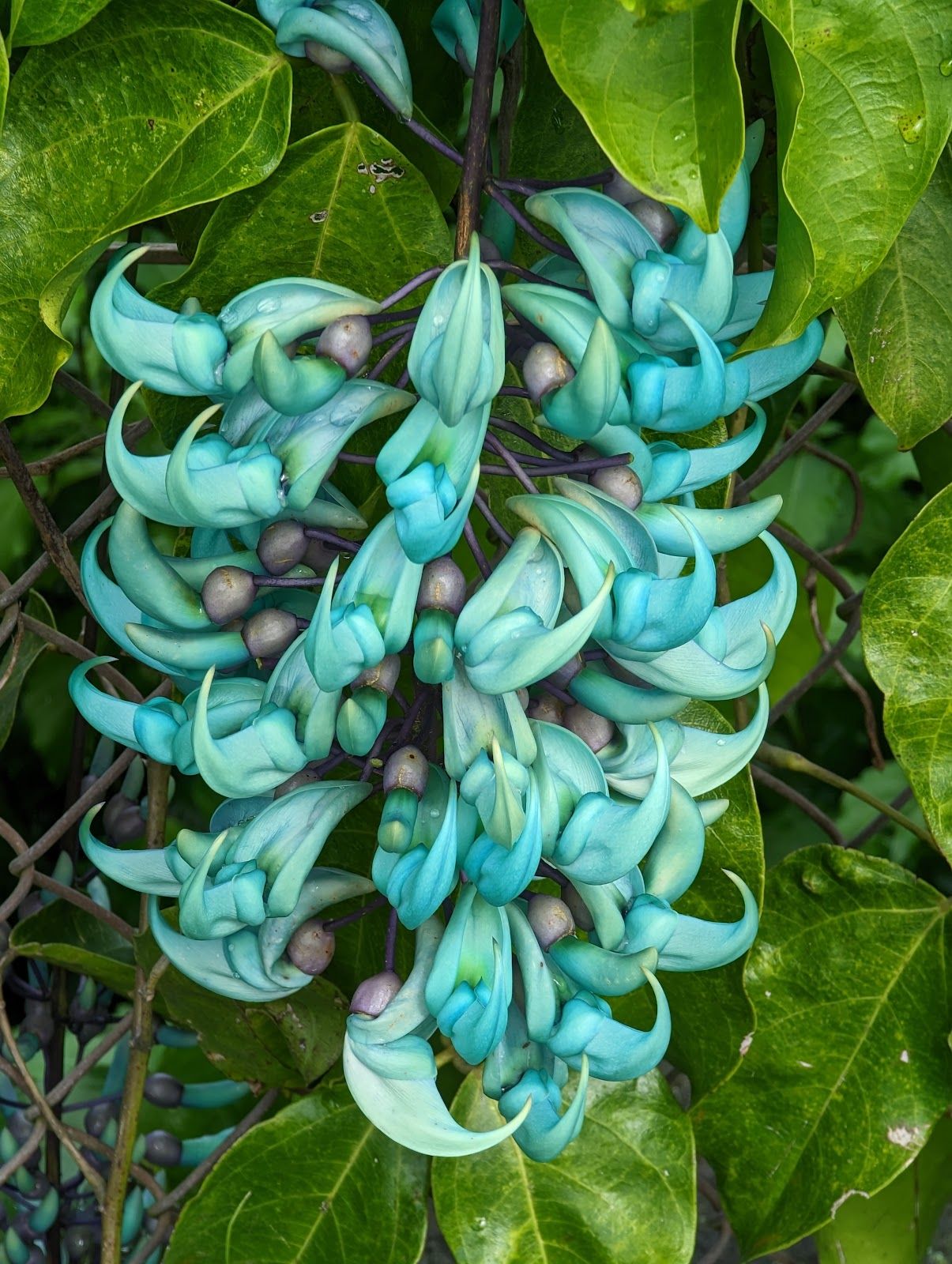
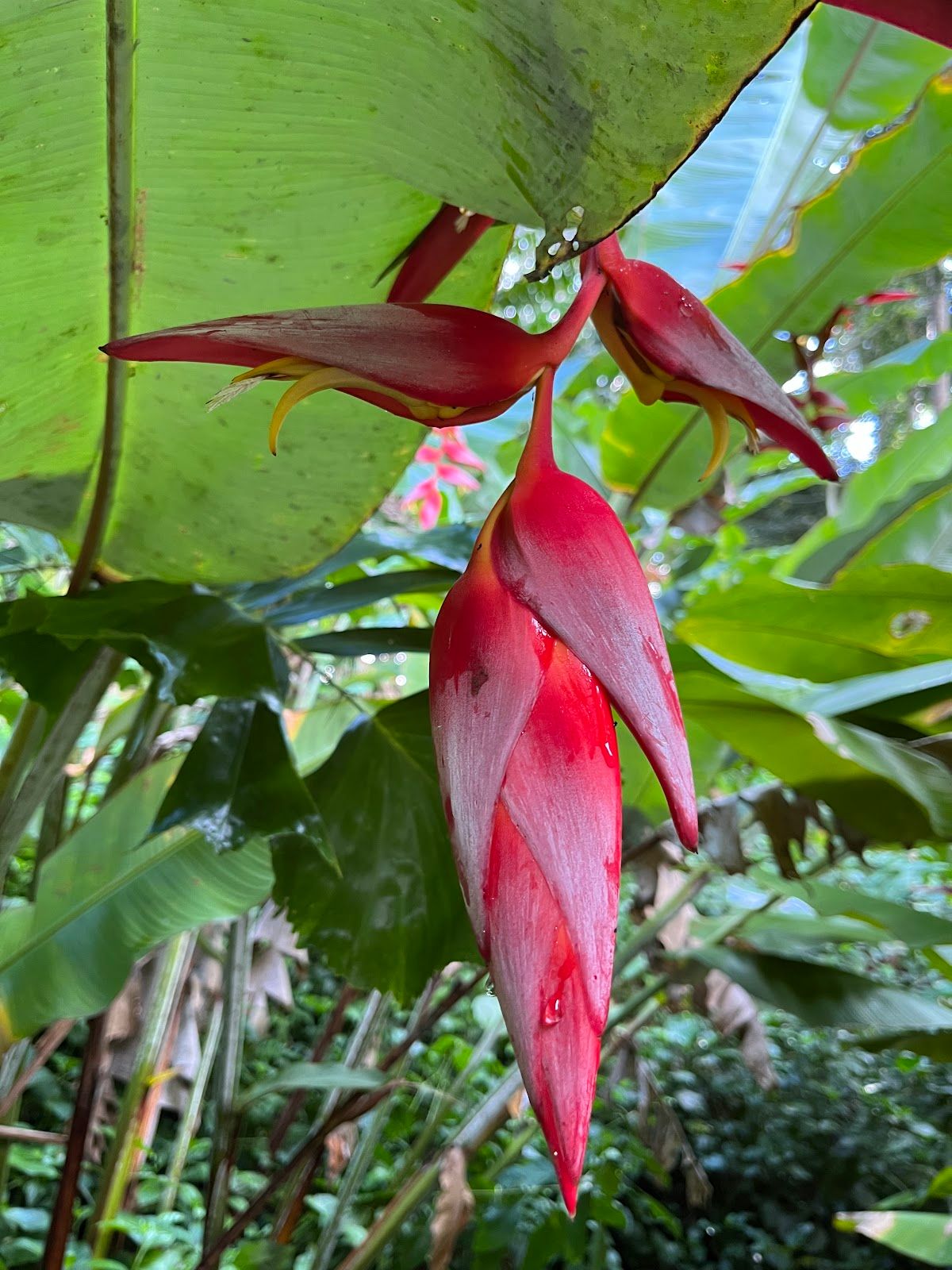
That mix also gives the garden its educational value. The plantings span tropical species from around the world alongside native Hawaiian plants, and the signage adds useful context without turning the visit into a formal museum experience. It is especially rewarding for travelers who like to notice details—leaf texture, canopy layers, orchids, palms, heliconias, and the older trees that reflect the site’s long history of experimental planting.
How to use it in a day on Oʻahu
Wahiawā Botanical Garden fits best as a flexible half-day or an easy one-to-two-hour stop. It is a strong match for days built around Central Oʻahu, a North Shore drive, or a cross-island route where a peaceful break is more appealing than another shopping or dining pause. Because it sits inland, the climate tends to feel cooler and more humid than coastal areas, which is exactly what makes the garden thrive.
That same climate also shapes how the visit feels. This is not the place for sweeping views or dramatic vistas; the payoff is atmosphere, shade, and a calm walking rhythm. Visitors with limited time can still get a satisfying visit from the main paths, while plant enthusiasts and photographers may want more time to linger in the ravine and work through the labeled collection.
Parking is on-site, but the lot is small enough that timing can matter. A weekday morning is the most comfortable bet if the goal is an unhurried stroll. No reservation planning is needed for a standard visit, which makes it one of the easier botanical outings to drop into an itinerary.
Small park, real tradeoffs
The garden is easy-going overall, but it is not uniformly flat or polished. Upper paths are the most accessible, while lower sections can become steeper, rockier, or feel less maintained. Travelers who want a fully manicured garden experience from start to finish may find the wilder lower ravine less predictable. Closed-toe shoes make sense here, especially if planning to explore beyond the main entrance loop.
The tropical setting also comes with the usual moisture-and-insect equation. Mosquitoes can be part of the experience, especially in the lower, shadier areas, and rain is always a possibility in this part of Oʻahu. Those are not reasons to skip the garden, but they are good reasons to keep the visit practical: light layers, repellent, and an attitude that fits a garden built around humidity rather than coastal breezes.
Best for travelers who like quiet, green interludes
This is a particularly good stop for families, casual walkers, and anyone who enjoys plants, shade, and slower sightseeing. It also suits travelers who appreciate places with a strong sense of place: Wahiawā Botanical Garden is not just another ornamental garden, but a Central Oʻahu rainforest pocket shaped by elevation, rainfall, and the island’s agricultural past.
It is less compelling for visitors chasing strenuous hiking, wide open views, or a highly structured attraction with lots of amenities. But for a calm, free, and genuinely lush interlude, it stands out as one of the more distinctive garden stops on Oʻahu.