
Hawaii's Plantation Village
Hawaii's Plantation Village offers a unique outdoor living history experience, delving into the diverse cultural heritage and daily life of sugar plantation communities on Oʻahu from the 1850s to the 1950s.
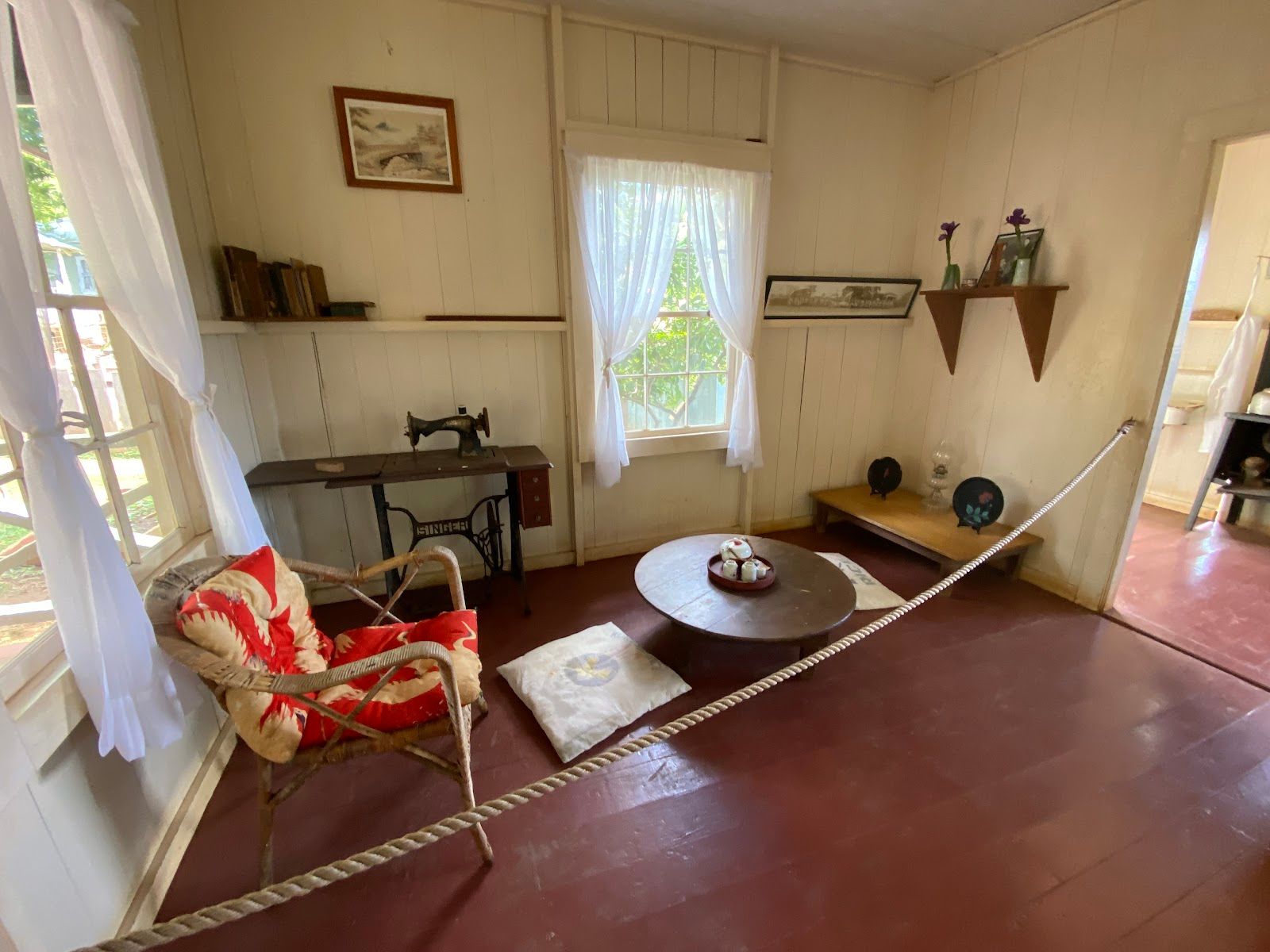
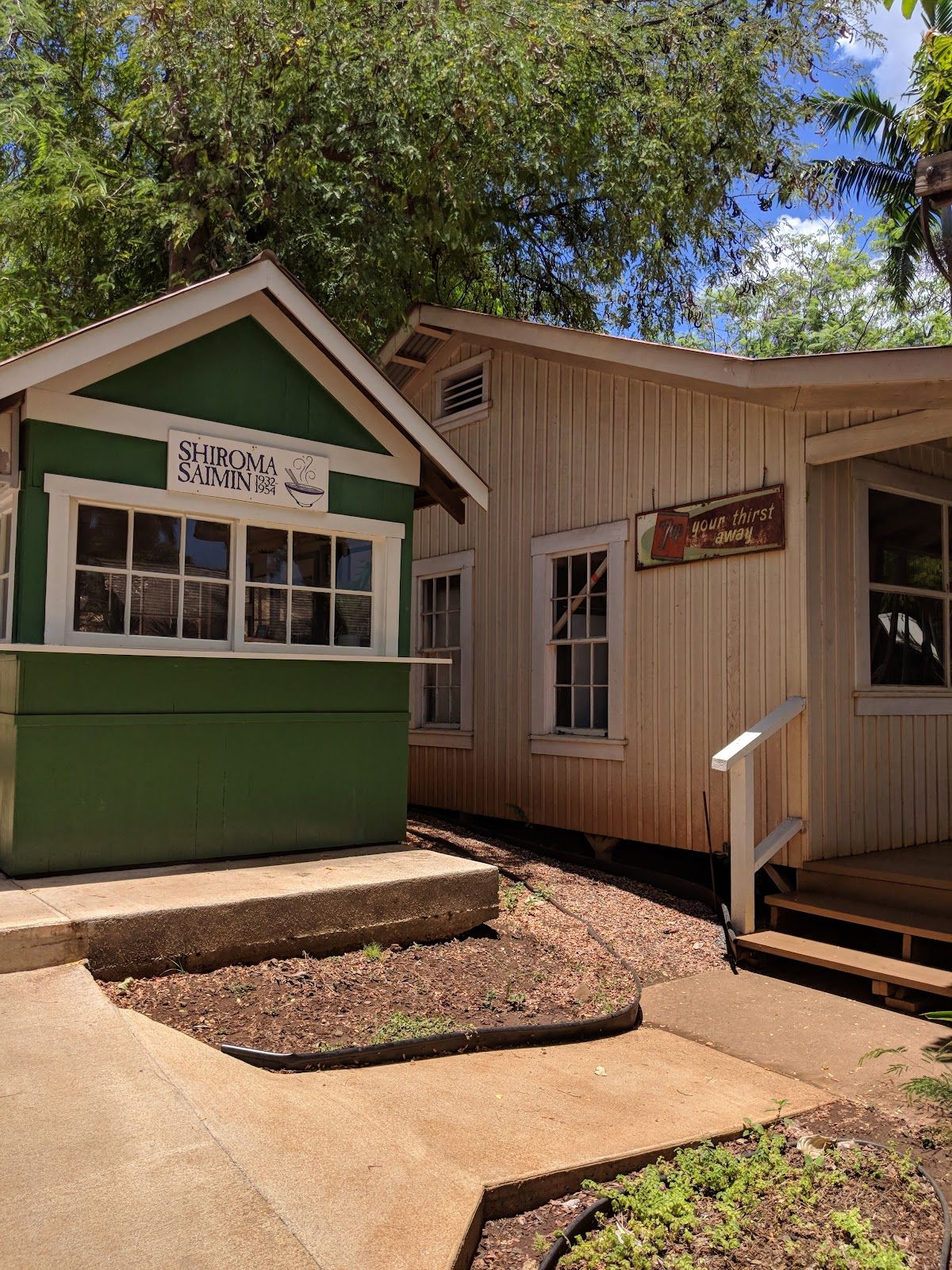
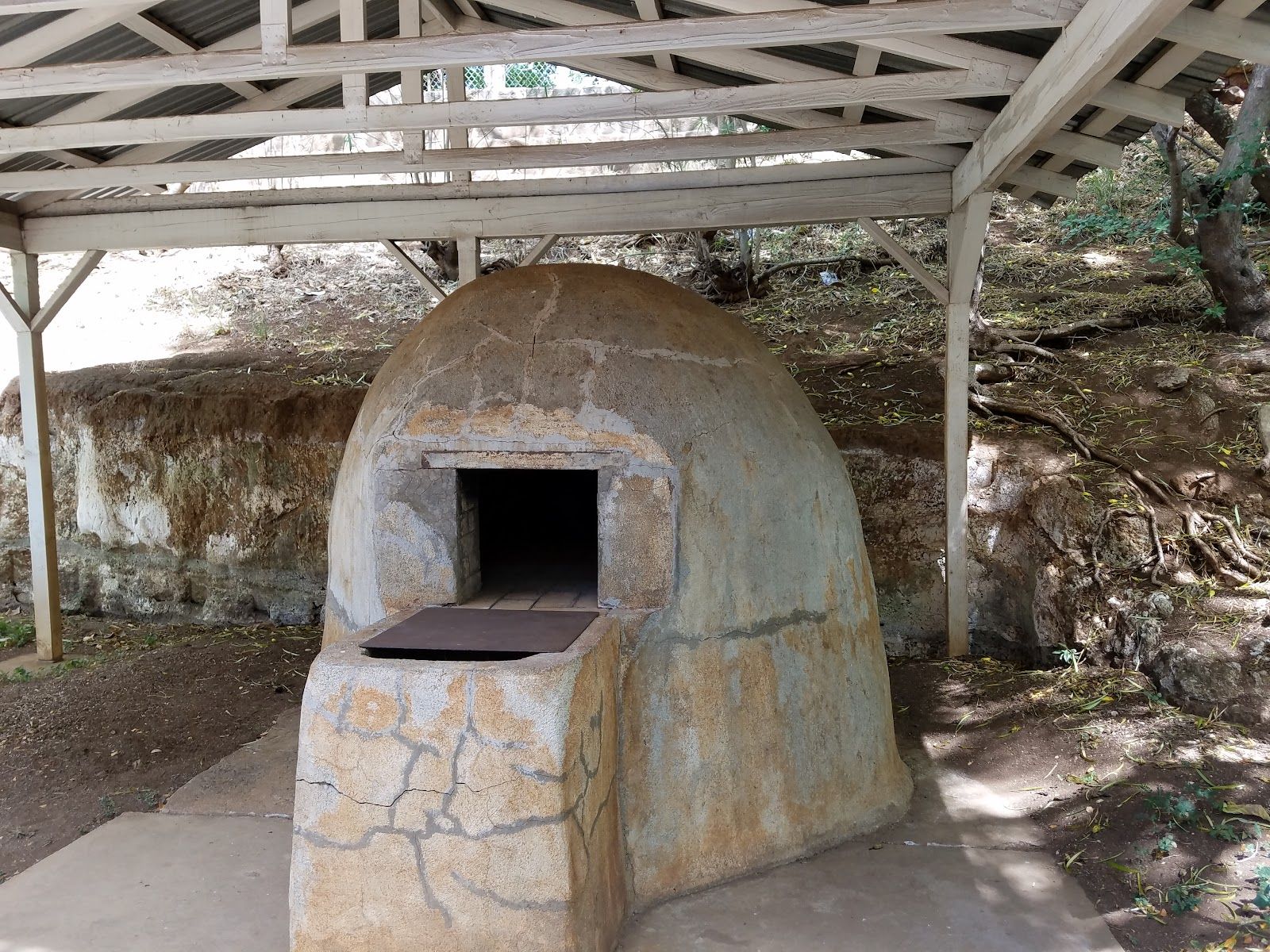
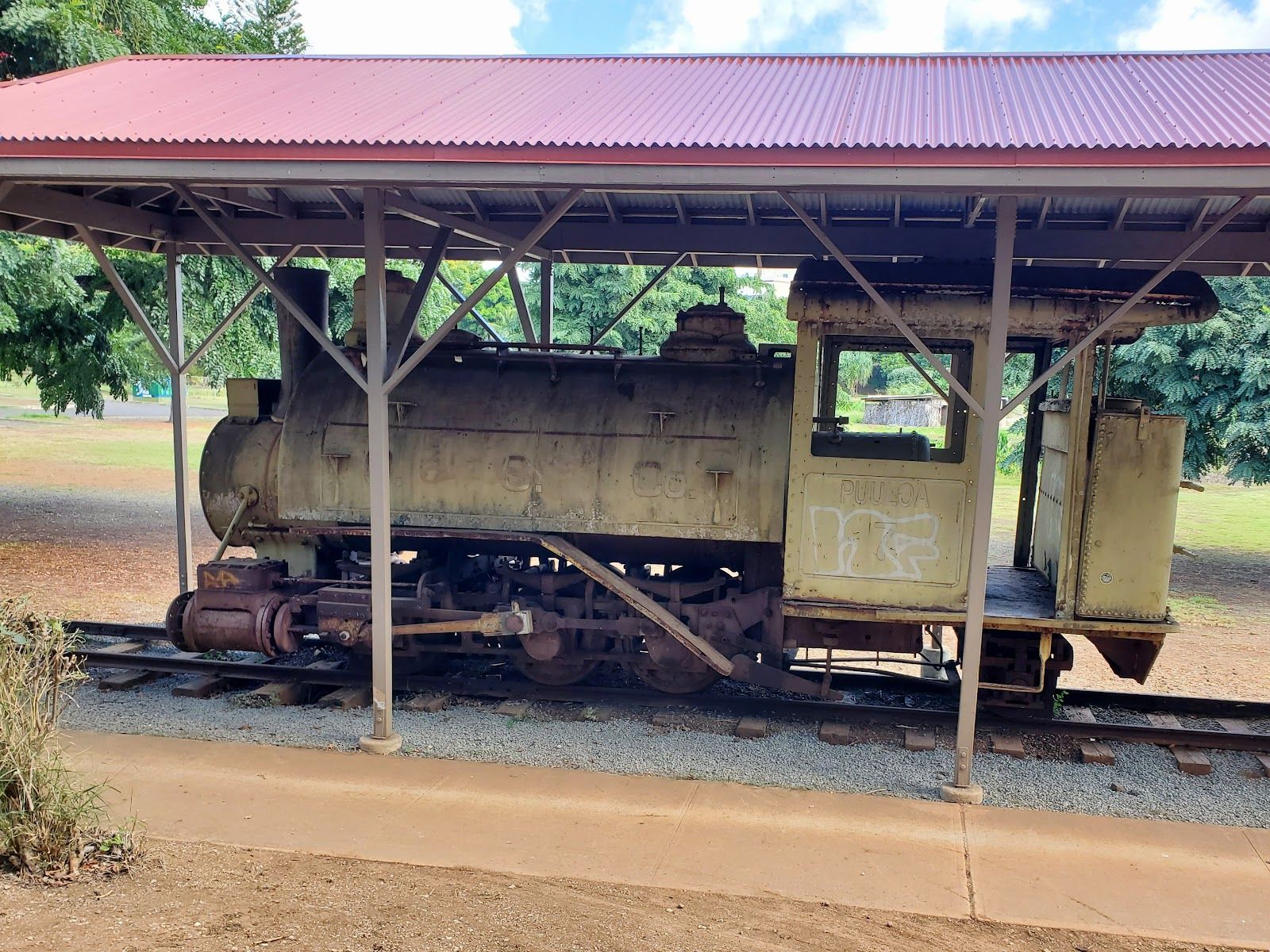
- Outdoor living history museum
- Guided tours of restored buildings
- Showcases diverse plantation cultures
- Botanical garden with immigrant plants
Hawaii's Plantation Village is a strong Central Oʻahu cultural stop: an outdoor living-history museum in Waipahu that interprets the sugar plantation era through restored buildings, household artifacts, gardens, and guided storytelling. It fits neatly into a day that already includes a drive through central Oʻahu, a meal in town, or other heritage stops nearby, and it stands out because it connects the island’s plantation landscape to the many communities that shaped it.
A walk through plantation-era Waipahu
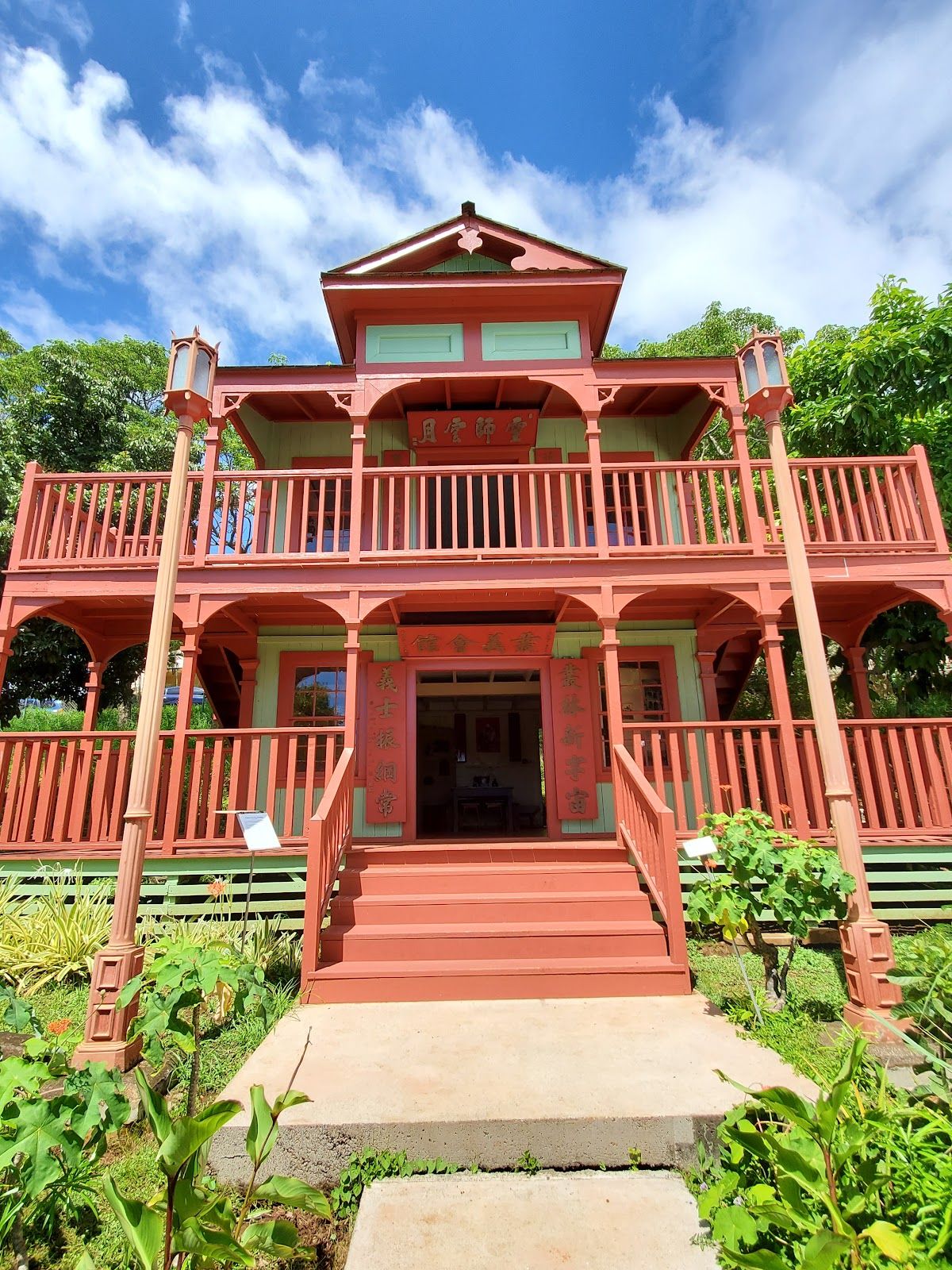
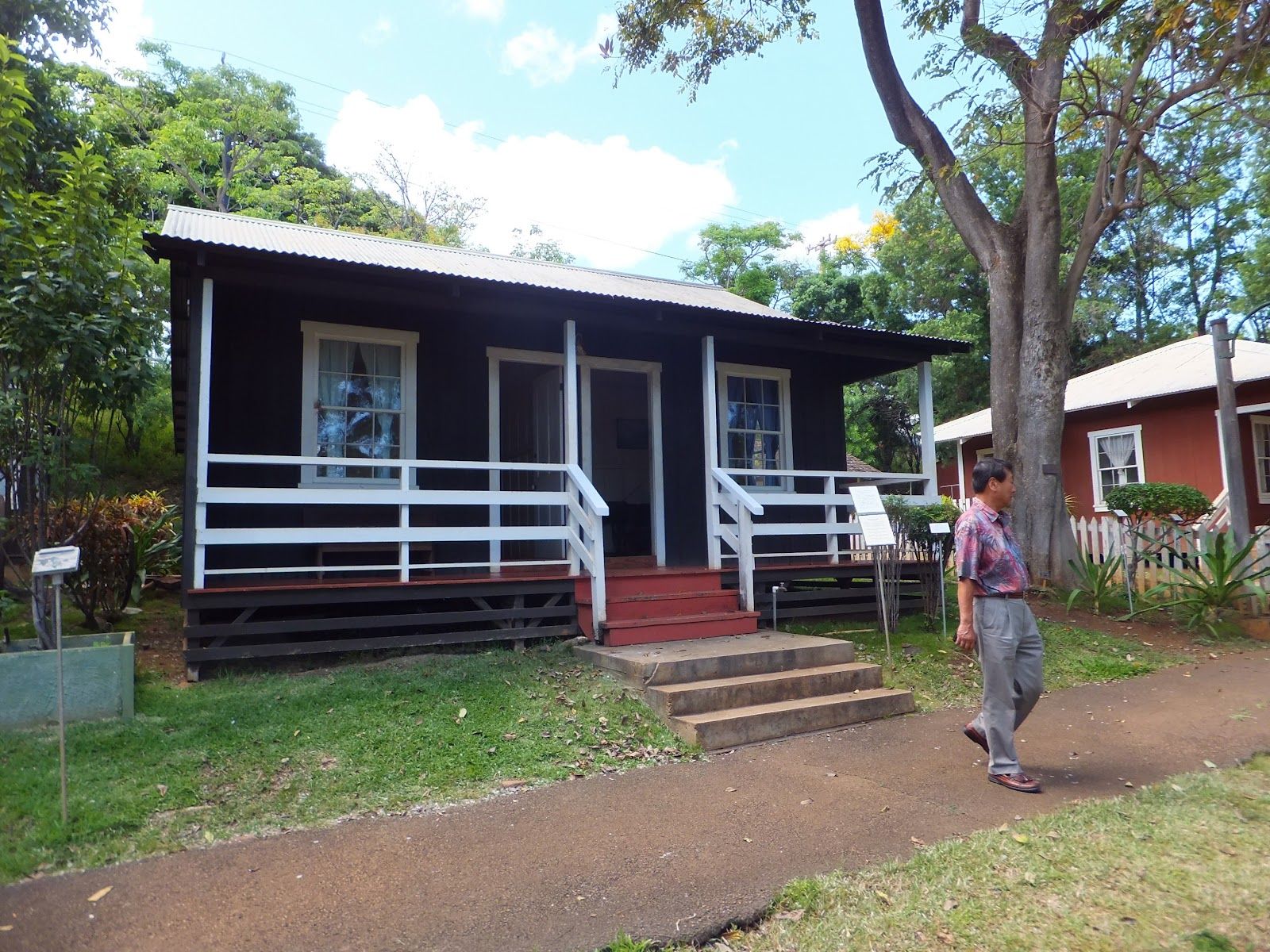
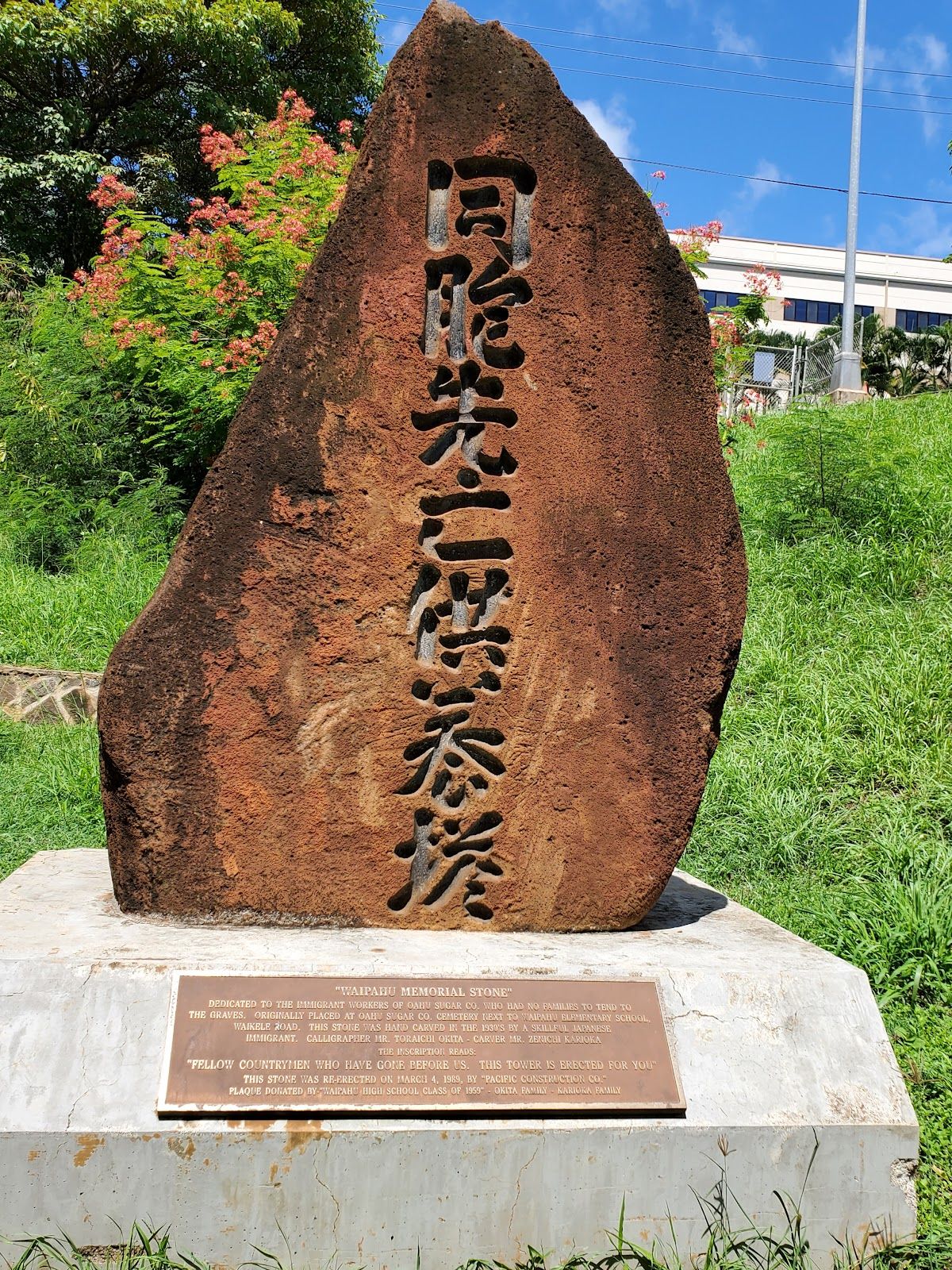
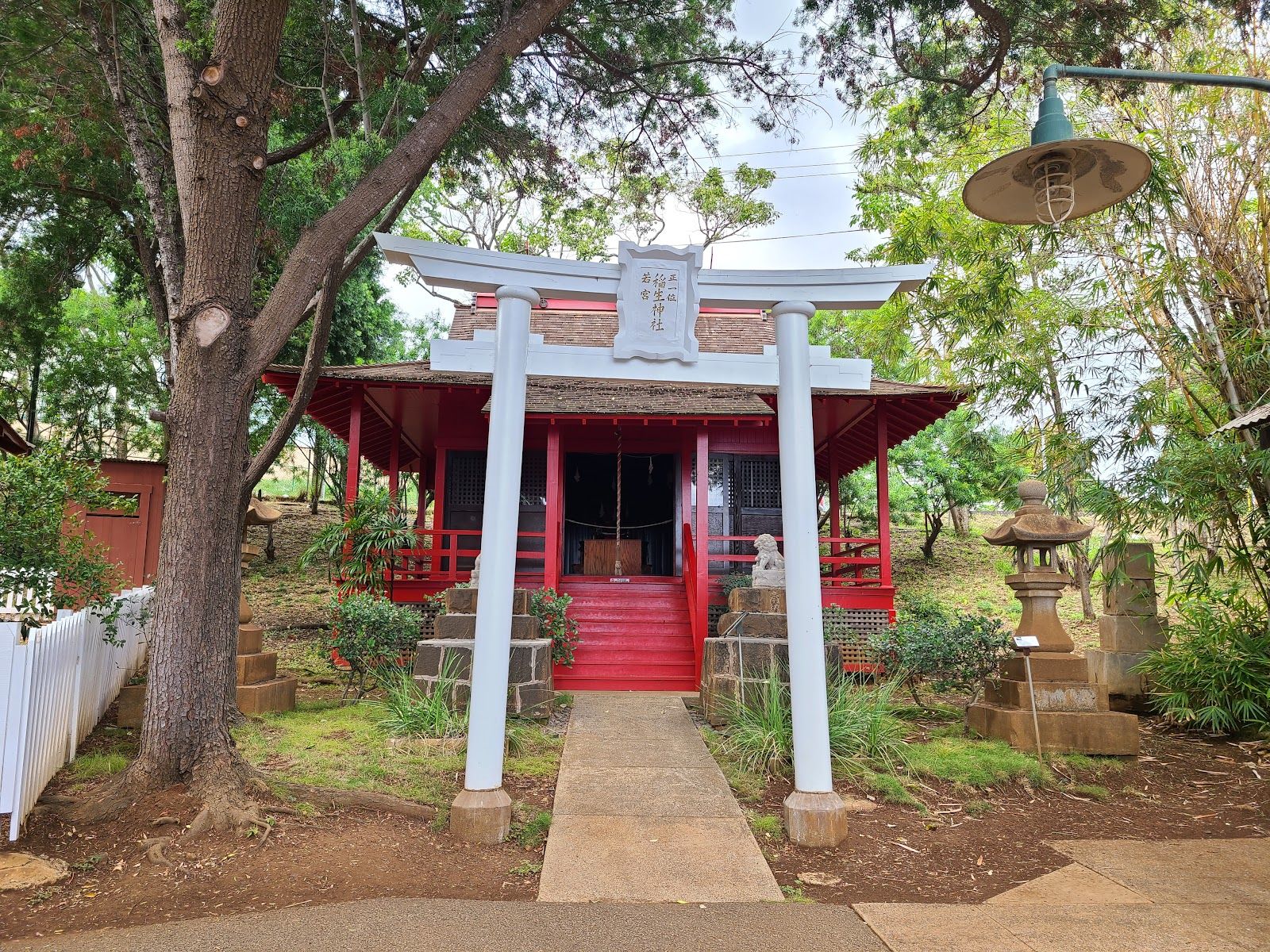
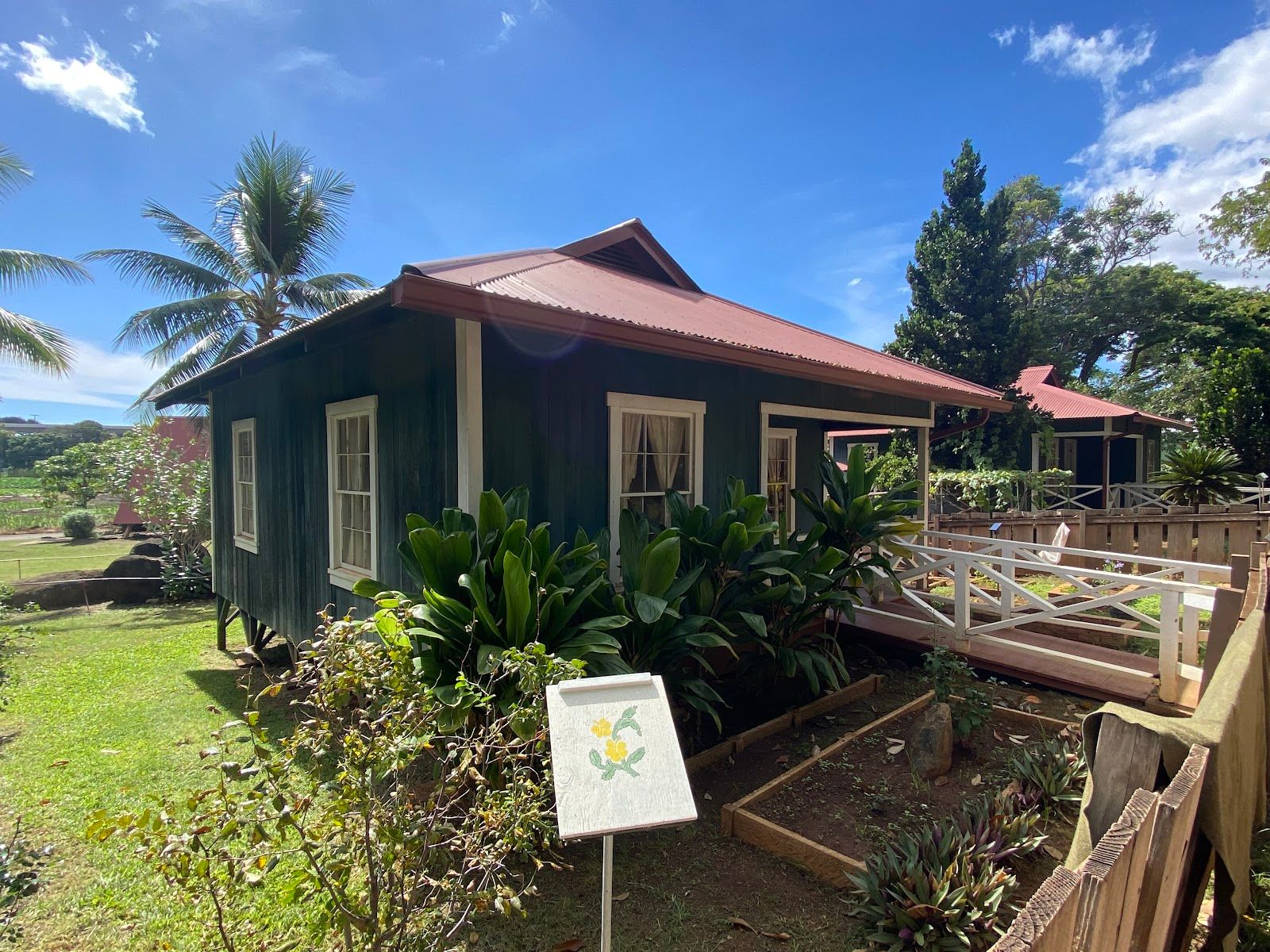
The setting is the main draw. Rather than a standard indoor museum, Hawaii's Plantation Village spreads across an outdoor site with restored and replicated buildings arranged to evoke a plantation community. The focus is on daily life from the 1850s through the 1950s, when sugar profoundly shaped work, migration, and settlement patterns across Hawaiʻi.
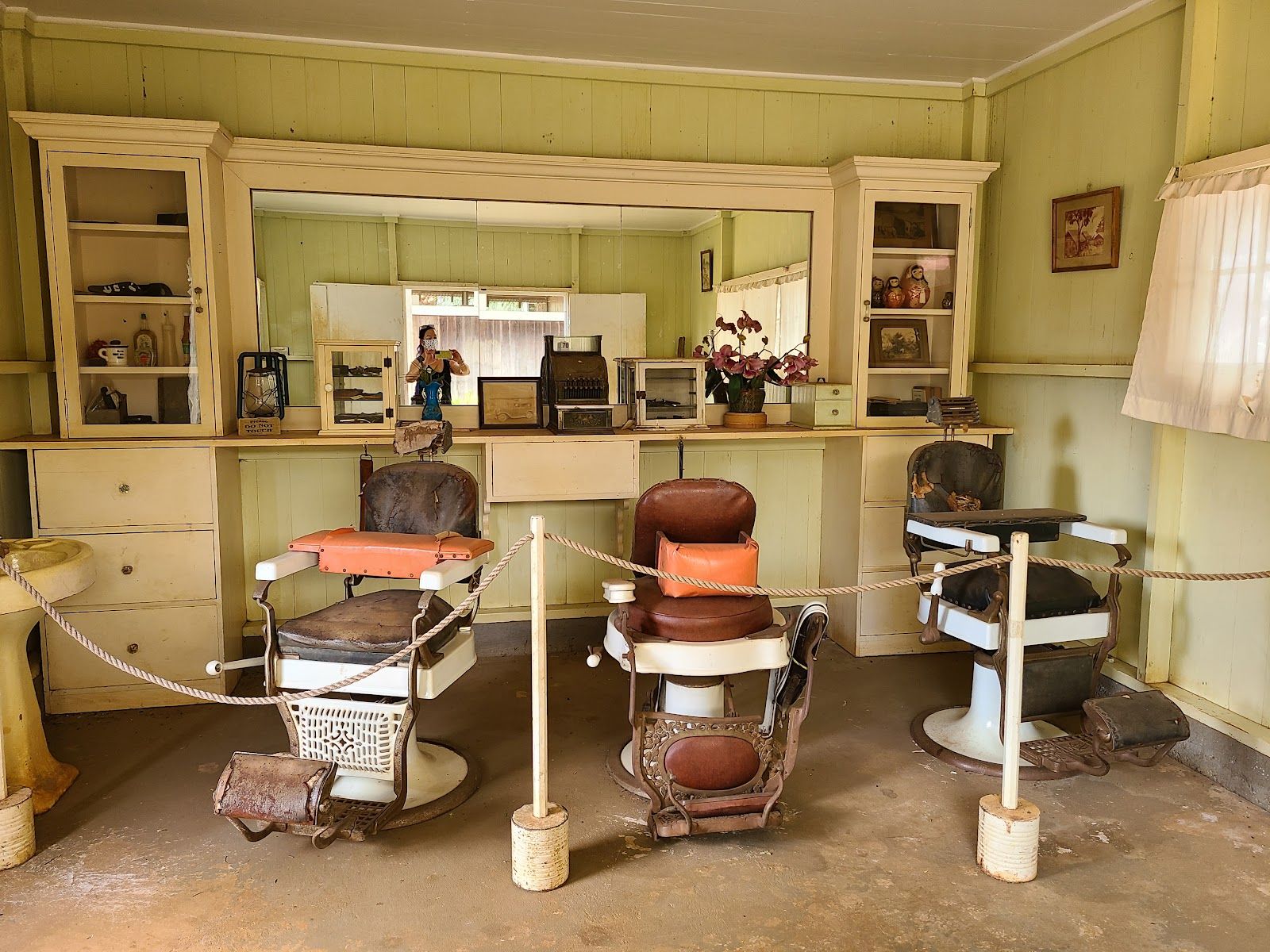
Guided tours are the heart of the visit. They bring context to the houses, community structures, furnishings, and personal objects on display, and they help turn the site from a collection of historic buildings into a coherent story about labor, family life, and cultural adaptation. The village emphasizes the experience of multiple ethnic communities — including Hawaiian, Chinese, Japanese, Filipino, Korean, Okinawan, Portuguese, and Puerto Rican workers and families — which gives it a broader and more layered perspective than a single-culture heritage stop.
The botanical garden is part of that story too. Plants brought in by immigrant laborers add a quieter, more tactile dimension to the experience and help explain how foodways and agriculture traveled with people.
The right kind of half-day stop
This is not the kind of place to rush. The visit works best as a focused half-day block, with time for the guided tour and a little breathing room afterward to browse the gift shop or linger over the grounds. Because the experience is primarily guided, planning ahead matters; tours require reservations, and that structure is part of what keeps the site intimate and educational rather than crowded and sprawling.
For travelers building an Oʻahu itinerary, it pairs naturally with other Central Oʻahu or West Oʻahu stops rather than with a beach day. It also works well as a purposeful detour from Waikīkī for anyone who wants a deeper sense of the island’s social history. The drive is manageable from Honolulu, but this is best treated as a destination in its own right, not an incidental pass-through.
Tradeoffs that matter before you go
The biggest tradeoff is simple: this is an outdoor heritage site, so comfort depends on weather. Sun, heat, and rain all affect how pleasant the visit feels, and practical basics like sunscreen, a hat, water, and sensible footwear make a difference. The setting is generally accessible, but anyone with specific mobility needs should confirm details in advance because outdoor historic sites can have uneven surfaces and variable access points.
Another practical point is that this is a culture-first experience, not an amusement-style attraction. Visitors expecting rides, flashy exhibits, or a quick self-guided stroll may find it quieter and more educational than they anticipated. That is also what makes it valuable. The interpretation is grounded in real community history, so a respectful pace and a willingness to listen are rewarded.
Best for travelers who want Hawaiʻi beyond the shoreline
Hawaii's Plantation Village is especially well suited to families, history-minded travelers, and anyone who wants to understand how modern Hawaiʻi was shaped by plantation labor and immigrant communities. It offers an accessible, easy-to-fit-in cultural experience that feels more substantial than a photo stop and more specific than a general museum.
Travelers who are short on time or looking for high-adrenaline activities may prefer to skip it. But for visitors who want a better read on Oʻahu’s social fabric — and on Waipahu’s place in that story — it is one of the island’s more meaningful heritage stops.