
Patsy T. Mink Central Oahu Regional Park
This expansive Central Oʻahu park offers diverse sports facilities, including tennis courts, an Olympic pool, and fields, alongside playgrounds, picnic areas, and walking trails for all.
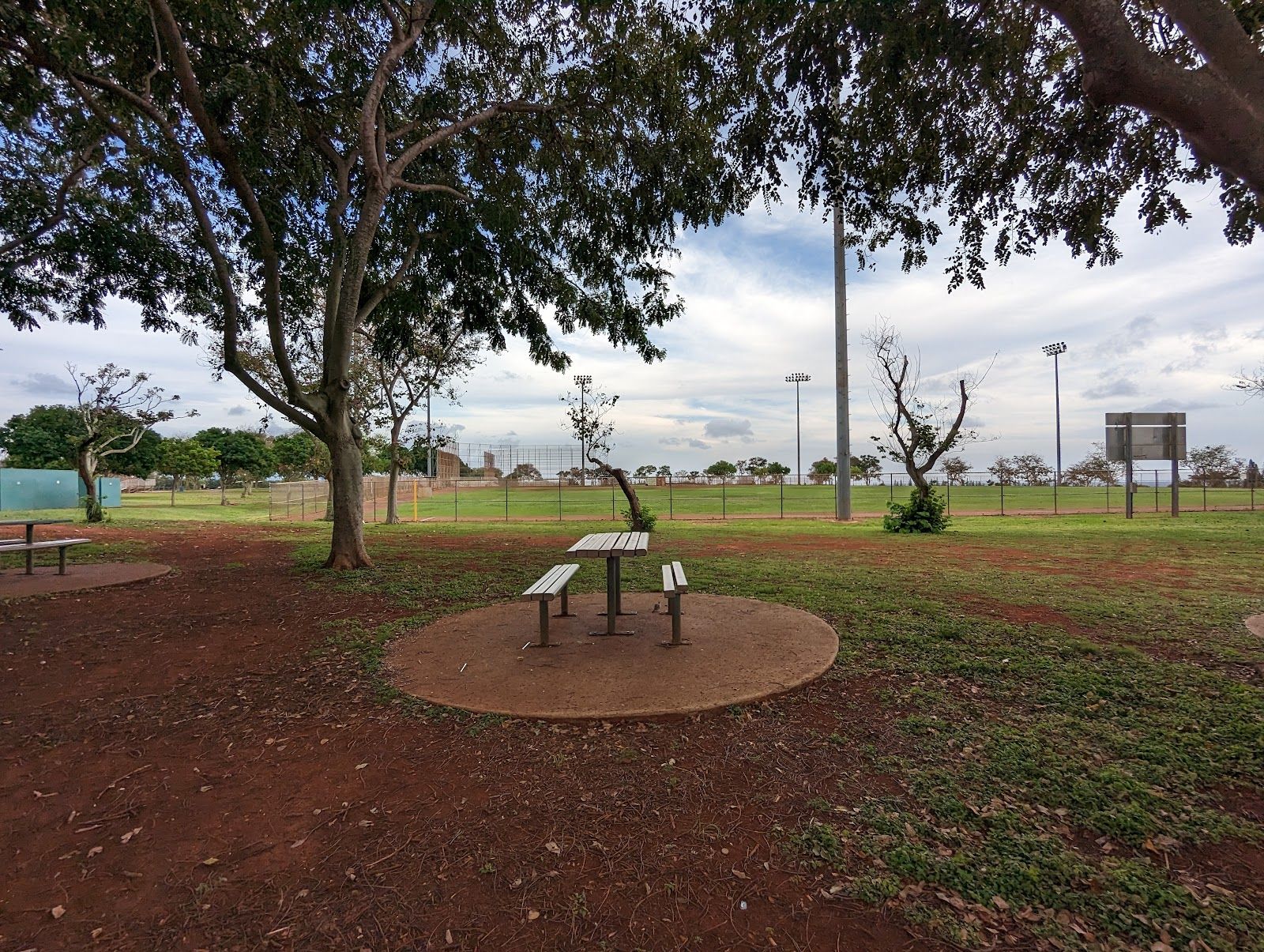
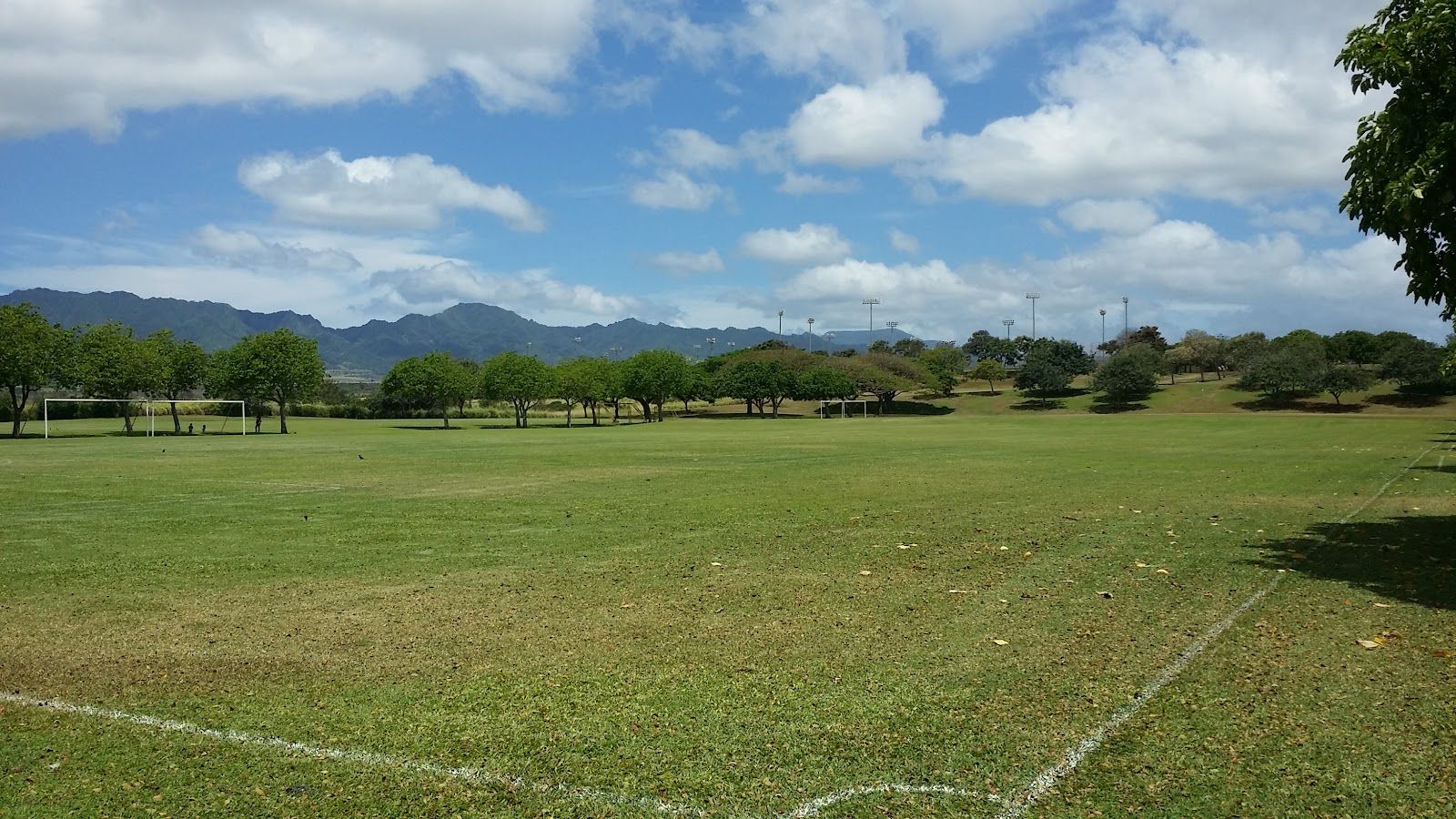
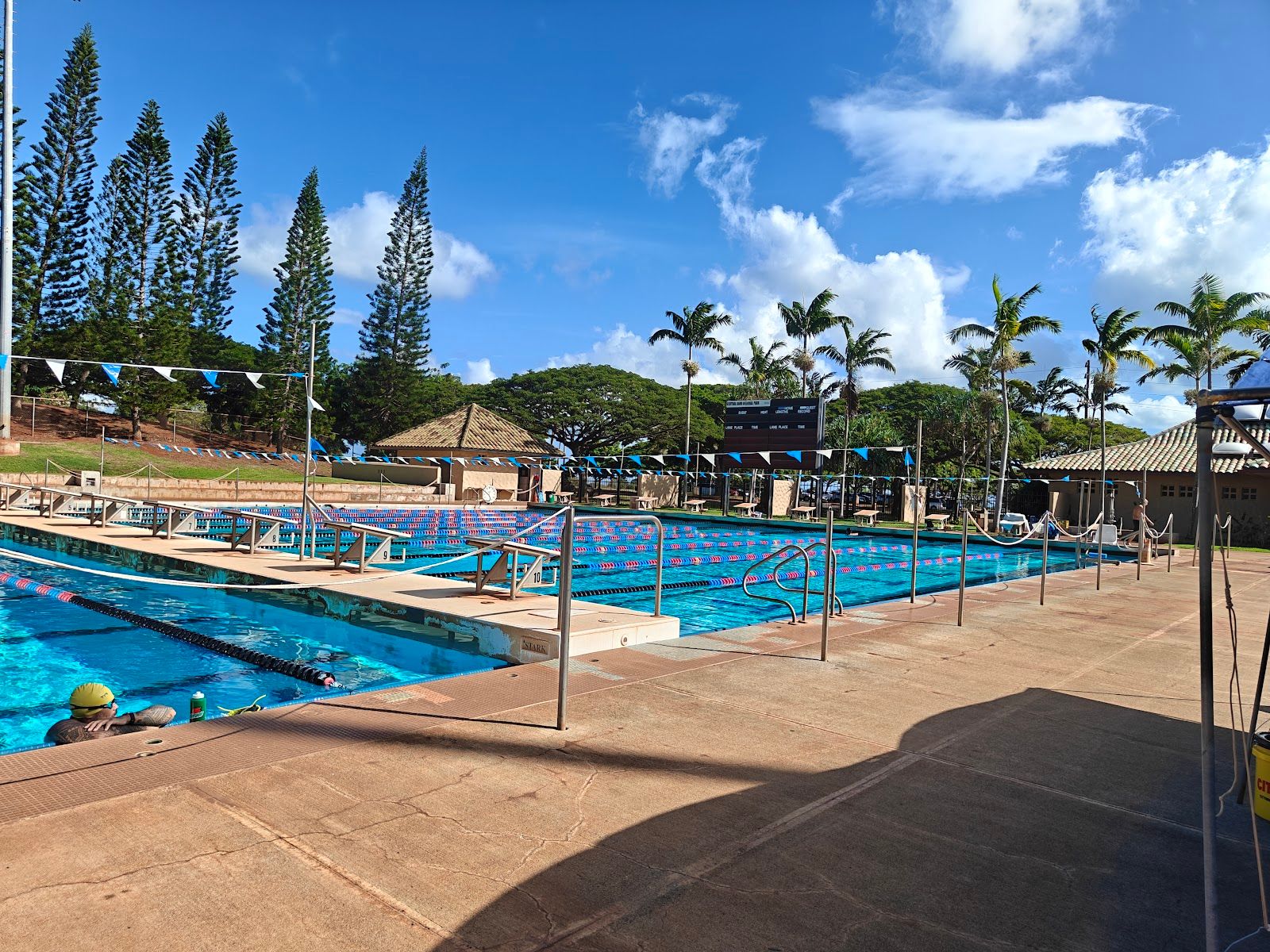
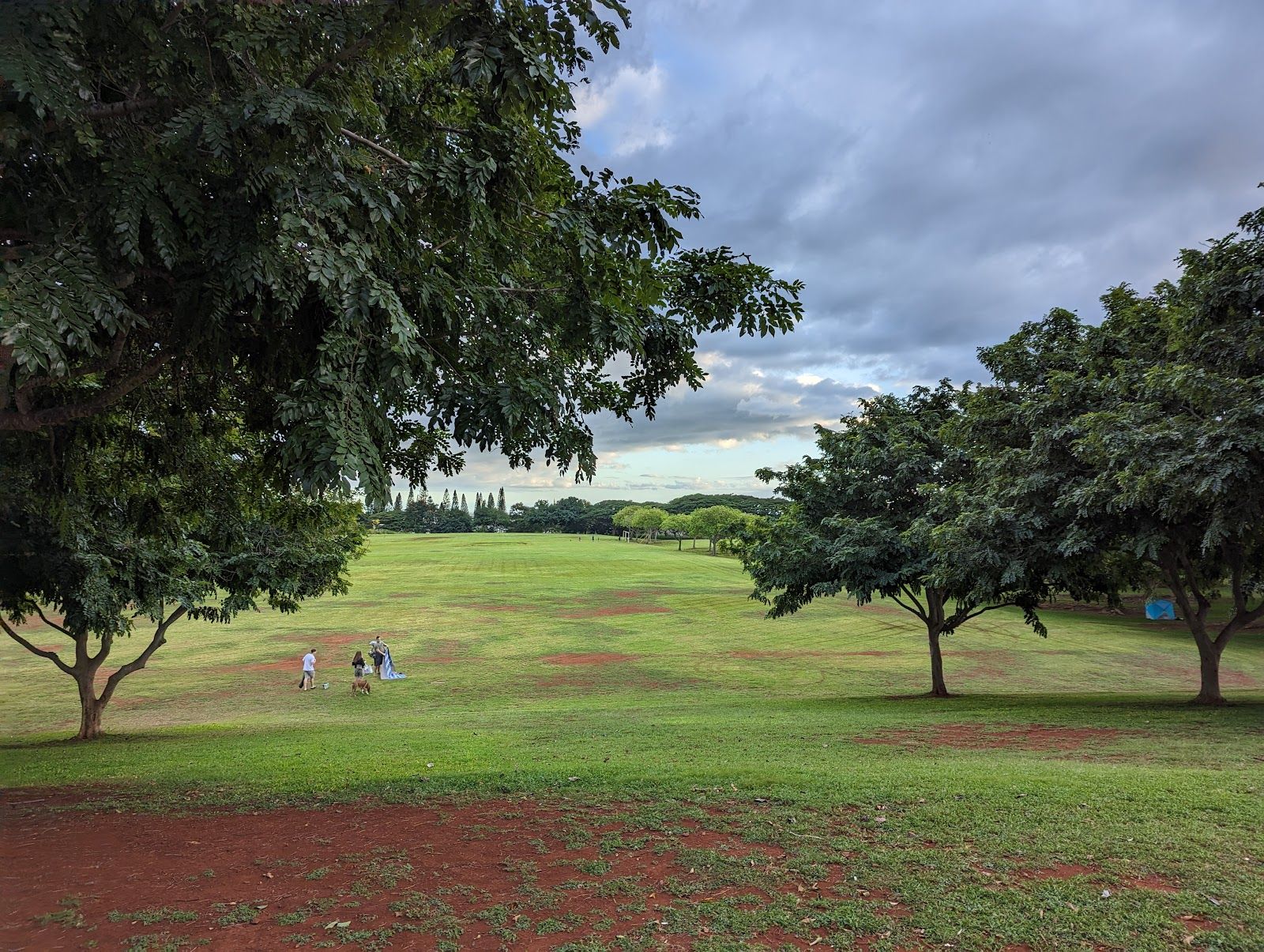
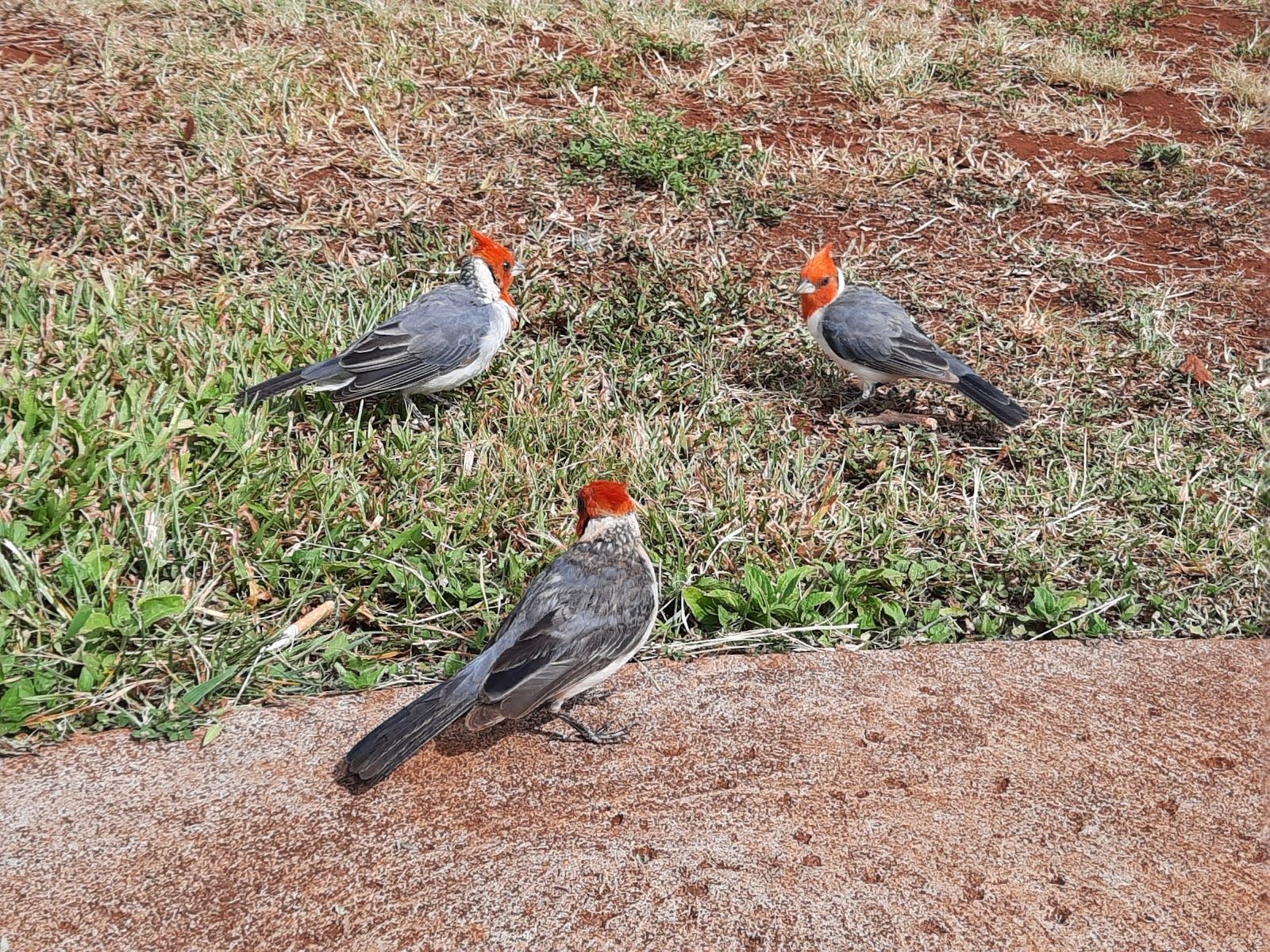
- Extensive sports facilities
- Olympic-sized swimming pool
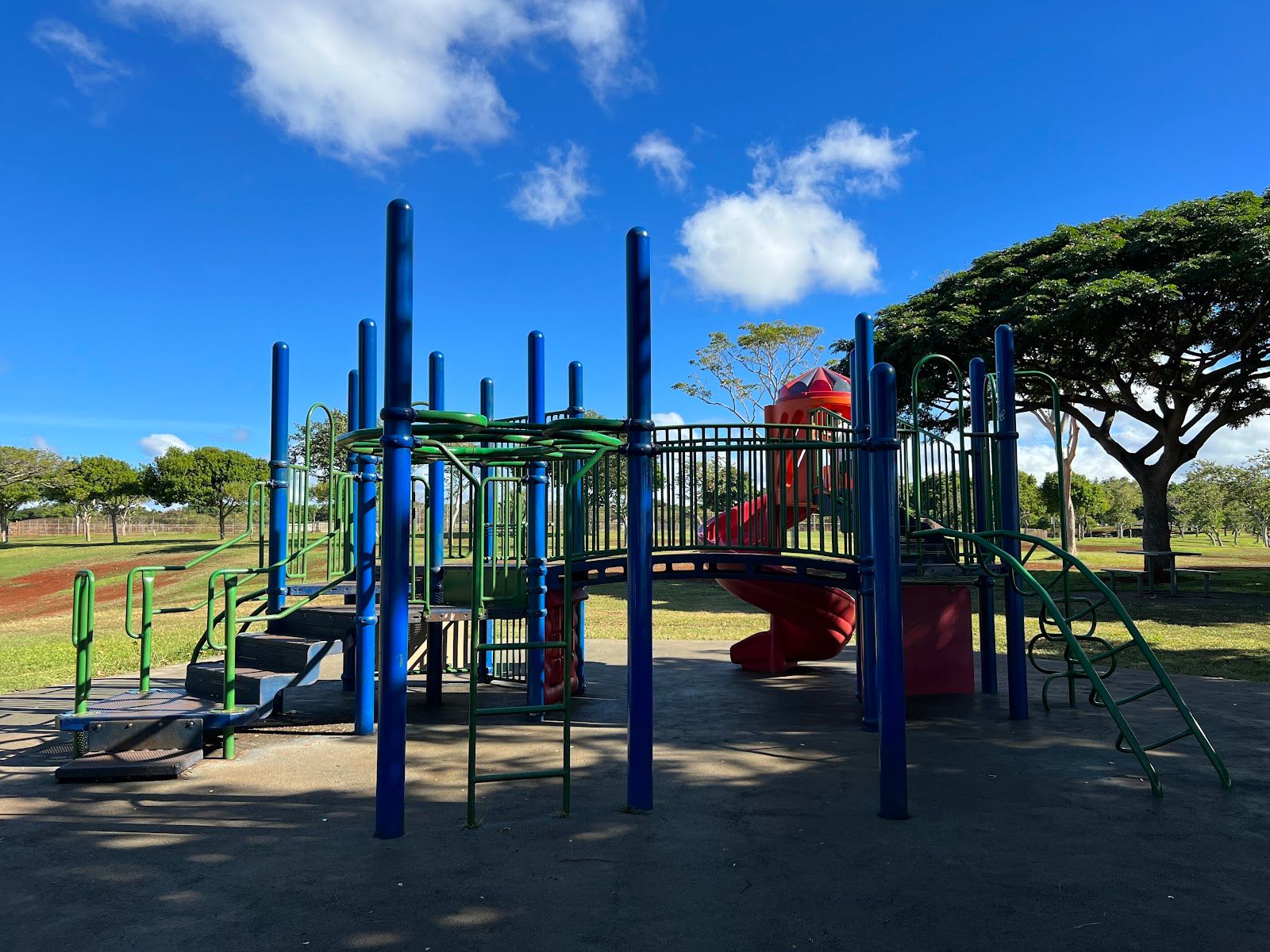
- Multiple playgrounds for children
- Jogging and walking trails
Patsy T. Mink Central Oʻahu Regional Park is one of the island’s most useful all-purpose outdoor stops: a large, city-run park in Waipahu that blends serious sports infrastructure with easygoing family space. It sits in Central Oʻahu, making it a practical break between west side communities, the H-2 corridor, and the broader Pearl City–Waipahu–Kunia area. For travelers who want a place to stretch, swim, picnic, or let kids burn energy without committing to a beach day or a hike, it stands out as a flexible itinerary anchor.
A park built for active use, not just scenery
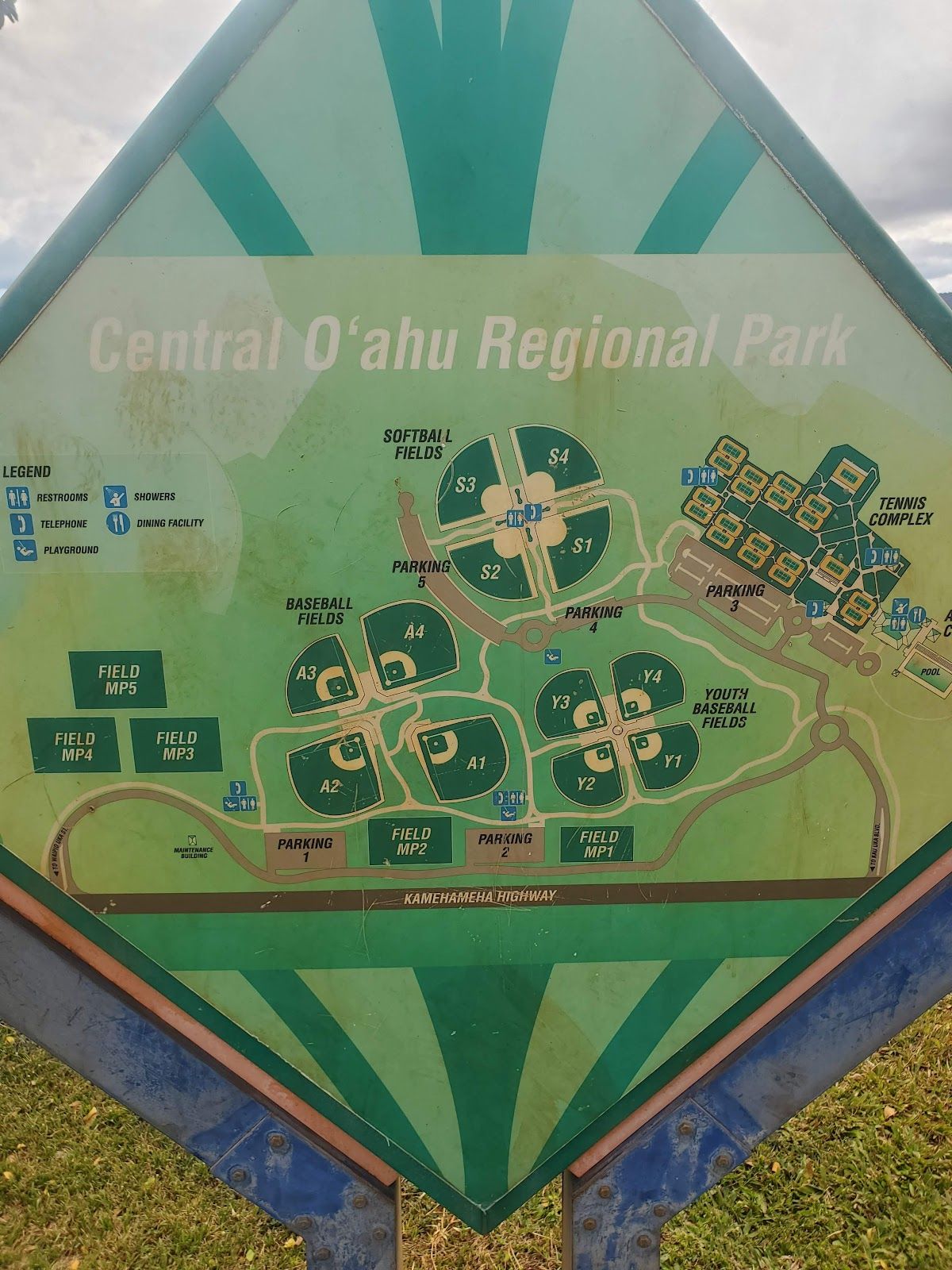
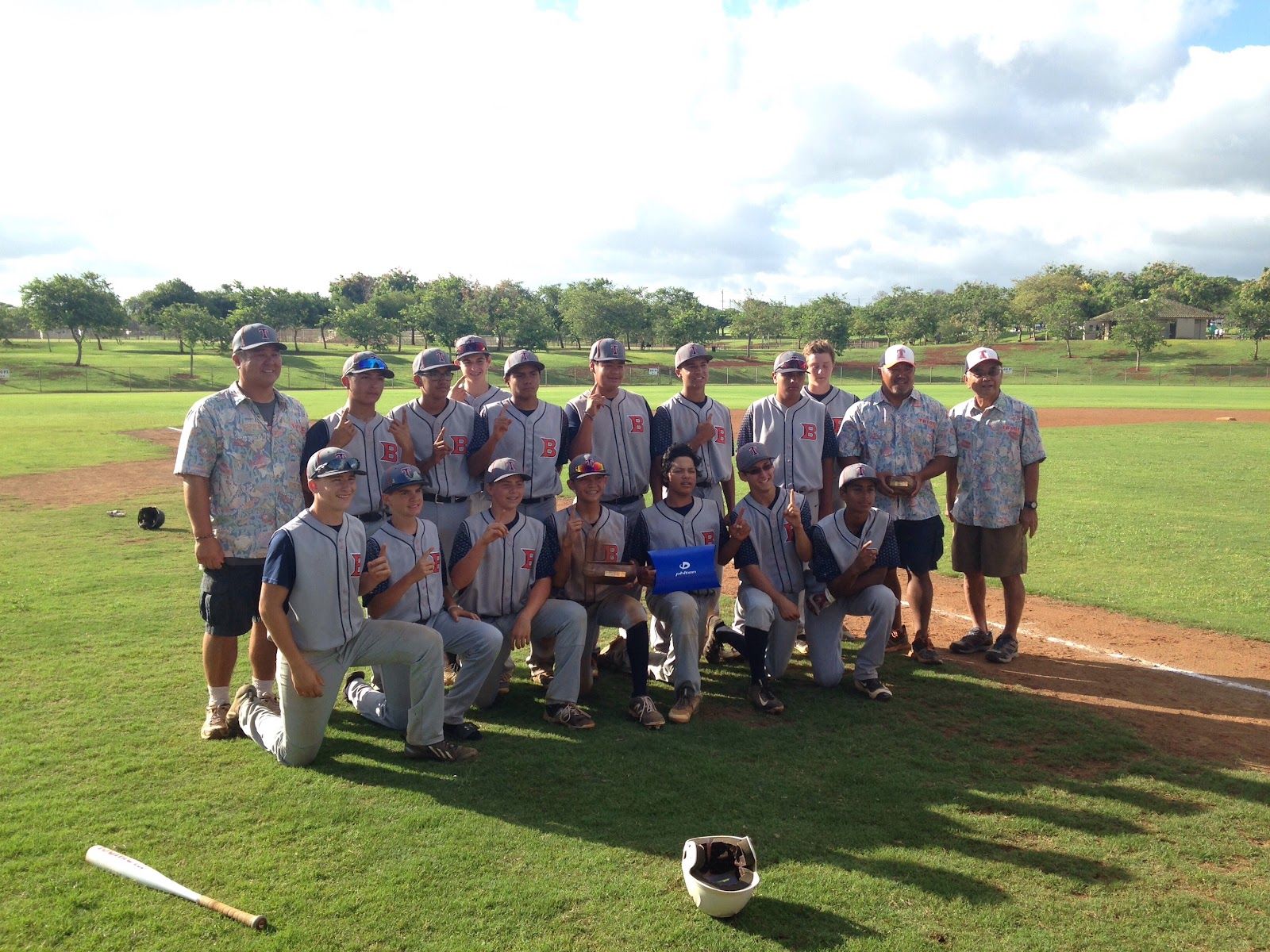
This is not a small neighborhood lawn with a playground tucked in the corner. Patsy T. Mink Central Oʻahu Regional Park was designed as a major recreation complex, and that character shapes the visit. The park’s athletic facilities are its signature: a large tennis center, ball fields, multipurpose grass areas, an archery range, and the Veterans Memorial Aquatic Center with an Olympic-sized pool. That makes it especially useful when an itinerary needs something active but not strenuous, or when different members of a group want different things from the same stop.
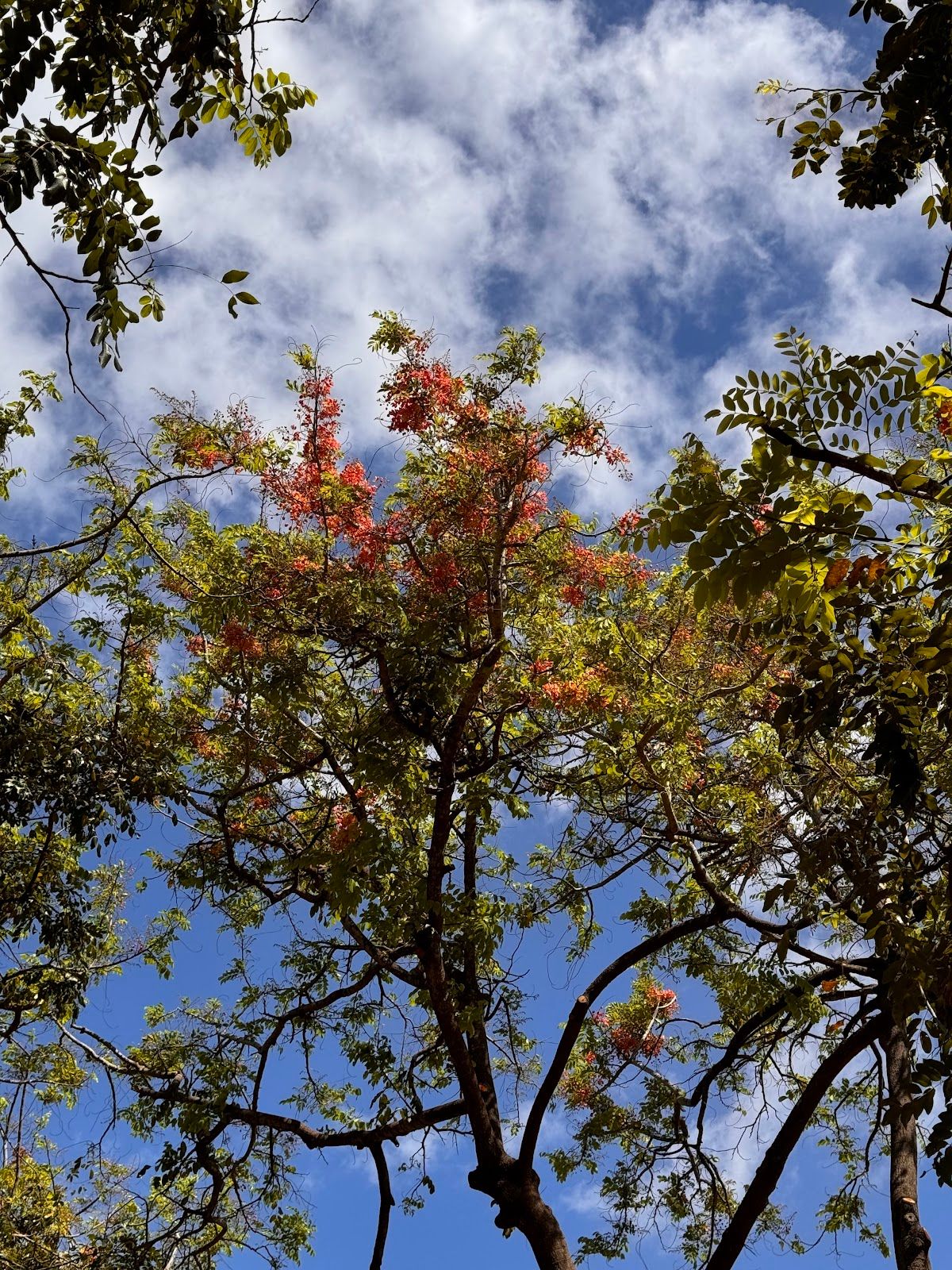
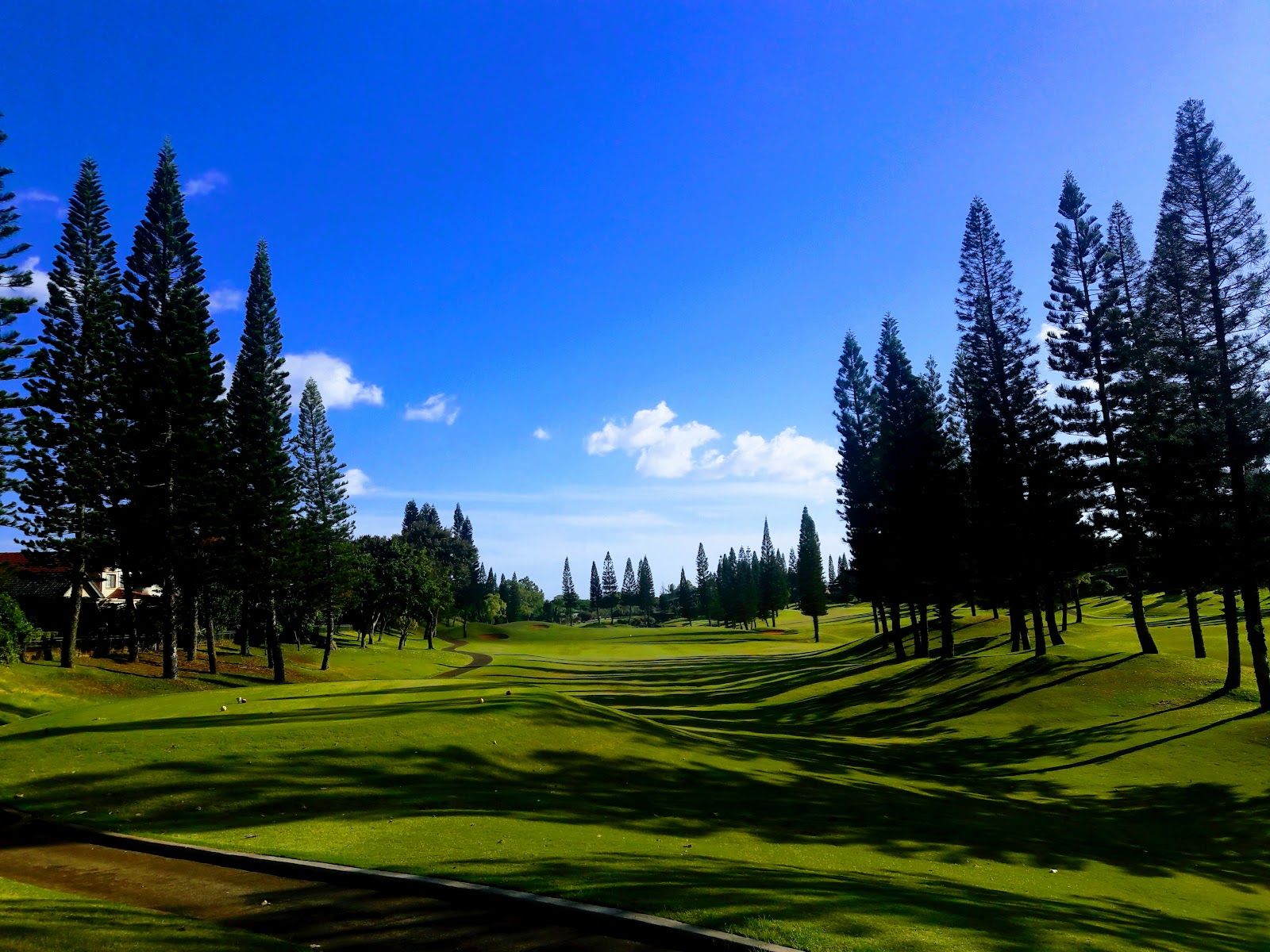
The setting is open and practical rather than dramatic. Shade trees, benches, picnic tables, and broad lawns give it a relaxed feel, but the draw is the variety of things to do rather than a single scenic overlook. It is the kind of place where a traveler can easily combine a walk, a swim, and a picnic in one stop.
How to use it in a Central Oʻahu day
This park works well as a half-day filler or a deliberate family reset. In the middle of a sightseeing day, it offers a clean, low-effort place to pause between larger anchors such as historic towns, shopping stops, or drives across the island’s center. It is also a sensible option when weather is unsettled, since much of the appeal comes from facilities rather than exposed terrain.
Families get the most obvious value. There are multiple playground areas, open grass for casual games, and enough room that the park rarely feels like a one-note playground stop. Walkers and joggers can treat the trails and internal paths as an easy loop rather than a destination workout. Visitors focused on sports can build the stop around tennis, field play, or the pool.
The park’s location in Waipahu also makes it a convenient match for nearby errands or lunch stops, which helps it function as a practical in-between activity rather than a standalone detour.
The tradeoffs: lively, developed, and event-driven
The same features that make the park useful can also make it feel busy. Youth sports tournaments, swim meets, and other events can bring heavier traffic and longer walks from parking to the specific field or facility you need. That is not necessarily a problem, but it does mean the park feels more like a working recreation hub than a quiet green escape.
It is also worth remembering what the park is not. Travelers looking for secluded shoreline, rainforest atmosphere, or a classic nature hike may find it too developed for their taste. Its strength is access and versatility, not wilderness.
Best fit for travelers
Patsy T. Mink Central Oʻahu Regional Park is best for families, active travelers, and anyone who appreciates easy logistics. It suits visitors who want playgrounds, a pool, picnic space, and open lawns in one place, especially if the day already includes driving through Central Oʻahu.
It is less compelling for travelers whose ideal stop has to be scenic, remote, or deeply cultural. But for a straightforward, well-equipped park in the middle of the island, it fills a real gap in the itinerary: a place that is easy to use, easy to reach, and broad enough to accommodate different ages and energy levels.