
Windward Coast
Oʻahu’s green east side: Koʻolau cliffs, bright bays, and beach-town days.
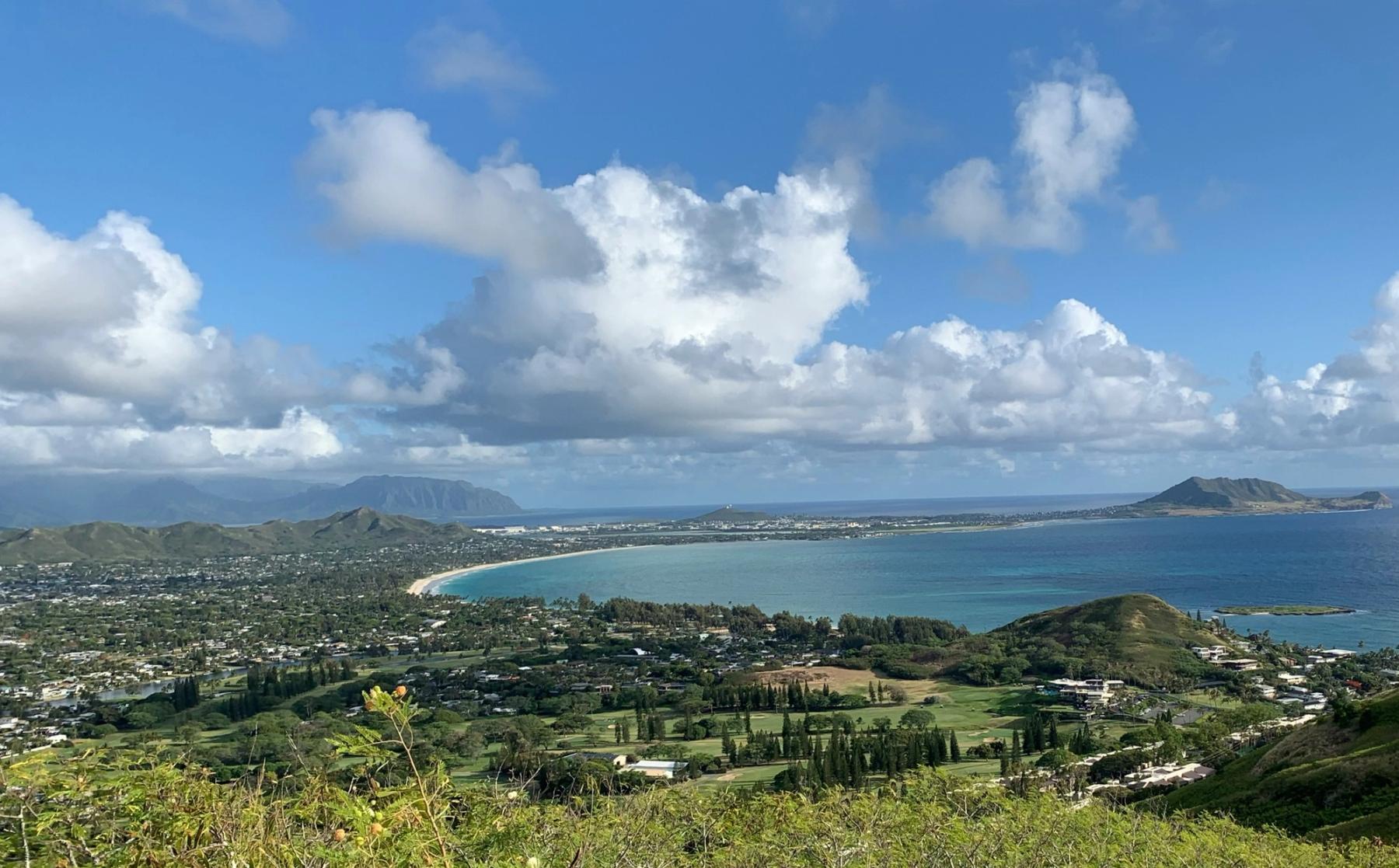
The Windward Coast is the Koʻolau-facing side of Oʻahu, running from Waimānalo through Kailua and Kāneʻohe to the dramatic shores of Kualoa. It’s cooler, wetter, and visibly greener than the south shore, with reef-sheltered water, quick roadside scenery, and a rhythm of short stops that add up to an easy day trip—or a quieter beach-town base around Kailua.
Best For
- Koʻolau mountain scenery
- Reef-protected beaches
- Easy nature stops
- Photo-friendly drives
- Day trips from Waikīkī
Trade-offs
- Passing showers, fast changes
- Crowds at top beaches
- Limited parking, tight streets
- Not one central town
Logistics & Getting Around
Most people arrive by car from Honolulu via the Pali or Likelike routes and string together a few clusters—Kailua/Lanikai, Kāneʻohe, then Kualoa. Start early for beaches and expect weather to vary dramatically valley to valley.
Areas in Windward Coast
Waimānalo
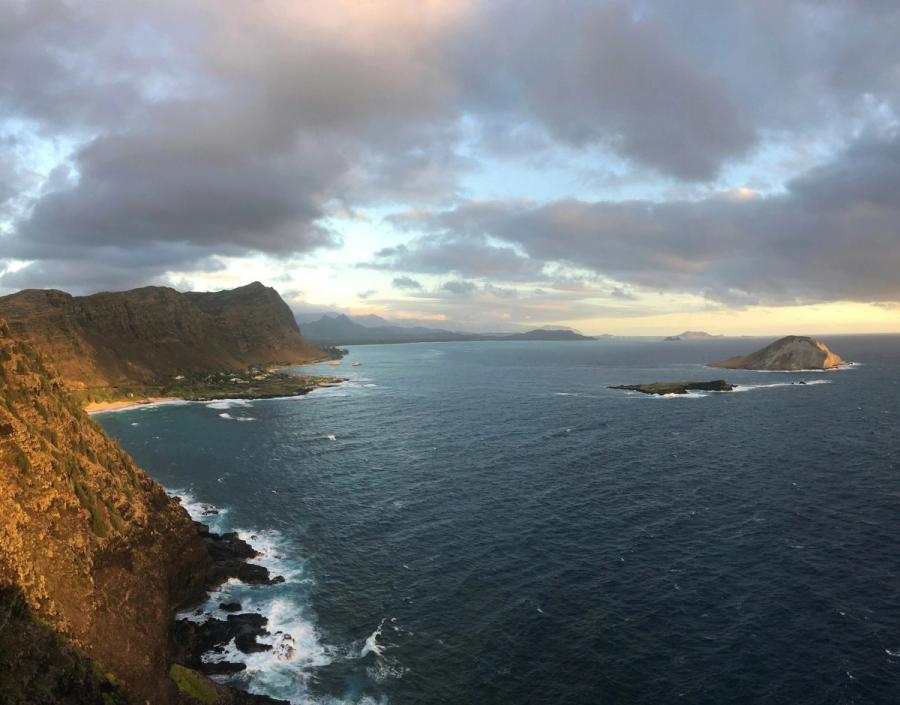
A long, Koʻolau-backed run of Windward beaches with a calmer, local feel.
Kailua & Lanikai
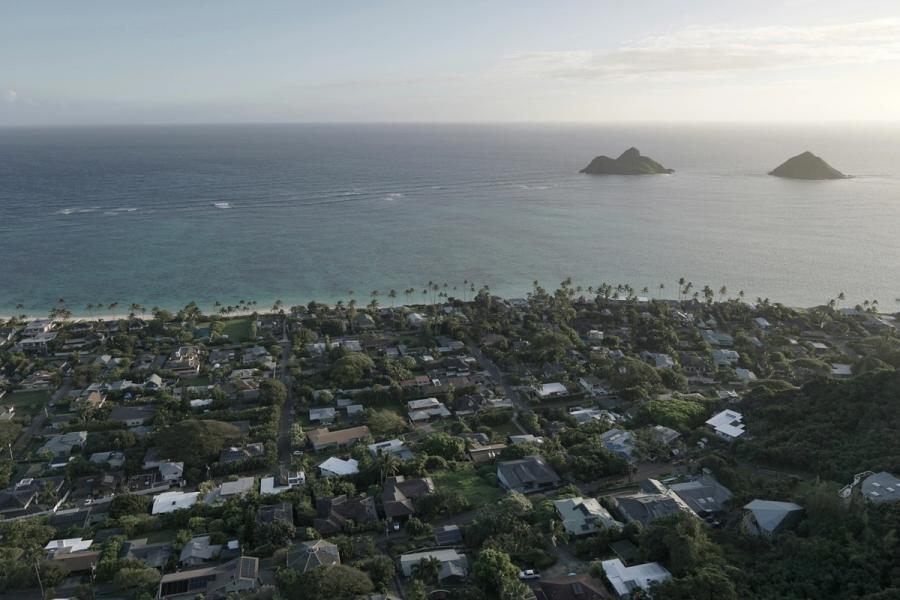
A breezy Windward basin of big beaches, a real town center, and iconic ridge views.
Kāneʻohe
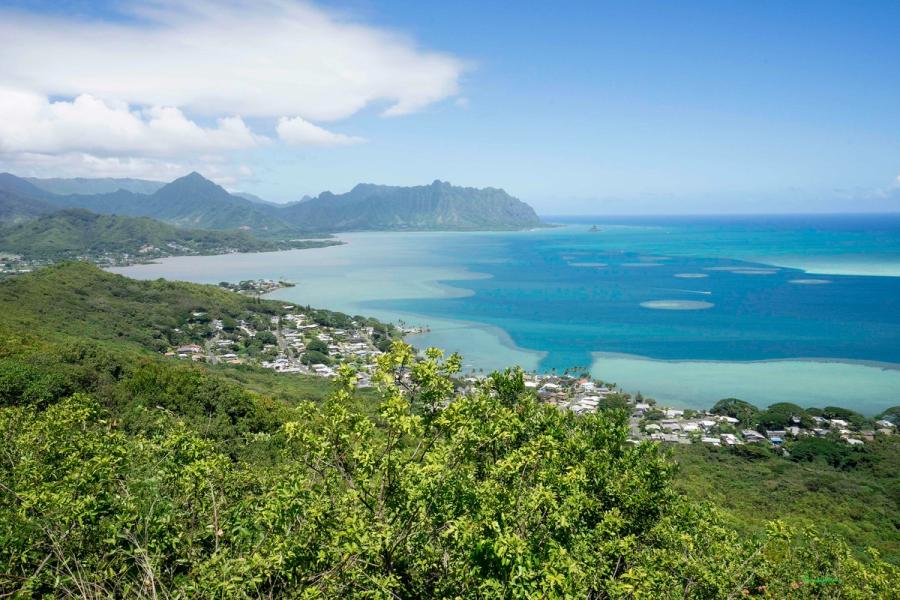
A green, bay-facing Windward belt where gardens and daily life meet the Koʻolau.
Kualoa & North Windward
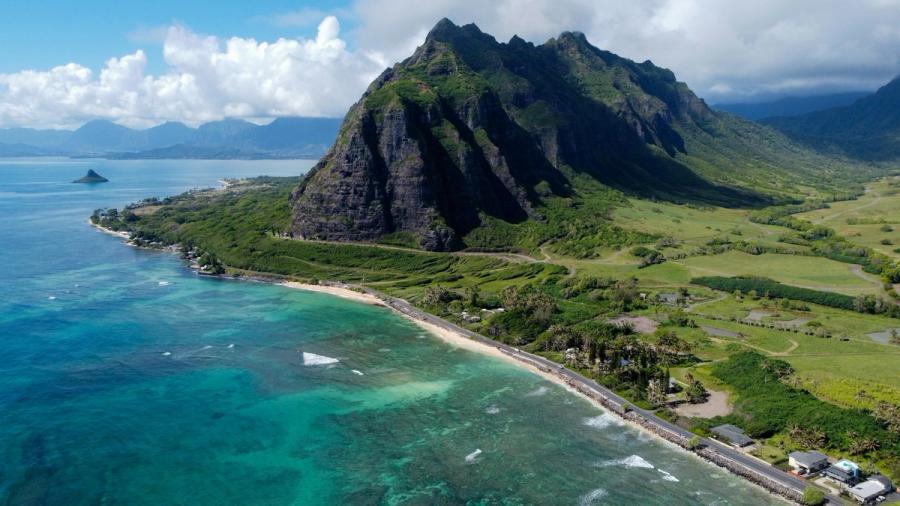
A dramatic Koʻolau-backed coastal drive with bays, parks, and Kualoa’s landmark views.
Signature Experiences in Windward Coast
A coast shaped by trade winds and the Koʻolau
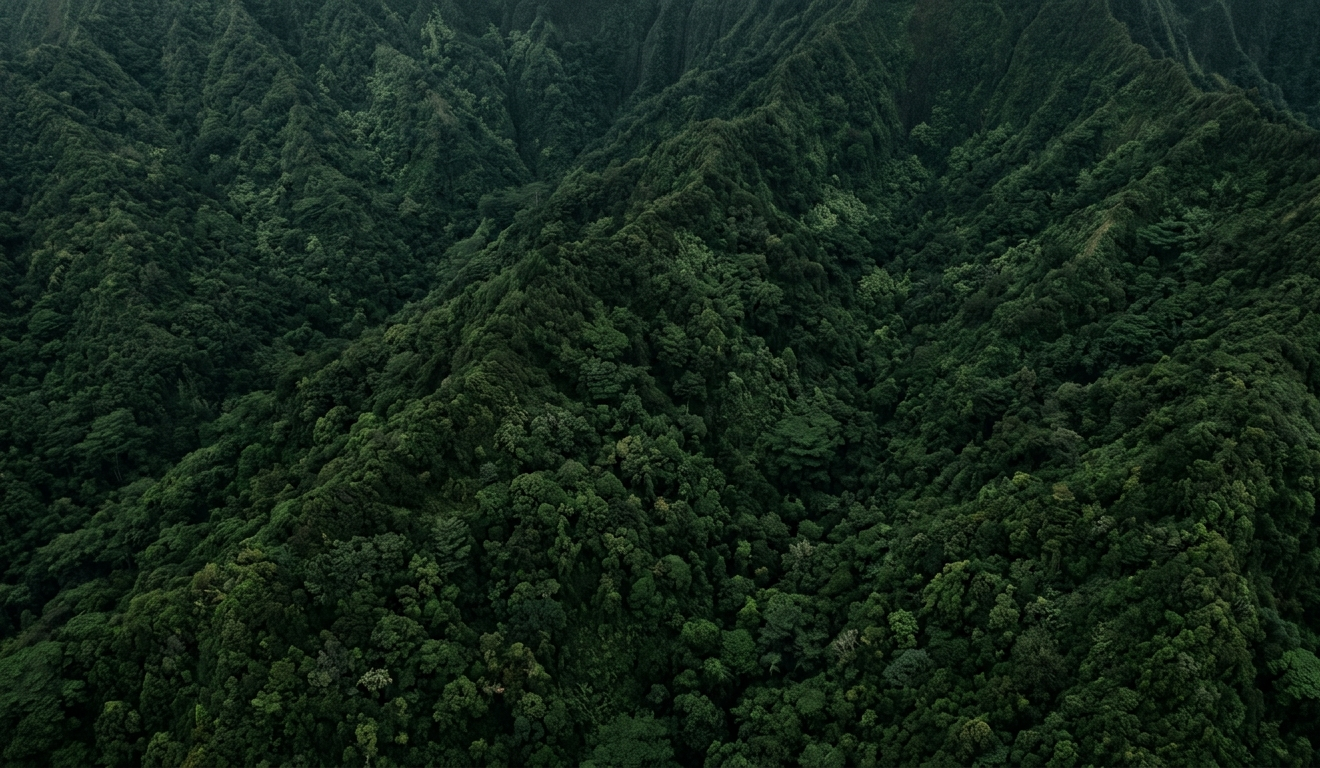
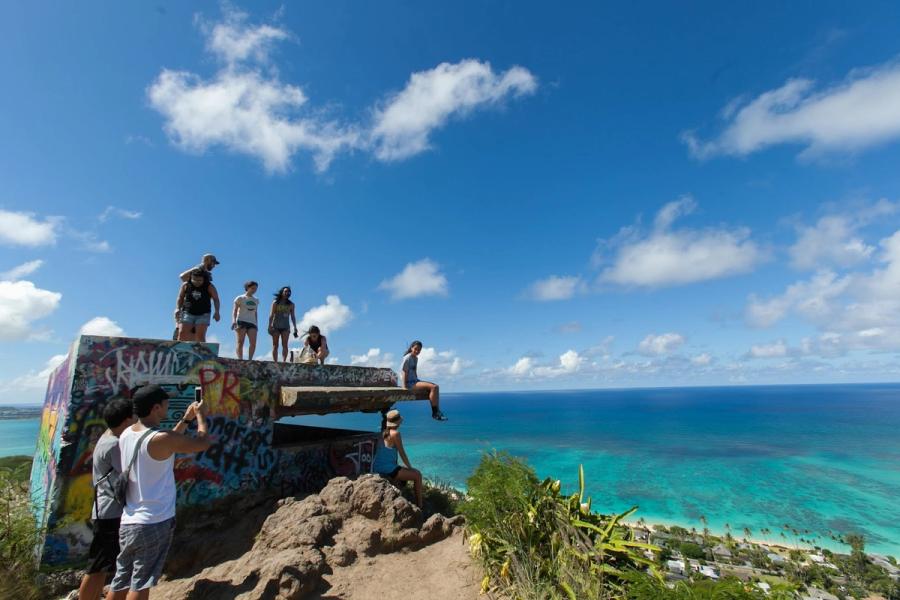
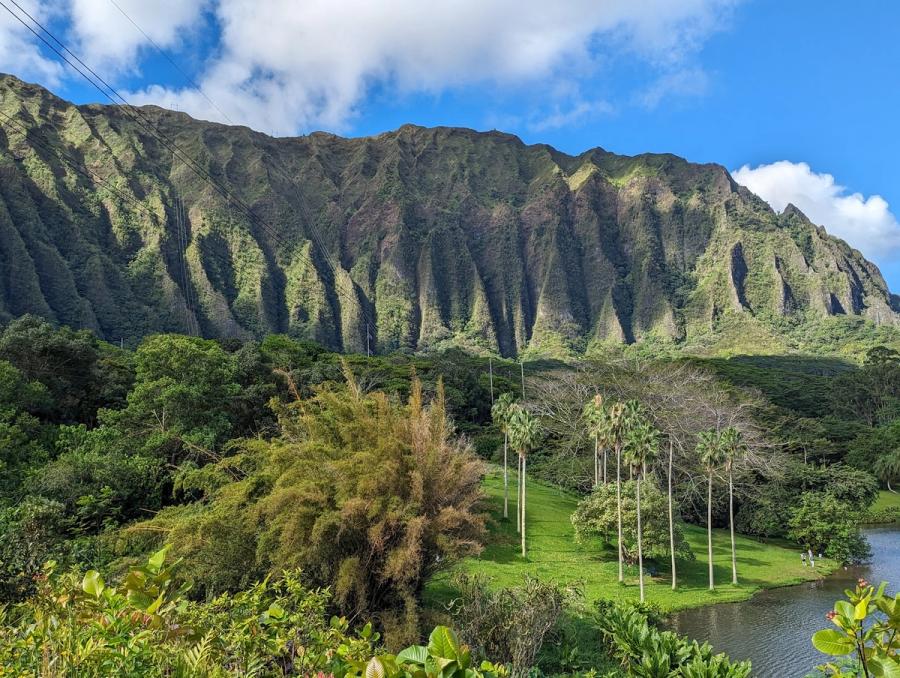
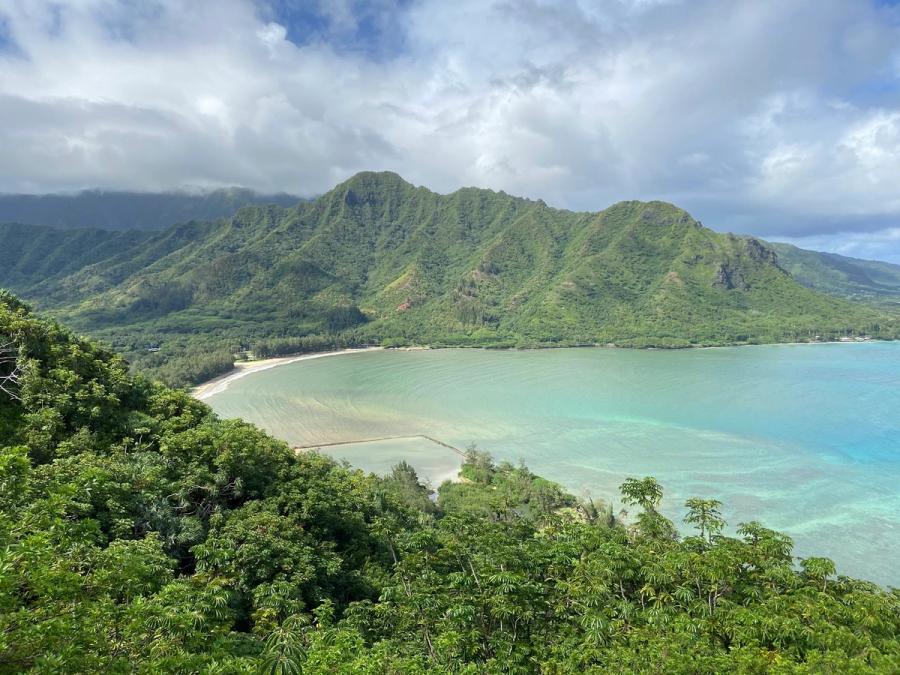
On a map the Windward Coast looks like a single sweep of shoreline, but it feels more like a string of distinct pockets pressed up against the Koʻolau Mountains. The ridges catch clouds, so the air is often cooler and the landscape reads as saturated green—ironwoods and palms moving in the wind, steep valleys tucked behind neighborhoods, and sudden openings to neon-blue water.
Compared with Honolulu’s south shore, the windward side is less urban and more visually dramatic: mountains right behind the houses, beaches that sit in broad, shallow bays, and short drives where each bend looks different. Weather is part of the character. Passing showers are common and can be brief; they also bring rainbows, glossy foliage, and that freshly-washed look that makes the region feel tropical in a way Waikīkī often doesn’t.
The way visitors actually use it
Most travelers experience the Windward Coast as a day out of town rather than a single place to “do.” The classic pattern is to pick one primary anchor—beach time in Kailua/Lanikai, a scenic reset at Hoʻomaluhia Botanical Garden, or the big backdrops around Kualoa—then add a few small stops that fit the day’s light and weather.
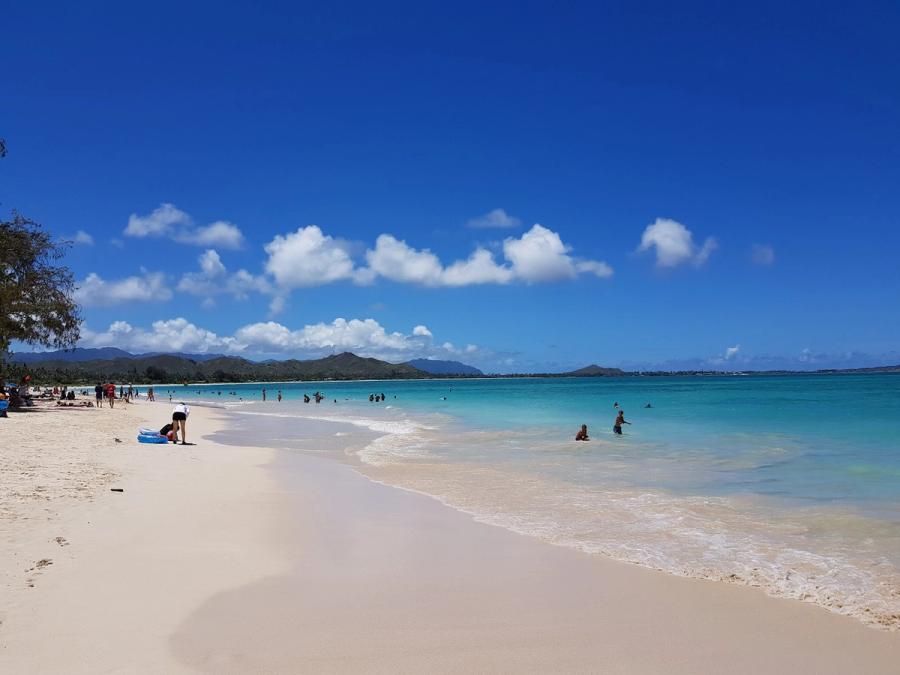
Kailua and nearby Lanikai are the most beach-forward portion of the coast: wide sand, inviting water when conditions are calm, and a casual local-town feel just inland. Because these beaches are famous, they’re also the most likely to feel busy, and the surrounding streets aren’t designed for everyone arriving at once.
Farther north, Kāneʻohe reads more residential and valley-and-bay oriented. This is where the Windward Coast’s “green relief” really shows—lush slopes, pockets of quiet, and easy-to-access scenery that works even if the ocean isn’t cooperating.
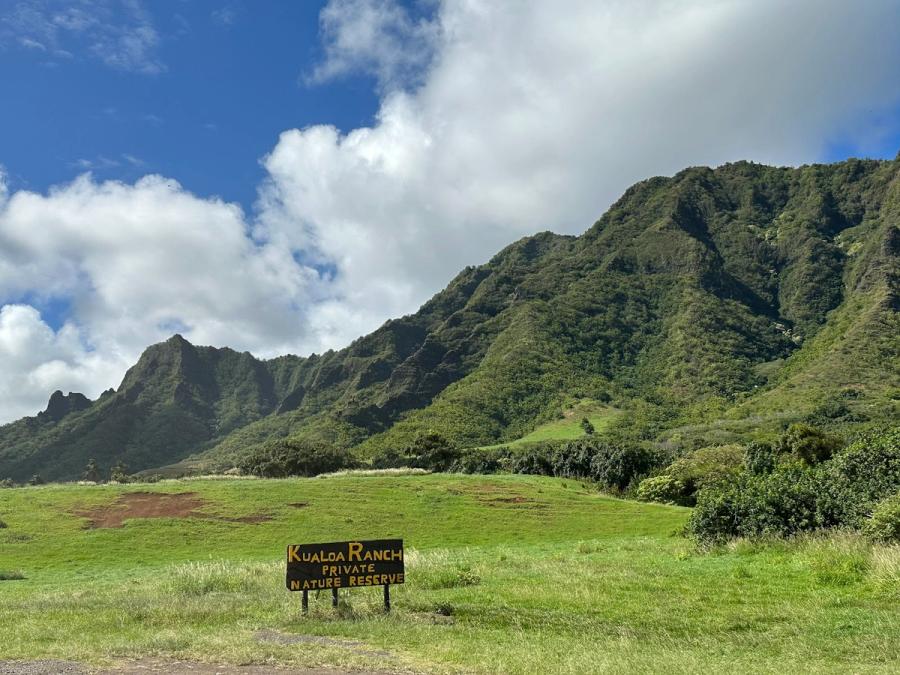
At the Kualoa end, the coastline turns cinematic. The mountains rise abruptly from open pasture and shoreline, and many people plan this as a photo-heavy drive with one major stop rather than a full beach day.
Practical notes and honest tradeoffs
The wind that gives the coast its name can also shape ocean conditions; some days feel postcard-calm, others feel choppier. Microclimates are real—sun in Kailua, mist in Kāneʻohe, blue sky again near Kualoa—so flexibility pays.
Overnighting can make sense if you want a quieter, early-morning beach rhythm, and the most straightforward spot for that feel is around Kailua. For most visitors, though, the Windward Coast is best appreciated as a multi-stop excursion: go early, move gently, and let the Koʻolau backdrop set the pace.

Can't decide where to stay? Get personalized advice.
Custom recommendations built from the web's most comprehensive Kauai guide.