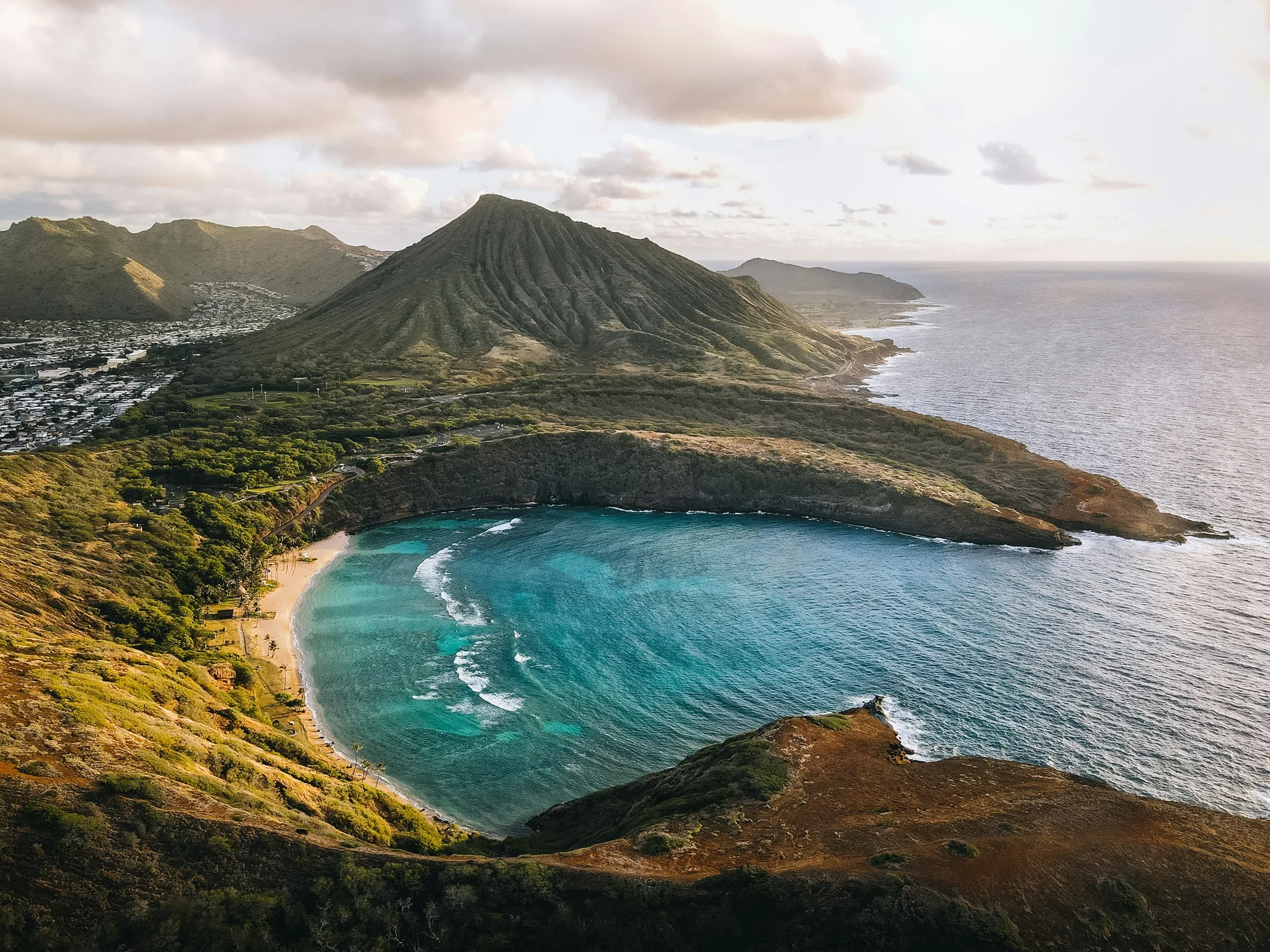


Rain in Hawaiʻi has a way of sounding worse in a forecast than it feels on the ground. A weather app may show gray clouds for your entire Oʻahu stay, while your actual day includes ten minutes of warm rain, a rainbow over the Koʻolau, and a perfectly good beach hour before lunch.
That said, Oʻahu is not immune to real wet days. Trade-wind showers can stack up against the windward mountains. Winter systems can bring steadier rain. Trails get slick. Ocean water can turn brown near stream mouths after heavy runoff. And a carefully planned “beach, hike, sunset sail” day can suddenly need a better script.
The good news: Oʻahu is one of the easiest Hawaiian islands for a rainy-day pivot. You have beach towns, mountain tunnels, museums, shopping, restaurants, historic sites, hotel spas, and drier leeward pockets within a relatively small island. The trick is not to abandon the day. It’s to read the island correctly.
Start with the Oʻahu rain map in your head
Oʻahu’s weather is shaped by the Koʻolau Range behind Honolulu and the Windward Side, and the Waiʻanae Range on the west side. Trade winds usually come from the northeast, carrying clouds into the windward slopes first.
That means a rainy day is often uneven.
If it’s wet in Waikīkī or Honolulu, give it a little time before rewriting your whole day. Light rain with brighter patches offshore may only call for coffee, a slower breakfast, or a covered shopping stroll. If it is genuinely socked in, stay in Town instead of racing around the island. Honolulu has Oʻahu’s best indoor depth: museums, historic buildings, restaurants, cafés, galleries, shopping centers, and spas.
If it’s wet on the Windward Side, Kailua, Kāneʻohe, and the coast beneath the Koʻolau can still be beautiful — mist on the cliffs, darker greens, clouds sliding through the pali — but showers may linger longer than they do in Waikīkī. A classic pivot is to cross back through the mountains toward Honolulu, or continue leeward if the weather is clearly better there.
If it’s wet on the North Shore, think about both rain and surf. In winter especially, the ocean may be the bigger factor than the sky. A light rainy day can still be good for a slow meal, shops, and watching the water from a comfortable distance. A hard-rain day is often better spent pivoting toward Central Oʻahu or Honolulu.
If it’s wet in Ko Olina, Kapolei, ʻEwa, or the Waiʻanae Coast, remember that leeward Oʻahu is often drier, not magically rainproof. Passing showers may be a reason to stay put and enjoy the resort, lagoons, or nearby dining. If the whole west side is wet, your best backup may still be a Town day.
Don’t let the app make the decision for you
Forecast icons flatten Oʻahu into one symbol. The island does not behave that way.
On a questionable day, look at three things before changing plans:
Radar movement: Is the rain passing through, or sitting in place? Wind direction: Trade showers often favor windward and mountain areas. Visible sky: If you can see blue breaks offshore, patience may beat driving.
For trip planning months ahead, historical monthly weather patterns are useful for understanding which areas tend to be wetter or drier in your travel season. For the day itself, use live radar, official advisories, and what you can actually see from your lanai, hotel lobby, or car window.
The best rainy-day move: turn it into a Town day
This is where Oʻahu has an advantage. On some islands, rain can leave you with a long drive and a short list. On Oʻahu, a wet forecast can become one of the more satisfying days of the trip if you lean into Honolulu.
A strong rainy-day Town plan might include:
A morning at Bishop Museum for Hawaiian history, cultural collections, natural history, and context you’ll carry into the rest of your trip. A visit to ʻIolani Palace for a deeper look at the Hawaiian Kingdom and the history of aliʻi, monarchy, and political change. Time at the Honolulu Museum of Art for a quieter afternoon. Lunch in Kaimukī, Chinatown, Kakaʻako, or near your hotel instead of defaulting to wherever the rain catches you. A late-day spa, covered shopping, or drink under a hotel lanai if the clouds linger.
You do not need to do all of that. Pick one anchor, then let the rest of the day breathe. Rainy days reward a little looseness.
Parking in Honolulu can be the least romantic part of the plan, so don’t schedule it too tightly. If you are already in Waikīkī, consider whether a rideshare, taxi, TheBus, or walking between nearby stops is easier than moving a rental car from garage to garage in the rain.
Beach plans that still work in passing showers
Warm rain is not automatically a beach cancellation. If there is no thunder, no brown water, and the ocean conditions are appropriate for your group, a short shower may barely matter.
The beach days most likely to survive rain are the flexible ones: no elaborate setup, no long walk from parking, no expectation of staying six hours. Bring a light layer, keep a towel in the car, and choose a beach where leaving early will not feel like defeat.
Waikīkī is particularly forgiving in light rain because shelter, food, bathrooms, and hotels are close. Ko Olina can also be comfortable when showers are brief and the leeward sky is clearing. Windward beaches can be gorgeous under dramatic clouds, but if rain is steady and runoff is visible near stream outlets, save the swim for another day.
When to reschedule instead of improvise
Some activities are worth moving if you can. For Oʻahu, that often includes:
Boat trips and sailing excursions Surf lessons for nervous beginners in poor conditions Helicopter or small-aircraft tours Ridge hikes and muddy valley trails Luaus with outdoor components Photo sessions built around sunrise, sunset, or clear views
If an activity matters a lot to you, book it early in your stay rather than on your last full day. That gives you room to reschedule if weather or ocean conditions interfere. For anything guided, let the operator make the call; they know the difference between “a little wet” and “not worth it today.”
Pearl Harbor historic sites can work on a gray day, but parts of the experience may involve walking, waiting outdoors, security procedures, or boat operations. Treat it as weather-resistant, not weather-proof, and check your day’s instructions before heading out.
A simple Oʻahu rainy-day playbook
If you’re based in Waikīkī
Do not start by driving to the far side of the island unless the weather clearly improves there. Waikīkī gives you the most backup options within the smallest radius.
Make the morning slow: breakfast, coffee, maybe a swim if the rain is light. If it stays wet, choose one Honolulu museum or historic site as your anchor. Add lunch in a neighborhood you wanted to explore anyway. If the sky clears late, return to the beach for a short swim or sunset walk.
If you’re based in Kailua or Kāneʻohe
Windward rain can be atmospheric for an hour and tedious for a whole day. If clouds are sitting on the Koʻolau and more rain is behind them, cross to Town. Honolulu’s indoor options are close enough to make the pivot worthwhile, and you can return windward if the weather lifts.
If it’s only misty, stay local for cafés, shops, and a low-key beach look rather than committing to a hike.
If you’re based at Ko Olina or west Oʻahu
You may already be in one of the island’s better sun pockets. Watch before you drive. If showers are passing, a resort morning, lagoon walk, long lunch, or spa time may beat spending two hours in traffic to reach rain somewhere else.
If the west side is wet and you want culture, food, or shopping, aim for Honolulu rather than trying to build a full indoor day out of scattered options.
If you planned a North Shore day
Check both rain and surf. If conditions are messy, make it a shorter visit — food, shops, ocean watching — or postpone it. The drive can be slow in poor weather, and the reward is lower if your whole plan depends on swimming and beach-hopping.
Pack for showers, not a storm expedition
You do not need bulky rain gear for most Oʻahu trips. A few small items make the difference between adaptable and annoyed:
A lightweight rain shell or compact umbrella Quick-dry clothes for beach and town days Sandals or water-friendly shoes for casual wet weather A dry bag or zip pouch for phone, wallet, and keys An extra towel in the rental car A thin layer for over-air-conditioned museums, restaurants, and buses
The towel may be the most underrated item on the list. It saves car seats, cold shoulders, and the mood of everyone who thought the shower would last “just a minute.”
The day is not lost
A rainy Oʻahu day can still hold a lot: a better museum than you expected, a long lunch you would have rushed past, a quiet hotel afternoon, mountains wrapped in cloud, the beach returning just before sunset.
Instead of asking, “How do we avoid the rain?” ask, “Which side of Oʻahu is this weather inviting us to enjoy?” Sometimes the answer is a drier beach. Sometimes it is Honolulu. Sometimes it is doing less, better.
That is not settling. That is traveling well.

Further Reading
A few relevant next steps from Alakai Aloha.
 BlogTrade Winds and Microclimates on Oʻahu
Learn how trade winds, Kona weather, rainy season, and mountain microclimates shape Oʻahu days from Waikīkī to the Koʻolau and leeward coast.
Editor's pick ActivityBishop Museum
The Bernice Pauahi Bishop Museum is Hawaii's premier museum, offering a deep dive into Polynesian cultural artifacts, natural history, and interactive science exhibits perfect for all ages.
Editor's pick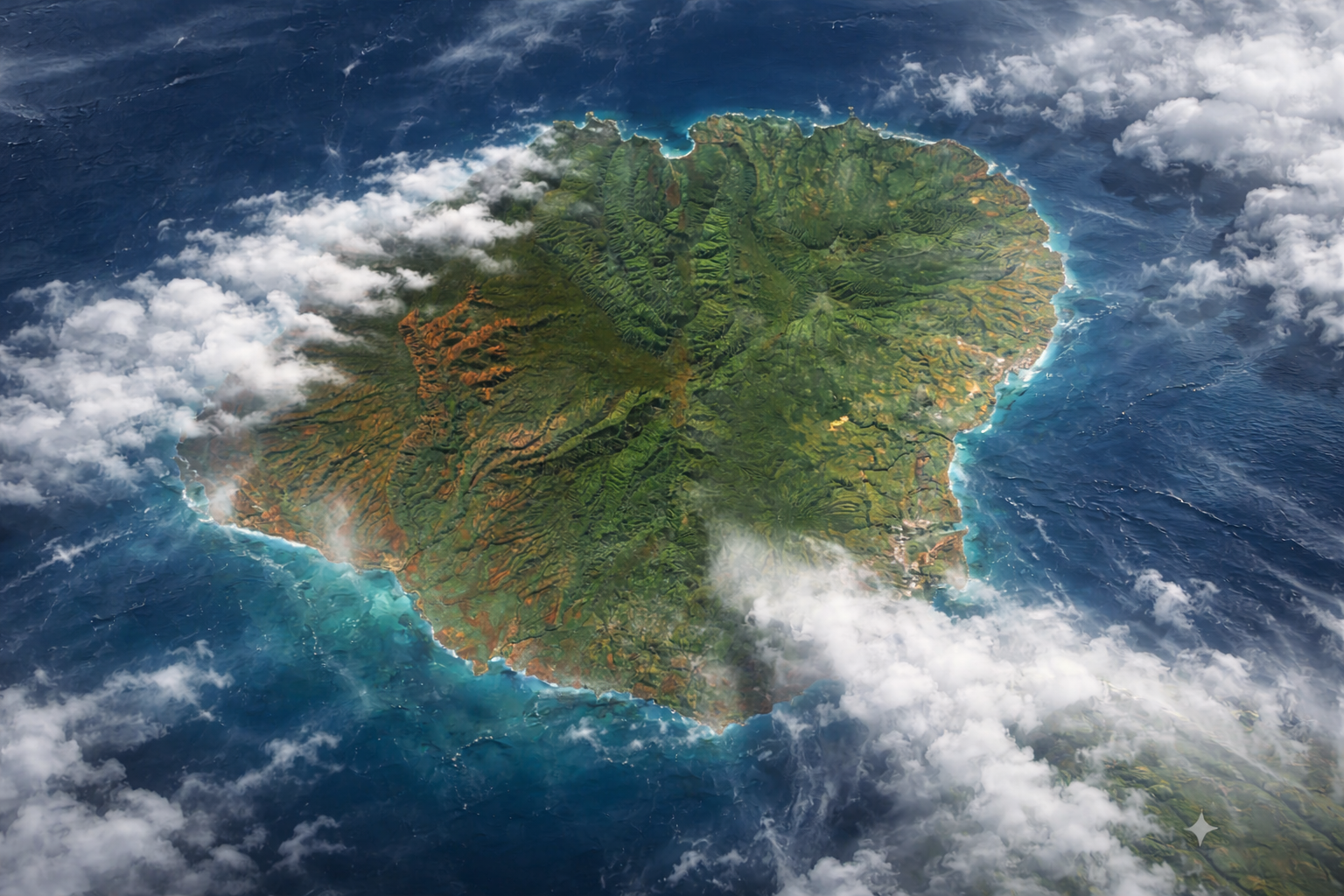 ToolCompare island weather by region
See how rain, wind, and conditions vary around the island before you choose your day plan.
Useful planning tool ActivityIolani Palace
Explore the only official state residence of royalty in the U.S., immersing yourself in the rich history of the Hawaiian monarchy and its pivotal role in island culture.
Editor's pick