
Kāneʻohe
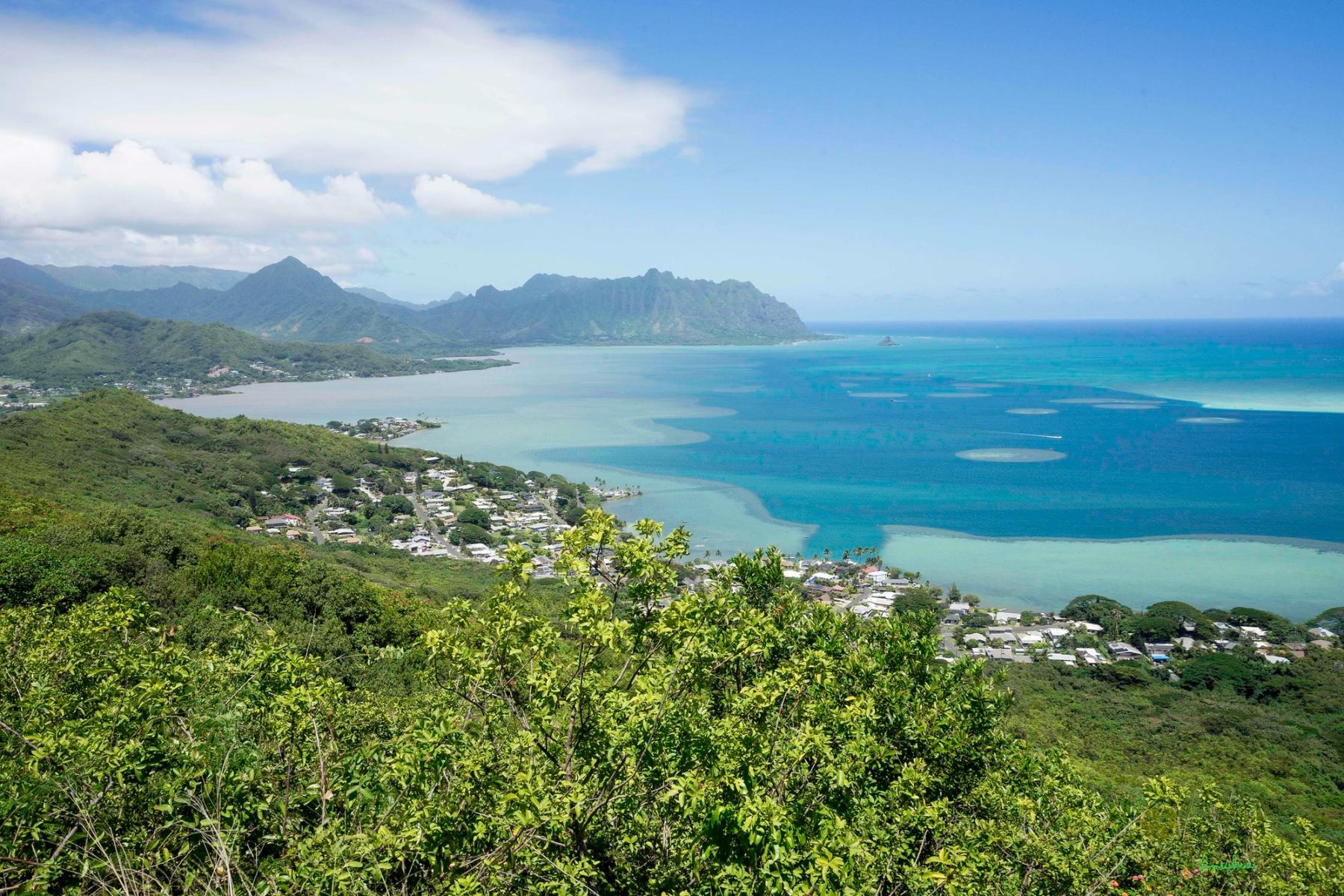
A green, bay-facing Windward belt where gardens and daily life meet the Koʻolau.
Good Fit For
- Koʻolau mountain scenery
- Botanical garden visit
- Windward loop drive
- Local food stops
- Bay and valley views
Trade-offs
- Not a beach hub
- Car-dependent spread-out area
- Traffic at rush hours
- Limited visitor nightlife
Logistics & Getting Around
Kāneʻohe is easiest with a car and is often reached via cross-island routes from Honolulu. Expect a patchwork of neighborhoods and shorefront roads, with peak-hour congestion. Plan short stops rather than a single walkable district day.
Nearby Areas in Windward Coast
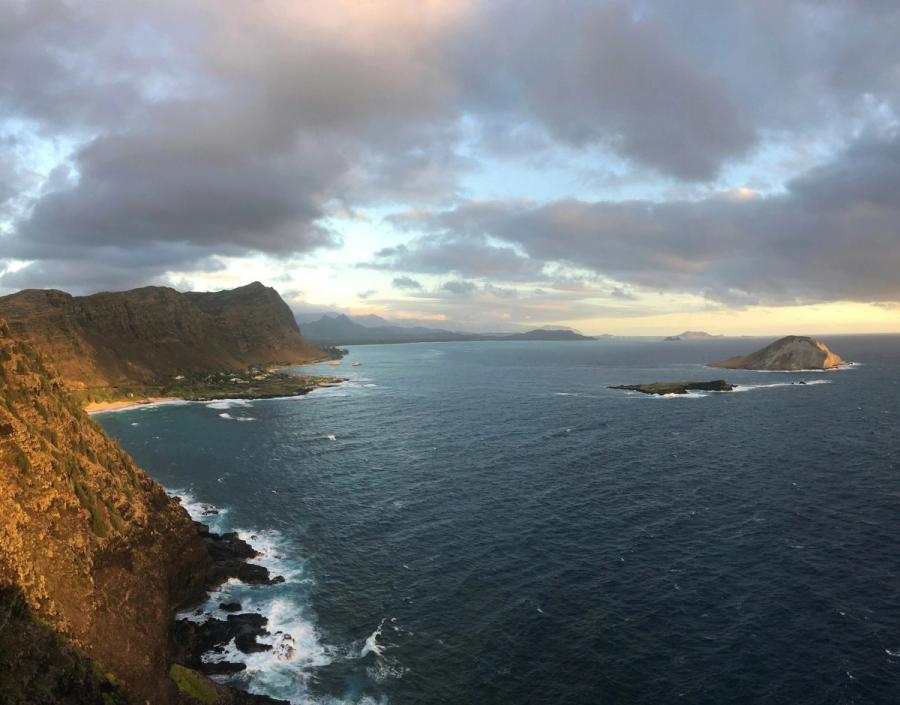
Signature Experiences in Kāneʻohe
A windward town shaped by the bay and the cliffs
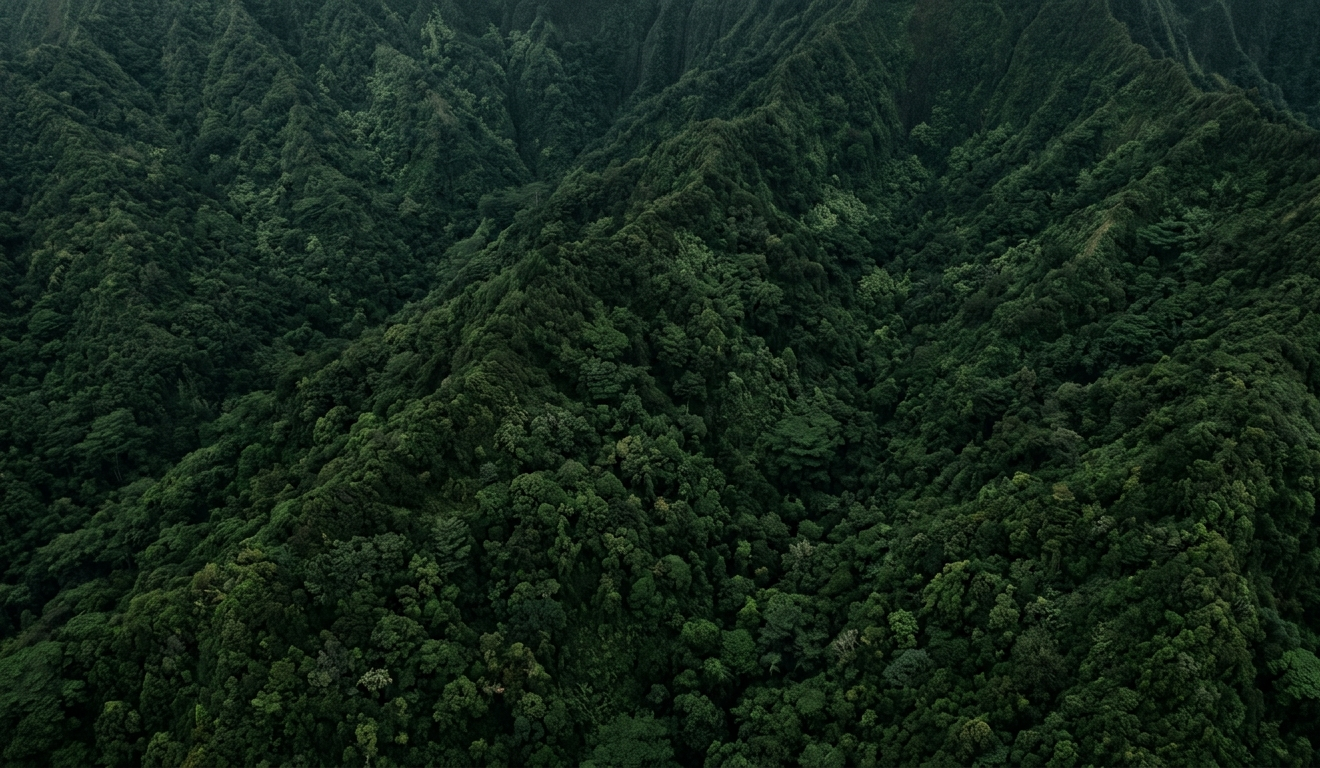
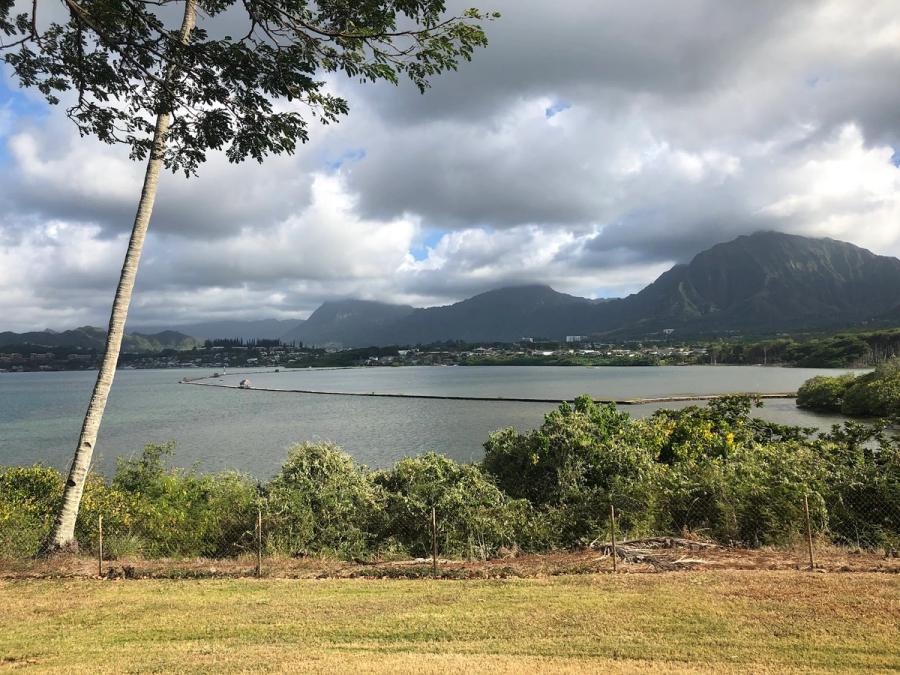
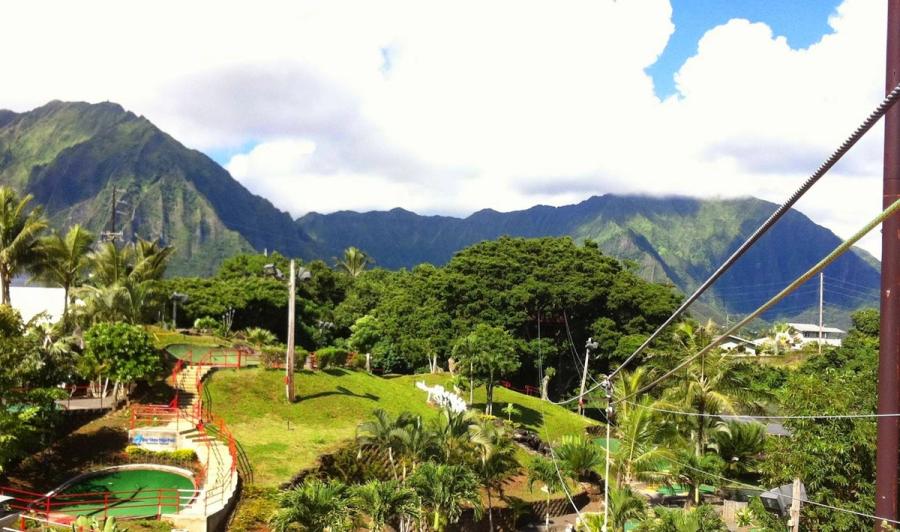
Kāneʻohe isn’t a single “sight” so much as a long, lived-in stretch of the Windward Coast: neighborhoods, schools, small shopping clusters, and shoreline roads pressed between Kāneʻohe Bay and the sheer Koʻolau. The feeling is distinctly greener and more everyday than Oʻahu’s resort zones. Trade winds and frequent showers keep the ridgelines vivid; even quick errands come with a dramatic mountain backdrop.
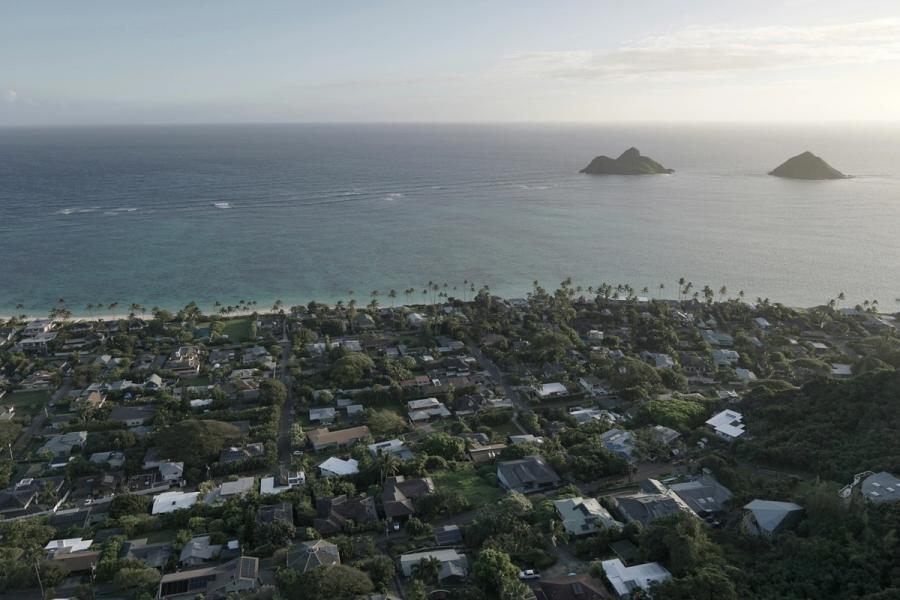
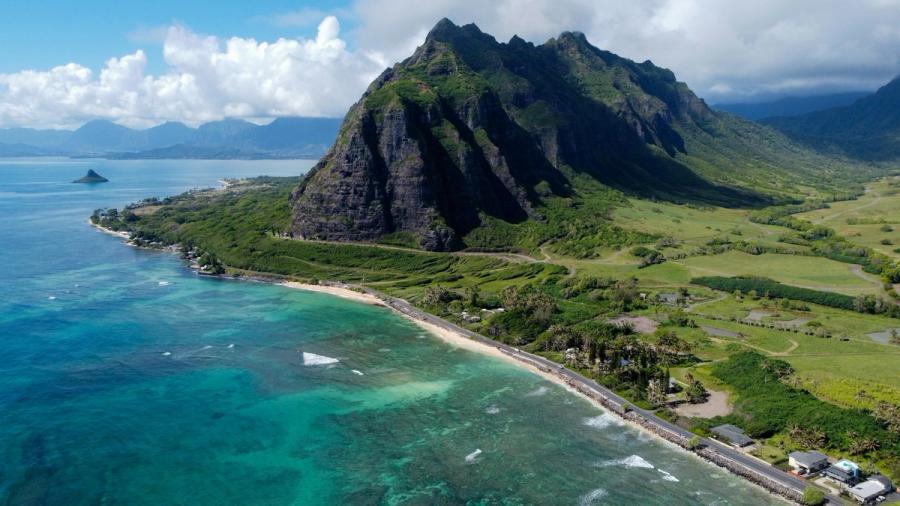
For most visitors, Kāneʻohe works as a scenic interlude rather than a destination you build an entire beach day around. You pass through on a windward loop, stop for one standout place, grab something casual to eat, and continue toward Kailua/Lanikai for sand and swimming or north windward viewpoints for big coastline drama.
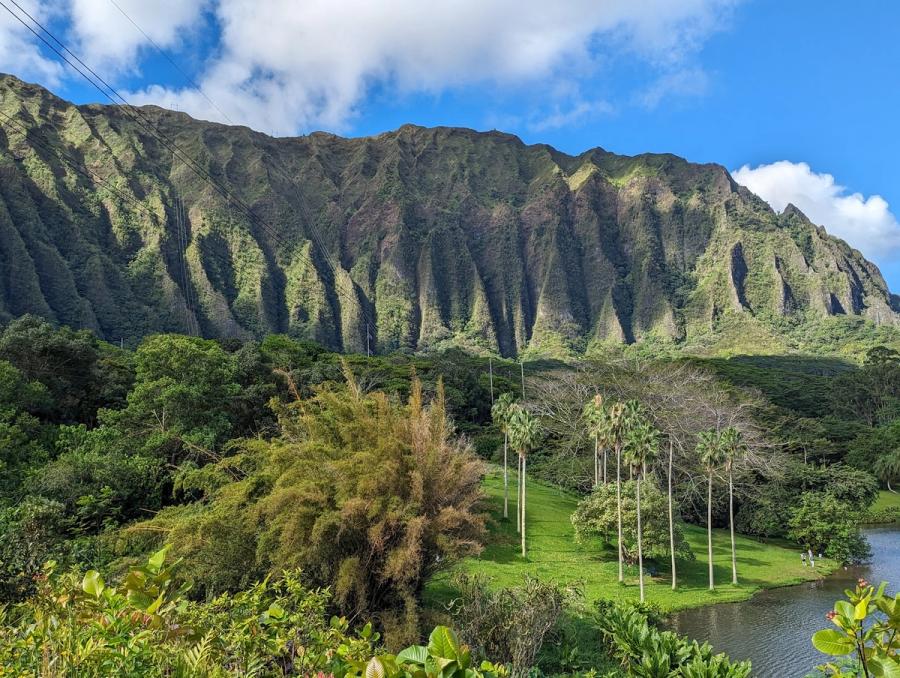
The main draw: deep green, close-up Koʻolau scenery
If you want to feel the scale of the Koʻolau without committing to a long hike, Kāneʻohe delivers. The signature stop is Hoʻomaluhia Botanical Garden, where the valley setting and layered ridgelines are the point as much as the plant collections. It’s the kind of place people visit to slow down—short walks, photos in soft windward light, and a reset from Honolulu’s pace.
Elsewhere, the appeal is more subtle: glimpses across the bay, small lookouts of water and sandbars, and the constant presence of the mountains. Heʻeia and adjacent areas read as semi-rural pockets mixed into suburbia, with patches of fishpond and wetland history still visible in the landscape.
How people actually use Kāneʻohe
Kāneʻohe is practical. It’s a common place to refuel—both literally and figuratively—between destinations. Dining is mostly local and low-key rather than “night out” oriented, and the area is spread along busy roads, so you’ll hop between stops rather than stroll a central strip.
A brief note on geography: the Mokapu peninsula includes Marine Corps Base Hawaiʻi; treat it as a landmark that shapes the map, not as a guaranteed place to visit.
What it’s not
If your priority is a classic swim beach, pedestrian-friendly shopping, or an evening scene, Kāneʻohe can feel like a pass-through. The payoff here is atmosphere: windward light, mountain scale, and a more residential slice of Oʻahu that’s best experienced in small, well-chosen stops.

Can't decide where to stay? Get personalized advice.
Custom recommendations built from the web's most comprehensive Kauai guide.