
North Shore
Oʻahu’s rural north coast of surf breaks, beach parks, and small-town stops.
The North Shore is a long coastal arc rather than a single destination—best experienced as a string of beaches, lookouts, and food stops stitched together by driving. Haleʻiwa provides the most “town” feel, Pūpūkea is the densest stretch of shoreline scenery, and Kahuku/Turtle Bay and Lāʻie each add their own, very different anchors.
Best For
- Winter surf watching
- Casual beach-hopping
- Scenic coastal drives
- Haleʻiwa small-town browsing
- Resort seclusion at Turtle Bay
Trade-offs
- Traffic and parking pinch
- Longer driving distances
- Weather-driven beach conditions
- Limited nightlife and late dining
Logistics & Getting Around
Most visits are a daytime loop from Honolulu or Waikīkī. Distances between stops are short on a map but add up with traffic and beach-park parking; start early and keep plans flexible around ocean conditions.
Areas in North Shore
Haleʻiwa
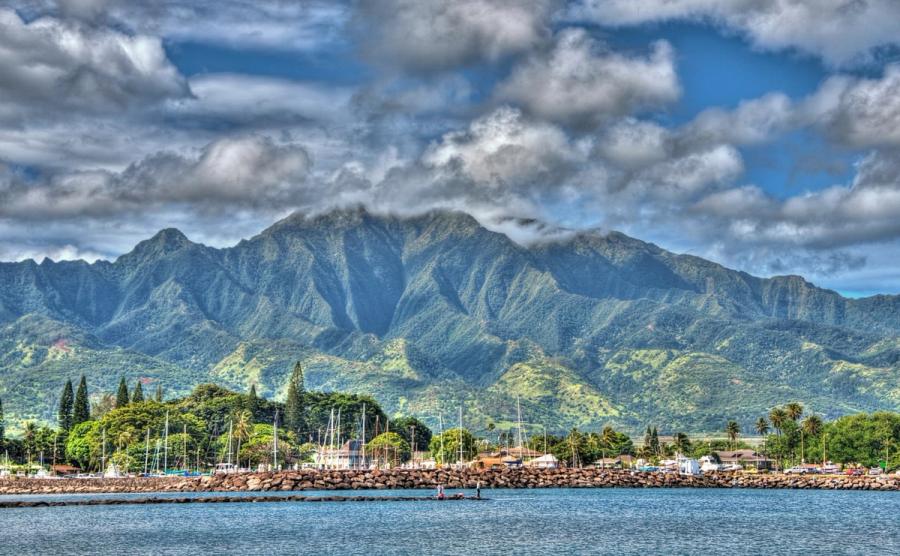
North Shore’s small-town hub for a meal break, harbor views, and quick beach time.
Waialua & Mokulēʻia
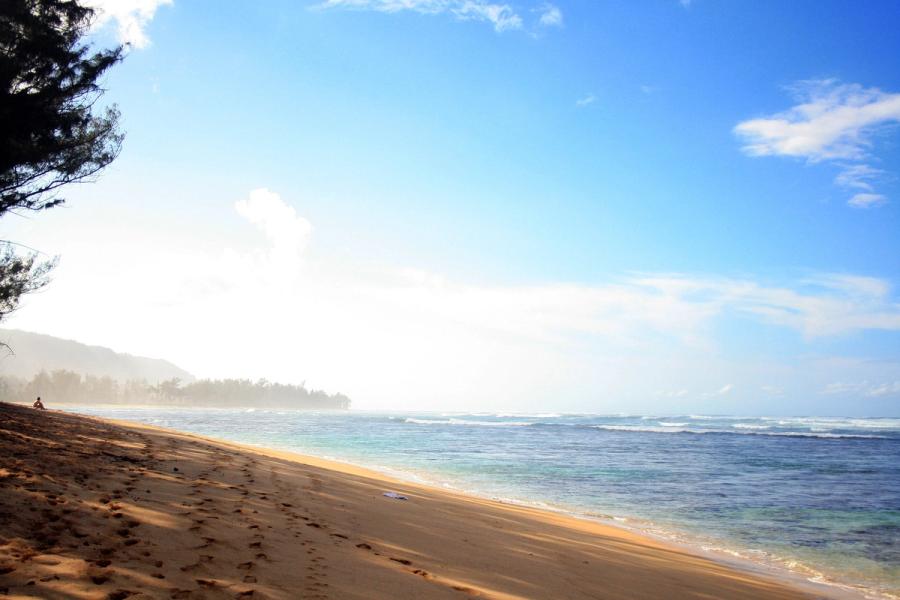
A quiet, rural stretch of North Shore coastline beyond Haleʻiwa’s bustle.
Pūpūkea
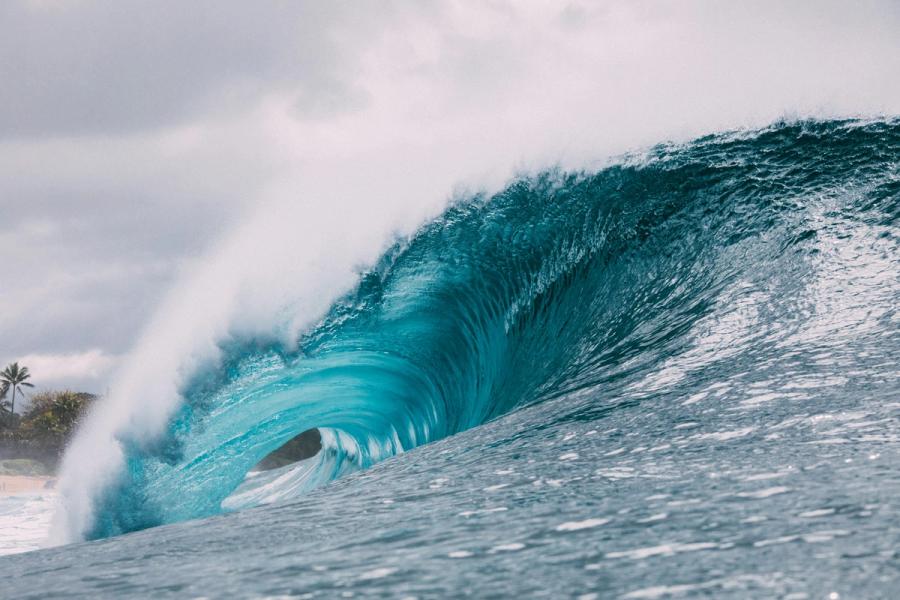
A tight North Shore coastline of legendary breaks, reef coves, and big-sky beaches.
Kahuku & Turtle Bay
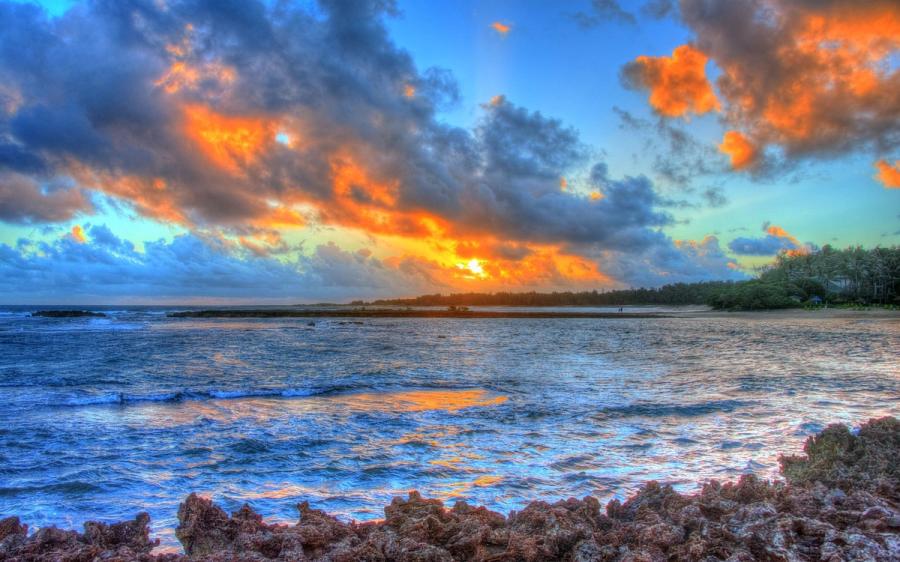
Oʻahu’s far northeast tip: quiet beaches, open roads, and Turtle Bay’s resort core.
Lāʻie
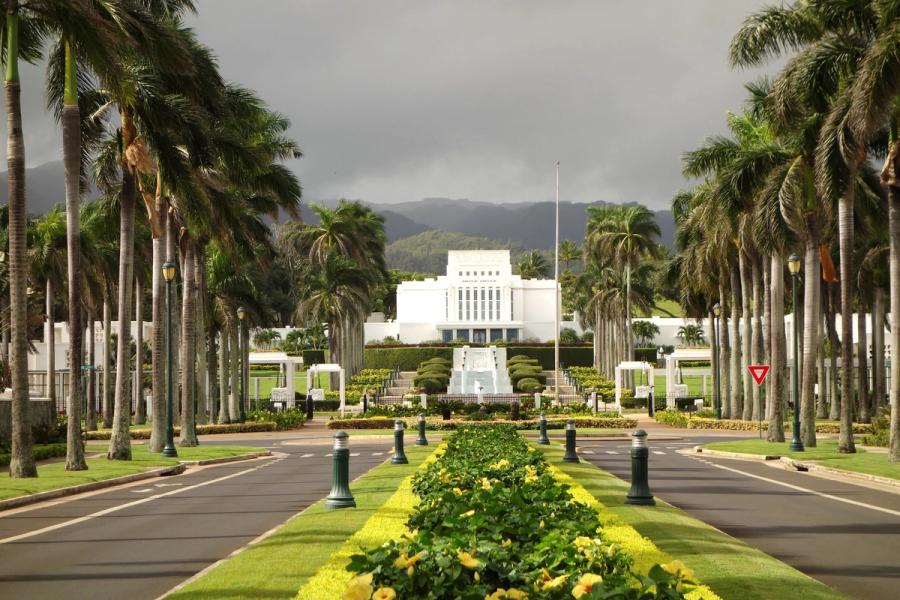
A North Shore town where a major cultural attraction meets quick, windy ocean lookouts.
Signature Experiences in North Shore
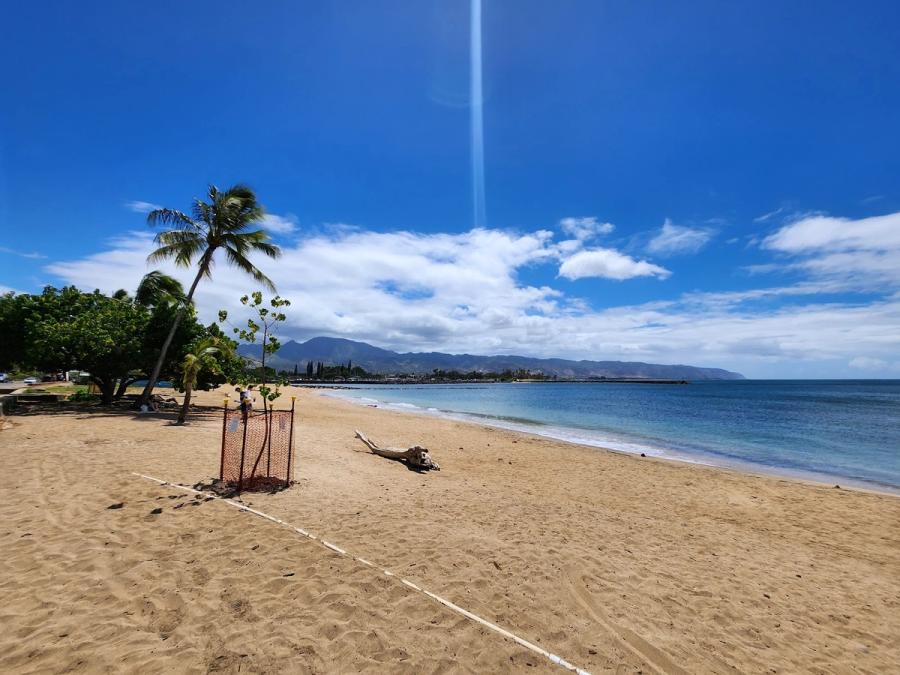
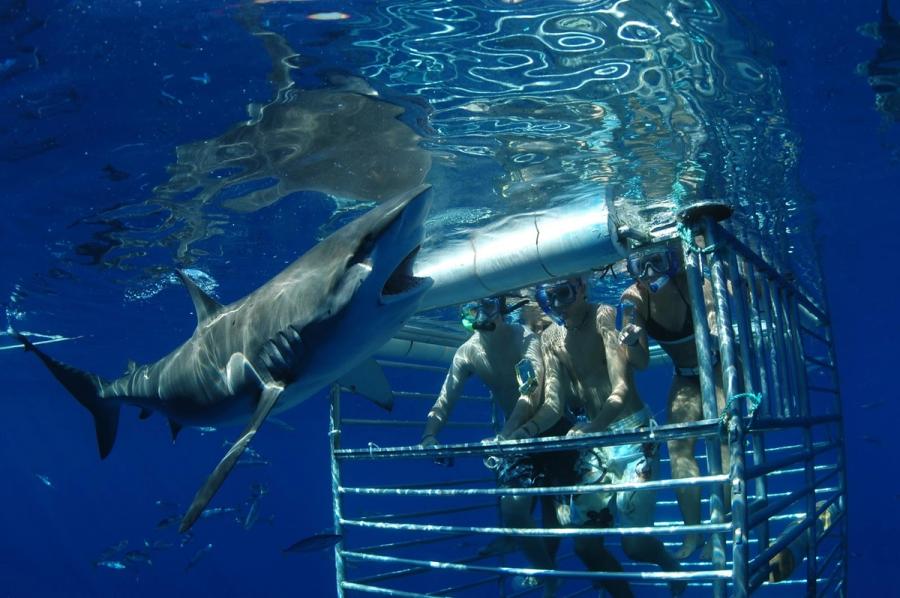
A coastline made of moments
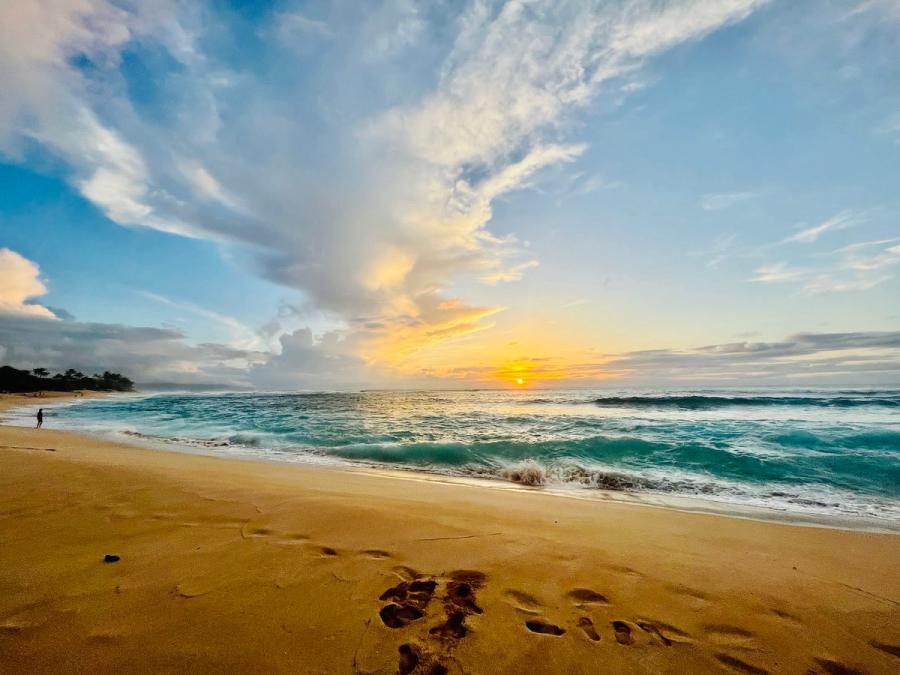
Oʻahu’s North Shore feels like the island exhales. Past the last dense suburbs, the road begins to behave like a shoreline: it curves, it pauses at beach parks, it funnels everyone into the same few pullouts. “North Shore” isn’t one place so much as a sequence of small places—sand pockets, lava-rock points, quiet neighborhoods, and a couple of major anchors—strung along a long rural coast.
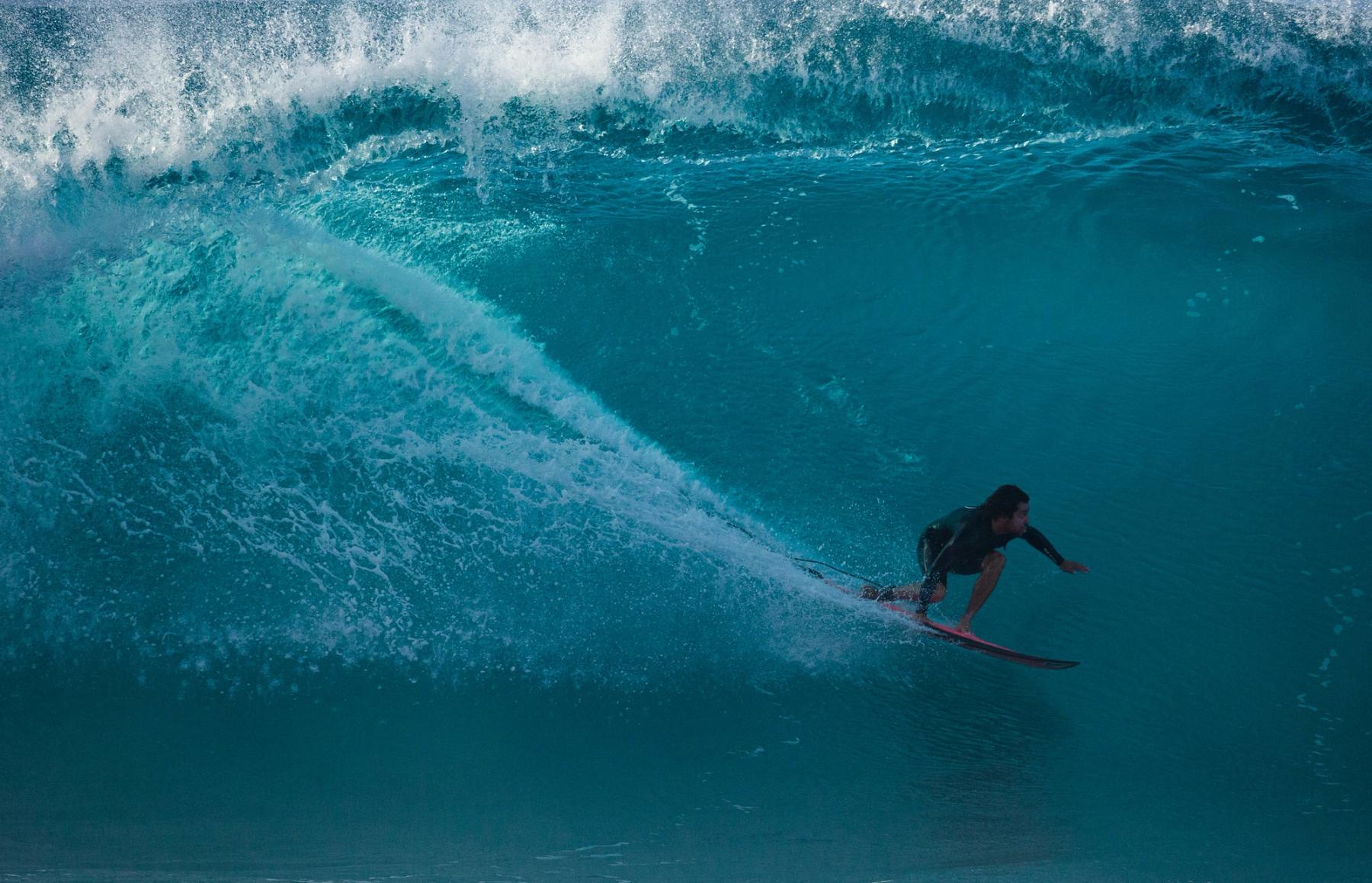
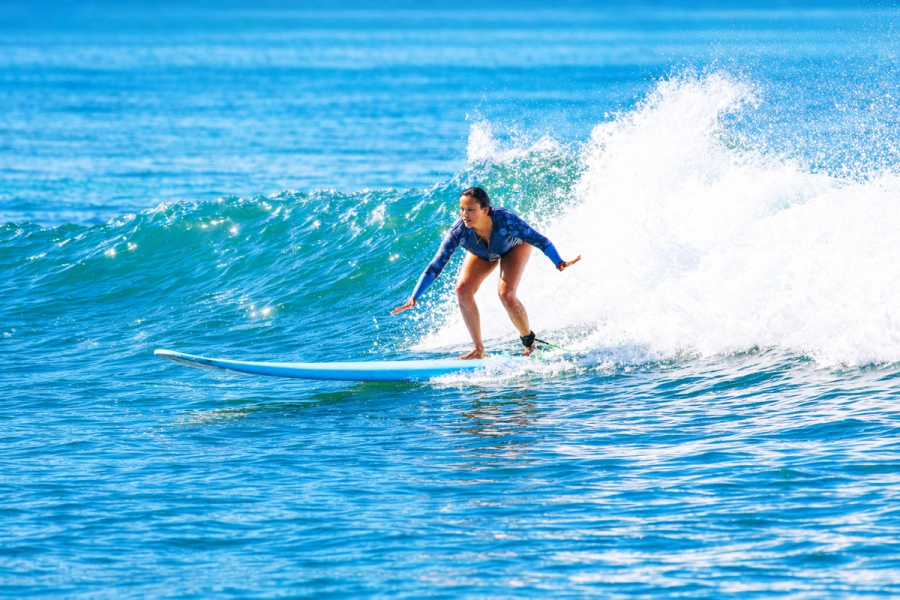
In winter, the region’s identity is loud and athletic: powerful surf, more spectators, more photographers posted at beach accesses, more cars hunting for a space near the water. In summer, it’s still beautiful but calmer and more spread out, with the focus shifting to swimming, snorkeling in protected coves, and longer beach days. Either way, the North Shore rewards a mindset of roaming rather than checking off.
The sub-areas don’t feel the same
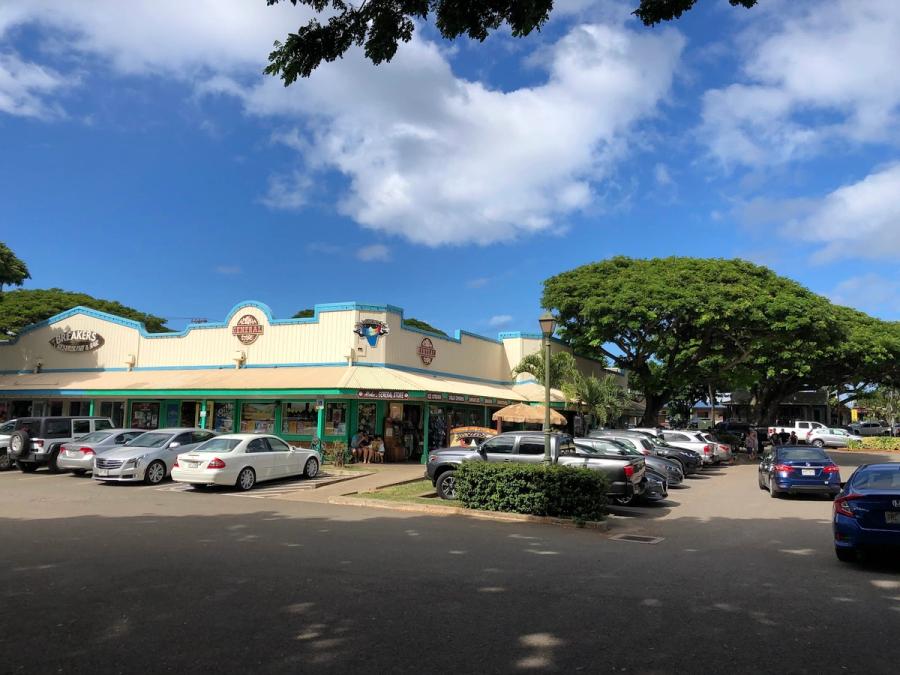
Haleʻiwa is where the North Shore briefly acts like a town. It’s the most natural place to reset: fuel, snacks, a shaded walk, a little browsing. It’s also where you’ll feel the visitor volume most strongly, because it concentrates services and charm into a compact area.
West of there, Waialua and Mokulēʻia lean more residential and agricultural, with longer open views and fewer obvious “stops.” It’s a good stretch for a slower drive and a reminder that most of the North Shore is lived-in, not curated.
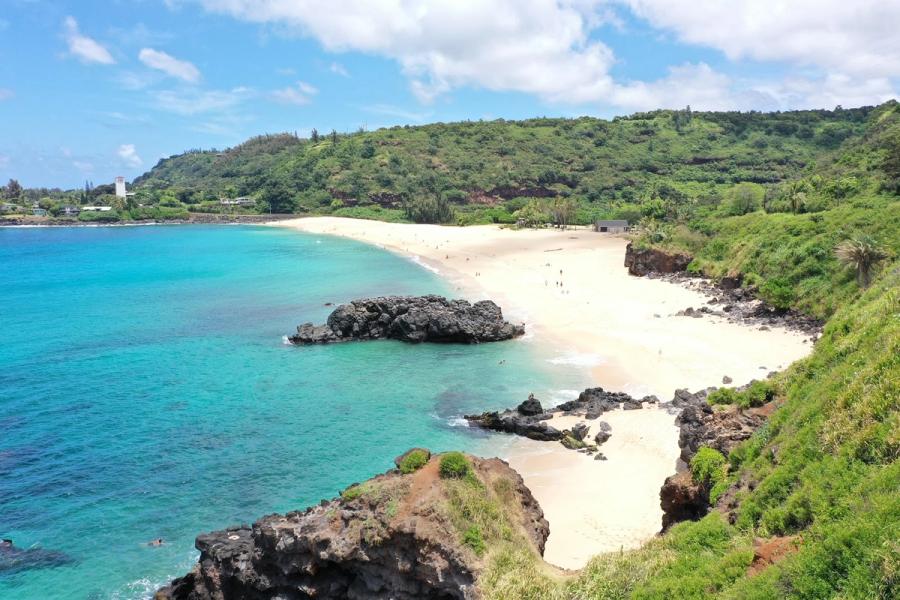
The coastline around Pūpūkea is the classic postcard belt: short hops between beach parks, reef shelves, and surf breaks where the ocean’s mood can change quickly. This is where people cluster to watch the water and where conditions—swell, wind, tide—shape what’s enjoyable.
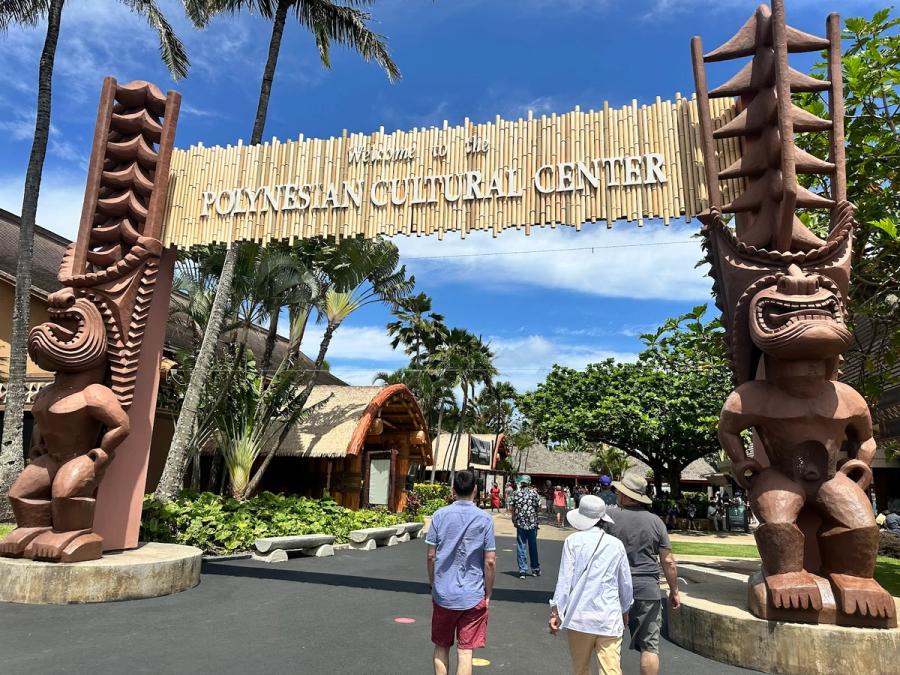
Farther on, Kahuku and Turtle Bay feel more spacious and wind-swept, with a resort presence at the tip that creates the region’s most conventional overnight node. Lāʻie, meanwhile, stands apart: it’s anchored by the Polynesian Cultural Center and a distinct community character, so it often functions as a single-purpose stop rather than part of casual beach-hopping.
How most people experience it
For many travelers, the North Shore is an all-day outing from Honolulu/Waikīkī: arrive earlier than you think you need to, keep the day loose, and let the ocean decide which beaches make sense. Expect frequent, short drives between pullouts; that stop-and-go rhythm is part of the experience.
The main tradeoff is friction: narrow roadside parking, bursts of congestion, and limited room for spontaneous detours at peak times. If you’re looking for easy logistics, the North Shore can feel like work. If you’re looking for a truer rural-coast contrast to Honolulu—salt air, big skies, surf energy, and simple roadside meals—it delivers in a way that’s hard to fake.
Can't decide where to stay? Get personalized advice.
Custom recommendations built from the web's most comprehensive Kauai guide.