
Pūpūkea
A tight North Shore coastline of legendary breaks, reef coves, and big-sky beaches.
Good Fit For
- Iconic surf watching
- Seasonal snorkeling windows
- Short beach-to-beach hops
- Scenic North Shore drives
- Photogenic shoreline parks
Trade-offs
- Ocean conditions volatile
- Limited town feel
- Traffic and parking crunch
- Few evening options
Logistics & Getting Around
Pūpūkea works best as a string of daytime stops along Kamehameha Highway between Haleʻiwa and Kahuku. Conditions change fast; plan around swell, wind, and tides, and expect busy pullouts and slower driving at peak times.
Nearby Areas in North Shore
Haleʻiwa
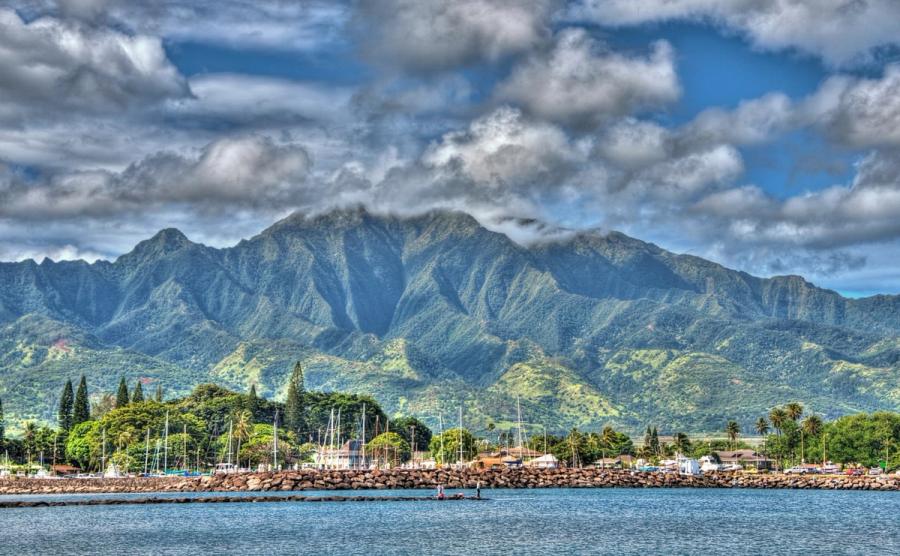
North Shore’s small-town hub for a meal break, harbor views, and quick beach time.
Kahuku & Turtle Bay
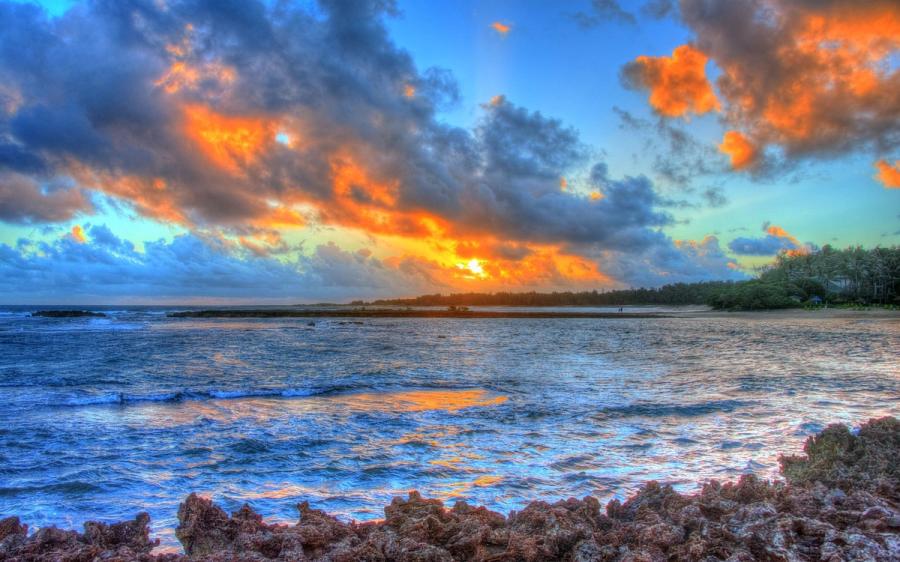
Oʻahu’s far northeast tip: quiet beaches, open roads, and Turtle Bay’s resort core.
Lāʻie
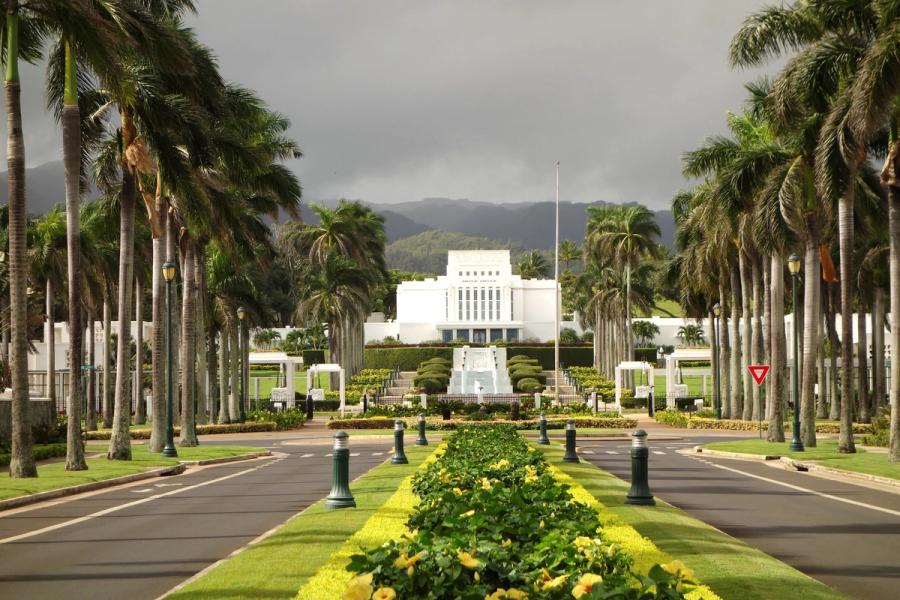
A North Shore town where a major cultural attraction meets quick, windy ocean lookouts.
Waialua & Mokulēʻia
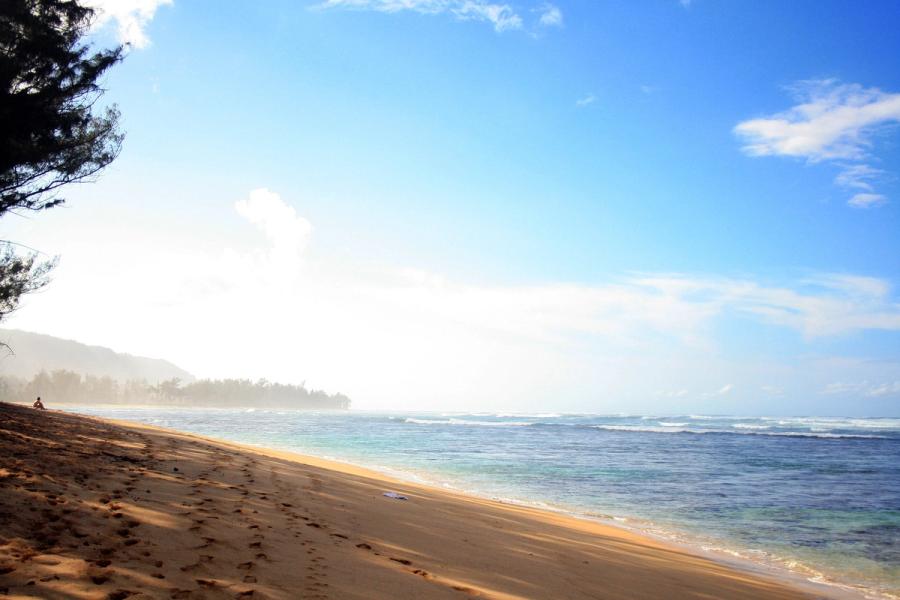
A quiet, rural stretch of North Shore coastline beyond Haleʻiwa’s bustle.
Signature Experiences in Pūpūkea
The feel: North Shore distilled
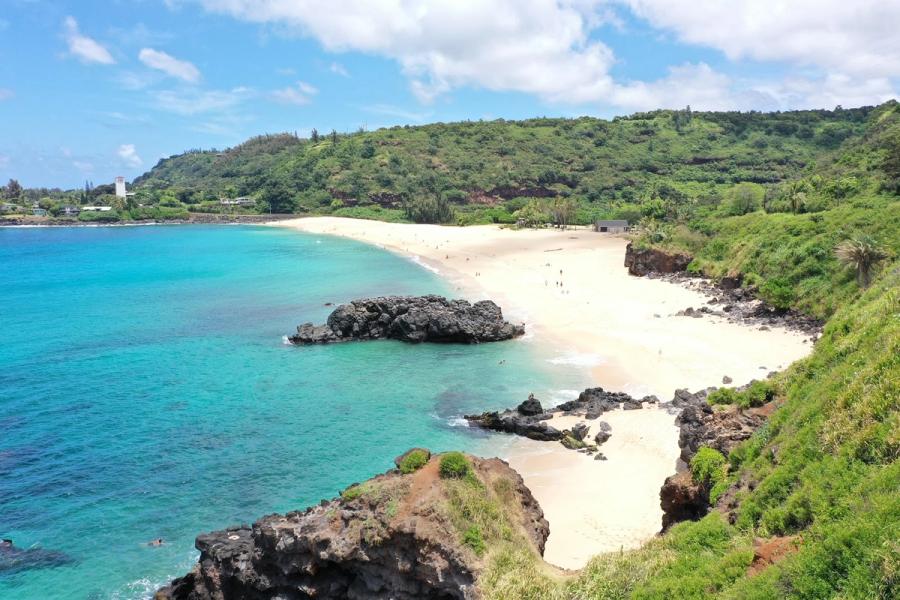
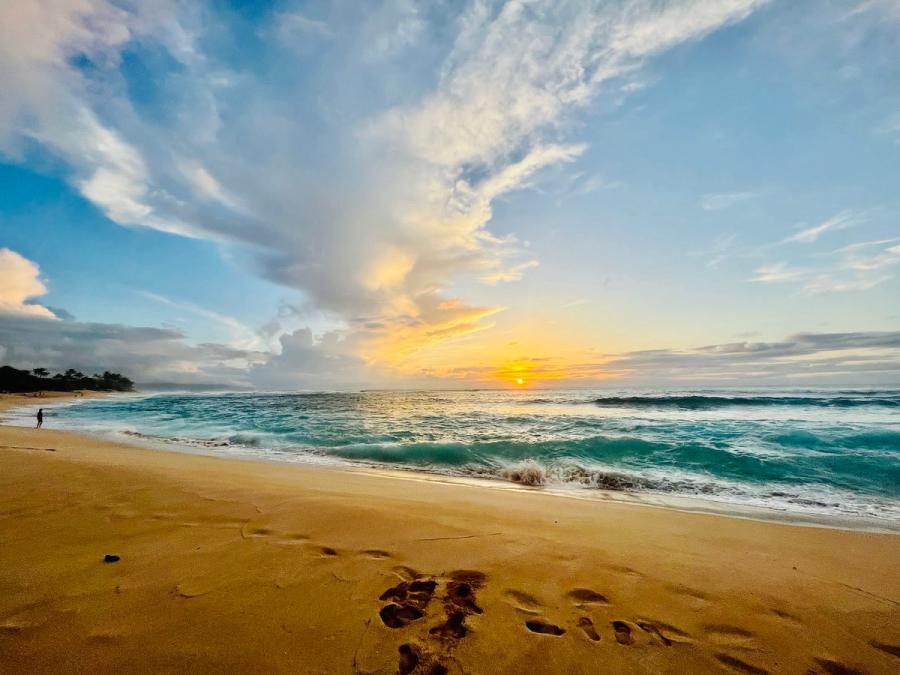
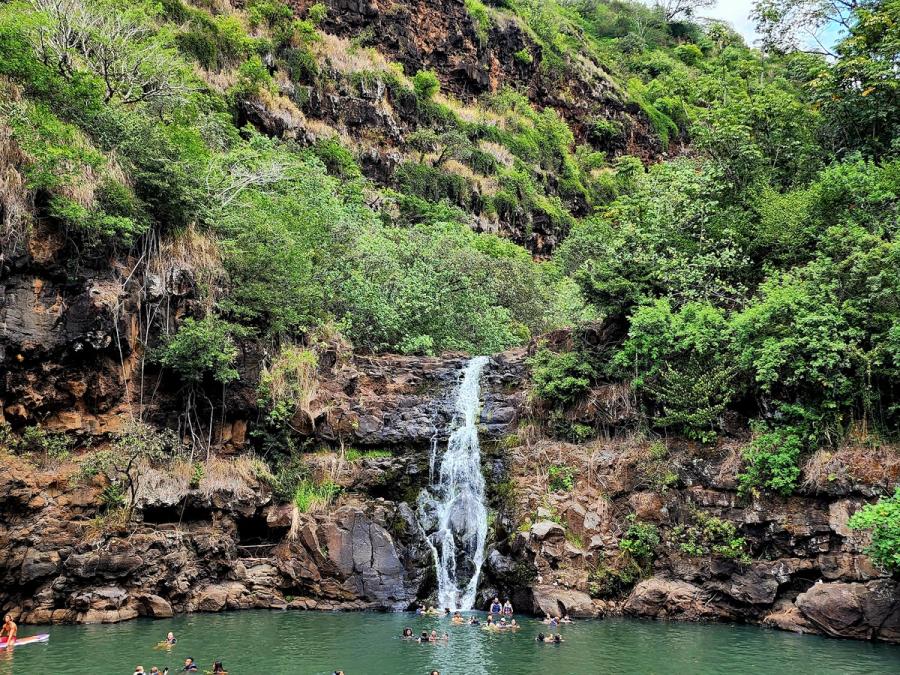
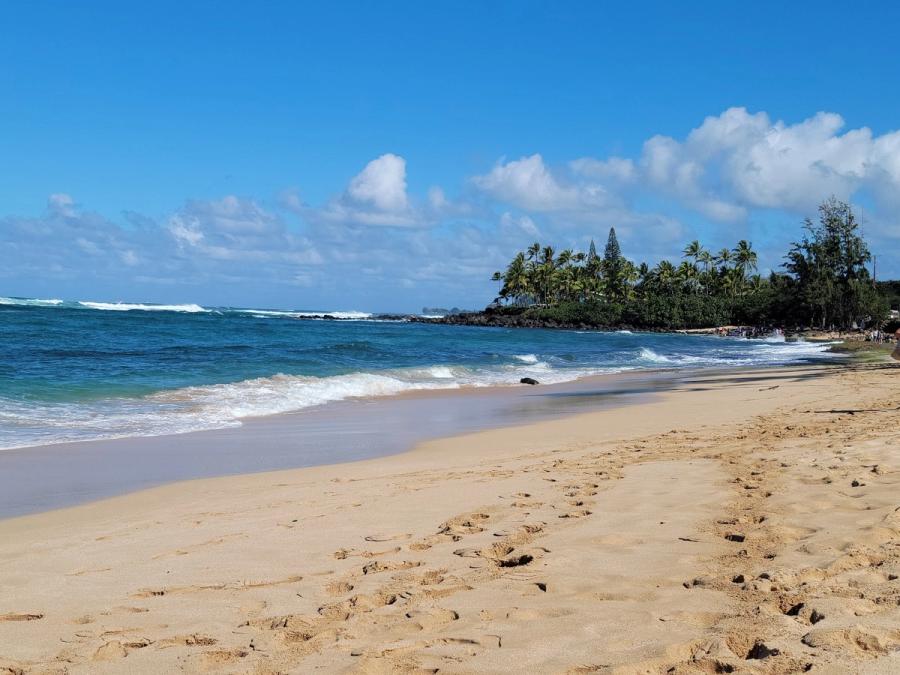
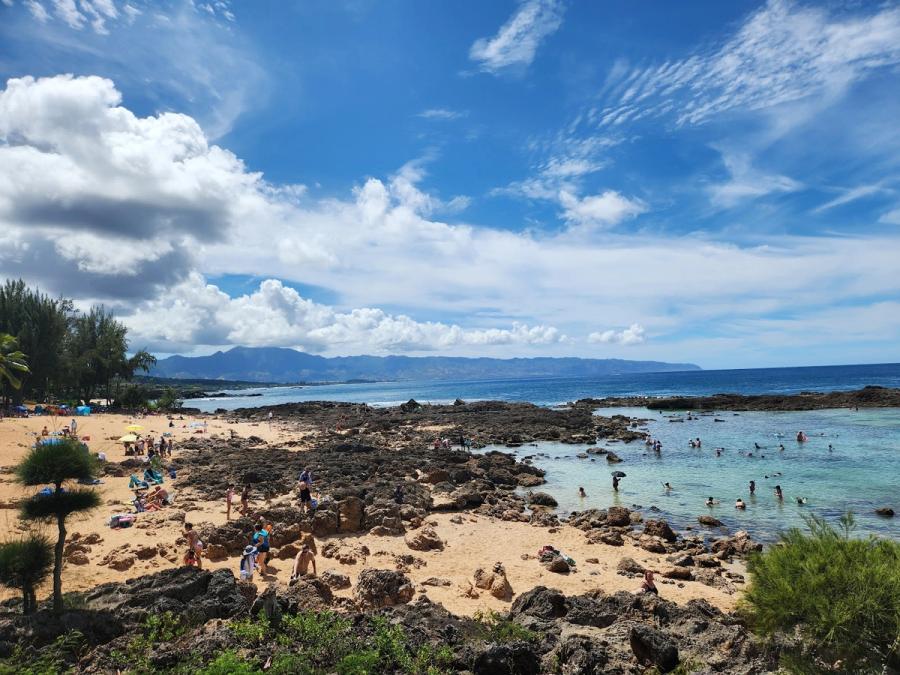
Pūpūkea isn’t a town center so much as a high-impact strip of coastline where Oʻahu’s North Shore identity feels most concentrated. The road runs close to the water, and the scenery changes in quick bursts: a broad sandy arc at Sunset Beach, the famous reef breaks of ʻEhukai and Banzai Pipeline, the lava-rock fingers and tide-pool look of Shark’s Cove, then the open bowl of Waimea Bay. Between them are beach parks, access paths, and small pockets of neighborhood—more roadside and shoreline than main street.
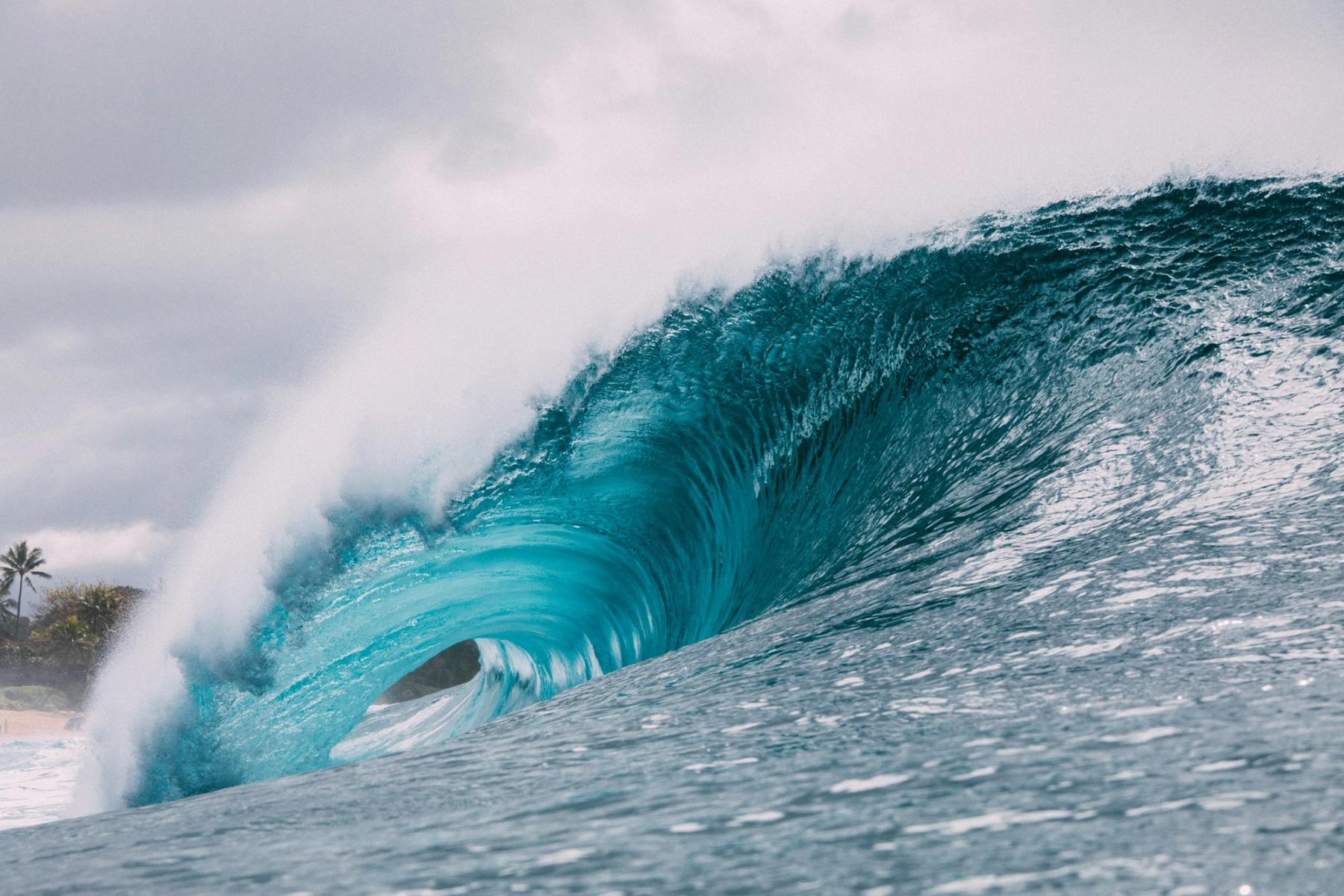
What stands out is the scale of sky and water. Even on ordinary days, the horizon feels wide and the light is strong. In winter, the coastline becomes theater: powerful swells, spray in the wind, and spectators scanning sets. In calmer periods, the same places can look invitingly clear and blue, but the underlying message remains the same—this is a coast to read carefully.
How people typically experience Pūpūkea
Most visitors treat Pūpūkea as a sequence of short stops rather than a single destination. You pull in, spend time at one beach or viewpoint, then hop a few minutes down the highway to the next named spot. Haleʻiwa often provides the “town” piece—groceries, more dining choice, errands—while Pūpūkea is where you come for the water, the views, and the sense of place.
Timing matters. Morning light and lighter traffic can make the whole stretch feel calmer; midday brings more cars, fuller beach parks, and slower movement between pullouts. Because the coastline is so condition-led, flexibility is part of the experience: you may arrive intending to swim and end up content just watching the ocean, or arrive to watch surf and find gentler water in sheltered corners.
The practical reality: beauty with sharp edges
Pūpūkea’s tradeoff is that its headline attractions are also dynamic and, at times, hazardous. Surf breaks sit over reef, shorebreak can be heavy, and currents can surprise people who don’t surf or regularly swim in open ocean. Respect signs, observe before entering, and be comfortable changing plans.
Services are scattered and the vibe is more day-use coastline than evening destination. If you’re looking for a walkable village atmosphere, you’ll find more of that nearby; if you want the North Shore’s most recognizable shorelines in a compact stretch, Pūpūkea is the core.

Can't decide where to stay? Get personalized advice.
Custom recommendations built from the web's most comprehensive Kauai guide.