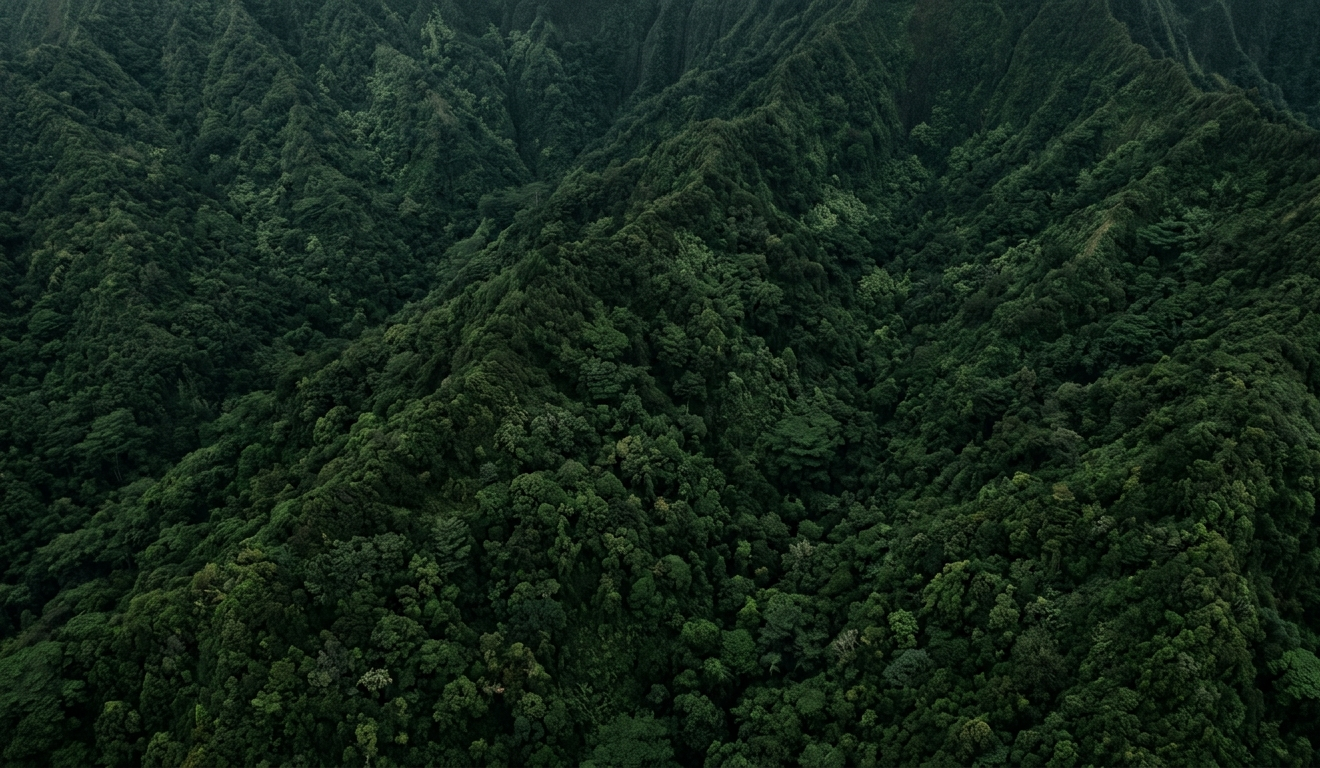

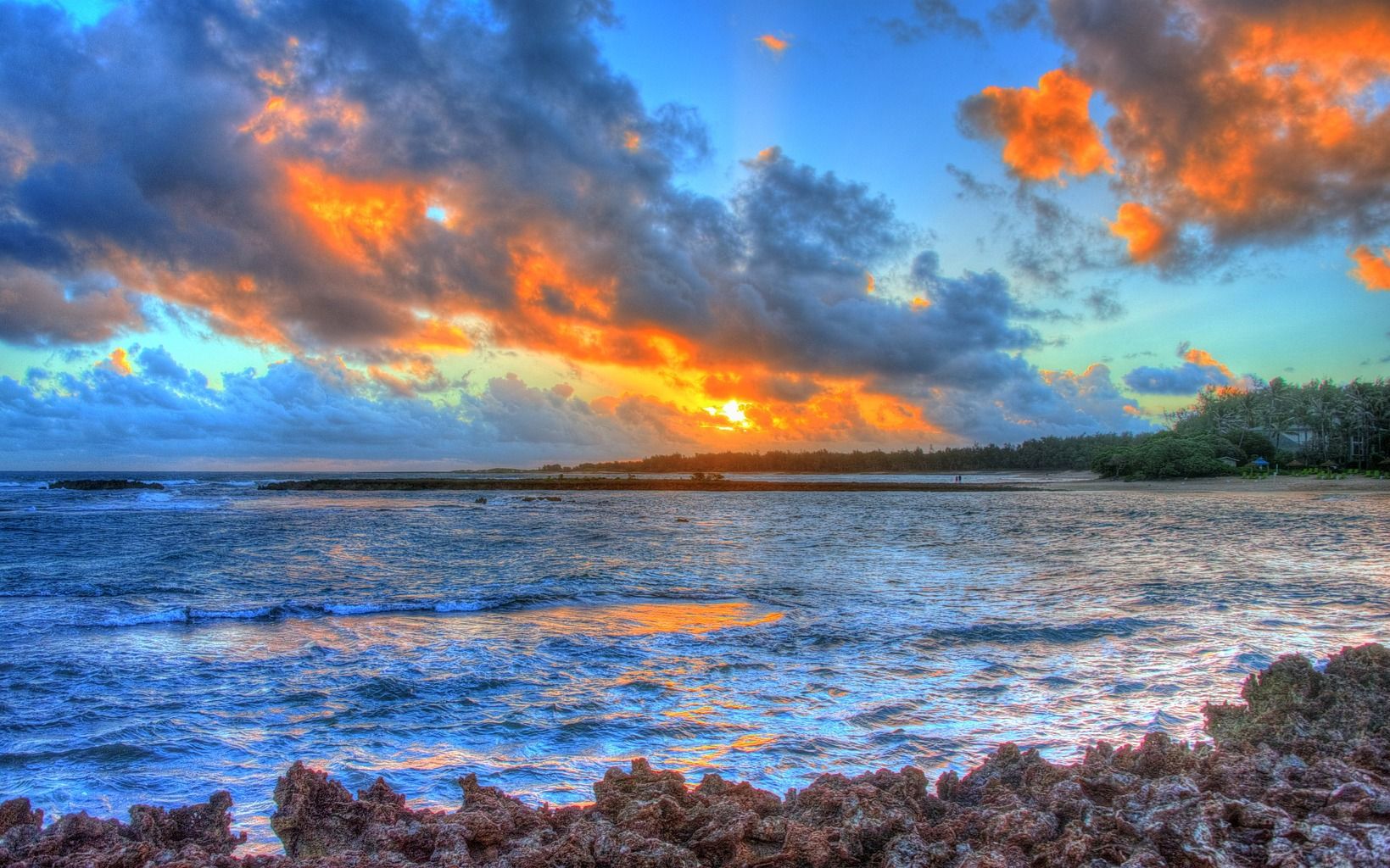
Kahuku & Turtle Bay
Oʻahu’s far northeast tip: quiet beaches, open roads, and Turtle Bay’s resort core.
Good Fit For
- Scenic end-of-the-road drives
- Quieter North Shore base
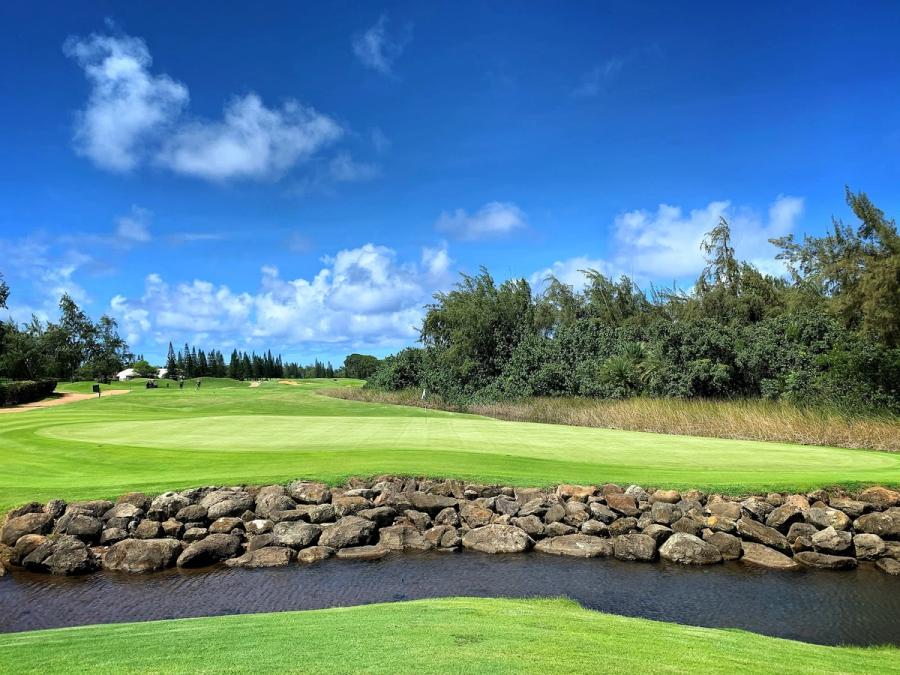
- Resort amenities and golf
- Sunrise and shoreline walks
- Low-density coastal pockets
Trade-offs
- Limited town center
- Car-dependent days
- Fewer casual dining clusters
- Seasonal surf and wind
Logistics & Getting Around
Most people arrive by car as part of a North Shore loop. Distances are short on a map but slow at peak times, and beach access varies by pocket. For broader North Shore stops, you’ll usually continue west toward Pūpūkea
Nearby Areas in North Shore
Haleʻiwa
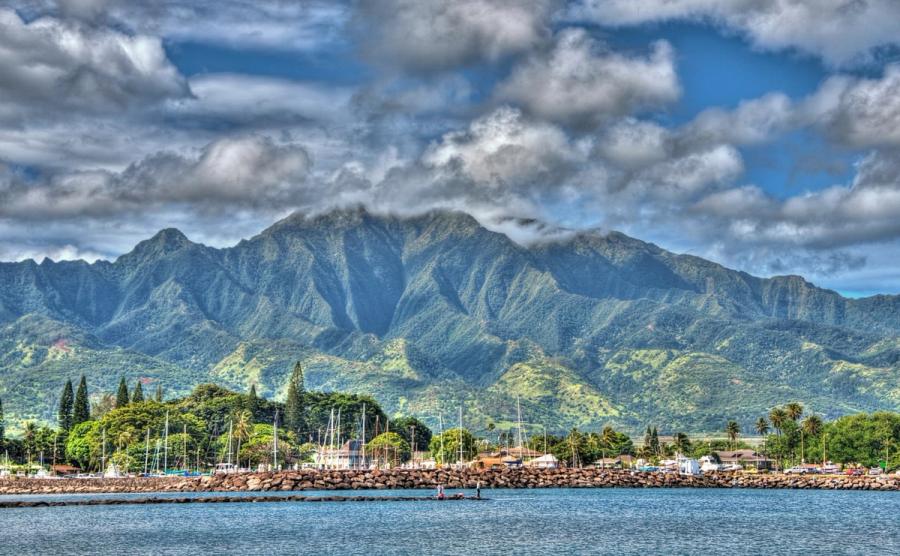
North Shore’s small-town hub for a meal break, harbor views, and quick beach time.
Lāʻie
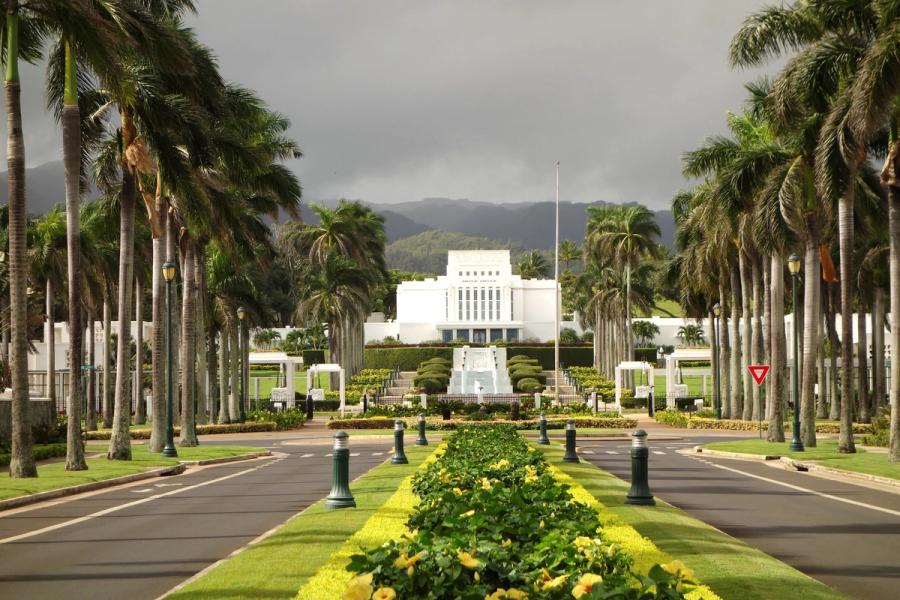
A North Shore town where a major cultural attraction meets quick, windy ocean lookouts.
Pūpūkea
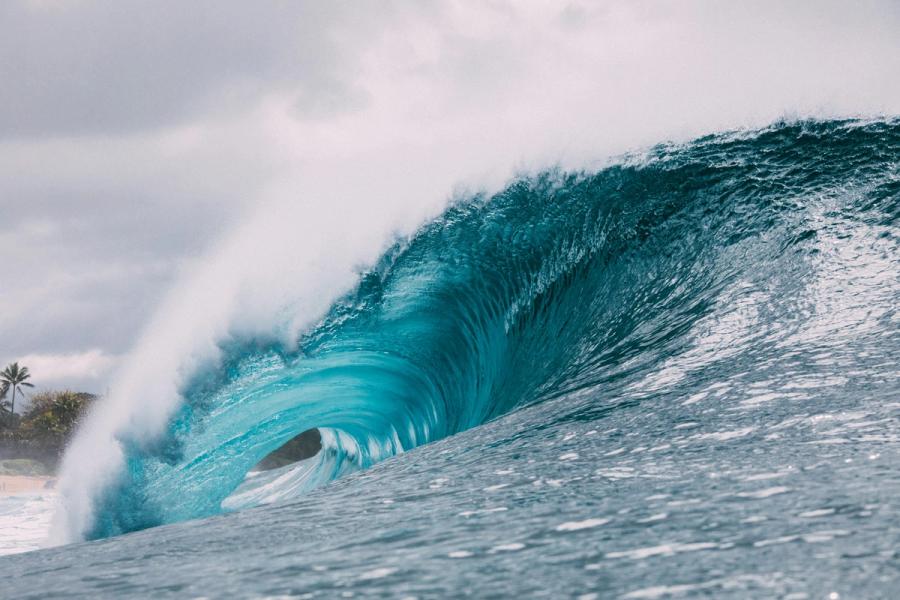
A tight North Shore coastline of legendary breaks, reef coves, and big-sky beaches.
Waialua & Mokulēʻia
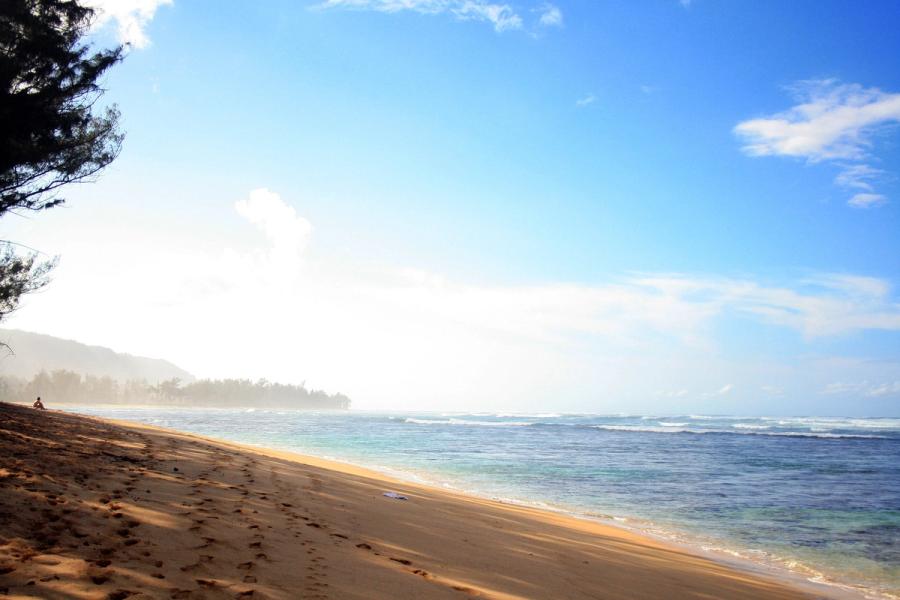
A quiet, rural stretch of North Shore coastline beyond Haleʻiwa’s bustle.
Signature Experiences in Kahuku & Turtle Bay
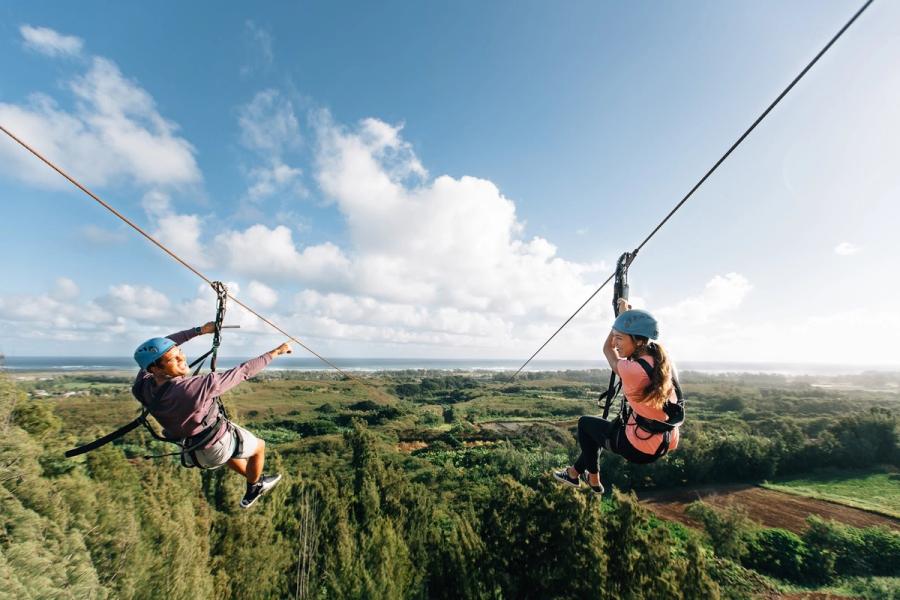
The feel: northeast edge of the North Shore
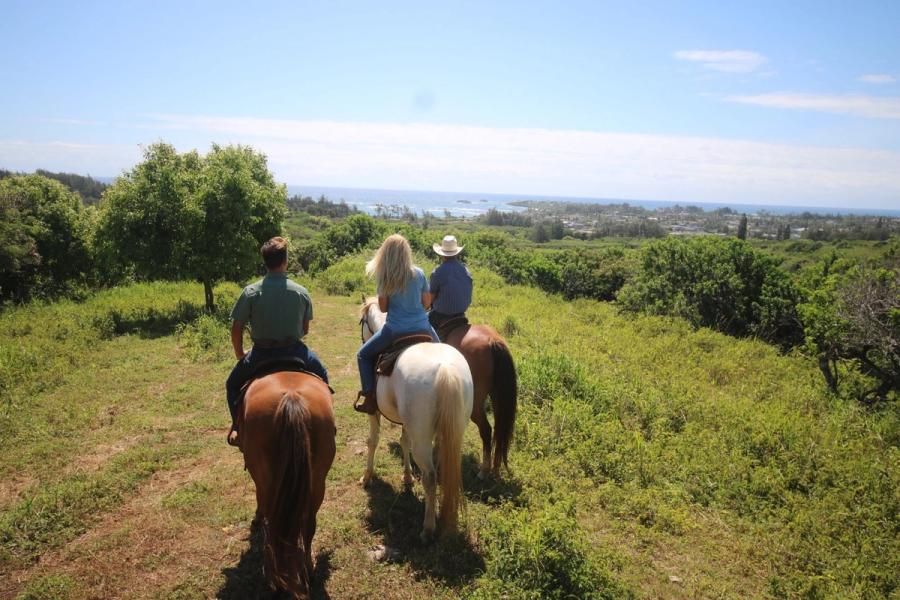
Kahuku & Turtle Bay sits at the far northeast corner of Oʻahu, where the highway stops feeling like a strip of must-do pullouts and becomes a quieter coastal drive. The land is more open here—fewer storefronts, longer views, and a distinct shift from the busier surf-and-snack rhythm farther west. Kahuku itself reads as local and rural rather than resorty; the visitor gravity comes from the Turtle Bay/Kuilima area, which concentrates amenities in one place.
This is also where the North Shore starts to feel like a point on the compass. For many day-trippers it’s the turnaround: a last stretch of coastline, a beach look, a meal, and then back through Pūpūkea and Haleʻiwa.
Coastline in pockets, not one continuous scene
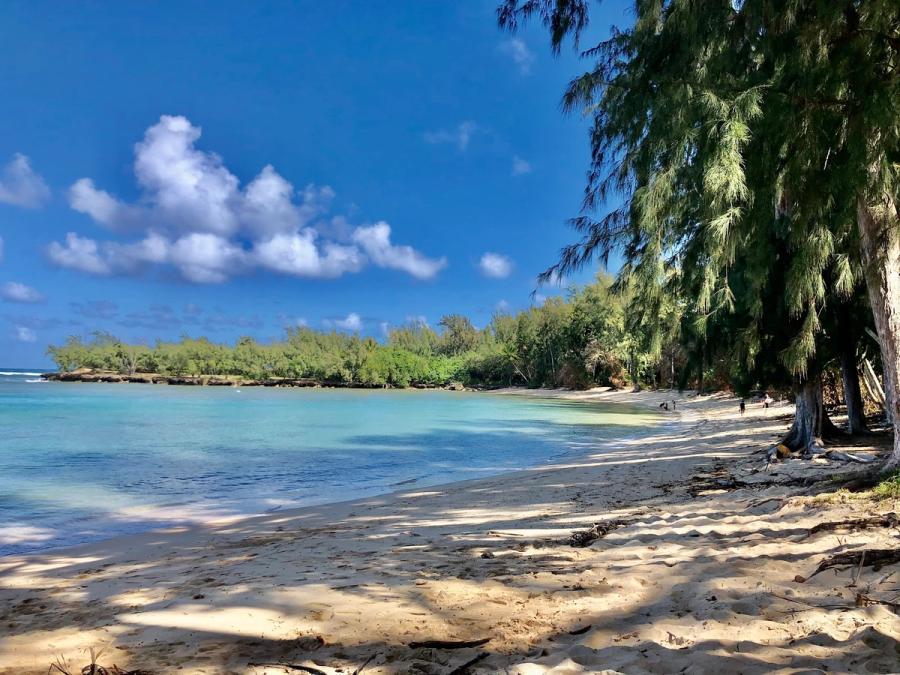
The shoreline here comes in small bays and longer exposed stretches. On calm days the water can look deceptively gentle; at other times wind and swell make the coast feel raw and energetic. Beaches tend to be experienced as specific pockets—quiet sand, a short shoreline walk, a lookout—rather than a single long promenade.
Expect a strong sense of weather. Trade winds can be brisk, and winter surf energy is part of the North Shore identity even when you’re not here for wave watching. Shade can be limited outside of the more sheltered nooks, so midday beach time can feel bright and open.
How people typically use the area
If you’re based here, days often revolve around a simple loop: beach time close to “home,” a drive west for classic North Shore stops, then a calmer return for sunset light and a less hectic evening. If you’re visiting for the day, it’s best approached as a deliberately slower stop rather than a place to “check off” a long list.
One practical note: don’t mentally fold Lāʻie into this area just because it’s nearby—its character and visitor flow are different, and most travelers experience it as its own stop.

Can't decide where to stay? Get personalized advice.
Custom recommendations built from the web's most comprehensive Kauai guide.