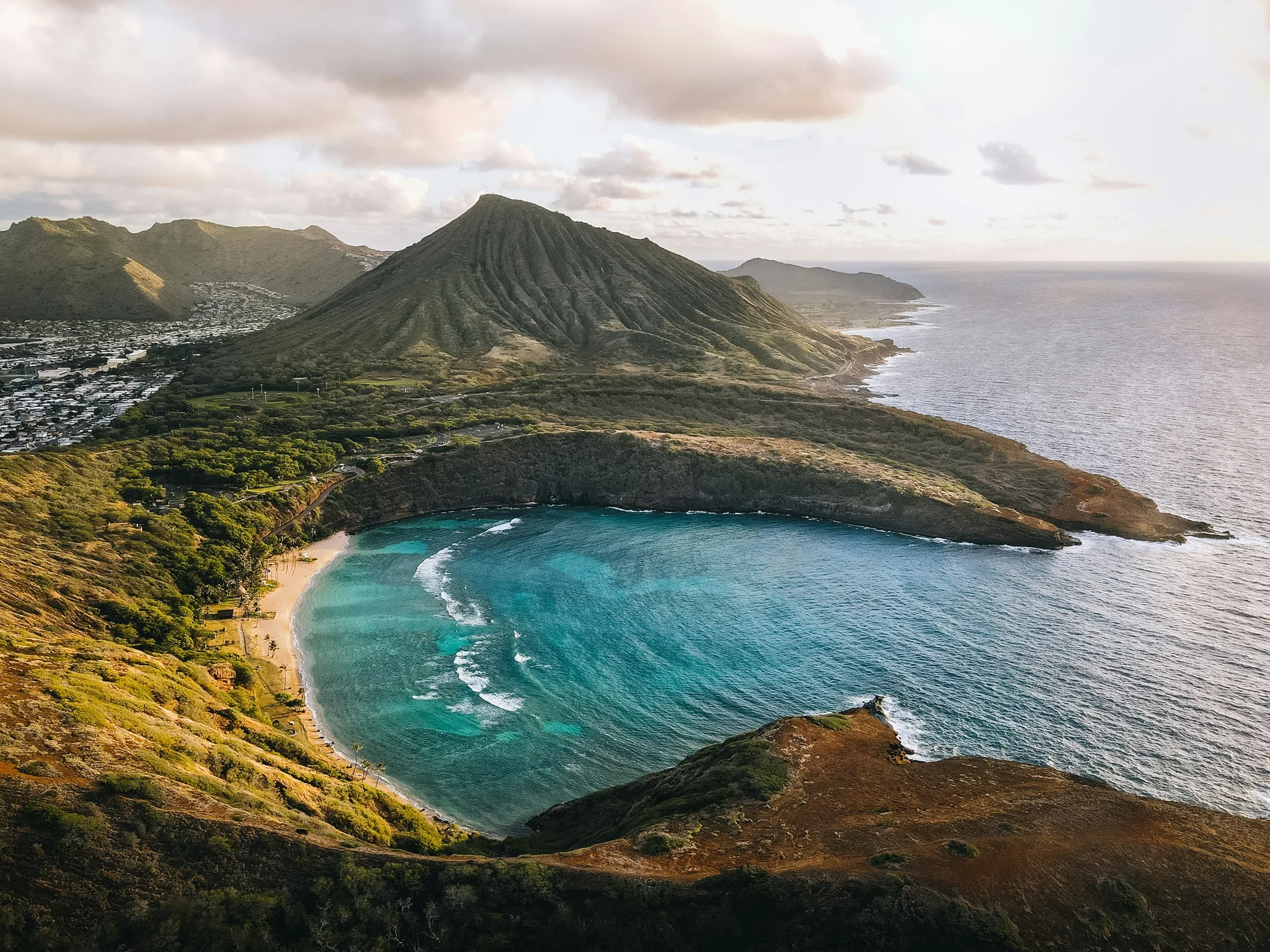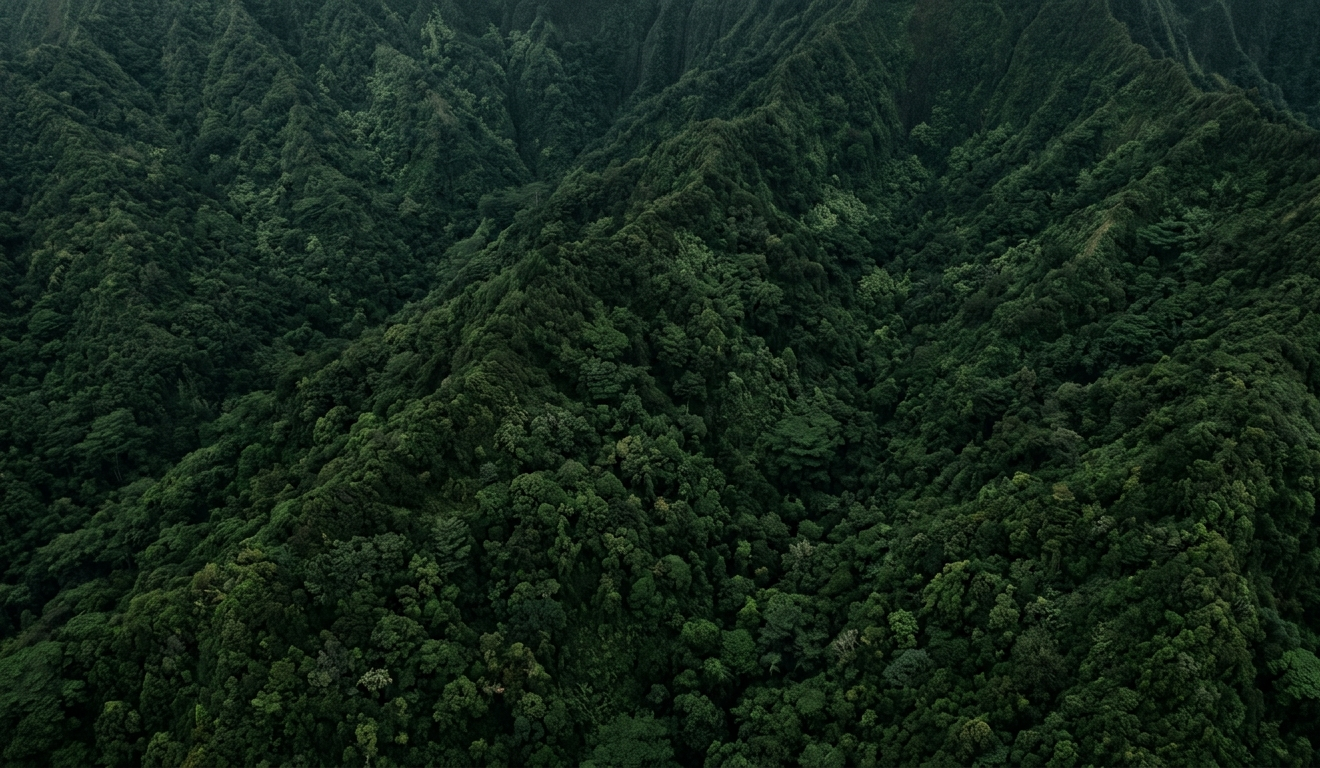


Oʻahu makes hiking feel deceptively easy. You can wake up in Waikīkī, drive toward a green valley or dry coastal ridge, and be on a trail before the city has fully warmed up. That closeness is part of the island’s appeal — and part of why hiking here asks for a little more judgment.
Many Oʻahu trailheads sit beside neighborhoods, schools, beaches, military land, conservation areas, or cultural places that were never designed for thousands of visitors chasing the same view. A good day on the trail is not only about reaching the overlook. It is about moving through the island in a way that keeps access workable, trails healthy, and the experience pleasant for the people around you.
That is the heart of hiking pono.
What “pono” means on the trail
Pono is often translated as balance, righteousness, or doing what is proper. On a hike, it is less a slogan than a practical way of paying attention.
It looks like choosing an official trail instead of following a social-media shortcut. It looks like turning around when the path is too muddy instead of widening it. It looks like keeping your group quiet enough that birds, wind, and other hikers can still be heard. It looks like recognizing that a stone platform, old wall, or coastal point may be more than scenery.
You do not need to arrive with perfect knowledge of Hawaiʻi. You do need to arrive with enough humility to notice where you are.
Choose managed trails, not internet trails
Oʻahu has no shortage of trails that appear in videos, guide apps, and old blog posts. Some are maintained and open. Some are unofficial. Some cross private property. Some have been closed because of erosion, neighborhood pressure, unsafe access, or cultural sensitivity.
Before you go, check whether the route is officially open and who manages it. On Oʻahu, that may mean state trail systems such as Nā Ala Hele, state parks, City and County of Honolulu parks, federal or military lands, private landowners, or community-managed access points. The important thing is not memorizing every agency. It is resisting the assumption that “people go there” means “it is okay to go there.”
This matters especially on ridge routes and waterfall trails, where unofficial spurs can look established simply because enough people have used them. If a trail is posted closed, marked no trespassing, or blocked by fencing or signage, take the hint and choose another hike. Oʻahu has plenty of good walks that do not require treating access as a negotiation.
The Oʻahu trailhead starts in the neighborhood
On Oʻahu, the trail often begins before the first step of dirt. In places like Mānoa, Tantalus, Hawaiʻi Kai, Kailua, and windward valley neighborhoods, visitors may be parking along residential streets, walking past homes, or gathering before sunrise near people’s bedrooms.
Small choices carry more weight here than they might on a remote trail system. Park only where it is clearly allowed. Do not block driveways, mailboxes, trash bins, gates, or narrow turnarounds. Keep early-morning voices low. If a street is full, do not invent a space that makes life harder for residents or emergency vehicles.
This is not about walking on eggshells. It is about remembering that for you, the trailhead is the start of an adventure. For someone else, it is home.
Courtesy on busy trails
Oʻahu’s popular trails can feel social: families, runners, visitors, local hiking groups, photographers, and people squeezing in exercise before work may all share the same narrow path.
A few habits keep things smooth:
Let uphill hikers keep their rhythm when the trail is steep or narrow. Step aside in durable areas rather than into fragile plants. Pass with a quick, friendly word instead of brushing by. Keep music in headphones, not on speakers. Take photos without blocking the trail longer than necessary. If your group is large, break into smaller clusters when others need to pass.
The best trail manners are almost invisible. Everyone gets where they are going with less friction.
Stay on the trail, especially when it is muddy
Oʻahu’s windward valleys and Koʻolau slopes can turn slick quickly, while leeward and coastal routes may be dry, crumbly, and exposed. Both conditions create the same temptation: stepping off the main route to find an easier line.
That is how trails widen. It is how roots get exposed, native plants get trampled, and slopes begin to unravel. Cutting switchbacks or walking around muddy sections may feel harmless in the moment, but repeated thousands of times, it changes the trail.
If the path is muddy, walk through the mud rather than around it when you can do so safely. Wear shoes you are willing to get dirty. If conditions are worse than expected, turn back without making it dramatic. On Oʻahu, another morning will come.
Cultural places are not backdrops
Oʻahu is layered with history. Trails and coastal paths may pass near wahi pana — storied places — as well as heiau, agricultural terraces, burial areas, fishing sites, old roads, and military remnants. Some are signed and interpreted. Others are not.
The respectful approach is simple: look, learn, and leave things as they are.
Do not climb on stone structures. Do not move rocks to build cairns or photo props. Do not take pottery shards, shells, bones, coral, stones, or artifacts. If you see offerings, do not touch or rearrange them. If a place feels quiet or set apart, let it remain that way.
This is one of the easiest ways to show care in Hawaiʻi: resist the urge to turn every meaningful place into content.
What to bring out with you
On a short Oʻahu hike, it is easy to underestimate how much waste a group can create: water bottles, snack wrappers, fruit peels, tissues, broken hair ties, disposable ponchos, muddy wipes. If you bring it in, bring it back out.
That includes “natural” food waste. Orange peels, apple cores, and nutshells do not belong beside the trail. They attract animals, look bad, and break down more slowly than people expect in many conditions.
If you want to go one step further, carry a small spare bag and pick up a few pieces of litter on the way out. No speech required. Just leave the trail a little better than you found it.
Clean your shoes and gear
Hawaiʻi’s forests are vulnerable to invasive seeds, insects, fungi, and plant diseases that can move in mud and soil. Rapid ʻŌhiʻa Death is one well-known concern in the islands, but it is not the only reason to clean gear.
Before and after hiking, knock dirt from shoes, poles, and packs. Use boot brush stations where they are provided. If you are hiking on multiple islands — or moving between muddy forest trails and more sensitive areas — be especially careful about cleaning soles and gear.
This is practical, not fussy. A minute at the trailhead can help keep unwanted material from traveling farther than it should.
Give wildlife room
Most Oʻahu hikes are not wildlife safaris, but you may encounter native birds, seabirds near coastal areas, insects, lizards, and marine life if your hike connects to the shore. The rule is easy: observe without crowding, feeding, touching, or trying to stage the moment.
If you finish a coastal hike and see a monk seal, honu, or seabirds resting, give them space and enjoy from a distance. The same calm approach applies in the forest. A quiet hiker sees and hears more.
Pets: check before assuming
Some Oʻahu trails allow dogs; others do not. Some require leashes. Some areas restrict pets to protect wildlife, habitat, or other users. Do not assume a trail is dog-friendly because you saw a photo of someone else’s dog there.
If you do bring a dog where allowed, keep it leashed, pack out waste, and be realistic about heat, mud, narrow ridges, and crowded paths. A trail that is fun for a person may not be a good day for a pet.
Weather and timing, without the drama
Oʻahu’s conditions can change fast across a small distance. A sunny hotel morning does not guarantee a dry valley trail, and a passing shower can make roots, clay, and rock slick. Many routes have limited shade, while others hold humidity in dense forest.
You do not need to overthink it. Start with a trail that fits your group’s ability, bring water, wear proper footwear, and check the forecast and official notices before heading out. If the trail is closed, flooded, badly eroded, or beyond what your group expected, choose another plan.
Good judgment is part of a good vacation.
The better hike
Responsible hiking on Oʻahu is not about draining the fun out of the day. It is what makes the day better.
You notice more when you are not blasting music. You enjoy the ridge more when you are not worrying about whether you are trespassing. You finish happier when your car is legally parked, your shoes are muddy for the right reason, and your group did not add stress to a neighborhood or damage to a trail.
Oʻahu is generous, but it is not a playground built only for visitors. It is home, watershed, habitat, memory, and daily life — all sharing the same narrow paths.
Walk with that in mind, and the island tends to meet you well.

Further Reading
A few relevant next steps from Alakai Aloha.
 BlogOʻahu’s Famous Natural Wonders, Honestly
A practical look at Oʻahu’s most photographed coves, hikes, blowholes, and viewpoints—with crowd, safety, access, and better-alternative advice.
Editor's pick ToolCompare island weather by region
See how rain, wind, and conditions vary around the island before you choose your day plan.
Useful planning tool BlogWhat to Do When an Oʻahu Trail Is Closed
Use a simple Plan B framework to pivot from a closed Oʻahu trail to a safer nearby lookout, coastal walk, garden, or drier route.
Editor's pick BlogChallenging Oʻahu Hikes Worth the Effort
A practical guide to Oʻahu’s tougher legal hikes, with local advice on steep ridges, heat, mud, access, and choosing the right kind of hard.
Editor's pick