

Oʻahu can fool strong hikers. The island is compact, trailheads are often close to town, and a few famous routes look short on a map. Then the trail tilts straight up a ridge, the clay turns slick, trade-wind clouds swallow the summit, and “just a morning hike” becomes the main event.
The best challenging hikes on Oʻahu are not necessarily the longest. They are the ones that ask for good judgment: choosing legal access, reading the day, knowing when a ridge is too wet, and understanding that some of the island’s most photographed routes are not good visitor plans at all.
If you want a hard hike that still fits a well-planned vacation, Oʻahu gives you excellent options. The key is picking the right kind of hard.
What “hard” means on Oʻahu
On Oʻahu, difficulty usually comes from one of four things:
Steepness in a small package. Koko Crater is the obvious example: short, direct, and punishing, with very little warm-up.
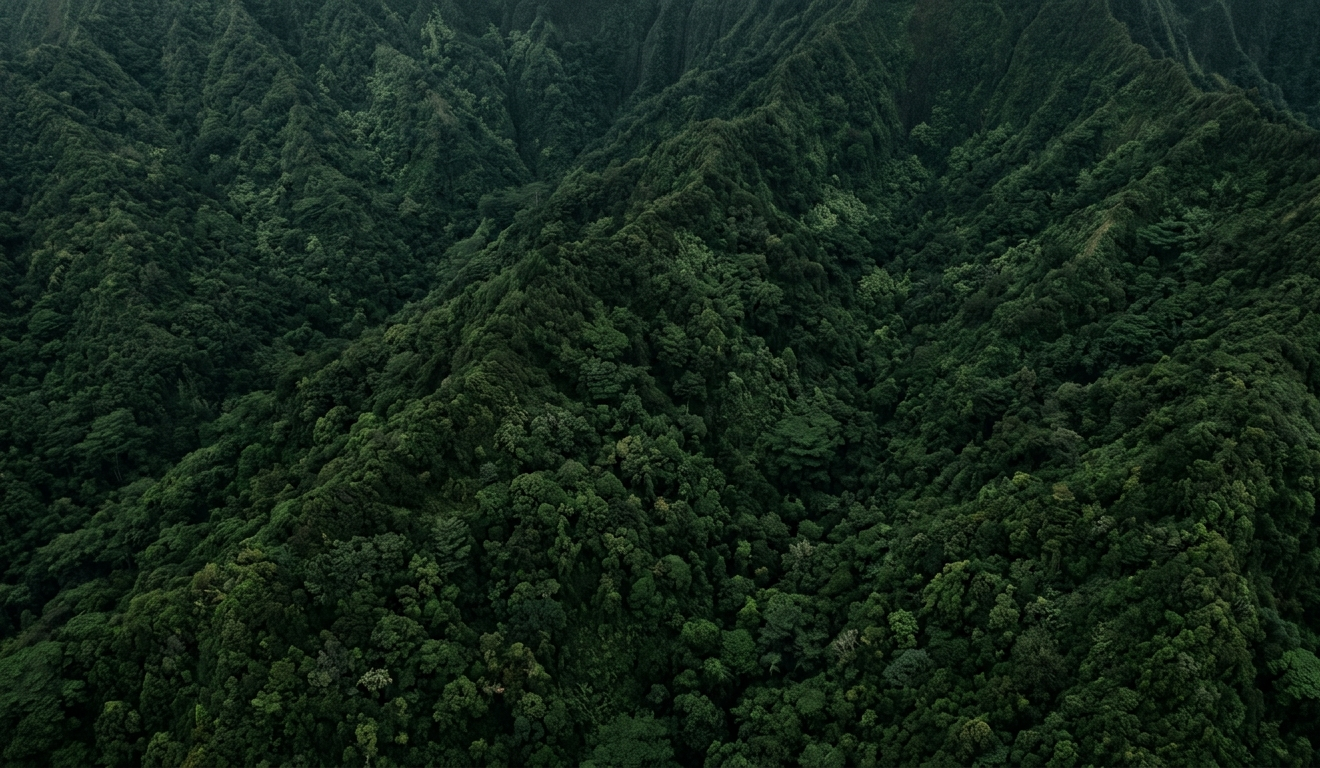
Koʻolau ridge conditions. Trails on the windward-facing mountain range can be muddy, rooty, narrow, and cloudy near the top, even when Waikīkī looks sunny.
Heat and exposure. Leeward and North Shore-side hikes may be drier underfoot but can feel much harder in the sun.
Access and legality. Oʻahu has a long list of trails that circulate online but are closed, restricted, trespassing, unsafe, or some mix of all four. A smart hiking plan does not treat those as bonus adventures.
The island rewards flexible hikers. If the Koʻolau ridges are soaked, choose something drier. If the day is hot and still, start early or save the exposed hike. If a route requires questionable access, skip it. There are plenty of hard miles available without turning the day into a problem.
Koko Crater Tramway Trail: short, hot, and honest
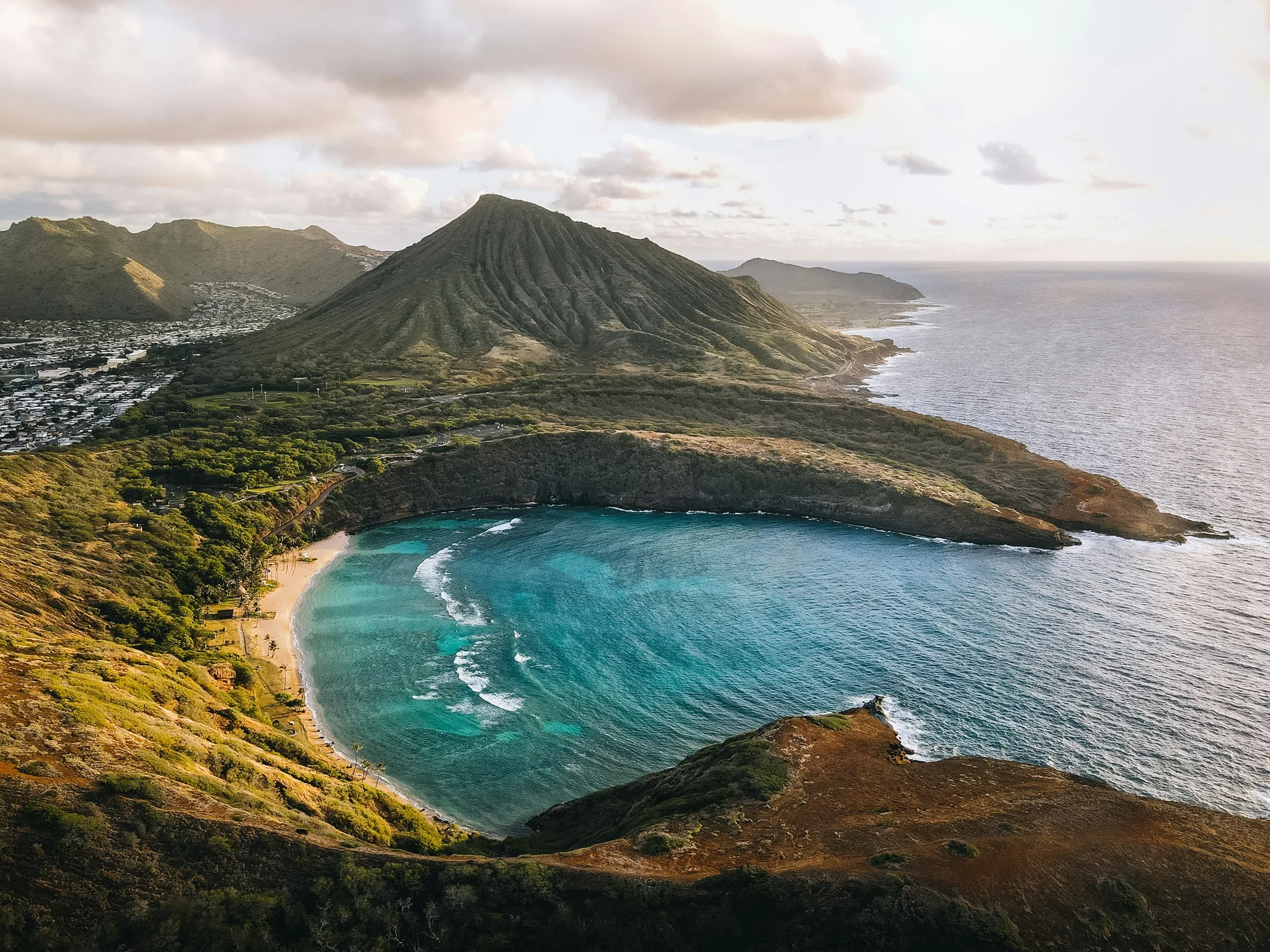
Koko Crater is the hike people underestimate because it is so easy to describe: an old tramway climbing straight up the side of the crater in Hawaiʻi Kai. It is not remote. It is not long. It is also not gentle.
The challenge is repetition. Step after step, railroad tie after railroad tie, with almost no shade and very little variation. On a hot day, the climb can feel like walking up a sunlit ladder.
This is a good choice if you want a hard workout without committing half the day. It pairs well with an early start, especially if you are staying in Honolulu or East Oʻahu. The reward is a broad view over the southeast coast: Hawaiʻi Kai, the ocean beyond, and the dry side of the island catching the morning light.
The descent deserves respect. Tired legs and uneven ties are not a great combination, especially when the trail is crowded. Bring more water than the short mileage suggests, and do not treat it like a casual staircase in sandals.
Best for: fit travelers who want a compact, high-effort climb with big views and simple logistics.
Kuliʻouʻou Ridge: the classic serious Koʻolau hike
Kuliʻouʻou Ridge is one of the better Oʻahu choices for hikers who want a real mountain day without drifting into sketchy internet-famous territory. It begins in the residential valleys of East Honolulu and climbs steadily toward the Koʻolau crest, changing character as it goes.
The lower sections can feel warm and dry. Higher up, the trail enters a greener, rootier world, with stairs and steeper pushes near the ridge. On a clear day, the upper views are the reason people keep coming back: windward blue water, folded ridges, and the feeling that you have climbed onto the island’s spine.
Kuliʻouʻou is not a technical climb, but it is sustained. The trail asks for pacing rather than heroics. If the summit is socked in or the upper trail is slick, it may still be a good workout, but the payoff changes.
Best for: experienced day hikers who want a demanding but established ridge route with a strong scenic reward.
Wiliwilinui Ridge: beautiful, muddy, and access-sensitive
Wiliwilinui Ridge offers another way up toward the Koʻolau crest, with a steady ridge approach, forested sections, red-dirt mud after rain, and a final push that can feel much more serious when the trail is wet.
This is not the hike to do casually after several rainy days. Mud on Oʻahu is not just messy; on steep ridge trails it changes your footing, slows your pace, and makes the descent more demanding than the climb.
Wiliwilinui also requires more planning than some visitors expect because access and parking are limited. Sort out trailhead details before making it your main hike of the day, and have a backup plan if it does not line up.
On the right day, Wiliwilinui is a satisfying Oʻahu ridge hike: green, high, and airy without needing to chase off-limits routes.
Best for: hikers who are comfortable with mud, steady climbing, and a little logistical planning before the trailhead.
Waʻahila Ridge toward Mount Olympus: for hikers who like judgment calls
Waʻahila Ridge starts above Honolulu and quickly feels farther from the city than it is. This is a more rugged, rooty, and variable kind of hike, especially if you continue toward Mount Olympus. The appeal is not a single postcard lookout. It is the progression: forest, ridge, shifting views, and a growing sense of commitment as the terrain gets less forgiving.
This is where Oʻahu’s weather matters. A little moisture can make roots and clay slick; a lot can turn the day into a slow negotiation. Clouds can move quickly across the Koʻolau crest, cutting visibility and making the ridge feel smaller.
For strong hikers, Waʻahila can be excellent. For visitors trying to squeeze in “one big hike” between brunch and a beach reservation, it may be the wrong kind of hard. Give it time, and turn around without drama if the trail gets slick, the weather drops, or the group starts moving slower than expected.
Best for: hikers who want a less polished ridge experience and are comfortable adjusting the plan as conditions change.
Keālia Trail: dry-side climbing above Mokulēʻia
Not every challenging Oʻahu hike is a wet Koʻolau ridge. Keālia Trail, on the Mokulēʻia side of the Waiʻanae Range, gives you a different version of hard: switchbacks, sun, dry terrain, and wide views over the North Shore side of the island.
This is a good option when the windward mountains are too wet, but “drier” does not mean “easier.” Shade can be limited, and the climb can feel relentless in the wrong part of the day. The trail’s openness is part of its beauty, but it also means you feel the weather directly.
Keālia is especially appealing for hikers staying outside Waikīkī or for anyone who wants a strenuous route that feels distinct from the Koʻolau ridge classics. The landscape is more spare, the views are broader, and the challenge is less about mud than endurance.
Best for: strong hikers who prefer dry footing, open views, and a workout away from the Honolulu ridge circuit.
About Oʻahu’s famous “don’t do that” hikes
Oʻahu has some of the most shared hiking images in Hawaiʻi, and not all of them come from hikes visitors should attempt. Haʻikū Stairs, often called the Stairway to Heaven, is the clearest example: famous online, not a legal visitor hike. Sacred Falls is another place that should not be on a vacation itinerary. Other ridge routes and cliffside scrambles may appear constantly on social media while involving restricted access, dangerous exposure, or both.
This is not about being timid. It is about having good taste. A hard hike is more satisfying when the challenge is the mountain, not trespassing, rescue risk, or a confrontation at the trailhead.
Olomana deserves a special note because it is often discussed as a “three peaks” adventure. Even where access is available, the character changes dramatically beyond the first peak, with exposed scrambling and serious consequences for mistakes. Many travelers are better served by choosing a demanding established ridge hike instead.
How to pick the right hard hike for your trip
If you have one day for a challenging hike on Oʻahu, choose by conditions first, ego second.
After rain, be cautious with Koʻolau ridge trails. Kuliʻouʻou, Wiliwilinui, and Waʻahila can all become much harder when the clay and roots are slick. If the mountains are wrapped in cloud and you mainly want views, consider a drier-side option or save the ridge for another day.
On hot, clear days, exposed hikes like Koko Crater and Keālia are best early. They may be short or straightforward on paper, but sun changes the math quickly.
If your group has mixed ability, choose the hike that gives you graceful turnaround points. Kuliʻouʻou and Waʻahila can still feel worthwhile without forcing everyone to reach the very end. Koko Crater is less forgiving psychologically: once you are on the stairs, the whole experience is up or down.
For Oʻahu’s harder hikes, the basics matter more than specialty gear: real shoes with grip, enough water, sun protection, snacks, and a layer if you are heading high into the Koʻolau clouds. A downloaded map is useful because cell service can fade in valleys and along ridges.
The right kind of adventure
The best challenging hikes on Oʻahu are not about collecting the scariest photo. They are about feeling the island’s shape under your feet: the dry climb up Koko Crater, the green pull of Kuliʻouʻou, the muddy patience of Wiliwilinui, the rougher rhythm of Waʻahila, the open Waiʻanae-side light above Mokulēʻia.
Choose well, go early, stay flexible, and skip the closed routes. Oʻahu has enough honest hard hiking to fill a trip without borrowing trouble.

Further Reading
A few relevant next steps from Alakai Aloha.
 BlogOʻahu’s Famous Natural Wonders, Honestly
A practical look at Oʻahu’s most photographed coves, hikes, blowholes, and viewpoints—with crowd, safety, access, and better-alternative advice.
Editor's pick GuideBest Hikes: Easy, Scenic & Challenging Trails
A guide to best hikes Oʻahu.
Editor's pick ActivityKeālia Trail
The Keālia Trail offers panoramic North Shore views from its switchback ascent, transitioning into a serene forested dirt road, perfect for a moderate hike or mountain bike adventure.
Editor's pick BlogWhat to Do When an Oʻahu Trail Is Closed
Use a simple Plan B framework to pivot from a closed Oʻahu trail to a safer nearby lookout, coastal walk, garden, or drier route.
Editor's pick