

Oʻahu is unusually good at making a place look simple in a photo.
A turquoise cove appears empty. A ridgeline looks like a casual sunrise stroll. A blowhole throws white spray into the air, and the camera leaves out the parking lot, shoulder traffic, wind, heat, and basic common sense of the scene.
That does not mean the famous places are overhyped. Some are famous because they deliver. But Oʻahu is not an empty outdoor set. It is a lived-in island with dense neighborhoods, narrow beach roads, beloved surf breaks, military land, state parks, sacred places, and trails that go from pleasant to punishing quickly.
The best Oʻahu trip usually includes a few of the big names—and skips a few others without regret.
Diamond Head / Lēʻahi: still worth it for the classic Waikīkī view
Diamond Head is not a secret, not quiet, and not the place to pretend you discovered your inner mountaineer. It is, however, one of the most satisfying short scenic hikes on Oʻahu when you understand what you are signing up for.
The appeal is obvious: a defined trail, coastal light, military-history remnants, and a summit view that makes Waikīkī’s curve suddenly make sense. You see the hotel district, reef line, neighborhoods behind it, and dry south shore landscape all at once.
The tradeoff is crowd management. This is one of Oʻahu’s most visited natural landmarks, and access can be regulated through reservations and parking controls, especially for non-residents. Treat it as a planned outing, not a spontaneous “we’ll swing by after brunch” stop.
Go if you want an efficient, highly scenic hike near Honolulu and do not mind sharing the trail. Skip it if your dream is silence, shade, or a rugged wilderness feel. Makapuʻu Point Lighthouse Trail may be a better fit: paved, open-feeling, and all about ocean, cliffs, and wind rather than city views.
Lanikai Beach and the Lanikai Pillbox hike: beautiful, but not effortless
Lanikai is one of the clearest examples of Instagram flattening reality. In photos, it is all powdery sand, pale water, and the two Mokulua islets offshore. In person, it is also a residential neighborhood with limited parking, no big beach park infrastructure, and a level of attention that can feel out of scale with the streets around it.
The beach itself can be lovely, especially in calm morning light. But many visitors are better served by nearby Kailua Beach Park, which has more space and facilities and still gives you that Windward-side water color people fly across the ocean to see.
The Lanikai Pillbox hike, often called the Kaiwa Ridge Trail, is similarly photogenic and similarly misunderstood. It is short, steep, dusty or slippery depending on conditions, and popular at sunrise. The reward is a wide view over Lanikai, Kailua, and the offshore islets. The cost is congestion on a narrow trail and a neighborhood that was not built to absorb endless rental cars at dawn.
Go if you are already staying nearby or can arrive without adding to the parking mess, and if you are comfortable on a steep, eroded trail. Skip it if you are imagining an easy beach stroll with a viewpoint tacked on.
Hanauma Bay: worth it for first-time snorkelers who plan ahead
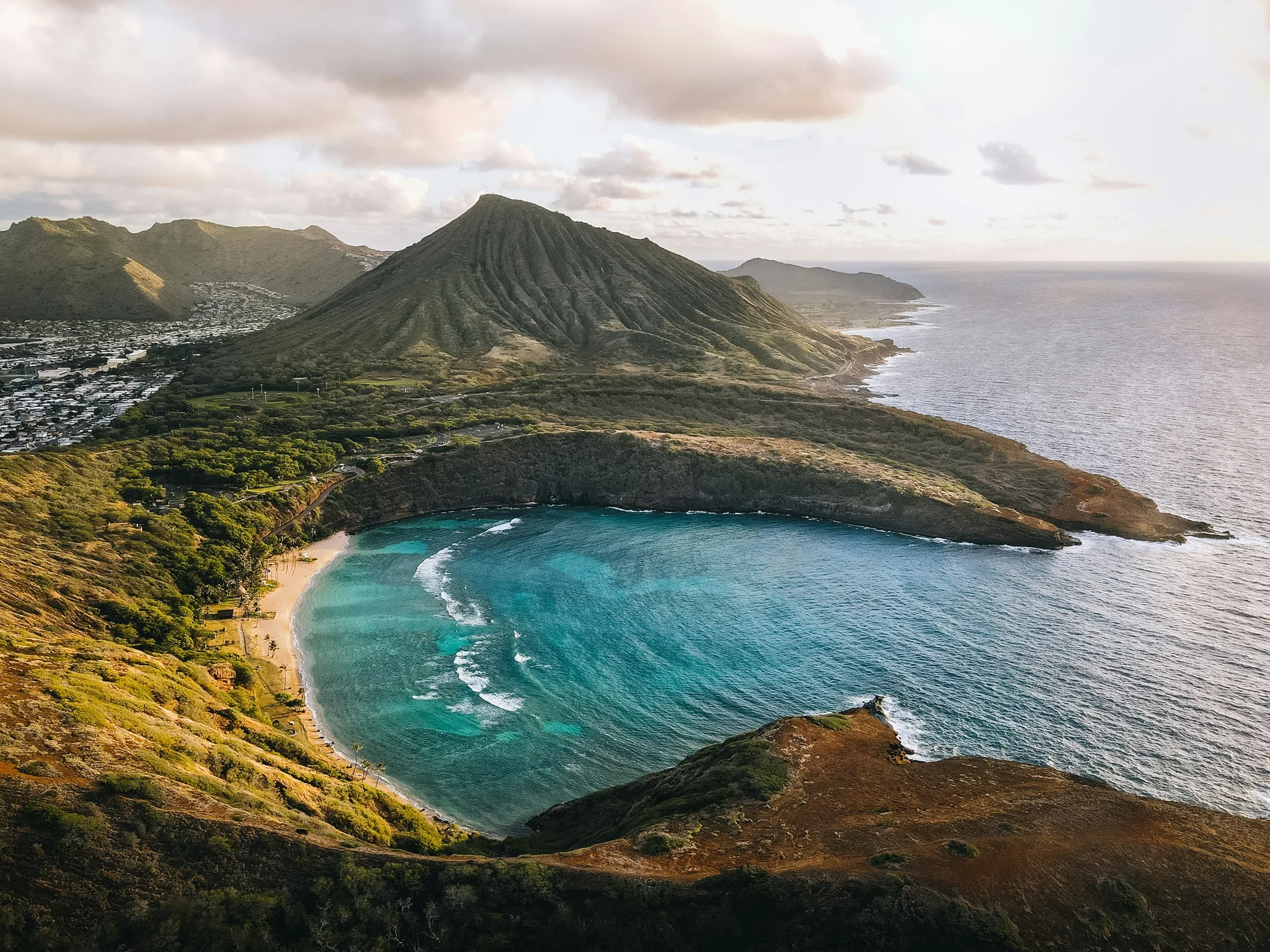
Hanauma Bay is one of Oʻahu’s most recognizable coastal landscapes: a curved volcanic bay, reef close to shore, and water that can look almost unreal from above. It is also one of the clearest cases where popularity has required management.
This is not the place for a last-minute beach day. Entry is commonly controlled through a reservation and education system, and the bay has rest days and capacity limits that visitors need to check before building an itinerary around it.
When conditions are calm and your expectations are realistic, Hanauma can be an excellent introduction to snorkeling. You do not need a boat, the setting is dramatic, and the structure helps reduce the free-for-all feeling common at over-loved reef spots.
Skip it if you dislike reservations, want to spread out on a casual beach, or have already done a lot of snorkeling in less crowded places. On Oʻahu, the smartest beach is often the one matching that day’s wind and surf, not the one with the most geotags.
Halona Blowhole and Halona Beach Cove: excellent as a quick stop
Halona is made for the camera: black lava rock, blue water, white surge, and a blowhole that performs when swell and tide line up. Just below, Halona Beach Cove looks like a pocket of sand hidden inside the coastline.
The overlook is worth a stop if you are already driving the southeast coast. It is one of those places where Oʻahu’s volcanic edges feel close and immediate. But it is not a place to force. Parking is limited, the road is busy, and the cove can feel much more intense than it looks from above.
Go if you are doing a southeast-side drive and can pull in easily. Skip it if the lot is chaotic or the ocean looks angry. Makapuʻu Lookout or the Makapuʻu Point Lighthouse Trail gives you the same elemental drama—wind, cliffs, open ocean—without needing the blowhole to be “on.”
Waimea Bay: magnificent, but season changes everything
Waimea Bay is not one place year-round. In calmer summer conditions, it can be a broad, blue, deeply enjoyable swimming beach. In winter surf season, it becomes a stage for serious ocean power, with waves that can dwarf the people watching from shore.
That seasonal split is the whole story. Many viral images show rock jumping, glassy water, or huge surf. Those are different versions of the bay, and they do not belong to every day or every visitor.
Parking can be difficult, especially when conditions are good or surf is notable. The North Shore has a slower rhythm than Honolulu, but the traffic can be very real. If you drive up imagining you can hit every famous beach between Haleʻiwa and Pūpūkea in a neat sequence, Oʻahu may correct you.
Go if Waimea fits the day’s ocean conditions and you are happy to spend unhurried time there. Skip it if you are only going for a rock-jump photo, or if winter surf is up and your group wants a mellow swim.
Mānoa Falls: lush, convenient, and muddier than it looks
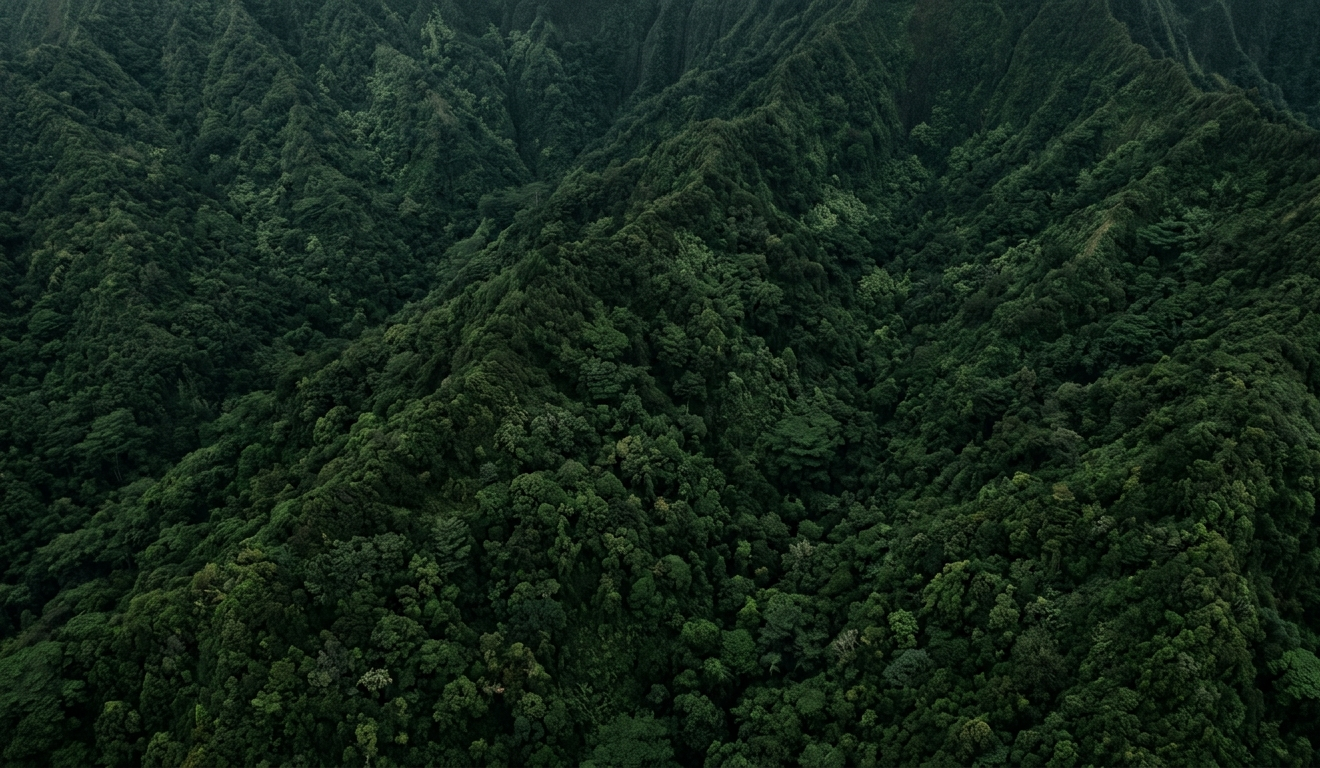
Mānoa Falls is popular for good reason. It gives many visitors their easiest taste of Oʻahu’s wet, green side without requiring a full-day expedition. The trail moves through rainforest, the valley feels close and enveloping, and the waterfall gives the walk a clear destination.
It is also one of the island’s most heavily used hikes. Expect mud, other hikers, and a finish that may be more crowded than the dreamy waterfall photo suggests. The trail is not difficult for many active visitors, but it is not a flip-flop stroll. After rain, the ground can be slick.
Go if you want a rainforest walk close to Honolulu and are fine with a popular trail. Skip it if you are expecting solitude, a swimming waterfall, or a pristine wilderness atmosphere.
Koko Crater Stairs: worth it only if you want the workout
Koko Crater is one of Oʻahu’s most photographed “I did it” hikes: a long, exposed climb up old railway ties with a huge payoff over Hawaiʻi Kai, Hanauma Bay, and the southeast coast.
It is also exactly what it looks like: a hot, repetitive, knee-testing stair climb with very little shade. People tend to underestimate it because it is easy to describe and easy to find. The challenge is heat, exposure, footing, and whether the whole group genuinely wants that kind of morning.
Go if you are fit, start early, and are excited by a hard climb. Skip it if anyone in your group is lukewarm. Makapuʻu Point Lighthouse Trail gives you big coastal scenery with far less suffering. Diamond Head gives you the classic Honolulu payoff in a more structured setting.
Haʻikū Stairs: leave it out of your plans
Some Oʻahu images circulate because they feel forbidden: a narrow stairway climbing into clouds, green ridges dropping on both sides, the fantasy of having the island suspended under your feet. The Haʻikū Stairs—often called the Stairway to Heaven—are the prime example.
This is not a “worth it if you go early” situation. Access has long been closed and contested, with serious impacts on surrounding neighborhoods and emergency responders. Whatever version of the story is circulating when you plan your trip, do not build your vacation around getting there.
The better alternative is not a copycat. It is choosing legal, maintained places that still give you Oʻahu’s ridge-and-ocean drama without turning your trip into a trespass story.
So, which famous Oʻahu nature spots are actually worth it?
Worth it for most first-time visitors: Diamond Head, one Windward beach morning, a southeast coast drive with Halona and Makapuʻu, and either Hanauma Bay or a North Shore beach day depending on your interests and the season.
Worth it for the right traveler: Lanikai Pillbox, Mānoa Falls, Waimea Bay, and Koko Crater. These can be excellent, but they ask for honest expectations about parking, crowds, heat, mud, or ocean conditions.
Not worth planning around: any closed or illegal access point, no matter how often it appears in your feed.
The deeper truth is that Oʻahu rewards restraint. You do not need to collect every famous frame. Pick the places that match the day, your group, and the part of the island you are already visiting. Leave room for lunch that runs long, a beach that feels better than expected, clouds over a ridge, or a roadside view you did not know to search for.
That is often where Oʻahu becomes more than a photo: not when you beat the crowds to the same angle, but when you stop trying to make the island perform and start paying attention to the day you actually have.

Further Reading
A few relevant next steps from Alakai Aloha.
 BlogChallenging Oʻahu Hikes Worth the Effort
A practical guide to Oʻahu’s tougher legal hikes, with local advice on steep ridges, heat, mud, access, and choosing the right kind of hard.
Editor's pick GuideBest Hikes: Easy, Scenic & Challenging Trails
A guide to best hikes Oʻahu.
Editor's pick ActivityKailua Beach Park
Discover Kailua Beach Park on Oʻahu's Windward Coast, renowned for its pristine white sands, calm turquoise waters, and abundant water sports opportunities, ideal for families and active beachgoers.
Editor's pick ActivityMakapu‘u Point Lighthouse Trail
Hike the paved Makapu‘u Point Lighthouse Trail for stunning panoramic ocean views, a glimpse of the historic lighthouse, and seasonal whale watching opportunities on Oʻahu's scenic southeastern coast.
Editor's pick