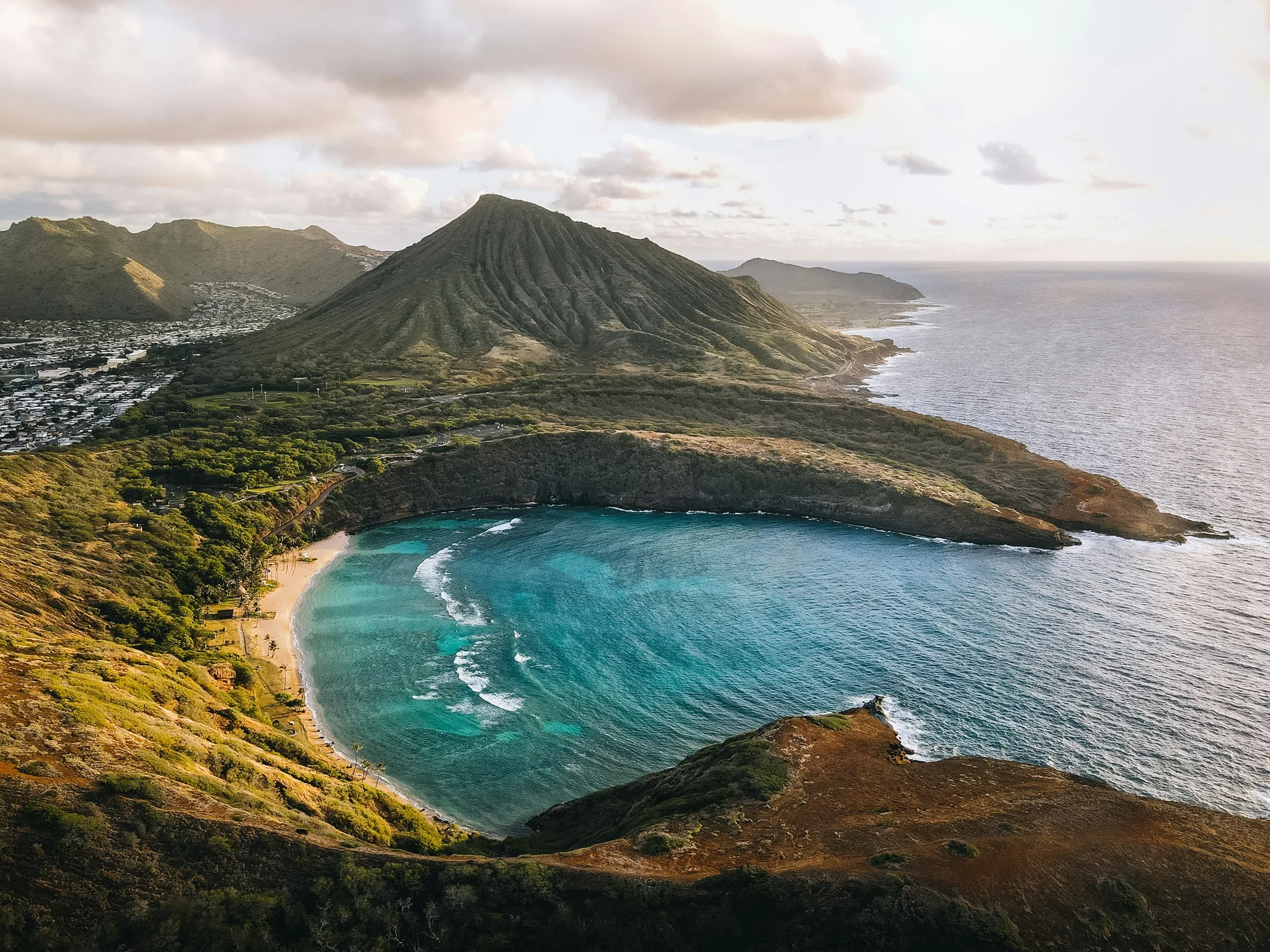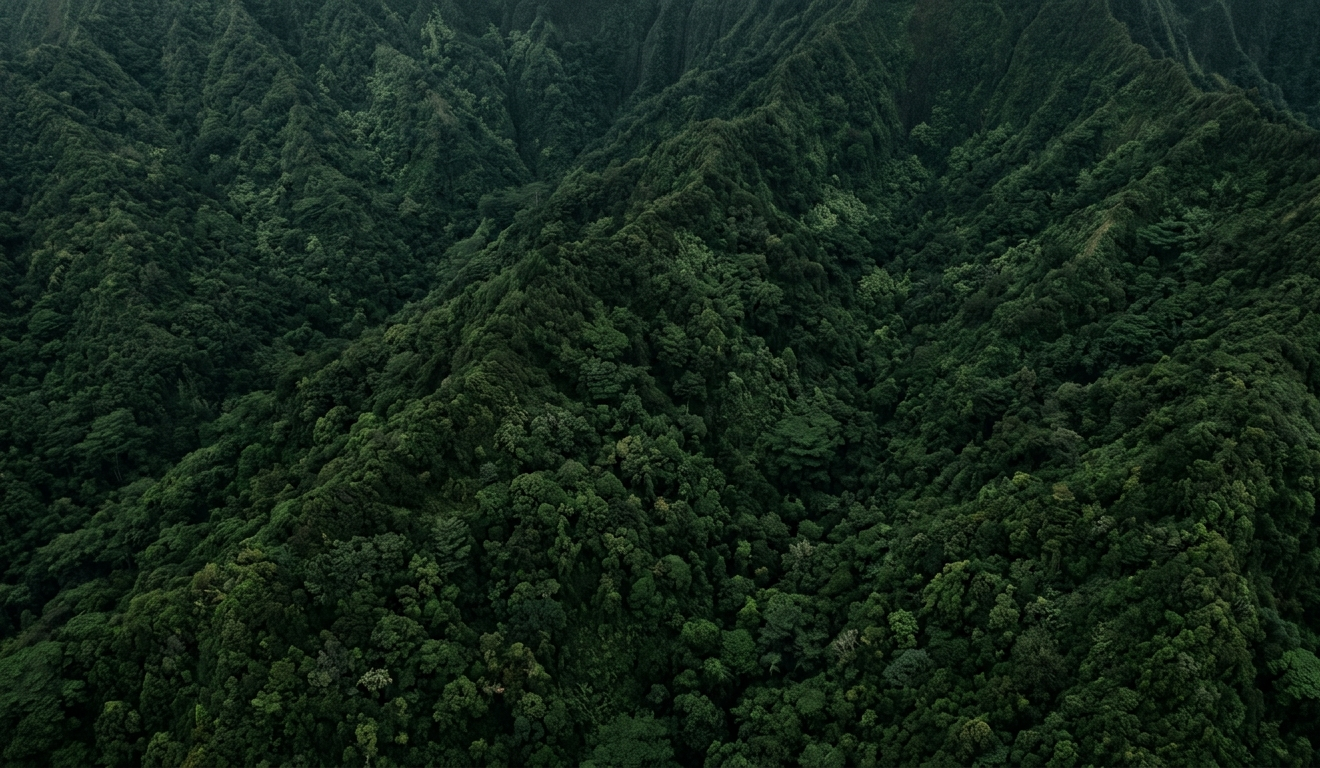


The best pre-trip watchlist for Oʻahu is not just a stack of movies filmed in pretty places. Oʻahu is too layered for that: Honolulu and Waikīkī, surf contests and school traffic, military history and royal history, rain-softened Koʻolau ridges, and blockbuster valleys that have stood in for lost worlds.
A good watch list for your flight should do one of three things: sharpen your eye for the island’s geography, put a little history under your feet, or help you notice the difference between Hawaiʻi as a real place and Hawaiʻi as a movie idea.
Streaming availability changes constantly, so check your platforms before departure and download anything you really want to watch before airport Wi-Fi gets involved.
If you only watch three
For the Oʻahu mood: *Blue Crush* North Shore surf, early-2000s energy, and enough wave footage to make you understand why people speak about winter surf here with reverence.
For island geography: *Lost* Not because it explains Oʻahu, but because it uses Oʻahu so inventively. Beaches, valleys, forests, suburbs, and city streets all become part of its strange map.
For context: *Waterman* A documentary about Duke Kahanamoku, whose life connects Waikīkī, surfing, Olympic swimming, and the global story of Hawaiʻi in a way most visitors only half-glimpse.
For Waikīkī, surf, and the beach you think you know
Waterman
If you’re staying in Waikīkī, this is one of the better pre-trip choices you can make. Duke Kahanamoku is often reduced to a statue photo and a familiar name on signs, but his story is much larger: Olympic champion, Native Hawaiian waterman, beach ambassador, and one of the key figures in surfing’s worldwide spread.
Watch it before your first Waikīkī morning swim. The beach will look different — not less fun, but more alive with memory. Waikīkī can feel heavily packaged on a first visit, all hotel towers and rental boards and sunset crowds. *Waterman* restores some depth without asking you to treat your vacation like a seminar.
Blue Crush
*Blue Crush* is not a documentary, and it is very much a product of its era. That is part of the pleasure. It captures a version of the North Shore many travelers still carry in their heads: big winter surf, beach houses, contest pressure, and young women trying to claim space in a world that does not always make it easy.
For visitors, the value is partly visual and partly emotional. The film shows why the North Shore is not just “the scenic side of the island.” Surf conditions shape the rhythm there. After watching it, you may look at the horizon more carefully.
Soul Surfer
Although Bethany Hamilton’s story is rooted on Kauaʻi, much of the film’s surf-world atmosphere speaks to Hawaiʻi more broadly, and Oʻahu’s North Shore belongs to that conversation. It is a sincere, accessible family watch, especially if you are traveling with younger teens who want an emotional story rather than a geography lesson.
For Oʻahu as a movie backlot — in the best sense
Jurassic Park and the later Jurassic films
The Jurassic franchise is often associated with Kauaʻi, but Oʻahu has its own place in the series, especially around Kualoa and Kaʻaʻawa Valley. These landscapes are so green and steep they almost look designed by a production department, which is exactly why filmmakers return to them.
Watch for the feeling of scale: ridgelines stacked behind ridgelines, valley walls that make people look tiny, open pastures tucked beneath the Koʻolau mountains. Then remember, when you visit, that places like Kualoa are not generic “jungle scenery.” They are specific lands with Hawaiian history, private management, tour logistics, and real communities around them.
Jumanji: Welcome to the Jungle
This is pure adventure-comedy, and Oʻahu plays its role with a grin. Like the Jurassic films, Jumanji uses the island’s valleys and forests to create a heightened world that is not meant to be literal Hawaiʻi.
It is a good pick if you want something light before traveling with kids or a group. You will not learn much about Oʻahu’s culture from it, but you will prime your eyes for the lush Windward side — the part many visitors first understand only after they drive through the mountains and suddenly the whole palette changes.
Lost
For many people, Lost is the great Oʻahu location-spotting show. Its fictional island is not Hawaiʻi, but the series was filmed across Oʻahu, using beaches, valleys, neighborhoods, and urban areas with remarkable flexibility.
The fun is not in turning your trip into a scavenger hunt. It is in noticing how versatile Oʻahu is. The same island can provide a remote-looking beach, a dense forest trail, a suburban street, a government building, and a dramatic mountain backdrop without ever leaving county lines.
If you have time for only a few episodes, start with the pilot and sample from there.
For Honolulu, everyday Oʻahu, and island drama
The Descendants
The Descendants is often discussed for its Kauaʻi land storyline, but it is also one of the better mainstream films for seeing a less postcarded version of Oʻahu. Honolulu is not just a vacation setting here. It is where people go to school, sit in hospitals, have hard family conversations, drive through ordinary streets, and live complicated lives.
The movie has grief at its center, but it is also wry and observant about the way land, family, money, and inheritance overlap in Hawaiʻi. For travelers, the useful takeaway is simple: Oʻahu contains Waikīkī, but it is not Waikīkī.
Hawaii Five-0
Procedural TV is not subtle, and Hawaii Five-0 often turns Oʻahu into a high-speed postcard with sirens. Still, it is hard to beat for visual orientation. Honolulu, Waikīkī, Diamond Head, Windward roads, beaches, harbors, and government buildings cycle through quickly, giving first-time visitors a broad, glossy sense of place.
Treat it as popcorn with landmarks. Do not expect realism about local life or law enforcement; do enjoy the repeated aerials and the way the island’s built environment shows up alongside its beaches.
Magnum P.I.
Whether you choose the original series or the reboot, Magnum P.I. is another easy Oʻahu mood-setter. It gives you cars, estates, ocean roads, tropical colors, and a certain fantasy of island leisure that has been exported for decades.
Watch it with a little affection and a little skepticism. The fantasy is part of Oʻahu’s screen history. So is the gap between that fantasy and the island as people actually live it.
For romance, comedy, and North Shore daydreaming
Forgetting Sarah Marshall
This is the Oʻahu resort comedy many people remember without realizing how much it shaped their idea of a Hawaiʻi vacation. Much of its appeal comes from the North Shore setting: oceanfront lawns, open-air meals, rain showers, awkward romance, and that particular feeling of being emotionally unwell in a place that is aggressively beautiful.
It is raunchy, funny, and not trying to explain anything. Sometimes you just want to get excited about warm rain, beach bars, and the possibility that your vacation self will be slightly more relaxed than your airport self.
50 First Dates
Sweet, silly, and very much a Hollywood rom-com, *50 First Dates* uses Oʻahu as a cheerful playground: marine life, coastal drives, breakfast spots, and Windward views. It is not a guide to local culture, but it is an easy comfort watch before a first visit.
The reason to include it is tone. Some movies make Hawaiʻi look glamorous; this one makes it look playful.
Finding ʻOhana
This family adventure is especially useful for younger travelers because it folds treasure-hunt fun into questions of identity, home, and connection to Hawaiʻi. It is broad and polished, but it has more local texture than the average children’s adventure film set in the islands.
For Oʻahu, the visual pleasure is the Windward side: green ridges, rain, caves, and a sense of landscape that feels far from the hotel strip even when it is not far in miles.
For Pearl Harbor and older Hollywood
From Here to Eternity
This 1953 classic is famous for its beach scene, but its deeper Oʻahu connection is prewar military Hawaiʻi. The film is melodramatic, dated in places, and still compelling as a piece of cinema history.
If you are planning time at Pearl Harbor or staying near Honolulu, it gives a glimpse — filtered through Hollywood — of the military presence that has shaped modern Oʻahu in visible and invisible ways.
Tora! Tora! Tora!
If you want a Pearl Harbor-related film before visiting the historic sites, Tora! Tora! Tora! is the more sober choice compared with many later dramatizations. It has an older pacing style, but that restraint can be welcome.
No feature film should be your only context for Pearl Harbor. Still, watching one can help you arrive with a better sense that this is not just another attraction on the itinerary.
For Hawaiian history and a better frame of mind
Act of War: The Overthrow of the Hawaiian Nation
If your Oʻahu plans include downtown Honolulu, ʻIolani Palace, or Bishop Museum, make room for this documentary or another serious account of the overthrow of the Hawaiian Kingdom. It gives essential context for understanding why certain places in Honolulu carry more weight than a casual visitor might first realize.
This is not “vacation homework” in the dull sense. It is a way to avoid arriving with only resort-era Hawaiʻi in your imagination. Oʻahu was and is a political center, a royal center, a military center, a media center, and a place where questions of sovereignty and identity are not abstract.
Watch for the island behind the image
Movies are useful before a trip because they give your imagination somewhere to land. But Oʻahu has been asked to play many roles: paradise, battlefield, jungle, small town, crime scene, surf mecca, royal capital, military outpost, romantic escape. Sometimes it is allowed to be itself. Often it is not.
That is part of the fascination.
Watch lightly. Notice carefully. Let the fun titles build anticipation, and let the deeper ones add a little grounding. Then, when your plane descends over the reef and city grid and mountains, you will arrive with a better eye for the island in front of you.

Further Reading
A few relevant next steps from Alakai Aloha.
 BlogWhat to Watch and Read Before Your Oʻahu Trip
A curated Oʻahu watch-and-read list to help you see Waikīkī, Pearl Harbor, surf culture, and Native Hawaiian history with deeper context.
Editor's pick GuideBest Oʻahu Luaus & Cultural Experiences
A guide to best Oʻahu luaus.
Editor's pick ActivityBishop Museum
The Bernice Pauahi Bishop Museum is Hawaii's premier museum, offering a deep dive into Polynesian cultural artifacts, natural history, and interactive science exhibits perfect for all ages.
Editor's pick ActivityIolani Palace
Explore the only official state residence of royalty in the U.S., immersing yourself in the rich history of the Hawaiian monarchy and its pivotal role in island culture.
Editor's pick