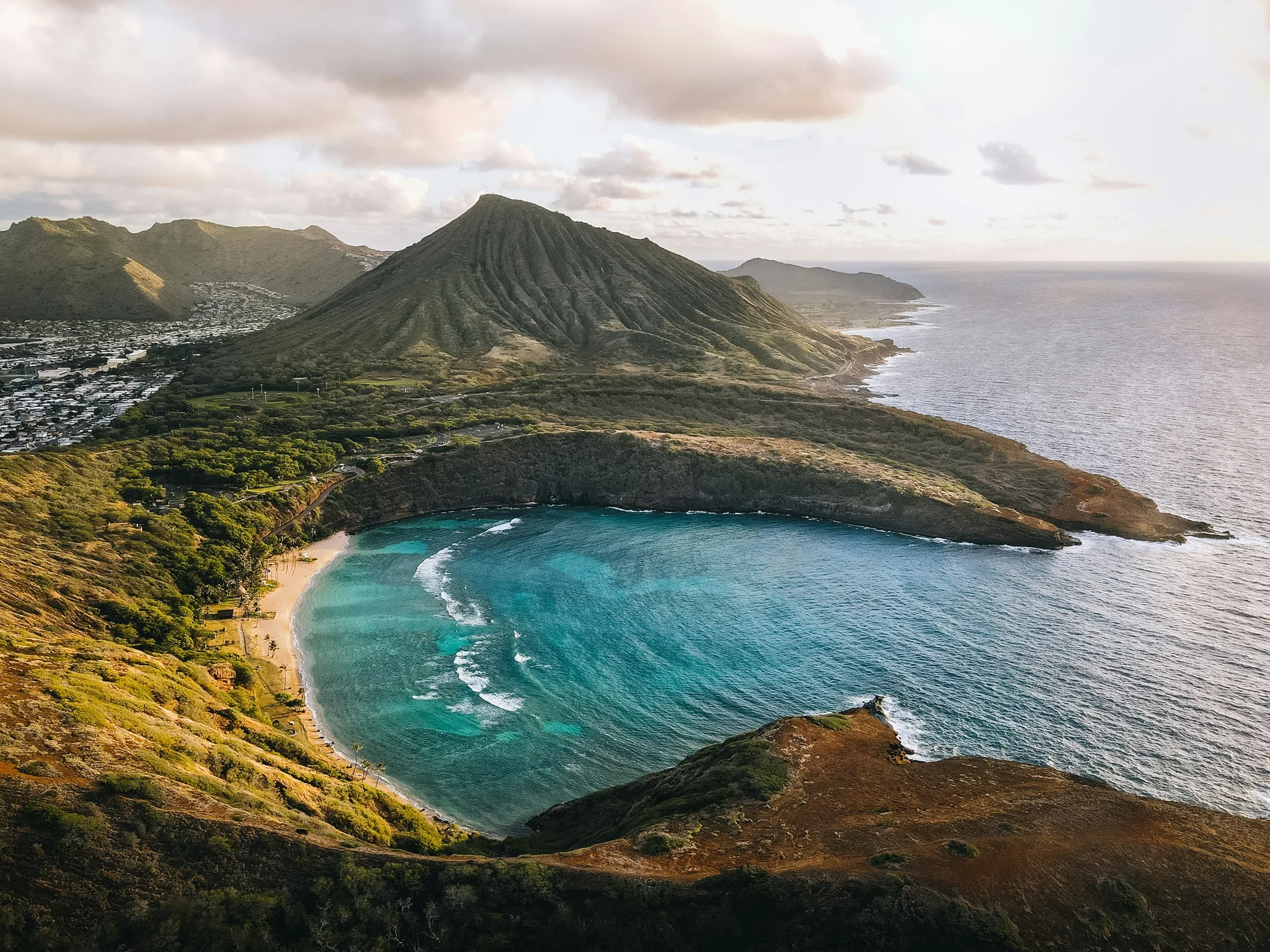


Oʻahu is the easiest Hawaiian island to do with a baby or toddler if what you want is less friction: shorter drives, more restaurants, more grocery options, more elevators, more sidewalks, and a deeper bench of rainy-day or nap-friendly outings.
That does not mean it is effortless. Waikīkī sidewalks can be crowded, hotel elevators can become their own tiny commute, and a toddler who normally loves the beach may decide sand is a personal insult. But Oʻahu gives parents more ways to adjust without losing the whole day. If the morning beach plan falls apart, you can pivot to Kapiʻolani Park, a hotel pool, shave ice, the aquarium, or an early dinner within a few blocks.
The trick is not to plan Oʻahu like a first-time adult trip. With a baby or toddler, the best version of the island is smaller, slower, and based around a home base that makes the ordinary parts of parenting easy.
Choose the right home base
For families with very young children, where you stay matters more than your activity list. The wrong base turns every snack, nap, diaper change, and meltdown into a drive. The right one gives you a vacation even on the day nobody makes it past the lobby.
Waikīkī: best for walkability and easy resets
Waikīkī is the most practical base for many baby-and-toddler trips. You can walk to the beach, meals, convenience stores, coffee, ABC Stores, parks, and often your hotel pool without loading the car. That is a real advantage when your day is built around naps and short attention spans.
The tradeoff is density. Waikīkī is busy, especially along Kalākaua Avenue and near the beach walkways. A lightweight stroller is useful, but you will want patience for curb cuts, elevator waits, restaurant entrances, and clusters of people moving at vacation speed.
For lodging, look less at the view and more at the floor plan. A separate sleeping area, kitchenette, washer/dryer access, a balcony you can use during nap time, and a pool with shade may matter more than being directly on the sand. If your baby is still taking two naps, being a block or two off the beach can be perfectly fine if it gives you more room and less hallway noise.
Waikīkī also works well for families who do not want to rent a car for the entire trip. You may still want one for a day or two, but you can build several good days without driving at all.
Ko Olina: best for resort rhythm and calmer water
Ko Olina, on Oʻahu’s west side, is a strong choice if your idea of success is a contained resort stay: pool, lagoon, stroller paths, early dinners, repeat. The lagoons are one of the main reasons families look here. They are designed to be more protected than open-ocean beaches, which can make water play feel less chaotic with little ones.
The tradeoff is that Ko Olina is more isolated from Honolulu. If you want museums, Waikīkī restaurants, Diamond Head-area outings, or frequent town days, you will be driving. Ko Olina is best when you are happy to spend most days close to your resort and treat bigger outings as occasional events.
Kahala and the windward side: quieter, but less convenient
The Kahala area can feel more spacious and removed from Waikīkī while still being close to Honolulu. It is appealing if you want a quieter stay and expect to use a car. The tradeoff is less doorstep variety.
Kailua and the windward side can be beautiful for families who want a residential beach-town feel, but they are not the easiest default base for a first Oʻahu trip with a baby. Vacation rental rules, parking, wind, beach conditions, and drive times all require more thought. If you are trying to simplify, Waikīkī or Ko Olina usually makes more sense.
Getting around
Daniel K. Inouye International Airport is on the Honolulu side of the island, which is one reason Oʻahu can feel easier on arrival than more spread-out islands.
If you stay in Waikīkī, consider renting a car only for the days you need it. Parking fees, valet logistics, and car-seat transfers can make a full-trip rental feel less convenient than expected. For a family that mostly wants Waikīkī beach time, Kapiʻolani Park, nearby meals, and one or two outings, a partial rental can be enough.
If you stay in Ko Olina, Kahala, the North Shore, or a windward base, a car is usually part of the plan. Bring or reserve a car seat you trust, and think through who is installing it after a long flight. That detail sounds small until you are doing it in a hot parking structure while someone is crying.
Ride-hailing can be useful for adults, but it is not always a clean solution with young children because of car-seat needs. Public buses exist and can help for certain simple routes, but most visiting families with babies will find them better as an occasional tool than the backbone of the trip.
For stroller choice, Oʻahu is kinder than many island destinations. Waikīkī, Ala Moana, resort areas, and many shopping centers are stroller-friendly enough. Still, a carrier earns its space for beach access, crowded sidewalks, uneven paths, and moments when your toddler suddenly becomes boneless.
Beach time that actually works
The best baby beach is not the prettiest beach on a postcard. It is the one with manageable water, shade nearby, bathrooms if possible, food within reach, and an easy retreat.
In Waikīkī, families often gravitate toward the more protected sections near the seawalls and the areas where the water entry is gentler. Conditions change, but Waikīkī’s long stretch gives you options: if one part feels too busy or too wavy, walk a bit and reassess. Early morning is usually the easiest time with young children. The sand is cooler, the light is softer, and everyone’s patience account is still funded.
Ala Moana Beach Park and the Magic Island area can be a good town-side alternative, especially if you want a broad park setting along with water time. It is less resort-polished than Waikīkī, but the combination of open space, paths, and calm-water areas can be very practical.
Ko Olina’s lagoons are built for lingering. They work especially well for toddlers who want to scoop sand, toddle at the edge, and repeat the same three actions for an hour. If you are not staying there, be thoughtful about parking and timing; weekends and holidays can be busier.
Wherever you go, keep the ocean plan simple. Pick protected water when possible, check what the water is doing when you arrive, and do not make “we came all this way” the reason to stay if it feels rough. Babies and toddlers are often just as happy with a bucket, a shady towel, and ten minutes of ankle-deep splashing.
Easy outings that do not eat the whole day
The best Oʻahu outings with babies and toddlers are close, flexible, and easy to abandon without heartbreak.
Kapiʻolani Park, the Honolulu Zoo, and the Waikīkī Aquarium make one of the most useful family zones on the island. The park gives toddlers room to move without the constant negotiation of a hotel room, while the zoo and aquarium offer defined activities that do not require a full-day commitment. Even if you do not go inside anything, the park-and-beach combination is valuable.
The Ala Moana and Ward area is useful when you need air-conditioning, diapers, lunch, a pharmacy item, and a place to push a stroller while the baby sleeps. It pairs well with beach or park time, so it does not feel like you gave up on being in Hawaiʻi; you just parented efficiently for a few hours.
For toddlers who enjoy big spaces, objects, and wandering at their own pace, Bishop Museum can be a rewarding Honolulu outing. With very young children, do not try to absorb everything. Choose a section, move slowly, and leave while everyone still likes each other.
On the windward side, Hoʻomaluhia Botanical Garden can be a gentle change of scenery: green mountains, broad views, and a calmer pace than town. Treat it as a relaxed outing rather than a packed excursion. Bring snacks, expect weather to shift, and let the drive be part of the experience.
Pearl Harbor can be meaningful for adults and older kids, but with babies and toddlers it depends on your child’s temperament and your own expectations. Timed components, quiet moments, security rules, and waiting can be tricky with little ones. If it matters deeply to you, plan lightly around it and give yourself permission to divide and conquer.
What to skip or shorten
Oʻahu tempts parents into overplanning because everything looks close enough. With a toddler, “close enough” can still be too much.
A full North Shore loop from Waikīkī can be a long day once you include traffic, meals, parking, beach stops, and naps. It is doable, but it is better as a slow day with one or two priorities than a grand circuit.
Diamond Head can also be more complicated than it appears with very young kids. The trail involves sun, stairs, and confined sections. Parents who are fit and comfortable carrying a child may enjoy it, but it is not the easy stroller walk some first-time visitors imagine. If you want the Lēʻahi view without turning the morning into a project, enjoy it from Kapiʻolani Park or the beach and call that enough.
Long restaurant waits are another thing to avoid. Oʻahu has excellent food, but the best meals with toddlers are often early, casual, and close to where you are staying. Takeout on a lanai after bedtime can feel like winning.
A good rhythm
Think in two-part days, not full itineraries.
A Waikīkī-based family might do an early beach hour, rinse off, breakfast, stroller nap or room nap, then Kapiʻolani Park or the aquarium in the afternoon. Dinner happens early, and one parent takes the toddler for a sunset walk while the other resets the room.
A Ko Olina-based family might spend the morning at the lagoon, retreat to the room during the hottest part of the day, then do pool time and an easy resort dinner. On another day, they might drive into Honolulu for one focused outing rather than trying to “see Oʻahu.”
That rhythm is not a compromise. It is the trip. Babies notice warm water, new fruit, birds on the grass, the feeling of being carried by relaxed parents. Toddlers notice elevators, fountains, fish, snacks, and whether they are being rushed.
Plan less than you think you should. Stay somewhere that makes everyday logistics easy. Keep your beach bag light, your mornings early, and your expectations humane. Oʻahu with a baby or toddler can be genuinely lovely—not because every moment is smooth, but because the island gives you room to recover, adjust, and still feel like you are on vacation.
Further Reading
A few relevant next steps from Alakai Aloha.
 BlogOʻahu Family Trips for Every Generation
Plan an Oʻahu trip that works for toddlers, teens, parents, and grandparents, with smart advice on where to stay, how to pace days, and when to split up.
Editor's pick GuideBest Beaches: Swim, Snorkel, Sunset & Family
A guide to best beaches Oʻahu.
Editor's pick ActivityMagic Island
Magic Island is a tranquil man-made peninsula offering calm lagoon swimming, lush green spaces, and stunning panoramic views of Waikīkī, Diamond Head, and the Pacific Ocean.
Editor's pick ActivityAla Moana Beach
Ala Moana Beach offers a spacious, family-friendly escape with calm, reef-protected waters perfect for swimming, sunbathing, and picnics, just steps from Honolulu's urban core.
Editor's pick