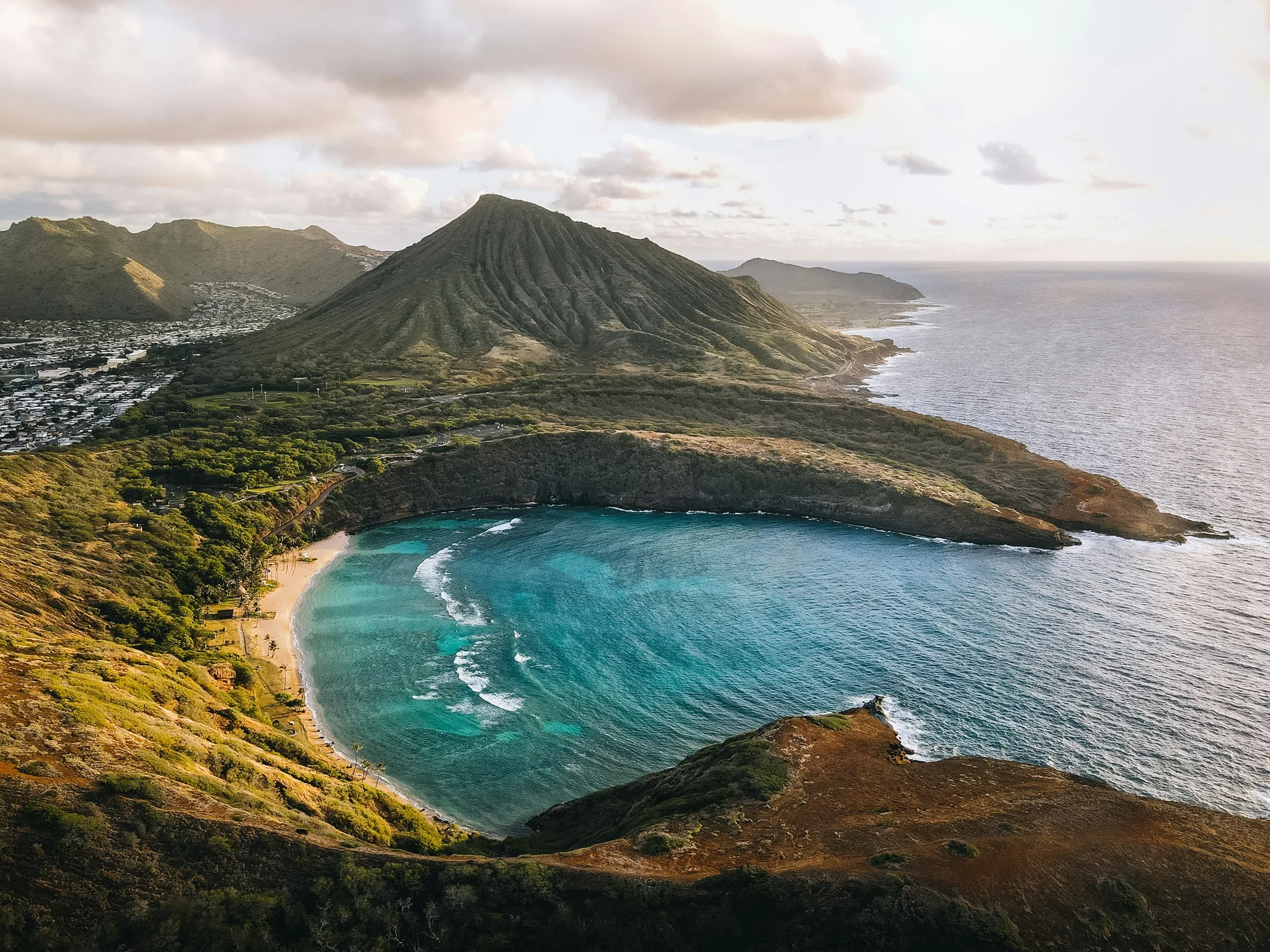


Oʻahu is often the easiest Hawaiian island for a family trip with toddlers, teens, parents, aunties, uncles, and grandparents all moving at different speeds. Not because it is the quietest island, or because every place is effortless. It works because the island gives you options close together: beach mornings, museums, parks, familiar food when a child melts down, stronger services than more rural islands, and enough lodging styles that one family does not have to force everyone into the same vacation rhythm.
The trick is not to plan the “best” Oʻahu trip in the abstract. The trick is to plan one that does not ask a 3-year-old, a 15-year-old, and a 78-year-old to enjoy the same 11-hour day.
Start with the base, not the itinerary
For multi-generational travel, where you stay matters more than the list of activities. A beautiful plan can fall apart if every breakfast requires driving, every beach trip requires hauling gear across sand, or the grandparents are waiting in a lobby while the toddler naps upstairs.
Waikīkī: easiest logistics, busiest setting
Waikīkī is the most practical base for many extended families. You can walk to the beach, find food at almost any hour, split up without drama, and let different generations opt in or out. One group can take a surf lesson while another sits under a banyan tree or walks to coffee.
The tradeoff is obvious: Waikīkī is busy. Parking can be a nuisance, sidewalks are active, and it is not the place to pretend you have escaped civilization. But for groups with strollers, mobility considerations, picky eaters, and mixed sleep schedules, convenience is not a compromise. It is what keeps the trip pleasant.
Ko Olina: resort comfort and slower beach days
Ko Olina works well for families who want a contained resort-style vacation: pools, lagoons, lawns, restaurants, and a softer daily pace. It is a good fit if the goal is not to “do Oʻahu” every day, but to spend real time together without much logistical friction.
The tradeoff is distance. Honolulu attractions, Windward beaches, and the North Shore are not right next door, so build in fewer driving days and more resort days.
North Shore: rewarding, but not always easiest
The North Shore has a different tempo: country roads, surf culture, food trucks, long beaches, and less of the hotel-district feel. It can be lovely for families who value quiet evenings and are comfortable with more limited services nearby.
For mixed ages, it needs more judgment. Winter surf can make some beaches better for watching than swimming, parking can be tight, and drives back to Honolulu can feel long. For many families, the North Shore is better as one carefully paced day trip than the main base—unless the whole group is aligned on a quieter stay.
Choose lodging for the weakest hour of the day
People often choose lodging for the fantasy hour: sunset on the lanai, everyone showered, everyone happy. Multi-generational lodging should be chosen for the hard hour: the baby is asleep, someone needs medication, a teen is starving, a grandparent wants quiet, and dinner is still undecided.
A few details matter more than glossy photos:
Bedrooms with real doors. A sofa bed in the living room may be fine for one night, but it can become the center of every conflict by day four. Elevators and short walking distances. “Close to the beach” means different things when someone has a stroller, a cane, or sore knees. A kitchen or kitchenette. Breakfast, snacks, and toddler food are easier when you are not dependent on restaurant timing. Laundry. Children, beach towels, and humidity make laundry more valuable than almost any amenity. Two spaces, not one giant space. Nearby rooms or units can let people retreat without feeling rude.
If you are splitting costs among households, have the awkward conversations before booking: who gets the larger room, who pays for parking, who is renting the car, who is sleeping near the toddler, and whether “ocean view” is a shared priority or one person’s splurge.
Plan one anchor per day
Oʻahu rewards restraint. A good multi-generational day usually has one anchor activity, one flexible meal, and plenty of room for people to peel off.
That might look like:
Beach morning, nap or pool afternoon, casual dinner nearby Pearl Harbor visit, easy lunch, quiet evening Bishop Museum or ʻIolani Palace, then beach or hotel time Windward drive with one main stop, not five North Shore outing with a clear turnaround point
The family does not need to move as a single organism all day. Let grandparents skip the beach and meet for lunch. Let teens have an activity that is not designed around toddlers. Let parents take one evening to themselves if there are trusted adults in the group. The point is shared time, not making everyone live the same day.
Beach days that work for mixed ages
Oʻahu has dramatic coastlines, but the best multi-generational beach is usually the one with easier access, bathrooms nearby, shade options, and a quick exit when someone is done.
In Waikīkī, the protected swimming areas near Kūhiō Beach can work well for families who want sand, water, food, and hotel access close together. Ala Moana Beach Park is another useful option for groups staying in Honolulu, with park space, a broad beach, and nearby food. Ko Olina’s lagoons are popular with families for a reason; the setting is controlled and comfortable compared with more exposed beaches.
Ocean conditions still change, even at beaches people think of as gentle. Look at the water when you arrive, heed posted signs and lifeguards where present, and do not make the least confident swimmer prove anything.
Activities that do not exhaust the whole group
The best Oʻahu activities for extended families are meaningful, have places to sit, and do not require everyone to be athletic.
Pearl Harbor can be a strong choice for older children, parents, and grandparents, especially if your family has a connection to military history. It is also a solemn place, so pair it with an easy afternoon rather than treating it as one stop in a packed sightseeing loop.
Bishop Museum gives families a deeper sense of Hawaiʻi and the Pacific without requiring a strenuous day. It can be especially useful when weather is uneven or when grandparents and children both need a slower pace.
ʻIolani Palace is better for families with older kids and adults who will appreciate history, monarchy, and place. It may not be the right fit for toddlers who need to roam, but it can be excellent when part of the group wants a thoughtful Honolulu day.
For nature without a rugged hike, look at parks, gardens, and scenic walks. Kapiʻolani Park gives space to move near Waikīkī. Hoʻomaluhia Botanical Garden offers a greener, quieter outing. Makapuʻu can be rewarding for groups comfortable with an uphill paved walk in sun and wind.
Driving days: do less than the map suggests
On a map, Oʻahu looks easy to loop. In real life, traffic, parking, beach gear, car seats, and group decision-making all add weight.
If you are staying in Waikīkī, consider whether you need a rental car for the whole trip. Some families are happier using rideshares or taxis for Honolulu days and renting a vehicle only for one or two island outings. If you are staying in Ko Olina or the North Shore, a car is usually more central to the plan.
For larger families, two smaller vehicles can be better than one big van. It gives people the freedom to return early, split activities, or handle a nap without marooning the rest of the group.
For a North Shore day, choose a few priorities and let the rest go. The drive, lunch, beach time, and a shave ice stop can already make a full day. Trying to add every famous stop turns the outing into a seatbelt tour.
Feeding toddlers, teens, and grandparents
Oʻahu is forgiving when it comes to food. You can find plate lunches, noodles, bakeries, hotel restaurants, food courts, grocery stores, shave ice, coffee shops, and higher-end dinners without building the whole day around a reservation.
For multi-generational groups, the most useful dining strategy is not “find the best restaurant.” It is “avoid preventable hunger.”
Keep breakfast simple. Stock the room with fruit, yogurt, pastries, cereal, or whatever your family actually eats. Plan sit-down dinners earlier than you would as a couple. For large groups, make reservations when the meal matters and keep other meals casual.
One good rule: alternate “easy food” with “special food.” If lunch is unglamorous but everyone eats, that is not a failure. That is how you earn the evening you actually care about.
A comfortable six-day Oʻahu rhythm
This is not an itinerary to copy exactly. It is a pacing model.
Day 1: Arrive and land softly Check in, unpack, buy snacks, walk to the nearest beach or pool, and keep dinner easy.
Day 2: Beach and orientation Stay close to your base. Let everyone learn the walking routes, coffee options, elevators, beach access, and nap logistics.
Day 3: History or culture day Choose Pearl Harbor, Bishop Museum, or ʻIolani Palace depending on your group’s interests. Keep the afternoon light.
Day 4: Scenic drive day Pick either a Windward outing or a North Shore outing. Do not try to combine every side of the island.
Day 5: Split day Let the active group take a surf lesson, hike, snorkel tour, or shopping trip while others enjoy the pool, spa, park, or slow lunch. Reunite for dinner.
Day 6: Repeat the favorite This is the day people often remember: the beach everyone liked, the breakfast spot that worked, the walk the grandparents enjoyed, the pool the kids keep asking for. Repetition is underrated on family trips.
The real goal: a trip people can enjoy at their own speed
Oʻahu gives multi-generational families a rare mix: urban convenience, serious history, warm-water beach time, resort comfort, and easy fallback plans when someone gets tired. The island can be busy, yes. But for families spanning decades of needs, that busyness often translates into choice.
Plan fewer big days. Stay somewhere that makes ordinary moments easy. Give each generation a little control. If you do that, Oʻahu stops being a place you are trying to cover and becomes what you came for: time together, with enough room for everyone to breathe.
Further Reading
A few relevant next steps from Alakai Aloha.
 BlogA Low-Stress Guide to Oʻahu With Teens
Plan an Oʻahu trip teens will actually enjoy, with beach time, food stops, shopping, surf lessons, city exploring, and smart ways to avoid stress.
Editor's pick GuideBest Hotels & Resorts on Oʻahu: Where to Stay
A guide to best hotels Oʻahu.
Editor's pick ActivityBishop Museum
The Bernice Pauahi Bishop Museum is Hawaii's premier museum, offering a deep dive into Polynesian cultural artifacts, natural history, and interactive science exhibits perfect for all ages.
Editor's pick ActivityIolani Palace
Explore the only official state residence of royalty in the U.S., immersing yourself in the rich history of the Hawaiian monarchy and its pivotal role in island culture.
Editor's pick