

Oʻahu can fool you at first. From Waikīkī, it is easy to read the island as city, surf break, ridge line, and road trip. But look closer—at red lehua blossoms in a wet Koʻolau forest, white seabirds riding the wind near Kaʻena Point, or a green sea turtle lifting its head in shallow water—and the island becomes a living field guide.
Hawaiʻi’s ecology is unusual because life arrived here the hard way. Before people, every plant and animal had to cross thousands of miles of ocean by wind, wing, or wave. Once here, many evolved in isolation into forms found nowhere else on Earth. That is why the words native, endemic, introduced, and invasive matter. They help you understand what you are seeing, why it belongs, and how Oʻahu’s landscapes became so layered.
Four useful words
Native species arrived in Hawaiʻi without human help. A coastal plant whose seeds floated here, or a bird that crossed the ocean on its own, can be native.
Endemic species are natives that evolved here and are found nowhere else. In Hawaiʻi, many treasured plants, forest birds, insects, and land snails are endemic.
Introduced species were brought by people, intentionally or accidentally. Some are beloved, useful, or culturally important. Kalo, niu, and many familiar lei flowers are not “wild Hawaiian originals” in the pre-human sense, but they have deep histories here.
Invasive species are introduced species that spread in ways that damage native ecosystems, agriculture, watersheds, or cultural landscapes. Not every introduced species is invasive. The difference matters.
On Oʻahu, those categories often sit right next to each other. You might hike through a forest where native ʻōhiʻa and koa share space with strawberry guava or other introduced trees. You might see a protected seabird colony beyond a fence, then drive past lawns full of non-native plants on the way back to town. Oʻahu is not a museum piece. It is a busy island where rare native life persists in real places.
Oʻahu’s native and endemic highlights
Oʻahu is Hawaiʻi’s most populated island, but it still holds remarkable native habitats: wet Koʻolau ridges, drier Waiʻanae slopes, coastal dunes, offshore islets, wetlands, and reefs. Some of the island’s best nature experiences come from learning to notice what is subtle.
ʻŌhiʻa lehua and the wet forest
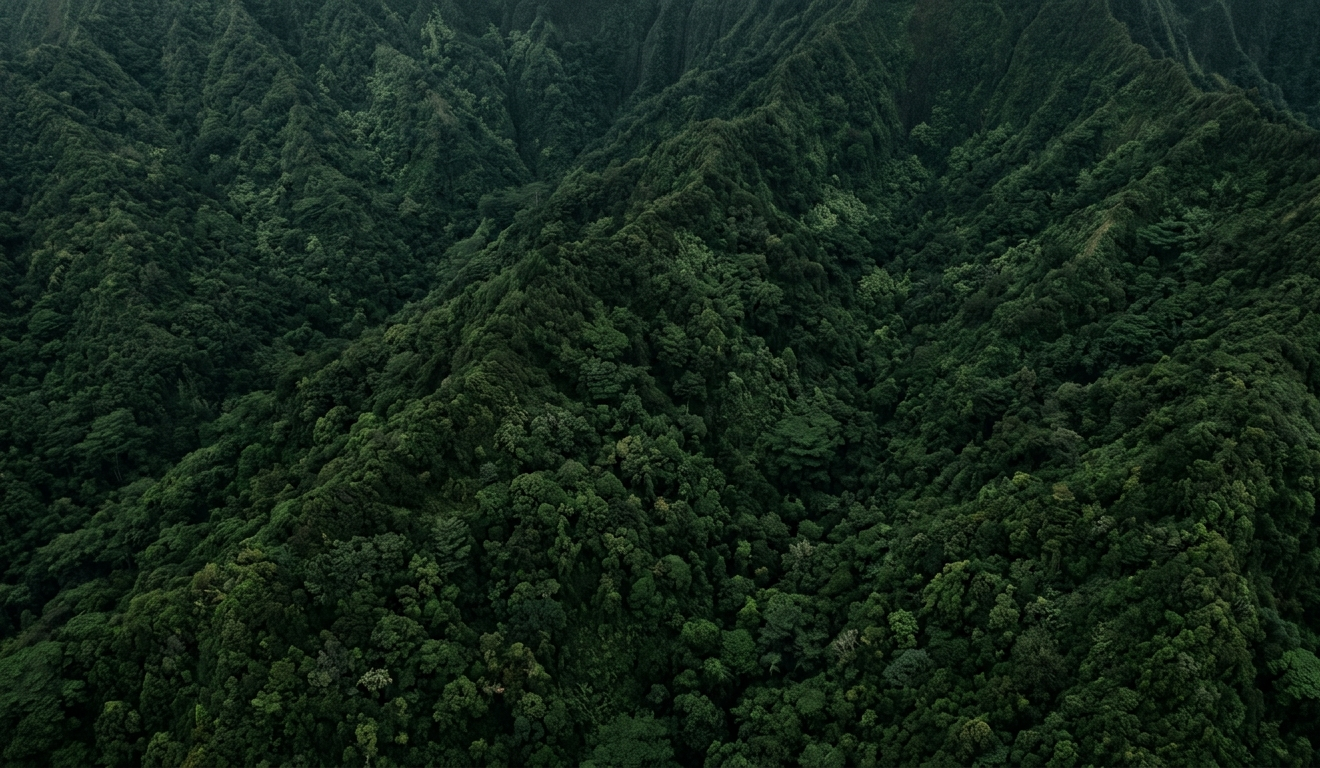
ʻŌhiʻa lehua is one of Hawaiʻi’s great native trees, with blossoms that can be red, orange, yellow, or pale. In wetter upland areas, especially along parts of the Koʻolau range, ʻōhiʻa helps shape the forest itself. It catches mist, anchors soil, and supports birds and insects.
You are more likely to see ʻōhiʻa on higher, wetter trails than in the dry, sunny parts of visitor Oʻahu. The tree is also culturally important, appearing in mele, moʻolelo, hula, and lei traditions. If you encounter it on a trail, enjoy it where it grows.
Koa, hala, naupaka, and coastal plants
Koa is another signature Hawaiian tree, historically prized for canoe building and other uses. On Oʻahu, you are more likely to meet koa in upland or restored native plant settings than along the resort shoreline.
Closer to the sea, hala, naupaka kahakai, ʻilima, pōhuehue, and other salt-tolerant coastal plants hold sand, soften wind, shelter small creatures, and give the shoreline a more Hawaiian texture than a lawn ever could. In developed beach areas, native coastal plants may appear in restoration zones or behind low barriers. Those little roped-off patches are often more interesting than they first look.
Forest birds, seabirds, and wetland birds
Oʻahu’s native forest birds are harder for most visitors to see than seabirds or reef fish, but they are part of the island’s deeper story. The Oʻahu ʻelepaio, a small monarch flycatcher, is endemic to the island and lives in limited forest areas. Native honeycreepers such as ʻapapane and ʻamakihi may also be encountered in appropriate upland habitat, though birdlife varies greatly by location and elevation.
If you are not a birder, listen first. Native forest bird encounters often happen as flashes of movement, brief calls, and a sense that the canopy is alive above you.
For many visitors, Oʻahu’s most accessible native wildlife moment is at the coast. Kaʻena Point, the remote western tip of the island, is one of the best-known places to appreciate seabirds on Oʻahu. Mōlī, the Laysan albatross, are especially memorable when present: large, pale birds with a gliding confidence that makes the wind look visible.
Oʻahu’s wetlands do not fit the postcard version of Hawaiʻi, but marshes and ponds support rare native waterbirds, including aeʻo, the Hawaiian stilt, and ʻalae keʻokeʻo, the Hawaiian coot. Kawainui Marsh on the windward side is one of the island’s important wetland landscapes, and other protected wetland areas offer chances to notice birds many visitors never associate with Hawaiʻi.
Reef life, honu, and monk seals
Oʻahu’s reefs are full of native marine life, and many reef fish in Hawaiʻi are endemic or have Hawaiian populations with distinctive patterns. Snorkeling places such as Hanauma Bay are often where travelers first realize Hawaiʻi’s isolation is visible underwater too.
Honu, the green sea turtle, and ʻīlioholoikauaua, the Hawaiian monk seal, are among the marine animals visitors most hope to see. The best encounter is usually a quiet one: observe, give space, and let the animal decide the distance.
The introduced species you will notice first
Many plants visitors think of as “Hawaiian” are introduced. Plumeria, bougainvillea, many palms, mango, shower trees, and much of the lush roadside greenery arrived with people. That does not make them bad. It means they tell a different story.
Some introduced plants are cultural anchors. Kalo, niu, ʻulu, and other canoe plants came with Polynesian voyagers and became part of Hawaiian life, agriculture, foodways, and identity. Other introductions came later through ranching, landscaping, forestry, agriculture, or accident.
Seeing this clearly makes the island more interesting. Oʻahu is layered: ancient native lineages, Polynesian introductions, plantation-era species, urban ornamentals, modern weeds, restoration plantings. The landscape is not one thing.
When introduced becomes invasive
The trouble starts when a newcomer spreads aggressively and pushes native systems out of balance. On Oʻahu, invasive pressures show up in many forms.
Strawberry guava can form dense thickets in wet forests. Feral pigs disturb soil and create openings for weeds. Rats and mongoose prey on eggs, chicks, and other native animals. Mosquitoes transmit diseases that have devastated native forest birds. Invasive grasses can increase fire risk in dry landscapes. Certain pests and plant diseases threaten palms, ʻōhiʻa, and other important species.
You do not need to memorize the list. Just understand the pattern: islands are especially vulnerable because native species evolved without many of the predators, diseases, and competitors that later arrived.
Where to experience Oʻahu’s ecology
Oʻahu rewards travelers who choose a few places well rather than trying to “collect” nature stops.
Kaʻena Point feels far from Honolulu even though it is still Oʻahu. The walk is exposed, dry, and coastal, with big ocean views and the possibility of seabird and monk seal sightings. It is one of the clearest places on the island to understand habitat protection: fences, signs, and boundaries are part of the landscape because the wildlife here needs room.
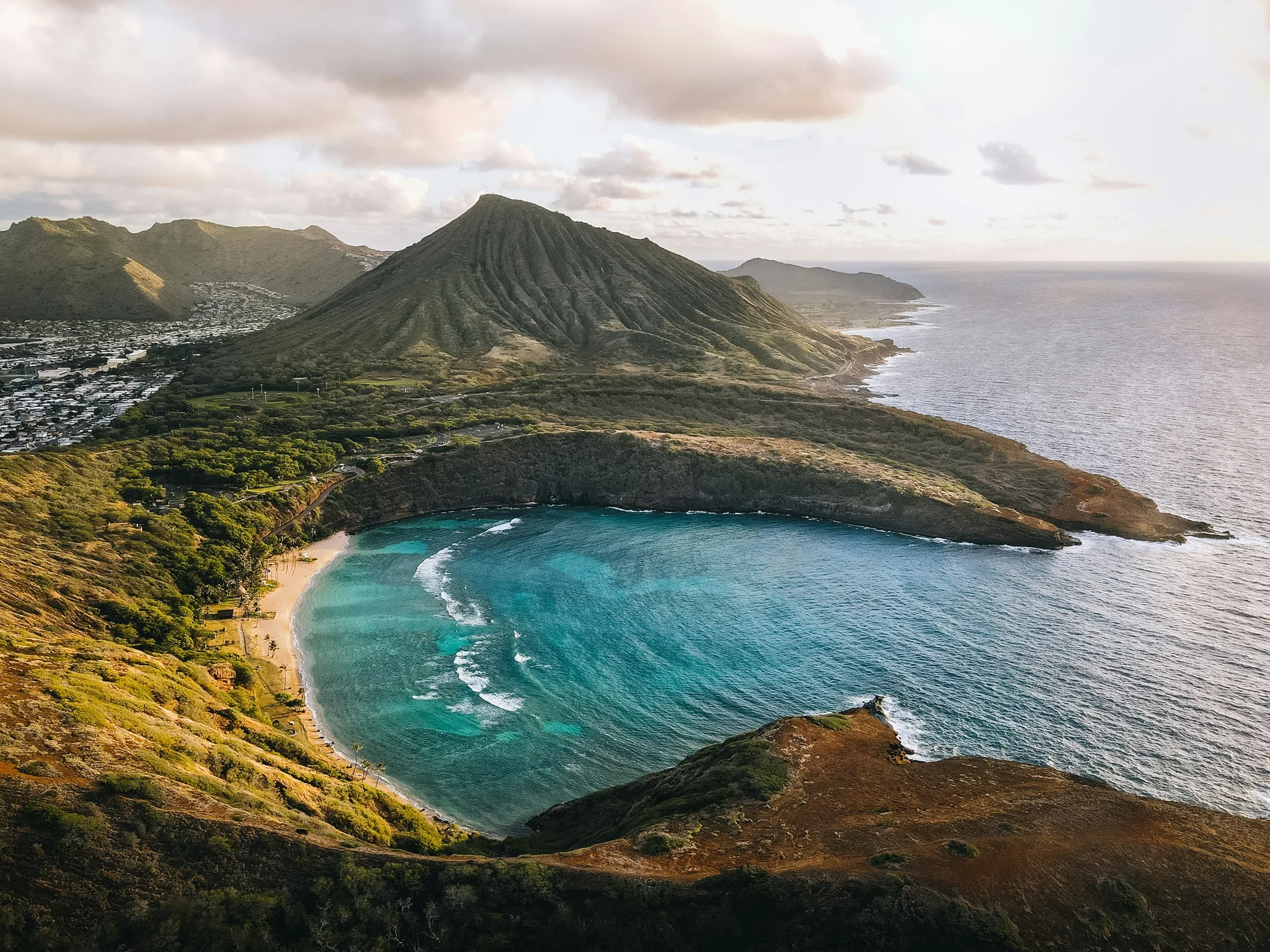
Hanauma Bay is often discussed as a snorkeling destination, but it is also a useful place to notice how education and access can coexist. Even if you are not a strong snorkeler, the view from above tells a story: a volcanic curve, a sheltered reef, and an ocean ecosystem under constant human attention.
Lyon Arboretum and other botanical gardens help visitors learn plants without guessing on a muddy trail. You can slow down, read labels, and begin recognizing forms you will later notice elsewhere: hala leaves, loulu palms, ʻōhiʻa blossoms, canoe plants, dryland species.
Windward wetlands and upland trails show a different Oʻahu. Around marshes and ponds, look for long-legged stilts, coots, ducks, and the patient rhythm of birds feeding in shallow water. In the mountains, some trails are dominated by introduced vegetation; others pass through native forest pockets. If your goal is ecology rather than exercise, choose quality over fame.
A better way to see Oʻahu
A few ordinary habits help these places remain alive: clean mud and seeds from shoes and gear before and after hikes, stay on marked trails where native plants are being restored or protected, and avoid moving rocks, plants, shells, or animals between places. On beach and reef days, keep fins off coral and let marine animals pass without pursuit.
Learning these categories does not make a vacation feel like homework. It makes the island sharper.
You start noticing that the shade tree by the parking lot, the flower in a lei, the bird over the marsh, and the shrub holding a dune may each belong to a different chapter of Hawaiʻi’s story. Some arrived by ocean current. Some came by canoe. Some were planted for beauty. Some are being fought back by people who love this place in practical, daily ways.
Oʻahu is urban, rural, wild, restored, altered, and still deeply alive. With that lens, even a short walk—from a beach path, a garden trail, a wetland overlook, or a windy point at the end of the road—can feel richer than the view alone.
Further Reading
A few relevant next steps from Alakai Aloha.
 BlogWhere to See Oʻahu Wildlife Responsibly
From Kaʻena Point seabirds to monk seals, honu, and winter whales, here’s how to choose Oʻahu wildlife spots where animals have room and your visit stays respectful.
Editor's pick GuideBest Oʻahu Luaus & Cultural Experiences
A guide to best Oʻahu luaus.
Editor's pick ActivityLyon Arboretum
Discover Lyon Arboretum, a serene 194-acre tropical rainforest botanical garden in Oahu's Mānoa Valley, offering diverse trails and a rich collection of Hawaiian and tropical plants.
Editor's pick BlogChallenging Oʻahu Hikes Worth the Effort
A practical guide to Oʻahu’s tougher legal hikes, with local advice on steep ridges, heat, mud, access, and choosing the right kind of hard.
Editor's pick