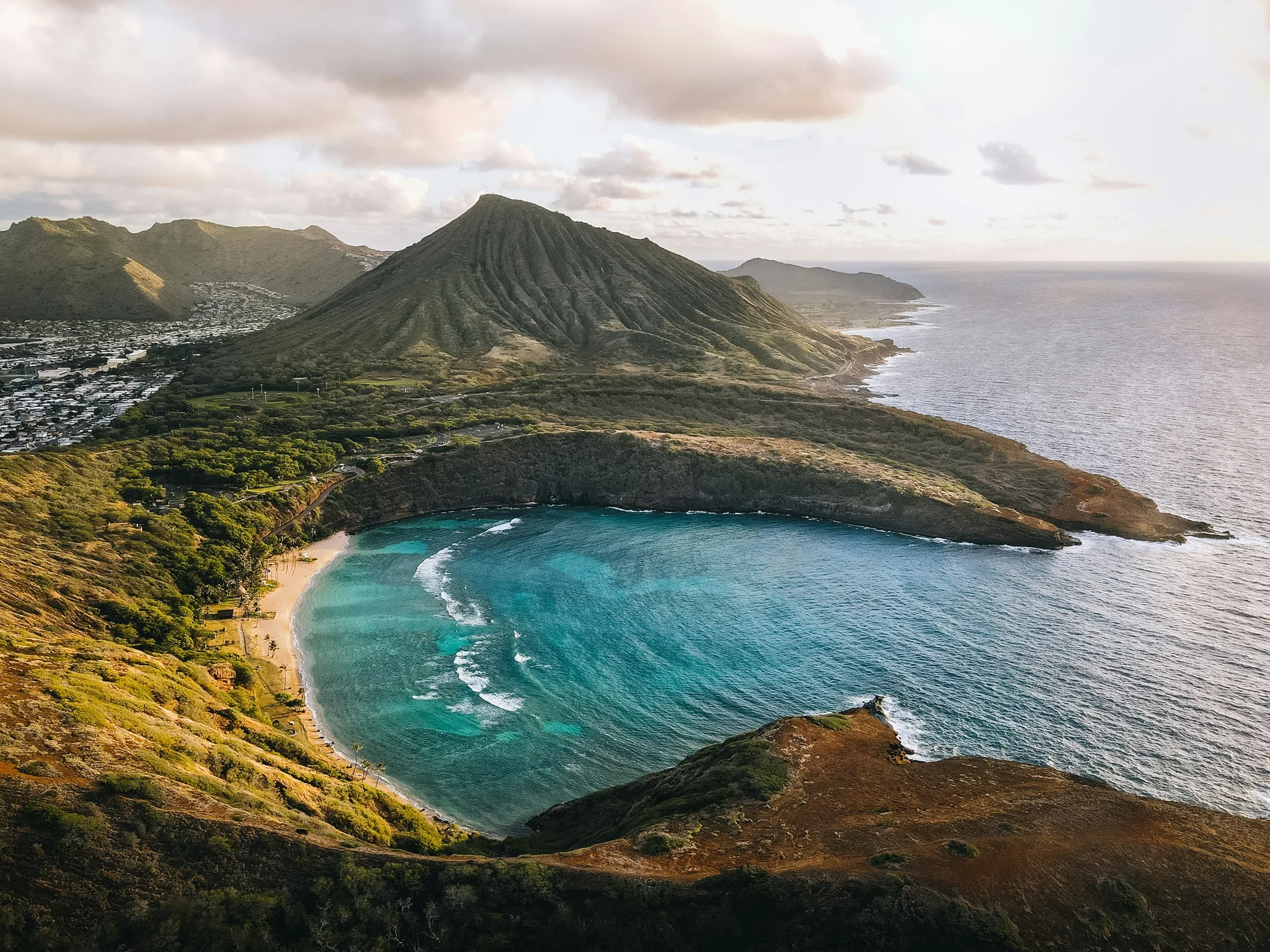


Oʻahu is not a hard island to visit “at the right time.” It has year-round beach weather, a deep restaurant and hotel base, and enough indoor-outdoor flexibility that a passing shower rarely ruins a day.
But timing still matters.
Winter can mean huge North Shore surf and holiday hotel rates. Summer can mean calmer ocean time at many beaches, busier family travel, and warmer nights in Waikīkī. Spring and fall often deliver the best mix: pleasant weather, fewer visitors than peak periods, and more breathing room around reservations.
The best month depends less on a single weather statistic and more on the trip you want: Waikīkī beach days, North Shore surf culture, hiking the Koʻolau foothills, family-friendly ocean time, cultural events, or a lower-stress city-and-beach vacation.
Oʻahu’s seasons, in plain terms
Oʻahu’s weather has a few dependable patterns.
The south shore, including Waikīkī and much of Honolulu, is generally drier and sunnier than the windward side. Kailua, Kāneʻohe, and the lush Koʻolau slopes catch more passing showers, especially in the wetter months. The North Shore has its own rhythm: famous winter surf, quieter summer seas, and a very different feel from Honolulu even though it is on the same island.
Temperatures stay warm year-round. The bigger shifts are rainfall, surf direction, visitor demand, and hotel pricing.
A simple way to think about it:
Best overall balance: April, May, September, October, early November Best for North Shore surf watching: December through February, sometimes into March Best for calmer family beach days: late spring through summer, depending on the beach Best for lower crowds and better value: shoulder months outside holidays and school breaks Busiest periods: winter holidays, spring break pockets, and summer family travel
January: big surf and winter crowds
January begins with holiday energy still in the air. Waikīkī is busy, hotel rates can remain high early in the month, and restaurants reward advance planning. As the month settles, the island often feels more manageable.
This is a classic month for watching large surf on the North Shore. Even if you do not surf, the spectacle alone can make the drive memorable: waves, food trucks, beach parks, and the sense that the ocean is setting the day’s agenda.
Best for: surf watching, winter escapes, Waikīkī stays with city comforts Tradeoff: higher early-month pricing and more variable ocean conditions
February: still winter, often better value
February is underrated. It is still winter, so you get the possibility of North Shore surf and cooler evenings by Hawaiʻi standards, but the post-holiday pressure eases.
Rain remains more likely than in summer, especially along the windward side, yet showers often pass quickly. If you are staying in Waikīkī, you may have long sunny stretches while the mountains wear clouds.
Best for: winter atmosphere with slightly less strain on budget Tradeoff: rain and surf can narrow beach choices on some days
March: spring break pockets and cultural events
March is a transition month. Weather begins edging toward spring, but travel demand can jump around school breaks. If your dates overlap with spring break, expect more families, more rental car demand, and busier Waikīkī sidewalks.
Oʻahu also has a strong events calendar in March, with cultural and community celebrations often connected to Prince Kūhiō Day, along with arts and international festivals in Honolulu. Hiking can be rewarding too, with the Koʻolau mountains richly green after winter rains.
Best for: culture, green mountain views, mixed city-and-nature trips Tradeoff: spring break can raise crowds and costs
April: one of the best all-around months
April is one of the cleanest answers to “When should I visit Oʻahu?” The heavy winter surf season is easing, the summer rush has not fully arrived, and the weather is often pleasantly steady.
This is a strong month for first-time visitors who want the range of Oʻahu: Waikīkī beach time, Pearl Harbor, a North Shore day, windward scenery, hiking, and good dinners in Honolulu. You still need to plan popular activities, but the island generally feels less compressed than during major holiday periods.
Best for: first-time trips, couples, flexible beach-and-explore itineraries Tradeoff: not as consistently calm as summer for every ocean activity
May: warm, festive, and before peak summer
May might be Oʻahu at its most graceful. The days are warmer, rainfall is often lighter than winter, and peak summer family travel has not fully set in. Lei Day on May 1 brings a beloved tradition, and Memorial Day weekend often creates a busier stretch.
The south shore becomes more active for surf as summer approaches, while many beach days feel easy and inviting. Waikīkī is lively without always feeling maxed out.
Best for: beach days, couples, pre-summer value, cultural atmosphere Tradeoff: holiday weekends can be noticeably busier
June: summer begins
June brings the beginning of summer travel. Schools let out, family vacations pick up, and Oʻahu shifts into a brighter, busier mode.
Weather is typically warm and drier, especially on the south shore. Ocean conditions are often more approachable at many beaches than in winter, though south swells can bring surf to Waikīkī and other south-facing areas. King Kamehameha Day is observed in June, with parades and floral traditions often part of the season.
Best for: family trips, summer beach energy, warm nights Tradeoff: rising crowds and prices as summer travel builds
July: busy, sunny, and high-energy
July is peak summer Oʻahu. Expect busy beaches, full hotels, active restaurants, and more traffic around popular corridors. If you like a lively vacation, July delivers. If you are hoping for quiet, it requires more strategy.
Waikīkī has a full summer pulse: beach lessons, catamarans offshore, sunset crowds, and late dinners. Book key plans early and leave room in the day; over-scheduling in July can make a vacation feel like errands.
Best for: energetic family vacations, beach time, long daylight Tradeoff: peak crowds, higher demand, more traffic
August: hot, beachy, and softer late in the month
August is warm, often humid, and still very much summer. Early August can feel similar to July, while late August may soften as some schools return.
This is a good month for a swim-heavy trip: mornings at the beach, a long lunch, an afternoon rest, then dinner in Honolulu. It is less ideal if your dream vacation is packed with strenuous midday hikes.
Best for: beach-first trips, late-summer family travel, warm ocean time Tradeoff: heat, humidity, and lingering summer crowds
September: one of Oʻahu’s best-value months
September is a favorite for travelers who can avoid school-year constraints. The weather remains warm, the ocean often still feels summery, and visitor demand usually drops after Labor Day.
This is also a culturally rich time, with Aloha Festivals traditionally bringing music, hula, parades, and celebrations of Hawaiian culture. For cost-conscious travelers, September can be one of the best months to look.
Best for: value, culture, warm beach weather, adult getaways Tradeoff: occasional humid stretches
October: calm, comfortable, and overlooked
October is another excellent all-around month. It sits in that sweet spot after summer and before the holiday build. The island is warm, the ocean is inviting, and the mood is more relaxed.
Food and wine events often appear in the fall calendar, and Honolulu’s dining scene gives October travelers plenty to enjoy without a packed itinerary. This is a good month for people who want Oʻahu to feel like a place rather than a checklist: beach in the morning, museum or shopping in the afternoon, dinner somewhere worth dressing for.
Best for: couples, food-focused trips, lower-stress itineraries Tradeoff: weather begins its gradual shift toward wetter season
November: early value, then holiday momentum
November has two personalities. Early November can be quiet and appealing, with decent value and warm weather. As Thanksgiving approaches, demand rises and the island gets busier.
Surf begins to matter more on the North Shore as winter patterns return. Rain becomes more common, especially windward and mauka, but Waikīkī can still see plenty of sun.
Best for: early-month value, surf-season anticipation, mixed itineraries Tradeoff: Thanksgiving crowds and increasing rain chances
December: holidays and winter surf
December is festive and expensive. Waikīkī fills with holiday travelers, hotel rates rise, and restaurant reservations become more important. The Honolulu Marathon traditionally brings a major wave of visitors early in the month, and the winter holidays bring another.
The upside is atmosphere. Honolulu feels bright and social, the North Shore is in winter-surf mode, and escaping cold weather for Oʻahu in December is easy to understand the moment you step outside at night.
Best for: holiday trips, winter surf watching, festive Waikīkī Tradeoff: some of the year’s highest crowds and costs
So, when should you go?
For many travelers, the best months to visit Oʻahu are April, May, September, and October. They offer the most appealing balance of weather, cost, crowds, and flexibility.
Choose winter if you want North Shore surf energy, holiday atmosphere, or a warm escape from colder climates. Choose summer if your priority is family beach time, long days, and a classic sunny vacation. Choose spring or fall if you want Oʻahu with a little more room around the edges.
The island rewards good timing, but it does not require perfect timing. Oʻahu’s strength is its range: city mornings, mountain rain, dry south-shore afternoons, serious surf, gentle lagoons, plate lunches, museums, and sunset walks back to your hotel. Pick the month that matches the trip you actually want, and the island will usually meet you more than halfway.

Further Reading
A few relevant next steps from Alakai Aloha.
 BlogTrade Winds and Microclimates on Oʻahu
Learn how trade winds, Kona weather, rainy season, and mountain microclimates shape Oʻahu days from Waikīkī to the Koʻolau and leeward coast.
Editor's pick ActivityWaikīkī Beach
Waikīkī Beach offers a quintessential Hawaiian experience with warm, generally calm waters perfect for swimming, learning to surf, and enjoying a vibrant urban backdrop against Diamond Head.
Editor's pick ToolCompare island weather by region
See how rain, wind, and conditions vary around the island before you choose your day plan.
Useful planning tool BlogWhat to Know About North Shore Surf Season
Winter transforms Oʻahu’s North Shore into a world-class surf arena, but visitors should know when to watch, where to swim, and how to read the season safely.
Editor's pick