

On Oʻahu, “surf season” has a specific meaning. It is not simply a better time to take a board into the water. On the North Shore, winter turns the coast into an open-air amphitheater, with long-period swells marching in from the North Pacific and breaking over reefs that have shaped surfing history for generations.
For visitors, that can be thrilling, confusing, and humbling. The same shoreline that looks soft and swimmable in summer can become powerful and off-limits in winter. A beach you pictured for a lazy afternoon may be better enjoyed from the sand, with your towel well back from the waterline and your eyes on the horizon.
That is not a reason to avoid the North Shore during surf season. It is one of Oʻahu’s great seasonal experiences. It just helps to understand what you are arriving into.
When North Shore surf season happens
The North Shore’s big-wave season generally runs from late fall through early spring, with the most consistent large surf often falling between roughly November and March. The heart of the season is winter, when storms far out in the North Pacific send energy toward Hawaiʻi.
That timing matters because Oʻahu’s shores behave very differently by season. In summer, many North Shore beaches can be calmer, clearer, and gentler. In winter, those same places may have heavy shorebreak, strong currents, and waves that are far more powerful than they look from a car window.
“Go to the North Shore” means one thing in July and another in January. In summer, it might mean snorkeling, casual beach time, and a long swim. In winter, it may mean watching expert surfers at Pipeline, sitting above Waimea Bay with coffee, or saving the swimming for a more protected south shore spot.
What visitors are really coming to see
Most travelers who hear about North Shore surf season imagine enormous waves at Waimea Bay or sharp, barreling waves around Pipeline. Both are part of the story, but the coast has many moods.
The North Shore is not a single viewpoint. It is a run of beach parks, reef breaks, bays, roadside pullouts, neighborhoods, food stops, and farm country, all threaded together by Kamehameha Highway. Some waves break close enough to shore that you can feel the impact in your chest. Others sit farther out and are easy to underestimate until you watch a surfer drop down the face and disappear behind whitewater.
The pleasure of the season is partly in the waiting. You may arrive on a day when the ocean is huge and unruly. You may arrive between swells, when the water is energetic but not the spectacle you expected. The waves are not on a performance schedule.
The main surf areas visitors hear about
You do not need to chase every famous break to have a good North Shore day. Trying to “collect” surf spots can make the experience feel rushed. A better approach is to pick a general stretch, leave room for traffic and parking, and let the ocean decide how long you stay.
Haleʻiwa
Haleʻiwa is often the easiest entry point to the North Shore. It has town services, places to eat, surf shops, harbor activity, and a slower introduction to the coastline than the more intense winter breaks farther east. Depending on conditions, you may see surfers along nearby reef breaks, stand-up paddlers in calmer areas, or families keeping to the sand when the water is rough.
It is also a good place to reset. If the beaches farther up the road are crowded, windy, or too heavy for your group, Haleʻiwa gives you options without turning the day into a scramble.
Waimea Bay
Waimea Bay is the name many visitors know because of big-wave surfing. When the swell is truly large, Waimea becomes less like a beach day and more like a viewing event. People gather along the sand, the road, and the upper edges of the bay to watch surfers take on waves with a scale that is hard to understand until you see a person near the bottom of one.
On smaller winter days, Waimea can look deceptively inviting, but the bay changes dramatically with swell direction and size. If lifeguards are warning people out of the water, that is the day’s most useful local information.
ʻEhukai and Pipeline
ʻEhukai Beach Park is the public access point most visitors associate with Pipeline. This is where winter surf can become technical, fast, and spectacularly unforgiving. The wave is famous for a reason: it breaks over shallow reef, forms powerful barrels, and draws some of the world’s best surfers when conditions line up.
For most visitors, Pipeline is a watching beach, not a swimming beach, during winter surf. Seeing expert surfers read the ocean there — where to sit, when to paddle, which waves to let pass — is its own education.
Sunset Beach
Sunset Beach has a wider, more open feel, and in winter it can produce long, powerful waves that break farther out. From shore, it may seem less dramatic than a wave detonating close to the beach, but the scale can be immense. Not all impressive surf looks the same. Some of the heaviest water is not theatrical. It just moves with authority.
If you want to swim or surf
This is where many Oʻahu visitors get tripped up. They plan a beach day on the North Shore because the names are famous, then arrive to find red flags, pounding shorebreak, or water that is clearly not for casual swimming.
The simplest winter rule is this: treat the North Shore primarily as a surf-watching coast unless conditions are obviously calm and lifeguards indicate it is appropriate. If your heart is set on swimming, wading, or beginner-friendly water, build flexibility into the day. Oʻahu has other coastlines, and winter often favors the south shore for a more relaxed ocean experience.
Visitors also sometimes hear “surf season” and think it is the ideal time to book a surf lesson on the North Shore. For true beginners, winter North Shore conditions are often not the right match. Surf schools and instructors will choose locations based on the day, but if you are new to surfing, be open to learning somewhere calmer rather than insisting on a famous North Shore name.
Intermediate surfers should be just as honest. A wave does not become more forgiving because you traveled a long way to surf it. The North Shore lineup has its own rhythm, crowd patterns, reef knowledge, and consequences. There is no shame in watching first, choosing a smaller break, or deciding that the day is better spent on land.
How competitions affect the experience
Winter is also contest season on the North Shore, and the energy changes when an event is running. You may find more traffic, more people on the beach, more cameras, and a charged atmosphere that feels different from an ordinary swell day.
Surf contests depend on conditions, so they typically operate within waiting periods rather than fixed, guaranteed surf days. Do not build an entire vacation around seeing a specific competition run on a specific morning unless you are comfortable with uncertainty. Think of contests as a possible bonus: if the ocean cooperates and you are nearby, wonderful. If not, the coast still has plenty to give.
When an event is on, arrive with patience. Parking is tighter, the road slows down, and the best viewpoint may not be the closest one. Sometimes the smartest move is to choose one place, settle in, and let the day unfold instead of fighting the highway.
The road is part of the season
North Shore surf season is not only about waves. It is also about movement — or lack of it. Kamehameha Highway can become slow on big surf days, contest days, weekends, and holiday periods. A drive that looks short on a map can stretch, especially through Haleʻiwa and along the beach areas where people are parking, crossing, and stopping to look.
This is not a flaw in the day. It is the day. Build it in. Leave earlier than you think you need to, avoid stacking hard reservations too close together, and do not plan the North Shore as a quick detour between unrelated Oʻahu activities. The coast rewards a looser schedule.
If you are staying in Waikīkī or elsewhere in Honolulu, the round trip is a real outing. You are crossing the island, changing pace, and entering a part of Oʻahu where the ocean has more say in the itinerary.
What to bring — and what to leave flexible
A winter North Shore day is usually better with simple comforts: sun protection, water, sandals that can handle sand and roadside walking, and a layer if the wind picks up. Binoculars can make surf watching more interesting, especially at breaks that sit farther offshore. A towel is still useful even if you never swim.
What you should not bring is a rigid plan that depends on one beach being perfect. Some days are clean and organized, with long lines of swell and surfers exactly where you hoped to see them. Some days are stormy, blown out, or too chaotic to make much sense of from shore. Some days the drama is not the size of the waves but the light on the water, the pause between sets, the sound of the reef, the slow parade of boards and trucks and sandy feet.
A good day might start with coffee in Haleʻiwa, then a slow drive toward Waimea to see what the ocean is doing. If the bay is active, you stay awhile. If the swell is better farther east, you continue toward ʻEhukai or Sunset, looking for legal parking and an easy place to sit. Maybe you watch three sets and understand nothing. Then a surfer takes off deep, drops into a line you did not see, and suddenly the whole beach reacts.
That is the moment most visitors are hoping for, even if they would not have known how to name it.
North Shore surf season is not just big waves. It is timing, restraint, spectacle, and respect for conditions without turning the day heavy. Go with curiosity. Let the water set the pace. You will have a better time — and you will see more — if you do not ask the North Shore to behave like any other beach day on Oʻahu.

Further Reading
A few relevant next steps from Alakai Aloha.
 BlogWhen to Visit Oʻahu for Your Best Trip
Use this month-by-month Oʻahu guide to weigh Waikīkī weather, North Shore surf, crowds, hotel prices, and events so you can time the trip that fits you best.
Editor's pick ActivityʻEhukai Beach Park
Ehukai Beach Park on Oahu's North Shore is famed for the legendary Banzai Pipeline, offering world-class surf viewing in winter and calmer conditions for swimming and snorkeling in summer.
Editor's pick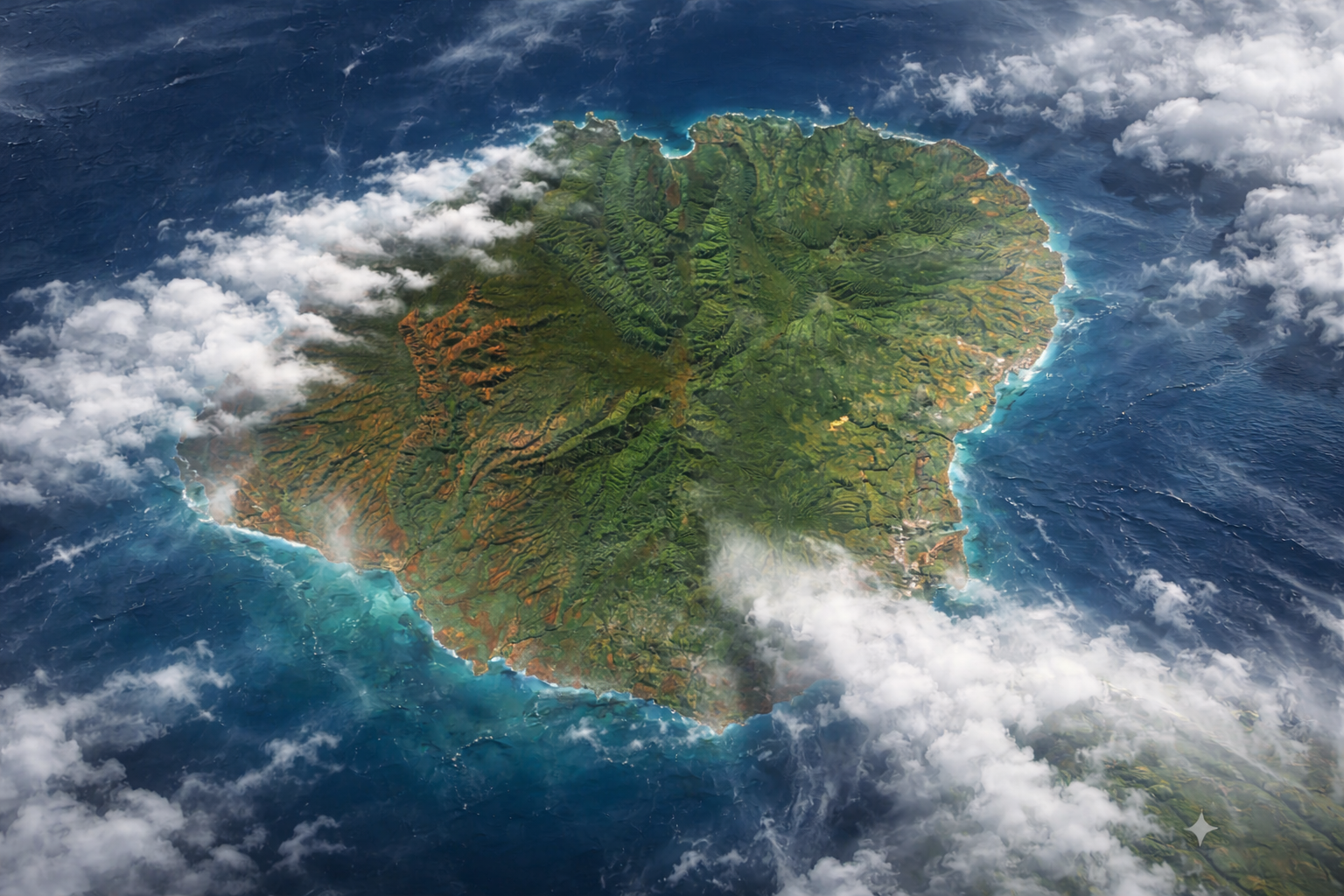 ToolCompare island weather by region
See how rain, wind, and conditions vary around the island before you choose your day plan.
Useful planning tool BlogHow Many Days You Really Need on Oʻahu
A practical guide to choosing 3, 5, or 7 days on Oʻahu, with smart pacing for Waikīkī, Pearl Harbor, Windward Oʻahu, the North Shore, and beach time.
Editor's pick