

If you visit Bishop Museum on your last afternoon, you may still enjoy it. You’ll see featherwork, canoes, kapa, royal portraits, shells, stars, volcanoes, and the kind of deep collections that make time slow down.
But if you go early — ideally in the first day or two — the museum does something more useful. It changes the rest of your Oʻahu trip.
Suddenly, the island is not just a sequence of beaches, viewpoints, restaurants, and reservations. The ridges have context. Place names feel less decorative. A lūʻau reads differently. The ocean stops being only scenery and starts to look like a road, a source of food, a boundary, a memory, and a teacher.
That is why Bishop Museum belongs near the beginning of an Oʻahu itinerary.
Oʻahu is easier to love when you can read it
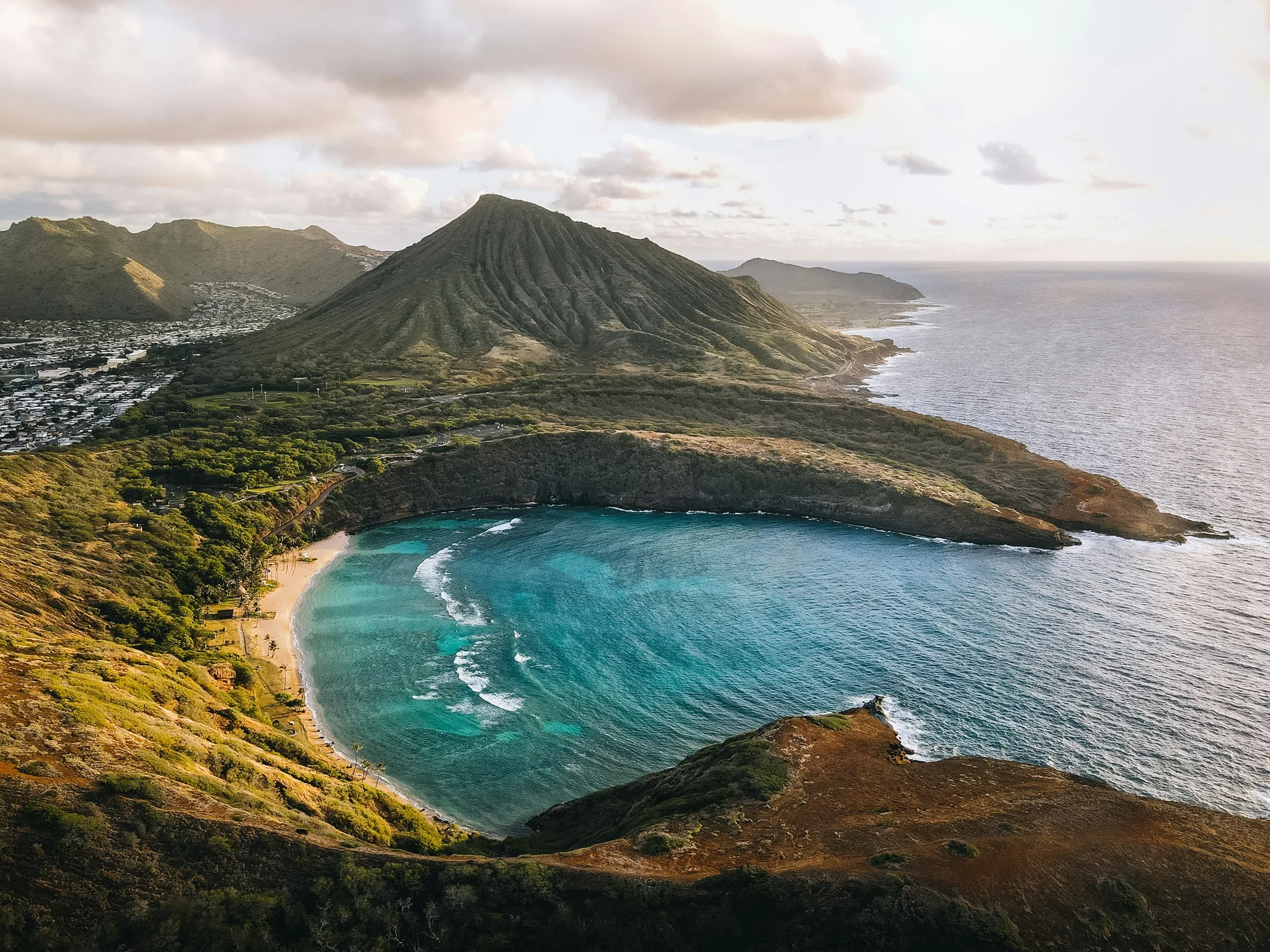
Oʻahu is often introduced to visitors through its most photogenic surfaces: Waikīkī, Diamond Head, the North Shore, Pearl Harbor, Lanikai, downtown Honolulu, the Koʻolau cliffs. Those places are real, and many are worth your time. But without context, Oʻahu can feel oddly fragmented — a resort beach here, a military site there, a surf town up the road, a palace downtown, a scenic overlook somewhere in between.
Bishop Museum helps connect the pieces.
It does not reduce Hawaiʻi to a single storyline. That is part of its value. The museum holds Hawaiian and Pacific cultural collections, natural history, royal history, science, navigation, and environmental interpretation under one roof. You are not being handed a thin “Hawaiʻi 101” brochure. You are being invited into a much larger frame.
For travelers, that frame matters. Most visitors will not become experts during a vacation, and that is not the point. The point is to arrive at the rest of your plans with better eyes.
After time at Bishop Museum, a drive along the windward side may feel less like a pretty detour and more like a passage through land, water, weather, and settlement patterns. A stop at ʻIolani Palace carries more weight when you have already spent time with the aliʻi histories that shaped the Hawaiian Kingdom. A cultural performance becomes easier to appreciate when you have seen the material intelligence behind featherwork, kapa, carving, chant, and voyaging.
The museum gives you a vocabulary before the island starts speaking.
It moves you beyond the resort version of Honolulu
Bishop Museum sits in Honolulu’s Kalihi area, away from the beach-and-balcony rhythm of Waikīkī. That small shift in location matters.
A lot of Oʻahu vacations unintentionally orbit the same few visitor corridors. You sleep in Waikīkī, drive to a famous beach, return to dinner, repeat. There is nothing wrong with enjoying the convenient parts of the island. But Oʻahu is not a resort with scenic appendages. It is a lived-in island, a capital city, a gathering place for the Pacific, and home to communities whose histories long predate modern tourism.
Going to Bishop Museum early nudges your trip out of autopilot. You are still doing something easy and visitor-friendly, but you are also stepping into a more serious Honolulu — one with schools, neighborhoods, archives, families, and memory.
That distinction is useful. It keeps the island from becoming a backdrop.
Hawaiian Hall is the reason to slow down
If your time is limited, give Hawaiian Hall the best of your attention.
This is where Bishop Museum is most likely to recalibrate your visit. The hall is not just a room of artifacts; it is an atmosphere. Wood cases, high ceilings, ancestral objects, royal histories, and careful interpretation create a sense that you are standing in the presence of knowledge that was not made for tourism, even though visitors are welcome to learn from it.
Do not rush through looking only for the “big” objects. Spend time with the details: featherwork that required immense skill and resources, kapa that reveals technical mastery and aesthetic restraint, tools shaped by land and sea, images and genealogies that point toward systems of authority and relationship.
This is where a good museum visit becomes a better vacation choice. You begin to understand that Hawaiian culture is not a decorative theme applied to hotels, cocktails, and sunset shows. It is a living inheritance with intellectual, political, artistic, and spiritual dimensions.
That understanding does not make your trip heavier. It makes it richer. You can still swim, eat well, watch the sky change color, and enjoy yourself completely. You simply do it with less shallowness.
The museum makes the land feel less anonymous
One of the quiet mistakes visitors make on Oʻahu is treating nature as separate from culture. Beach day here, history day there. Mountain view here, museum there.
Bishop Museum gently undoes that split.
Hawaiian knowledge systems are deeply tied to land, ocean, weather, plants, animals, and stars. The museum’s natural history and science exhibits help visitors see Hawaiʻi not as a tropical postcard but as an island chain shaped by geology, isolation, adaptation, migration, and careful observation.
That context follows you outside.
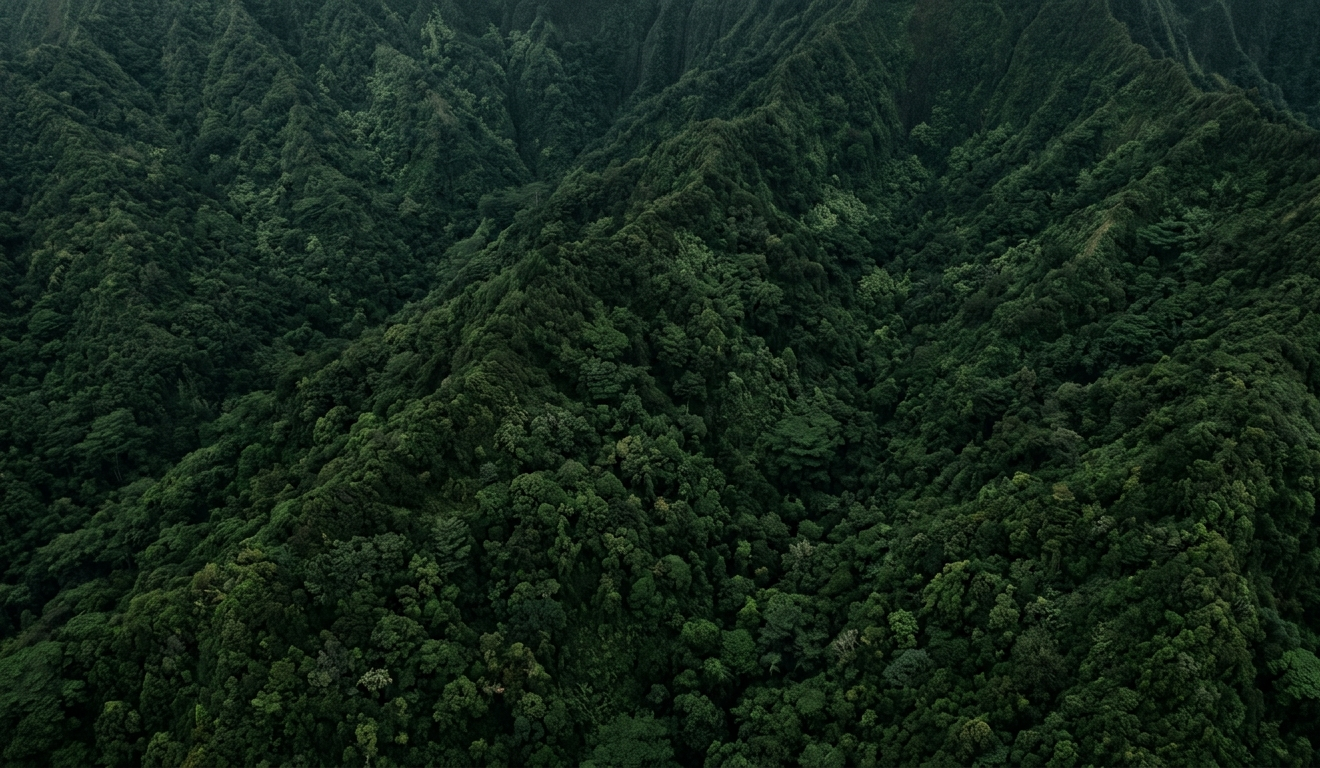
When you look toward the Koʻolau Range, you may notice how mountains gather clouds and shape the windward side. When you pass valleys and coastal plains, you may think more about water and food systems. When you stand near the ocean, Polynesian voyaging is no longer an abstract phrase; it becomes a human achievement of navigation, memory, courage, and precision.
This is especially valuable on Oʻahu because the island’s modern development can obscure its older patterns. Highways, hotels, military installations, shopping centers, and dense neighborhoods are all part of today’s island. Bishop Museum helps you sense the older island beneath and within the present one.
It improves the choices you make afterward
A museum visit will not plan your vacation for you. But it can sharpen your judgment.
If you are deciding among cultural experiences, Bishop Museum gives you a better feel for what has substance and what feels thin. If you attend a lūʻau later in the trip, you may notice the difference between performance as entertainment and performance connected to history, language, music, and place. If you visit historic sites, you arrive with more patience. If you hear Hawaiian words in place names, you are more likely to treat them as meaning-bearing rather than ornamental.
This is not about becoming overly serious on vacation. It is about getting more out of what you already came to see.
Oʻahu rewards travelers who can hold more than one thing at once: beauty and complexity, pleasure and history, city and sea, local life and visitor experience. Bishop Museum helps you hold those layers without making the island feel like homework.
When to go and what to expect
The best time is usually early: your first full day, or the morning after you have had a little sleep and breakfast.
It works particularly well as a soft landing if you do not want to start your trip by racing across the island. You can spend a few focused hours there, adjust to the pace of Honolulu, and leave with a better framework for the days ahead.
Try not to squeeze it between two unrelated obligations. This is not the kind of stop that benefits from a stopwatch. You do not need to see every corner, but you do want enough time to wander, pause, and let the exhibits build on each other.
For many travelers, a half day is a comfortable way to approach it. Families may move at a different rhythm, especially if children are drawn toward the science exhibits or planetarium programming. Adults with a strong interest in Hawaiian history and Pacific cultures may wish they had allowed more time.
Expect a museum with depth rather than spectacle.
There are grand spaces, memorable objects, and exhibits that appeal to a wide range of ages, but Bishop Museum is not designed as a quick photo stop. Its strength is accumulation: one case, then another; one story, then a related story; one object that makes a later object easier to understand.
If you are traveling with someone who “doesn’t usually like museums,” Bishop Museum can still work — especially if you frame it not as a museum obligation but as orientation for the island. Go with curiosity, not a completionist mindset.
The real reason to put it first
Many Oʻahu itineraries begin with consumption: check in, find the view, order the drink, get to the beach, book the tour. There is nothing wrong with pleasure. Hawaiʻi is generous with it.
But beginning with Bishop Museum shifts the relationship slightly. Before asking what the island can give you, you spend a little time learning what the island is.
You will still have your beach mornings and plate lunches, your drives and swims and sunset plans. But they will sit inside a wider understanding. You may notice more. You may feel less like you are skimming the surface of a place that has been endlessly packaged for visitors.
Bishop Museum does not tell you everything about Oʻahu. No single museum could. What it does is open the door properly.
Go early, and the rest of the island has a better chance to meet you.
Further Reading
A few relevant next steps from Alakai Aloha.
 BlogWhat to Watch Before Your Oʻahu Flight
A smart Oʻahu pre-trip watchlist with films and shows that bring Waikīkī, the North Shore, island history, and blockbuster landscapes into sharper focus.
Editor's pick GuideBest Hotels & Resorts on Oʻahu: Where to Stay
A guide to best hotels Oʻahu.
Editor's pick ActivityBishop Museum
The Bernice Pauahi Bishop Museum is Hawaii's premier museum, offering a deep dive into Polynesian cultural artifacts, natural history, and interactive science exhibits perfect for all ages.
Editor's pick ActivityIolani Palace
Explore the only official state residence of royalty in the U.S., immersing yourself in the rich history of the Hawaiian monarchy and its pivotal role in island culture.
Editor's pick