
Leeward Coast
Oʻahu’s sunny west side, from Ko Olina resorts to the long Waiʻanae shoreline.
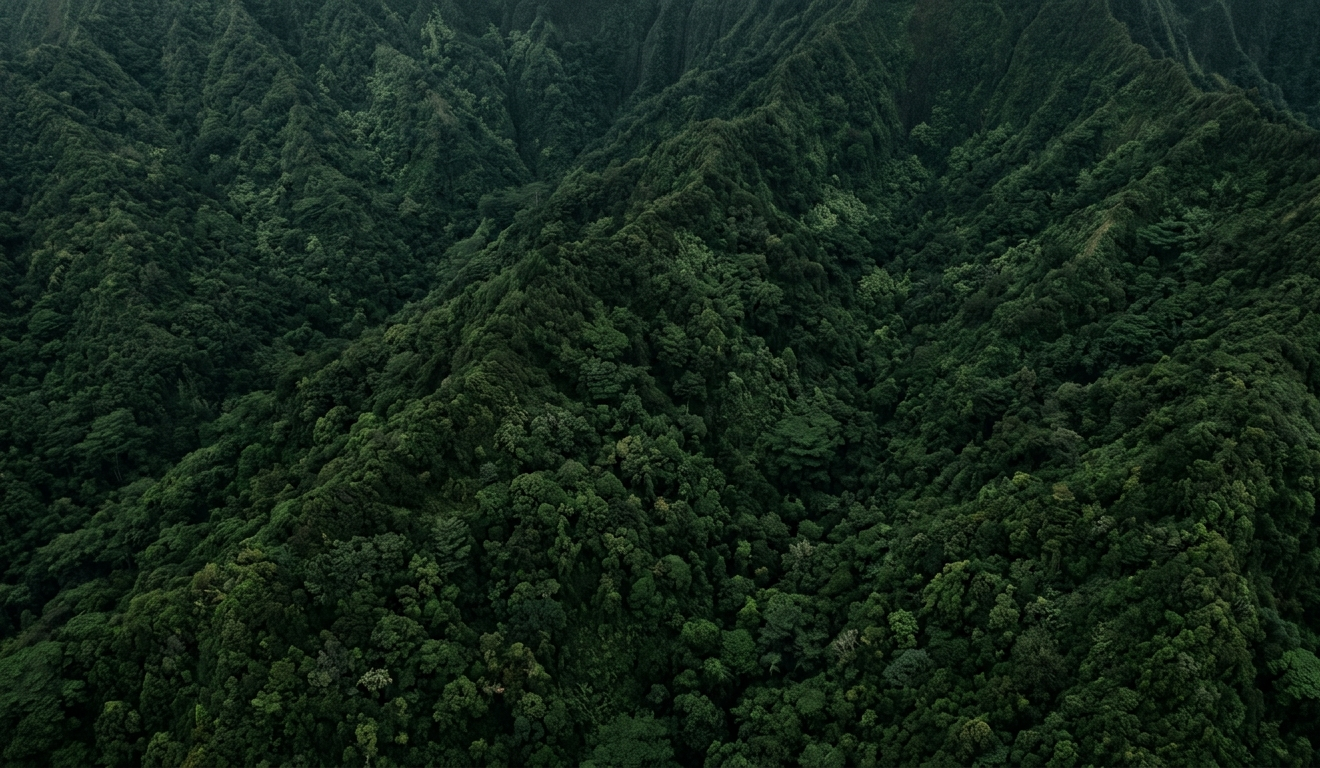
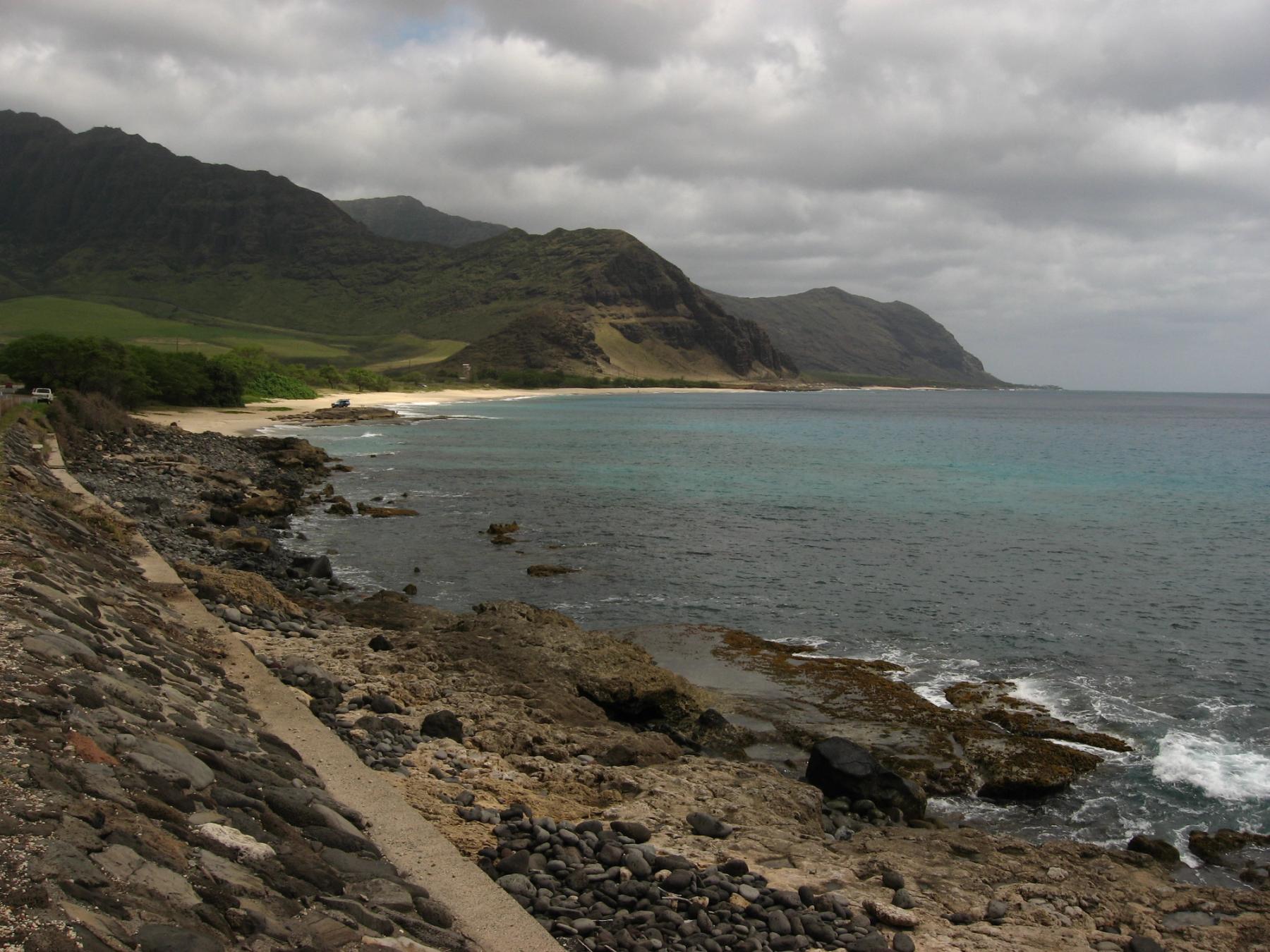
The Leeward Coast is Oʻahu’s drier, west-and-southwest sweep—less a single destination than a set of distinct zones. Ko Olina is a self-contained resort enclave, while Kapolei handles most practical errands. Farther west, the Waiʻanae Coast feels more local and untamed, experienced as beach parks linked by a scenic drive.
Best For
- Reliable sun and heat
- Resort-focused downtime
- West-side beach days
- Big-sky sunset watching
- Drive-and-stop exploring
Trade-offs
- Car-dependent layout
- Sparse walkable town centers
- Longer cross-island drives
- Fewer visitor services west
Logistics & Getting Around
Plan on driving between nodes; distances look short but traffic and stop-and-go corridors add time. Midday heat is real on this side—bring water, shade, and patience, especially away from resort areas.
Areas in Leeward Coast
Ko Olina
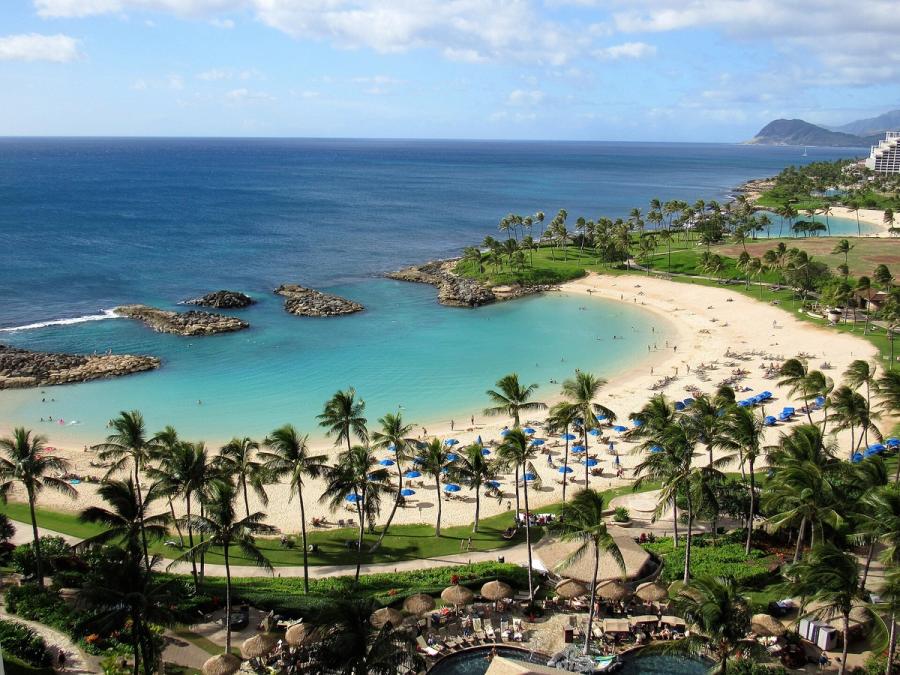
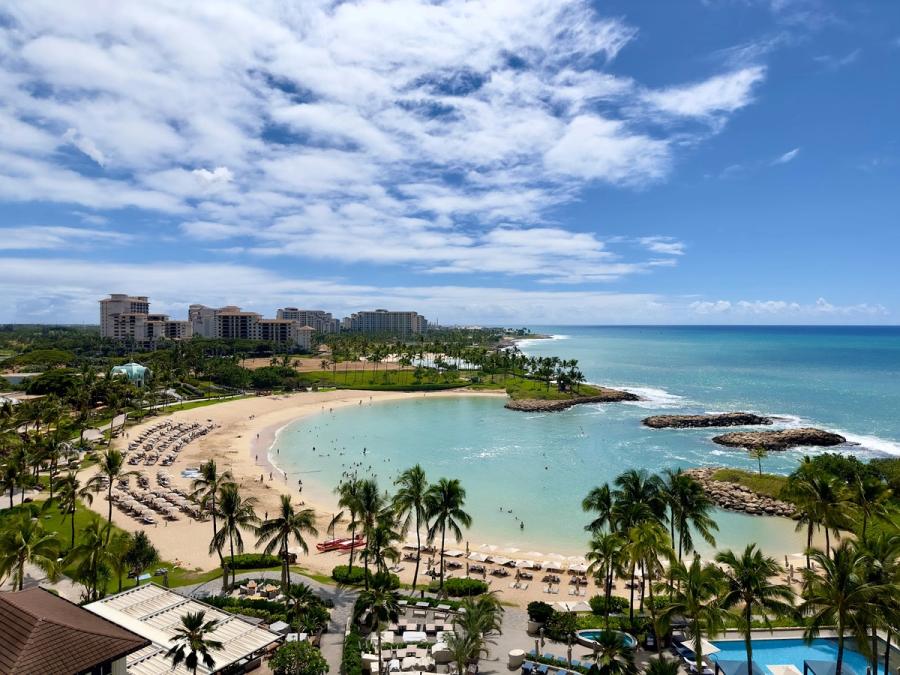
A planned leeward resort district built around calm lagoons and a small marina.
Kapolei & Makakilo
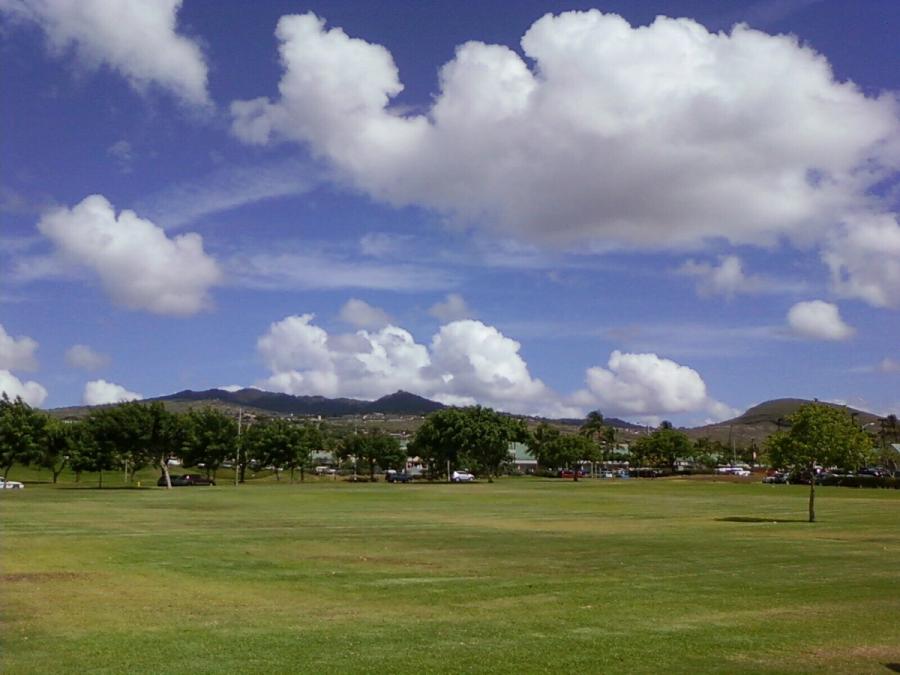
A car-centric leeward hub for errands, dining, and convenient access west.
ʻEwa Beach
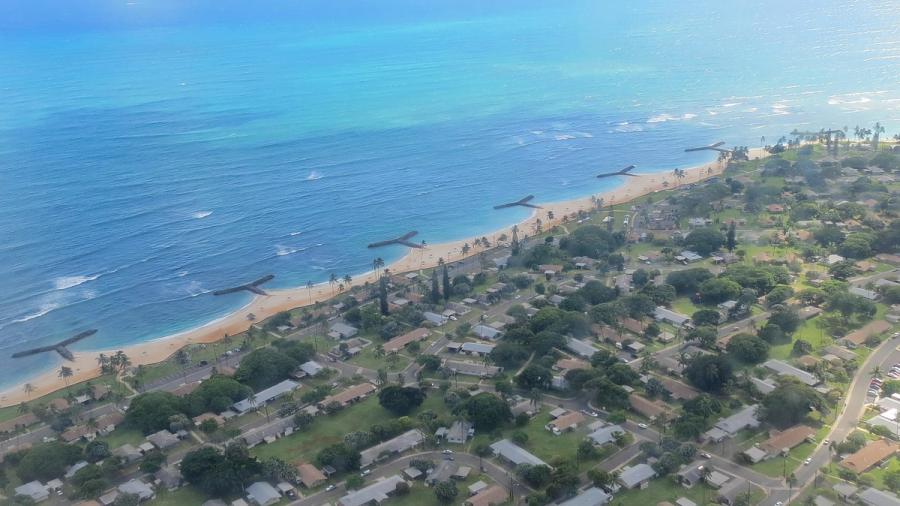
A low-key leeward shoreline of neighborhoods, best for local beach time and sunsets.
Waiʻanae Coast
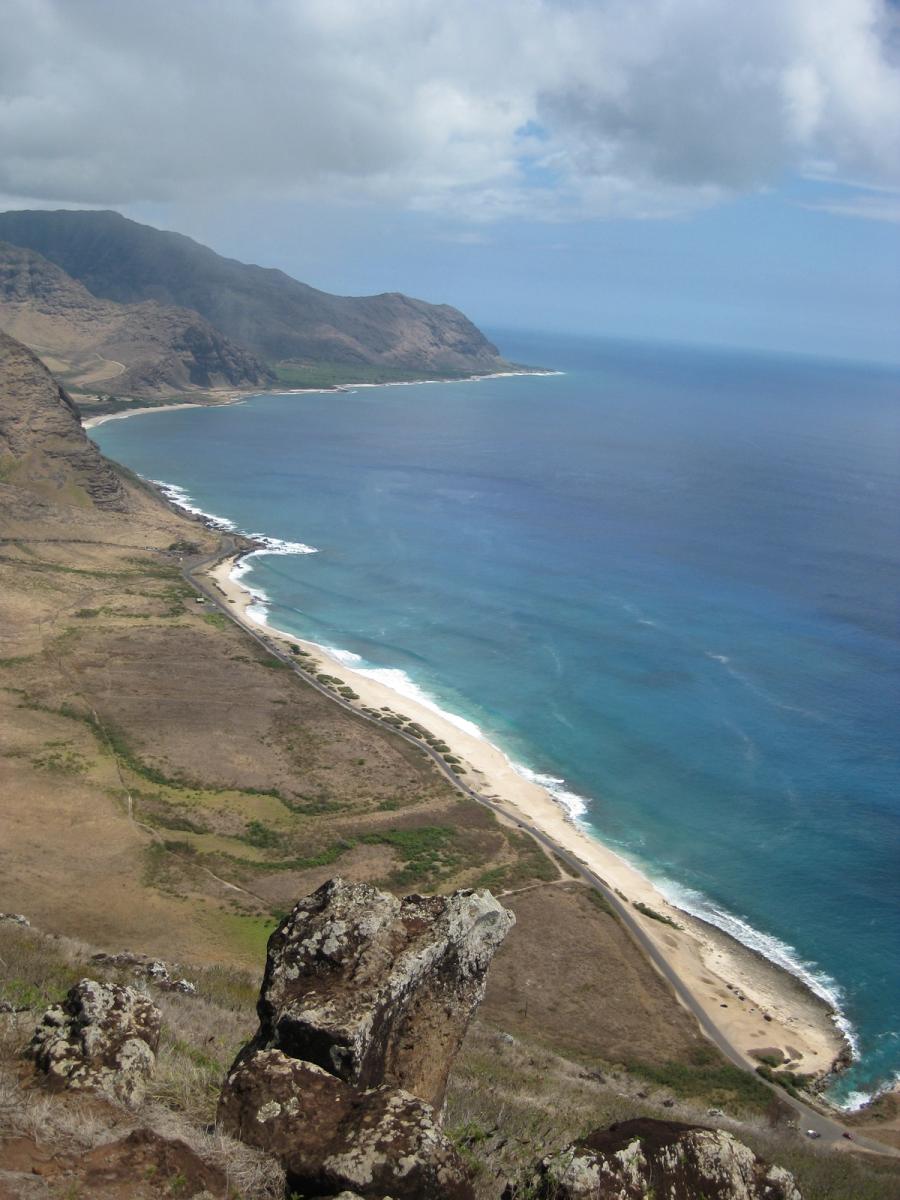
A sun-baked west Oʻahu coastal drive of local towns and wide beaches.
Signature Experiences in Leeward Coast
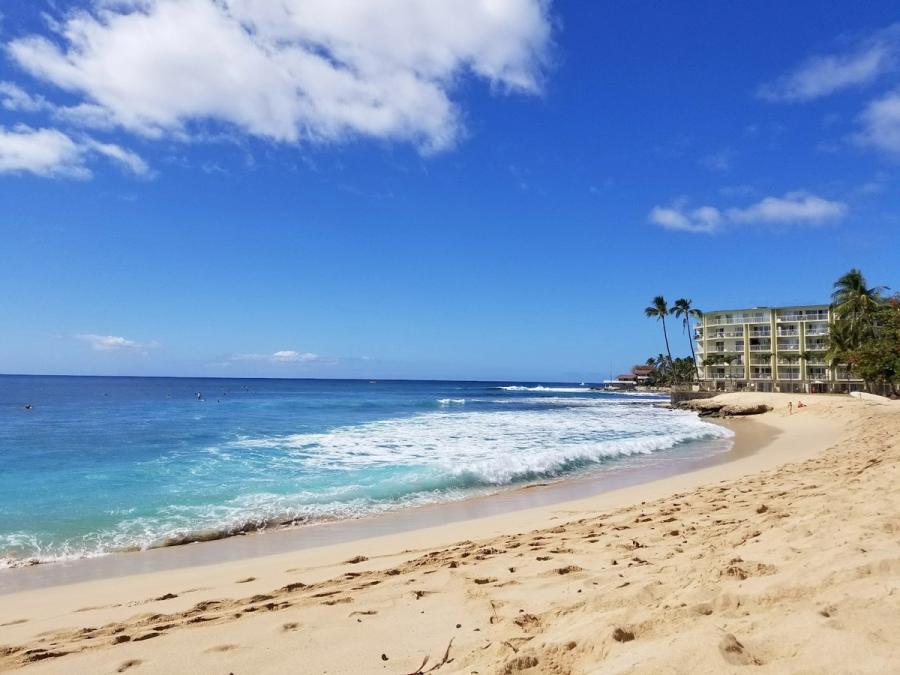
The Leeward Coast is Oʻahu turned toward the afternoon sun: brighter, drier, and more spread out than the island’s better-known visitor hubs. It isn’t one continuous “beach town.” Instead, it’s a handful of places that people use differently—often on the same day—linked by wide roads, long shore views, and a landscape that can feel surprisingly open once you leave urban Honolulu behind.
A region of distinct zones, not one strip
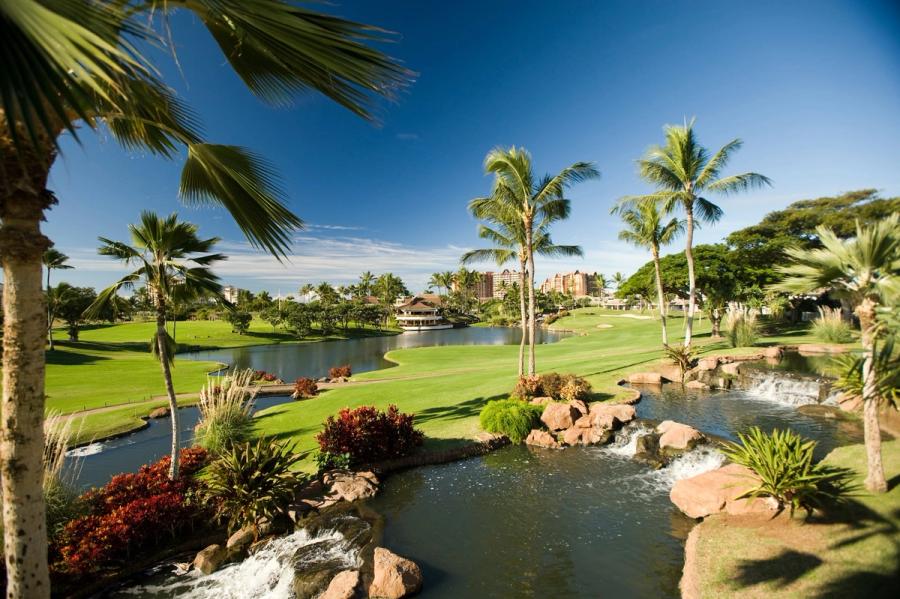
Ko Olina is the clearest destination within the leeward umbrella: a master-planned resort pocket built for low-effort days, calm water, and contained dining and amenities. It’s the place where staying put makes sense—many visitors come specifically for a resort rhythm and treat the rest of the west side as optional.
Kapolei and neighboring Makakilo read more like Oʻahu’s practical “second city” than a scenic stop: shopping, groceries, and everyday services concentrated in a car-oriented grid. You may find yourself here because it’s convenient, not because it’s quaint.
ʻEwa Beach is quieter and residential, a shoreline of neighborhoods rather than a classic visitor beachfront. It can feel like a detour from the tourist circuit—pleasant, but not designed as an attraction.
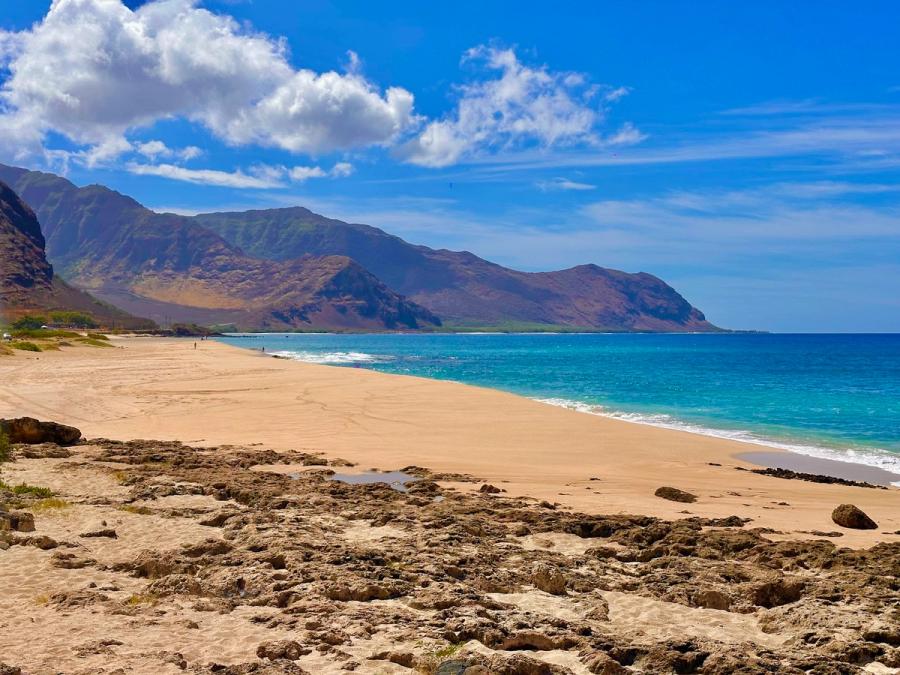
Continue west and you reach the Waiʻanae Coast, where the experience shifts. This is a linear shoreline backed by rugged ridges: more local in tone, less curated, and best approached with the mindset of choosing a few stops rather than trying to “cover” everything. Places like Mākaha Beach Park anchor the idea: a straightforward beach park setting where the ocean and the mountains do the talking.
What a day here tends to feel like
Leeward time is often built around light and weather. Mornings can feel crisp and clear, midday is bright and hot, and late afternoon is when the coast earns its reputation—long horizons and dramatic sunsets.
Because there’s no single walkable center tying the region together, most visits are drive-shaped: beach, viewpoint, snack run, then another beach. That can be liberating if you like flexibility, but it’s less satisfying if you’re hoping to park once and wander through a dense streetscape of shops and cafés.
Practical notes and a few cautions
This side of Oʻahu rewards self-sufficiency. Outside of Ko Olina and the Kapolei service core, amenities are more limited and more spread out. Bring what you need for a beach day, keep an eye on conditions, and be respectful in residential areas where daily life—not tourism—sets the tone. If your mental map includes Pearl Harbor, note that it’s typically approached as part of Central Oʻahu logistics rather than the leeward coastline itself.

Can't decide where to stay? Get personalized advice.
Custom recommendations built from the web's most comprehensive Kauai guide.