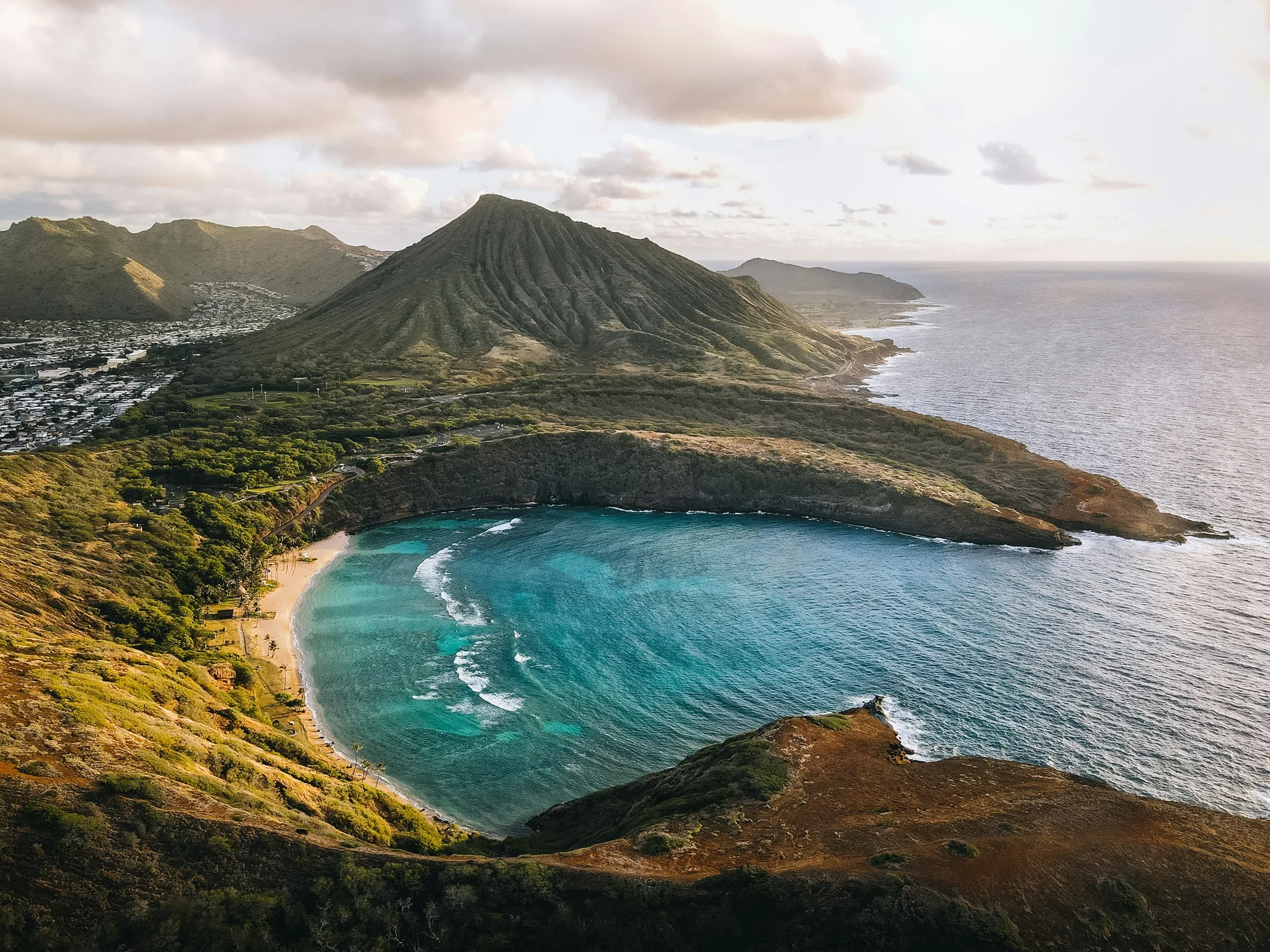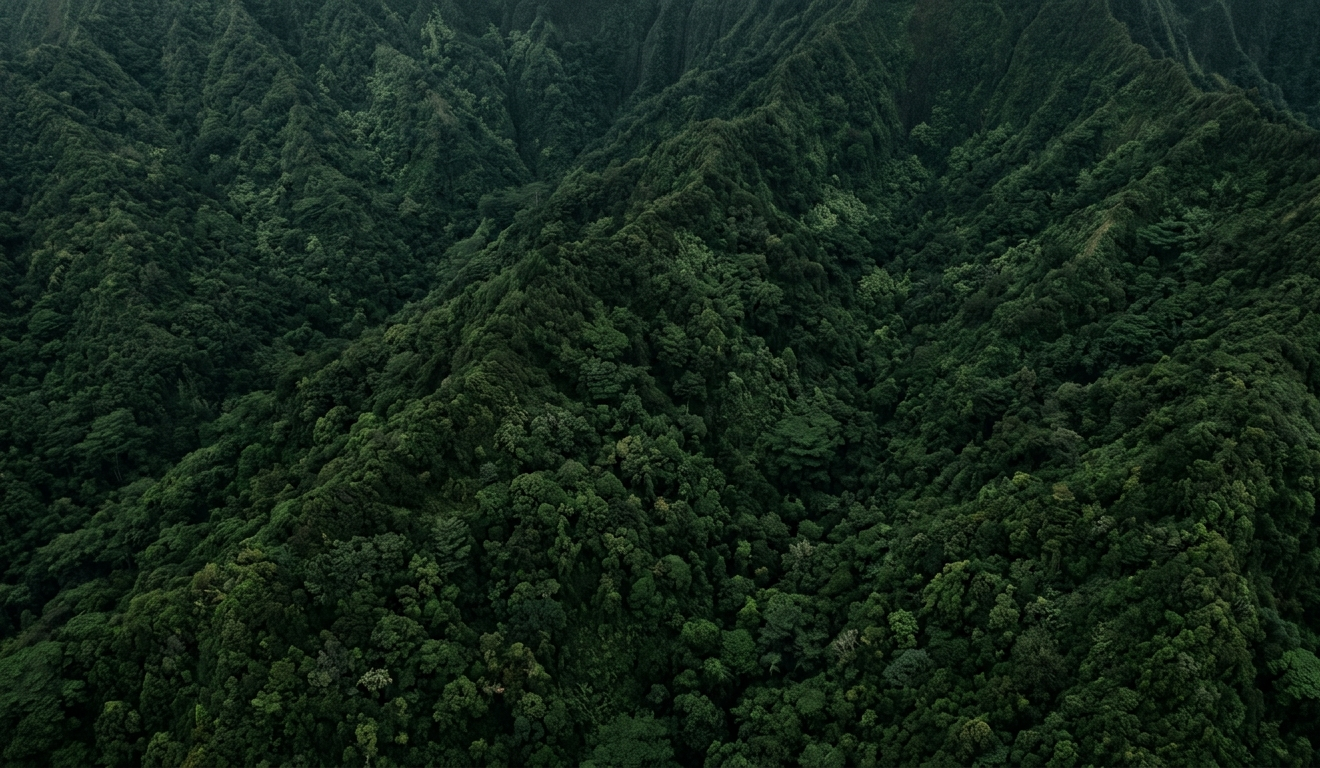


On Oʻahu, “off the beaten path” is a matter of judgment
Oʻahu is not a deserted island waiting to be discovered. It is home to nearly a million people, with trailheads tucked into neighborhoods, shorelines shared by families, surfers, fishermen, and visitors, and mountain lands that can shift quickly from sunny to slick. The best quieter days here usually do not come from chasing a “secret” pin. They come from choosing public places with room to breathe, going at the right time, and knowing when to pivot.
That may sound less romantic than an unmarked waterfall trail. It is also the way you have a better day.
On Oʻahu, the tradeoff is simple: the more convenient a place is to Waikīkī, Kailua, Haleʻiwa, or a famous viewpoint, the less quiet it tends to be. To find space, you usually drive farther, start earlier, walk longer, or pick a place that rewards patience rather than instant spectacle.
Choose places that can handle visitors
A good quieter choice on Oʻahu has three qualities: public access, sensible parking, and enough durability that your visit does not add pressure to a fragile or residential area.
If a hike requires squeezing through a fence, parking half on someone’s grass, following a muddy social trail down a cliff, or ignoring a sign, skip it. Oʻahu has plenty of beautiful public routes without turning your vacation into a small conflict.
The same goes for beaches. “Secluded” does not mean private, and it does not mean empty. It often means fewer services, longer drives, rougher ocean conditions, and less margin if you misjudge the day. Go for the atmosphere, not for guaranteed swimming.
Quieter hikes with real public access
Kaʻena Point: wild coastline at the edge of the island
Kaʻena Point feels different from most Oʻahu hikes because it is not about climbing to a selfie view. It is a long, exposed coastal walk to the island’s westernmost point, where the road ends and the landscape opens into salt, wind, lava rock, and seabird habitat.
You can approach from the Waiʻanae side or the Mokulēʻia side. Both routes are dry, sunny, and open, with the kind of quiet that comes from distance rather than secrecy. The walk is straightforward, but the exposure is real: little shade, plenty of sun, and a return leg that feels longer than expected.
This is one of the best Oʻahu choices for travelers who want space without trespass drama. Stay on the established road or trail, give wildlife room, and treat the ocean as scenery unless conditions are clearly calm and you know what you are doing.
Hauʻula Loop Trail: a Windward forest walk beyond the usual circuit
Many visitors aim for Mānoa Falls, Lanikai Pillbox, or Diamond Head because those names are everywhere. Hauʻula Loop, on the Windward side, asks for a little more commitment and gives back a quieter forest experience.
The trail climbs through trees and ridge sections above Hauʻula, with views that open toward the coast when the weather cooperates. It is not a wilderness epic, but it has enough roots, mud, and grade changes to feel like a real hike rather than a scenic sidewalk.
This is a community area, not a resort trailhead. Park only where allowed, keep the start and finish simple, and have another plan if parking is tight. On a clear morning, it can be one of the more satisfying ways to see the Windward side without joining the line at the island’s most photographed trails.
ʻAiea Loop Trail: forest, shade, and understated beauty
ʻAiea Loop is not unknown, but it often feels calmer than Oʻahu’s headline hikes. It sits above central Oʻahu, trading beach drama for shade, trees, roots, and glimpses over Pearl Harbor and the south shore.
This is a good choice when you want a moderate forest walk without driving to the far end of the island. It is also a useful reminder that Oʻahu’s quieter places are not always the most cinematic ones. Some of the island’s best mornings are green, muddy, and understated.
The loop can be slick, especially after rain, and the trail surface is uneven enough that sandals are a poor idea.
Makiki and Tantalus: Honolulu’s backyard
The Makiki–Tantalus trail network is close to Honolulu, but it does not feel like Waikīkī. Under the canopy, the city drops away quickly. You get bamboo, guava, switchbacks, damp earth, and the occasional opening toward town.
Because this area has multiple trail options, it rewards travelers who plan a route rather than just follow the crowd. It is also a smart alternative when more famous waterfall trails are packed or muddy beyond enjoyment.
Know your route before you start, because intersections can be easy to misread. Expect wet footing even when the coast is sunny. If you want “off the beaten path” without spending half the day in the car, this is one of Honolulu’s better answers.
Puʻu o Hulu / Māʻili Pillbox: leeward views with heat and space
On the Waiʻanae Coast, Puʻu o Hulu — often called the Māʻili Pillbox hike — offers a dry, exposed ridge walk with big leeward views. It is a different Oʻahu from the lush Windward postcard: sunlit, open, rugged, and direct.
Go early if you go. The heat builds quickly, and there is little shade. The neighborhood parking situation also deserves common sense: if you cannot park cleanly and legally, choose another outing.
Done at the right time, it is a strong pick for travelers who want a short, less-polished hike away from the island’s busiest trail circuit.
Beaches that feel quieter without pretending they are secret
Keawaʻula, often called Yokohama Bay
At the end of the road on Oʻahu’s west side, Keawaʻula has a wide, open feeling that is hard to find near Honolulu. The mountains press close, the sand stretches long, and the distance from the resort zones gives the place its mood.
This is a beach for walking, sitting, watching the light change, and feeling the edge of the island. It is not a guaranteed swim stop. Winter surf can be serious, and even on calmer days the ocean deserves a careful look before you decide what kind of beach day you are having.
Mokulēʻia shoreline: North Shore quiet beyond the busiest names
Most visitors know the North Shore through Haleʻiwa, Waimea, Pipeline, and Sunset. Mokulēʻia, farther west along the coast, has a more spread-out rhythm. Depending on the day, it can feel windier, emptier, and less staged than the famous surf beaches.
This shoreline is better for wandering and slowing down than for checking off activities. Reef, wind, seasonal surf, and changing conditions shape the experience. The reward is space: long views, a softer pace, and a side of the North Shore that does not revolve around crowds standing shoulder to shoulder with cameras.
Kaiona Beach Park: Waimānalo without the crush
Waimānalo’s long beaches are no secret, but Kaiona Beach Park can feel gentler than the most photographed stretches, especially outside peak beach hours. It has that Windward palette visitors hope for — pale sand, clear water in calm conditions, and the Koʻolau range nearby — but with a more local, lived-in feel.
Come early, keep the setup simple, and enjoy the quieter tempo. When the water is calm, it can be lovely. When wind or swell changes the mood, make it a shoreline day.
Kualoa Regional Park: room to breathe on the Windward side
Kualoa is known, but the park’s open lawns and broad setting can absorb a visit better than many narrow beach accesses. It works well when your goal is not solitude, exactly, but space — a picnic, a slow walk, shade breaks, and views across the water.
Because it is a regional park rather than a tiny neighborhood access point, it is often a better choice than trying to force a “secluded” beach day somewhere with no parking. On a weekday morning, the place can feel generous.
The best “hidden” Oʻahu plan is flexible
The travelers who find the best quiet moments on Oʻahu usually do three things well.
They start early, not because every vacation should feel like a military operation, but because the island is calmer before the heat, traffic, and parking pressure build.
They keep a second option nearby. If a trailhead is full, a beach access feels crowded, or the ocean looks rough, they do not force the original plan. They pivot.
And they choose places that match the day. After heavy rain, a ridge trail with clay mud may be more frustration than fun. During winter surf, a remote west or north shore beach may be better for watching waves than entering the water. In strong midday sun, an exposed leeward hike can turn from scenic to draining fast.
Oʻahu’s quieter places are not there to be collected. They are there to be experienced at the right pace: walking the dry road toward Kaʻena Point with salt on your arms, trading a famous waterfall for a muddy forest loop above town, or sitting at the far end of a beach and realizing that doing less was the whole point.

Further Reading
A few relevant next steps from Alakai Aloha.
 BlogChallenging Oʻahu Hikes Worth the Effort
A practical guide to Oʻahu’s tougher legal hikes, with local advice on steep ridges, heat, mud, access, and choosing the right kind of hard.
Editor's pick GuideBest Hikes: Easy, Scenic & Challenging Trails
A guide to best hikes Oʻahu.
Editor's pick ActivityMaili Pillbox
Embark on a moderate hike to the iconic Maili Pillbox, also known as the Pink Pillbox, for breathtaking panoramic views of Oʻahu's Waiʻanae Coast and stunning sunsets.
Editor's pick ActivityKaiona Beach Park
Kaiona Beach Park offers a peaceful, local Oahu experience with calm, turquoise waters and soft white sand, perfect for families and gentle snorkeling.
Editor's pick