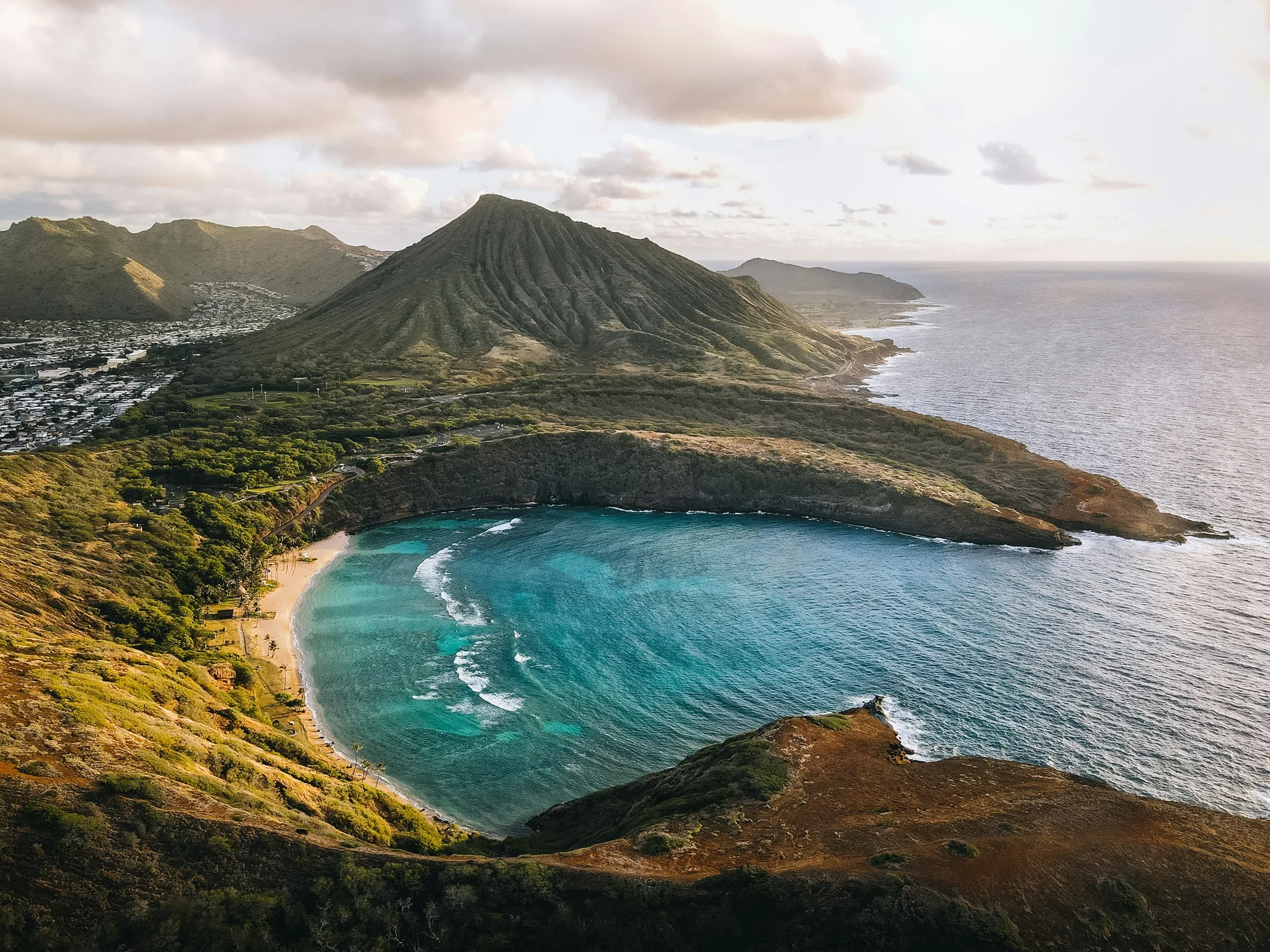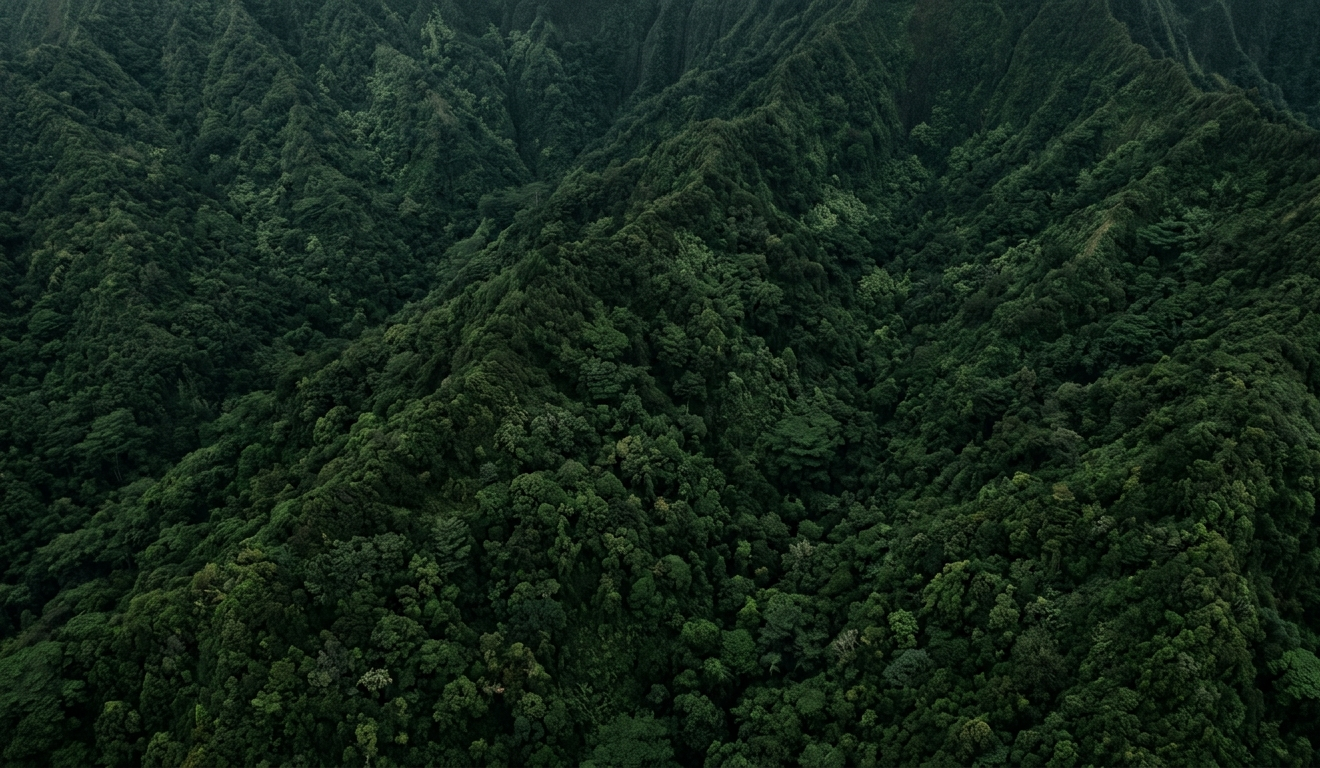


A good pre-trip watchlist does two things for kids: it gives them pictures to carry in their head, and it keeps the real island from feeling like a theme park built to match a movie.
That balance matters on Oʻahu. This is the island where kids may see Waikīkī before breakfast, a museum after lunch, and green windward cliffs from the car window before dinner. It is urban and beachy, historic and ordinary, surf-famous and full of school mornings, grocery runs, rain squalls, and traffic. The best family movies and shows help children notice that range instead of arriving with only palm trees and cartoon volcanoes in mind.
Before you press play, set one small expectation: a movie can get everyone excited, but it won’t explain Hawaiʻi by itself. Some films are set in Hawaiʻi. Some are filmed on Oʻahu while pretending to be somewhere else. Some draw from broader Polynesian voyaging traditions rather than one Hawaiian island. Kids don’t need a lecture. A simple sentence is enough: “This is a story, and when we get to Oʻahu we’ll see what the real place feels like.”
For younger kids: color, ocean, family, and a little mischief
Moana
*Moana* is often the first movie families reach for before a Hawaiʻi trip, and it can be a lovely one — as long as you frame it honestly. It is not an Oʻahu movie, and it is not a documentary about Hawaiian culture. It is a Disney story drawing from many parts of Polynesia, with songs that may live in your rental car for the rest of the trip.
For younger kids, the useful part is the ocean imagination: canoes, stars, reefs, family responsibility, and the idea that the Pacific is not empty space but a connected world. On Oʻahu, that can make a visit to Bishop Museum feel more alive, especially if your child is curious about voyaging, navigation, kapa, featherwork, or the wider Pacific.
If your kids come away talking about Maui the character, it’s worth gently saying that Hawaiian stories and akua are deeper than any animated version. Keep it light. Curiosity is the point.
Aloha, Scooby-Doo!
This one is pure cartoon vacation energy: mystery, surfboards, slapstick, and a spooky plot that never gets too serious. It is not trying to teach Oʻahu geography, and that is fine. For little kids who are nervous about a long flight or unfamiliar beaches, a silly island-set mystery can make the idea of “going to Hawaiʻi” feel friendly.
The useful pre-trip question is simple: “What looked real, and what looked made up?” Kids may notice the exaggerated tiki imagery, cartoon names, and volcano drama. That gives you an easy opening to say, “When we’re on Oʻahu, we’ll look for real signs, real place names, and real people’s everyday lives.”
For tweens: adventure, family roots, and Oʻahu’s green side
Finding ʻOhana
This is one of the better modern family picks for Oʻahu because it speaks the language of kids: treasure maps, sibling friction, caves, jokes, and a family history that gets more important as the story goes on.
The movie is set around Oʻahu and works especially well for tweens who like adventure but are not ready for heavier dramas. What it does best is show Hawaiʻi as a place where family stories matter. It also gives kids a sense that the island is not only resorts and beaches; there are valleys, ridges, old stories, and local families with complicated ties to home.
The cave-and-treasure plot is fantasy, of course. I would not use it as a location scavenger hunt. Use it as a mood-setter, then pair it with real places that offer context rather than imitation: Bishop Museum for Hawaiian history and material culture, ʻIolani Palace for the history of the Hawaiian Kingdom, or a windward-side drive where kids can see the Koʻolau mountains change with the light.
Johnny Tsunami
A Disney Channel throwback, but still useful if you have kids in the surf-curious, almost-teen age range. The story is about a boy from Hawaiʻi who moves away and has to navigate identity, family expectations, and a very different environment. It is broad, sometimes cheesy, and very much of its era — which may be part of the fun.
For an Oʻahu trip, the value is less about precise filming locations and more about surf as culture rather than decoration. Kids often see surfing as a vacation activity. This gives them a way to think about it as skill, community, and family inheritance.
For older kids and teens: surf history, Honolulu, and grown-up context
Waterman
For families with older kids, *Waterman* is one of the most worthwhile pre-trip watches connected to Oʻahu. The documentary centers on Duke Kahanamoku: Olympic swimmer, surfer, Waikīkī figure, and one of the people most associated with bringing surfing to wider attention.
This is the kind of film that can change the way a teenager walks through Waikīkī. The beach becomes more than hotels, catamarans, and ABC Store runs. It becomes a place with athletic history, Hawaiian history, tourism, and complicated legacy all layered together.
After watching, a surf lesson or an early walk along Waikīkī feels different. Duke’s name appears often around Waikīkī; the film gives that name weight.
Hawaiian: The Legend of Eddie Aikau
This is a stronger, more serious watch — best for teens or mature tweens with a parent nearby. Eddie Aikau’s story touches big-wave surfing, lifeguarding, family, the North Shore, and the voyaging canoe Hōkūleʻa. It also includes loss, so it is not a casual little-kid movie night.
For the right family, though, it is powerful. It helps kids understand why Waimea Bay is not just another beach stop, and why the North Shore carries a different emotional charge in surf season. It also opens a door to voyaging history, which connects naturally to Oʻahu museums and cultural sites.
Doogie Kameāloha, M.D.
This Disney+ series is not a pre-trip geography lesson. Its strength is that it shows a contemporary Oʻahu where young people have school, jobs, parents, crushes, ambition, and local routines. For tweens and teens, that may be more useful than another movie where Hawaiʻi is treated as a jungle backdrop.
It can help kids understand that Oʻahu is home for people their age. Honolulu is not only where visitors check in and buy shave ice; it is also where families live regular, full, modern lives.
Big adventure movies filmed on Oʻahu
Some of the most recognizable Oʻahu landscapes on screen are not presented as Hawaiʻi at all. That can still be fun for kids.
The Kualoa area’s steep green ridges have appeared in major adventure films, including dinosaur movies. For kids who love creatures, chases, and giant gates, this can make the windward side of Oʻahu feel thrilling before they even arrive.
Just be clear about the category: these are fantasy films using Oʻahu’s landscape as a stage. They do not teach Hawaiian history, and they do not make every valley a public movie set. If your itinerary includes a managed movie-sites tour, great. If not, kids can still enjoy spotting the general shape of the mountains from the road.
For older kids, *Jumanji: Welcome to the Jungle* offers that same “wait, this was filmed in Hawaiʻi?” pleasure. It is fast, goofy, and not especially connected to Oʻahu as a lived place. But it does make kids alert to scale: cliffs, jungle greens, sudden weather, and the way Oʻahu can look wildly different from Honolulu within a short drive.
A note on the movies people expect
Many families watch *Lilo & Stitch* before any Hawaiʻi vacation, and there is nothing wrong with that. It has warmth, humor, Elvis, sisters doing their best, and one of Disney’s most memorable uses of ʻohana. For an Oʻahu-specific trip, though, it is more strongly associated with Kauaʻi. Watch it for the family themes and affection, not because your kids will step into those exact streets on a Waikīkī vacation.
The big Hollywood film *Pearl Harbor* is not my first recommendation for most families. It is long, romanticized, violent, and more interested in melodrama than helping kids understand the place they may visit. If you are taking older kids or teens to Pearl Harbor, a shorter documentary or age-appropriate historical overview will usually serve them better.
For teens who like history, a documentary on Queen Liliʻuokalani and the overthrow of the Hawaiian Kingdom can add important context before visiting ʻIolani Palace or downtown Honolulu. This is not light vacation viewing, but it helps older kids understand that Oʻahu’s history is not limited to World War II or surfing.
A simple Oʻahu family watch plan
If you only want three choices, I’d do this:
Younger kids: *Moana* plus a quick conversation that it is a story from a wider Polynesian imagination, not an Oʻahu map. Tweens: *Finding ʻOhana* for adventure, family, and a sense of Oʻahu beyond the resort zone. Teens: *Waterman* or *Hawaiian: The Legend of Eddie Aikau*, depending on whether your family is more drawn to Waikīkī history or North Shore surf culture.
Then stop. You do not need a film festival before vacation. One or two good watches are enough to give kids reference points without overfilling their heads.
The real payoff comes later: when a child sees the Koʻolau mountains from the car and remembers an adventure scene, hears Duke Kahanamoku’s name in Waikīkī and knows why it matters, or realizes that the beach in front of them is not a movie backdrop at all. It is Oʻahu — busy, beautiful, specific, and very much alive.

Further Reading
A few relevant next steps from Alakai Aloha.
 BlogA Low-Stress Guide to Oʻahu With Teens
Plan an Oʻahu trip teens will actually enjoy, with beach time, food stops, shopping, surf lessons, city exploring, and smart ways to avoid stress.
Editor's pick GuidePearl Harbor Things to Do on Oʻahu
A guide to Pearl Harbor things to do.
Editor's pick ActivityBishop Museum
The Bernice Pauahi Bishop Museum is Hawaii's premier museum, offering a deep dive into Polynesian cultural artifacts, natural history, and interactive science exhibits perfect for all ages.
Editor's pick ActivityIolani Palace
Explore the only official state residence of royalty in the U.S., immersing yourself in the rich history of the Hawaiian monarchy and its pivotal role in island culture.
Editor's pick