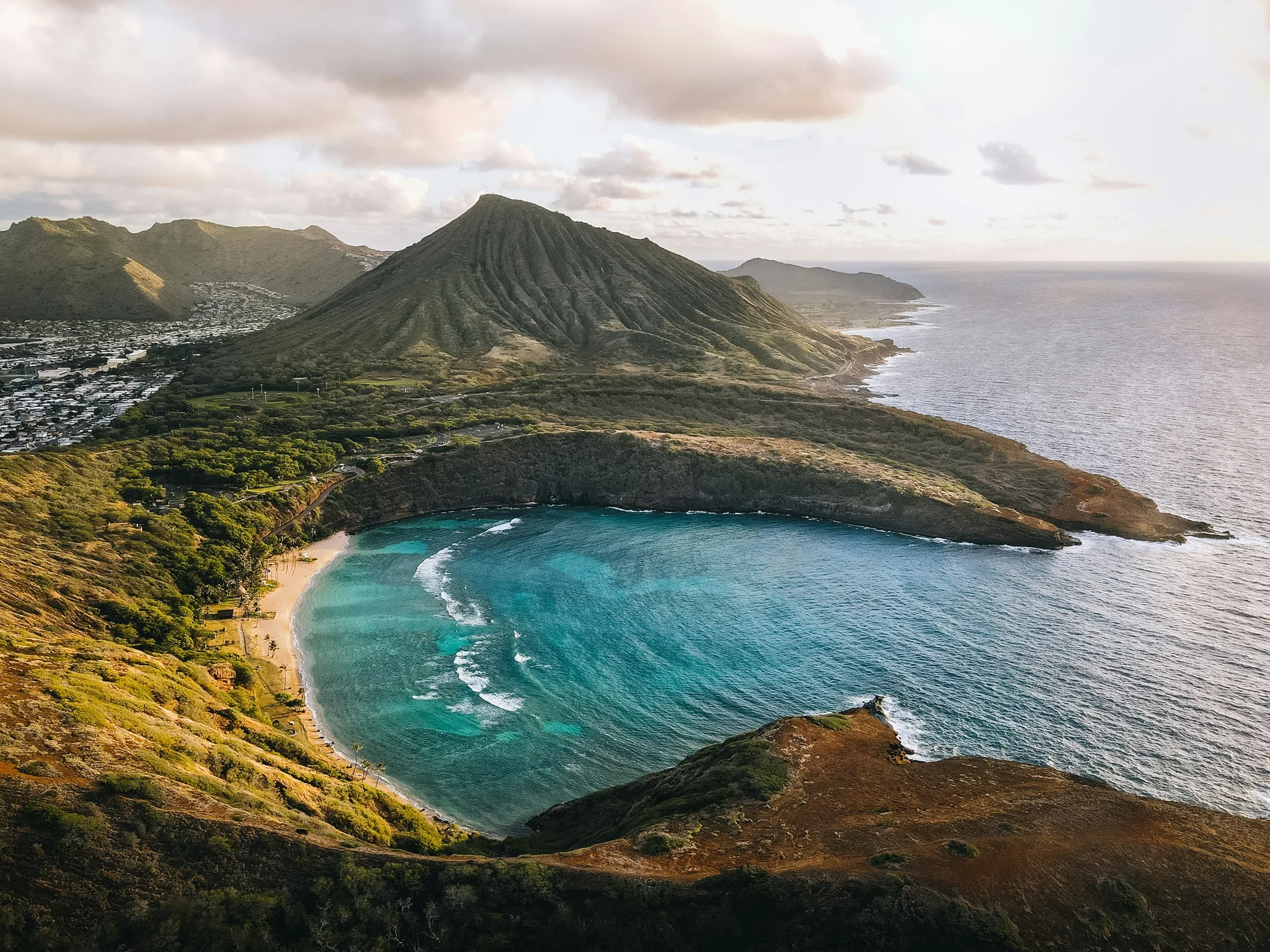


Traveling with teens on Oʻahu is less about filling every hour and more about getting the rhythm right. They want movement, food, a little independence, places that look good on camera, and enough downtime that the trip doesn’t feel like a school field day with sunscreen.
The good news: Oʻahu is the easiest Hawaiian island for that balance. You can surf in the morning, eat in Honolulu, visit a museum or historic site in the afternoon, and still end the day near the ocean. The island has city energy, beach culture, and enough structured activities to keep reluctant hikers from turning every plan into a negotiation.
The trick is not to ask, “What are the best things to do on Oʻahu?” Ask, “What kind of teen am I traveling with today?”
Because that can change by breakfast.
Start with the teen, not the itinerary
Some teens want adrenaline. Some want shopping and snacks. Some are happiest in the water. Some will quietly love history if it’s not presented as “educational.” Some need one good activity and then two hours to do absolutely nothing.
Oʻahu works best when you build days around one main event, then let the rest breathe. A surf lesson plus lunch and beach time is a day. A Pearl Harbor or museum morning plus food and wandering in Honolulu is a day. Resist the urge to stack three “meaningful experiences” back to back. Teens can smell an agenda.
A simple formula usually works:
One anchor activity One food stop they help choose One flexible block for beach, shopping, pool, or rest One optional add-on if everyone still has energy
That structure keeps the trip from becoming a forced march, which is often what teens are reacting to when they reject “another hike.”
Give Waikīkī one unhurried day
Waikīkī can be crowded and polished, but for families with teens, it is incredibly useful. There is walkability, food at nearly every budget, beach access, surf schools, outrigger canoe rides, sunset sails, shopping, people-watching, and enough nighttime energy that the day does not have to end at 6 p.m.
For teens who have never surfed, Waikīkī is often the easiest place to start. The waves are generally more approachable than the winter North Shore, and lessons are part of the beach culture rather than a big expedition. Even teens who are too cool to admit they’re nervous often do better with a structured lesson than with a parent trying to teach them from a rental board.
If your teen does not want to surf, the same zone still works: beach time, a catamaran sail, beginner-friendly paddling, or just floating around between snacks. That may not sound like a “planned activity,” but for a teenager, a few hours with warm water and no one telling them to hurry can be exactly the point.
Choose water over another trail
Oʻahu’s strongest teen strategy is water time. It feels active without feeling like exercise, and it gives the day a natural focus.
For beginners, think in terms of lessons and protected conditions, not dramatic scenery. Surfing, stand-up paddleboarding, canoe rides, and guided snorkeling are better when the experience is matched to the teen’s confidence level. A hesitant swimmer and a fearless athlete should not be put into the same plan just because it looks efficient on paper.
The North Shore is a good example of why conditions matter. In calmer seasons, families may find more ocean options. In winter, the same coastline can be better for watching serious surf, eating, and hanging out on land rather than attempting a beginner water day. That does not make it less fun; it just changes the plan.
On the Windward Side, beach towns and turquoise shallows can make a day feel slower and more relaxed than Honolulu. But don’t turn it into a beach survey from the back seat. Pick one area, not five beaches.
Use Honolulu for culture that doesn’t feel like homework
Oʻahu has a depth that rewards families who make room for more than beach time. The key with teens is choosing one cultural or historic experience and giving it enough space to land.
A visit connected to Pearl Harbor can be powerful for teens old enough to sit with difficult history. ʻIolani Palace offers a different kind of gravity: monarchy, sovereignty, architecture, and Hawaiʻi’s political story in a setting that feels immediate rather than abstract. Bishop Museum can work especially well for curious teens because it connects natural history, culture, voyaging, science, and the wider Pacific in one place.
Don’t try to do all of them in one trip unless your teen genuinely loves museums and history. One well-chosen stop is better than three rushed ones.
It also helps to frame these places honestly. This is not “a break from the fun part.” It is part of understanding where you are. Oʻahu is not just a vacation setting; it is home, capital, gathering place, and historical center.
Let food carry part of the itinerary
Food is one of the easiest ways to keep teens engaged on Oʻahu because it gives them choice without handing over the whole day. Let them pick a category or neighborhood: plate lunch, poke bowls, noodles, Korean barbecue, malasadas, shave ice, food halls, bakeries, late-night dessert, farmers market snacks.
Honolulu is especially good for this because you can build a loose afternoon around eating and wandering. Kapahulu, Kaimukī, Chinatown, Ala Moana, and Waikīkī all offer different versions of casual food exploration without needing a formal reservation for every meal. Haleʻiwa can play the same role on a North Shore day: not just “where we stop for lunch,” but part of the reason to go.
With teens, the food stop is not filler. It is mood management. It is the difference between “Why are we doing this?” and “Actually, that was a good day.”
A useful move: give them two or three realistic options, not an open-ended “What do you want to eat?” The second question can produce silence, conflict, or “I don’t care” followed by strong opinions five minutes later.
Build one big adventure day
If your teen wants something bigger than the beach, Oʻahu has options: zipline-style adventures, ranch and off-road tours, e-bike outings, guided ocean activities, climbing gyms, escape rooms, and aerial or boat-based sightseeing. You do not need to fill the whole trip with paid thrills. One well-timed adventure day can buy a lot of goodwill for slower family time later.
Match the activity to the teen’s actual appetite for risk. Some teens want mud, speed, and helmets. Others want the appearance of adventure with a clean shower nearby. Both are valid. Read age, height, weight, and participation requirements before you present an idea as a done deal; those details vary by operator.
Also think about where the activity sits on the island. A Windward adventure followed by dinner back in Waikīkī is reasonable if you plan around traffic. A North Shore activity, a Honolulu museum, and a sunset reservation on the same day is how family vacations become group projects.
Respect the drive times
Oʻahu looks compact on a map. It does not always behave that way.
Traffic around Honolulu, the H-1 corridor, and popular beach routes can turn a simple plan into a long sit. The North Shore has a slower, more scenic rhythm, but congestion builds around popular times and places. Ko Olina is lovely for resort downtime, but it is not “basically next to” every other part of the island.
For teens, long drives are not automatically a problem. Long drives with vague promises are. Be clear: “We’re going to the North Shore for the day. There will be beach time, lunch, and one stop you choose.” That lands better than “We’ll just explore,” which often means everyone is trapped in the car while an adult hunts for the perfect view.
A good Oʻahu plan groups by geography:
Waikīkī/Honolulu day: surf, beach, shopping, museum or historic site, dinner nearby Windward day: beach town energy, paddling or ocean time, scenic drive, casual food North Shore day: surf watching or calmer-season water plans, Haleʻiwa, sunset if the timing works West side/resort day: pool, lagoon or beach time, one structured activity, early dinner
That is enough. You do not need to “complete” the island.
Keep a backup that still feels fun
Rain on Oʻahu is often passing and localized, but it can still disrupt a beach-heavy day. Have one indoor or low-weather plan ready before you need it.
Honolulu makes this easier than the neighbor islands. Museums, shopping centers, food halls, movies, arcades, bookstores, cafés, and indoor activities can turn a wet afternoon into a reset. The best backup plan is not a consolation prize. It is something your teen would actually choose: a museum with strong exhibits, an escape room, boba and shopping, a long lunch, a movie, or a low-key wander through a neighborhood with good food.
Give teens some control
Teen engagement often comes down to ownership. They do not need to control the whole trip, but they do need moments where their preferences matter.
Let them choose the shave ice stop, the beach playlist, the dinner neighborhood, the souvenir budget, the morning activity between two options, or whether the afternoon is pool or beach. If they are older, let them navigate part of the day, order food, talk to the surf instructor, or take photos without being directed every thirty seconds.
Also leave room for them to opt out occasionally. A teen who gets one quiet hotel hour may be far more pleasant at dinner. A teen who is allowed to skip the sunrise plan may happily join the afternoon paddle. Family travel improves when not every moment is mandatory togetherness.
If you hike, make it count
Oʻahu has memorable trails, and some teens love a physical challenge. But a hike should be chosen because it suits your family, not because every Hawaiʻi itinerary seems to require one.
Pick one trail that matches your group’s fitness, footwear, patience, and weather. Go early if it is a popular route. Bring water. Then let that be the hiking day. You do not need to repeat the formula every morning.
For many families, the better Oʻahu trip is a mix: one hike, one surf or paddle day, one history or culture stop, one North Shore or Windward outing, and plenty of unstructured beach and food time in between.
That is usually what teens remember anyway—not the number of sights completed, but the day they caught a wave, found their favorite meal, watched the surf, got trusted to choose the next stop, and felt like the trip had room for who they are now.

Further Reading
A few relevant next steps from Alakai Aloha.
 BlogA Low-Stress Guide to Oʻahu With Teens
Plan an Oʻahu trip teens will actually enjoy, with beach time, food stops, shopping, surf lessons, city exploring, and smart ways to avoid stress.
Editor's pick GuideBest Hotels & Resorts on Oʻahu: Where to Stay
A guide to best hotels Oʻahu.
Editor's pick ActivityBishop Museum
The Bernice Pauahi Bishop Museum is Hawaii's premier museum, offering a deep dive into Polynesian cultural artifacts, natural history, and interactive science exhibits perfect for all ages.
Editor's pick ActivityIolani Palace
Explore the only official state residence of royalty in the U.S., immersing yourself in the rich history of the Hawaiian monarchy and its pivotal role in island culture.
Editor's pick