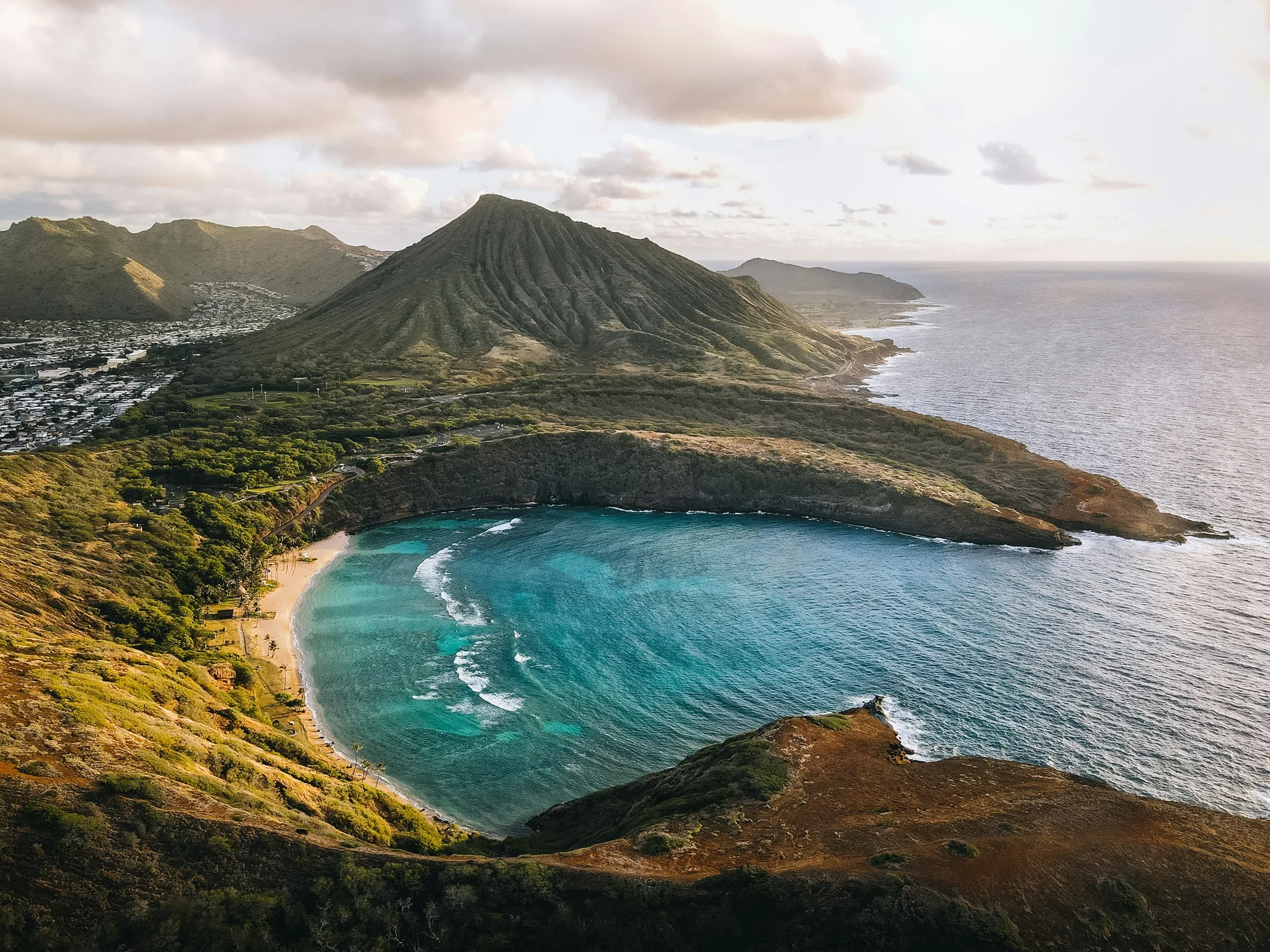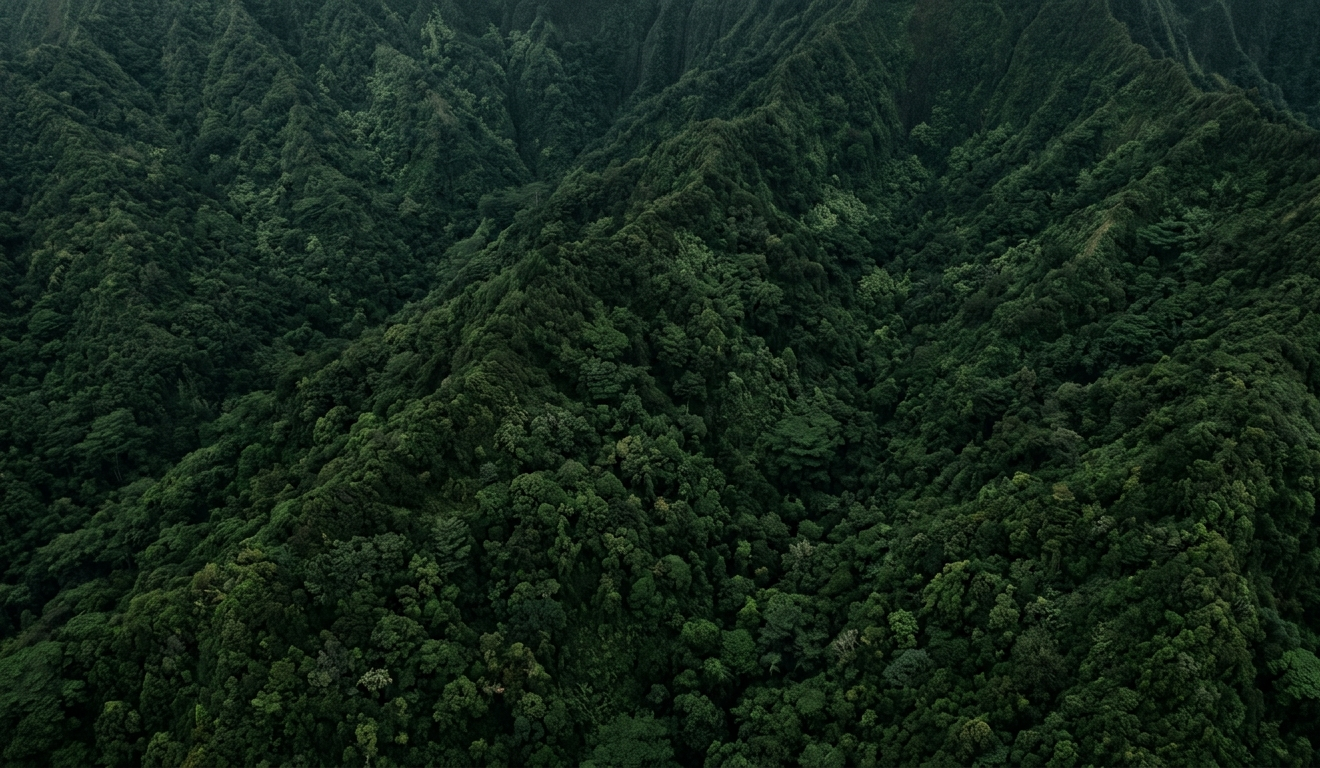


Oʻahu asks visitors to shift gears more often than people expect. One hour you’re in Waikīkī, walking past surfboard racks and hotel lobbies. The next, you’re on a country road behind a school bus, passing beach parks where families have gathered for generations. Later, you may be at a heiau, a surf break, a residential trailhead, or a memorial site that carries far more weight than a postcard can hold.
That mix is part of what makes Oʻahu so compelling. It is urban and rural, busy and quiet, modern and deeply ancestral. The easiest way to have a better trip is not to memorize a long list of rules. It’s to notice where you are, move with a little patience, and avoid the habits that wear thin fast.
Don’t treat Oʻahu like one big resort
Waikīkī is built to receive visitors. Much of the rest of the island is not.
That doesn’t mean you shouldn’t explore beyond the hotel zone. You should, if you’re curious. But Oʻahu is home first. The same road taking you to a beach may also be someone’s commute, school pickup route, grocery run, or drive home after a night shift.
This matters most in residential beach neighborhoods and near popular trailheads. Don’t block driveways, narrow the road with bad parking, change clothes in front yards, or leave trash beside an already-full bin. If a place feels strained before you even get out of the car, take the hint. Oʻahu has many good days available; not every good day needs to happen in the same crowded spot.
A useful rule: if your plan requires inventing a parking space, squeezing through private property, or pretending you didn’t see a sign, it’s not a good plan.
Don’t underestimate traffic just because the island looks small
On a map, Oʻahu can look compact. On the road, it has real city traffic, commuter patterns, beach-day backups, construction slowdowns, and small-town bottlenecks.
The biggest mistake is planning the island as if every drive will be smooth. A morning activity on the North Shore, lunch back in Honolulu, and sunset on the Windward side may look possible on paper. In practice, it can turn into a day spent watching brake lights.
Give yourself less geography and more time. Pick one side of the island for the day when you can. If you’re driving to the North Shore, remember that Kamehameha Highway is also the main road for people who live and work there. Don’t slow to a crawl in the lane for photos, and don’t stop abruptly when you spot a beach, food truck, or rainbow.
In town, assume parking will take time. In beach neighborhoods, assume parking will be limited. In both places, patience is more useful than aggression.
Don’t mistake “public beach” for “any access is fair game”
In Hawaiʻi, the shoreline has strong public access traditions, but that does not mean every path, yard, driveway, gate, or dirt shoulder is public. This distinction comes up often on Oʻahu because some of the island’s prettiest beaches sit beside dense neighborhoods or private land.
Use marked public beach access. Respect “kapu,” “no trespassing,” and “private property” signs. If a beach access point is closed, crowded, or unclear, don’t force it. There is no shortage of ocean on Oʻahu; the island does not reward the traveler who treats access like a loophole hunt.
The same applies to trails. Oʻahu’s ridges are dramatic, and social media has made some routes look casual when they are not. If a trail is closed, restricted, or reached by crossing private property, skip it. Choose a legal, maintained route and you’ll spend your day hiking instead of negotiating signs, neighbors, or enforcement.
Don’t bring Waikīkī beach habits to every shoreline
Waikīkī is a managed, highly used beach environment with rentals, lessons, lifeguarded areas, and a visitor rhythm. Other Oʻahu beaches can feel much less structured. Some have strong shorebreak, sharp reef, currents, limited shade, fewer services, or conditions that change quickly.
This is not a reason to be nervous. It is a reason to read the beach before you rush in.
Sandy Beach is famous for powerful shorebreak. The North Shore can be mellow in one season and serious in another. Windward beaches can shift with wind and swell. If no one is swimming, pause. If lifeguards are warning people out, listen. If the water is brown after heavy rain, choose a land-based plan for the day.
And before standing on reef for a photo, look down. Living reef is not a platform. It is habitat, and it is easy to damage with one careless step.
Don’t crowd wildlife for a better photo
On Oʻahu, you may see honu resting near shore, monk seals hauled out on sand, seabirds near nesting areas, or fish gathering around reef. The best way to experience them is simple: give them room and let the moment be what it is.
If volunteers, signs, cones, or ropes are present, stay outside the boundary. If there is no boundary, keep a generous distance, avoid approaching head-on, and never touch, feed, chase, or pose beside an animal. A zoomed-in photo is better than being the person who makes everyone else uncomfortable.
Restraint improves the experience. Watching a turtle surface on its own, or a seal sleep undisturbed, is far more memorable than forcing yourself into the scene.
Don’t treat cultural sites as scenery only
Oʻahu holds places of profound cultural, historical, and spiritual importance. Some are formal visitor sites. Others may be quiet stone platforms, burial areas, fishponds, or heiau encountered near parks, valleys, or coastal areas.
At these places, the best behavior is uncomplicated. Stay on marked paths. Don’t climb on stonework. Don’t move rocks, stack stones, leave offerings, scratch names, or remove anything. If signage asks for silence or distance, follow it.
The same care applies at memorial and historical sites tied to painful history. Oʻahu is not only a beach destination; it is a place where Native Hawaiian history, kingdom history, military history, plantation history, and contemporary local life overlap. You don’t have to become an expert before arrival. You just have to understand that not every place exists for your entertainment.
Don’t use Hawaiian words as decoration
You will hear and see Hawaiian language throughout Oʻahu: in place names, street names, songs, ceremonies, schools, businesses, and everyday greetings. A sincere “aloha” or “mahalo” is welcome. So is taking the time to pronounce place names with care.
What lands poorly is using Hawaiian words as props, jokes, costumes, or vague “island vibes.” The language belongs to a living people and place. Treat it that way.
A small practical note: the ʻokina in words like Oʻahu and Hawaiʻi is not an apostrophe for style; it represents a real sound. You don’t need perfect pronunciation to be respectful. You just need to care enough to try.
Don’t make locals carry the inconvenience of your vacation
Most visitor friction on Oʻahu is ordinary: a car blocking a driveway, a group taking over a sidewalk, a speaker blasting on a quiet beach, a trailhead street jammed with illegal parking, a line held up because someone is arguing with staff.
You can avoid most of it by moving lightly.
Keep beach setups reasonable when space is tight. Let people pass on sidewalks and trails. Be kind to hotel, restaurant, tour, and rental car staff, especially when something goes wrong. If a small business is busy, don’t treat the wait as a personal failure of the island.
The person helping you may have already helped hundreds of visitors that week. A little patience changes the room.
Don’t chase every famous stop in one trip
Oʻahu can tempt you into collecting places: Waikīkī, Diamond Head, Pearl Harbor, the North Shore, Kailua, food stops, lookouts, hikes, sunsets, shopping, luaus, museums, surf lessons, and beach time. It is all possible in the broad sense. It is not all enjoyable in the same three or four days.
The better Oʻahu itinerary has breathing room. Spend a morning in the water and leave the afternoon loose. Pair one planned activity with one neighborhood meal. If you go to the North Shore, let that be the day rather than a hurried loop. If you’re staying in Waikīkī, enjoy the fact that you can walk to dinner instead of driving across the island again.
This is not about doing less for its own sake. It is about leaving enough attention for the place you came to see.
Don’t forget to enjoy the island you’re respecting
Thoughtful travel on Oʻahu often looks like common sense: park legally, use public access, give wildlife space, stay off closed trails, leave cultural sites undisturbed, and don’t make your convenience someone else’s problem.
That still leaves room for beach mornings, plate lunches, surf lessons, museum afternoons, shave ice, catamaran sails, ridge views, and lazy evenings watching the light change over the water.
Come ready to enjoy yourself. Just don’t forget that the best trips here are shared with the island, not taken from it.
Further Reading
A few relevant next steps from Alakai Aloha.
 BlogWhat to Watch Before Your Oʻahu Flight
A smart Oʻahu pre-trip watchlist with films and shows that bring Waikīkī, the North Shore, island history, and blockbuster landscapes into sharper focus.
Editor's pick GuideBest North Shore Beaches
A guide to best North Shore Oʻahu beaches.
Editor's pick ActivitySandy Beach
Sandy Beach on Oʻahu offers powerful shore break for expert bodyboarders and bodysurfers, stunning scenic views, and picnic spots, though water entry is highly dangerous.
Editor's pick ActivityWaikīkī Beach
Waikīkī Beach offers a quintessential Hawaiian experience with warm, generally calm waters perfect for swimming, learning to surf, and enjoying a vibrant urban backdrop against Diamond Head.
Editor's pick