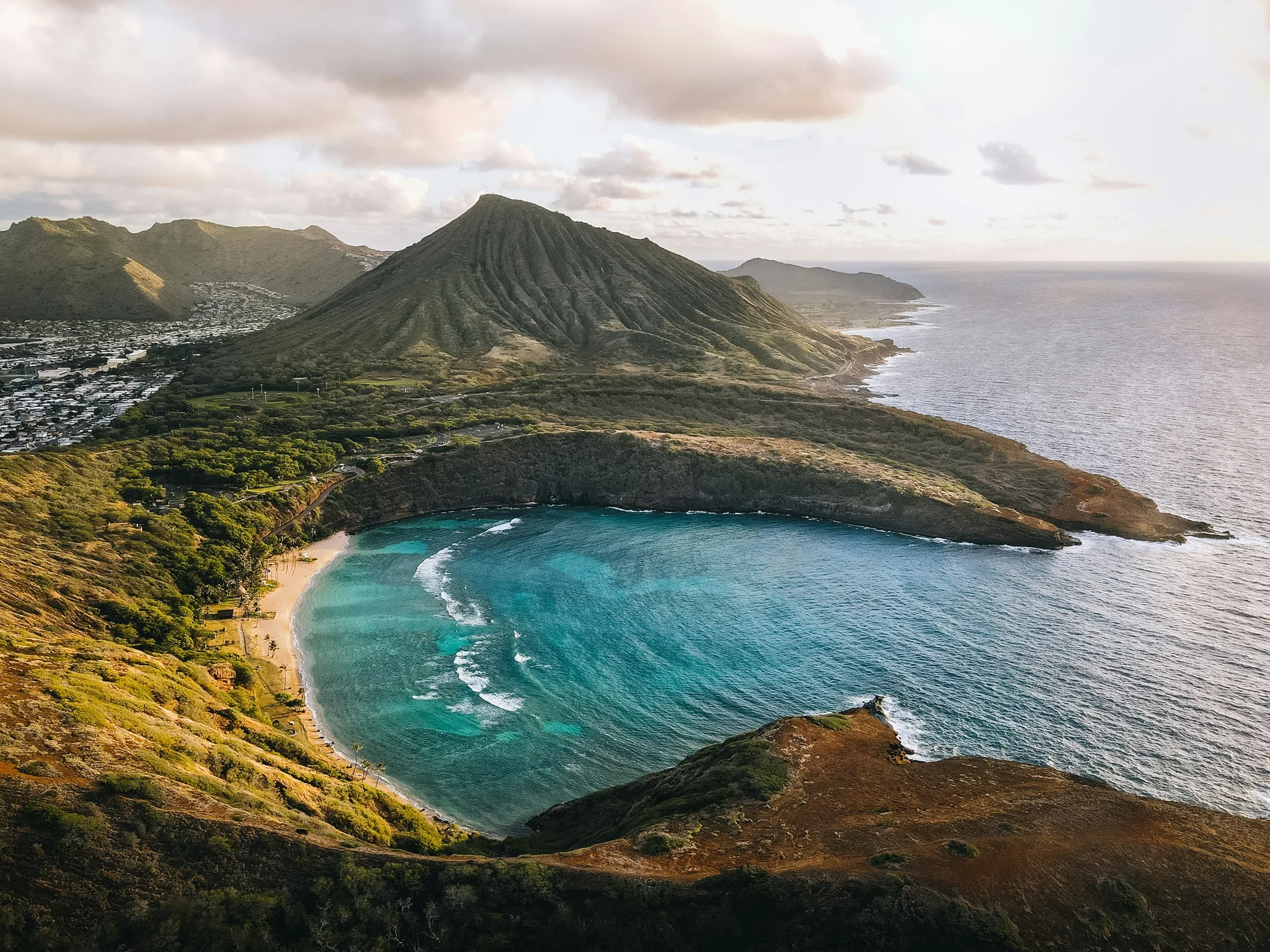


Oʻahu is the island where a Hawaiʻi budget trip has the most room to breathe.
That does not mean Oʻahu is cheap. Lodging can sting. Parking can feel absurd. A casual day that starts with “just coffee” and ends with a rideshare, beach chairs, lunch, shave ice, and a sunset cocktail can quietly become a luxury purchase.
But Oʻahu gives you levers the other islands often don’t: real public transit, walkable resort areas, deep local food options, free beaches in every direction, and enough cultural and historic sites that you do not need a paid tour every day to feel like you came all this way for a reason.
The trick is not to make your trip austere. It is to spend where Oʻahu rewards spending, and stop leaking money where it does not.
You may not need a car every day
On many Hawaiʻi trips, the rental car becomes the spine of the vacation. On Oʻahu, it can be more like a tool you use when needed.
If you stay in Waikīkī, Ala Moana, or parts of Honolulu, you can build several satisfying days around walking, TheBus, occasional rideshares, and organized pickups. That can save more than the rental rate itself, because the real cost of a car in Honolulu is often the combination of rental fee, hotel parking, gas, and the mental tax of finding parking near beaches or dinner.
A practical rhythm looks like this:
Car-free days for Waikīkī Beach, Ala Moana Beach Park, Kapiʻolani Park, museums, shopping, casual eats, and nearby neighborhoods. One or two car days for the North Shore, Windward Oʻahu, or a custom island loop. Rideshares selectively when a late dinner or awkward bus connection would eat too much time.
If you want to see the whole island at your own pace, rent a car. Just don’t assume you need it from airport arrival to airport departure.
Where to stay when you’re watching costs
For most budget-conscious visitors, Waikīkī is still the easiest base. That may sound counterintuitive, because Waikīkī is full of expensive hotels, resort fees, and polished storefronts. But it also gives you a dense concentration of lodging, beach access, food, transit, tours, rental gear, and nightlife without needing a car.
A cheaper room far from Honolulu can become less cheap if every day requires driving, parking, and long cross-island time. Oʻahu traffic is real, and “saving” on lodging can cost you vacation hours.
Look closely at the full nightly cost, not just the headline rate. Before booking, check for:
Resort or amenity fees Parking charges Cleaning fees on rentals Minimum stays A microwave, mini-fridge, or kitchenette Walkability to food and transit Beach gear included or available to borrow
A simple hotel room with a fridge in a walkable area can beat a prettier room that forces restaurant meals and daily transportation costs. If you like mornings at the beach and casual dinners, being able to walk home in slippers is worth more than it looks on a booking page.
If you are considering a vacation rental, make sure it is operating in an area where visitor accommodations are allowed. Oʻahu has had ongoing tension around illegal short-term rentals, and the rules are not something you want to discover after booking.
Food: save without feeling deprived
Food is where Oʻahu is kind to budget travelers who are willing to eat beyond resort dining.
A beachfront dinner, cocktails, and dessert will move fast. But Oʻahu also has a deep everyday food culture: plate lunches, poke bowls, saimin, bentos, manapua, musubi, malasadas, noodle shops, Korean barbecue plates, Vietnamese food, Filipino bakeries, and Japanese-style grab-and-go meals.
A good Oʻahu food budget is not “cook every meal.” It is more like:
Keep breakfast simple most days. Buy fruit, snacks, drinks, and beach lunch supplies from a grocery store. Eat casual local food for lunch. Choose a few dinners to spend on intentionally.
For cheap-eats areas, think in neighborhoods rather than single famous names. Kapahulu is useful from Waikīkī for casual meals. Kaimukī has independent restaurants and bakeries. Ala Moana and Honolulu offer food courts, markets, and takeout. Chinatown can be excellent for daytime eating if you like browsing and letting the meal find you.
The best budget food move on Oʻahu is simple: eat one meal a day like someone who lives here and one meal like someone on vacation. That balance usually works.
Free and low-cost days that still feel like Oʻahu
The strongest Oʻahu budget days are not consolation prizes. They are often the days people remember best.
A Waikīkī day can be inexpensive if you resist turning it into a shopping crawl. Swim early, walk toward Kapiʻolani Park, watch surfers from the seawall, bring your own snacks, and stay through the changing light at the end of the day. The scene is public, layered, and very Oʻahu: families, visitors, canoe crews, beach boys, joggers, music drifting from hotel lanais.
Ala Moana Beach Park is another budget gift. It is more local in feel than Waikīkī, with calm water, wide lawns, and sunset views that do not require a reservation or cocktail tab. Pair it with affordable food nearby and you have an easy half-day without a tour charge.
For history and culture, Oʻahu has more depth than many visitors can fit into one trip. Pearl Harbor historic sites, ʻIolani Palace, Bishop Museum, and Honolulu’s older civic core all offer different ways to understand the island beyond the beach. Some experiences are free or low-cost; others deserve a paid ticket. The point is to choose, not collect.
Hikes can also be low-cost, but don’t treat them as automatically free. Popular trails and state-managed sites may have parking fees, entry fees, or reservation systems. A short, well-timed walk with a view is better than an overplanned day that leaves everyone sunburned and hungry.
Where to splurge
A budget trip still needs a few moments that feel generous. Oʻahu has plenty of splurges, but some give better value than others.
Splurge on one excellent meal. Not every dinner needs to be a production. But one carefully chosen dinner — whether it is modern Hawaiʻi regional cooking, sushi, seafood, or a special-occasion tasting menu — can be worth more than three mediocre resort meals.
Splurge on an experience you cannot easily recreate. A surf lesson in Waikīkī, a guided cultural or historical experience, a boat day, a working ranch experience, or a well-run circle-island tour can be worth paying for if it changes how you see the place. The key is to avoid stacking paid activities every day. Oʻahu does not need that much scheduling.
Splurge on location if it removes friction. A slightly more expensive hotel that lets you walk to the beach, food, and transit may be cheaper in practice than a remote bargain. This is especially true for shorter trips, when lost time matters.
Where to save without regret
Save on the rental car if your itinerary allows it. Save on hotel views if you plan to spend your daylight outside. Save on breakfast. Save on bottled drinks by buying larger grocery-store supplies. Save on beach gear by choosing lodging that lends chairs or towels, or by renting only what you truly need.
Save on over-touring. This is a common Oʻahu mistake: booking paid activities because the island feels large and you worry you will miss the “real” thing. Oʻahu reveals itself through ordinary movement — a bus ride, a bakery line, a swim before breakfast, a neighborhood dinner, a drive over the Pali, a long look at the Koʻolau mountains after rain.
You do not need a paid narrator every day.
The budget traps to watch
The biggest Oʻahu budget traps are not mysterious. They are just easy to ignore during planning.
Hotel parking can change the math of a stay. If you plan to rent a car, price parking before you book.
Resort fees can make a “deal” less impressive. Compare the total stay cost.
Rideshares at peak times can add up quickly, especially between Honolulu and farther parts of the island.
Overcommitting to the North Shore can cost time and money if you are based in Waikīkī. It is a great day when planned well, but not a quick hop.
Beach convenience purchases — sunscreen, towels, hats, water, snacks, floats — are cheaper when handled before you are standing near the sand with no shade and no patience.
Too many one-off paid admissions can blur together. Pick the ones you care about, then leave space.
A simple low-cost rhythm
Spend your first full day close to your base. If you are in Waikīkī, swim, walk, get groceries, eat casually, and let your body catch up. Do not rent a car just to sit in traffic while tired.
Use a transit-friendly Honolulu day for Ala Moana, a museum or historic site, and a neighborhood meal. Keep the evening easy.
Rent a car for one focused island day. Choose either Windward Oʻahu and the east side, or the North Shore, rather than trying to force every scenic stop into one marathon. Leave early, bring water and snacks, and make lunch part of the plan instead of an emergency.
Keep one flexible day unscheduled. Go back to the beach you liked. Follow a food recommendation. Take a surf lesson. Visit the place you skipped. Or do almost nothing, which is an underrated vacation skill.
The honest bottom line
Oʻahu rewards travelers who plan the expensive parts and loosen up on the rest.
Book lodging with the full cost in mind. Be strategic about car days. Eat casually more often than formally. Choose a few paid experiences that genuinely matter to you. Let beaches, parks, neighborhoods, and local food carry more of the trip.
That is not a lesser version of Hawaiʻi. On Oʻahu, it may be the better one: less sealed off, more textured, and closer to the daily island that exists beyond the hotel bill.

Further Reading
A few relevant next steps from Alakai Aloha.
 BlogHow to Visit Oʻahu Without a Rental Car
A practical guide to car-free Oʻahu, from where to stay and how to get around to when a one-day rental is worth it.
Editor's pick GuideBest Hotels & Resorts on Oʻahu: Where to Stay
A guide to best hotels Oʻahu.
Editor's pick ActivityBishop Museum
The Bernice Pauahi Bishop Museum is Hawaii's premier museum, offering a deep dive into Polynesian cultural artifacts, natural history, and interactive science exhibits perfect for all ages.
Editor's pick ActivityWaikīkī Beach
Waikīkī Beach offers a quintessential Hawaiian experience with warm, generally calm waters perfect for swimming, learning to surf, and enjoying a vibrant urban backdrop against Diamond Head.
Editor's pick