
Ichiriki Aiea
Relaxed Japanese nabe restaurant in ʻAiea specializing in shabu shabu, sukiyaki, and other hot pot meals cooked at the table. It’s a good fit for a sit-down dinner with family or friends.



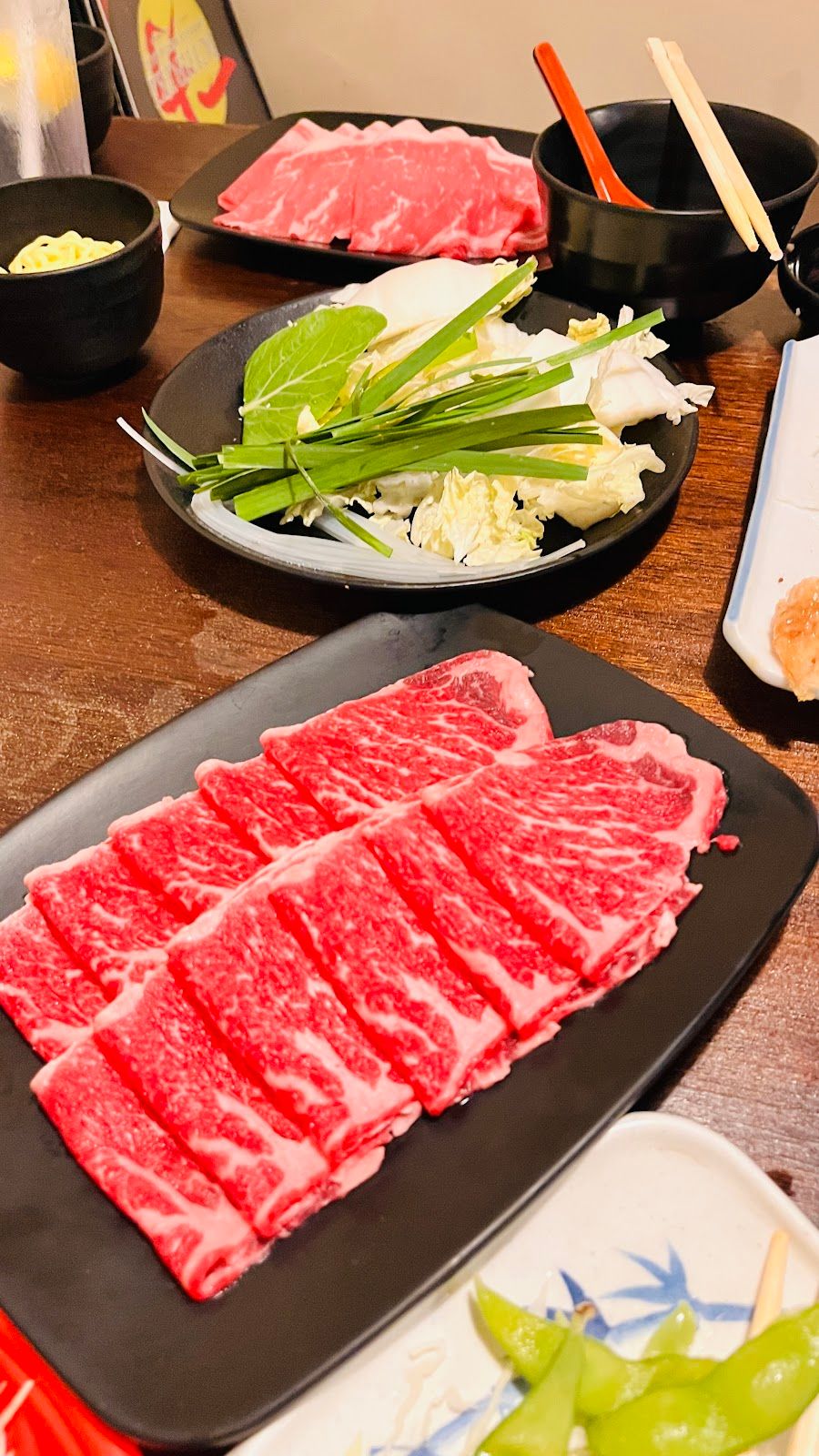


- Table-side hot pot dining
- Lunch and dinner service
- Vegetarian set available
- Online ordering
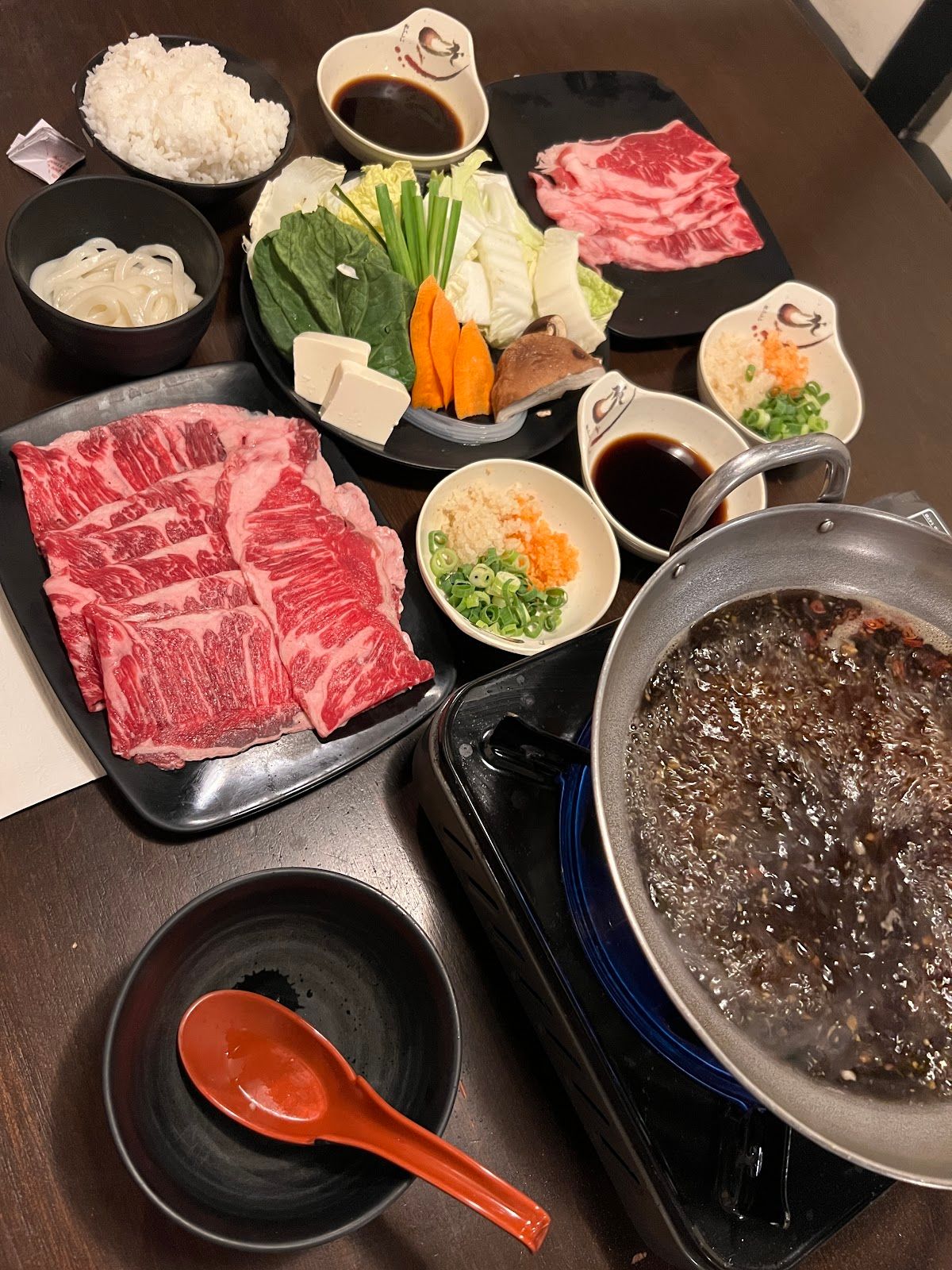
Ichiriki Aiea is a relaxed Japanese nabe restaurant in ʻAiea built around hot pot meals cooked right at the table. That format is what makes it stand out: instead of a quick bowl or a standard sushi dinner, the meal unfolds in broth, steam, and a steady pace that works especially well for groups. Shabu shabu and sukiyaki are the center of gravity here, with set meals that make the restaurant a natural fit for a sit-down dinner in the Pearl Harbor–ʻAiea corridor.
What the kitchen does best
Ichiriki’s strongest lane is Japanese hot pot, especially shabu shabu and sukiyaki. The menu leans into the format with sets built around ribeye, pork, short rib, chicken, seafood, and vegetarian options, plus the usual supporting cast of broth, vegetables, noodles, and rice. That makes the restaurant more versatile than a one-note specialty shop, but still focused enough that the experience feels coherent.
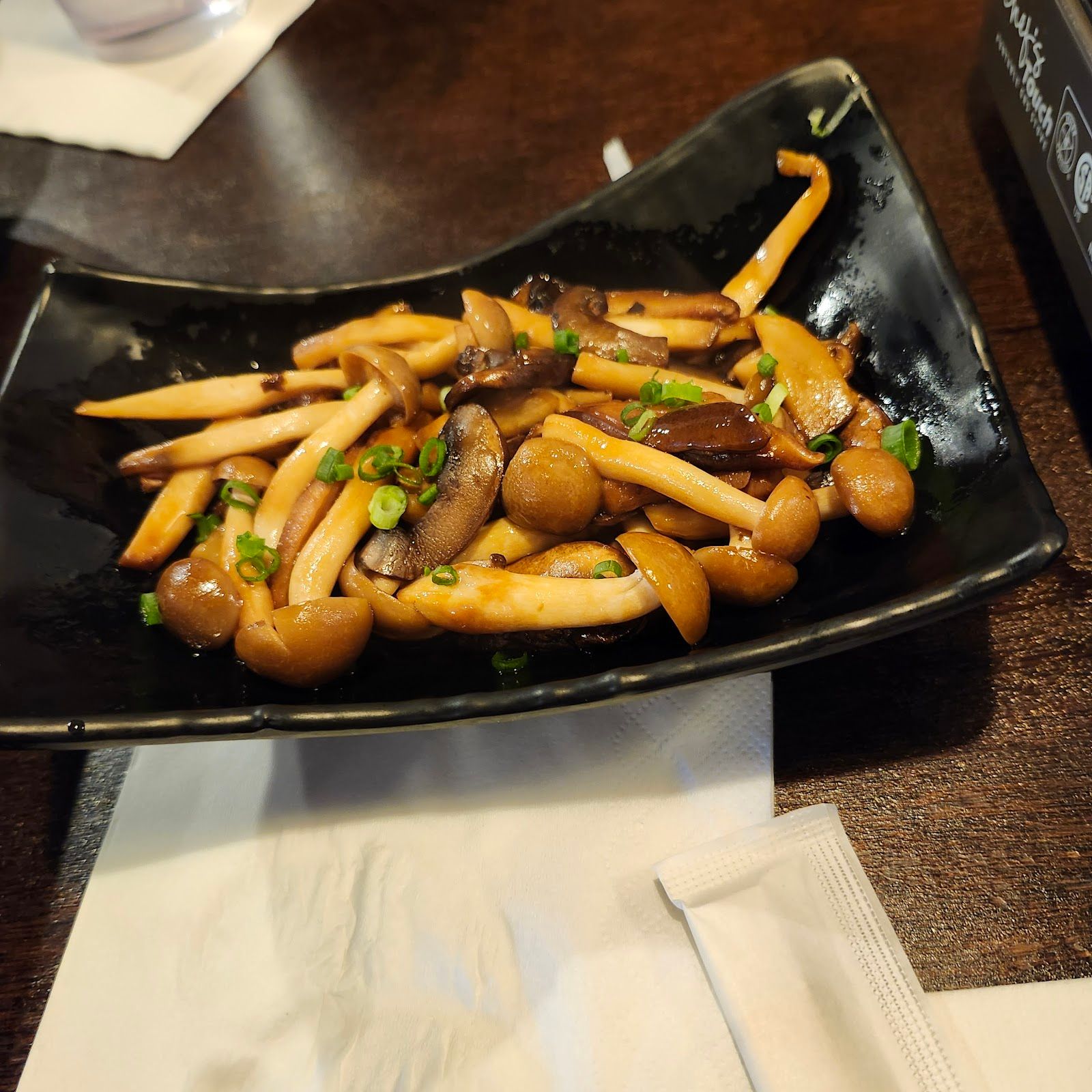
The appeal is as much about the rhythm of the meal as the ingredients. Hot pot rewards sharing, pacing, and lingering. It is a good choice when the goal is a proper dinner rather than a fast stop. The menu also includes approachable extras like karaage, gyoza, ahi poke, tofu salad, and fried garlic shrimp, so the table can mix lighter bites with the main event.
For travelers, the most useful thing to know is that this is not a place for menu indecision. It is a place to pick a broth, choose a protein, and settle in.
The feel of the experience
Ichiriki is casual, welcoming, and set up for table-side dining rather than hurry. The room has the feel of a neighborhood restaurant that knows its purpose: clean, comfortable, and social, with enough space for families and friend groups to spread out. The interactive cooking is the whole point, and it gives the meal a slightly celebratory character without tipping into anything formal or fussy.
That format also explains why the restaurant has lasted. Ichiriki began in Honolulu in 2006 and later expanded to ʻAiea, with a concept shaped by co-founders Issei Kazama and Riki Kobayashi around Japanese nabe and a more participatory style of eating. The personality of the place comes through in that focus. It is not trying to be broad. It is trying to do hot pot well.
Practical fit for travelers
The best audience here is easy to define: families, couples, and groups who want a shared dinner with some built-in interaction. It also works well for travelers staying or exploring around Pearl Harbor and ʻAiea, since it fits naturally into that part of Central Oʻahu.
There is one real tradeoff. Hot pot is slower by design. If the goal is a quick lunch, a solo meal on the run, or something very light, this format will feel like more of a commitment than a standard takeout-friendly restaurant. The menu does include a vegetarian set, which is helpful for mixed groups, but the overall lineup still centers on broth, meat, and seafood, so strict vegans will have limited options.
Why it belongs on a short list
Ichiriki Aiea earns its place by offering a dining experience that feels both practical and a little special. It is affordable enough to be approachable, structured enough to be easy to order from, and distinctive enough to stand apart from the many ordinary Japanese spots on the island. For travelers who want dinner to be a shared activity, not just a refueling stop, it is an especially solid pick.