

Waikīkī is easy to underestimate.
From a hotel balcony, it can look like a vacation postcard: pale sand, umbrellas, Diamond Head holding the eastern edge of the view. At street level, it can feel loud and commercial, with surf shops, ABC Stores, restaurant lines, and visitors moving in every direction. Both impressions are real. Neither is the whole place.
Waikīkī is one of the most visited neighborhoods in Hawaiʻi because it gives travelers what they came for: warm water, gentle surf, walkable hotels, restaurants, nightlife, and that wide-open south shore light. But the more interesting Waikīkī is layered beneath the obvious one. It was once a place of freshwater, fishponds, loʻi, royal residences, canoe landings, and surf culture long before the modern resort district arrived.
With a little patience, Waikīkī becomes more than a convenient place to sleep. It becomes a compact introduction to Oʻahu itself: history and tourism, beauty and crowding, local routines and visitor fantasy, all sharing the same few blocks.
Start with the shape of the place
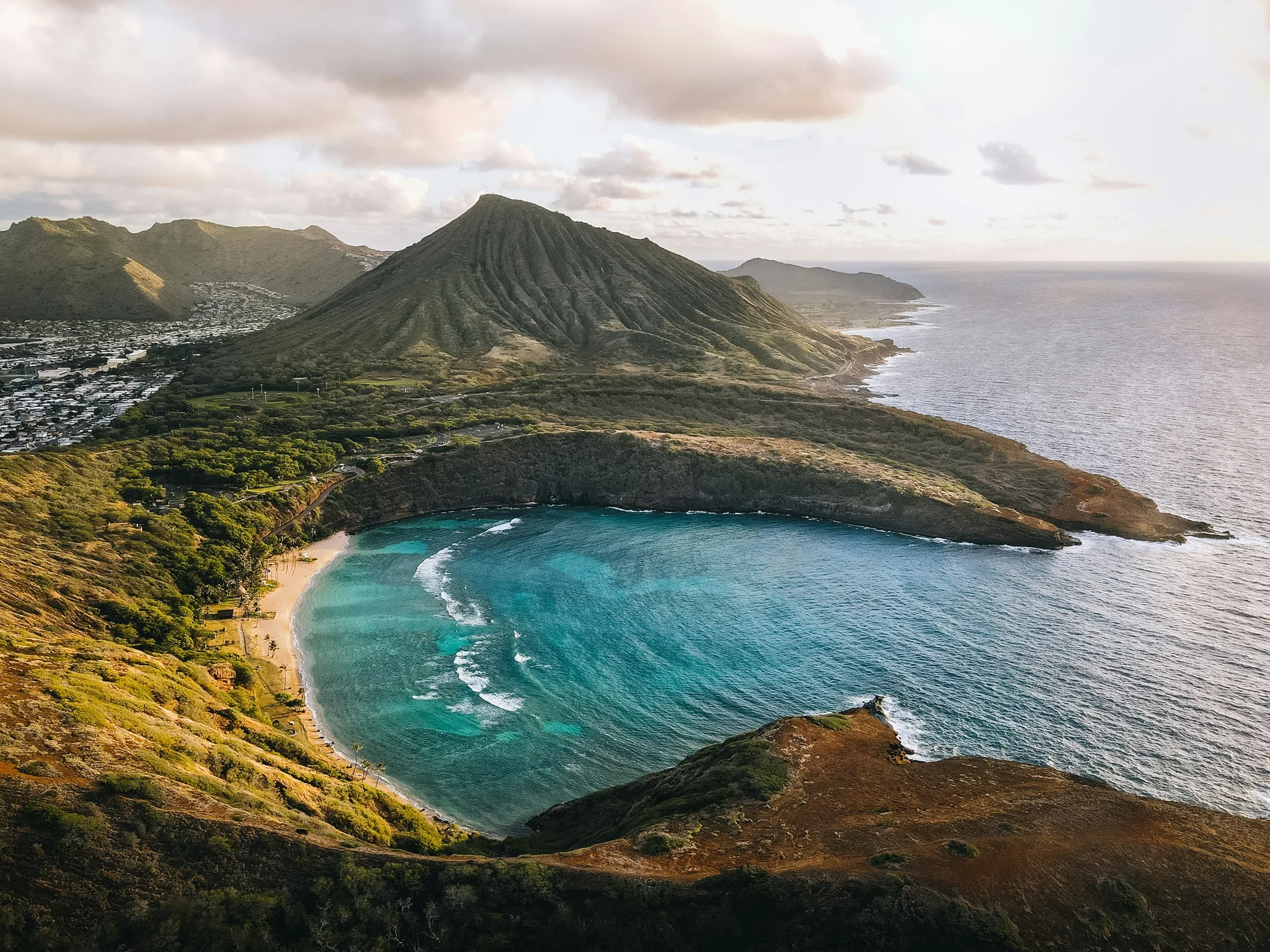
Waikīkī sits on Oʻahu’s south shore, between the Ala Wai Canal and the ocean, with Lēʻahi — widely known as Diamond Head — rising to the east. That geography matters. The surf is usually more approachable here than on Oʻahu’s exposed north and west shores, which is one reason Waikīkī became so closely tied to beginner surfing, outrigger canoe rides, and longboard style.
The neighborhood you see today is not the landscape ancient Hawaiians knew. Waikīkī is often translated as “spouting waters,” a reminder that this area was once fed by streams and springs coming down from the valleys behind Honolulu. Before dredging, roads, hotels, and the Ala Wai Canal reshaped the district, Waikīkī had wetlands, fishponds, and agricultural land. Its shoreline was prized, but it was not only a beach. It was a lived-in, cultivated, politically important place.
That history is easy to miss if you only move between the hotel lobby and the sand. Look inland as well as toward the ocean. The canal, the flatness of the district, the way the mountains sit behind the hotels — all of it hints at a Waikīkī that was engineered into the visitor hub it is now.
A royal retreat before it was a resort district
Long before Waikīkī became shorthand for Hawaiʻi tourism, it was associated with aliʻi, Hawaiian chiefs and royalty. The shoreline and its waters were places of residence, recreation, and status. Surfing was not invented for visitors; it was part of Hawaiian life, practiced by commoners and chiefs, with deep social and cultural meaning.
In the 19th and early 20th centuries, Waikīkī changed as the Hawaiian Kingdom gave way to annexation, territorial rule, and eventually statehood. Western-style homes, roads, hotels, and clubs appeared. The beach became a leisure destination for outsiders, but it also remained a place where Hawaiian watermen shaped what visitors would come to imagine as “beach culture.”
That tension is still present. Waikīkī is commercial, yes. It is also one of the places where Hawaiian surfing was introduced to the world through actual people, not slogans.
Surfing is the through-line
If Waikīkī has a soul that visitors can still feel without much explanation, it is in the surf.
The waves here tend to roll in with a long, forgiving shape when conditions are right. They are not always tiny, and the ocean is never a swimming pool, but Waikīkī’s famous breaks helped make it one of the great learning grounds for surfing. Long rides, sandy entries in some areas, and generations of instructors created a culture where a first-time surfer could reasonably hope to stand up.
Duke Kahanamoku is central to that story. An Olympic swimmer, Native Hawaiian waterman, and ambassador of surfing, Duke helped carry the sport beyond Hawaiʻi while remaining closely associated with Waikīkī. His statue near Kūhiō Beach is one of the most photographed spots in the neighborhood, but it is worth pausing there for more than a picture. The statue marks a real lineage: Waikīkī beach boys, canoe steersmen, lifeguards, surfers, swimmers, and instructors who made the ocean legible to newcomers while keeping their own traditions alive.
If you take a surf lesson in Waikīkī, you are participating in a modern visitor activity, but you are also stepping into a place with a long memory. The best instructors make that feel simple rather than solemn: paddle here, wait there, look forward, stand up. The wave does the rest.
The beach is not one beach
People often say “Waikīkī Beach” as if it were a single strip of sand. In practice, it feels more like a string of small beaches and surf zones, each with its own rhythm.
Near the Duke statue and Kūhiō Beach, you get the classic Waikīkī scene: protected swimming areas, surf schools, families, photos, and constant movement. Farther west, near the Royal Hawaiian and Moana Surfrider, the beach tightens and the hotel presence feels stronger. Toward Kapiʻolani Park and the aquarium end, the scene opens up, with more local joggers, park space, and views back toward the hotels.
None of these areas is secret. That is not the point. Waikīkī rewards visitors who stop trying to “beat” it and instead choose the version of the beach that fits the moment: a morning swim before breakfast, a late afternoon walk when the light turns gold, a surf lesson when the conditions and your energy line up, a quiet sit near the seawall while the neighborhood shifts from beach day to evening.
Walk east when the noise gets too loud
One of the easiest ways to understand Waikīkī better is to walk toward Lēʻahi.
As you move east, Kalākaua Avenue gradually loosens its grip. The hotels thin, Kapiʻolani Park opens up, and the horizon changes. The park is one of Honolulu’s great breathing spaces, with banyans, lawns, tennis courts, joggers, families, and views of Diamond Head that feel less packaged than the postcard angle from the beach.
Nearby, the Waikīkī Aquarium offers a quieter look at reef life and Hawaiʻi’s marine environment. It is not a grand spectacle in the mega-attraction sense, which is part of its appeal. It fits the scale of a slower Waikīkī day: ocean in the morning, shade in the park, aquarium after lunch, sunset back near the water.
If you are staying in central Waikīkī, this eastern walk can reset your sense of the neighborhood. Waikīkī is dense, but it is not only shopping corridors and hotel towers. Its edges matter.
Notice the old hotels
Waikīkī’s historic hotels help tell the story of its transformation into a visitor destination. The Moana Surfrider, often called the “First Lady of Waikīkī,” dates to the early era of resort tourism. The Royal Hawaiian, with its pink facade and beachfront presence, belongs to a later chapter of glamour and oceanfront escape.
You do not need to turn hotel history into homework. Just noticing these buildings changes the walk. Waikīkī’s architecture can feel chaotic at first — luxury towers, older low-rise buildings, open-air shopping centers, surfboard racks, banyan courtyards, parking entrances — but the historic hotels anchor the shoreline in time. They show how long people have been arriving here to look at the same sea, and how much the idea of a Hawaiʻi vacation has been manufactured, revised, and sold from this narrow strip of coast.
That does not make the pleasure false. It makes it worth seeing clearly.
How to spend a better day in Waikīkī
A good Waikīkī day does not need much planning. Start early if you can. The beach has a different personality before the full heat and crowds arrive, when swimmers are out, surf instructors are setting up, hotel staff are preparing chairs, and the water often looks its cleanest in the morning light. Coffee, a walk, a swim, then breakfast — it is a classic sequence because it works.
If you want to surf, book a lesson rather than renting a board and guessing your way into the lineup. Waikīkī’s surf zones are busy, and a good instructor helps you be in the right place for your ability. For many visitors, one lesson is enough to change how the whole shoreline looks. You begin to read the sets, notice the canoes, and understand why everyone is waiting in what first appeared to be empty water.
Give yourself time away from the sand. Walk through Kapiʻolani Park. Visit the aquarium if the day calls for something quiet. Look for live music in the evening rather than treating dinner as the only plan. Waikīkī is at its best when you let the day stretch: ocean, shade, shower, sunset, dinner, walk home under the palms and high-rise lights.
And if the beach feels too crowded, do not declare Waikīkī ruined. Shift your timing or move a few blocks. The neighborhood is compact, but its moods change quickly.
The Waikīkī worth keeping
There are travelers who dismiss Waikīkī because it is busy, and travelers who never leave it because it is easy. Both miss something.
Waikīkī is not the untouched Hawaiʻi of anyone’s imagination. It is a famous, crowded, altered shoreline with designer storefronts, beach rentals, old stories, real surf, and some of the most accessible ocean joy on Oʻahu. Its contradictions are not a reason to avoid it. They are the reason to pay attention.
Swim before breakfast. Watch the longboards slide across the break. Learn why Lēʻahi changes color in the late afternoon. Walk past the old hotels and think about who was here before tourism gave the neighborhood its current shape. Then sit on the wall at sunset with everyone else, locals and visitors shoulder to shoulder, as the sky goes soft over the south shore.
That is Waikīkī beyond the beach: not separate from the sand, but deeper than the postcard.

Further Reading
A few relevant next steps from Alakai Aloha.
 Hawaii-wide guideHow to Visit Like a Guest, Not a Tourist
The best Hawaiʻi trips usually have a different rhythm than people expect. They are not just summits, beaches, restaurants, and photos. They come from noticing the rain moving across a valley, a farmer talking about mango season, a beach park that is also...
Editor's pick GuideBest Restaurants: Local Favorites & Visitor Picks
A guide to best restaurants Oʻahu.
Editor's pick ActivityWaikīkī Beach
Waikīkī Beach offers a quintessential Hawaiian experience with warm, generally calm waters perfect for swimming, learning to surf, and enjoying a vibrant urban backdrop against Diamond Head.
Editor's pick RestaurantLongboards
Casual oceanfront bar-and-grill at Marriott’s Ko Olina Beach Club in Ko Olina. Longboards is a resort-friendly stop for American fare, island cocktails, and lagoon views.
Editor's pick