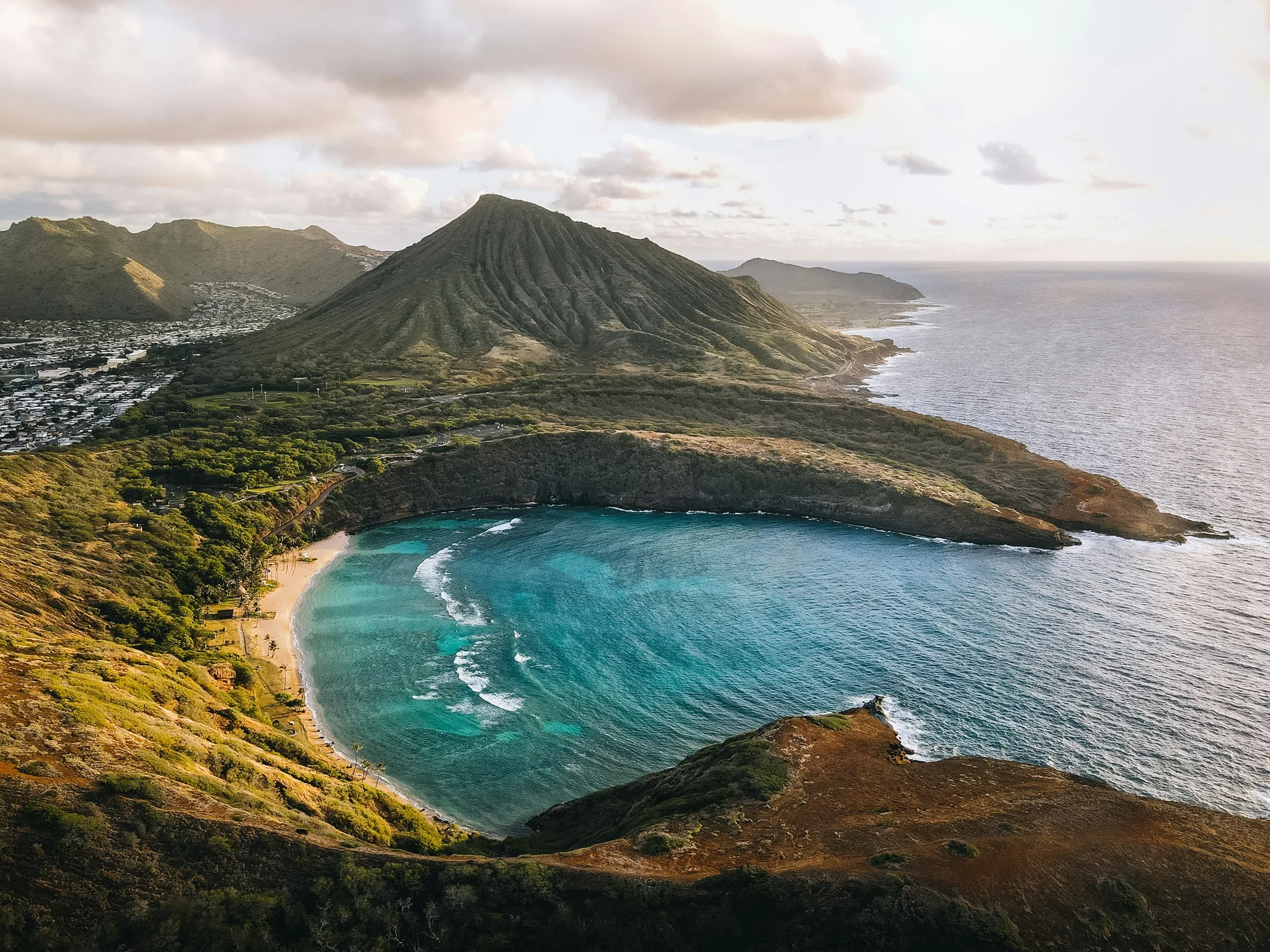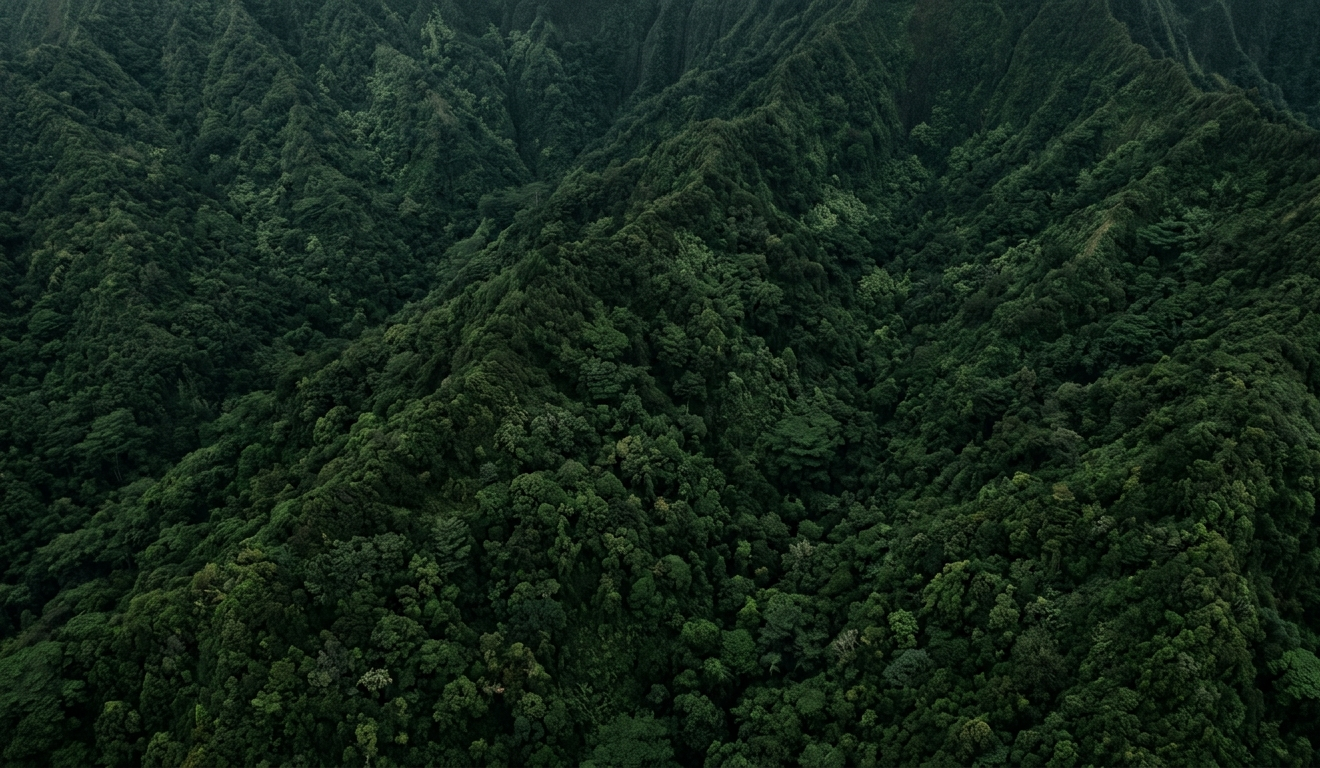


Oʻahu asks a little more of visitors than the postcard suggests.
It is the island many travelers arrive through: Waikīkī, Pearl Harbor, Lēʻahi, the North Shore, food courts, freeways, surf contests, military history, high-rise hotels, family beach parks, and neighborhoods where people are just trying to get to work. It is also home to most of Hawaiʻi’s residents. Tourism here is not separate from daily life. It runs through it.
That can be good. Tourism supports restaurants, cultural programs, small businesses, museums, farms, guides, musicians, lei makers, boat crews, housekeepers, drivers, and many people whose work makes a vacation feel effortless. But the pressure is real too: crowded beaches, traffic on narrow coastal roads, stress on reefs and trails, short-term rental conflicts, and the frustration residents feel when familiar places become hard to enjoy.
The point is not to make travelers feel guilty for coming. Oʻahu is not asking for apology tourism. It is asking for better judgment.
Oʻahu is both a destination and a home
Waikīkī can make Oʻahu look like a resort island, but that is only one small piece of the place. Step a few blocks inland and you are in Honolulu’s working city. Drive west and you enter communities that have carried a disproportionate share of infrastructure, traffic, and development pressure. Go windward and beach parks fill with local families, paddlers, church groups, and kids after school. Head north and a single coastal road may be serving residents, beachgoers, delivery trucks, surf crowds, and visitors all at once.
That overlap is the root of many tourism tensions on Oʻahu. A traveler may experience a beach as a once-in-a-lifetime stop. A resident may experience the same beach as the place their grandparents fished, where their children learned to swim, or where they now struggle to find parking on a weekend.
Neither experience cancels the other. But a good visitor can tell the difference between being welcomed into a place and treating it as inventory.
The benefits are real—and so are the tradeoffs
It is too simple to say tourism is either saving Hawaiʻi or ruining it. On Oʻahu, the truth is more tangled.
Visitor spending helps keep many local businesses alive. It supports workers far beyond the hotel front desk: farmers supplying restaurants, aunties selling lei, cultural practitioners, captains, shuttle drivers, cleaners, cooks, security staff, photographers, surf instructors, and musicians playing late sets while the rest of us are on vacation time.
It also helps fund institutions that preserve and interpret Hawaiʻi’s history, from museums to historic sites. Many visitors leave Oʻahu with a deeper understanding of the Hawaiian Kingdom, plantation history, immigration, military presence, surfing culture, and cultural restoration.
But tourism also competes for space, housing, water, road capacity, and attention. When homes become illegal vacation rentals, neighborhoods feel it. When every rental car heads toward the same beach at the same hour, residents feel it. When a sacred or historic place becomes a photo stop without context, culture gets flattened into scenery.
Responsible travel starts by holding both truths at once: your trip can support people here, and your trip has a footprint.
Where the pressure shows up
On Oʻahu, tourism impact is often visible not in remote wilderness, but in the everyday friction of a busy island.
In Waikīkī, the concentration of hotels makes visitor travel efficient in one sense: many people can stay, eat, shop, and reach the beach without driving far. But it also concentrates waste, energy use, water demand, and shoreline pressure into a small district.
At Lēʻahi, the popularity of a short volcanic crater hike has required more active visitor management. The lesson is not that travelers should avoid famous places. It is that high-demand places need systems, and visitors should respect those systems rather than treating them as obstacles to outsmart.
On the North Shore, the challenge is different. The coastline is long, the road is limited, and surf season can draw heavy crowds to communities not built like resort districts. A casual “let’s drive around the island” day can add up: one more car in traffic, one more parking decision, one more stop at a beach where residents are also trying to spend their day.
At cultural and historic sites, the impact is quieter but just as important. ʻIolani Palace is not simply a beautiful building. Pearl Harbor is not just an attraction. Heiau and burial areas are not props. The way travelers move through these places—what they learn, photograph, touch, or make light of—matters.
Better travel choices, Oʻahu edition
The most useful responsible-travel advice is not abstract. On Oʻahu, it often comes down to ordinary decisions made well.
Stay somewhere that is legally meant for visitors. Oʻahu has long-running tension around short-term rentals in residential neighborhoods. A cheap vacation rental can look harmless from a booking screen, but the broader pattern affects housing and neighborhood life. Hotels, resort areas, licensed rentals, and professionally managed legal accommodations are not perfect, but they are part of a more accountable visitor system.
Spend money in ways that reach local people. That does not mean every meal has to be a grand ethical statement. It can be as simple as choosing a local plate lunch spot over a familiar chain, booking a small local operator with clear credentials, buying from artists rather than airport trinket walls, or taking a museum visit seriously instead of treating culture as an add-on between beach days.
Build less driving into your trip. If you are staying in Waikīkī or Honolulu, walking, rideshare, shuttles, TheBus, or a rental car for only part of your stay may serve you better than keeping a car parked for a week. Oʻahu traffic is not a romantic island inconvenience; it is a daily burden for residents. Fewer unnecessary miles helps, and it usually makes your vacation calmer too.
Choose ocean activities with care. A good operator will talk about reef protection, wildlife distance, conditions, and where guests should and should not go. That kind of briefing is not a buzzkill; it is a sign you are with people who know the place.
Do not make every day a conquest. Oʻahu rewards slower itineraries. One well-planned day in Honolulu—coffee, a museum, lunch, a swim, dinner—can be richer than eight photo stops and three hours of traffic. A North Shore day is better when you allow time, park legally, eat locally, and accept that you may not see every beach you saved on your phone.
Learn before you perform appreciation
Many travelers want to “respect the culture,” then worry they will do it wrong. The better approach is quieter: learn a little, listen more than you announce, and pay attention to context.
If you visit ʻIolani Palace, give it the mental space you would give any national or royal historic site. If you attend a lūʻau, choose one that treats Hawaiian and Polynesian traditions with care rather than presenting culture as costume. If you hear Hawaiian language, place names, or mele, understand that these are living expressions, not decorative sounds.
Two Hawaiian words are useful because they point toward a mindset. Mālama ʻāina is often translated as caring for the land, but it carries a deeper sense of relationship and responsibility. Kuleana can mean responsibility, privilege, or role. As a visitor, your kuleana is not the same as a resident’s. You are not being asked to solve Hawaiʻi’s problems in a week. You are being asked not to add carelessly to them—and, where possible, to leave some good behind.
If you want to give back, make it real
A stewardship morning can be one of the most memorable parts of an Oʻahu trip, especially if you choose it because you are curious rather than because you want a halo. Beach cleanups, fishpond restoration days, loʻi workdays, native-plant projects, and community-led events exist across the island, though schedules change and many require advance sign-up.
Look for established groups, official visitor channels, or programs connected to recognized community organizations. Before you go, check the current calendar, read what the organizers actually need, and show up ready to follow directions.
If volunteering does not fit your trip, that is fine. Giving back can also mean paying for a cultural tour, donating to a local conservation group, choosing reef-conscious operators, tipping well, and resisting the urge to geotag sensitive places into the next crowd surge.
The visitor Oʻahu needs
A better visitor to Oʻahu is not necessarily the one with the perfect itinerary or the most locally approved restaurant list. It is the one who notices.
They notice when a beach park is full of families and do not take over the whole pavilion. They notice when a cultural site calls for quiet. They notice when a neighborhood is not a resort zone. They notice that “aloha” is not a service standard owed to them, but a value they can choose to practice too.
Oʻahu can absolutely give you the vacation you came for: warm water, good food, surf rolling in, evenings under hotel palms, a city with history and appetite, and mountains that change color as the clouds move. The difference is whether you move through it like a consumer trying to extract value, or like a guest who understands that the place is alive before you arrive and continues after you leave.
That small shift changes the whole trip. It makes your days less frantic, your choices more grounded, and your memories more connected to the real Oʻahu—not just the version designed to sell easily from far away.

Further Reading
A few relevant next steps from Alakai Aloha.
 Hawaii-wide guideThe Hawaiian Value of Kuleana
In Hawaiʻi, kuleana is often translated as “responsibility.” That is true, but a little thin.
Editor's pick GuideBest Restaurants: Local Favorites & Visitor Picks
A guide to best restaurants Oʻahu.
Editor's pick ActivityIolani Palace
Explore the only official state residence of royalty in the U.S., immersing yourself in the rich history of the Hawaiian monarchy and its pivotal role in island culture.
Editor's pick Hawaii-wide guideHow to Visit Like a Guest, Not a Tourist
The best Hawaiʻi trips usually have a different rhythm than people expect. They are not just summits, beaches, restaurants, and photos. They come from noticing the rain moving across a valley, a farmer talking about mango season, a beach park that is also...
Editor's pick