

Oʻahu is the island where first-timers most often think they can “just figure it out when they get there.”
Sometimes that works. Waikīkī is easy to land in, easy to walk, and forgiving in a way many resort areas are not. You can eat well without a car, swim before breakfast, take a bus to a museum, and be back in time for sunset.
But Oʻahu also has real-city traffic, tightly managed popular sites, residential beach towns, surf seasons that change the personality of entire coasts, and a geography that punishes overstuffed itineraries. The mistake is not choosing Oʻahu. The mistake is treating it like a simple beach backdrop instead of the layered, busy, beautiful island it is.
Here’s what people usually get wrong on a first Oʻahu trip — and how to plan it with more ease.
Mistake 1: Renting a car for the whole trip without thinking about parking
On many Hawaiʻi vacations, a rental car is the obvious first decision. On Oʻahu, it depends.
If you are staying in Waikīkī, a car can become an expensive accessory you barely use. Parking is limited, hotel parking often adds up, and driving a few miles across Honolulu can take longer than it looks on a map. For beach time, restaurants, shopping, museums, and many Honolulu-based activities, walking, rideshare, taxis, shuttles, and TheBus may cover more than you expect.
Where a car helps is on focused island days: North Shore, Windward Oʻahu, Pearl Harbor plus west-side plans, or a loop with several stops outside Honolulu. Even then, it is usually better to rent for the days you need it rather than defaulting to a car for every night of your stay.
A good first-timer rhythm: stay car-light in Waikīkī, then book a car for one or two deliberate exploring days.
Mistake 2: Underestimating Honolulu traffic
Oʻahu has the only true metropolitan traffic in Hawaiʻi, and it changes the feel of a trip.
The H-1 is not a scenic coastal road with occasional slowdowns. It is a working commuter artery. Mornings, afternoons, school schedules, events, and rain can all turn “it’s only 12 miles” into a poor planning assumption. Traffic between west Oʻahu and Honolulu is especially worth respecting.
This does not mean you need to be afraid of driving. Just avoid stacking reservations too tightly. If you have a timed experience, give it breathing room. If you are going from Waikīkī to the North Shore, do not schedule a full south-shore morning first and expect the day to unfold politely.
Oʻahu rewards people who group plans by region: Honolulu one day, Windward another, North Shore another. The island feels much calmer when you stop zigzagging across it.
Mistake 3: Treating Waikīkī like “not the real Hawaiʻi”
Some travelers arrive already apologizing for staying in Waikīkī, as if they have failed a test. That is unnecessary.
Waikīkī is busy, commercial, and heavily visited — yes. It is also historically significant, walkable, full of good food, and one of the easiest places in Hawaiʻi to have a smooth first trip. The beach is famous for a reason: gentle sections, long views toward Lēʻahi, outrigger canoes, surf lessons, sunset swims, and the convenience of being able to leave your room with a towel and be in the water a few minutes later.
The mistake is not staying in Waikīkī. The mistake is never leaving it, or expecting it to feel like a quiet outer-island retreat.
Choose Waikīkī honestly: for convenience, beach access, restaurants, and a low-friction base. Then build in days that show you other sides of Oʻahu — Honolulu neighborhoods, the Windward coast, the North Shore, or a cultural site you actually care about.
Mistake 4: Planning the North Shore like it is just another beach day
The North Shore is not far in miles, but it is a different tempo. In winter, big surf can dominate the coastline and make certain beaches better for watching than swimming. In calmer months, the same coast can feel completely different. Traffic through the small towns can move slowly, parking at popular beaches is limited, and lunch stops can take longer than expected.
First-timers often try to do too much in one North Shore day: waterfall, snorkeling, food trucks, multiple beaches, shopping, sunset, and a dinner reservation back in Waikīkī. That is how a lovely day turns into a series of parking lots.
Pick fewer stops. Let the drive be part of the point. If the surf is up, enjoy the spectacle instead of forcing a swim. If conditions are calm, give yourself time at one beach instead of collecting five names. The North Shore is better when you stop trying to conquer it by noon.
Mistake 5: Assuming every famous outdoor spot is spontaneous
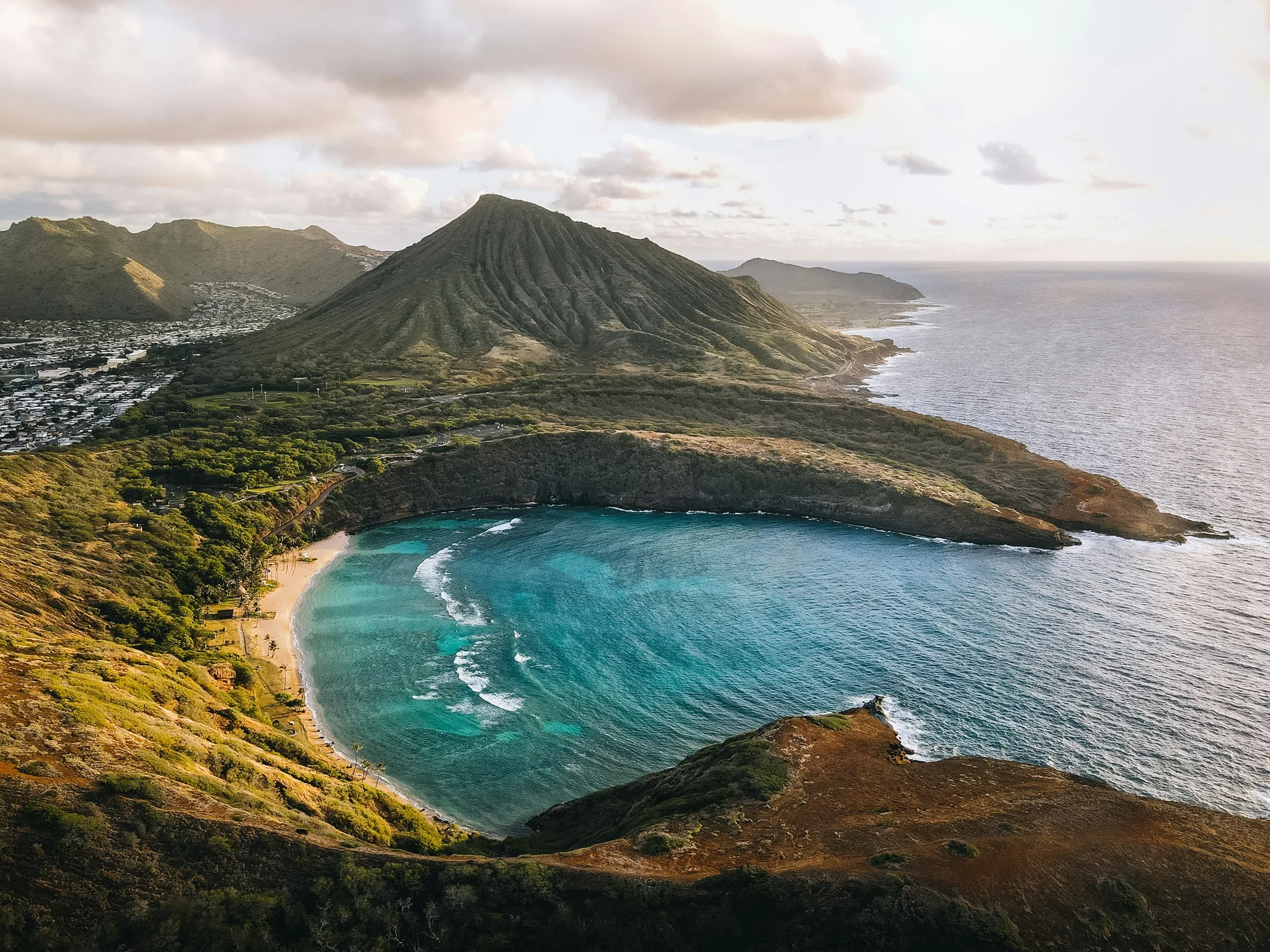
Oʻahu has some of the most visited natural sites in the state, and several are managed more tightly than first-timers expect. Places such as Diamond Head and Hanauma Bay may require advance planning, reservations, or schedule awareness. Other popular hikes and beaches can be affected by parking limits, neighborhood access issues, restoration work, or temporary closures.
The easy fix is to identify your top two or three priority sites before you arrive and check the official requirements for those specific places. Do not build a whole day around a famous name you have not looked up since seeing it on social media.
This is especially true for Hanauma Bay. It is not just “a beach you swing by.” If snorkeling there matters to you, treat it like a planned activity. If the timing does not work, there are other ways to enjoy the ocean on Oʻahu without forcing that one stop.
Mistake 6: Choosing where to stay based only on the prettiest photo
Oʻahu is small enough to explore, but not small enough for location to be irrelevant.
Waikīkī works well for first-timers who want restaurants, tours, shopping, nightlife, easy beach access, and minimal driving. Ala Moana and the broader Honolulu area can be practical for people who care more about dining, events, or visiting friends and family than resort atmosphere.
Ko Olina offers a more contained resort feel on the west side, with lagoons and a quieter vacation bubble. It can be a good fit for families or travelers who want to stay put, but it is not the most convenient base for bouncing around Honolulu and the Windward side every day.
The North Shore has a slower feel and a strong pull for surf culture and rural scenery, but lodging is more limited and the drive to Honolulu activities is not something most people want to repeat daily. Windward Oʻahu — places like Kailua and Kāneʻohe — is beautiful, but visitors should be careful about legal lodging; many residential vacation rentals are restricted.
The right question is not “Where is the best place to stay on Oʻahu?” It is “What do I want my mornings and evenings to feel like?”
Mistake 7: Packing only for resort weather
Most first-timers pack for Waikīkī: swimsuits, sandals, linen, sunscreen. That covers part of the trip. It does not cover all of Oʻahu well.
If you are hiking, bring shoes that can handle dirt, mud, and uneven footing. Mānoa and other lush areas can be wet even when Waikīkī is dry. If you are doing an early morning outing, boat trip, or windward beach day, a light layer is useful. If you plan to spend time in the water, sun protection matters more than dressing up.
You do not need expedition gear. You need practical variety: real walking shoes, a light rain layer, a cover-up or rash guard, and clothes that can handle salt, sun, and a little red dirt. Oʻahu has polished restaurants and muddy trailheads on the same island; pack for both if you plan to visit both.
Mistake 8: Forgetting that beaches have seasons and personalities
A beach that looks perfect in a photo may not be the beach you meet that day.
Waikīkī is often one of the more forgiving places for a casual swim, especially in protected areas, though it can be crowded. Ala Moana Beach Park can be a calmer option near town. Kailua and Lanikai draw visitors for their color and setting, but parking and wind can shape the experience. The North Shore can be dramatic and powerful in winter, while summer often brings a gentler mood.
Rather than chasing one “best beach,” match the beach to the day. Want convenience? Stay near Waikīkī. Want a long walk and softer pace? Look toward the Windward side. Want to watch waves and linger over lunch? North Shore may be the day. Want a simple swim before dinner? Do not drive across the island just because a list told you to.
Mistake 9: Trying to eat only at places with long lines
Oʻahu has extraordinary food, from plate lunch and poke to chef-driven dining, bakeries, farmers markets, izakaya, saimin, shave ice, and old-school counters that have fed local families for decades. It also has a visitor habit of turning a few places into endurance events.
A line is not always a sign from the heavens. Sometimes it is just a line.
Plan ahead for restaurants that truly matter to you, especially smaller dining rooms or popular dinner spots. But leave space for low-drama meals: a good plate lunch after the beach, poke from a market, noodles when it rains, malasadas because the timing worked out. Oʻahu is a better eating island when you stop treating every meal like a trophy.
If you are staying in Waikīkī, use at least a few meals to get outside the resort corridor. Honolulu’s food scene is one of the great reasons to choose Oʻahu in the first place.
Mistake 10: Building a trip from social media instead of geography
This is the big one. First-timers save a waterfall, a pillbox hike, a shrimp truck, a snorkeling bay, a bakery, a sunset spot, and a dinner reservation — then discover they have assembled a route that makes no sense.
Oʻahu planning should begin with a map, not a mood board.
Make each day regional. Give yourself one anchor plan, one flexible add-on, and one meal idea nearby. If you finish early, great. If traffic, weather, parking, or a long swim slows you down, the day still works.
A strong first Oʻahu trip might include a few Waikīkī beach mornings, one Honolulu culture-and-food day, one Windward coast day, one North Shore day, and a planned visit to any high-demand site you care about. That is enough. You do not need to turn the island into a scavenger hunt.
The better way to be a first-timer on Oʻahu
Oʻahu is generous, but it is not passive. It asks you to notice where you are: city or country, windward or leeward, surf season or calm spell, resort zone or residential street. Once you start planning with those differences in mind, the island opens up.
Stay somewhere that matches your trip. Rent a car only when it helps. Respect traffic without letting it dominate your mood. Book the few things that need booking. Leave room for beach time that lasts longer than planned.
That is not under-planning. That is the art of doing Oʻahu well.

Further Reading
A few relevant next steps from Alakai Aloha.
 BlogHow to Decide If You Need a Car on Oʻahu
A practical Oʻahu guide to when a rental car helps, when Waikīkī is easier car-free, and how to plan your driving days around parking and traffic.
Editor's pick GuideBest Hotels & Resorts on Oʻahu: Where to Stay
A guide to best hotels Oʻahu.
Editor's pick ActivityAla Moana Beach
Ala Moana Beach offers a spacious, family-friendly escape with calm, reef-protected waters perfect for swimming, sunbathing, and picnics, just steps from Honolulu's urban core.
Editor's pick ActivityWaikīkī Beach
Waikīkī Beach offers a quintessential Hawaiian experience with warm, generally calm waters perfect for swimming, learning to surf, and enjoying a vibrant urban backdrop against Diamond Head.
Editor's pick