
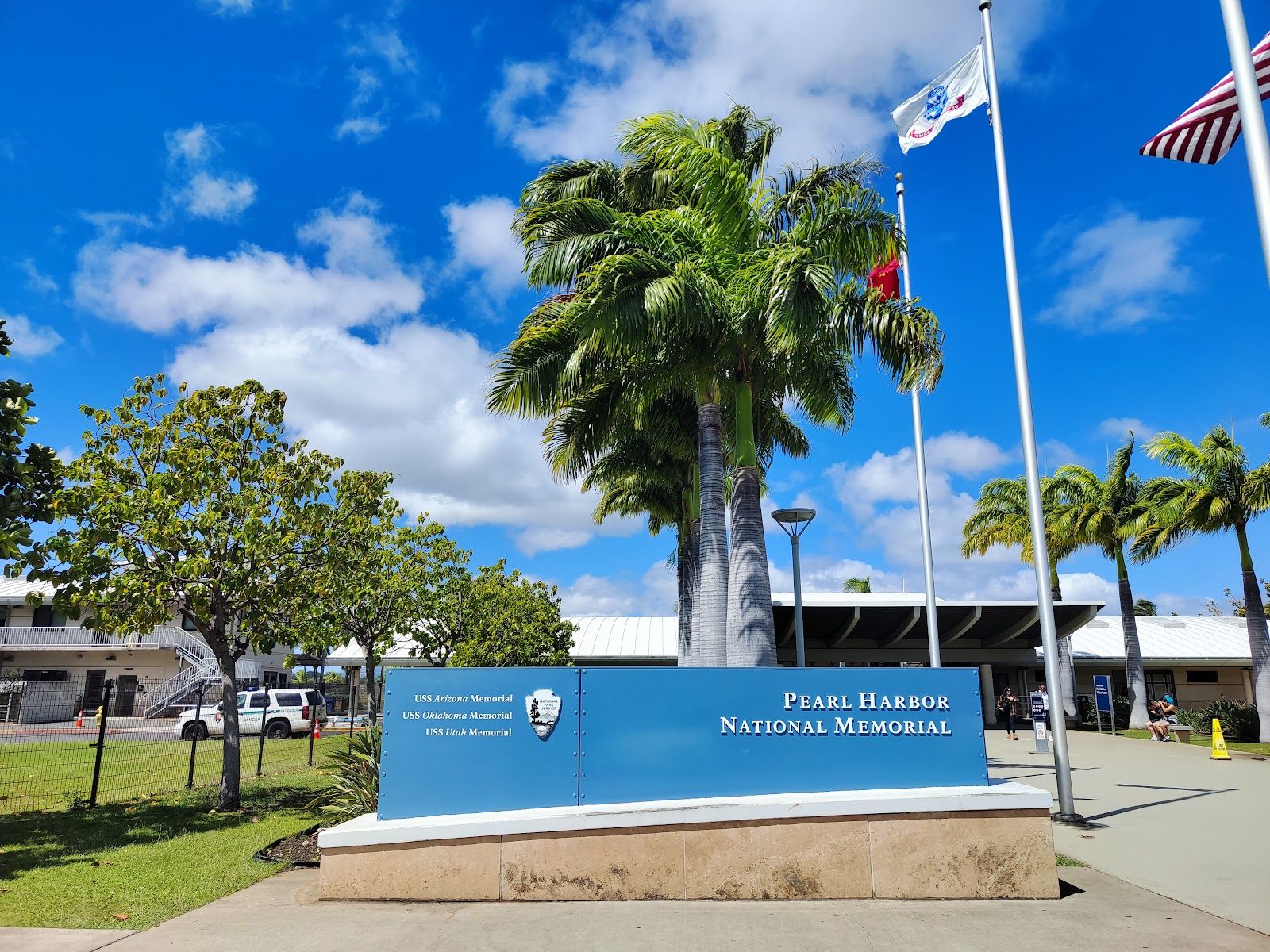
Pearl Harbor National Memorial
Visit the solemn Pearl Harbor National Memorial on Oʻahu to honor those who perished in the 1941 attack, explore museums, and reflect at the iconic USS Arizona Memorial.
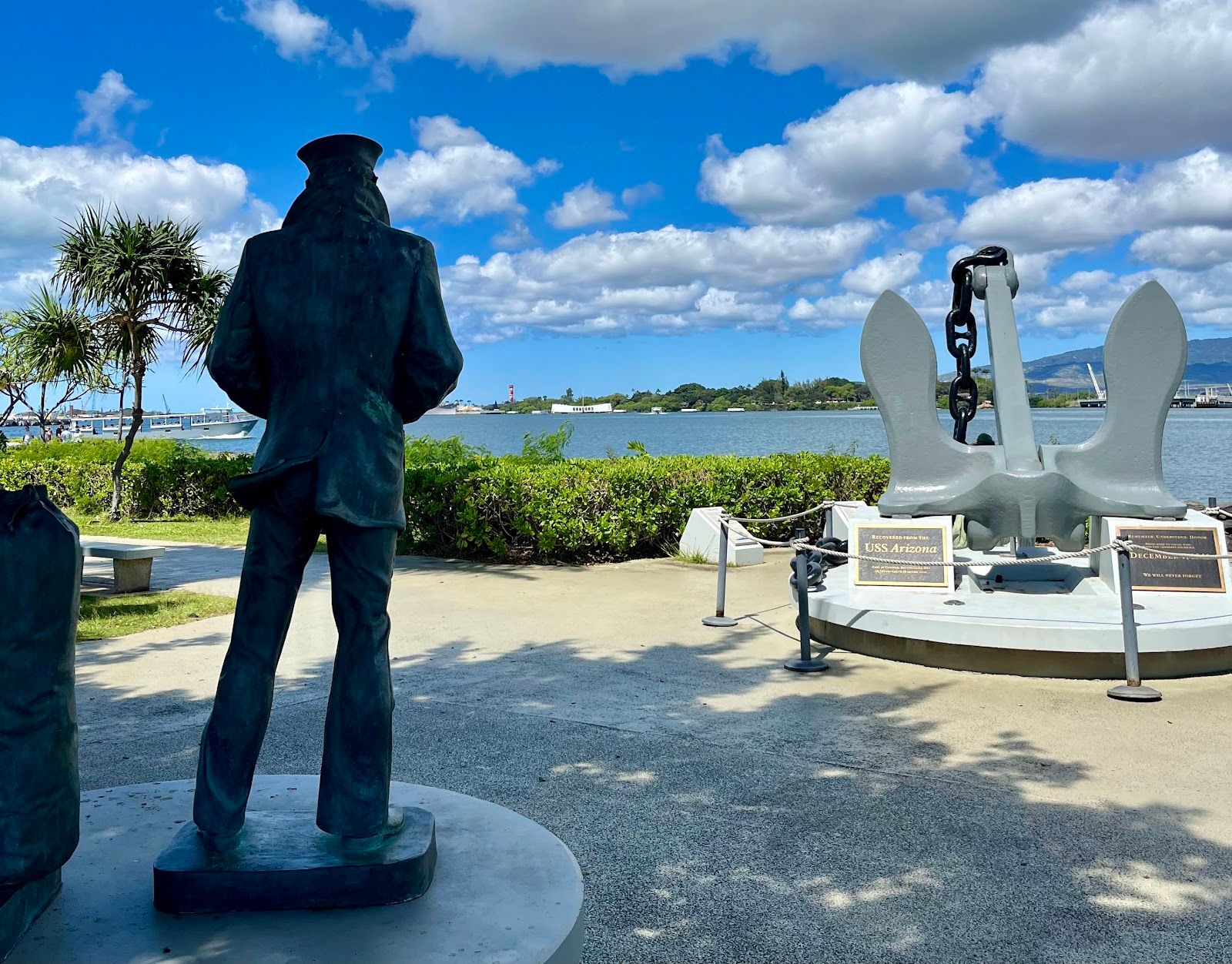
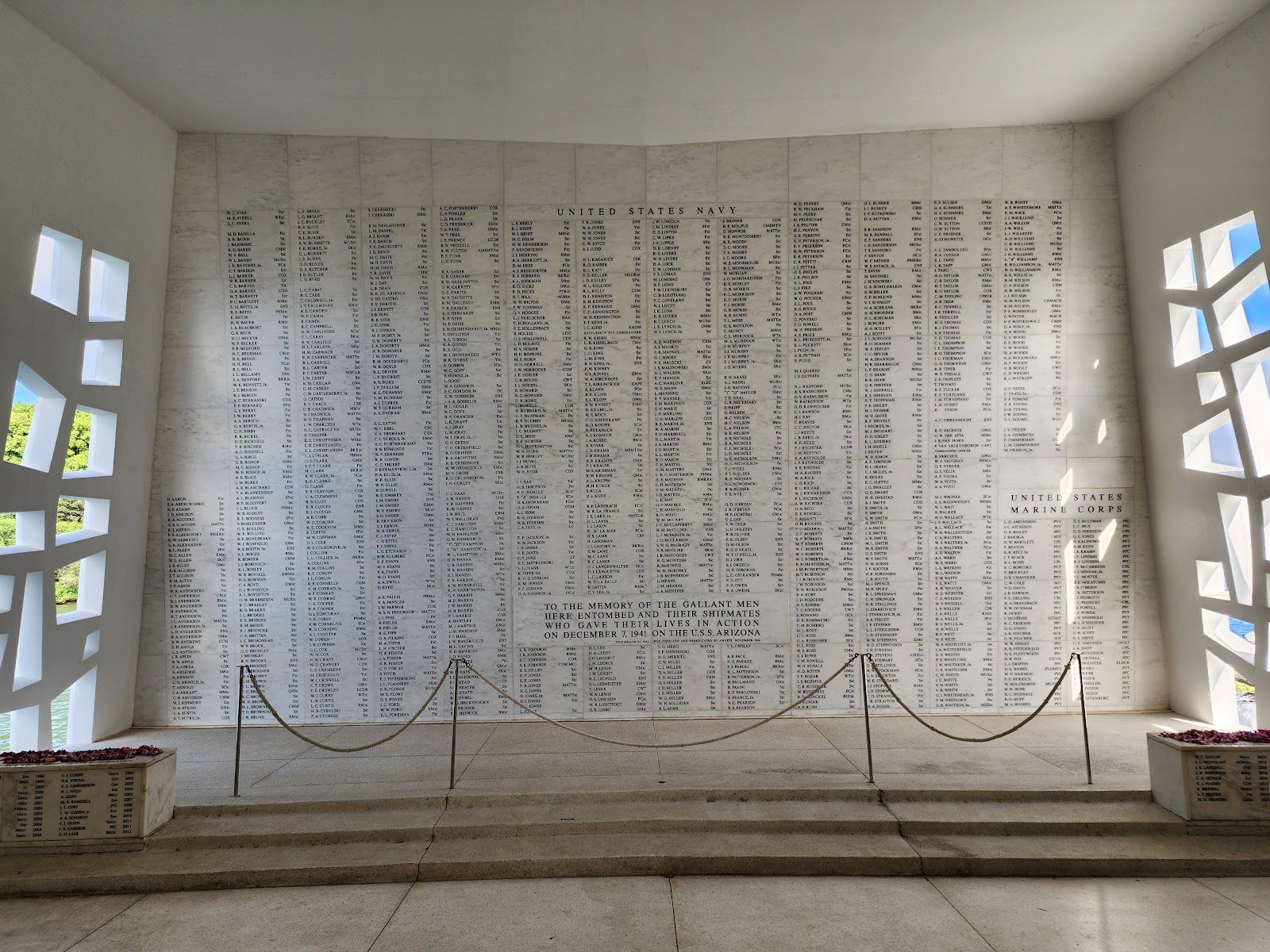
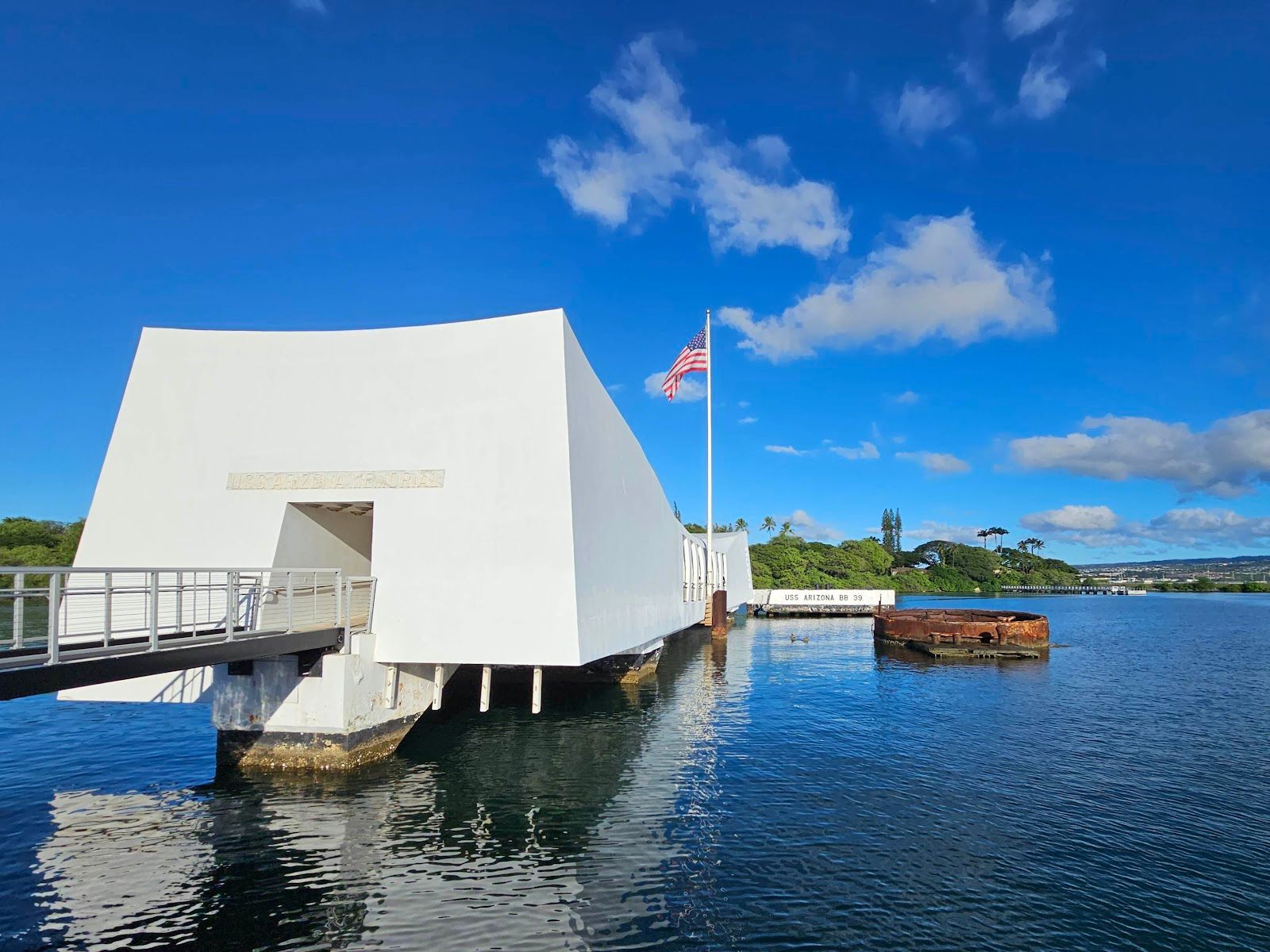
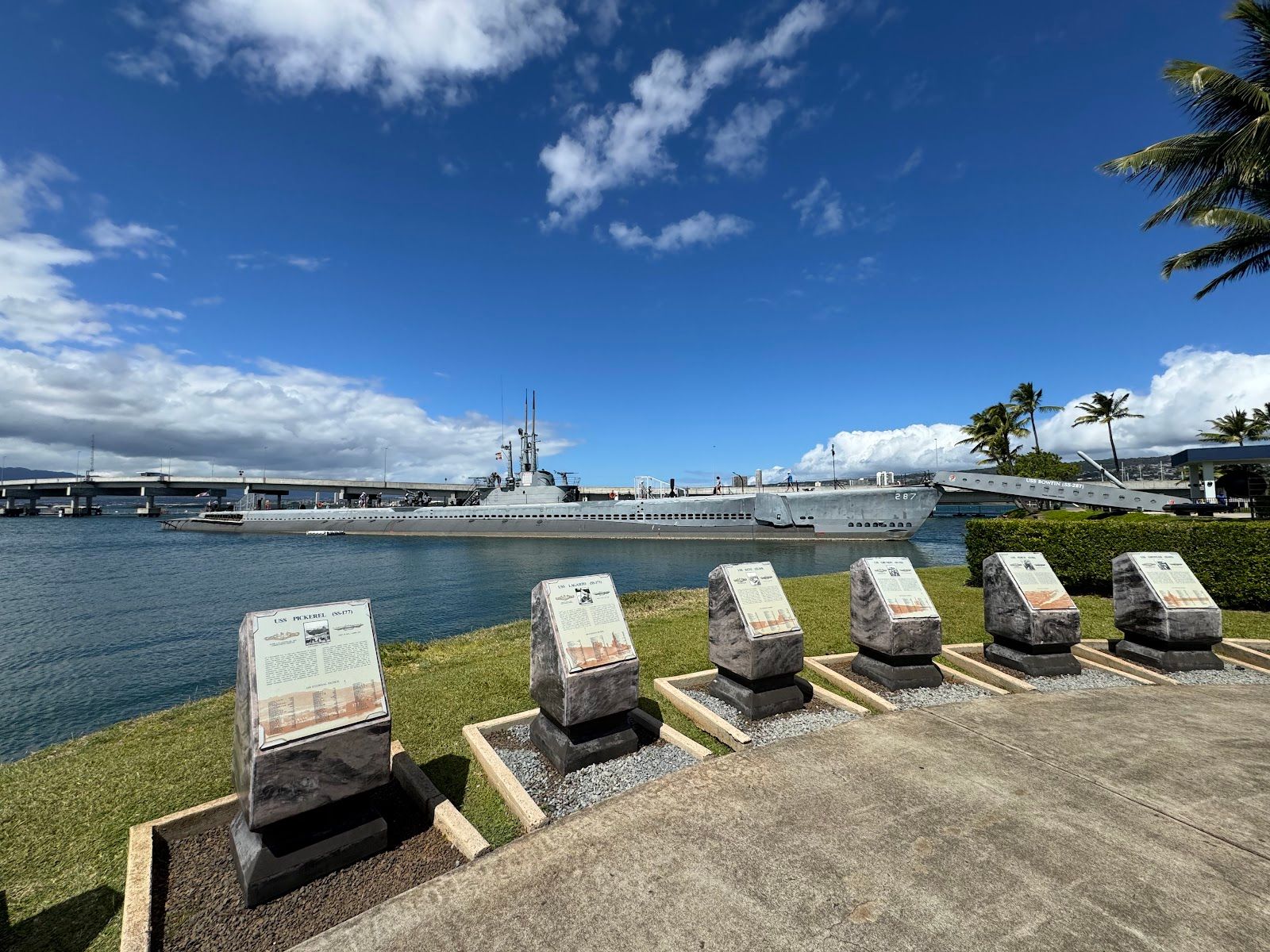
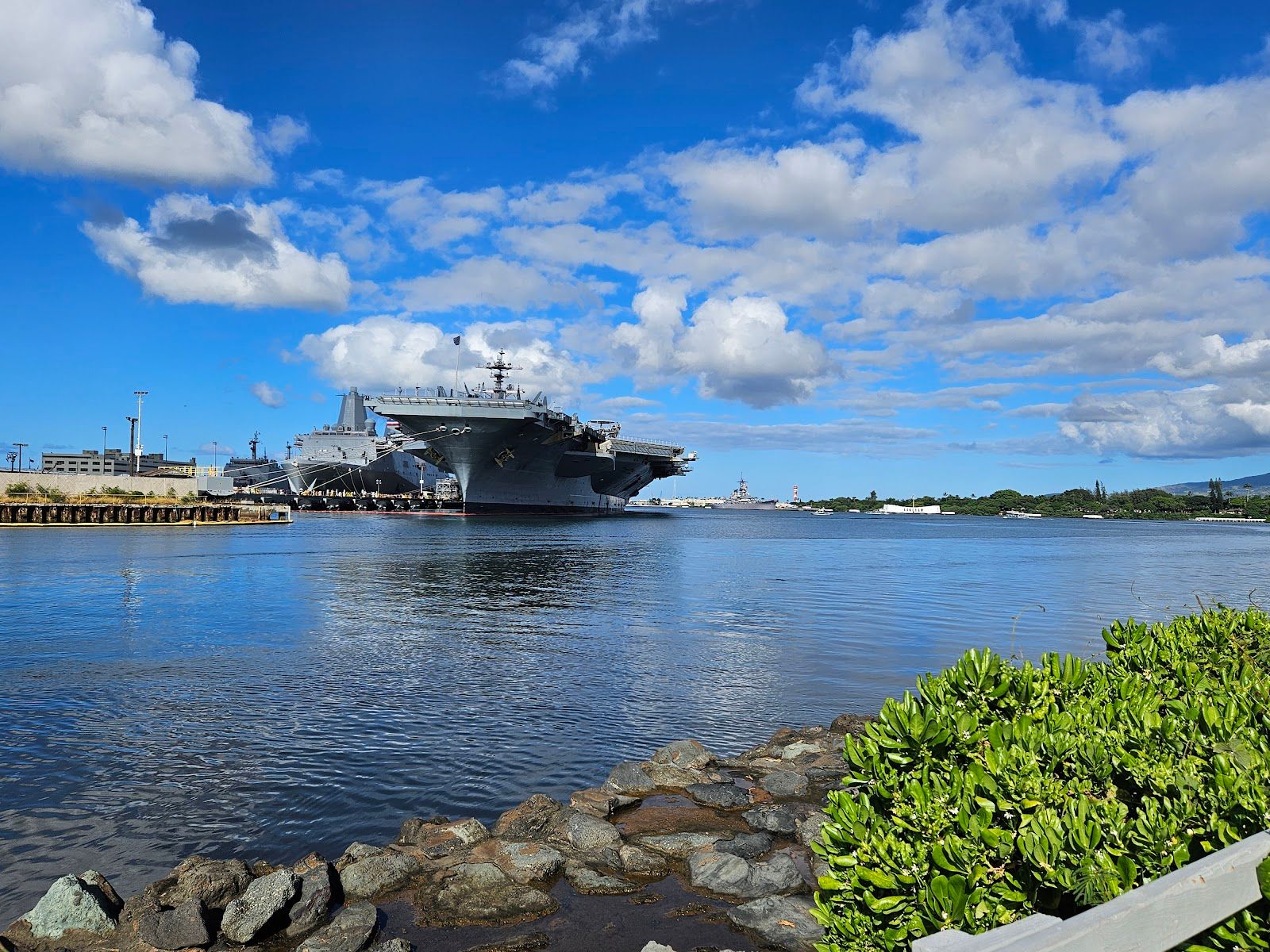
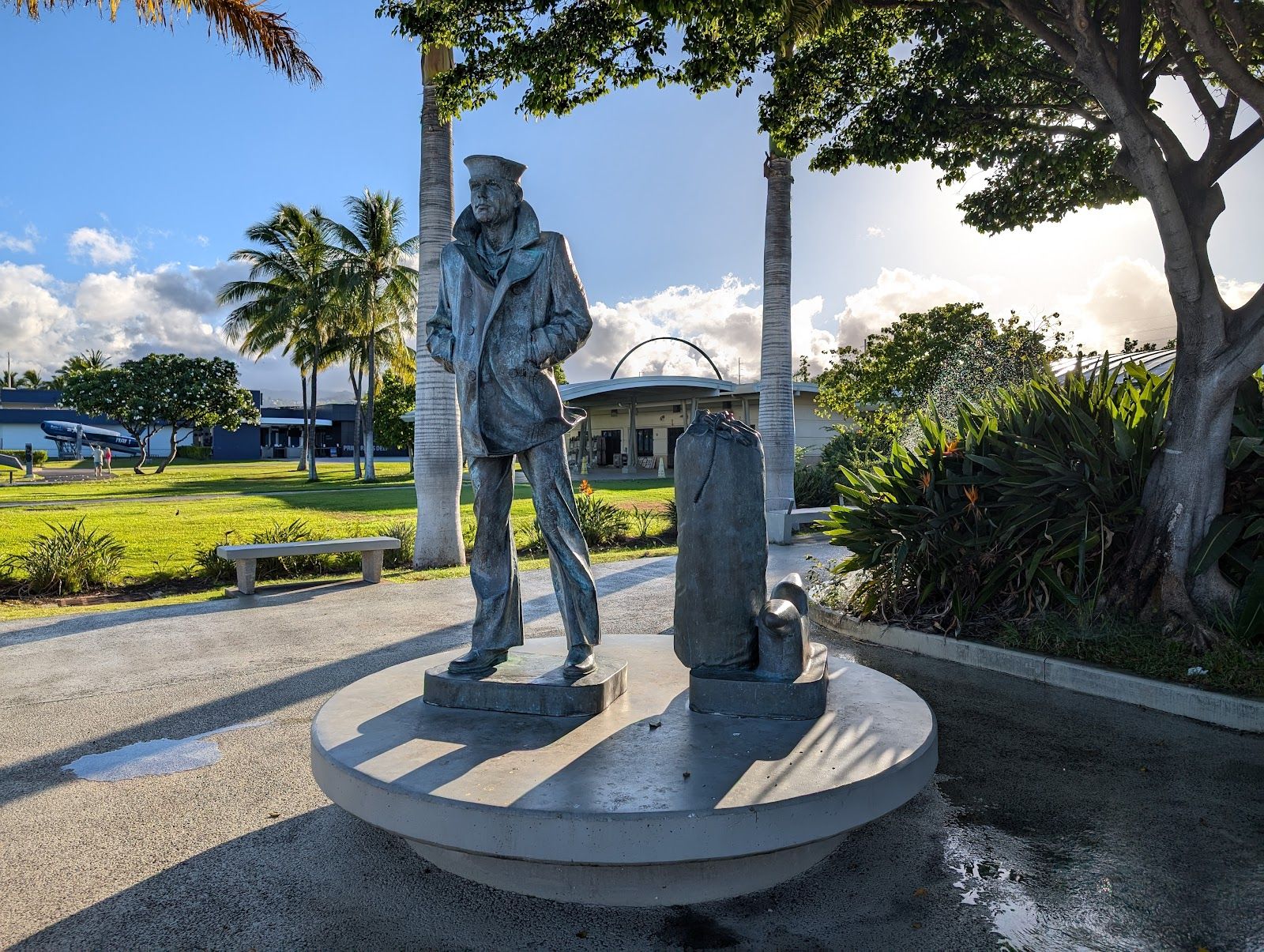
- USS Arizona Memorial access
- Two museum galleries
- Outdoor interpretive exhibits
- Visitor center with film
Pearl Harbor National Memorial is one of Oʻahu’s most consequential cultural stops, and it sits firmly in Central Oʻahu’s Pearl Harbor & ʻAiea area rather than in a beach-day part of the island. It is less about scenery than about remembrance, interpretation, and time set aside for reflection. For travelers building a meaningful Oʻahu itinerary, it works as a powerful half-day anchor, especially when paired with a broader Pearl Harbor visit or treated as the day’s main event.
The visitor-center experience and the USS Arizona Memorial
The heart of the memorial is the Pearl Harbor Visitor Center, where free admission opens the door to museums, outdoor interpretive exhibits, and the waterfront setting. The two main galleries provide the clearest framework for understanding the attack on Pearl Harbor, the lead-up to World War II in the Pacific, and the aftermath that followed. A park film adds historical context before the boat program to the USS Arizona Memorial, which is the most emotionally resonant part of the visit for many travelers.
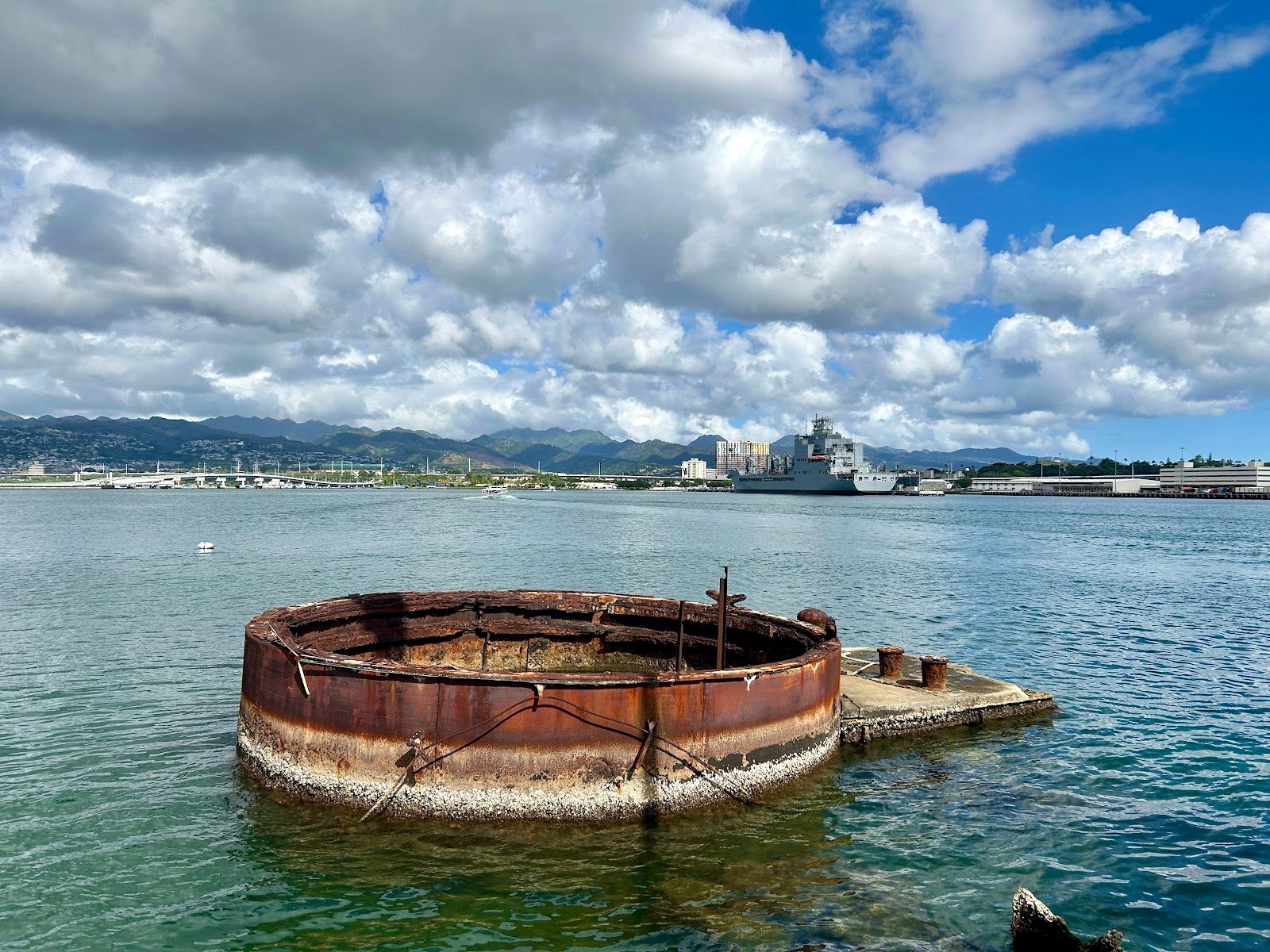
That memorial, built over the sunken battleship USS Arizona, is a solemn place of remembrance and a final resting place for many of the ship’s crew. The experience is quiet, focused, and intentionally unhurried. It is not a place for rushing through photo stops.
Planning it as a half-day, not an afterthought
Pearl Harbor National Memorial fits best when it is given real time. The visitor center and USS Arizona Memorial program usually call for at least a couple of hours, and more if the galleries invite longer reading and reflection. Travelers who want to add the Battleship Missouri Memorial, the Pacific Fleet Submarine Museum, or the Pearl Harbor Aviation Museum should treat the day as a full historical outing rather than a quick stop.
The memorial is also useful as an indoor or rainy-day option, since much of the core experience does not depend on perfect weather. Still, the waterfront setting and boat program mean the visit feels more complete when conditions cooperate.
Reservations, bags, and other practical tradeoffs
A few logistics matter here. Reservations are recommended for the USS Arizona Memorial program, and that part of the visit requires a ticket even though the visitor center itself is free. Same-day access is not something to count on, so booking ahead keeps the day from unraveling. Parking is on-site and paid, and it can fill quickly.
The bag policy is strict. Large bags are not allowed, and storage is available for a fee nearby. Light packing saves time and hassle. Water is the safest thing to bring and the easiest to carry, especially in Oʻahu heat. The memorial is wheelchair accessible, with flat paths and benches, which makes it manageable for a wide range of travelers.
Best fit for history-focused travelers
This is one of Oʻahu’s most important stops for travelers who want substance over scenery. It suits history enthusiasts, veterans, military families, students, and anyone looking for a place of remembrance that connects local, national, and global history. It is also valuable for visitors who want to understand Hawaiʻi beyond the beach narrative.
Travelers seeking a light, casual outing may prefer a different kind of day. Pearl Harbor is moving, structured, and serious by design. That gravity is exactly what gives it its place in an Oʻahu itinerary.