

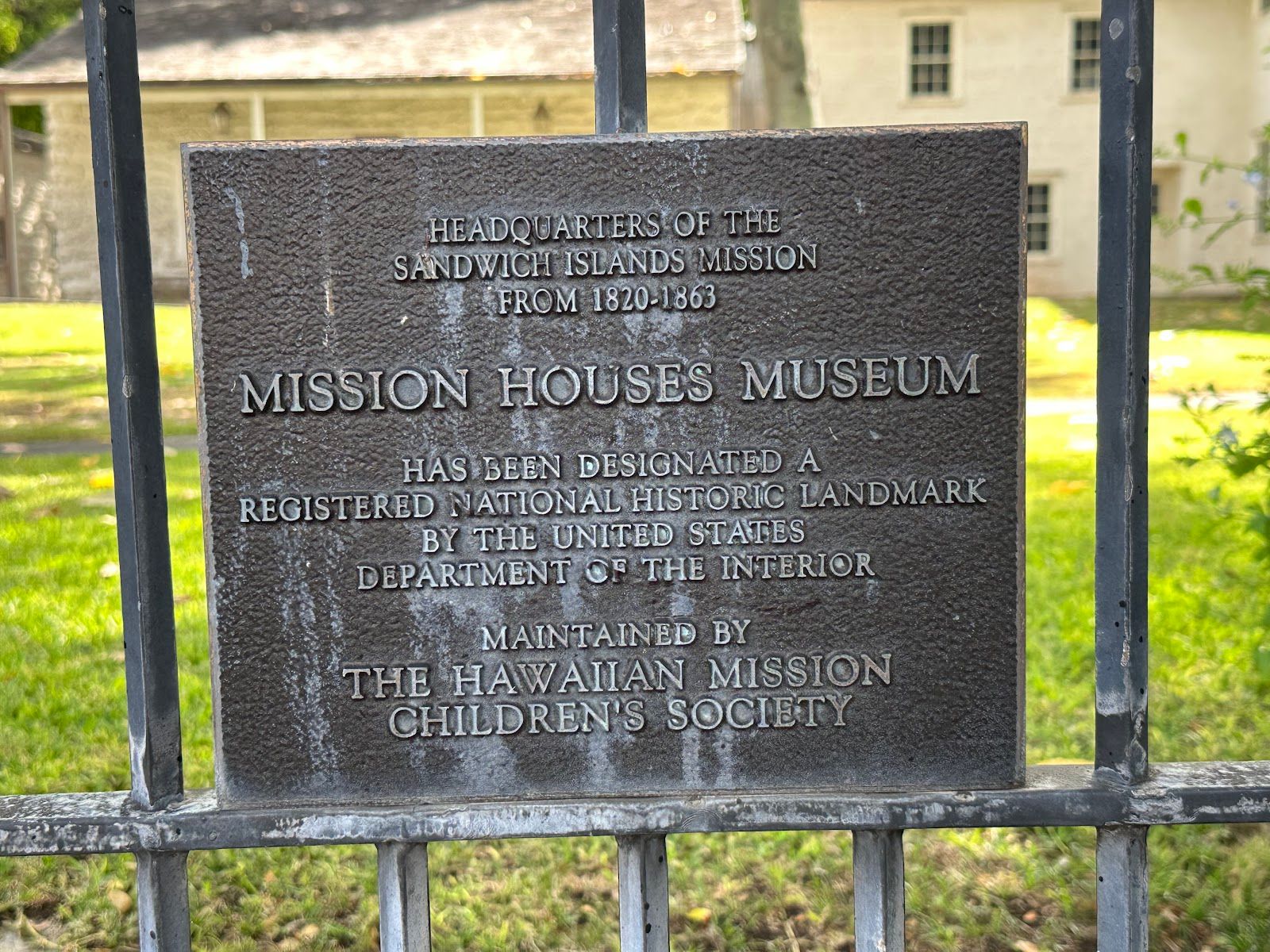
Mission Houses Historic Site
Explore 19th-century Hawaiʻi at this National Historic Landmark, featuring preserved missionary homes, a working printing press, and extensive archives in downtown Honolulu.
- Guided historical tours available
- Self-guided exhibits in Chamberlain House
- Explore historic 19th-century buildings
- Working replica of Hawaii's first printing press
Mission Houses Historic Site is one of Downtown Honolulu’s most rewarding culture stops: a compact historic complex in the heart of Oʻahu’s civic center, but one that reaches deep into the island’s 19th-century story. It fits especially well into a day spent around Downtown, Chinatown, and Kakaʻako, where the pace shifts from city streets to a quieter, more reflective encounter with Hawaiʻi’s mission era, early printing, and preserved historic architecture.
A rare look at Honolulu’s oldest surviving buildings
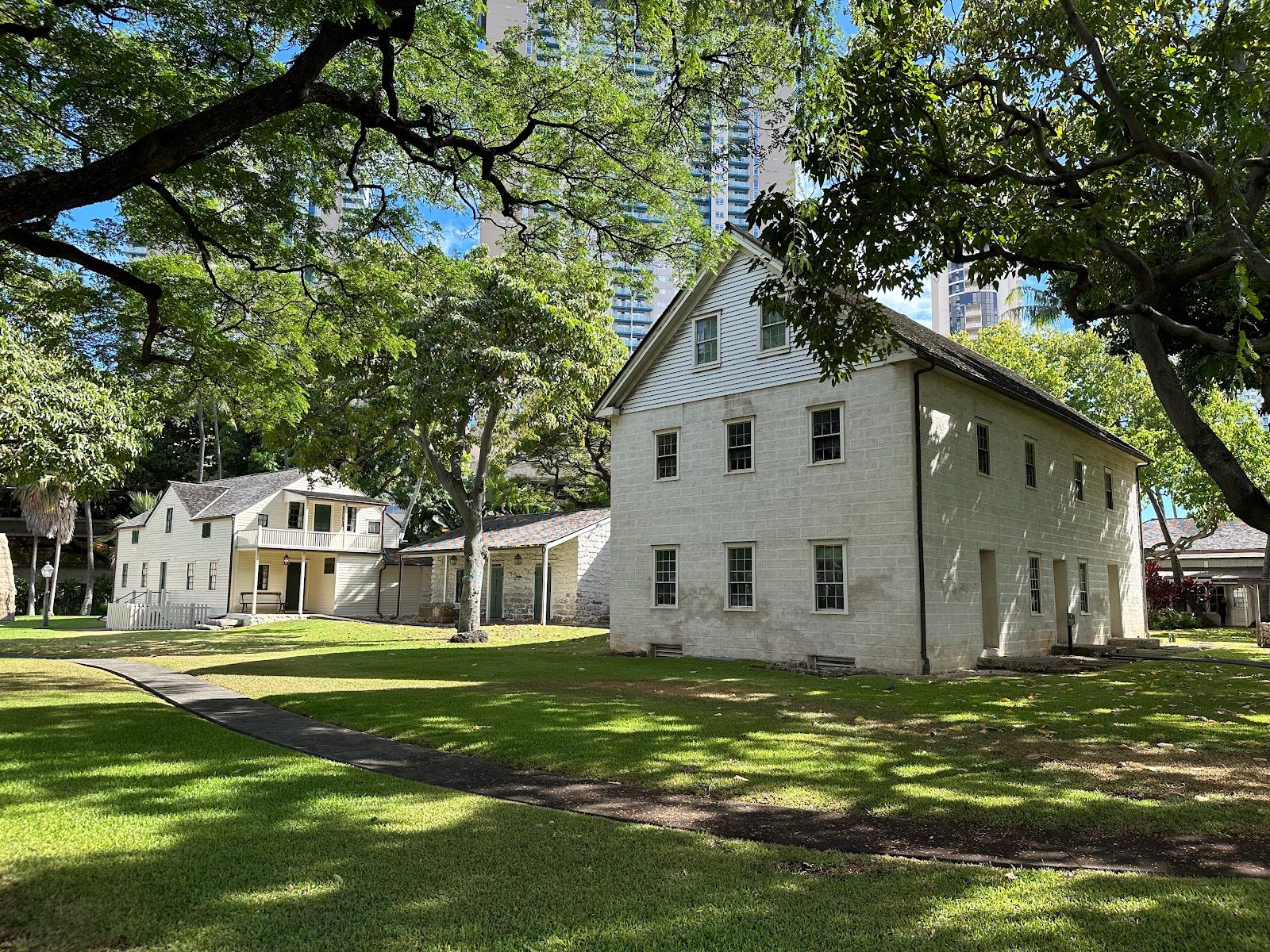
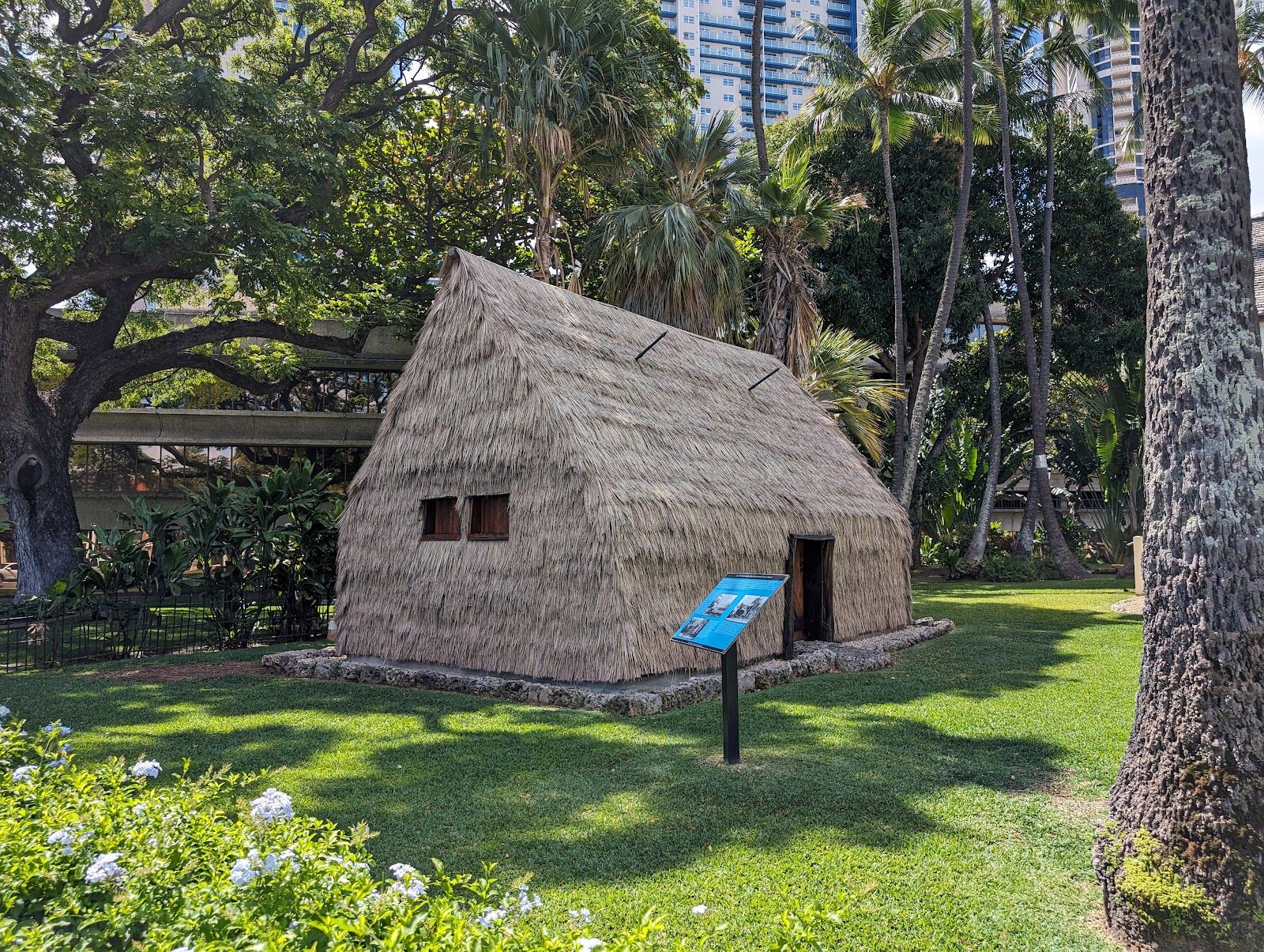
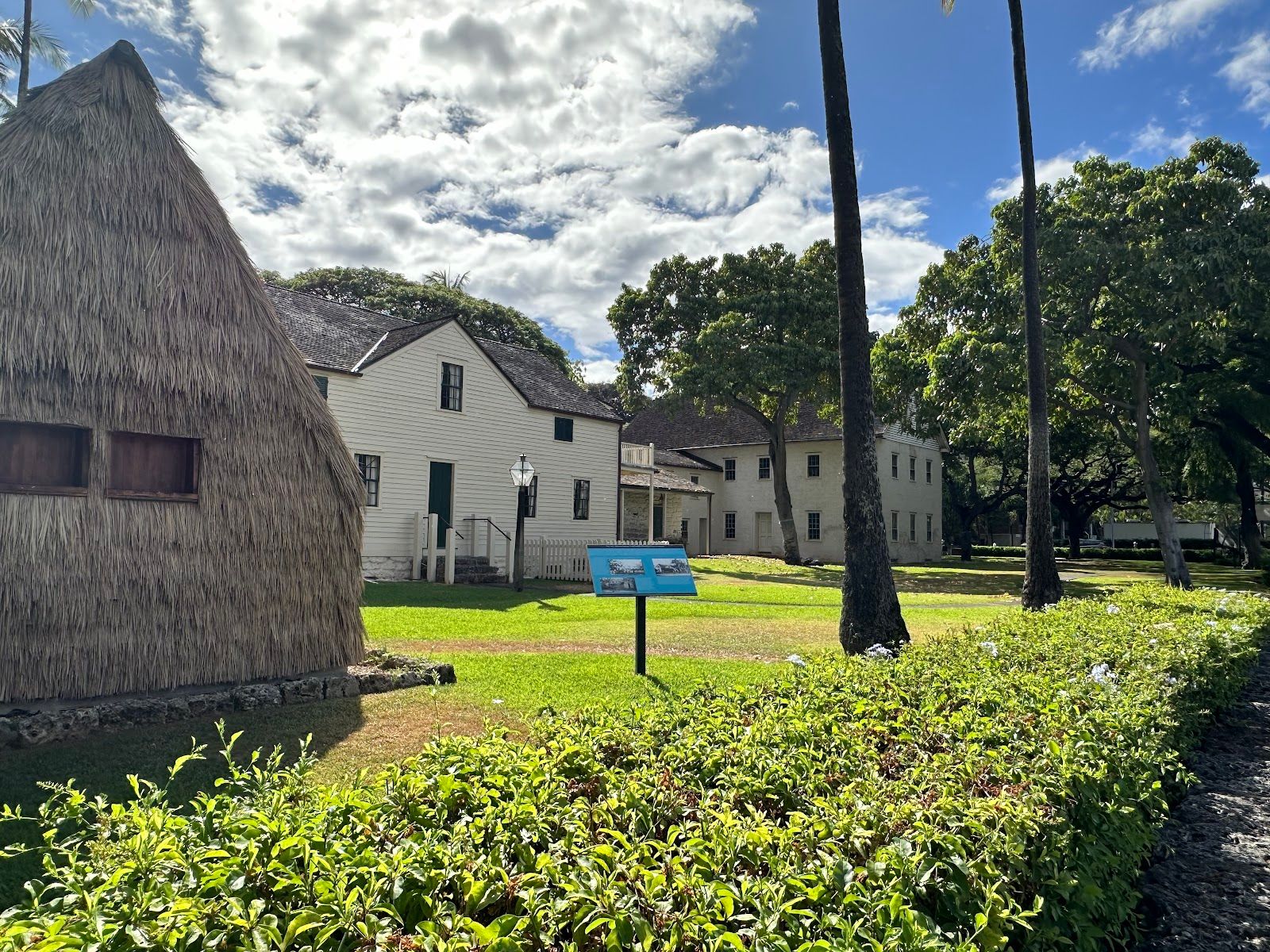
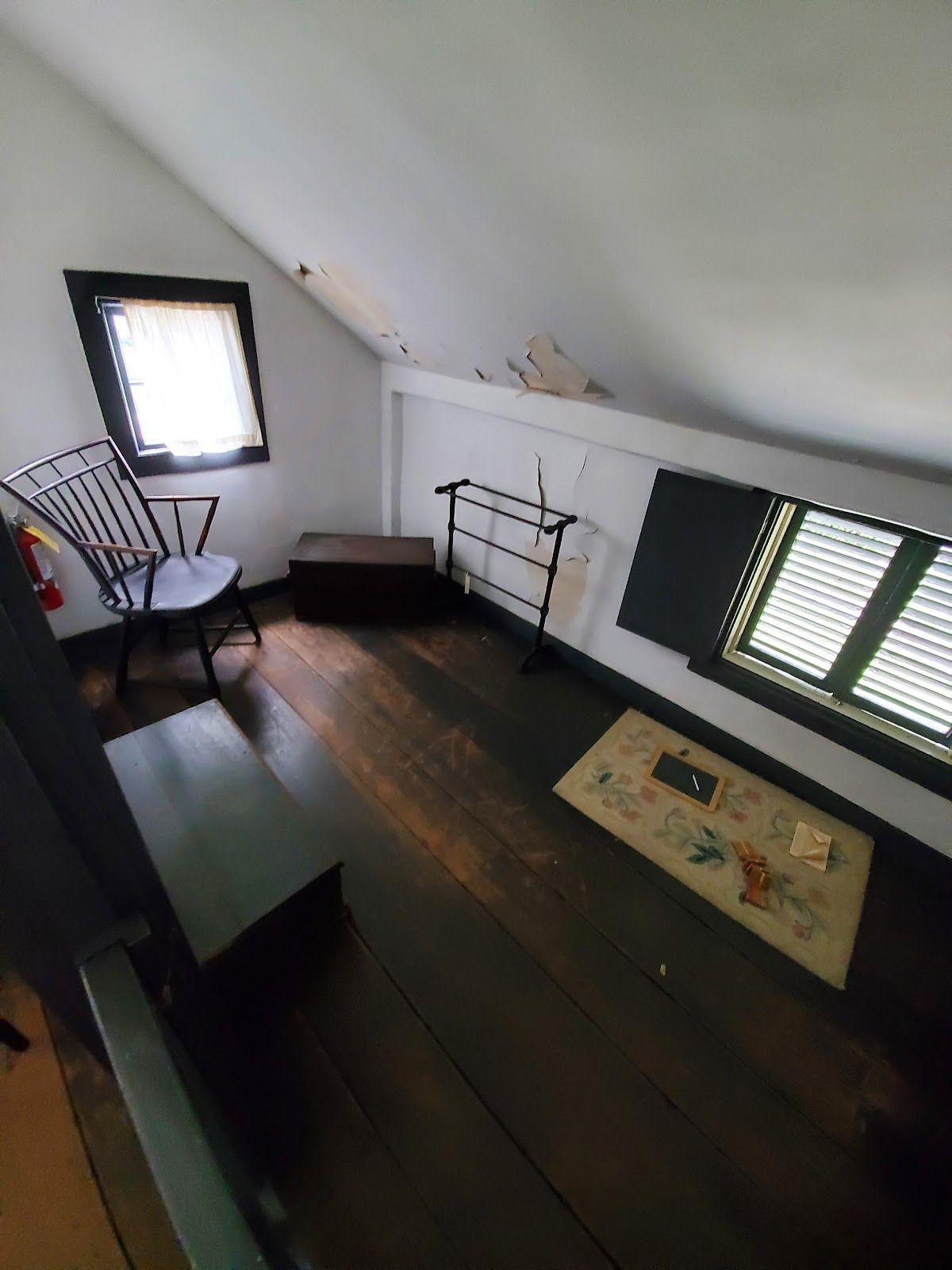
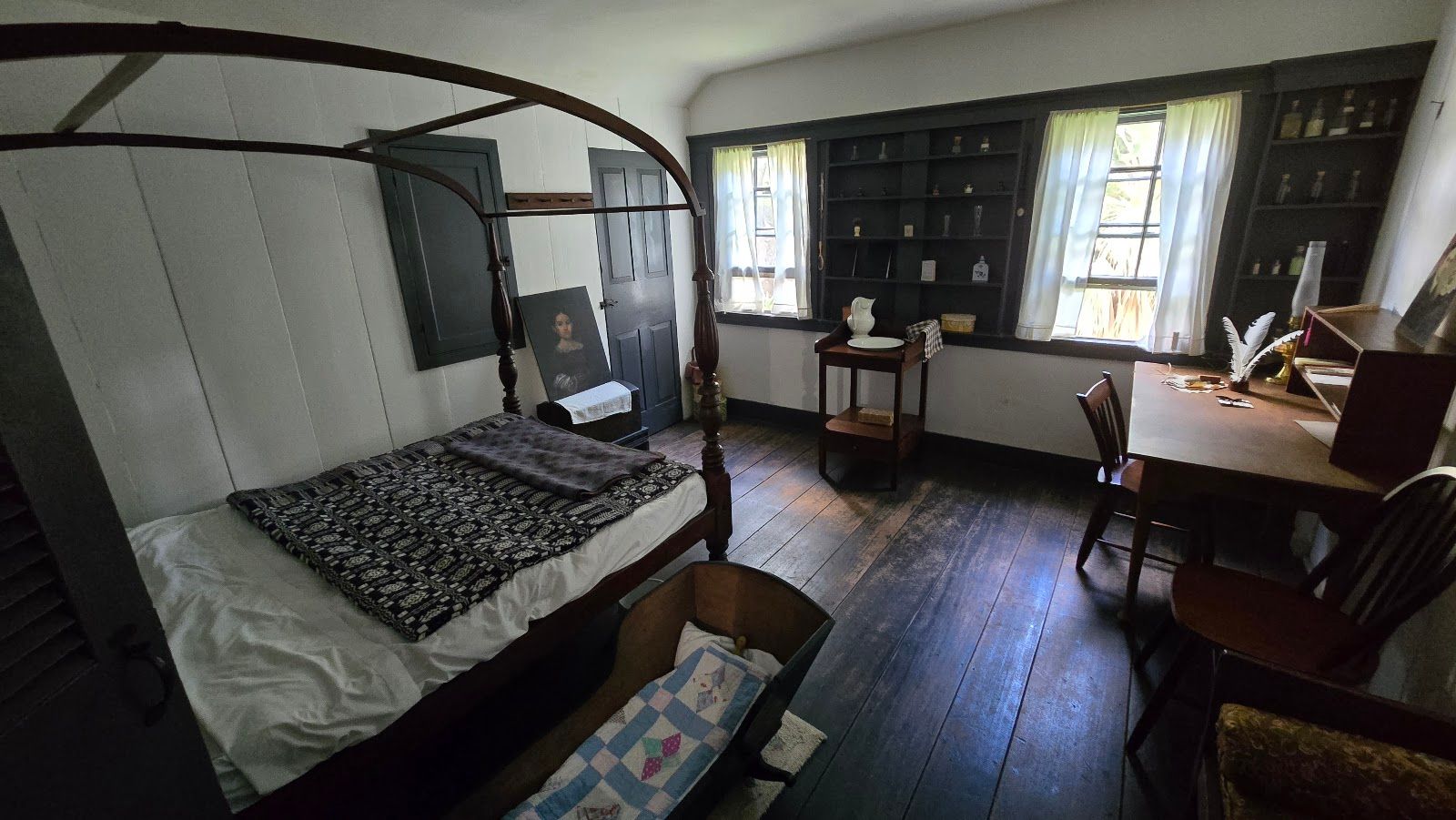
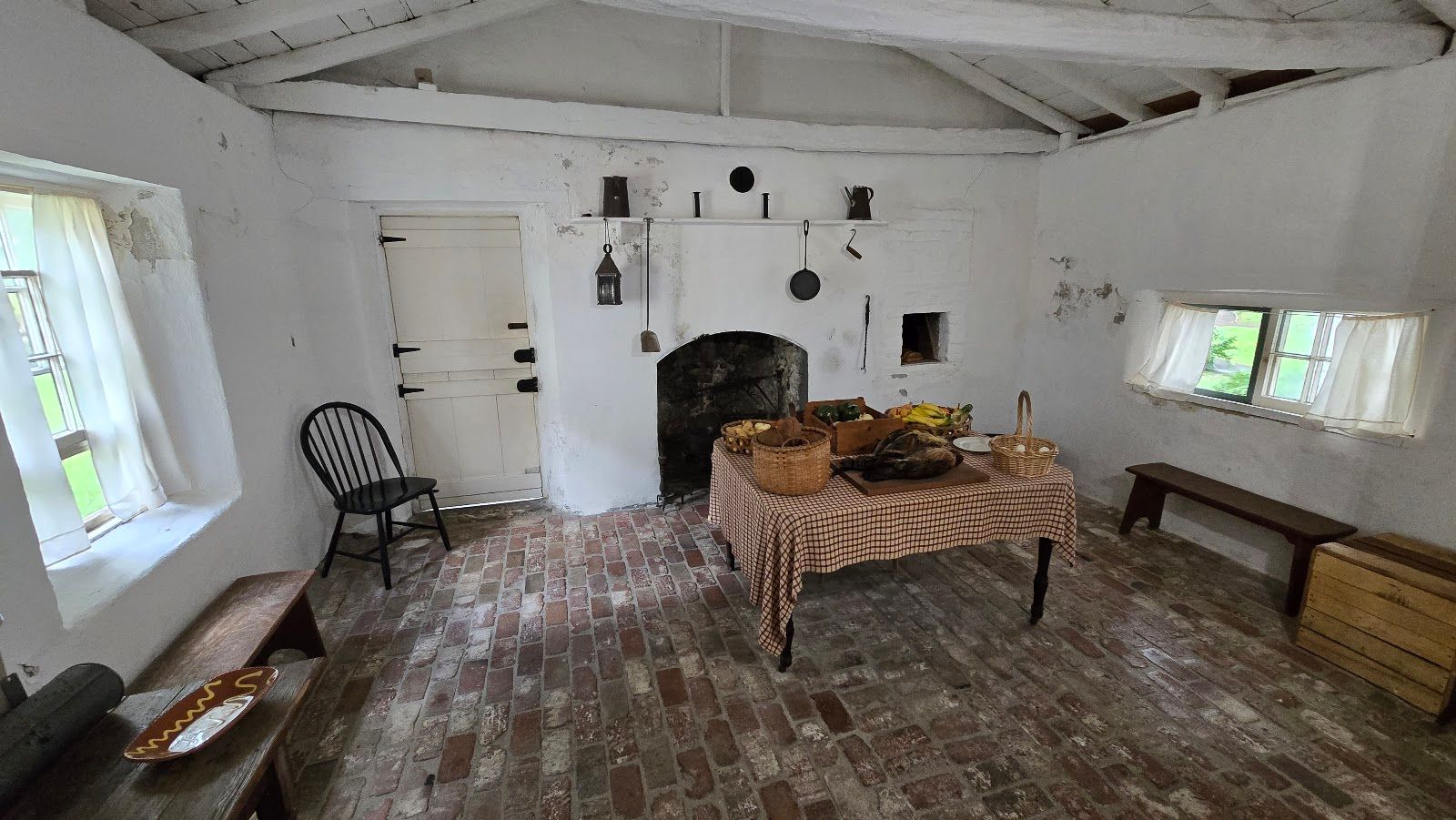
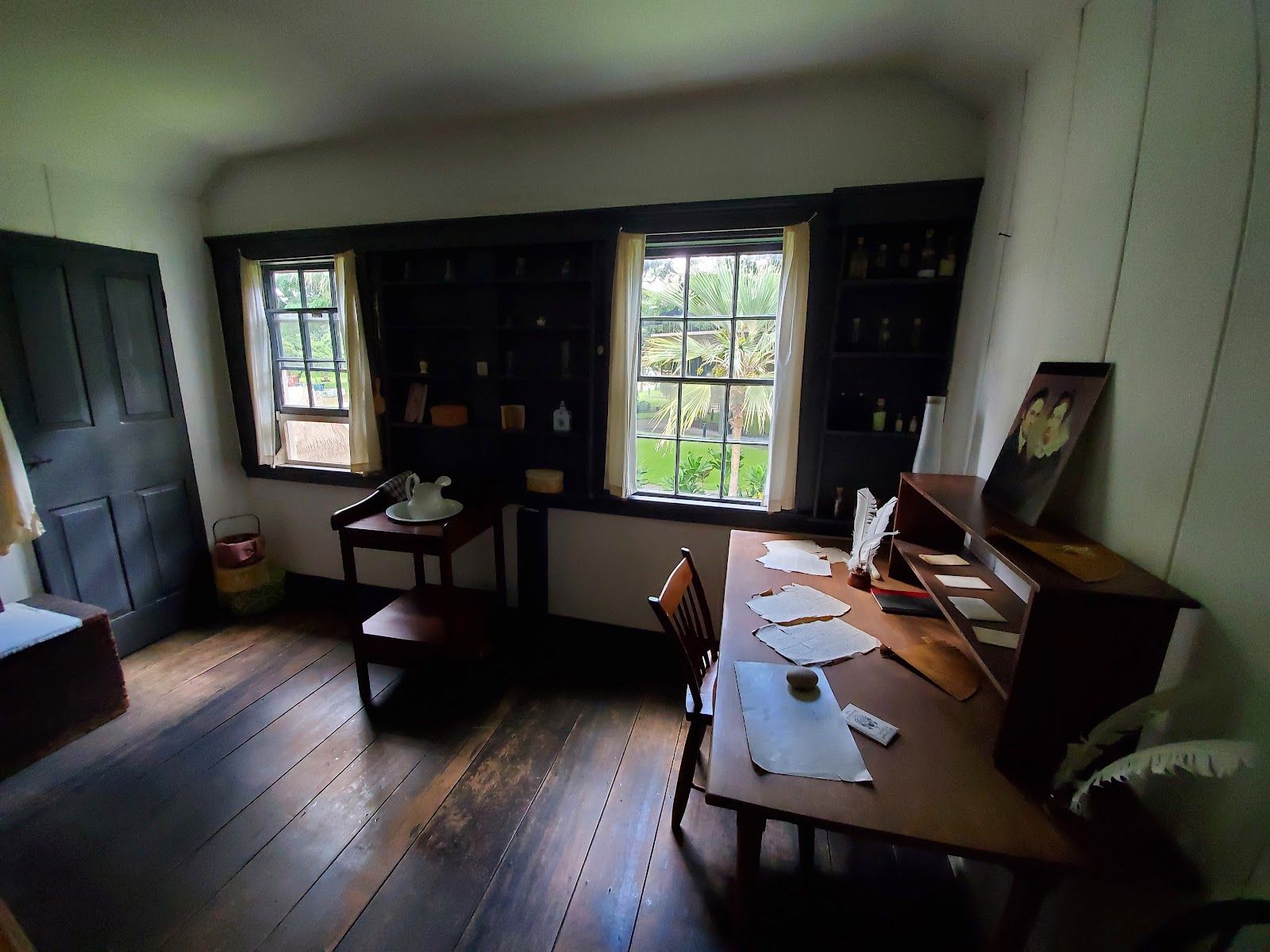
The draw here is not a single museum room but a small campus of historic structures that anchor the site’s story. Ka Hale Laʻau, the oldest still-standing wooden house in Hawaiʻi, gives the complex real weight as a physical remnant of the 1820s. Hale Kamalani, or Chamberlain House, serves as the main exhibition space and frames the mission period through objects, documents, and interpretation. Ka Hale Paʻi adds one of the site’s most distinctive elements: a working replica of the first printing press in Hawaiʻi, tied to the production of early Hawaiian-language materials.
That combination makes the visit feel specific rather than broad. This is not a general Hawaiian history museum; it is focused on a pivotal period when missionary influence, Native Hawaiian agency, language, schooling, religion, and governance were all intersecting in ways that still matter today. The site’s archive and library deepen that story for researchers, but even casual visitors can get a strong sense of how much was happening inside these walls.
Guided tours bring the place into focus
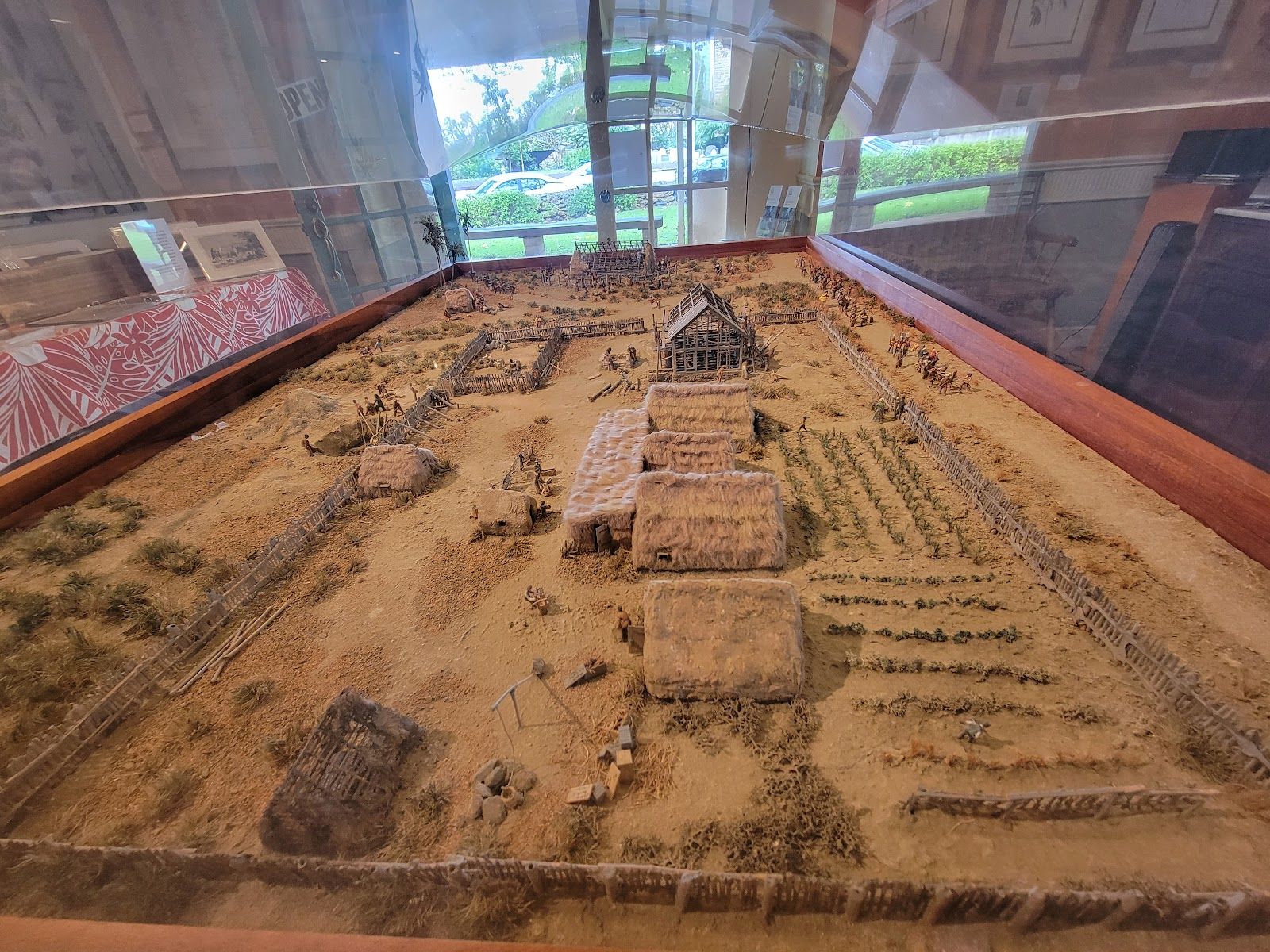
The strongest version of this visit is a guided tour. The houses are compact enough to explore without feeling rushed, and the interpretation helps connect architecture to the larger historical context. The site’s significance is easier to grasp when the buildings are read together: living quarters, supply storage, printing work, and reconstructed educational elements all show how the mission complex functioned as more than a residence.
A self-guided visit can still work, especially for travelers who prefer to move at their own pace or are pairing the site with nearby downtown landmarks. But the tradeoff is clear: much of the value here comes from context. Without it, the houses can feel modest at first glance. Travelers with a strong interest in Hawaiian language history, early education, religion, or preservation will get the most from slowing down and giving the place time.
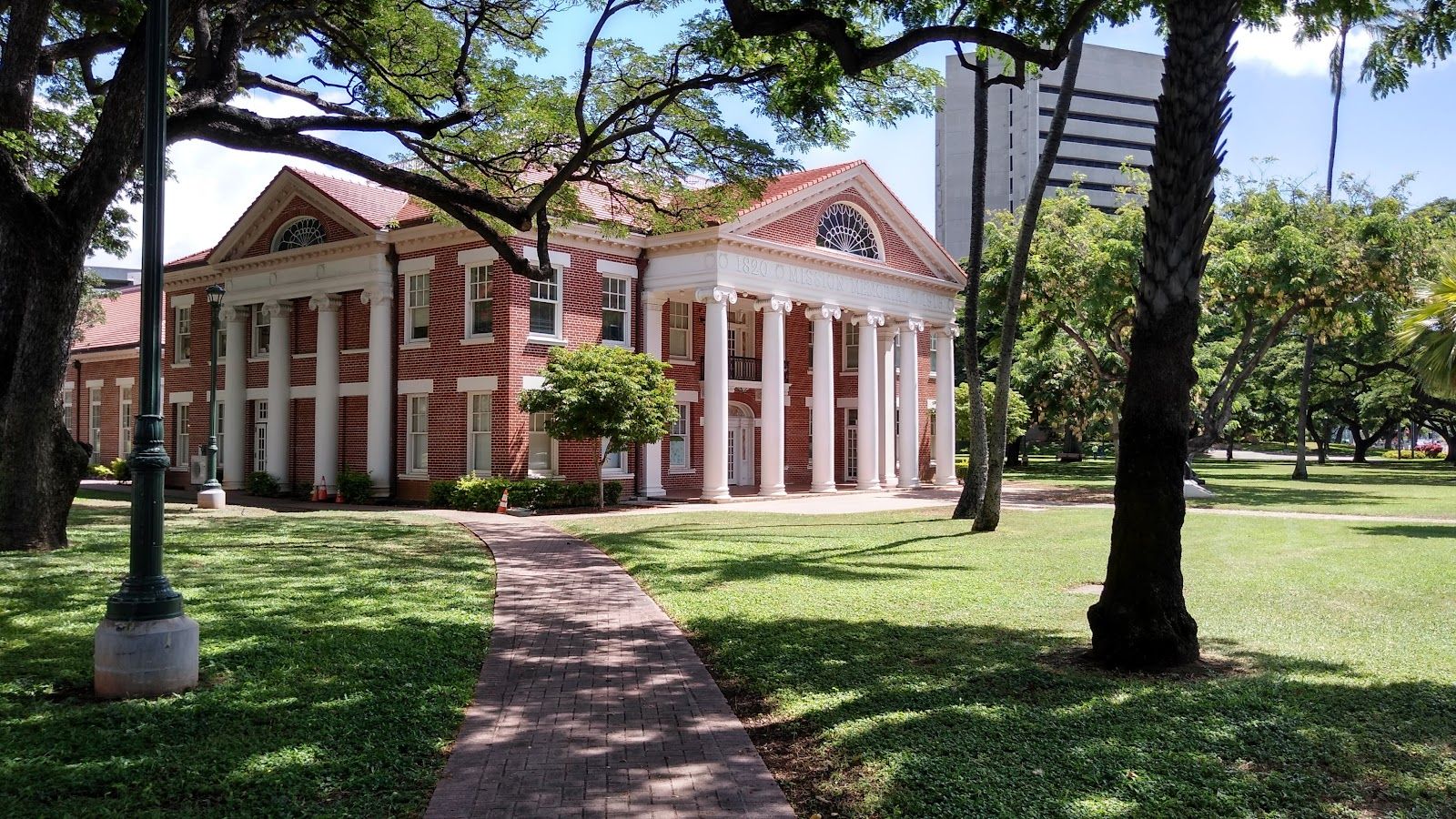
The grounds also include a cemetery and an active archive, which adds to the sense that this is a living research site as much as a museum. That makes it especially good for travelers who prefer substance over spectacle.
Best paired with a downtown Honolulu history day
Mission Houses Historic Site works best as part of a compact urban itinerary. It fits naturally with ʻIolani Palace, Kawaiahaʻo Church, the King Kamehameha statue, or the State Capitol, all of which help tell the larger story of Honolulu’s historic core. Because it sits in Downtown Honolulu, it is also practical for travelers using public transportation or building a day around walkable city sights rather than renting a car.
The site is an easy add-on for a half-day, and it can take less time if you only want a focused visit. Still, it is the kind of stop that rewards unhurried attention. Warm weather, limited shade in some areas, and the preserved nature of the buildings make sunscreen and water sensible companions. For visitors who prefer beaches, scenic drives, or high-energy attractions, this will feel slower and more contemplative. For anyone interested in the layered history of Hawaiʻi, it is one of downtown Honolulu’s most meaningful stops.