
What it is
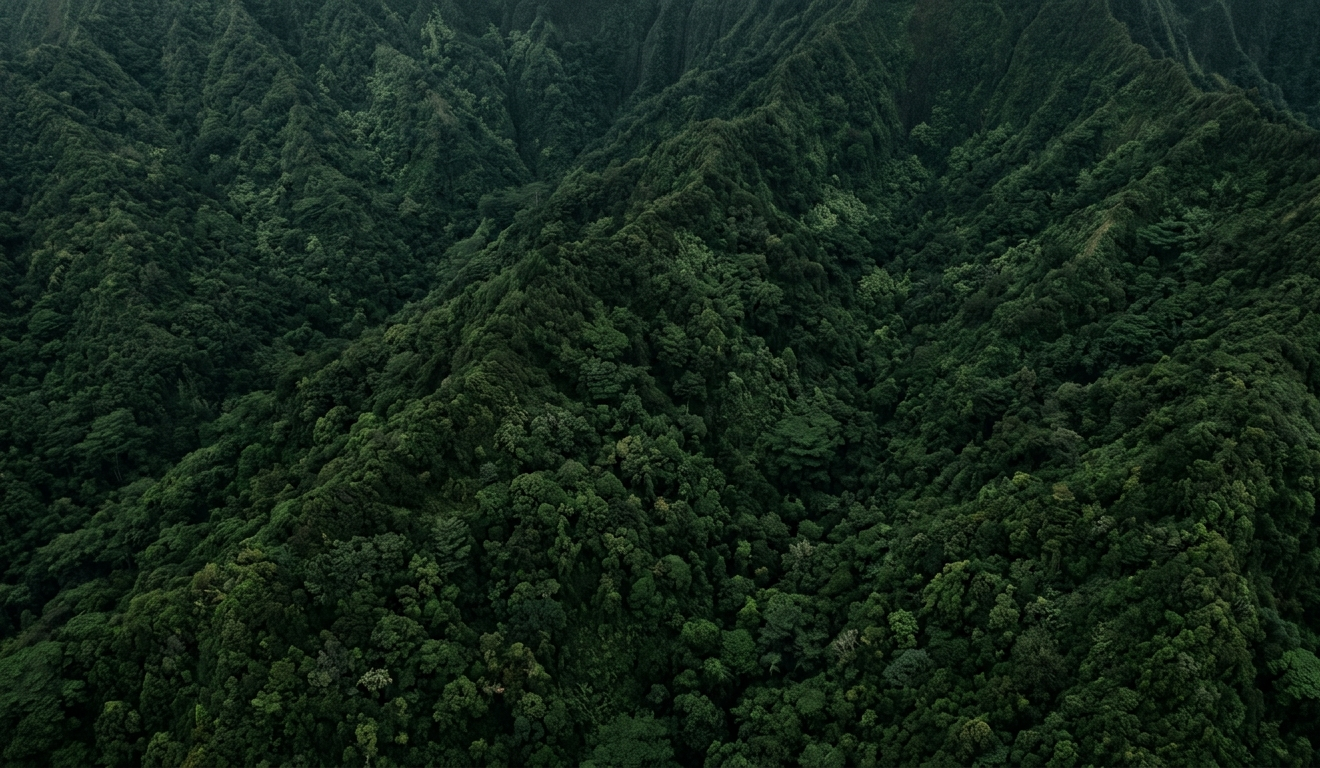
The Mānoa Falls Trail is a popular, family-friendly hiking trail on the island of Oahu, Hawaii, leading to a spectacular 150-foot waterfall within a lush tropical rainforest. Located in the Mānoa Valley, just a 15-minute drive from Waikiki, the trail is part of the Honolulu Mauka Trail System. The round-trip hike is approximately 1.6 miles (2.6 km) and typically takes 1 to 2 hours to complete. While often described as easy to moderate, conditions can vary significantly due to frequent rainfall, making it muddy and slippery. The Mānoa Valley receives rain almost daily, which contributes to its vibrant greenery and sometimes leads to rainbows, inspiring the University of Hawaii at Mānoa's sports teams' "Rainbow Warriors" and "Rainbow Wahines" names.
The trail is well-maintained, with sections of gravel surfacing and wooden planks to aid footing, though mud and exposed roots are still common. Along the path, hikers encounter dense rainforest with banyan trees, bamboo groves, and native flora and fauna, including tropical birds. Mānoa Falls has also served as a filming location for popular movies such as Jurassic Park and The Hunger Games: Catching Fire.
Visitor experience
Travelers choose the Mānoa Falls Trail for its accessible rainforest experience and the rewarding view of the 150-foot waterfall. It's an ideal activity for those seeking a relatively short and scenic hike through a dense jungle environment close to Honolulu and Waikiki. The trail offers opportunities to observe exotic plants and potentially native bird species. Movie buffs may enjoy recognizing the landscape from famous film scenes. The hike is suitable for most fitness levels, including families with children, though challenging conditions may increase difficulty. Many find the misty atmosphere and the sounds of cascading water to be a peaceful escape, connecting them with the island's natural and spiritual "mana." The trail is best experienced as a half-day activity, allowing for travel, the hike itself, and time to enjoy the surroundings without rushing.
Logistics
- Area: Mānoa Valley, Honolulu, Oahu.
- Access: The trailhead is approximately 15 minutes by car from Waikiki.
- Driving: Take Highway 1 East to Punahou Street, then turn left onto Manoa Road and follow it to its end.
- Public Transport: TheBus Route #5 (Mānoa) from Ala Moana Shopping Center goes to the Mānoa Road/Kumuone Street stop, from which it's about a 0.8-mile (10-minute) walk to the trailhead.
- Tours: Guided tours often include transportation from Waikiki.
- Reservations: No reservations are required to hike the trail.
- Timing: The trail is open from sunrise to sunset. It is recommended to start the hike before 5:30 p.m. to ensure completion before nightfall. To avoid peak crowds, which are typically between 10:00 a.m. and 3:00 p.m., it's best to go early in the morning (before 8:00 a.m.) or late afternoon (after 3:00 p.m.). The waterfall flows strongest from fall through spring due to heavier rainfall.
- Parking: A paid parking lot is available at the trailhead, known as the Paradise Park lot, which operates daily from 8:00 a.m. to 6:00 p.m. The fee is typically $7 per car, with discounts for Hawaii residents and military personnel. Free street parking may be available in the lower Mānoa neighborhood, but requires a longer walk to the trailhead. Do not park in the Lyon Arboretum lot unless visiting the arboretum, as towing is enforced. It is advised not to leave valuables visible in your vehicle.
- Permits: No permits are required for this public trail.
- Likely Duration: The round-trip hike typically takes 1 to 2 hours.
- Activity Type: Better as a half-day activity, allowing for travel, the hike, and time to explore nearby attractions like the Lyon Arboretum.
Safety and cautions
- Trail Conditions: The trail is frequently muddy, slippery, and uneven due to daily rainfall in the rainforest environment. Sturdy, closed-toe shoes with good grip or hiking boots are highly recommended; flip-flops are not suitable.
- Weather: Mānoa Valley is a rainforest and receives rain almost every day, even when other parts of Oahu are dry. Check the weather forecast before heading out and be aware of flash flood warnings. Avoid hiking during or immediately after heavy storms, as flash floods and falling rocks are potential hazards. Turn back if conditions deteriorate, such as roaring brown water or extremely slick mud.
- Leptospirosis: Swimming or wading in the waterfall's pool or any freshwater streams along the trail is strictly prohibited and highly discouraged due to the risk of leptospirosis, a bacterial disease present in freshwater, often carried by animals. Leptospirosis can cause flu-like symptoms and can be fatal if untreated. Avoid contact with freshwater, especially if you have open cuts or sores.
- Falling Rocks: The area around the waterfall is prone to falling rocks. Hikers must stay behind designated barriers and viewing areas at the base of the falls for safety. Serious accidents, including fatalities, have occurred due to rockfall and going beyond warning signs.
- Mosquitoes: Bring and apply insect repellent, as mosquitoes are prevalent in the rainforest.
- Stay on Trail: Stick to the marked trail to prevent getting lost, avoid dangerous terrain, and minimize erosion.
- Hydration: Bring water, as it can be hot and humid, and there are no drinkable water sources on the trail.
- Strollers: The trail is not suitable for strollers due to uneven terrain, mud, and stairs.
Editorial take
The Mānoa Falls Trail is a quintessential Oahu experience, offering an accessible taste of Hawaii's lush rainforest. It should be prioritized by first-time visitors to Oahu, families, and anyone looking for a relatively easy hike with a significant natural reward. Its proximity to Waikiki makes it a convenient half-day excursion.
Those who should skip it include travelers with limited mobility, those adverse to mud and humidity, or those seeking solitude, as it is one of Oahu's most popular and often crowded trails. If you are expecting a remote wilderness experience or the ability to swim in the waterfall, you will be disappointed.
Do not confuse Mānoa Falls Trail with other waterfall hikes on Oahu, such as Lulumahu Falls or Likeke Falls, which may offer different levels of difficulty or require specific permits. While the Lyon Arboretum is nearby and can be combined with the hike, it is a separate attraction. The "Paradise Park" mentioned in parking details is not an active attraction, but rather the name associated with the parking lot and historical site near the trailhead.
Source notes
- Manoa Falls Trail Guide - All You Need To Know Before You Go: https://vertexaisearch.cloud.google.com/grounding-api-redirect/AUZIYQE9zCMSsbi93VwsL4O4_zH716wCtVbELUeKdtMkZVOUX2Mx1pNEkVqWfsmLDJAF7IObNyXFuMwngRU3w-NS2w9MZ7YyX4p2Dk1zfIVxmtjao1b7AedxSYzGklpAw5AtovpH18F-hCc2ZF-aKrQNTkZgarbz5AgrVwi4hg==
- Hiking Mānoa Falls Trail - Hawaii.com: https://vertexaisearch.cloud.google.com/grounding-api-redirect/AUZIYQHmLO3V1XvFGN01w5FSMtXXM-vqSzNHdYnkSJtHdQIojywPA_hHbHwg68dsIIJEWjdDSjE6-DOu1g1j1G8jOwjDBudTo72Amibw0nGQguj1BiODM5kYC1_ZlIknWD7UkTM_FrM=
- Mānoa Falls Trail - Wikipedia: https://vertexaisearch.cloud.google.com/grounding-api-redirect/AUZIYQHTSgq3iFlXulAE2kVLjSPlJ3qLBm-4Hb80c-sGyDesaEVJGqi1BRL_8-6x5zyBV3z0FnnEG8OBacNIo1Q14G5oV22rxqoJ5CD_EQrN7hQiNSItE8QiSFC6K7txTKOpu436q68r---4lPk6tQDDSw==
- Guide to Visiting Manoa Falls: Travelers' Questions Answered - GetYourGuide: https://vertexaisearch.cloud.google.com/grounding-api-redirect/AUZIYQGOdhDzKySj8LnrVgYlZ_Moh9N2uikrHOvD7a6aPwBpMrTUGZHGLLf33dlE6LFTy7mA-yslf9VQhWGypUauuH7JL1aE6NLgpHmYKflFcOOP17wPdY96TkdfNZlIOCGxC0r9QDWRTti2vQzUVq-tmKIOHOpMVq2fLUi6pURVEPrb
- The Everything Guide to Manoa Falls: Oahu's Jungle Waterfall Hike - Next Stop, Hawaii!: https://vertexaisearch.cloud.google.com/grounding-api-redirect/AUZIYQGb79HKFvw4FqRh5NQ0ac2drrdtH95DrLtJyIf48jcHLnpsodhL5n8kcocYiguSMcEP0CHlI_u4TRu3mi9ouW7esbQ9pLOlzdAGgCAcxd0ioQZiy9STPy-xsCcj0VIOdK0zYY2BP2I=
- Manoa Falls Trail, Oahu: Hike Guide, Parking & Tips (2026): https://vertexaisearch.cloud.google.com/grounding-api-redirect/AUZIYQHgL5s9jdcRzo2Uhqij8BCoOKWwPBqsDW6nQDwzbrXiANMWTtVvevduHR-5pByxh40MgRyNqI0dKHJju0BbqYtR0nTLTUURpVpkeGSmMZWZSmw_4FlzHSl2OpwwPtHnFiokY_IGQoi7TJJFMrpMlAGDRoFjSO0WeH3jCs=
- Manoa Falls Parking: https://vertexaisearch.cloud.google.com/grounding-api-redirect/AUZIYQGuZ8SiMqTGQ6is9a-0SHZvOnSPllKhOVSW91nI1MhgCJ72w61_bTqv3RqHu4rAdrg3K9VwccbBUAIBOO1tTFKmaP6KLqas0yujfMDQxTA0SPfEUP-9g2xSXg==
- Manoa Falls Swimming: https://vertexaisearch.cloud.google.com/grounding-api-redirect/AUZIYQFyCyi9ySZZZSukuCsIlcEwgGRtkzYsA8cZ1t73SEWHqQ-7cJCgzpNiESnOMpIfT_4IVTrXjxX5KJoW259lUWsp4QkAShKrM4C6h5_XLsNwD1uXNjarbvB0O58=